

ProductPRODUCT
Featured products
Contact Us
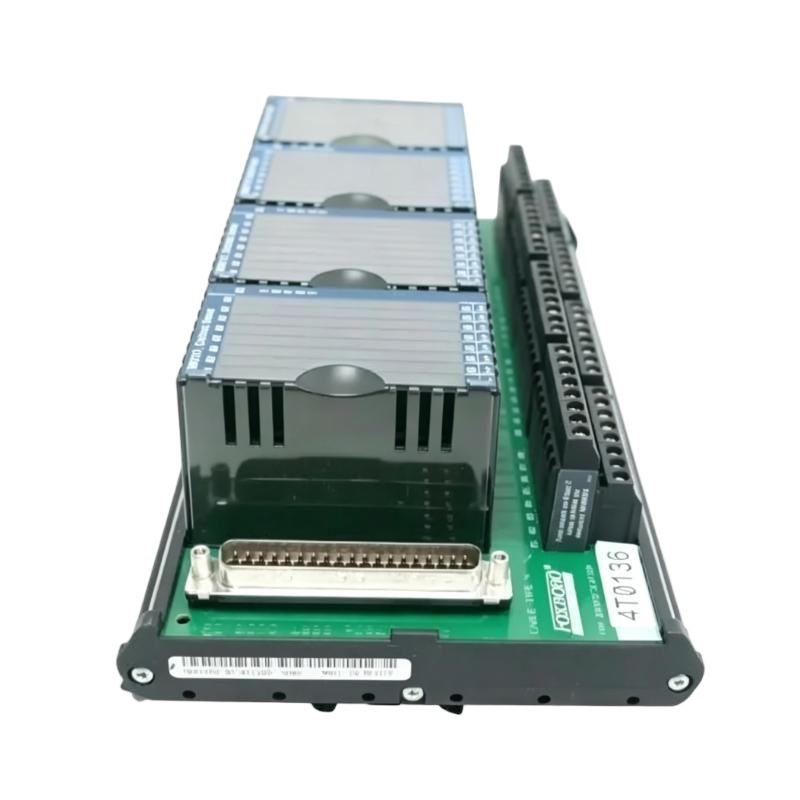
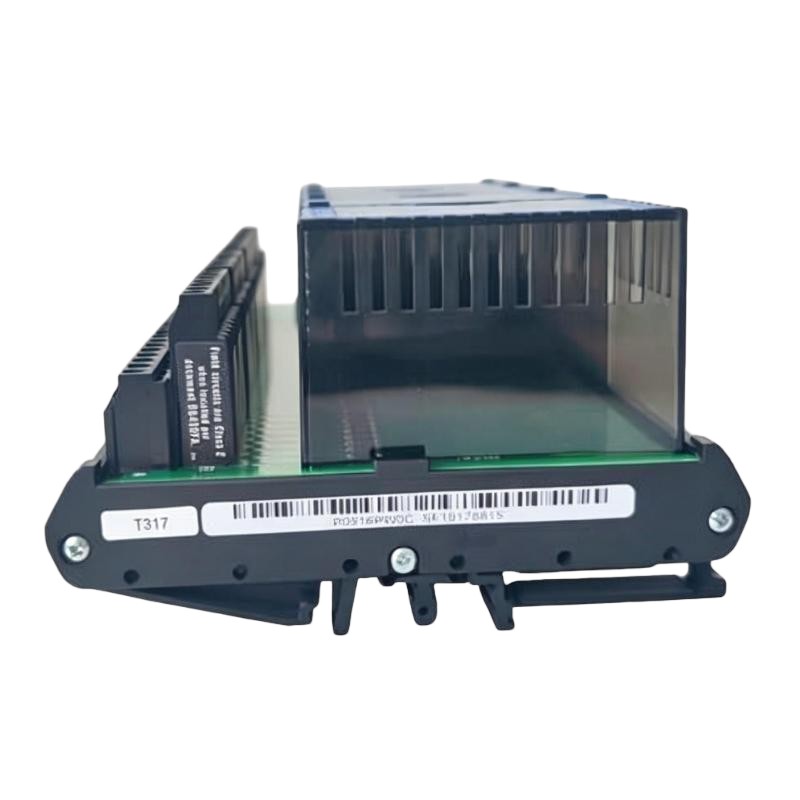
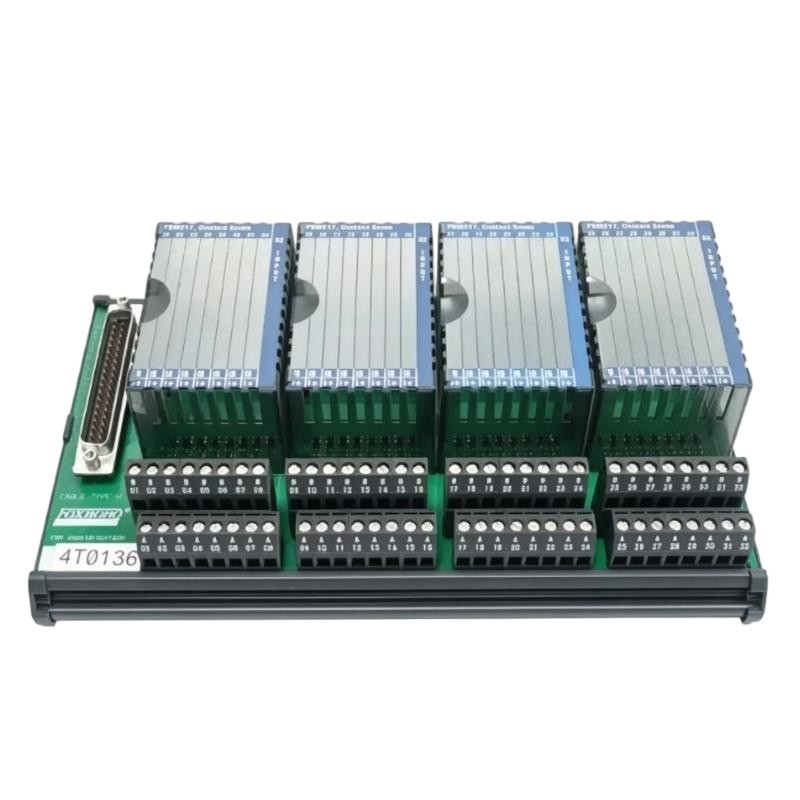
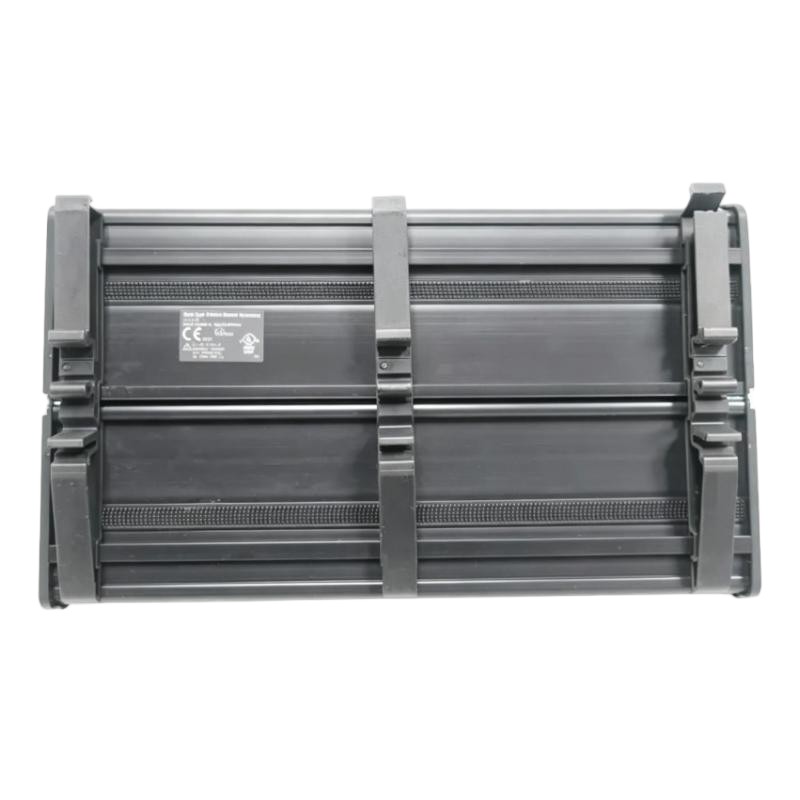
- Foxboro
- FBM217 P0916PW
- Discrete Input Interface Module
- USA
- 216 × 80 × 125 mm
- 0.42 kg
- Xiamen, China
- New & In Stock
- T/T, PayPal, Western Union
- 1 Year
- 1-3 Working Days
- DHL, UPS, TNT, FedEx and EMS.
- 24-Hour Service
- COO
- 5
Our advantage

Global Logistics
We have a 10-year logistics and express cooperation agreement, so our products can be shipped to any place in the world.

Brand new and original
Our products are imported in bulk from the place of origin. Because of the cooperative relationship, our products are all original and 100% new.

24-hour service
We provide 7*24 hours service to our customers. We will be there whenever you need us.

Price advantage
All our products are priced very favorably because we have our own warehouse and supply.
| Company Information | |||
| [email protected] | |||
| Mobile | +8615980777398 | ||
| +8615980777398 | |||
| 15980777398 |
Product Overview
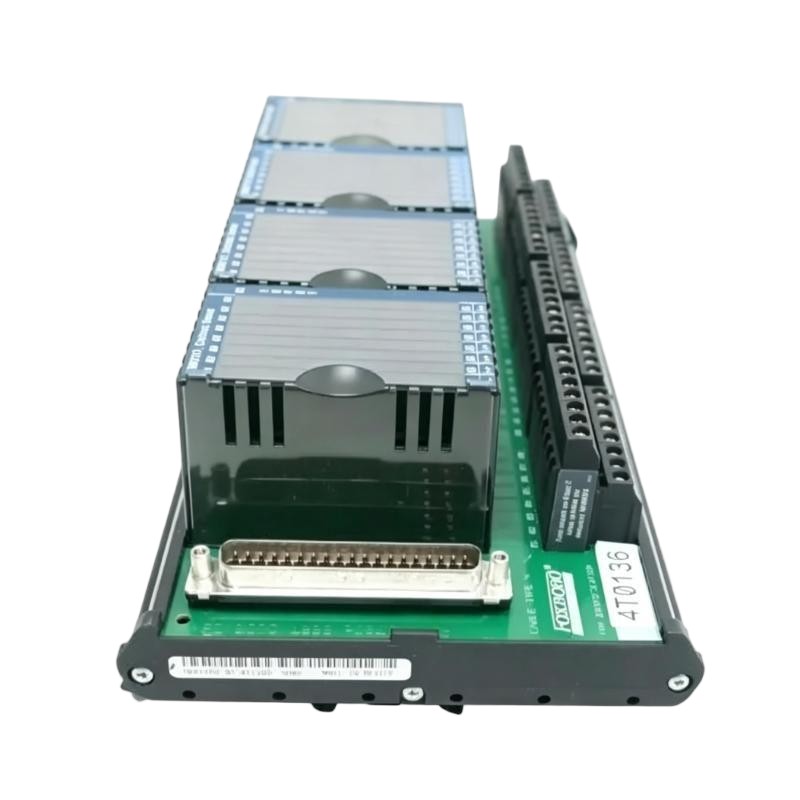
The Foxboro FBM217 P0916PW is an I/A Series discrete input interface module used to bring binary field signals into a Foxboro control system. It serves as the interface between field devices such as switches, contacts, status relays, and discrete sensors and the system’s control processing layer.
In a typical installation, the module receives field status information through the associated termination and wiring arrangement, conditions the incoming discrete signals, and makes the resulting state information available to the I/A Series control system. Typical signals include equipment running or stopped status, valve open or closed indication, alarm contacts, permissive conditions, and interlock feedback.
The FBM217 P0916PW is suited to applications where a large number of discrete field conditions must be organized into the control architecture. Its role is primarily signal acquisition and interface rather than control logic execution, allowing the control processor to use field status information for sequencing, alarming, permissives, and interlocking.
Technical Specifications
| Parameter | Specification |
|---|---|
| Product Model | FBM217 P0916PW |
| Product Type | Discrete Input Interface Module |
| Product Family | Foxboro I/A Series |
| Series | I/A Series |
| Signal Type | Discrete / Digital Input |
| Primary Function | Field Discrete Signal Acquisition |
| Signal Source | Switches, Contacts, Relays, Discrete Field Devices |
| System Role | Input Interface between Field Devices and Control System |
| Control Architecture | Foxboro I/A Series |
| Application | Equipment Status, Alarms, Permissives, Interlocks |
| Signal Processing | Discrete State Detection and Interface |
| Installation | Control System I/O Cabinet or Field Interface Assembly |
| Dimensions | 216 × 80 × 125 mm |
| Weight | 0.42 kg |
Product Features
- Supports discrete field signal acquisition within the Foxboro I/A Series architecture.
- Interfaces binary field conditions with the control system’s processing layer.
- Suitable for equipment status, alarm, permissive, and interlock signals.
- Separates field signal interface functions from higher-level control logic.
- Works with the associated termination and cabinet wiring arrangement.
- Useful for centralized monitoring of multiple machine or process states.
- Supports structured troubleshooting from the field wiring side through the control system.
- Fits applications where clear separation between field devices and controller processing is required.
Working Principle
The FBM217 P0916PW operates as a discrete signal acquisition point between field wiring and the Foxboro I/A Series control system.
1. Field device changes state
A connected field device changes between its defined discrete states. Examples include a motor auxiliary contact changing state after a starter operates, a valve limit switch indicating open or closed position, or an alarm contact changing state.
2. Signal enters the field interface
The discrete signal travels through the associated field wiring and termination arrangement toward the FBM217 interface. Proper terminal identification and circuit continuity are important because the module depends on the field circuit to represent the actual equipment condition.
3. Input state is detected
The module receives the incoming discrete condition and establishes the corresponding input state for the I/A Series system. The field condition is therefore converted into usable digital status information rather than being handled as a continuous analog measurement.
4. Status is transferred to the control system
The acquired input information is passed into the I/A Series control architecture, where configured control strategies can use the status for monitoring, sequencing, permissives, alarms, and interlocks.
5. Control logic uses the input
The control processor interprets the discrete state according to the configured application. A single input may represent equipment availability, a permissive condition, a fault indication, or a process limit, depending on how the control strategy is configured.
This arrangement keeps the field signal acquisition function at the I/O level while allowing application-specific decisions to remain in the control system.
Role in an I/A Series Discrete Signal Control Architecture
The FBM217 P0916PW occupies the field-input interface layer of the control architecture. It does not replace the control processor; instead, it delivers discrete field information to the processing layer so that configured control strategies can respond to actual equipment conditions.
| Architecture Layer | Typical Component | Role |
|---|---|---|
| Field Device Layer | Switches, contacts, relays, limit switches | Generates discrete equipment or process status |
| Field Wiring Layer | Signal cables and termination hardware | Carries and organizes discrete field circuits |
| I/O Interface Layer | FBM217 P0916PW | Acquires and interfaces discrete input states |
| Control Processing Layer | I/A Series Control Processor | Applies configured logic, sequencing, alarms, and interlocks |
| Operator Layer | Operator workstation / HMI | Displays equipment and process status |
| Engineering Layer | Configuration and maintenance tools | Supports system configuration, diagnostics, and maintenance |
Industrial Applications
| Application | Use of FBM217 P0916PW |
|---|---|
| Motor Control | Receives running, stopped, trip, or auxiliary contact status |
| Valve Monitoring | Interfaces open/closed position feedback and related discrete indications |
| Pump Systems | Monitors pump running status, fault contacts, and permissive conditions |
| Process Equipment | Acquires binary equipment status used by control sequences |
| Alarm Systems | Brings discrete alarm contacts into the control system |
| Interlock Systems | Provides equipment state information used by configured interlocks |
| Packaging Machinery | Monitors limit switches, machine states, and sequence feedback |
| Utility Systems | Interfaces discrete status from fans, pumps, breakers, and auxiliary equipment |
Installation and Maintenance
- Verify that the FBM217 P0916PW is compatible with the intended Foxboro I/A Series system architecture before installation.
- Confirm the module identification and associated termination arrangement against the cabinet documentation.
- Isolate the relevant field circuits and follow the site’s electrical safety procedures before working on the I/O assembly.
- Check field wiring for correct terminal assignment, secure connections, and clear circuit identification.
- Verify that switches, contacts, relays, and other discrete field devices operate correctly before diagnosing the module itself.
- Inspect termination points for loose conductors, damaged insulation, corrosion, or signs of overheating.
- Confirm that the expected input state matches the actual field device state during commissioning.
- Check the control-system configuration if an input appears correct electrically but is displayed incorrectly at the operator interface.
- When troubleshooting intermittent signals, inspect both the field device and the complete wiring path rather than replacing the interface module immediately.
- Keep cabinet wiring organized so that individual discrete circuits can be traced from the termination point to the associated I/O channel.
- After maintenance, perform a controlled functional test using representative field conditions and verify that the control system receives the expected status.
- Record replaced modules, wiring changes, abnormal input behavior, and test results in the maintenance documentation for future troubleshooting.
Related Components
| Component | Function |
|---|---|
| Foxboro I/A Series Control Processor | Processes acquired discrete information and executes configured control strategies |
| I/O Termination Assembly | Provides the field-side connection and termination interface |
| Discrete Field Devices | Generate equipment and process status signals |
| Field Signal Cables | Carry discrete signals between equipment and the control cabinet |
| Operator Workstation | Displays equipment states, alarms, and diagnostic information |
| Control System Configuration Tools | Used for I/O configuration, signal assignment, and diagnostics |
| Cabinet Power and Distribution Components | Support the operating environment of the I/O and control equipment |
Recommended Related Models
| Model | Product Type | Typical Relationship |
|---|---|---|
| Foxboro FBM217 RH914TR | I/A Series Discrete Input Interface Module | Related FBM217 discrete input interface variant |
| Foxboro FBM216b P0927AJ | I/A Series HART Communication Redundant Input Module | Related input interface for HART-based field instrumentation |
| Foxboro FBM216b RH927AJ | I/A Series Redundant HART Communication Input Module | Related redundant input interface |
| Foxboro FBM211 RH914TN | I/A Series Input Module | Related field input interface for process instrumentation |
| Foxboro FBM214 P0922VT | I/A Series Input Module | Related I/O module for process signal acquisition |
Key Advantages
- Direct integration with the Foxboro I/A Series control architecture.
- Dedicated interface for discrete field conditions.
- Suitable for equipment status, alarms, permissives, and interlocks.
- Clear separation between field signal acquisition and control logic.
- Practical for centralized industrial equipment monitoring.
- Supports structured field-to-controller troubleshooting.
Technical FAQs
What types of field signals can the FBM217 P0916PW handle?
The FBM217 P0916PW is intended for discrete field information, such as equipment status contacts, switch states, valve position indications, alarm contacts, and other binary conditions. The exact field circuit arrangement should follow the applicable I/A Series system documentation and site wiring design.
Can the FBM217 P0916PW perform control logic?
No. Its primary role is discrete input interfacing and signal acquisition. The acquired status is passed into the I/A Series control architecture, where configured control logic, sequencing, permissives, alarms, and interlocks are handled by the appropriate processing components.
What should be checked if an input does not change state?
Start with the field device and wiring path. Check the device’s mechanical or electrical operation, terminal connections, circuit continuity, and expected signal state. If the field circuit is correct, then review the I/O configuration and system diagnostics before determining whether the interface module requires replacement.
Is the FBM217 P0916PW suitable for equipment interlock applications?
It can provide the discrete equipment status information used by configured interlock strategies. For example, a motor running contact, valve position switch, or equipment fault contact can be acquired as an input and then evaluated by the control strategy. The actual interlock function depends on the overall system configuration.