

ProductPRODUCT
Featured products



Contact Us
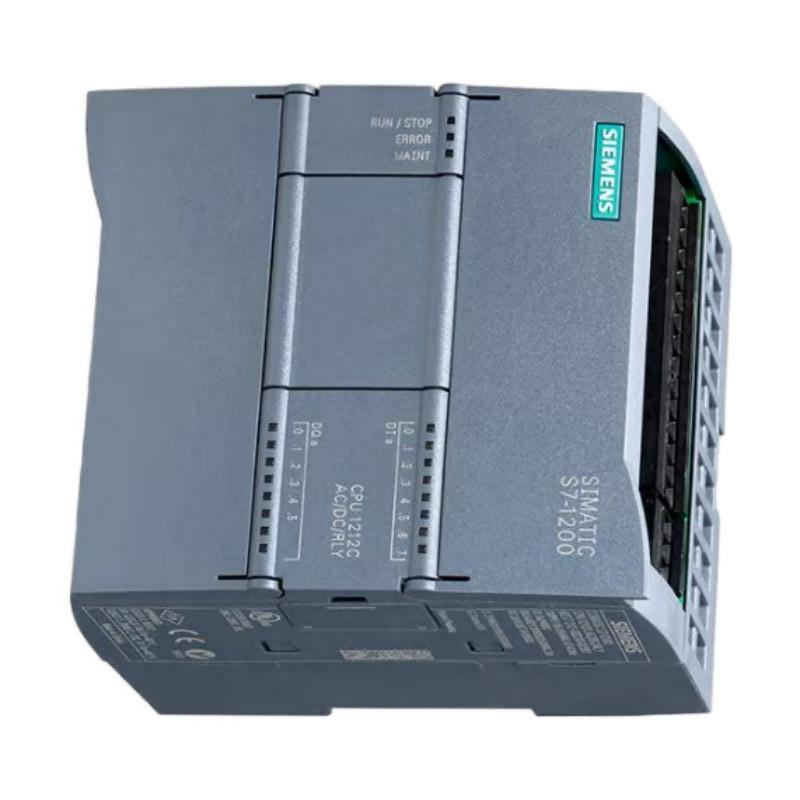
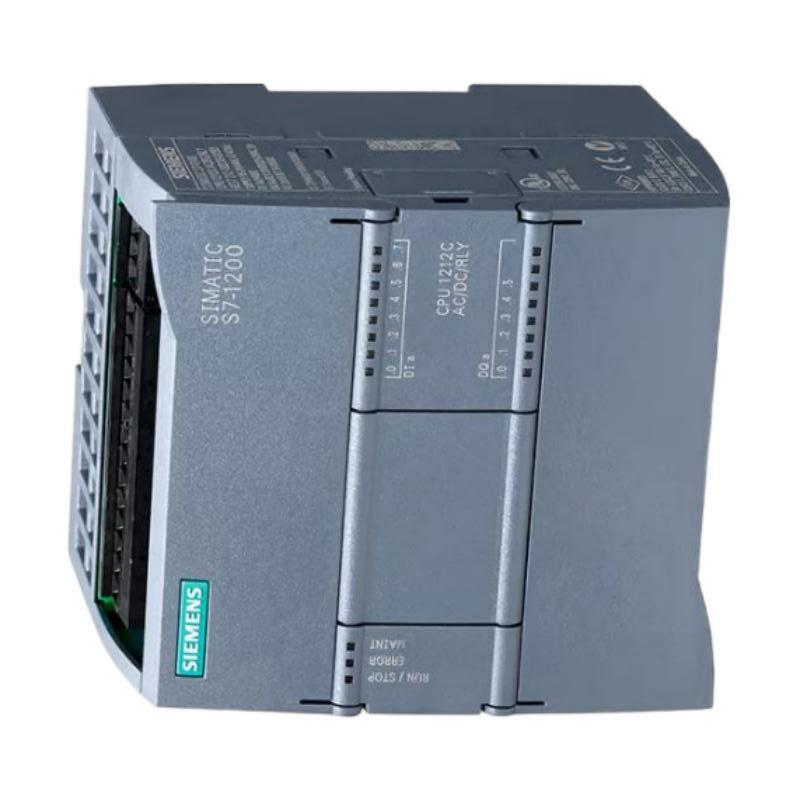
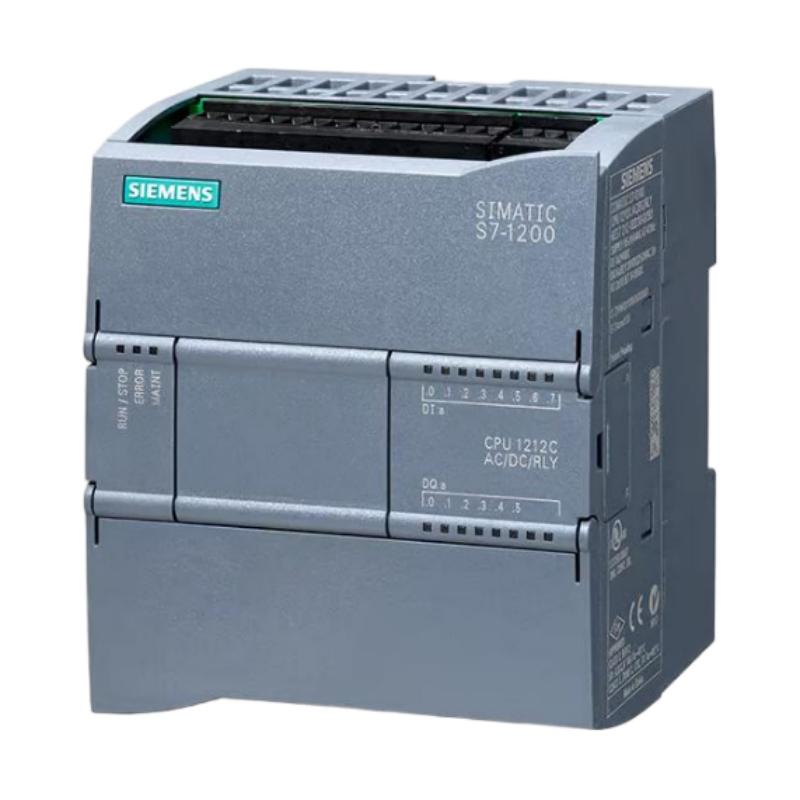
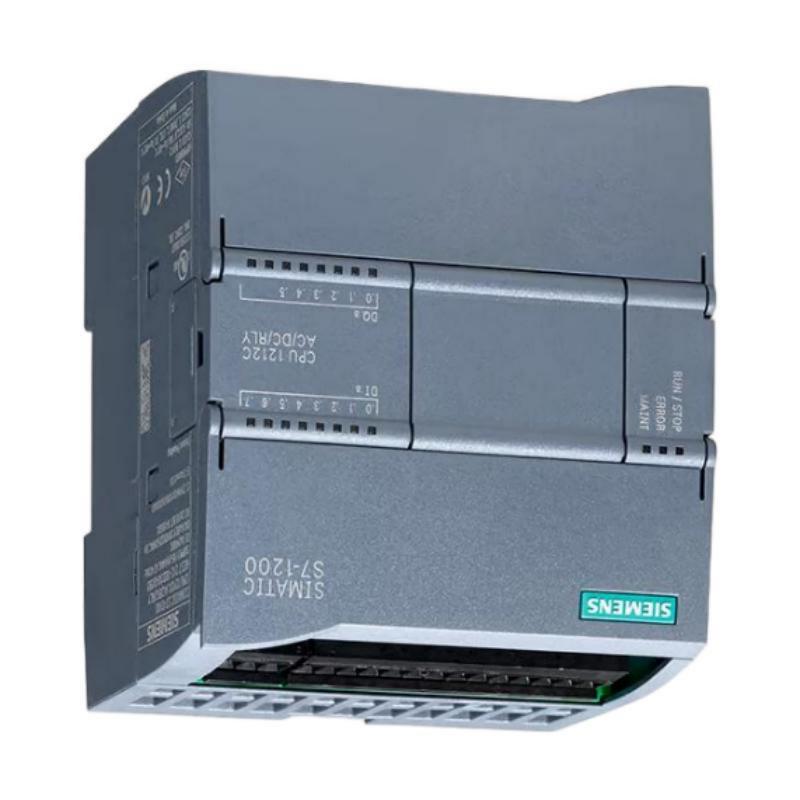
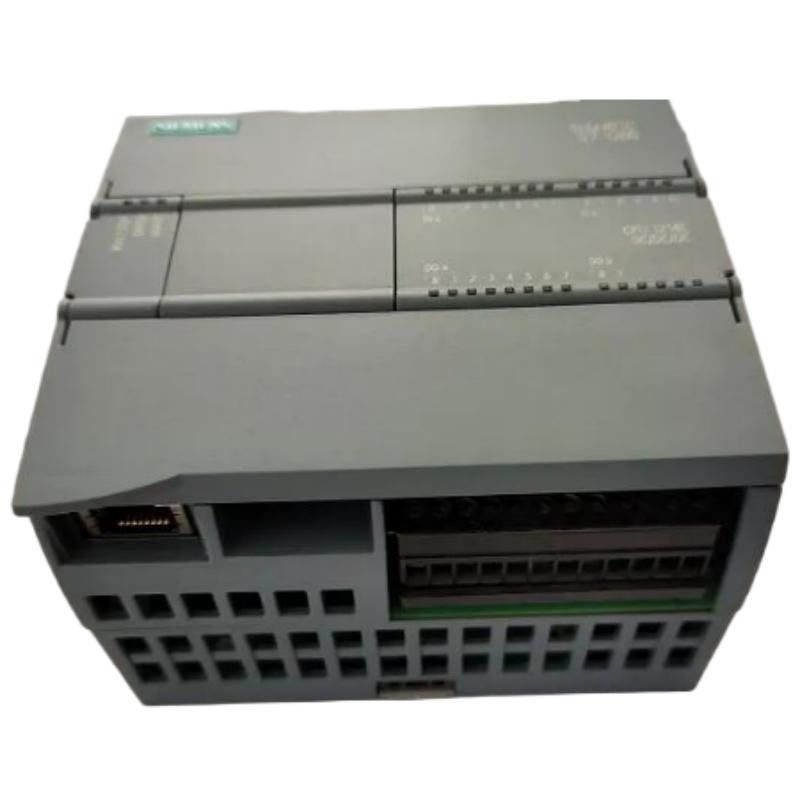
- Siemens
- 6AG1212-1BE40-4XB0
- Central Processing Unit
- Germany
- 90 × 100 × 75 mm
- 0.425 kg
- Xiamen, China
- New & In Stock
- T/T, PayPal, Western Union
- 1 Year
- 1-3 Working Days
- DHL, UPS, TNT, FedEx and EMS.
- 24-Hour Service
- COO
- 4
Our advantage

Global Logistics
We have a 10-year logistics and express cooperation agreement, so our products can be shipped to any place in the world.

Brand new and original
Our products are imported in bulk from the place of origin. Because of the cooperative relationship, our products are all original and 100% new.

24-hour service
We provide 7*24 hours service to our customers. We will be there whenever you need us.

Price advantage
All our products are priced very favorably because we have our own warehouse and supply.
| Company Information | |||
| [email protected] | |||
| Mobile | +8615980777398 | ||
| +8615980777398 | |||
| 15980777398 |
Product Overview
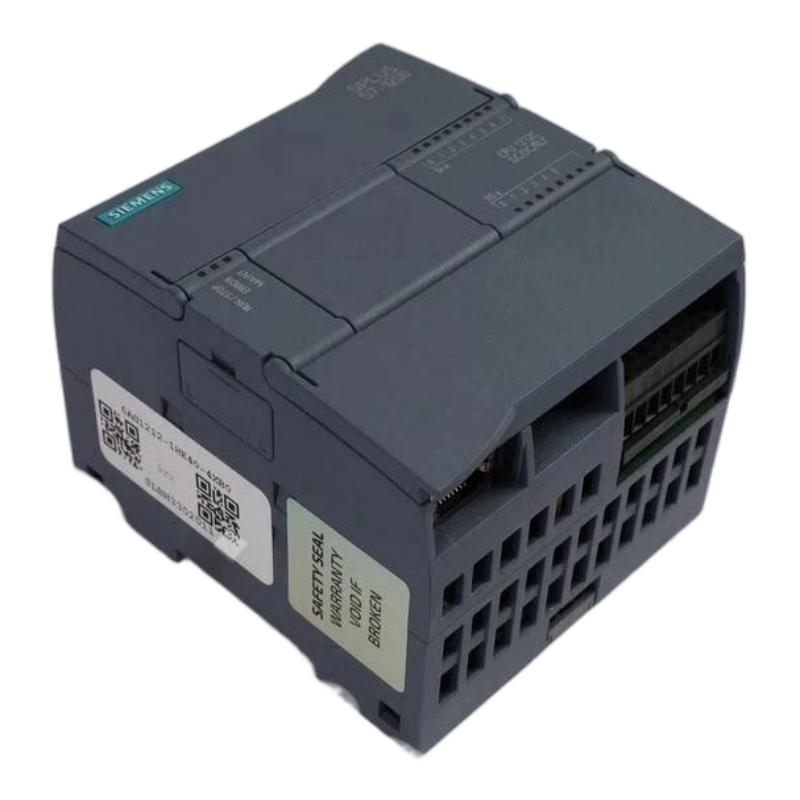
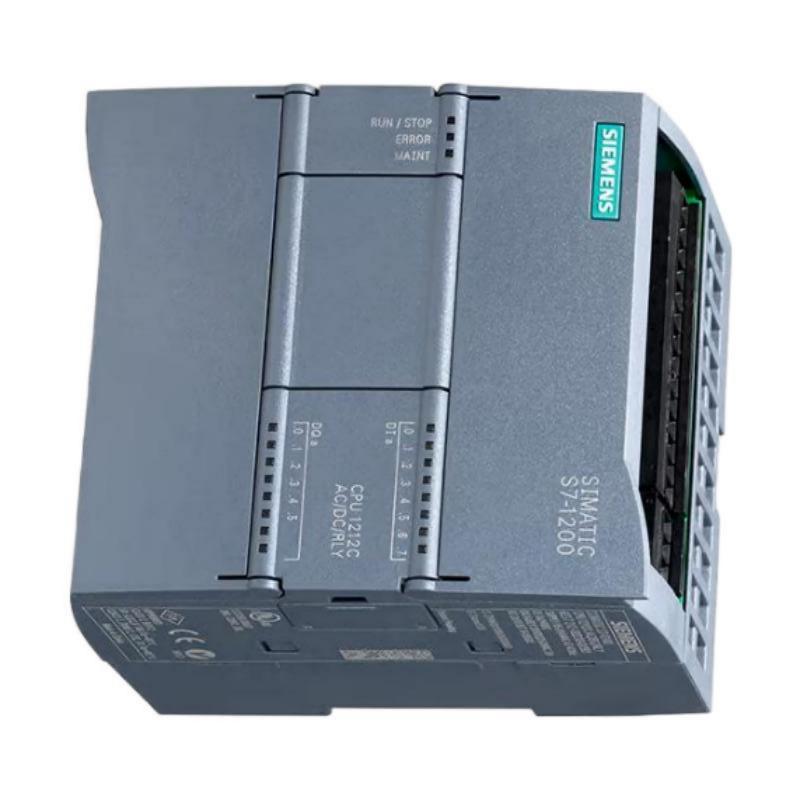
The Siemens 6AG1212-1BE40-4XB0 Central Processing Unit is an industrial automation controller designed to perform central processing and control functions within a PLC-based automation system. As the processing center of a programmable control architecture, the CPU executes the application program, evaluates input information, manages control sequences, and coordinates connected automation equipment.
The 6AG1212-1BE40-4XB0 has listed dimensions of 90 × 100 × 75 mm and a weight of 0.425 kg. Its compact form factor makes it suitable for installation inside industrial control cabinets and automation panels where available space must be used efficiently.
In a typical automation system, the CPU operates between field-level devices and higher-level operator or supervisory systems. Sensors and input devices provide process information, while the CPU evaluates this information according to the programmed logic and generates commands for connected outputs and actuators.
The CPU can therefore form an important part of machine automation, manufacturing systems, process equipment, material handling systems, and other industrial applications requiring programmable control.
The exact capabilities of an installed 6AG1212-1BE40-4XB0 system depend on the complete hardware configuration, application program, connected I/O modules, communication architecture, and engineering environment.
Technical Specifications
| Parameter | Specification |
|---|---|
| Manufacturer | Siemens |
| Model | 6AG1212-1BE40-4XB0 |
| Product Type | Central Processing Unit |
| Product Category | Industrial PLC / Automation Controller |
| Primary Function | Central processing and control |
| Application | Industrial automation |
| Control Role | PLC CPU |
| Dimensions | 90 × 100 × 75 mm |
| Weight | 0.425 kg |
| Installation | Industrial control cabinet / automation panel |
| System Integration | I/O modules, HMI, drives, sensors, actuators and communication equipment |
| Typical Applications | Machine control, manufacturing automation, process equipment and industrial control |
Exact memory capacity, communication interfaces, firmware features, I/O capabilities, and other electrical characteristics should be confirmed against the specific hardware documentation and identification for the 6AG1212-1BE40-4XB0.
What Is the Siemens 6AG1212-1BE40-4XB0?
The Siemens 6AG1212-1BE40-4XB0 is identified as a Central Processing Unit used in an industrial PLC control architecture.
The CPU performs the logic-processing functions required to coordinate an automated machine or process. It receives information from the input side of the control system, executes the configured program, and determines the required output actions.
A simplified automation sequence can be represented as:
Field Sensors → Input System → 6AG1212-1BE40-4XB0 CPU → Output System → Actuators
The CPU may also exchange information with operator interfaces, drives, remote I/O, communication devices, and supervisory systems depending on the overall system design.
For engineers and maintenance technicians, the complete model number is particularly important. Siemens automation products can have similar physical designs while having different configurations, so compatibility should always be established from the complete product identification rather than physical appearance alone.
CPU Working Principle
The central processing unit performs a continuous control-processing cycle.
Input Acquisition
Sensors and connected input devices detect conditions in the physical process.
Examples can include:
- Machine position
- Equipment status
- Temperature
- Pressure
- Flow
- Level
- Presence detection
- Limit-switch status
The corresponding information is transferred into the PLC control system.
Program Processing
The CPU executes the configured control program.
A PLC application can contain different types of logic, including:
- Sequential control
- Interlocking
- Timers
- Counters
- Machine-state logic
- Alarm handling
- Equipment control
- Data processing
- Communication routines
Logic Decision
The CPU evaluates the current process conditions against the programmed rules.
For example, a motor may only be permitted to start when an appropriate start command has been received and all required interlocks are satisfied.
Output Processing
After the control logic has been evaluated, the CPU determines the required output state.
Output commands can ultimately control equipment such as:
- Motors
- Contactors
- Solenoid valves
- Relays
- Variable speed drives
- Pneumatic actuators
- Process valves
Continuous Operation
The control cycle is repeated continuously during normal operation, allowing the controller to respond to changes in machine and process conditions.
Role in Industrial Automation
The Siemens 6AG1212-1BE40-4XB0 can act as the central processing element of a structured automation system.
A typical architecture may contain:
Sensors → I/O → CPU → Actuators
with additional interfaces to:
CPU → HMI → Operator
and:
CPU → Industrial Network → Drives / Remote Devices / Supervisory Systems
This arrangement allows a single controller to coordinate multiple parts of an automated process.
Typical CPU responsibilities can include:
- Machine sequencing
- Equipment interlocking
- Process monitoring
- Start/stop logic
- Alarm processing
- Device coordination
- Data handling
- Communication management
- Automated operating sequences
Industrial Applications
Manufacturing Equipment
The CPU can be incorporated into manufacturing machines where multiple operations must be performed according to a defined sequence.
Potential applications include:
- Assembly machines
- Packaging equipment
- Production lines
- Inspection machines
- Automated material handling
- Conveyor systems
Process Automation
PLC-based control architectures can also be used for industrial process equipment.
Depending on the system design, the CPU may coordinate:
- Pumps
- Fans
- Valves
- Motors
- Heating equipment
- Utility equipment
Material Handling
Material-handling systems require coordinated operation between sensors, motors, drives, and control logic.
The CPU can process sensor information and control equipment according to the programmed operating sequence.
Industrial Utilities
Industrial utility systems can use PLC controllers for automated operation and monitoring of equipment such as pumps, ventilation systems, and other supporting machinery.
Automated Machine Sequences
The CPU can manage multi-stage machine operations such as:
Loading → Positioning → Processing → Inspection → Transfer → Reset
The controller determines when each stage can begin based on the programmed conditions.
PLC System Architecture
The CPU normally operates together with several layers of hardware.
Field Devices
Sensors provide information from the physical machine or process.
Typical examples include:
- Proximity sensors
- Photoelectric sensors
- Temperature sensors
- Pressure transmitters
- Level sensors
- Position switches
I/O System
Input and output modules provide the electrical interface between field equipment and the PLC.
CPU
The 6AG1212-1BE40-4XB0 performs the central processing function and executes the application logic.
Actuators
Output signals can be used to operate:
- Motors
- Valves
- Relays
- Contactors
- Drives
- Pneumatic equipment
HMI
An HMI provides operators with access to machine status, alarms, process information, and operating commands.
Supervisory System
Larger installations may connect the PLC architecture to SCADA or other supervisory platforms.
I/O Integration
The CPU works with the appropriate I/O architecture to exchange information with physical equipment.
A typical signal path is:
Sensor → Input Module → CPU → Output Module → Actuator
For example, in an automated packaging machine:
- A sensor detects the presence of a product.
- The input system transfers the signal to the PLC.
- The CPU evaluates the programmed conditions.
- The control logic determines the next machine operation.
- The appropriate output is activated.
- The connected actuator performs the required action.
This sequence can be repeated continuously during production.
Proper I/O documentation is important because incorrect signal assignments can produce symptoms that may initially appear to be CPU faults.
HMI Integration
An HMI can provide a convenient interface between operators and the PLC control system.
Common functions include:
- Machine start and stop
- Operating-mode selection
- Alarm display
- Process-value monitoring
- Manual control
- Equipment status
- Maintenance information
- Production monitoring
The CPU executes the actual control logic, while the HMI provides visualization and operator interaction.
A well-organized HMI can also help maintenance personnel identify whether a problem originates from an input condition, control sequence, output command, or field device.
Industrial Communication and Networking
Industrial automation systems frequently require communication between controllers and other devices.
Depending on the exact system configuration, a PLC CPU may exchange information with:
- HMI systems
- Remote I/O
- Industrial drives
- Other PLC controllers
- Engineering stations
- Supervisory systems
- Automation network devices
Typical information exchanged can include:
- Process values
- Equipment status
- Control commands
- Alarm information
- Diagnostic data
- Production information
The exact communication interfaces and protocols available for a specific 6AG1212-1BE40-4XB0 installation should be verified from the applicable product documentation.
Installation Guidelines
Correct installation is essential for reliable PLC operation.
Verify the Product Identification
Before installation, confirm:
- Complete order number
- 6AG1212-1BE40-4XB0 model
- Hardware identification
- Revision information
- Connector arrangement
- Existing PLC configuration
- Connected modules
This is particularly important when replacing an existing CPU.
Control Cabinet Installation
The listed physical dimensions are:
90 × 100 × 75 mm
The control cabinet should provide sufficient space around the CPU for:
- Wiring
- Connectors
- Adjacent modules
- Ventilation
- Inspection
- Maintenance
Avoid placing the controller in areas exposed to unnecessary heat, moisture, dust, or excessive vibration.
Electrical Wiring
Power and signal wiring should follow the applicable system design.
Where high-power switching equipment is present, appropriate cable routing and separation should be considered to minimize electrical interference.
Commissioning Procedure
A structured commissioning procedure can reduce startup problems.
Step 1: Inspect the CPU
Check the CPU for visible mechanical damage, contamination, damaged connectors, or other abnormalities.
Step 2: Verify Hardware Configuration
Confirm that the CPU and associated modules correspond to the intended system configuration.
Step 3: Check Wiring
Inspect power, I/O, communication, and grounding connections.
Step 4: Verify the PLC Program
Confirm that the appropriate application program and configuration are available.
Step 5: Review Diagnostics
Check available diagnostic information before enabling automatic operation.
Step 6: Test Inputs
Activate field sensors under controlled conditions and verify that the expected signals are detected.
Step 7: Test Outputs
Verify output operation while ensuring that connected equipment is in a safe testing condition.
Step 8: Test the Machine Sequence
Run the machine through its operating sequence and monitor the CPU, I/O, HMI, and connected equipment.
Step 9: Confirm Production Operation
After successful functional testing, the system can be released for normal operation.
Troubleshooting the Siemens 6AG1212-1BE40-4XB0
A CPU should not automatically be identified as the source of a control-system problem. Troubleshooting should follow the complete signal and control path.
CPU Does Not Start
Inspect:
- Power supply
- Wiring
- CPU installation
- Connectors
- Hardware configuration
- Diagnostic information
- Connected modules
Expected Input Is Missing
Check:
- Sensor condition
- Sensor wiring
- Input module
- Terminal connections
- PLC configuration
- Communication path
A missing input can originate from the field device or I/O system rather than the CPU.
Output Does Not Operate
Possible areas of investigation include:
- PLC logic
- Interlock conditions
- Input status
- Output module
- Wiring
- Actuator
- Configuration
The programmed conditions should be reviewed before replacing hardware.
Communication Problems
Check:
- Network cables
- Connectors
- Device configuration
- Addressing
- Network topology
- Connected devices
- Diagnostic information
The exact diagnostic method depends on the communication architecture installed in the automation system.
Preventive Maintenance
Preventive maintenance helps maintain reliable PLC operation.
Visual Inspection
Periodically inspect the control cabinet and CPU for:
- Dust accumulation
- Moisture
- Corrosion
- Loose wiring
- Mechanical damage
- Connector problems
Environmental Management
Maintain appropriate cabinet conditions and protect electronic equipment from excessive heat, humidity, dust, and vibration.
Wiring Inspection
Check terminals, connectors, and cables for mechanical stress or signs of deterioration.
Program Backup
Maintain current backups of:
- PLC application programs
- Hardware configuration
- Relevant communication settings
- System documentation
Program backups can significantly reduce recovery time following controller replacement.
Diagnostic Monitoring
Repeated faults or diagnostic events should be investigated to identify the underlying cause rather than simply being cleared.
Replacement Considerations
When replacing the Siemens 6AG1212-1BE40-4XB0 Central Processing Unit, technicians should verify the complete product identification before installation.
Important replacement information includes:
- Full model number
- Hardware revision
- Existing PLC architecture
- Connected I/O modules
- Communication configuration
- Application program
- Installation arrangement
- System requirements
The supplied mechanical specifications are:
Dimensions: 90 × 100 × 75 mm
Weight: 0.425 kg
These specifications can assist with:
- Cabinet planning
- Spare-parts management
- Inventory control
- Transportation
- Replacement preparation
However, physical dimensions alone cannot establish electrical or software compatibility.
Physical Dimensions and Handling
The Siemens 6AG1212-1BE40-4XB0 has listed dimensions of 90 × 100 × 75 mm and a weight of 0.425 kg.
Its relatively compact dimensions make it practical for PLC cabinets where available installation space is limited.
During handling, technicians should avoid:
- Dropping the CPU
- Excessive mechanical force
- Connector damage
- Electrostatic discharge
- Moisture exposure
- Contamination of electrical contacts
Appropriate ESD precautions should be followed when installing or replacing electronic PLC components.
Compatible Automation Components
The CPU may form part of a larger industrial automation system containing several categories of equipment.
| Component | Typical Function |
|---|---|
| Digital Input Modules | Acquisition of discrete field signals |
| Digital Output Modules | Control of discrete devices |
| Analog Input Modules | Acquisition of process measurements |
| Analog Output Modules | Analog control signals |
| HMI Panels | Operator visualization |
| Industrial Drives | Motor control |
| Remote I/O | Distributed field signal processing |
| Sensors | Machine and process monitoring |
| Actuators | Physical process control |
| Communication Devices | Industrial data exchange |
The exact component selection should be determined from the complete system architecture and the requirements of the specific CPU configuration.
Related Siemens Automation Product Categories
| Product Category | Typical Role |
|---|---|
| Siemens PLC CPUs | Central control processing |
| Siemens Digital Input Modules | Discrete signal acquisition |
| Siemens Digital Output Modules | Discrete equipment control |
| Siemens Analog Input Modules | Process measurement |
| Siemens Analog Output Modules | Analog process control |
| Siemens Communication Modules | Industrial networking |
| Siemens HMI Systems | Operator interface |
| Siemens Industrial Drives | Motor control |
| Siemens Remote I/O Systems | Distributed automation |
These product categories can be combined to create a complete automation solution when their electrical, communication, and software requirements are compatible.
Engineering Best Practices
Maintain Exact Product Identification
The complete 6AG1212-1BE40-4XB0 order number should be recorded in maintenance documentation.
Keep PLC Documentation Current
Maintain accurate records of:
- I/O assignments
- Hardware configuration
- PLC programs
- Communication settings
- System modifications
Maintain Program Backups
Current application backups should be available before performing major maintenance or CPU replacement.
Use Systematic Fault Diagnosis
A useful troubleshooting path is:
Field Device → Wiring → I/O → CPU → PLC Logic → Output → Actuator
This approach helps technicians identify the actual source of a fault and avoid unnecessary component replacement.
Plan Critical Spare Parts
For important production equipment, an appropriately matched spare CPU can help reduce recovery time following a hardware failure.
Key Advantages
- Compact 90 × 100 × 75 mm design
- Listed weight of 0.425 kg
- Central processing function for PLC-based automation
- Suitable for industrial control architectures
- Supports coordinated machine-control operations
- Can integrate with I/O and automation equipment
- Suitable for compact control cabinets
- Supports structured machine and process control
- Can participate in HMI and supervisory architectures
- Suitable for a broad range of industrial automation applications
Technical FAQs
What is the Siemens 6AG1212-1BE40-4XB0?
The Siemens 6AG1212-1BE40-4XB0 is a Central Processing Unit used as the central processing and control element of a PLC-based industrial automation system.
What is the main function of the CPU?
The CPU executes the configured PLC program, processes input information, evaluates control conditions, and coordinates output actions.
What are the dimensions of the 6AG1212-1BE40-4XB0?
The listed dimensions are 90 × 100 × 75 mm.
What is the weight of this Siemens CPU?
The listed weight is 0.425 kg.
Can this CPU be used for machine automation?
A PLC CPU can serve as the central processing component of machine automation systems when the associated I/O, software, communication, and field equipment are appropriately configured.
Can it work with HMI systems?
A PLC CPU can operate within an architecture containing an HMI when the required communication and system configuration are supported.
What should be checked before replacing the CPU?
The complete order number, hardware configuration, connected modules, communication architecture, PLC program, and system requirements should all be verified.
What can cause a PLC system to stop operating?
Possible causes include power problems, wiring faults, I/O problems, configuration errors, communication faults, PLC program conditions, or failures in connected field devices.
Can a CPU with the same dimensions automatically replace this model?
No. Similar dimensions do not guarantee electrical, software, communication, or system compatibility. The complete product identification must be verified.
Conclusion
The Siemens 6AG1212-1BE40-4XB0 Central Processing Unit is a compact industrial automation controller component designed to provide central processing and control functions within PLC-based systems. With listed dimensions of 90 × 100 × 75 mm and a weight of 0.425 kg, it is suitable for control-cabinet applications where compact installation and organized automation architecture are important.
The CPU can serve as the processing center between field inputs and controlled outputs, coordinating sensors, I/O modules, actuators, drives, HMI systems, and other automation equipment according to the configured PLC program.
For installation, commissioning, maintenance, and replacement, the complete 6AG1212-1BE40-4XB0 designation should be verified carefully. The supplied dimensions and weight are useful for mechanical planning and spare-parts management, while electrical, software, communication, and system compatibility should be confirmed separately before the unit is installed or replaced.