

ProductPRODUCT
Featured products
Contact Us
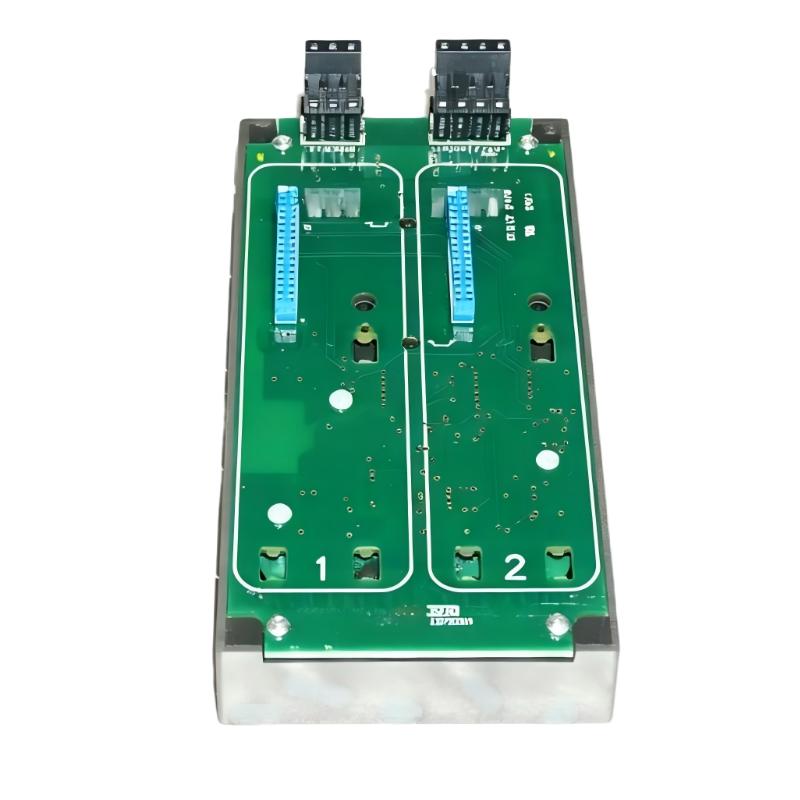
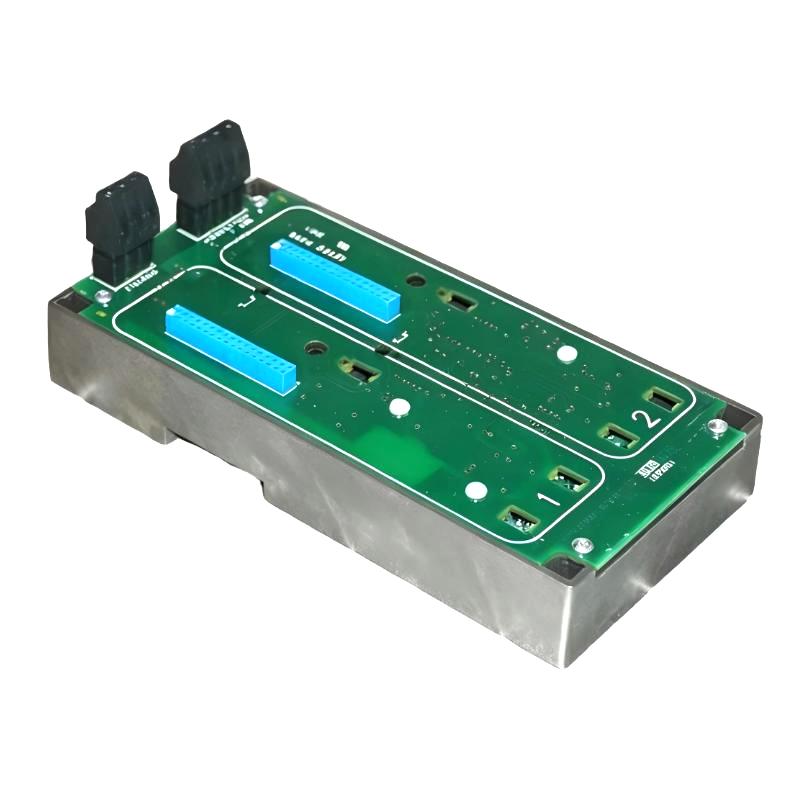
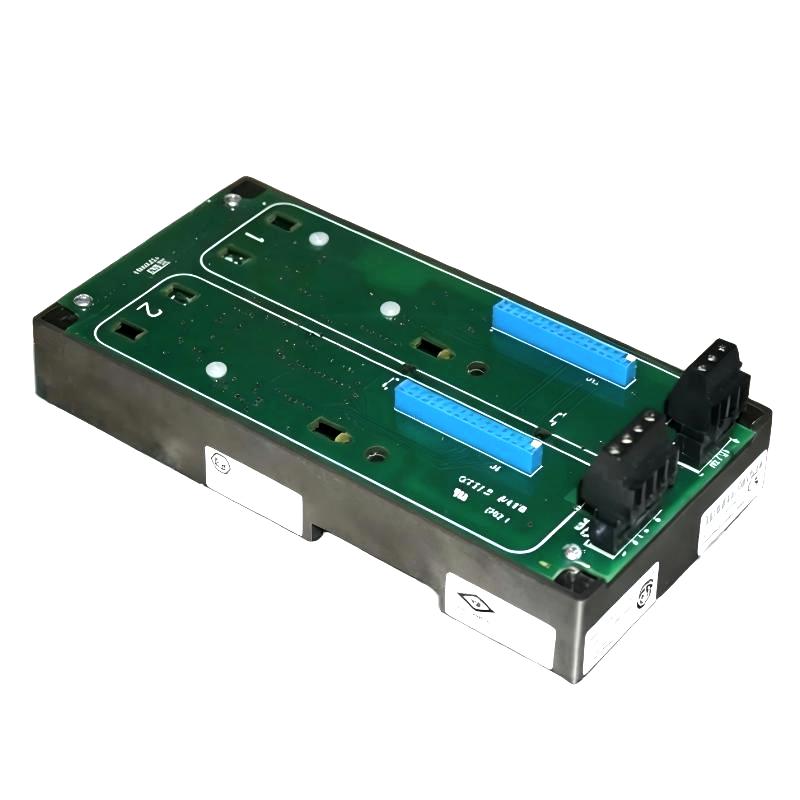
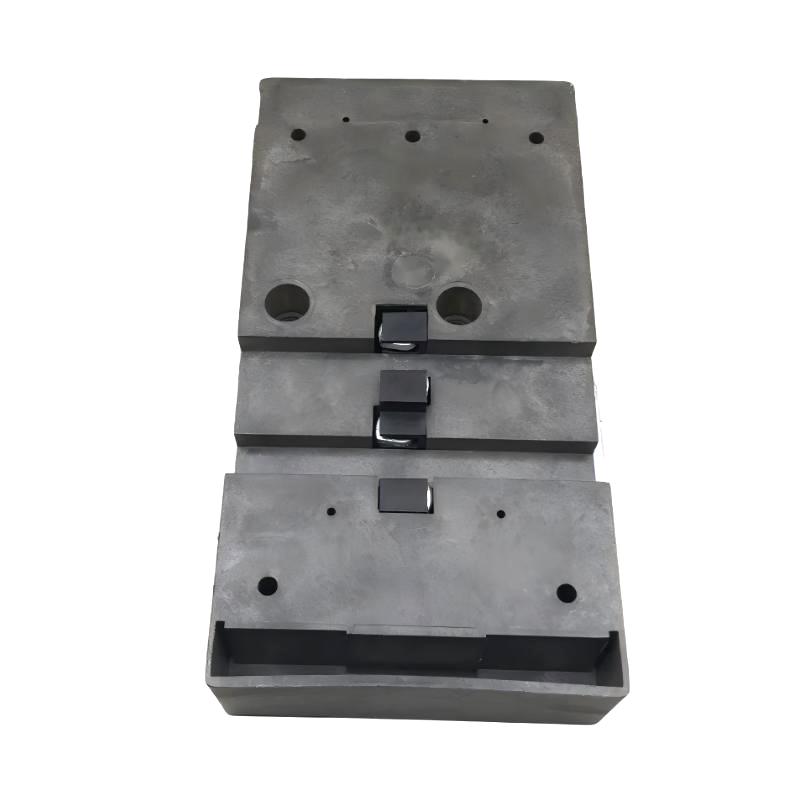
- Emerson
- VE4052M0
- Fieldbus H1 Carrier Board (Without Enclosure)
- USA
- 180 x 25 x 100 mm
- 0.3 kg
- Xiamen, China
- New & In Stock
- T/T, PayPal, Western Union
- 1 Year
- 1-3 Working Days
- DHL, UPS, TNT, FedEx and EMS.
- 24-Hour Service
- COO
- 8
Our advantage

Global Logistics
We have a 10-year logistics and express cooperation agreement, so our products can be shipped to any place in the world.

Brand new and original
Our products are imported in bulk from the place of origin. Because of the cooperative relationship, our products are all original and 100% new.

24-hour service
We provide 7*24 hours service to our customers. We will be there whenever you need us.

Price advantage
All our products are priced very favorably because we have our own warehouse and supply.
| Company Information | |||
| [email protected] | |||
| Mobile | +8615980777398 | ||
| +8615980777398 | |||
| 15980777398 |
Product Overview
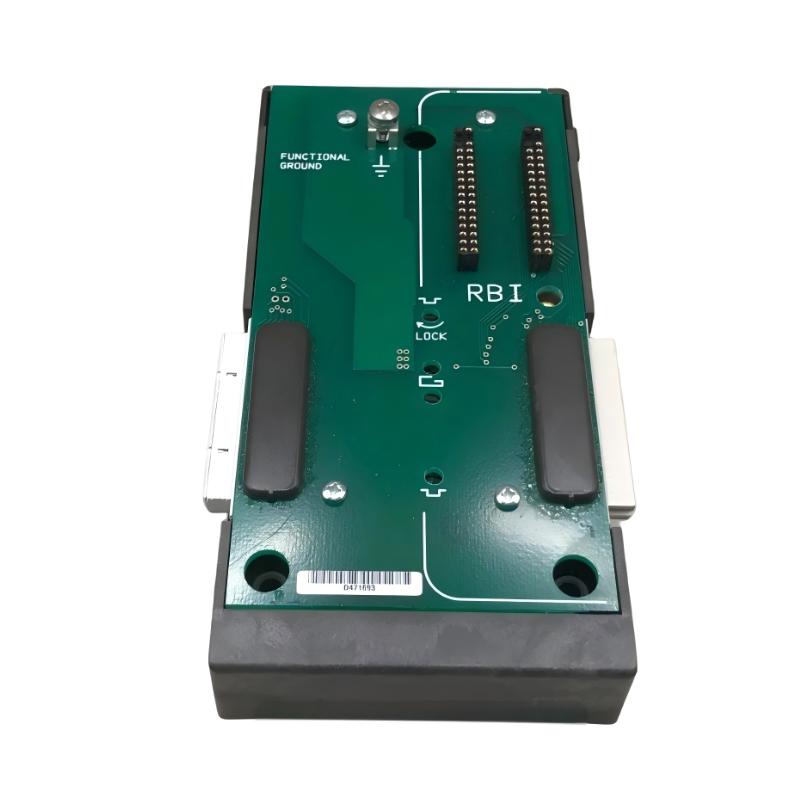
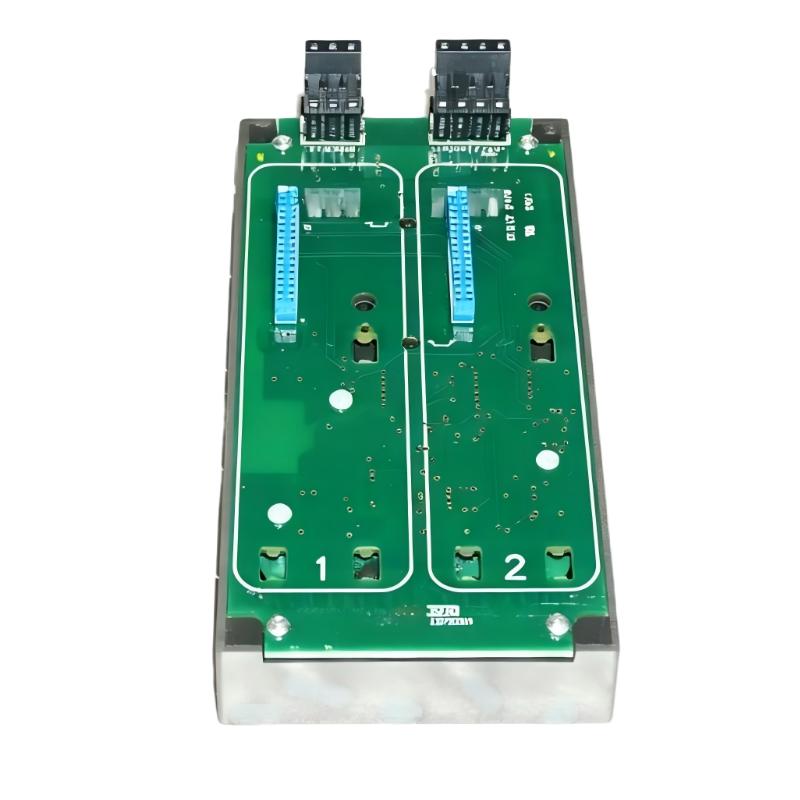
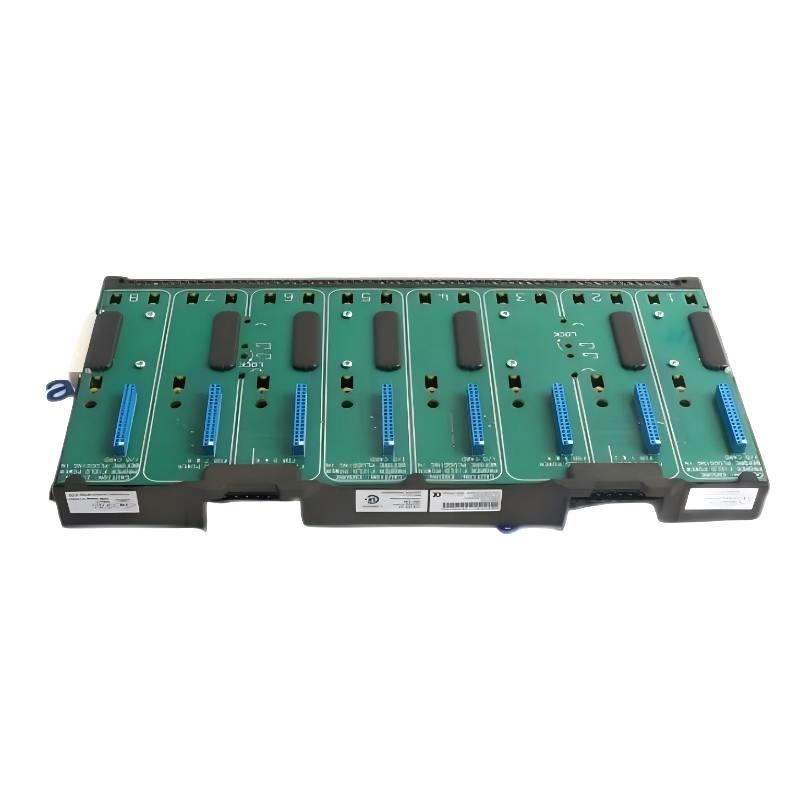
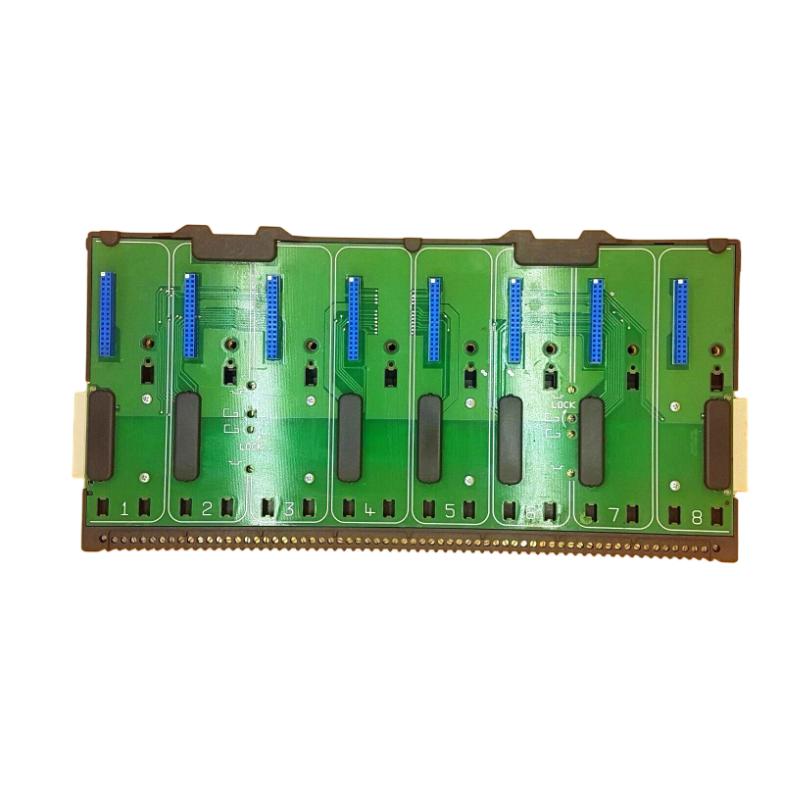
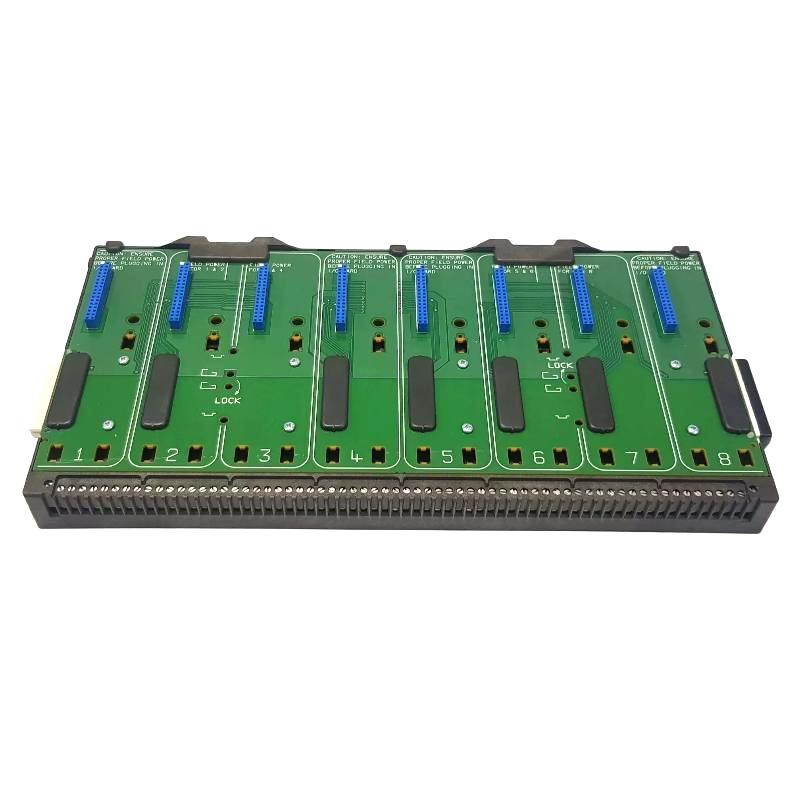
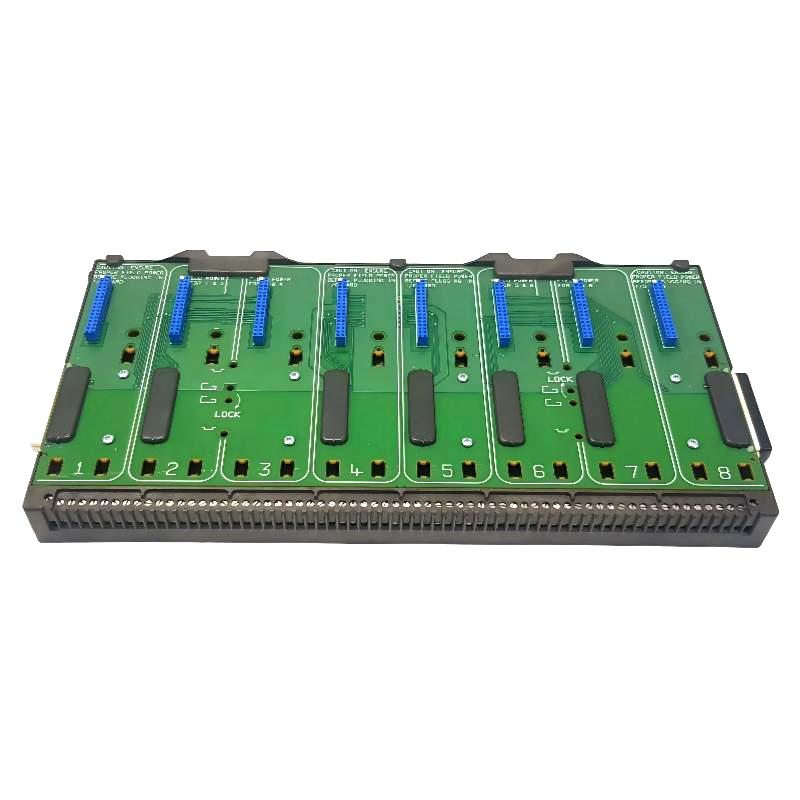
The Emerson VE4052M0 Fieldbus H1 Carrier Board is an industrial automation hardware component designed to support Fieldbus H1 system integration within compatible Emerson process control architectures. This version is specified without an enclosure, making it suitable for integration into an existing control cabinet, carrier assembly, or system-level installation where the surrounding equipment provides the required mechanical protection.
Fieldbus H1 technology is commonly used in process automation environments to connect field instruments and intelligent devices with the control system. A carrier board provides the physical and electrical foundation required for integrating associated Fieldbus components into the broader automation architecture.
The Emerson VE4052M0 has listed dimensions of 180 × 25 × 100 mm and a weight of approximately 0.3 kg. Its relatively narrow 25 mm profile makes it suitable for installations where cabinet space and equipment density are important considerations.
The board can form part of a distributed process-control architecture in applications such as chemical processing, oil and gas, power generation, water treatment, pharmaceutical manufacturing, and other continuous or batch-process industries.
Technical Specifications
| Parameter | Specification |
|---|---|
| Manufacturer | Emerson |
| Model | VE4052M0 |
| Product Type | Fieldbus H1 Carrier Board |
| System Role | Fieldbus H1 carrier / interface hardware |
| Enclosure | Without enclosure |
| Communication Technology | Fieldbus H1 |
| Application | Industrial Process Automation |
| Dimensions | 180 × 25 × 100 mm |
| Weight | 0.3 kg |
| Installation | Compatible Emerson control-system hardware |
| Typical Environment | Industrial control cabinet / automation system |
| Primary Function | Provides carrier hardware for Fieldbus H1 system integration |
Exact electrical characteristics, connector assignments, supported modules, and system-specific compatibility should be verified against the applicable Emerson hardware documentation and installed system configuration.
What Is the Emerson VE4052M0?
The VE4052M0 is a Fieldbus H1 Carrier Board without enclosure designed for use within compatible Emerson process automation systems.
Unlike a standalone field instrument, the carrier board functions as part of the automation infrastructure. It provides the physical platform through which associated Fieldbus H1 hardware can be incorporated into the control architecture.
A simplified Fieldbus-based system can be represented as:
Field Instruments → Fieldbus H1 Network → Carrier / Interface Hardware → Control System → Operator Interface
In a practical process plant, this architecture allows intelligent field devices to communicate process information to the automation system while also supporting system-level device management and monitoring.
The VE4052M0 should therefore be considered an infrastructure component rather than a conventional PLC CPU or general-purpose I/O module.
Understanding Fieldbus H1
Fieldbus H1 is a process automation communication technology designed for communication between intelligent field devices and control-system infrastructure.
Traditional instrumentation systems often require separate wiring for individual process variables. Fieldbus architectures can reduce the amount of point-to-point wiring by allowing multiple intelligent devices to communicate through a shared digital network.
Depending on the overall system design, a Fieldbus H1 network may connect devices such as:
- Pressure transmitters
- Temperature transmitters
- Flow transmitters
- Level instruments
- Valve positioners
- Control valves
- Analytical instruments
- Other compatible intelligent field devices
The carrier hardware forms part of the infrastructure required to integrate these field-level devices with the broader Emerson control architecture.
Function and Working Principle
Fieldbus Hardware Integration
The primary role of the VE4052M0 is to provide carrier hardware for a compatible Fieldbus H1 installation.
The board can provide the physical foundation required to mount or connect associated system hardware according to the specific Emerson architecture.
Communication Infrastructure
Fieldbus H1 systems rely on digital communication between field devices and control-system components.
The VE4052M0 contributes to this infrastructure by providing the appropriate carrier/interface position within the system.
The actual communication functions depend on the complete system configuration and the hardware installed with the carrier.
Distributed Process Data
A Fieldbus H1 architecture can allow process measurements and device information to travel through a digital communication network rather than requiring an individual hardwired signal for every process variable.
This can simplify system architecture and provide additional diagnostic and device-management capabilities when supported by the installed Fieldbus equipment.
System-Level Integration
The VE4052M0 is intended to operate as part of a larger Emerson automation system. Its function should therefore be evaluated together with the associated carrier hardware, Fieldbus components, controllers, communication infrastructure, and engineering configuration.
Role in Emerson Process Control Systems
Within a process automation environment, the VE4052M0 can form part of the hardware layer between Fieldbus field devices and the control system.
A typical architecture may include:
Field Devices
↓
Fieldbus H1 Network
↓
Fieldbus Carrier / Interface Hardware
↓
Control-System Infrastructure
↓
Controller
↓
Engineering / Operator Station
This architecture allows process information to be collected from intelligent field instruments and incorporated into control strategies, alarms, trends, diagnostics, and operator displays.
The carrier board itself does not replace the controller. Instead, it supports the hardware infrastructure required for the Fieldbus communication architecture.
Industrial Applications
The Emerson VE4052M0 can be used in industrial environments where compatible Fieldbus H1 infrastructure is required.
Chemical Processing
Chemical plants use large numbers of intelligent field instruments to monitor pressure, flow, temperature, level, and other process variables. Fieldbus communication can help integrate these devices into a centralized process-control environment.
Oil and Gas
Refineries, processing plants, and related facilities frequently require distributed instrumentation and robust communication infrastructure. Fieldbus-based systems can provide digital connectivity between field instruments and control equipment.
Power Generation
Power plants use extensive process instrumentation for monitoring boilers, turbines, cooling systems, fuel systems, and auxiliary equipment. Compatible Fieldbus infrastructure can be incorporated into these control architectures.
Water and Wastewater Treatment
Water-treatment facilities use flow, pressure, level, analytical, and other instruments throughout treatment processes. Digital field communication can support centralized monitoring and automation.
Pharmaceutical Manufacturing
Pharmaceutical production requires accurate process monitoring and repeatable automation. Intelligent field instrumentation can provide process information to the control system through an appropriate communication infrastructure.
Food and Beverage Processing
Automated production lines and process skids may use intelligent instruments for monitoring liquid, temperature, pressure, and flow conditions.
General Process Automation
The board can be relevant to process plants and industrial facilities where Emerson Fieldbus H1 infrastructure is incorporated into the control system.
Installation and System Integration
Proper installation of the VE4052M0 Fieldbus H1 Carrier Board is important for maintaining reliable communication and protecting the hardware.
Verify the Model
Before installation or replacement, confirm the complete model designation:
Emerson VE4052M0
The board should not be replaced solely based on physical appearance. Emerson carrier and interface products can have similar dimensions while serving different functions.
Confirm Enclosure Requirements
The VE4052M0 is specified as a carrier board without enclosure.
This means the surrounding cabinet or equipment must provide the necessary mechanical protection and environmental conditions required for the installation.
The board should not be exposed to uncontrolled environmental conditions simply because it is supplied without its own enclosure.
Check Mechanical Compatibility
The listed dimensions are:
180 × 25 × 100 mm
Before installation, verify that the mounting position provides sufficient space for:
- Board installation
- Cable routing
- Connector access
- Adjacent equipment
- Maintenance access
- Required ventilation
Verify System Compatibility
The carrier should be matched with the appropriate Emerson control-system architecture and Fieldbus hardware.
Before commissioning, technicians should confirm:
- Host system compatibility
- Associated Fieldbus hardware
- Carrier configuration
- Connector arrangement
- Network configuration
- Controller configuration
- Engineering database configuration
Fieldbus H1 Network Integration
Fieldbus networks should be designed and installed according to the requirements of the specific Emerson system.
A typical integration process includes:
- Identify the Fieldbus H1 segment.
- Confirm the associated carrier and interface hardware.
- Verify field-device compatibility.
- Check network wiring and connections.
- Confirm power and communication infrastructure.
- Configure the control-system database.
- Verify device identification and communication.
- Commission the Fieldbus segment.
- Monitor process values and diagnostic information.
Exact wiring and termination requirements depend on the specific system architecture and Fieldbus hardware.
Commissioning Procedure
After installation, the VE4052M0 should be commissioned as part of the complete Fieldbus system.
Step 1: Inspect the Board
Check the board for:
- Physical damage
- Bent connectors
- Contamination
- Corrosion
- Loose components
- Signs of overheating
Step 2: Verify Connections
Confirm that associated connectors and Fieldbus wiring are correctly installed.
Loose connections can result in intermittent communication or complete loss of device connectivity.
Step 3: Verify the Fieldbus Segment
The Fieldbus network should be inspected for abnormal conditions before attempting to place the system into normal operation.
Step 4: Check Controller Communication
Verify that the control system can recognize and communicate with the associated Fieldbus infrastructure.
Step 5: Verify Field Devices
Confirm that connected field instruments appear correctly in the control-system configuration.
Step 6: Monitor Diagnostics
Use available system diagnostics to identify communication faults, device faults, or configuration mismatches.
Step 7: Confirm Process Values
After communication has been established, verify that process measurements are being received correctly and correspond to expected operating conditions.
Troubleshooting Guide
Fieldbus Devices Are Not Communicating
If associated Fieldbus devices cannot communicate with the control system, inspect the entire communication chain.
Possible causes include:
- Incorrect board installation
- Loose connectors
- Incorrect Fieldbus wiring
- Network configuration problems
- Incorrect system configuration
- Faulty associated hardware
- Field-device problems
- Power or communication infrastructure issues
The carrier board should not automatically be identified as the source of the fault.
Intermittent Communication
Intermittent communication may be associated with:
- Loose connections
- Damaged cables
- Electrical interference
- Poor installation
- Network configuration issues
- Environmental conditions
- Associated Fieldbus hardware
Monitoring diagnostic information while checking physical connections can help isolate the problem.
Board Is Not Recognized
If the system does not recognize the expected hardware, verify:
- Complete model number.
- Installation position.
- Connector arrangement.
- Associated hardware.
- Control-system configuration.
- Engineering database settings.
- Hardware revision compatibility.
Communication Appears Normal but Process Data Is Incorrect
If Fieldbus communication is active but process information appears incorrect, investigate the field instrument and configuration rather than assuming that the carrier board is defective.
Potential causes include:
- Incorrect instrument configuration
- Sensor problems
- Incorrect engineering parameters
- Process conditions
- Wiring issues
- Device configuration errors
Preventive Maintenance
Although the VE4052M0 is an electronic carrier board, routine inspection can help maintain system reliability.
Visual Inspection
Inspect the board periodically for visible signs of:
- Dust accumulation
- Moisture
- Corrosion
- Overheating
- Physical damage
- Connector deterioration
Connector Inspection
Loose or contaminated connectors can cause communication problems. Connections should be inspected during scheduled maintenance activities.
Cabinet Environment
The control cabinet should be maintained within the environmental conditions specified for the overall system.
Excessive heat, moisture, dust, or vibration can reduce the service life of electronic hardware.
Cable Management
Fieldbus cables should be routed and secured appropriately. Avoid unnecessary mechanical stress, sharp bends, and conditions that may damage cable insulation or connectors.
Diagnostic Monitoring
Where system diagnostics are available, communication status and device health information should be reviewed periodically.
Trend-based monitoring can help identify developing problems before they cause a complete communication failure.
Physical Dimensions and Weight
The Emerson VE4052M0 has the following listed physical characteristics:
| Physical Parameter | Value |
|---|---|
| Length | 180 mm |
| Width | 25 mm |
| Height | 100 mm |
| Weight | 0.3 kg |
| Enclosure | Without enclosure |
The compact 25 mm profile is particularly relevant when planning cabinet layouts with multiple control and interface components.
The 0.3 kg weight should also be considered when planning mounting arrangements and replacement-part logistics.
Replacement Considerations
When replacing an Emerson VE4052M0, the complete model number should be checked before installation.
Important identification information includes:
- Manufacturer
- Model number
- Board designation
- Revision information where applicable
- Connector arrangement
- Existing mounting position
- Associated Fieldbus hardware
- Host control-system architecture
A visually similar Emerson board should not automatically be considered an equivalent replacement.
The fact that the VE4052M0 is supplied without an enclosure is also an important procurement and installation consideration.
For maintenance inventories, the listed dimensions of 180 × 25 × 100 mm and weight of 0.3 kg can be used for preliminary storage and logistics planning.
Compatible System Architecture
The VE4052M0 may form part of an automation architecture containing several layers of hardware and software.
| System Component | Typical Role |
|---|---|
| Field Instruments | Measure process variables |
| Fieldbus H1 Network | Digital field-device communication |
| VE4052M0 Carrier Board | Supports Fieldbus H1 hardware integration |
| I/O / Interface Hardware | Connects field-level information with the control architecture |
| Process Controller | Executes control logic |
| Engineering Station | System configuration and maintenance |
| Operator Station / HMI | Process monitoring and operator interaction |
| Historian / Supervisory Systems | Data collection and process analysis |
The exact combination of components depends on the Emerson control-system configuration.
Engineering Best Practices
For reliable operation of the Emerson VE4052M0, several engineering practices should be followed.
Verify Part Numbers
Always confirm the complete VE4052M0 model designation before ordering or installing replacement hardware.
Maintain Clear Documentation
Record board locations, associated Fieldbus components, cable connections, and control-system configuration.
Avoid Unnecessary Board Replacement
When communication problems occur, troubleshoot the complete Fieldbus path before replacing the carrier board.
Protect the Electronics
Because the VE4052M0 is specified as a board without enclosure, appropriate cabinet-level protection is important.
Maintain Clean Cabinet Conditions
Good cabinet housekeeping helps reduce contamination, moisture-related problems, and thermal stress.
Keep Spare Hardware Properly Stored
Replacement boards should be stored in appropriate conditions that protect them from moisture, contamination, electrostatic discharge, and mechanical damage.
Related Emerson Components
A complete Emerson Fieldbus H1 control architecture may contain various related components, including:
- Fieldbus H1 interface hardware
- Fieldbus power infrastructure
- Fieldbus terminators
- Fieldbus field instruments
- I/O interface modules
- Carrier boards
- Controller hardware
- Communication interface hardware
- DeltaV engineering workstations
- Operator interfaces
- Process-control software
The exact compatible components should be determined from the host-system configuration rather than assumed from physical similarity.
Key Advantages
Compact Carrier Design
The VE4052M0 has a compact 180 × 25 × 100 mm form factor that can help optimize control-cabinet space.
Fieldbus H1 Integration
The board is designed around Fieldbus H1 infrastructure, supporting the integration of intelligent field-device communication into compatible process automation systems.
Lightweight Construction
With a listed weight of 0.3 kg, the board is relatively lightweight for cabinet and spare-parts handling.
Enclosure-Free Configuration
The without-enclosure design allows the board to be incorporated into an appropriate existing cabinet or system assembly.
Process Automation Compatibility
The VE4052M0 is intended for use within compatible Emerson industrial process-control architectures.
Technical FAQs
What is the Emerson VE4052M0?
The Emerson VE4052M0 is a Fieldbus H1 Carrier Board designed for integration into compatible Emerson process automation systems.
Is the VE4052M0 supplied with an enclosure?
No. The specified product is a Fieldbus H1 Carrier Board without enclosure.
What are the dimensions of the VE4052M0?
The listed dimensions are 180 × 25 × 100 mm.
How much does the VE4052M0 weigh?
The listed weight is approximately 0.3 kg.
What is the main purpose of the VE4052M0?
Its primary role is to provide carrier hardware for integrating Fieldbus H1-related components within a compatible Emerson control-system architecture.
Is the VE4052M0 a PLC CPU?
No. It is a carrier/interface hardware component rather than a general-purpose PLC CPU.
What is Fieldbus H1 used for?
Fieldbus H1 is used in process automation to provide digital communication between compatible field instruments and control-system infrastructure.
Can the VE4052M0 be installed in any Emerson system?
Compatibility should not be assumed solely from the Emerson brand. The complete model number, system architecture, associated Fieldbus hardware, connectors, and configuration should be verified before installation.
What should be checked when troubleshooting a VE4052M0 system?
The complete communication path should be checked, including the carrier board, connectors, Fieldbus wiring, associated interface hardware, field instruments, controller configuration, and diagnostic information.
Why is the enclosure specification important?
Because the VE4052M0 is supplied without an enclosure, the surrounding control cabinet or equipment must provide appropriate mechanical and environmental protection for the board.
Conclusion
The Emerson VE4052M0 Fieldbus H1 Carrier Board is a compact industrial automation component intended to support Fieldbus H1 integration within compatible Emerson process-control architectures. Its role is primarily associated with the hardware infrastructure required to connect Fieldbus-based field instrumentation with the broader automation system.
With listed dimensions of 180 × 25 × 100 mm and a weight of 0.3 kg, the VE4052M0 provides a space-efficient carrier solution for control cabinets and process automation equipment. Its without-enclosure configuration also makes proper cabinet protection and mechanical integration important considerations during installation.
For replacement, commissioning, and maintenance work, the complete VE4052M0 model designation should be verified together with the associated Fieldbus hardware and host control-system configuration. Correct identification, proper installation, reliable network connections, and systematic troubleshooting are essential for maintaining stable Fieldbus communication and dependable process automation performance.