

ProductPRODUCT
Featured products
Contact Us
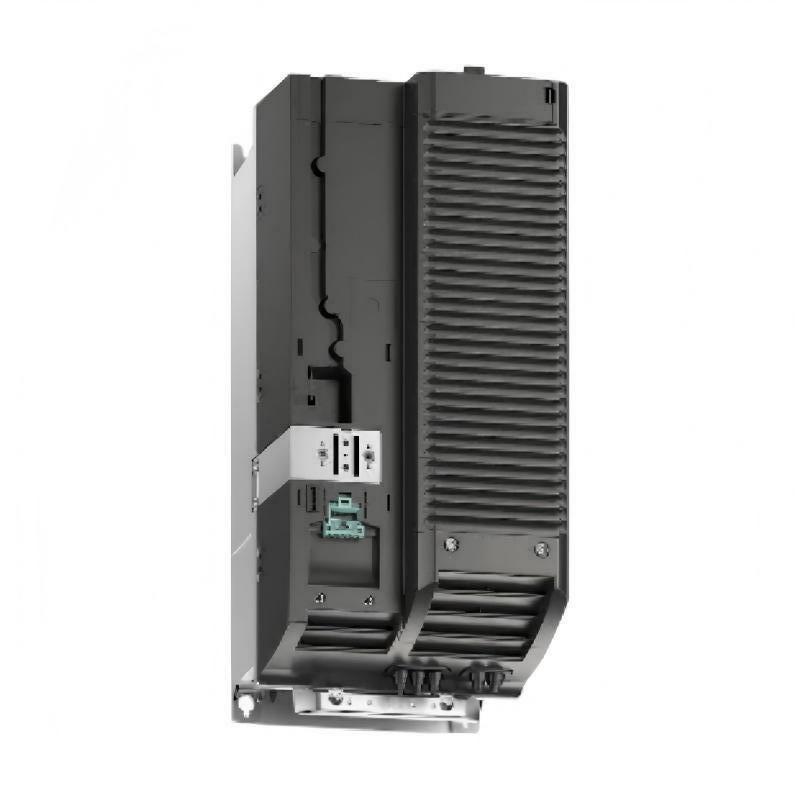
- Siemens
- 6AG1210-1PE26-2UL0
- Power Module
- Germany
- 200 × 472 × 237 mm
- 17 kg
- Xiamen, China
- New & In Stock
- T/T, PayPal, Western Union
- 1 Year
- 1-3 Working Days
- DHL, UPS, TNT, FedEx and EMS.
- 24-Hour Service
- COO
- 27
Our advantage

Global Logistics
We have a 10-year logistics and express cooperation agreement, so our products can be shipped to any place in the world.

Brand new and original
Our products are imported in bulk from the place of origin. Because of the cooperative relationship, our products are all original and 100% new.

24-hour service
We provide 7*24 hours service to our customers. We will be there whenever you need us.

Price advantage
All our products are priced very favorably because we have our own warehouse and supply.
| Company Information | |||
| [email protected] | |||
| Mobile | +8615980777398 | ||
| +8615980777398 | |||
| 15980777398 |
Product Overview
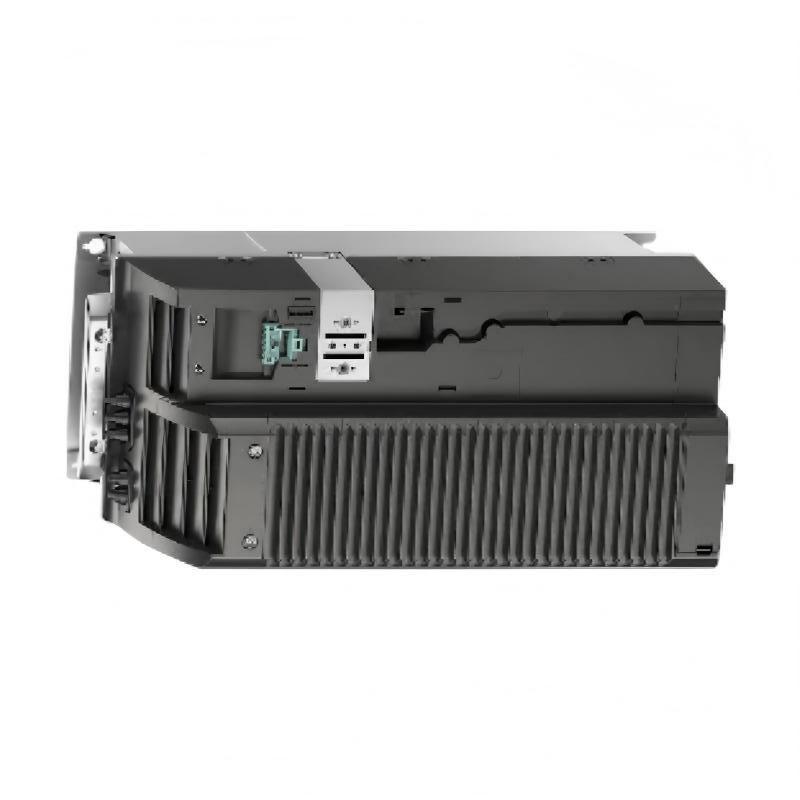
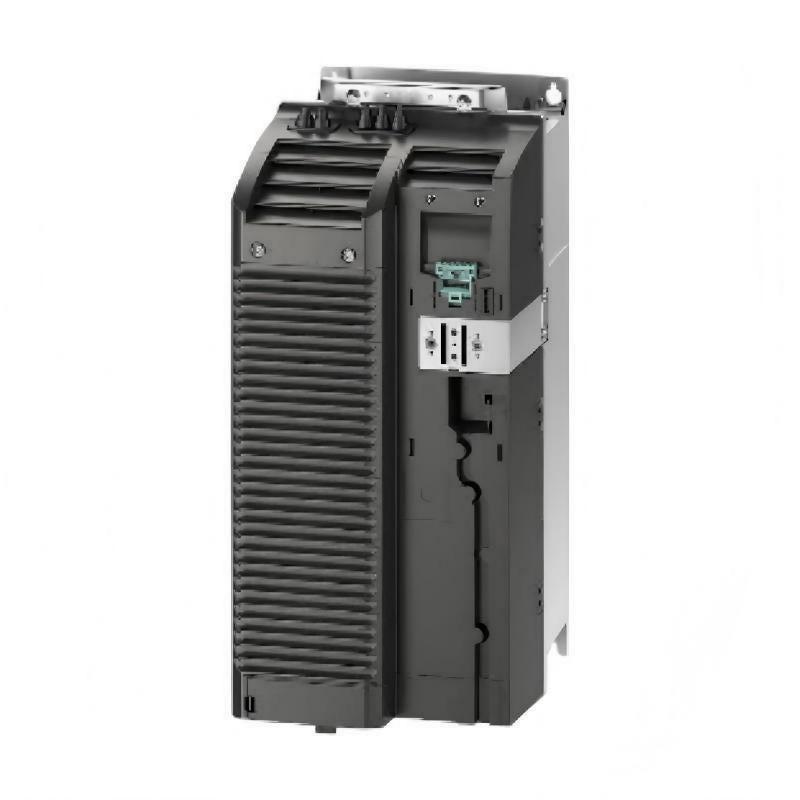
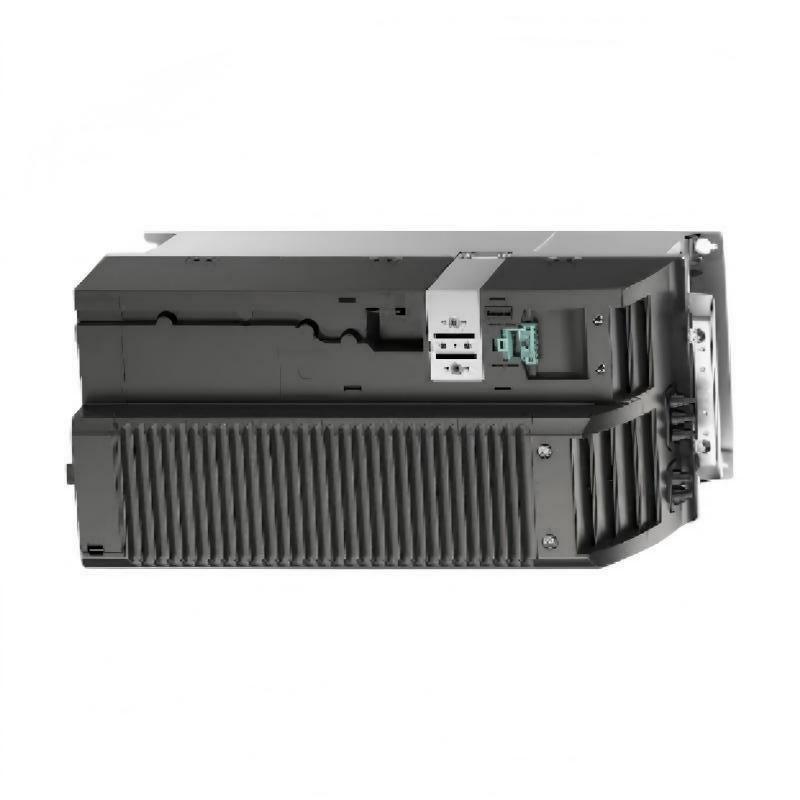
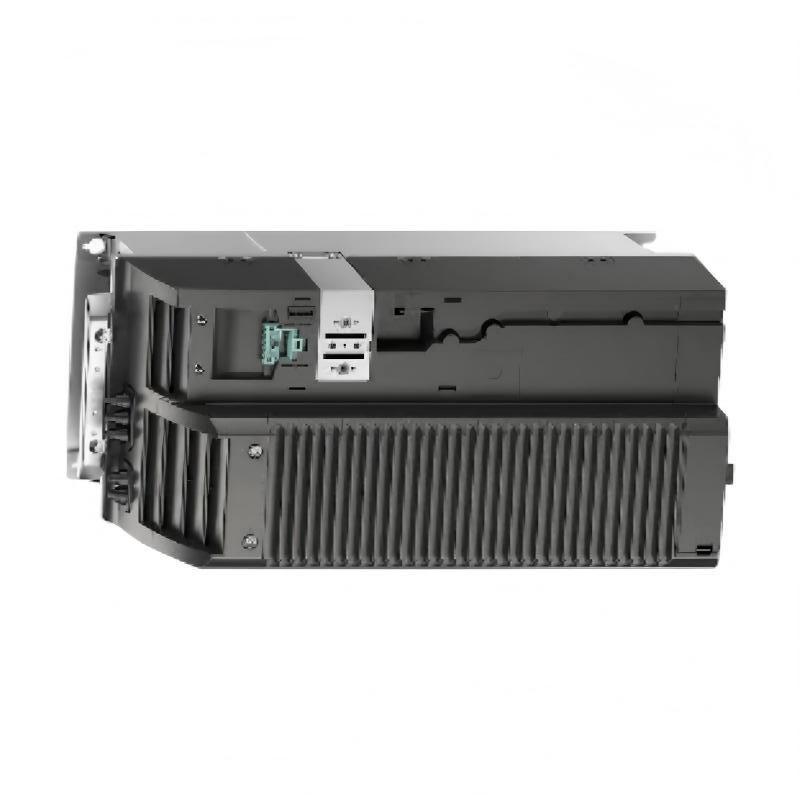
The Siemens 6AG1210-1PE26-2UL0 Power Module is an industrial power component designed for integration into automation, control, and electrical power architectures. In an industrial control system, dependable power infrastructure is essential for maintaining the operation of PLCs, I/O assemblies, communication equipment, HMI systems, and other electronic devices.
Power modules form an important part of the supporting infrastructure within industrial control cabinets. They are used in conjunction with control equipment to establish an organized power architecture that can support continuous machine operation, process monitoring, and automated production.
The supplied physical dimensions of the Siemens 6AG1210-1PE26-2UL0 are 200 × 472 × 237 mm, with a listed weight of 17 kg. These dimensions and weight are particularly important for cabinet layout, mounting design, handling, transportation, cable routing, ventilation, and maintenance planning.
The exact electrical specifications of the 6AG1210-1PE26-2UL0, including input characteristics, output characteristics, rated power, current capacity, connection arrangement, protection functions, and environmental limits, should be confirmed against the actual product nameplate and applicable technical documentation before installation.
Technical Specifications
| Parameter | Specification |
|---|---|
| Manufacturer | Siemens |
| Model | 6AG1210-1PE26-2UL0 |
| Product Type | Power Module |
| Primary Function | Industrial power management |
| Application | Automation and control systems |
| Installation | Industrial control cabinet / suitable enclosure |
| Dimensions | 200 × 472 × 237 mm |
| Weight | 17 kg |
| Typical Applications | Factory automation, process control, industrial control cabinets and automation infrastructure |
Technical note: Exact input voltage, output voltage, current rating, power capacity, efficiency, protection functions, terminal configuration, cooling requirements, and operating limits should be verified for the specific 6AG1210-1PE26-2UL0 configuration.
What Is the Siemens 6AG1210-1PE26-2UL0?
The 6AG1210-1PE26-2UL0 is identified as a Siemens Power Module for industrial automation applications.
Unlike a PLC CPU, which executes control logic, or an I/O module, which processes field signals, a power module forms part of the electrical infrastructure supporting the automation system.
A simplified architecture is:
Industrial Power Source → 6AG1210-1PE26-2UL0 → Power Distribution → Automation Equipment
The downstream equipment may include:
- PLC controllers
- I/O modules
- Communication equipment
- Industrial networking devices
- HMI systems
- Sensors
- Actuators
- Interface modules
- Control relays
The actual position of the power module depends on the complete electrical architecture.
Function and Working Principle
Power Input
The power module receives electrical energy from the designated upstream source.
The incoming supply must meet the requirements specified for the actual product configuration.
Electrical Power Management
Automation equipment requires stable and appropriately managed electrical power.
The power module forms part of the electrical path between the incoming supply and connected equipment.
Depending on the actual design, power-management equipment may perform functions associated with conversion, regulation, conditioning, or distribution.
The precise function of the 6AG1210-1PE26-2UL0 should be verified from the applicable product documentation.
Power Distribution
Industrial control cabinets often contain multiple electrical loads.
A structured power-distribution architecture allows power to be delivered to the appropriate controllers, I/O systems, communication equipment, and other devices.
System Availability
Because downstream automation equipment depends on the power infrastructure, a power-system fault can result in:
- PLC shutdown
- I/O interruption
- Network communication loss
- HMI shutdown
- Machine stoppage
Proper power-system design is therefore an important part of industrial automation reliability.
Role in Industrial Automation
A modern automation installation can be viewed as several interconnected layers:
Power Infrastructure → Control → I/O → Communication → Field Devices → Process
The 6AG1210-1PE26-2UL0 belongs to the power infrastructure supporting these layers.
Stable power can help maintain operation of:
- PLC CPUs
- Remote I/O
- Analog modules
- Digital modules
- Communication interfaces
- Industrial Ethernet equipment
- HMI panels
- Sensors
- Actuators
When engineering a complete system, the power demand of all connected equipment should be considered.
Industrial Applications
Factory Automation
Factory automation systems contain controllers, sensors, actuators, communication equipment, and machine interfaces.
A properly designed power architecture supports the operation of these devices.
Process Automation
Process-control systems may operate continuously and contain numerous electronic components.
Reliable electrical power is therefore essential for maintaining control-system availability.
Industrial Control Cabinets
Large control cabinets can contain multiple automation components and electrical loads.
A power module can form part of the cabinet infrastructure when its electrical characteristics are appropriate.
Automated Production Lines
Production lines depend on coordinated operation between PLCs, I/O systems, sensors, actuators, and networking equipment.
Power infrastructure supports the operation of these interconnected components.
Industrial Infrastructure
Utility, manufacturing, and infrastructure systems can require dedicated electrical power-management arrangements for control and monitoring equipment.
System Integration Architecture
A generalized system can be represented as:
Incoming Industrial Supply
↓
Siemens 6AG1210-1PE26-2UL0 Power Module
↓
Power Distribution / Control Infrastructure
↓
PLC and Automation Controllers
↓
I/O and Communication Equipment
↓
Sensors and Actuators
↓
Industrial Process or Machine
This arrangement demonstrates the supporting role of the power module within the complete automation architecture.
The actual system configuration should be established according to the electrical design and equipment requirements.
Installation Guidelines
The supplied dimensions are:
200 × 472 × 237 mm
The supplied weight is:
17 kg
These specifications should be considered carefully during mechanical design.
Mounting Requirements
The mounting structure should safely support the listed 17 kg weight.
The mounting panel or cabinet structure should also be capable of handling the vibration and mechanical loads present in the intended industrial environment.
Installation Clearance
The product dimensions represent the physical unit size but not necessarily the complete required installation space.
Additional room should be considered for:
- Power connections
- Cable bending
- Cooling airflow
- Terminal access
- Inspection
- Maintenance
- Component removal
Cabinet Layout
The module should be positioned so that technicians can access relevant connections and service areas without unnecessarily removing adjacent equipment.
Thermal Management
Thermal management is an important consideration when installing larger power equipment.
The cabinet design should evaluate:
- Ambient temperature
- Heat generated by the power module
- Heat from adjacent equipment
- Cabinet dimensions
- Air circulation
- Cooling equipment
- Ventilation paths
Airflow around the equipment should not be obstructed.
The actual thermal requirements of the 6AG1210-1PE26-2UL0 should be confirmed against the applicable specifications.
Electrical Installation
Before energizing the module, inspect the complete electrical installation.
Important checks include:
- Incoming supply
- Protective grounding
- Power connections
- Terminal configuration
- Cable sizing
- Circuit protection
- Disconnect devices
- Downstream load
- Wiring integrity
The exact wiring arrangement and terminal assignments should be verified for the installed hardware version.
PLC and Automation Integration
The 6AG1210-1PE26-2UL0 can form part of a PLC-based automation architecture when its electrical characteristics are appropriate for the system.
A typical control cabinet may contain:
| Component | Typical Function |
|---|---|
| 6AG1210-1PE26-2UL0 | Power infrastructure |
| PLC CPU | Automation logic |
| Digital I/O | Discrete field signals |
| Analog I/O | Process measurements |
| Communication Module | Industrial networking |
| HMI | Operator interface |
| Sensors | Process feedback |
| Actuators | Physical process control |
| Circuit Protection | Electrical protection |
| Terminal Blocks | Field wiring |
The actual configuration depends on the application.
Commissioning Procedure
1. Confirm Product Identification
Verify the complete 6AG1210-1PE26-2UL0 model and nameplate information.
2. Inspect Mechanical Installation
Confirm secure mounting and ensure that the cabinet structure can support 17 kg.
3. Check Installation Clearance
Verify that sufficient space is available for wiring, cooling, inspection, and maintenance.
4. Verify Incoming Power
Confirm that the upstream electrical supply meets the requirements of the installed module.
5. Inspect Grounding
Check protective grounding and cabinet grounding.
6. Verify Connected Loads
Confirm that downstream equipment is appropriate for the power architecture.
7. Check Protection
Verify circuit breakers, fuses, disconnect equipment, and other applicable protective devices.
8. Energize the System
Apply power under controlled commissioning conditions.
9. Check Connected Equipment
Verify that PLCs, I/O systems, communication devices, and operator interfaces operate normally.
10. Record Commissioning Information
Document the final installation configuration and relevant maintenance information.
Troubleshooting Guide
No Power to Connected Equipment
Possible causes include:
- No incoming power
- Incorrect wiring
- Open protection device
- Loose connection
- Downstream short circuit
- Power-module problem
Troubleshooting should begin with the upstream supply and proceed through the complete power path.
Intermittent Power Loss
Possible causes include:
- Loose terminals
- Damaged wiring
- Unstable supply
- Excessive load
- Thermal conditions
- Protection-device operation
- Intermittent internal connection
Repeated power interruptions should be investigated systematically.
PLC or I/O System Does Not Start
Check:
- Incoming power
- Power-module connections
- Protection devices
- Downstream wiring
- Controller connections
- Load conditions
A downstream equipment problem can sometimes appear to be a power-module fault.
Excessive Temperature
Possible causes include:
- High cabinet temperature
- Insufficient ventilation
- Excessive loading
- Restricted airflow
- Poor cabinet thermal design
- Environmental contamination
Inspect the complete cabinet environment.
Unexpected System Resets
Unexpected controller or automation-system resets can be associated with unstable power, loose connections, protection-device operation, or other power-quality issues.
The complete electrical architecture should be checked before replacing components.
Preventive Maintenance
Electrical Connections
Inspect power terminals and associated wiring for:
- Loose connections
- Corrosion
- Discoloration
- Heat damage
- Insulation deterioration
Cabinet Environment
Keep the control cabinet clean and appropriately ventilated.
Prevent excessive dust, moisture, and contamination.
Thermal Inspection
Monitor cabinet temperature and verify that cooling paths remain unobstructed.
Power-System Monitoring
Record abnormal events such as:
- Repeated shutdowns
- Protection trips
- Unexpected restarts
- Power interruptions
- Abnormal equipment behavior
Trend information can help identify developing problems.
Mechanical Inspection
Because the listed weight is 17 kg, inspect mounting hardware and support structures during scheduled maintenance.
Replacement Considerations
When replacing the Siemens 6AG1210-1PE26-2UL0 Power Module, verify the complete product identification before installation.
Important checks include:
- Full order number
- Hardware revision
- Electrical specifications
- Terminal configuration
- Connected load
- Mounting requirements
- Cabinet dimensions
- Cooling requirements
- System architecture
The supplied physical dimensions are 200 × 472 × 237 mm, and the supplied weight is 17 kg.
A different Siemens power module should not be assumed to be a direct replacement based only on similar appearance or dimensions.
Electrical and mechanical compatibility must be confirmed.
Handling and Cabinet Planning
The 17 kg listed weight requires appropriate handling during installation and replacement.
Before positioning the module:
- Prepare the mounting structure.
- Confirm cabinet access.
- Plan cable routing.
- Provide adequate service space.
- Ensure that mounting hardware is suitable.
- Avoid mechanical stress on electrical terminals.
The 200 × 472 × 237 mm dimensions should be incorporated into cabinet layout drawings and equipment-spacing calculations.
For larger industrial installations, service access should be considered from the beginning of the cabinet design rather than after equipment has been installed.
Compatible Automation Components
The 6AG1210-1PE26-2UL0 may form part of a larger industrial automation environment containing:
- Siemens PLC controllers
- Siemens I/O modules
- Industrial Ethernet switches
- Communication interfaces
- HMI systems
- Sensor interfaces
- Actuator interfaces
- Terminal blocks
- Circuit protection
- Disconnect equipment
- Control relays
- Industrial power-distribution components
The actual combination should be selected according to the electrical requirements of the complete installation.
Related Siemens Automation Models
| Model | Product Type | General Role |
|---|---|---|
| 6AG1210-1PE14-2UL1 | Central Processing Unit | PLC control |
| 6AG1210-1PE18-2UL1 | Central Processing Unit | PLC control |
| 6AG1210-1PE21-2UL0 | Power Module | Industrial power infrastructure |
| 6AG1210-1PE23-2UL0 | Power Module | Industrial power-management infrastructure |
| 6AG1210-1PE26-2AL0 | Power Module | Industrial power infrastructure |
| 6AG1210-1PE26-2UL0 | Power Module | Industrial power infrastructure |
| 6AG1202-2BH00-2BA3 | Digital Output Module | Digital output control |
| 6AG1206-2BB00-7AC2 | Industrial Ethernet Switch | Industrial networking |
| 6AG1208-0BA00-7AC2 | Industrial Ethernet Switch | Industrial networking |
Related models should not be considered interchangeable without checking the electrical and mechanical requirements of the actual application.
Engineering Best Practices
Verify the Complete Power Demand
Evaluate the power requirements of all connected automation equipment before finalizing the system architecture.
Design for the 17 kg Weight
The cabinet mounting structure and hardware should be selected to safely support the listed weight.
Provide Adequate Service Access
Large power modules require enough room for wiring, inspection, maintenance, and replacement.
Consider Cabinet Heat
Evaluate the total heat load of the cabinet and provide suitable ventilation or cooling where necessary.
Use Appropriate Circuit Protection
Select protection and isolation devices according to the electrical design.
Maintain Proper Grounding
A well-designed grounding arrangement supports safe and reliable industrial operation.
Keep Wiring Organized
Clearly identified and neatly routed power wiring makes troubleshooting easier.
Maintain Documentation
Keep product identification, wiring diagrams, cabinet layouts, and maintenance records current.
Key Advantages
- Siemens industrial automation Power Module
- Designed for industrial power-management applications
- Suitable for automation and control-system architectures
- Supports structured control-cabinet power infrastructure
- Supplied dimensions of 200 × 472 × 237 mm
- Supplied weight of 17 kg
- Suitable for larger industrial control cabinets
- Can support PLC and I/O infrastructure
- Applicable to factory automation
- Suitable for process-control environments
- Supports organized industrial power distribution
- Can be integrated with Siemens automation equipment when correctly matched
- Provides an important supporting component within industrial control systems
Technical FAQs
What is the Siemens 6AG1210-1PE26-2UL0?
The Siemens 6AG1210-1PE26-2UL0 is identified as a Power Module intended for integration into industrial automation and control-system power architectures.
What are the dimensions of the 6AG1210-1PE26-2UL0?
The supplied dimensions are 200 × 472 × 237 mm.
How much does the Siemens 6AG1210-1PE26-2UL0 weigh?
The supplied weight is 17 kg.
What is the function of a power module?
A power module forms part of the electrical infrastructure that supports automation equipment. Depending on the specific design, it may be involved in power conversion, regulation, conditioning, or distribution.
Can the 6AG1210-1PE26-2UL0 be used in a PLC control system?
It can form part of a PLC-based automation architecture when its electrical characteristics and system requirements are compatible with the installation.
What should be checked before installation?
Verify the complete product identification, electrical supply, load requirements, terminal configuration, protection devices, grounding, mounting arrangement, cabinet space, cooling, and environmental conditions.
Why is the 17 kg weight important?
The listed 17 kg weight affects mounting strength, cabinet construction, handling, transportation, and replacement planning.
Why is thermal management important?
Power equipment can generate heat during operation. Proper cabinet ventilation and thermal design help maintain appropriate conditions for electronic equipment.
What can cause intermittent power loss?
Possible causes include unstable incoming power, loose terminals, damaged cables, excessive loading, protection-device operation, thermal conditions, or problems elsewhere in the power-distribution system.
Can another Siemens Power Module replace this model?
Not automatically. A replacement must be checked for electrical characteristics, mechanical dimensions, terminal configuration, load requirements, and system compatibility.
Conclusion
The Siemens 6AG1210-1PE26-2UL0 Power Module is an industrial power component intended to form part of the electrical infrastructure supporting automation and control equipment. Power infrastructure is a fundamental element of modern industrial systems because PLCs, I/O modules, communication equipment, HMI systems, and field interfaces all depend on appropriate electrical power.
The supplied physical dimensions of 200 × 472 × 237 mm and weight of 17 kg make cabinet planning, mechanical support, handling, ventilation, cable routing, and maintenance access particularly important considerations.
For dependable operation, the 6AG1210-1PE26-2UL0 should be integrated as part of a complete electrical and automation architecture. Correct power-system design, suitable protection, grounding, load evaluation, thermal management, secure mounting, and systematic commissioning all contribute to reliable industrial operation.
When installing or replacing the Siemens 6AG1210-1PE26-2UL0, the complete product identification should be verified carefully. Exact electrical specifications and compatibility with connected equipment should be confirmed before energization so that the power module can be correctly incorporated into the intended industrial automation system.