

ProductPRODUCT
Featured products



Contact Us
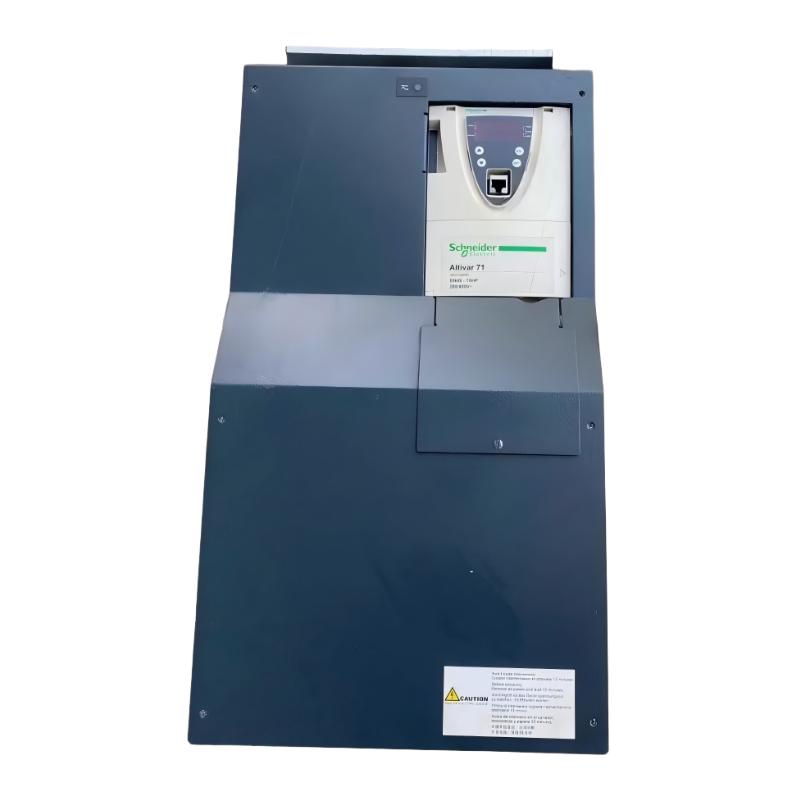
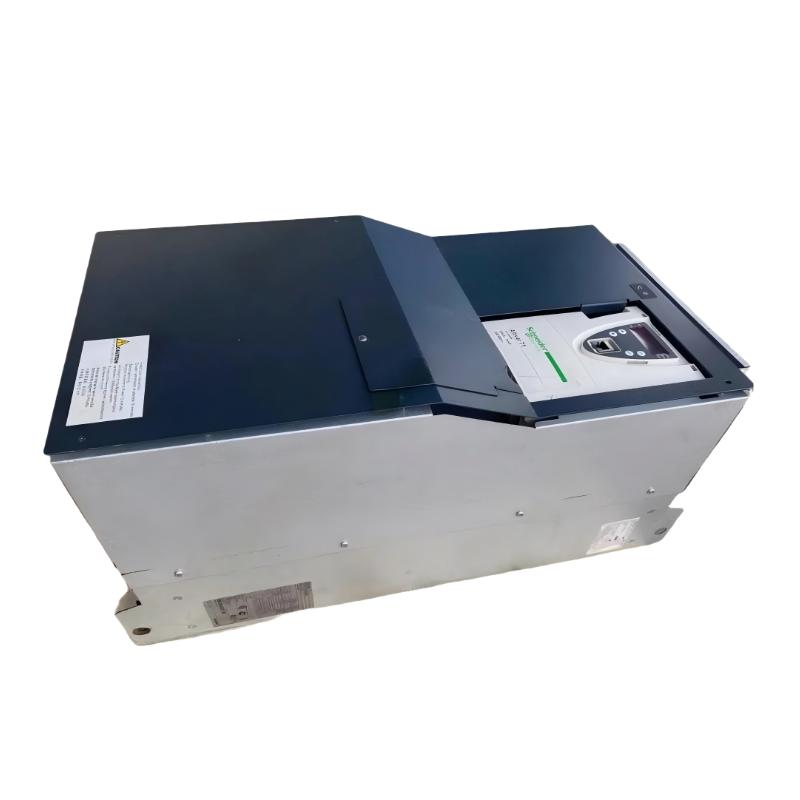
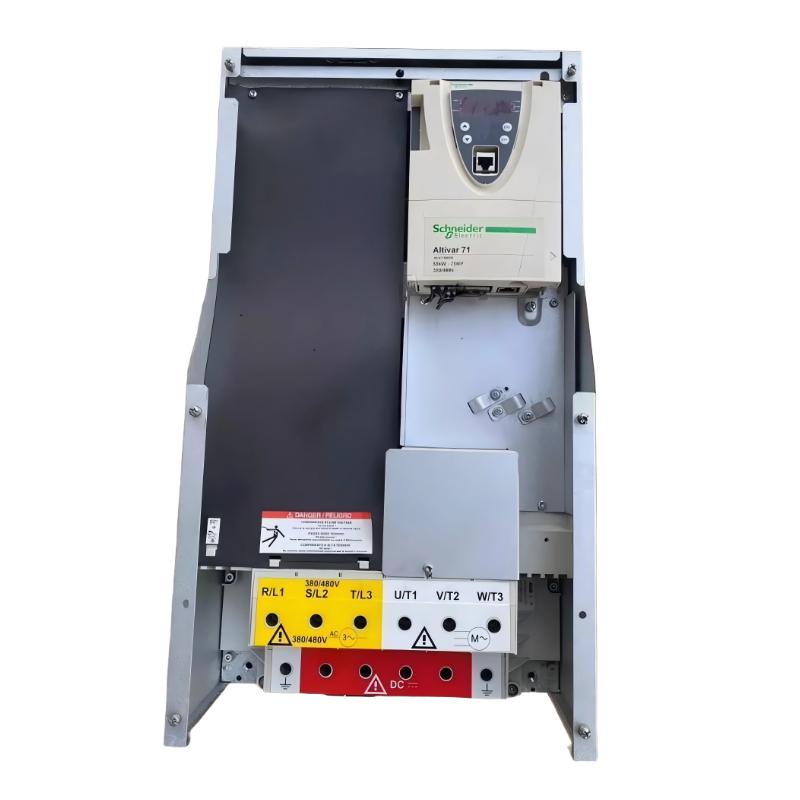
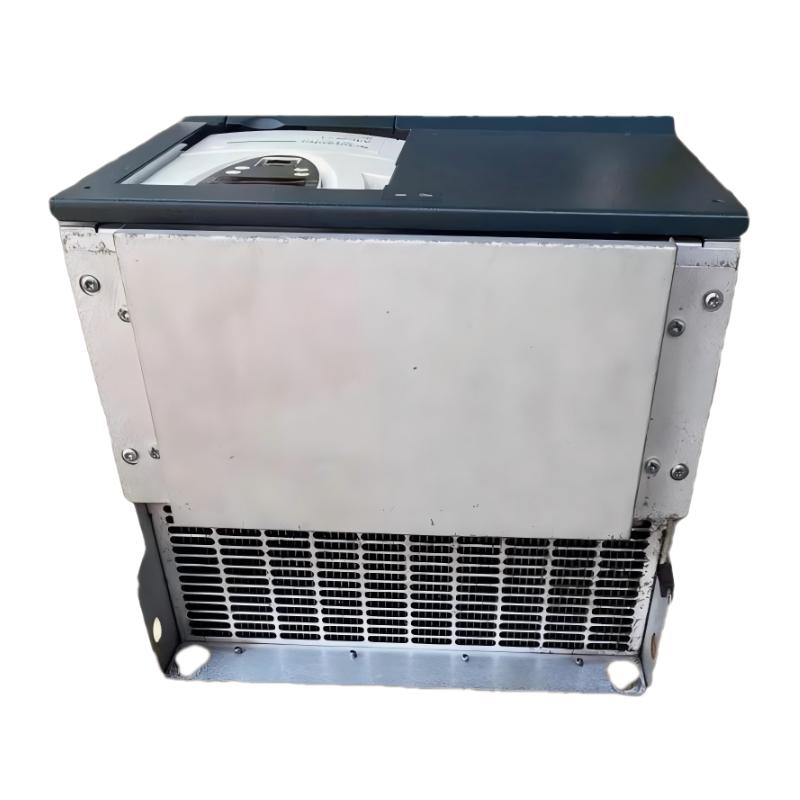
- Schneider
- ATV71HD55N4Z
- Variable Speed Drive
- France
- 630 x 290 x 320 mm
- 44 kg
- Xiamen, China
- New & In Stock
- T/T, PayPal, Western Union
- 1 Year
- 1-3 Working Days
- DHL, UPS, TNT, FedEx and EMS.
- 24-Hour Service
- COO
- 48
Our advantage

Global Logistics
We have a 10-year logistics and express cooperation agreement, so our products can be shipped to any place in the world.

Brand new and original
Our products are imported in bulk from the place of origin. Because of the cooperative relationship, our products are all original and 100% new.

24-hour service
We provide 7*24 hours service to our customers. We will be there whenever you need us.

Price advantage
All our products are priced very favorably because we have our own warehouse and supply.
| Company Information | |||
| [email protected] | |||
| Mobile | +8615980777398 | ||
| +8615980777398 | |||
| 15980777398 |
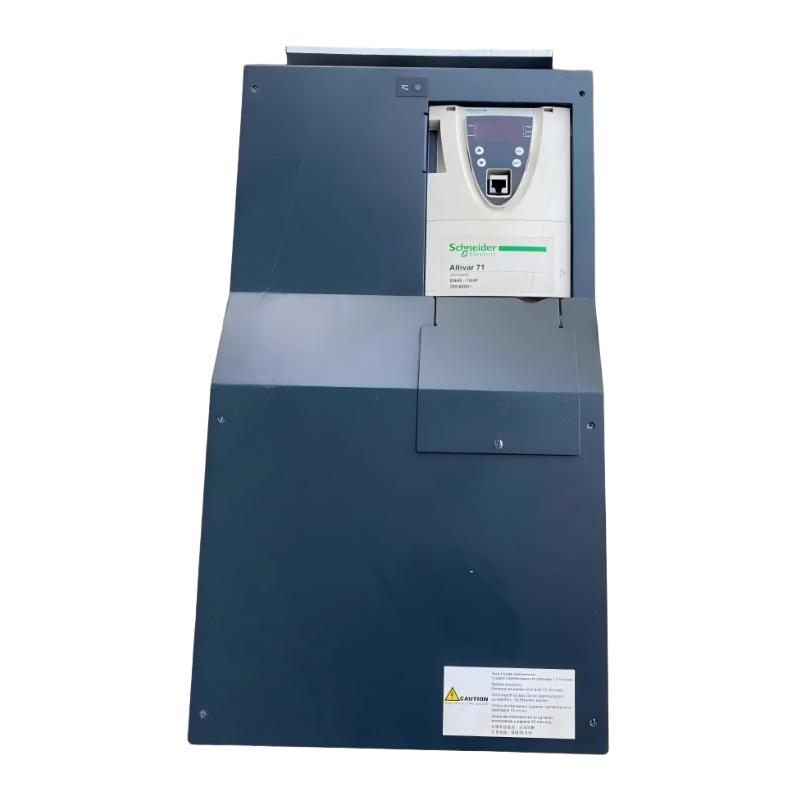
Product Overview
The Schneider ATV71HD55N4Z Variable Speed Drive is an industrial motor-control device designed for applications that require adjustable motor speed, controlled acceleration and deceleration, and reliable integration with automated machinery. As a member of the Schneider Electric Altivar 71 family, the ATV71HD55N4Z is intended for demanding industrial installations where motor control needs to be coordinated with production equipment, process instrumentation, and supervisory automation systems.
Variable speed drives provide an electronic interface between the incoming power supply and an AC motor. Instead of operating a motor continuously at one fixed speed, the drive allows motor operation to be adjusted according to the requirements of the connected machine. This approach is useful for applications such as conveyors, pumps, fans, compressors, material-handling equipment, and other industrial machinery.
The ATV71HD55N4Z has listed dimensions of 630 × 290 × 320 mm and a weight of 44 kg. These dimensions and weight should be taken into account when designing an electrical cabinet, selecting mounting hardware, planning transportation, and arranging power and motor cables.
The exact electrical characteristics of a particular installation, including rated input conditions, motor power range, output current, overload behavior, control functions, communication interfaces, and braking configuration, should be verified against the applicable Schneider Electric documentation and the actual drive nameplate.
Technical Specifications
| Parameter | Specification |
|---|---|
| Manufacturer | Schneider Electric |
| Model | ATV71HD55N4Z |
| Product Family | Altivar 71 |
| Product Type | Variable Speed Drive |
| Primary Function | Variable-speed AC motor control |
| Application | Industrial machinery and automation |
| Control Purpose | Motor speed and torque management |
| Installation | Industrial electrical cabinet / suitable enclosure |
| Dimensions | 630 × 290 × 320 mm |
| Weight | 44 kg |
| Typical Applications | Conveyors, pumps, fans, compressors, material handling and process machinery |
The table above intentionally focuses on the information provided for this specific product. Exact electrical ratings and terminal-level specifications should be confirmed from the relevant ATV71HD55N4Z hardware documentation before engineering or commissioning.
What Is the Schneider ATV71HD55N4Z?
The Schneider ATV71HD55N4Z is a Variable Speed Drive used to regulate the operation of compatible AC motors.
The drive is installed between the electrical power source and the motor and acts as an electronically controlled motor interface.
A simplified industrial control path can be represented as:
Power Supply → ATV71HD55N4Z → AC Motor → Mechanical Load
A more complete automation architecture may be represented as:
Sensors → PLC / Controller → ATV71HD55N4Z → Motor → Machine
The controller determines the required operating condition based on process information or operator commands. The drive then regulates motor operation according to the configured control parameters.
This arrangement provides greater flexibility than a simple fixed-speed motor starter.
Understanding Variable Speed Drive Operation
The basic purpose of a variable speed drive is to control the electrical power delivered to a motor in a way that allows motor speed and torque to be managed.
The drive uses power electronics to produce a controlled motor output. Depending on the selected motor-control method and configuration, the drive can regulate motor behavior during starting, running, speed changes, and stopping.
This can provide:
- Adjustable motor speed
- Controlled acceleration
- Controlled deceleration
- Smooth starting
- Smooth stopping
- Motor operating supervision
- Fault detection
- Process-oriented motor control
- Integration with automation systems
The exact motor-control functions available for a specific ATV71HD55N4Z installation depend on the configuration and application.
Main Functions of the ATV71HD55N4Z
Adjustable Speed Control
The most important function of the ATV71HD55N4Z is the ability to control motor speed according to the requirements of the connected equipment.
This is particularly useful when a machine must operate at multiple production speeds or when process demand changes continuously.
Acceleration Management
The drive can use configurable acceleration parameters to control how quickly the motor reaches the required operating speed.
Controlled acceleration can reduce sudden mechanical loading on:
- Motors
- Couplings
- Gearboxes
- Conveyors
- Pumps
- Fans
- Rotating machinery
Deceleration Management
Controlled deceleration allows the motor to slow down according to a configured operating profile.
This can help reduce sudden mechanical changes and provide more predictable machine stopping.
Applications with high-inertia loads require careful evaluation of the deceleration and braking requirements.
Motor Monitoring
The drive can provide operating and diagnostic information that helps operators and maintenance personnel monitor motor behavior.
Depending on the configured system, information can be used to identify abnormal operating conditions and support troubleshooting.
Process Coordination
The ATV71HD55N4Z can form part of a larger control strategy in which motor speed is adjusted according to process feedback.
For example, a controller may adjust motor speed according to pressure, flow, temperature, level, position, or production demand.
Role in Industrial Control Systems
The ATV71HD55N4Z can serve as the motor-control layer between a PLC or industrial controller and the mechanical equipment.
A typical system architecture is:
Field Sensors → PLC → Drive Command → ATV71HD55N4Z → Motor → Mechanical Equipment
The field sensors provide information about the physical process.
The PLC or controller processes this information and determines the appropriate operating command.
The ATV71HD55N4Z receives the command and controls the motor.
The motor then drives the connected mechanical equipment.
This architecture allows the variable speed drive to become part of a coordinated automation system rather than operating as an independent motor controller.
Industrial Applications
Conveyor and Material Handling Systems
Variable speed control is useful for conveyors where production speed changes according to material flow or machine sequence.
Controlled acceleration can also help reduce mechanical shock in conveyor systems.
Pumping Systems
Pumps often operate under changing flow or pressure requirements. Variable-speed operation allows the motor to be adjusted according to process demand.
Industrial Fans
Ventilation and process fans may need different operating speeds depending on temperature, airflow, pressure, or production conditions.
Compressors
Suitable compressor systems can use variable speed control when the compressor and motor are designed for this operating method.
Production Machinery
Industrial production machines can use adjustable motor speed for different production stages or operating modes.
Material Processing Equipment
Variable speed control can be useful where the rate of material movement or processing needs to be continuously adjusted.
General Industrial Automation
The ATV71HD55N4Z can be incorporated into industrial systems requiring controlled motor operation and coordination with automation equipment.
Installation Guidelines
The physical characteristics of the ATV71HD55N4Z require careful installation planning.
The listed dimensions are:
630 × 290 × 320 mm
The listed weight is:
44 kg
Mechanical Mounting
The mounting structure must be capable of safely supporting a 44 kg drive.
The drive should be mounted according to the applicable installation instructions and in an orientation suitable for its cooling design.
Cabinet Space
The enclosure should provide enough space for:
- Drive mounting
- Power cable routing
- Motor cable routing
- Control wiring
- Cooling airflow
- Connector access
- Maintenance
- Inspection
The drive dimensions should therefore not be treated as the total cabinet space requirement.
Thermal Management
Variable speed drives generate heat during operation. Cabinet design should provide suitable thermal management based on the drive’s operating conditions and the heat generated by other components.
Possible cabinet cooling approaches include:
- Natural ventilation
- Forced-air ventilation
- Heat exchangers
- Cabinet air conditioning
The correct solution depends on the complete installation.
Electrical Installation
Before energizing the ATV71HD55N4Z, all electrical connections should be checked carefully.
Important inspection points include:
- Incoming power
- Protective earth
- Motor connections
- Control wiring
- Protective devices
- Disconnect equipment
- Cable sizing
- Terminal tightness
- Motor compatibility
The electrical installation should be performed by qualified personnel according to applicable industrial safety requirements.
The exact terminal arrangement should always be verified against the documentation for the installed drive.
Motor Cable and EMC Considerations
Variable speed drives use electronic switching, which means that the motor cable installation can affect electromagnetic compatibility.
Good engineering practices include:
- Use suitable motor cables.
- Route motor and control cables appropriately.
- Keep sensitive instrumentation wiring away from high-energy motor wiring where practical.
- Apply cable shielding according to the installation design.
- Maintain appropriate grounding.
- Avoid unnecessary parallel cable runs.
- Keep cable connections secure.
EMC performance depends on the entire installation rather than the drive alone.
PLC, HMI and SCADA Integration
The ATV71HD55N4Z can participate in an industrial automation system using appropriate control and communication interfaces.
A PLC may provide commands such as:
- Start
- Stop
- Speed reference
- Direction
- Enable
- Fault reset
The automation system may also monitor information such as:
- Drive operating status
- Fault status
- Motor operating condition
- Speed information
- Diagnostic information
An HMI can present this information to operators, while a SCADA system can provide higher-level monitoring and historical process supervision where the system architecture supports these functions.
The exact communication method depends on the installed hardware and system configuration.
Configuration and Commissioning
Proper commissioning helps ensure reliable operation of the ATV71HD55N4Z.
Motor Parameter Configuration
Motor nameplate information should be entered correctly into the drive where required.
Incorrect motor parameters can result in poor motor-control performance.
Acceleration and Deceleration
Acceleration and deceleration settings should be selected according to the mechanical characteristics of the application.
A heavy or high-inertia load may require a different ramp profile from a lightly loaded machine.
Speed Reference
The source of the speed reference should be confirmed.
Depending on the system design, the reference may come from a local control interface, external signal, PLC, or communication network.
Direction Verification
Initial operation should be performed under controlled conditions to verify motor rotation.
Functional Testing
Commissioning should verify:
- Start command
- Stop command
- Motor direction
- Speed reference
- Acceleration
- Deceleration
- Drive status
- Fault response
- Mechanical operation
If the drive is integrated with a PLC, the complete automatic sequence should also be tested.
Troubleshooting the ATV71HD55N4Z
Drive Does Not Start
If the motor does not start, inspect:
- Start command
- Drive enable condition
- External interlocks
- Active fault
- Control wiring
- Motor parameters
- Control mode
- Automation-system commands
The absence of motor rotation does not necessarily mean that the drive has failed.
Motor Runs Below the Required Speed
Possible causes include:
- Incorrect speed reference
- Configured speed limitation
- Incorrect parameters
- Excessive mechanical load
- PLC command problem
- Motor-related problems
Compare the commanded speed with the actual drive operating condition.
Overcurrent During Starting
Possible causes include:
- Excessive load
- Mechanical obstruction
- Incorrect motor configuration
- Motor fault
- Aggressive acceleration setting
- Wiring problems
The mechanical equipment should be inspected along with the electrical system.
Drive Trips During Operation
Repeated trips should be investigated using the drive’s diagnostic information.
Possible causes can include:
- Motor overload
- Excessive mechanical load
- Power problems
- Incorrect configuration
- Motor or cable faults
- Excessive temperature
Repeatedly resetting the drive without identifying the cause is not a substitute for fault diagnosis.
Drive Overheating
Check:
- Cabinet temperature
- Cooling airflow
- Ventilation openings
- Heat accumulation
- Dust contamination
- Drive loading
- Cabinet cooling equipment
The complete thermal environment should be evaluated.
Preventive Maintenance
Regular maintenance can improve the reliability of the ATV71HD55N4Z and its associated motor system.
Inspect Cooling Equipment
Check ventilation paths, fans, filters, and cooling surfaces where applicable.
Inspect Electrical Connections
Look for loose terminals, discoloration, overheating, corrosion, or damaged wiring.
Monitor Fault History
Repeated faults can provide useful information about developing electrical or mechanical problems.
Inspect the Motor
Check the motor, bearings, coupling, gearbox, and driven equipment.
Maintain the Cabinet
Keep the enclosure clean and maintain suitable environmental conditions.
Preserve Drive Parameters
Important commissioning settings should be documented so they can be restored after maintenance or replacement.
Replacement and Spare-Part Considerations
When sourcing a replacement for the Schneider ATV71HD55N4Z, technicians should verify the complete model identification.
Important information includes:
- Model number
- Hardware revision
- Nameplate data
- Motor requirements
- Application load
- Input power configuration
- Control configuration
- Communication configuration
- Installed accessories
The listed dimensions are 630 × 290 × 320 mm, and the listed weight is 44 kg.
A drive with a similar appearance or physical dimensions should not automatically be considered an equivalent replacement. Electrical characteristics and system configuration must also be checked.
Cabinet Installation and Space Planning
The 630 × 290 × 320 mm dimensions are important when designing or modifying an industrial electrical cabinet.
Engineers should allow additional space beyond the basic product dimensions for:
- Power cables
- Motor cables
- Control cables
- Cooling airflow
- Service access
- Connector removal
- Adjacent equipment
- Protective devices
The 44 kg weight should also be considered when selecting cabinet mounting structures and handling equipment.
For retrofit projects, the existing enclosure should be checked to ensure that the replacement drive can be safely mounted and adequately cooled.
Compatible System Components
The ATV71HD55N4Z can form part of an industrial automation system containing several supporting components.
| Component | Typical Function |
|---|---|
| ATV71HD55N4Z | Variable-speed motor control |
| AC Motor | Converts electrical energy into mechanical power |
| PLC | Executes machine or process control logic |
| HMI | Operator monitoring and control |
| Sensors | Provides process feedback |
| Circuit Breaker | Electrical protection |
| Disconnect Device | Equipment isolation |
| EMC Components | Electromagnetic compatibility |
| Line Reactor | Power-system conditioning where required |
| Braking Components | Supports controlled braking where required |
| SCADA System | Supervisory monitoring |
The exact system architecture depends on the application and engineering requirements.
Related Schneider Electric Altivar Models
| Model | Product Type | General Application |
|---|---|---|
| ATV71HD30N4Z | Variable Speed Drive | Industrial motor control |
| ATV71HD37N4 | Variable Speed Drive | Industrial variable-speed applications |
| ATV71HD37N4Z | Variable Speed Drive | Industrial machinery |
| ATV71HD45N4 | Variable Speed Drive | Industrial motor control |
| ATV71HD45N4Z | Variable Speed Drive | Industrial variable-speed applications |
| ATV71HD55N4 | Variable Speed Drive | Higher-power industrial motor control |
| ATV71HD55N4Z | Variable Speed Drive | Industrial variable-speed motor control |
| ATV71HD75N4 | Variable Speed Drive | High-power industrial applications |
These models belong to the broader Altivar 71 family, but their electrical ratings, mechanical characteristics, and system requirements differ. A related model should not be selected as a replacement without confirming the complete application requirements.
Engineering Best Practices
Verify Motor Compatibility
The motor’s electrical and mechanical characteristics should be checked before commissioning.
Document Drive Parameters
Maintain an accurate record of important configuration parameters.
Monitor Repeated Faults
Repeated drive faults should be analyzed to determine whether the underlying issue originates from the drive, motor, mechanical load, or power system.
Maintain Proper Cooling
Good cabinet thermal management is important for reliable drive operation.
Keep Wiring Organized
Separate power, motor, control, and instrumentation wiring appropriately.
Inspect Mechanical Loads
Mechanical problems such as seized bearings, blocked pumps, overloaded conveyors, or gearbox problems can cause drive trips.
Follow Safe Maintenance Procedures
Before servicing the drive or connected motor, the equipment should be isolated according to the applicable electrical safety procedures.
Key Advantages
- Industrial variable-speed motor control
- Part of the Schneider Electric Altivar 71 family
- Suitable for demanding automation applications
- Controlled motor acceleration and deceleration
- Adjustable operating speed
- Supports integration with PLC-based control systems
- Suitable for pumps, fans, conveyors, compressors, and industrial machinery
- Supports coordinated machine operation
- Provides drive operating and diagnostic information
- Listed dimensions of 630 × 290 × 320 mm
- Listed weight of 44 kg
- Suitable for appropriately designed industrial control cabinets
Technical FAQs
What is the Schneider ATV71HD55N4Z?
The Schneider ATV71HD55N4Z is a Variable Speed Drive from the Altivar 71 family, designed to provide controlled operation of compatible industrial AC motors.
What are the dimensions of the ATV71HD55N4Z?
The listed dimensions are 630 × 290 × 320 mm.
What is the weight of the ATV71HD55N4Z?
The listed weight is 44 kg.
What does a variable speed drive do?
A variable speed drive controls motor operation by regulating the electrical output supplied to the motor, allowing the motor’s operating speed and acceleration or deceleration behavior to be managed.
Where can the ATV71HD55N4Z be used?
Typical applications include industrial conveyors, pumps, fans, compressors, material-handling systems, production machinery, and other equipment requiring variable-speed motor control.
Can the ATV71HD55N4Z work with a PLC?
Yes. The drive can be incorporated into a PLC-based automation architecture using the appropriate control and communication interfaces.
Why is cabinet cooling important?
The drive produces heat during operation. Proper ventilation and thermal management help maintain suitable operating conditions and support reliable service.
What should be checked if the drive does not start?
Check the start command, enable conditions, external interlocks, active faults, motor parameters, control wiring, and PLC or automation-system commands.
What should be checked before replacing the drive?
Verify the complete model number, hardware revision, motor requirements, electrical configuration, application load, control settings, communication configuration, and installed accessories.
Is the ATV71HD55N4Z interchangeable with the ATV71HD55N4?
They are closely related model designations, but interchangeability should not be assumed. The complete electrical, mechanical, configuration, and application requirements should be verified before substitution.
Conclusion
The Schneider ATV71HD55N4Z Variable Speed Drive is an industrial motor-control solution designed to provide adjustable speed, controlled acceleration and deceleration, and integration with automated machinery and process-control systems. As part of the Altivar 71 family, it can operate as the interface between an industrial controller and a compatible AC motor.
With listed dimensions of 630 × 290 × 320 mm and a weight of 44 kg, the ATV71HD55N4Z requires careful consideration during cabinet design, mechanical mounting, transportation, ventilation, electrical wiring, and maintenance.
When integrated with PLCs, HMIs, sensors, and supervisory systems, the drive can participate in coordinated machine sequences, process regulation, motor monitoring, and equipment diagnostics. Its performance depends on correct motor configuration, suitable application parameters, reliable electrical connections, appropriate EMC practices, and adequate cabinet thermal management.
For installation, commissioning, or replacement, the complete ATV71HD55N4Z model identification should be verified together with the motor characteristics and application requirements. Proper engineering and preventive maintenance help support stable motor operation and dependable long-term industrial automation performance.