

ProductPRODUCT
Featured products
Contact Us
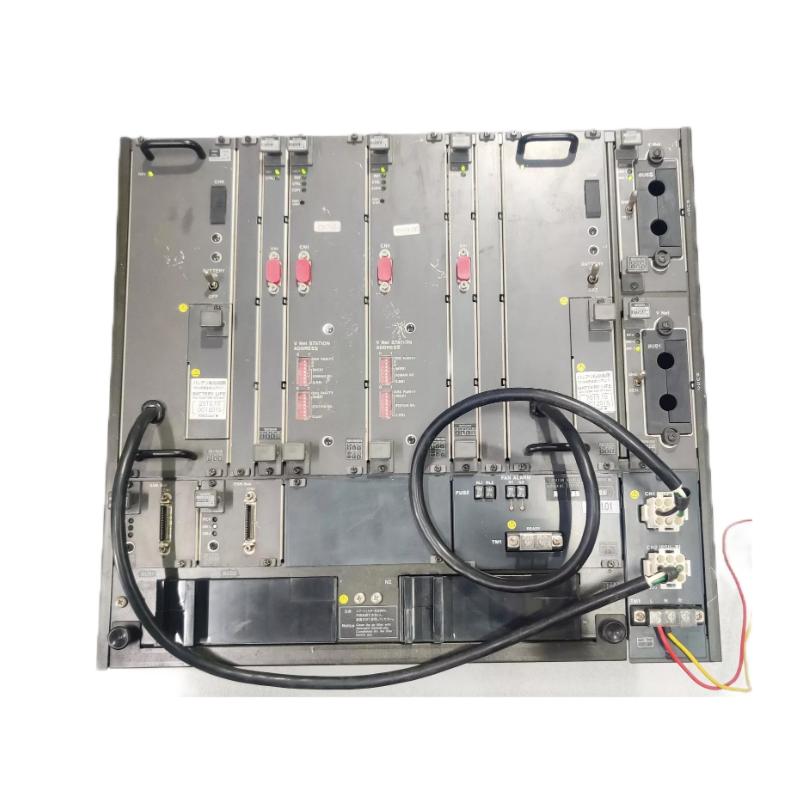
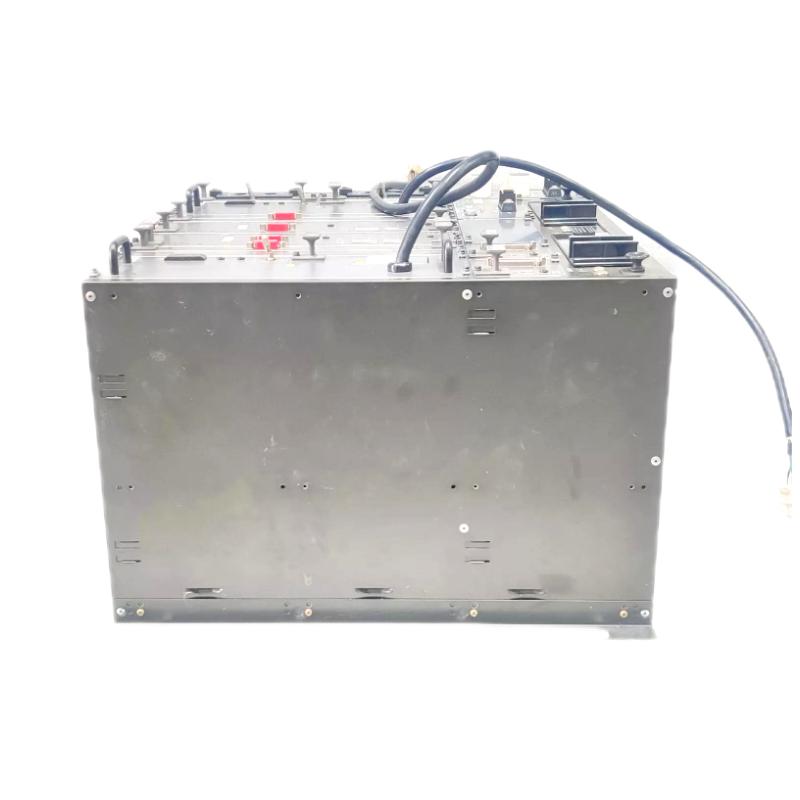
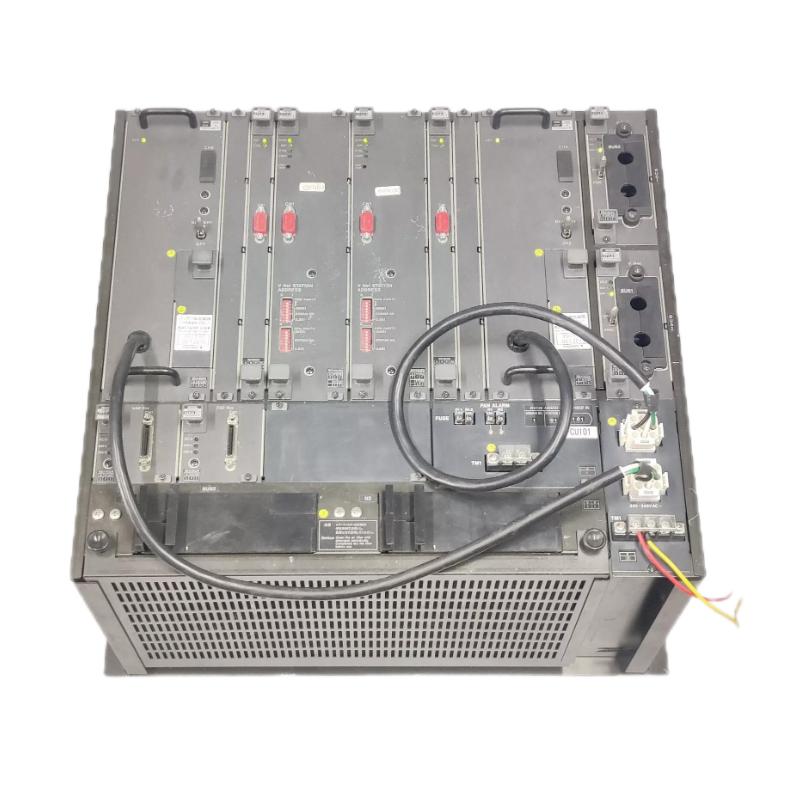
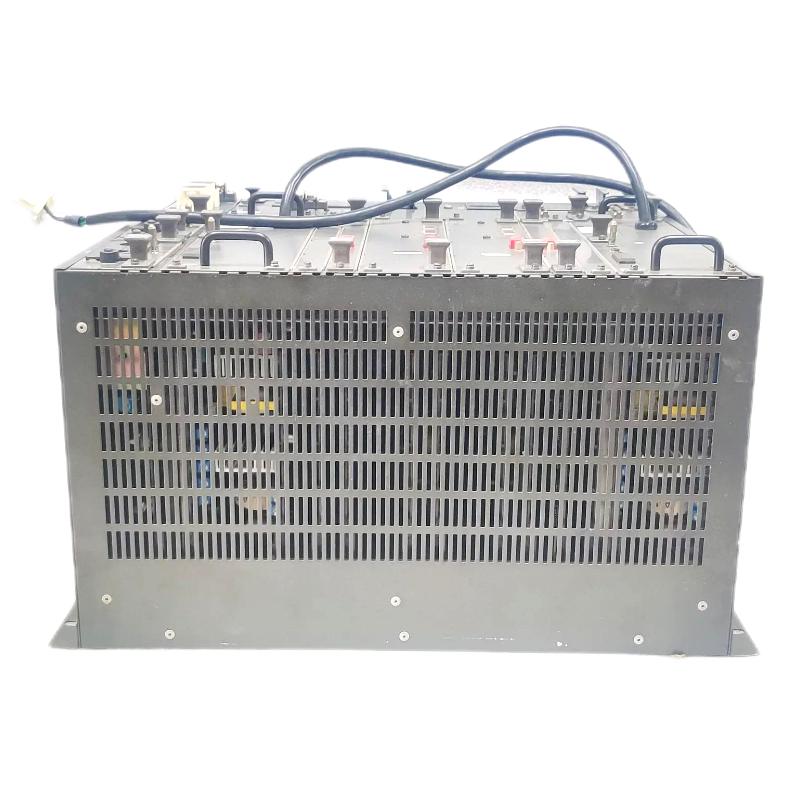
- Yokogawa
- AFG30D-H4123
- Duplex Field Control Unit
- Japan
- 207 × 265.9 × 482.6 mm
- 8 kg
- Xiamen, China
- New & In Stock
- T/T, PayPal, Western Union
- 1 Year
- 1-3 Working Days
- DHL, UPS, TNT, FedEx and EMS.
- 24-Hour Service
- COO
- 20
Our advantage

Global Logistics
We have a 10-year logistics and express cooperation agreement, so our products can be shipped to any place in the world.

Brand new and original
Our products are imported in bulk from the place of origin. Because of the cooperative relationship, our products are all original and 100% new.

24-hour service
We provide 7*24 hours service to our customers. We will be there whenever you need us.

Price advantage
All our products are priced very favorably because we have our own warehouse and supply.
| Company Information | |||
| [email protected] | |||
| Mobile | +8615980777398 | ||
| +8615980777398 | |||
| 15980777398 |
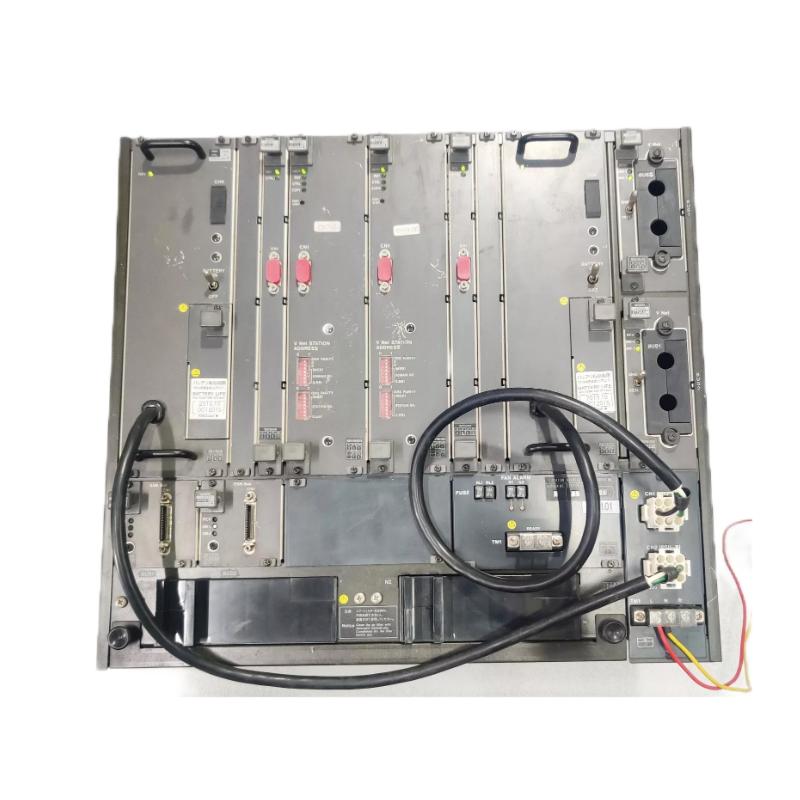
Product Overview
The Yokogawa AFG30D-H4123 is a Duplex Field Control Unit used in Yokogawa distributed control system architectures. It provides field-level control and I/O processing while supporting a redundant configuration for applications where continued control operation is important.
The unit sits between field devices and the higher-level control network. It collects process signals, executes configured control functions, and exchanges process data with the supervisory control environment. The duplex arrangement allows the control architecture to use paired control resources rather than relying on a single processing path.
AFG30D-H4123 is suited to process plants where field control must remain coordinated with centralized monitoring and operator functions while maintaining a structured field-level architecture.
Technical Specifications
| Parameter | Specification |
|---|---|
| Product Type | Duplex Field Control Unit |
| Model | AFG30D-H4123 |
| Manufacturer | Yokogawa |
| Control Architecture | Duplex / Redundant |
| Function | Field-level control and process I/O processing |
| Dimensions | 207 × 265.9 × 482.6 mm |
| Weight | 8 kg |
Product Features
- Duplex field-control architecture for continuous process applications.
- Performs control functions close to the field I/O layer.
- Exchanges process information with the supervisory control system.
- Supports coordinated operation of redundant control resources.
- Suitable for distributed process-control architectures.
- Provides a structured interface between field signals and higher-level control functions.
- Suitable for large-scale industrial process installations.
Working Principle
The AFG30D-H4123 operates as a field-level control unit between process instrumentation and the distributed control system network. Field signals are acquired through the associated I/O structure and made available to the control functions configured in the field controller.
The controller executes the configured logic and control algorithms locally, then exchanges process values and status information with the higher-level control environment.
A simplified signal path is:
Field Instruments → Field I/O → AFG30D-H4123 → Control Network → Operator / Supervisory System
In a duplex arrangement, paired control resources coordinate their operating state so that the control architecture can maintain service if one processing path becomes unavailable. The exact redundancy behavior depends on the associated system configuration and installed hardware.
Role in a Yokogawa Distributed Control Architecture
The AFG30D-H4123 provides field-level processing within a distributed control architecture. Instead of sending every control operation directly to a central processing point, the field control unit handles configured control tasks close to the process.
| System Element | Function |
|---|---|
| Field Instruments | Measure process variables and provide field signals |
| Field I/O | Interfaces field signals with the control hardware |
| AFG30D-H4123 | Executes field-level control and processes process data |
| Control Network | Transfers process data and control information |
| Engineering Station | Handles configuration and engineering functions |
| Operator Station | Provides process monitoring and operator interaction |
| Plant-Level Systems | Exchange selected process information with the DCS |
This architecture separates field-level control processing from operator and engineering functions while keeping process data available throughout the control system.
Industrial Applications
| Application | Typical Use |
|---|---|
| Oil and Gas Processing | Field-level control of distributed process units |
| Petrochemical Plants | Control of continuous production processes |
| Chemical Processing | Local process control and signal handling |
| Power Generation | Field control for plant auxiliary and process systems |
| Refining | Distributed control of process equipment |
| Water and Wastewater | Monitoring and control of distributed treatment processes |
| Large Process Plants | Field-level control within a centralized DCS architecture |
Installation and Maintenance
- Verify the Hardware Configuration — Confirm that the AFG30D-H4123 matches the intended Yokogawa control-system configuration before installation.
- Check the Installation Location — Ensure that the mounting location provides adequate space for the unit and connected wiring.
- Confirm Power Requirements — Verify the applicable power connections and supply conditions before energizing the field control unit.
- Inspect Connectors — Check connectors and interface points for contamination, bent contacts, or mechanical damage.
- Verify Network Connections — Confirm that communication connections are correctly installed and secured.
- Check Field I/O Wiring — Make sure associated field I/O connections correspond to the configured control-system design.
- Maintain Proper Grounding — Verify that grounding and shielding arrangements follow the plant installation requirements.
- Observe Environmental Conditions — Keep the equipment within the applicable temperature, humidity, vibration, and contamination limits.
- Verify the Duplex Configuration — Check that both control paths are correctly installed and recognized by the system.
- Check System Diagnostics — Review controller and communication diagnostics during commissioning and after maintenance.
- Test Control Functions — Confirm that configured field-control functions, I/O communication, and network data exchange operate correctly.
- Monitor Redundancy Status — After commissioning, check the operating state of the duplex control arrangement and investigate any abnormal redundancy or communication indication.
When troubleshooting a field-control problem, check the power supply, communication path, I/O connections, and redundancy status together. A field-control unit can report symptoms caused by an upstream network or field-I/O problem rather than by the controller itself.
Related Components
| Component | Function |
|---|---|
| Yokogawa Field I/O | Interfaces process signals with the control system |
| Control Network | Provides communication between field controllers and system stations |
| Operator Station | Displays process values, alarms, and control information |
| Engineering Station | Provides system configuration and maintenance functions |
| Field Instruments | Provide measurements and receive process commands |
| Redundant Control Hardware | Supports the duplex control architecture |
Recommended Related Models
| Model / Product Family | Product Type | Typical Application |
|---|---|---|
| Yokogawa AFG30D Series | Field Control Unit | Distributed field-level control |
| Yokogawa CENTUM Control Systems | Distributed Control System | Plant-wide process control |
| Yokogawa Field Control Units | Field Controller | Local process control and I/O processing |
| Yokogawa Field I/O Systems | Process I/O | Field signal acquisition and output |
| Yokogawa DCS Redundant Controllers | Redundant Control Hardware | High-availability process control |
Key Advantages
- Duplex architecture for field-level control applications.
- Local processing of configured control functions.
- Structured connection between field I/O and the DCS environment.
- Supports distributed process-control architectures.
- Suitable for continuous industrial processes.
- Integrates field-level control with supervisory monitoring and engineering functions.
Technical FAQs
What is the Yokogawa AFG30D-H4123 used for?
The AFG30D-H4123 is a Duplex Field Control Unit used for field-level control and process-data handling within a Yokogawa distributed control architecture.
What does the duplex configuration mean?
A duplex configuration uses paired control resources within the control architecture. The two paths coordinate their operating status so that the system can maintain control functionality when one control path becomes unavailable, subject to the installed system configuration.
Where does the AFG30D-H4123 sit in the control architecture?
It operates at the field-control level, between field I/O and the higher-level control network. It processes field information locally and exchanges process data with operator, engineering, and supervisory functions.
What should be checked if the AFG30D-H4123 reports a control or communication fault?
Check the controller power supply, network connections, field I/O, configured hardware status, and duplex-state diagnostics. Reviewing the complete signal and communication path can help determine whether the fault originates in the controller or in an associated system component.