

ProductPRODUCT
Featured products
Contact Us
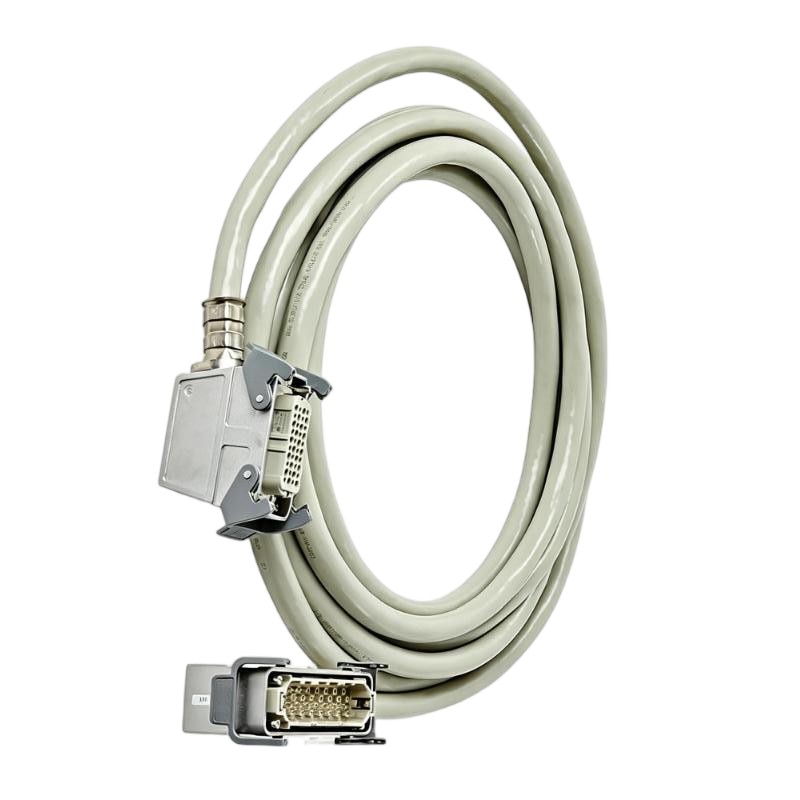
- ABB
- PFSC 114 3BSC950186R1
- Cable
- Sweden (SE)
- Optional
- 3 kg
- Xiamen, China
- New & In Stock
- T/T, PayPal, Western Union
- 1 Year
- 1-3 Working Days
- DHL, UPS, TNT, FedEx and EMS.
- 24-Hour Service
- COO
- 26
Our advantage

Global Logistics
We have a 10-year logistics and express cooperation agreement, so our products can be shipped to any place in the world.

Brand new and original
Our products are imported in bulk from the place of origin. Because of the cooperative relationship, our products are all original and 100% new.

24-hour service
We provide 7*24 hours service to our customers. We will be there whenever you need us.

Price advantage
All our products are priced very favorably because we have our own warehouse and supply.
| Company Information | |||
| [email protected] | |||
| Mobile | +8615980777398 | ||
| +8615980777398 | |||
| 15980777398 |
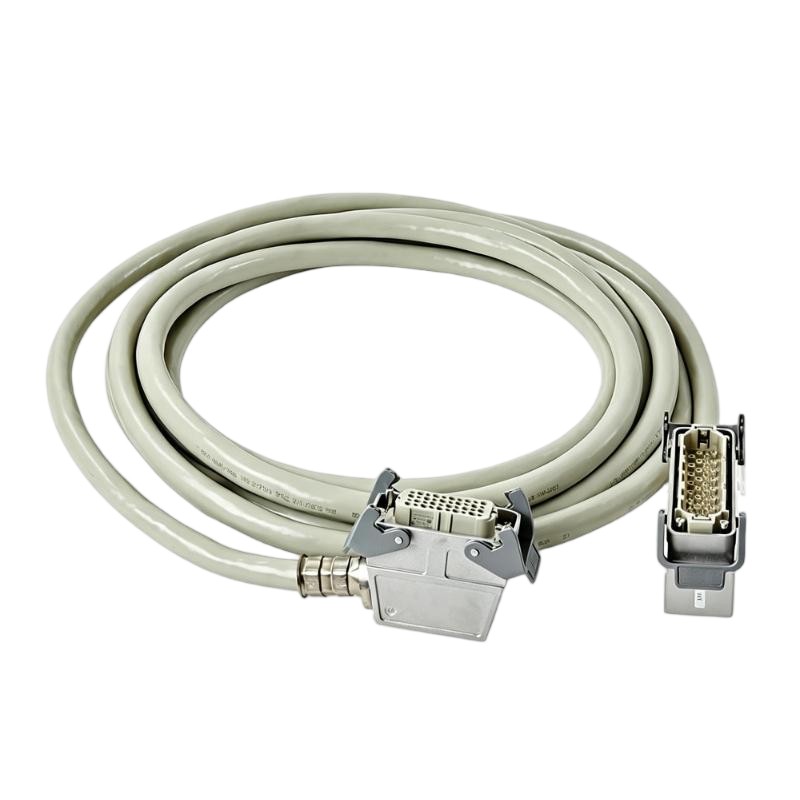
Product Overview
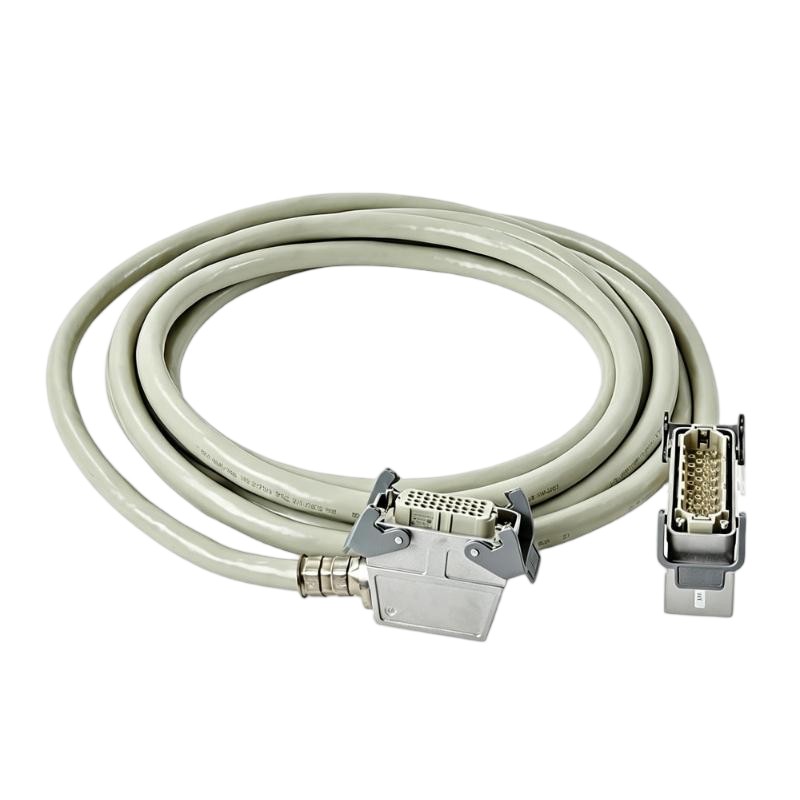
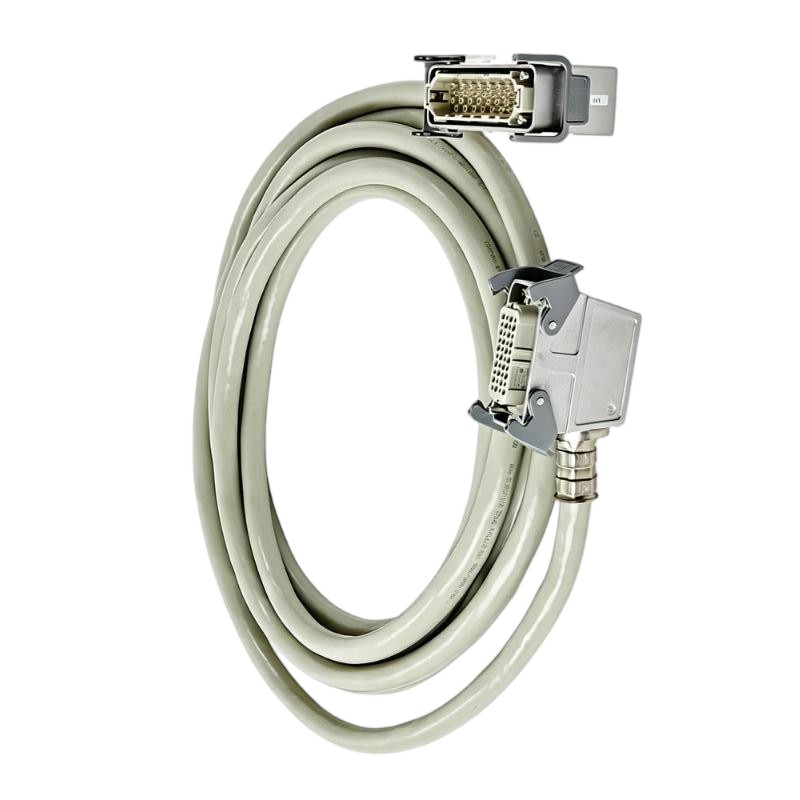
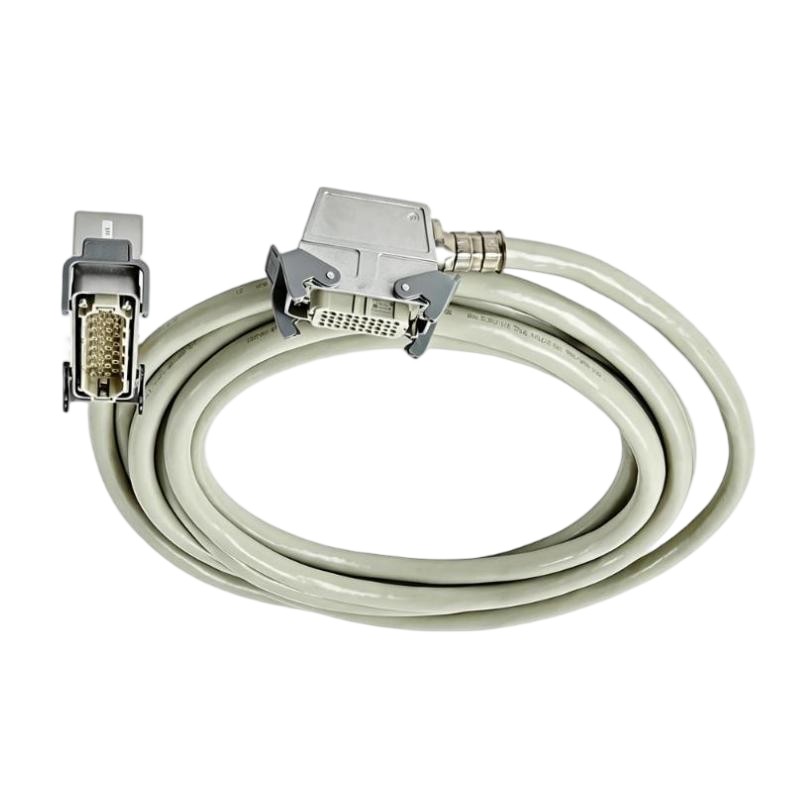
The ABB PFSC 114 3BSC950186R1 is a cable associated with ABB force measurement equipment and Pressductor load-cell installations. It provides the electrical connection between the load-cell assembly and the associated measurement electronics, allowing the force signal to be transferred to the measurement system.
In a typical installation, the cable is routed from the mechanically installed load cell to the measurement electronics or interface equipment. Cable selection and routing are important because the measurement signal can be affected by electrical interference, mechanical damage, poor connections, or excessive cable stress.
The PFSC 114 is therefore more than a general-purpose cable. Its role is to maintain the signal path between the force-sensing element and the measurement system under industrial operating conditions.
Technical Specifications
| Parameter | Specification |
|---|---|
| Product Type | Cable |
| Model | PFSC 114 |
| ABB Part Number | 3BSC950186R1 |
| Application | Load-cell / force measurement signal connection |
| Cable Length | Optional |
| Shipping Weight | 3 kg |
Product Features
- Intended for connection within ABB force measurement installations.
- Supports signal transmission between load cells and measurement electronics.
- Suitable for industrial force-measurement system wiring.
- Available with optional cable length to suit different installation requirements.
- Can be routed between machine-mounted sensing equipment and control-side electronics.
- Suitable for replacement of an existing cable in compatible installations.
- Helps maintain a continuous electrical signal path from the sensing element to the measurement system.
Working Principle
The PFSC 114 carries the electrical measurement signal generated by the associated force-sensing equipment. The load cell detects mechanical force and produces an electrical signal; the cable transfers this signal to the measurement electronics for conditioning and evaluation.
A typical connection path is:
Pressductor Load Cell → PFSC 114 Cable → Measurement Electronics → Millmate / PLC → Process Control
The cable itself does not perform the force measurement. Its function is to preserve the electrical connection between the sensing device and the measurement electronics.
Cable routing can directly affect signal quality. In industrial machinery, the PFSC 114 should be kept away from moving components and protected from excessive bending, abrasion, heat, and sources of electrical interference.
Role in a Force Measurement Control Architecture
The PFSC 114 forms part of the signal transmission layer between the machine-mounted load cell and the control-side measurement equipment. Although it is a passive component, an appropriate cable connection is necessary for the measurement system to receive the sensor signal correctly.
| System Element | Function |
|---|---|
| Pressductor Load Cell | Converts mechanical force into an electrical measurement signal |
| PFSC 114 Cable | Transfers the measurement signal to the associated electronics |
| Measurement Electronics | Conditions and processes the sensor signal |
| Millmate System | Handles force measurement and process monitoring |
| PLC / Process Controller | Uses processed force information for control and supervision |
| Operator Interface | Displays force values and diagnostic information |
A damaged or incorrectly connected cable can appear as a sensor fault because the measurement electronics may receive an unstable, interrupted, or missing signal.
Industrial Applications
| Application | Typical Use |
|---|---|
| Rolling Mills | Connecting roll-force load cells to measurement electronics |
| Steel Processing Lines | Signal transmission from mechanically loaded sensors |
| Aluminum Processing | Connecting force sensors within rolling equipment |
| Paper Machinery | Load-cell signal connection around machine rolls |
| Web Processing | Connecting force-measurement devices to control electronics |
| Millmate Systems | Electrical connection within ABB force measurement arrangements |
| Industrial Machine Maintenance | Replacement of damaged or aged sensor cabling |
Installation and Maintenance
- Verify Cable Compatibility — Confirm that the PFSC 114 is suitable for the specific load-cell and measurement-system arrangement before installation.
- Check the Required Length — Select an appropriate cable length for the actual machine layout and avoid unnecessary cable loops.
- Inspect the Cable Before Installation — Check the jacket, connectors, and cable ends for visible damage.
- Route Away From Moving Parts — Keep the cable clear of rolls, shafts, linkages, and other moving machine components.
- Avoid Excessive Bending — Maintain an appropriate routing radius and prevent sharp bends near connection points.
- Protect Against Abrasion — Use suitable cable protection where the cable passes near metal edges or areas exposed to vibration.
- Separate From High-Power Wiring — Where practical, route the measurement cable away from motor, drive, and other high-current cables to reduce electrical interference.
- Secure the Cable Properly — Use suitable supports so that the cable does not hang from its connector or experience continuous mechanical tension.
- Check Connections — Verify that both ends are fully connected and that terminals or connectors are clean and secure.
- Inspect During Maintenance — Look for crushed sections, hardened insulation, exposed conductors, or repeated bending damage.
- Check Signal Stability — If the force measurement becomes intermittent or unstable, inspect the cable and its connections before replacing the load cell.
- Replace Damaged Cables Promptly — A cable with damaged insulation, connectors, or conductors should be replaced rather than repaired in a way that compromises the measurement circuit.
When troubleshooting a missing or unstable force signal, cable continuity and connector condition should be checked together with the load cell and measurement electronics. A poor cable connection can produce symptoms similar to a defective sensor.
Related Components
| Component | Function |
|---|---|
| ABB Pressductor Load Cell | Detects mechanical force |
| Millmate Measurement Electronics | Receives and processes the sensor signal |
| Load Cell Connector / Interface | Provides the electrical connection between sensor and cable |
| PLC / Process Controller | Uses processed force data for machine control |
| Operator Interface | Displays measurement values and alarms |
| Machine Cable Routing Hardware | Protects and secures the signal cable |
Recommended Related Models
| Model / Product Family | Product Type | Typical Application |
|---|---|---|
| ABB PFCL Series | Pressductor Load Cell | Industrial force measurement |
| ABB PFTL Series | Pressductor PillowBlock Load Cell | Roll force and web tension measurement |
| ABB PFVL Series | Millmate Rectangular Load Cell | Process force measurement |
| ABB PFBL Series | Millmate Load Cell | Heavy-duty force measurement |
| ABB Millmate Measurement Systems | Measurement System | Force measurement and process control |
Key Advantages
- Provides the electrical signal path between load cells and measurement electronics.
- Suitable for ABB force measurement installations.
- Optional cable length supports different machine layouts.
- Suitable for industrial sensor signal transmission.
- Useful as a replacement cable in compatible installations.
- Supports stable connection between the sensing and control sides of the measurement system.
Technical FAQs
What is the ABB PFSC 114 used for?
The PFSC 114 is a cable used to connect force-sensing equipment with associated measurement electronics. It transfers the electrical signal generated by the load cell to the measurement system.
Why does cable routing matter in a force measurement system?
Force-measurement signals can be affected by electrical interference, mechanical damage, vibration, and poor cable connections. Proper routing helps maintain signal integrity and reduces the risk of intermittent measurements.
What should be checked when a load-cell signal is missing?
Check the PFSC 114 cable for physical damage, connector condition, continuity, and secure connections. The load cell and measurement electronics should also be checked if the cable is found to be intact.
Is the PFSC 114 cable length fixed?
The supplied specification identifies the cable length as optional. The required length should therefore be matched to the actual installation and compatible system configuration.