

ProductPRODUCT
Featured products
Contact Us
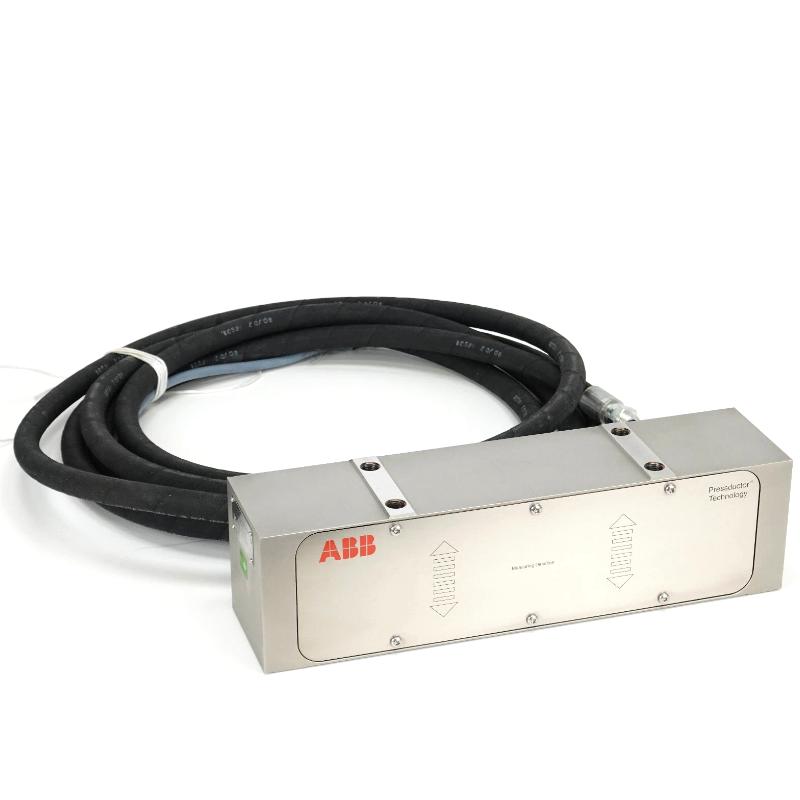
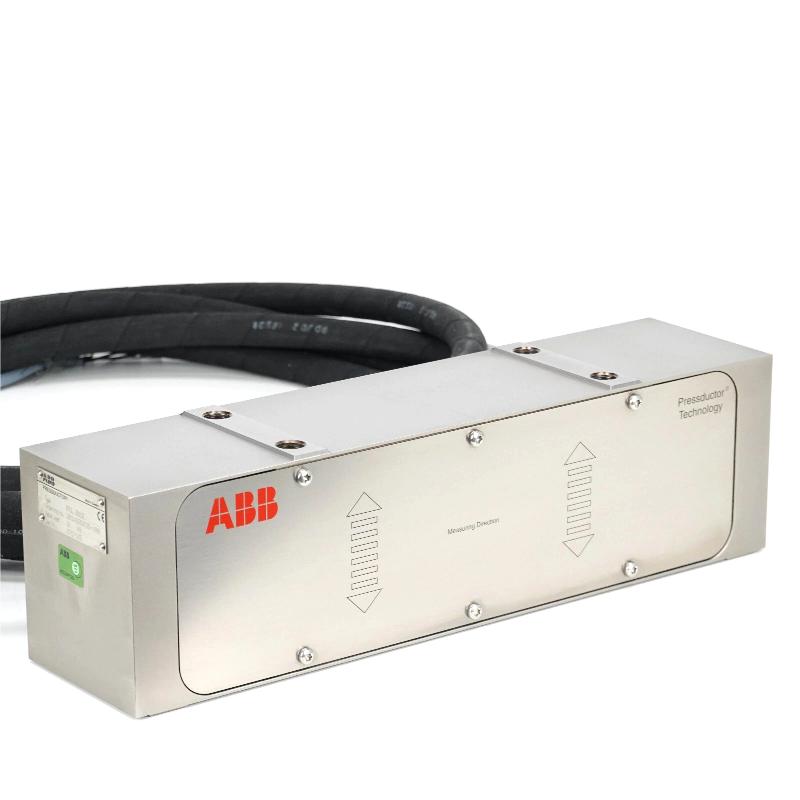
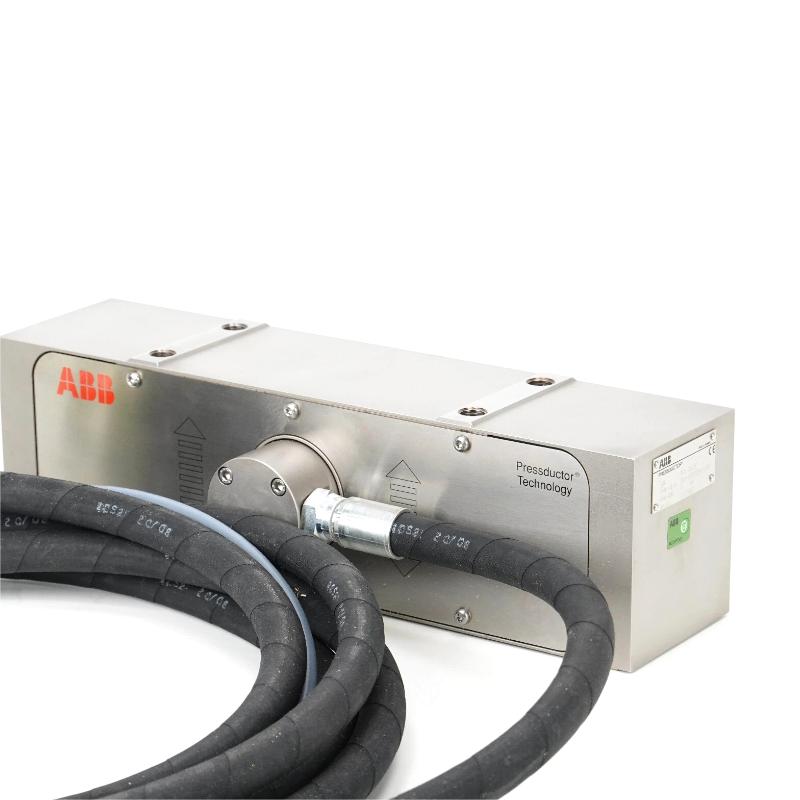
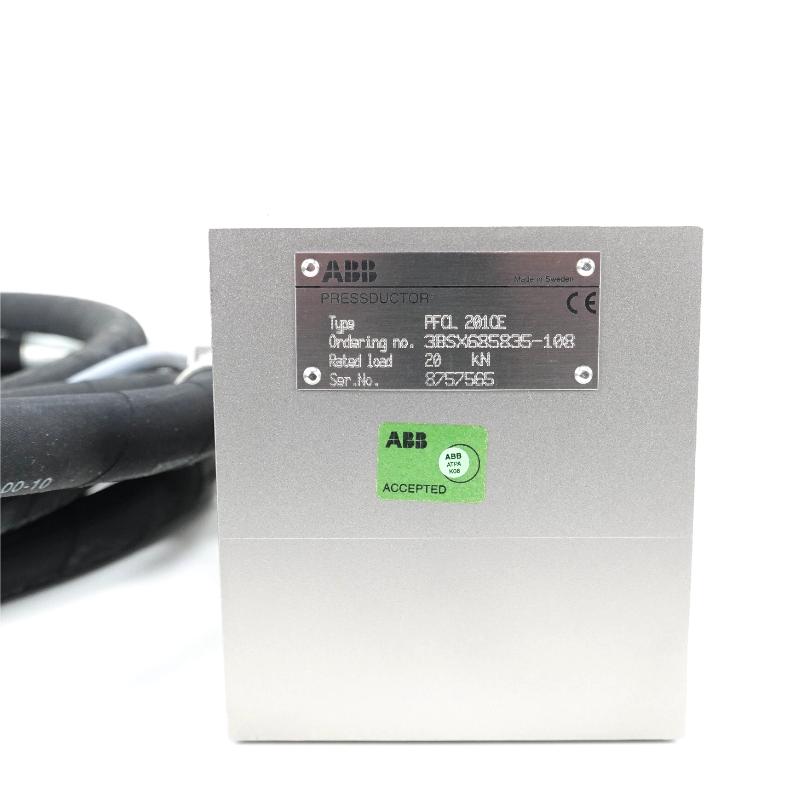
- ABB
- PFCL 201CE 3BSX802939-108
- Pressductor PillowBlock Load Cell
- Sweden (SE)
- 450 × 110 × 124.6 mm
- 10 kg
- Xiamen, China
- New & In Stock
- T/T, PayPal, Western Union
- 1 Year
- 1-3 Working Days
- DHL, UPS, TNT, FedEx and EMS.
- 24-Hour Service
- COO
- 23
Our advantage

Global Logistics
We have a 10-year logistics and express cooperation agreement, so our products can be shipped to any place in the world.

Brand new and original
Our products are imported in bulk from the place of origin. Because of the cooperative relationship, our products are all original and 100% new.

24-hour service
We provide 7*24 hours service to our customers. We will be there whenever you need us.

Price advantage
All our products are priced very favorably because we have our own warehouse and supply.
| Company Information | |||
| [email protected] | |||
| Mobile | +8615980777398 | ||
| +8615980777398 | |||
| 15980777398 |
Product Overview
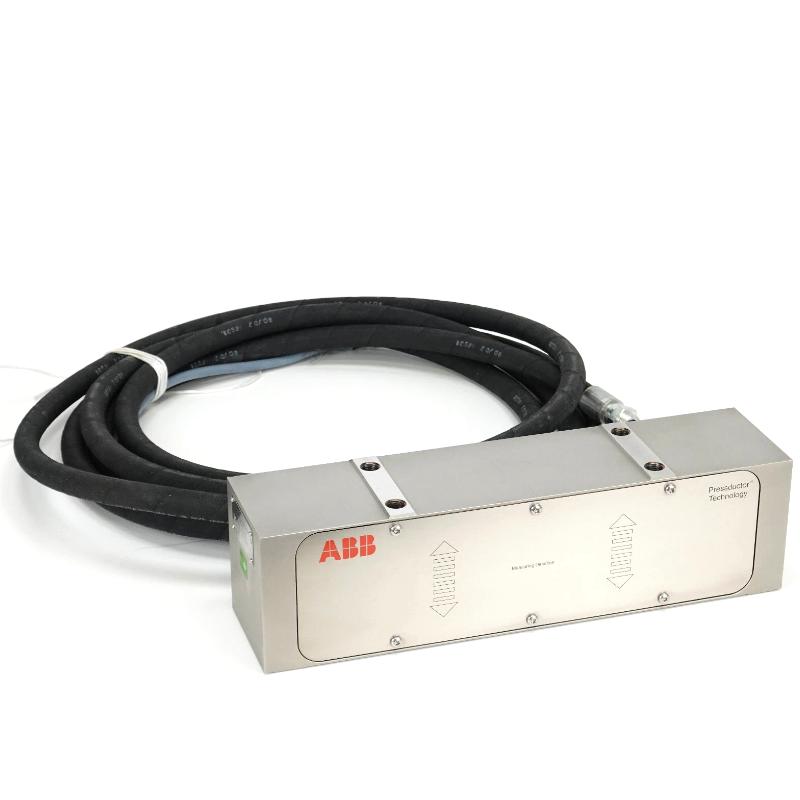
The ABB PFCL 201CE 3BSX802939-108 is a Pressductor PillowBlock Load Cell for measuring mechanical force at roll and machine support points. Its pillow-block configuration allows the sensing element to be integrated directly into machinery where the applied load is transferred through a bearing or roll support arrangement.
This type of load cell is particularly useful in rolling mills, web-processing equipment, and other continuous production lines where force measurement must be taken directly from a mechanically loaded structure. The measured force can be used by associated measurement electronics, Millmate equipment, PLCs, or process controllers.
The PFCL 201CE is suited to installations where the mechanical mounting arrangement is part of the measurement system. Proper load transfer and alignment are therefore important to achieving consistent force feedback.
Technical Specifications
| Parameter | Specification |
|---|---|
| Product Type | Pressductor PillowBlock Load Cell |
| Model | PFCL 201CE |
| ABB Part Number | 3BSX802939-108 |
| Measurement Function | Mechanical force measurement |
| Construction | PillowBlock load cell |
| Application | Roll force and industrial process force measurement |
| Dimensions | 450 × 110 × 124.6 mm |
| Weight | 10 kg |
Product Features
- PillowBlock configuration for direct integration into machine support structures.
- Pressductor sensing technology for industrial force measurement.
- Suitable for roll and bearing support force measurement.
- Designed for integration into continuous-process machinery.
- Provides direct mechanical force feedback to associated measurement electronics.
- Suitable for rolling, web handling, and other process applications.
- Compact mechanical form compared with large structural load-cell arrangements.
Working Principle
The PFCL 201CE measures force through the mechanical load transferred into its Pressductor sensing structure. When a roll, bearing support, or machine component applies force to the PillowBlock assembly, the internal sensing element responds to the resulting mechanical stress.
The sensing response is converted into an electrical measurement signal proportional to the applied force. Associated measurement electronics then process the signal for force indication, monitoring, or control.
A typical signal path is:
Roll / Mechanical Load → PFCL 201CE → Measurement Electronics → Millmate / PLC → Process Control
The mechanical load path is critical. The load cell should be installed so that the intended force reaches the sensing element without additional mechanical constraints. Side loads, misalignment, friction, or incorrect mounting can introduce errors into the measured force.
Role in a Pressductor Force Measurement Control Architecture
The PFCL 201CE acts as the mechanical sensing point in a force-measurement system. It captures force directly at a machine support location and converts that mechanical load into feedback for the associated measurement and control equipment.
| System Element | Function |
|---|---|
| PFCL 201CE Load Cell | Detects mechanical force at the PillowBlock support |
| Roll / Bearing Assembly | Transfers process force into the load cell |
| Measurement Electronics | Conditions and processes the load-cell signal |
| Millmate Measurement System | Provides force measurement and process monitoring |
| PLC / Process Controller | Uses force feedback for control and supervision |
| Operator Interface | Displays force values and diagnostic information |
For rolling and web-processing machinery, the force feedback can be combined with speed, tension, position, and other process signals to maintain the required operating conditions.
Industrial Applications
| Application | Typical Use |
|---|---|
| Rolling Mills | Measurement of roll and support forces |
| Steel Processing | Monitoring mechanical forces during rolling |
| Aluminum Rolling | Force feedback for continuous material processing |
| Paper Machines | Monitoring forces around rolls and machine supports |
| Web Processing | Measurement of forces affecting continuous material handling |
| Film and Foil Lines | Roll force monitoring during production |
| Slitting and Winding Equipment | Force feedback at mechanically loaded roll positions |
Installation and Maintenance
- Verify the PillowBlock Mounting Arrangement — Confirm that the load cell fits correctly into the intended roll or bearing support position.
- Check the Mechanical Load Path — Make sure the process force is transferred through the intended sensing structure.
- Inspect Contact Surfaces — Remove dirt, burrs, and foreign material from mounting and contact surfaces before installation.
- Confirm Alignment — Ensure that the supported roll or mechanical assembly is correctly aligned with the load-cell structure.
- Avoid Side Loading — Prevent lateral forces, twisting, or mechanical interference that could affect measurement accuracy.
- Check Bearing and Roll Conditions — Inspect associated mechanical components for abnormal friction, binding, or damage that could alter the force path.
- Inspect Mounting Hardware — Verify that fasteners and supporting components are secure and free from deformation.
- Protect Signal Cables — Route wiring away from moving parts, excessive heat, vibration sources, and mechanical abrasion.
- Verify Electrical Connections — Check the load-cell wiring and measurement electronics before commissioning.
- Perform Zero Verification — Check the unloaded signal after installation and before applying process force.
- Monitor Force Feedback During Operation — Compare the measured value with expected process conditions and investigate unexpected changes.
- Inspect During Planned Maintenance — Examine the PillowBlock assembly, mounting structure, cables, and surrounding mechanical components for wear or damage.
When an unexpected force value appears, inspect the mechanical system before replacing the load cell. Bearing friction, roll misalignment, mechanical binding, or an incorrect load path can produce abnormal readings even when the sensor and electronics are functioning correctly.
Related Components
| Component | Function |
|---|---|
| Roll / Bearing Assembly | Provides the mechanical load transferred to the PillowBlock |
| Millmate Measurement Electronics | Processes the load-cell signal |
| Signal Cabling | Carries the measurement signal |
| PLC / Process Controller | Uses force feedback for control and monitoring |
| Operator Interface | Displays force measurements and alarms |
| Rolling Mill Control System | Integrates force feedback into the overall process |
Recommended Related Models
| Model / Product Family | Product Type | Typical Application |
|---|---|---|
| ABB PFCL Series | Pressductor Load Cell | Industrial force measurement |
| ABB PFTL Series | Pressductor PillowBlock Load Cell | Roll force and web tension measurement |
| ABB PFVL Series | Millmate Rectangular Load Cell | Industrial process force measurement |
| ABB PFBL Series | Millmate Load Cell | Heavy-duty force measurement |
| ABB Millmate Measurement Systems | Measurement System | Force measurement and process control |
Key Advantages
- PillowBlock construction for direct machine integration.
- Suitable for roll and bearing support force measurement.
- Pressductor technology for industrial force sensing.
- Direct mechanical feedback from the process load point.
- Suitable for rolling and continuous web-processing equipment.
- Integrates with associated Millmate measurement and control systems.
Technical FAQs
What is the ABB PFCL 201CE used for?
The PFCL 201CE is a Pressductor PillowBlock Load Cell used to measure mechanical force at roll or machine support points. It is suitable for rolling and other continuous-process applications.
Why is the PillowBlock mounting arrangement important?
The mounting structure determines how process force reaches the sensing element. Incorrect alignment, side loading, bearing friction, or mechanical interference can introduce additional forces and affect the measurement.
Where can the PFCL 201CE be used in a rolling mill?
It can be installed at mechanically loaded roll or support positions where direct force feedback is required. The resulting signal can be processed by the measurement system and used by the rolling-mill control architecture.
What should be checked when the PFCL 201CE measurement is abnormal?
Start with the mechanical load path, roll alignment, bearing condition, mounting hardware, and possible side loading. Then check the signal wiring, measurement electronics, and zero value.