

ProductPRODUCT
Featured products
Contact Us
- ABB
- PFTL 201C 3BSE007913R0050
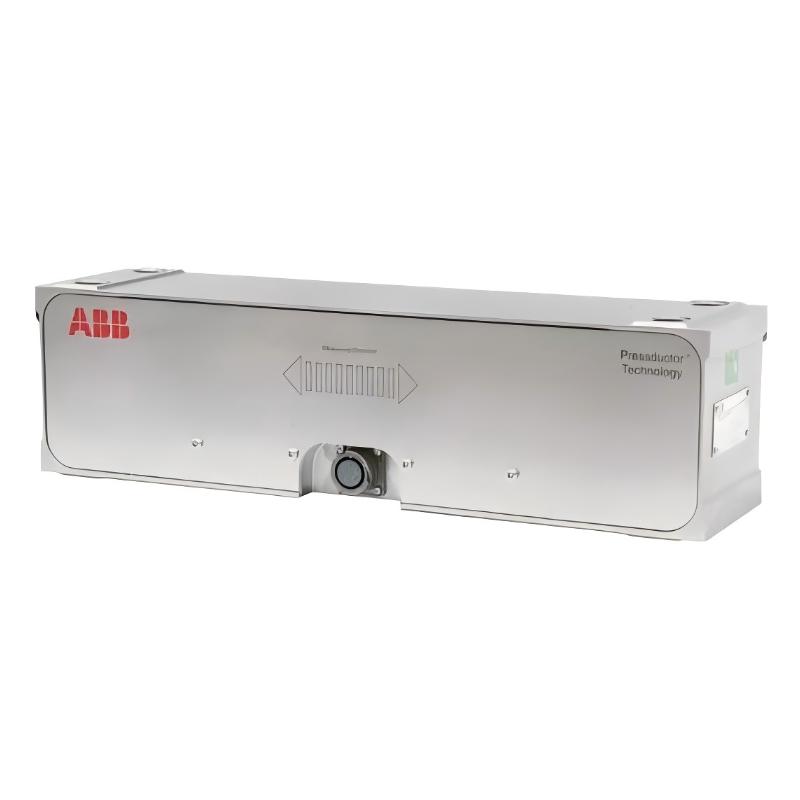
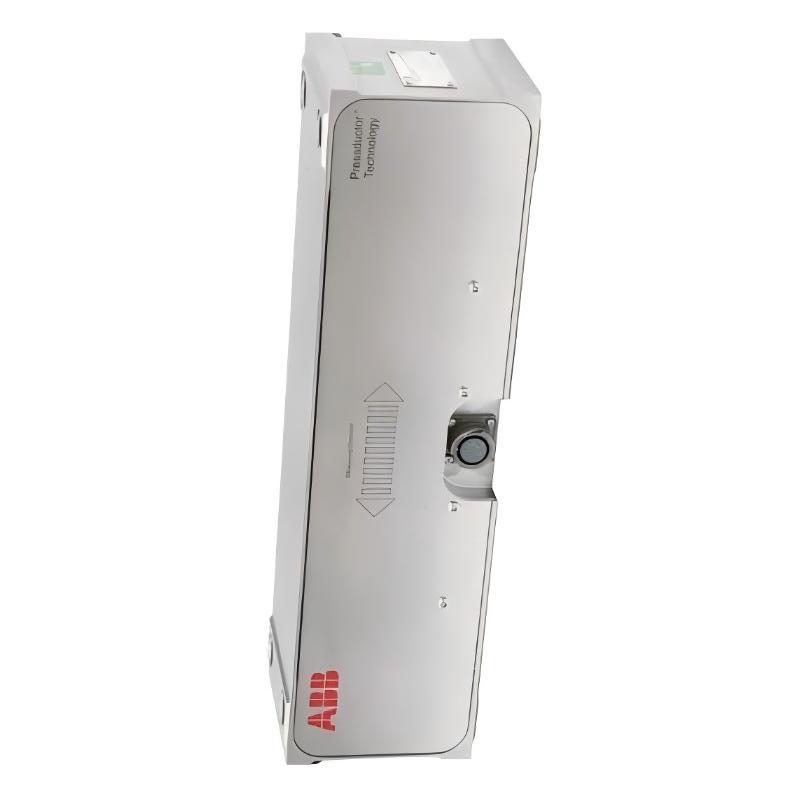
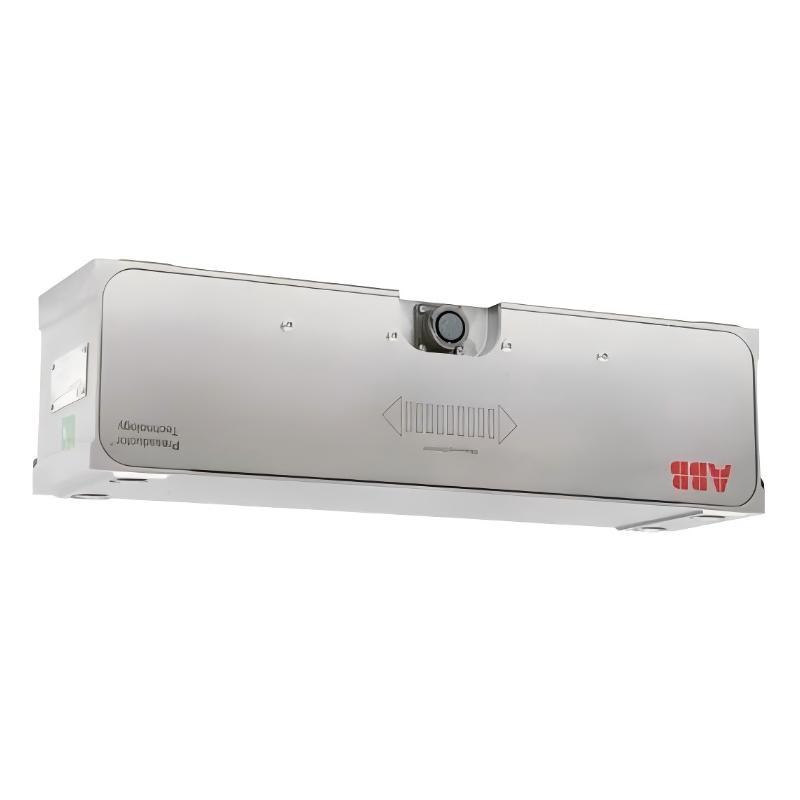
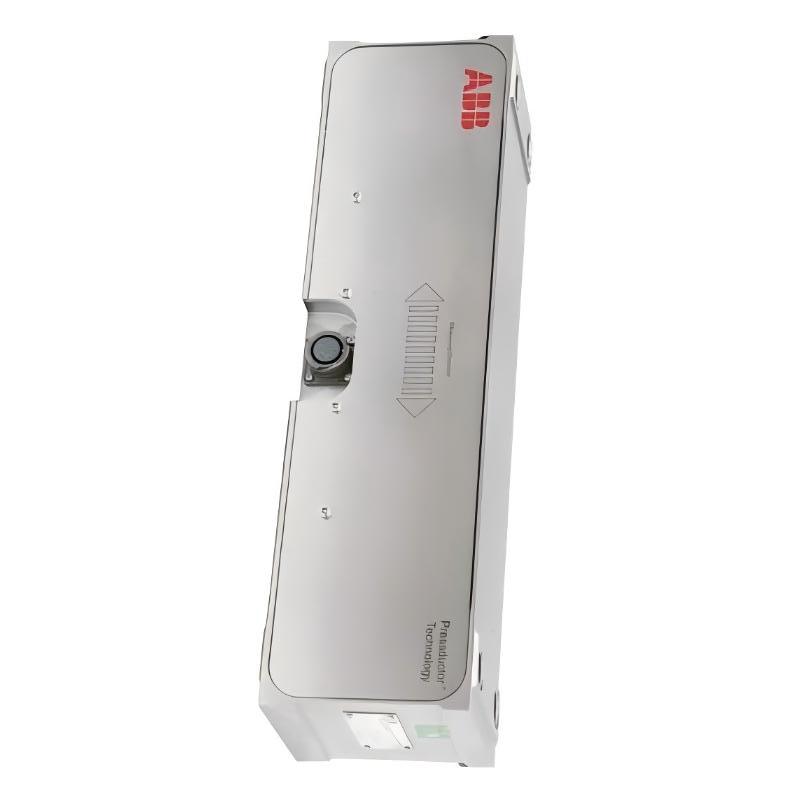
- Pressductor PillowBlock Load Cell
- Sweden (SE)
- 450 × 110 × 125 mm
- 12 kg
- Xiamen, China
- New & In Stock
- T/T, PayPal, Western Union
- 1 Year
- 1-3 Working Days
- DHL, UPS, TNT, FedEx and EMS.
- 24-Hour Service
- COO
- 18
Our advantage

Global Logistics
We have a 10-year logistics and express cooperation agreement, so our products can be shipped to any place in the world.

Brand new and original
Our products are imported in bulk from the place of origin. Because of the cooperative relationship, our products are all original and 100% new.

24-hour service
We provide 7*24 hours service to our customers. We will be there whenever you need us.

Price advantage
All our products are priced very favorably because we have our own warehouse and supply.
| Company Information | |||
| [email protected] | |||
| Mobile | +8615980777398 | ||
| +8615980777398 | |||
| 15980777398 |
Product Overview
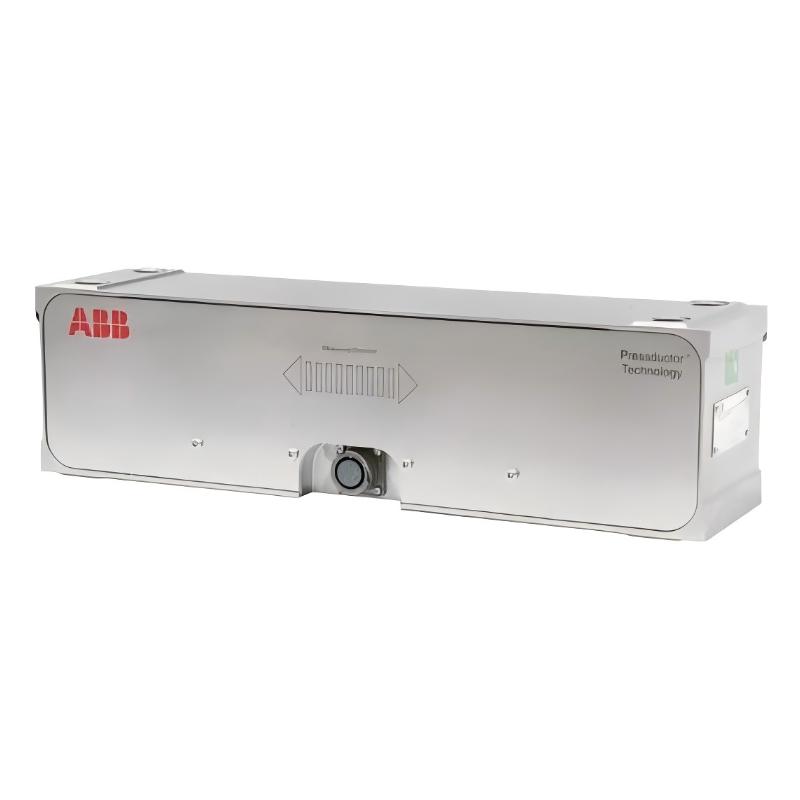
The ABB PFTL 201C 3BSE007913R0050 is a Pressductor PillowBlock Load Cell used in roll-supported web handling systems where the mechanical force at a roll bearing needs to be measured. Instead of mounting a conventional force sensor separately from the roll structure, the pillow block arrangement becomes part of the machine’s load path.
In a paper machine, for example, the load cell can be installed at a roll support to monitor the force generated as the web passes through the process section. The same approach can be used on film lines, printing presses, coating equipment, slitter-rewinders, and other machines where web tension has to be monitored continuously.
The measured force is typically sent through the associated measurement electronics to a tension controller or PLC. The control system can use the feedback to monitor the process, generate alarms, or adjust a drive or braking system when the application requires closed-loop tension control.
For maintenance and replacement work, the complete PFTL 201C reference should be matched with the existing roll-support arrangement and measurement system rather than selecting a replacement based only on the general Pressductor family.
Technical Specifications
| Parameter | Specification |
|---|---|
| Manufacturer | ABB |
| Model | PFTL 201C |
| Order Number | 3BSE007913R0050 |
| Product Family | PFTL |
| Product Type | Pressductor PillowBlock Load Cell |
| Measurement Function | Force Measurement |
| Application | Web Tension and Roll Force Measurement |
| Dimensions | 450 × 110 × 125 mm |
| Weight | 12 kg |
Product Features
- Pressductor PillowBlock Load Cell
- PFTL 201C model for industrial force measurement
- Pillow block configuration for roll-support applications
- Suitable for web tension and roll-force measurement
- Mechanical force measurement at roll bearing positions
- Pressductor sensing technology
- Suitable for continuous web-processing machinery
- Can be integrated with tension-control and process-monitoring systems
- Applicable to paper, film, foil, printing, coating, and converting equipment
- Suitable for PLC-based force feedback applications
- Supports measurement arrangements using multiple roll load cells
- Intended for integration into an existing machine measurement architecture
Working Principle
The PFTL 201C is installed where the roll support carries the process force. As web tension and roll loading act on the machine structure, the resulting force passes through the pillow block and reaches the Pressductor sensing element.
Mechanical stress changes the magnetic characteristics of the sensing element. The associated electronics detect this change and convert it into a measurement signal that represents the applied force.
In practical operation, the important point is the force path. If the roll, bearing, and mounting structure are correctly aligned, the load cell can capture the force associated with the process. If the structure introduces unwanted contact, side loading, or mechanical interference, the measured value can be affected.
The resulting signal can be used by a tension controller or PLC to monitor roll loading and web tension. On a slitter-rewinder, for example, the controller can use load-cell feedback together with drive and material-speed information to maintain the required operating condition.
Role in a Web Tension Control Architecture
The PFTL 201C is used at the force-measurement point of a web handling and tension-control system.
Web / Process Force → Process Roll → Bearing Support → PFTL 201C → Measurement Electronics → PLC / Tension Controller → Drive / Brake → Web Process
| System Element | Function |
|---|---|
| PFTL 201C | Measures force transferred through the roll support |
| Process Roll | Carries the web and transfers process loading to the bearing structure |
| Bearing Support | Provides the mechanical load path to the load cell |
| Measurement Electronics | Converts and conditions the load-cell signal |
| PLC / Tension Controller | Processes force feedback and executes control functions |
| Drive / Brake | Adjusts roll speed, torque, or braking action as required |
| Web Process | Generates the mechanical conditions being monitored |
For machines using several measurement points, multiple load cells can be installed at selected roll supports. The controller can compare or combine these measurements according to the machine’s tension-control strategy.
Industrial Applications
| Application | Typical Use |
|---|---|
| Paper and Board Machines | Measuring roll forces during web transport and processing |
| Film Production Lines | Monitoring force during continuous film handling |
| Foil Processing | Measuring roll loading during foil transport and converting |
| Printing Presses | Providing force feedback for web tension monitoring |
| Coating Lines | Monitoring roll forces through coating sections |
| Laminating Machines | Supporting tension monitoring during web joining processes |
| Slitter-Rewinders | Measuring roll-support forces during slitting and winding |
| Winding Equipment | Supplying force feedback for winding control |
| Converting Machinery | Monitoring mechanical loading at process rolls |
| Continuous Web Handling | Measuring forces in machines transporting paper, film, foil, and similar materials |
Installation and Maintenance
- Confirm the complete PFTL 201C 3BSE007913R0050 reference before installation or replacement.
- Verify that the mechanical roll-support arrangement matches the required pillow block installation.
- Check the mounting surfaces and bearing arrangement for contamination, damage, or misalignment.
- Make sure the intended process force is transferred through the load cell rather than through an unintended mechanical path.
- Check for side loading, mechanical binding, or contact with adjacent machine components.
- Verify the load-cell wiring, excitation, signal connections, shielding, and grounding before commissioning.
- Keep signal cables separated from high-power motor and drive wiring where practical.
- Perform a zero-load check after installation and before starting normal production.
- Verify the measurement response against the expected process condition during commissioning.
- Monitor the force signal for drift, sudden fluctuations, or readings that do not correspond to changes in the actual web process.
- Inspect the load cell, mounting structure, connectors, cables, and roll-support components during scheduled maintenance.
- When replacing the load cell, verify the complete order number, mechanical arrangement, associated measurement electronics, and controller configuration before putting the machine back into operation.
Related Components
| Component | Function |
|---|---|
| ABB Pressductor Measurement Electronics | Processes the load-cell measurement signal |
| Roll Bearing Assembly | Transfers roll loading toward the measurement point |
| Web Tension Controller | Uses force feedback for tension regulation |
| PLC / Controller | Processes measurement data and control logic |
| Variable-Speed Drive | Controls roll speed and torque |
| Roll Drive Motor | Drives the process roll |
| Braking System | Controls roll movement and web tension where applicable |
| HMI | Displays force and process information |
| Signal Conditioning Equipment | Interfaces the load-cell signal with the control system |
Recommended Related Models
| Model / Product Family | Product Type | Typical Application |
|---|---|---|
| ABB PFCL Series | Pressductor PillowBlock Load Cell | Roll-support force measurement |
| ABB PFCL 201C | Pressductor PillowBlock Load Cell | Web tension and roll-force applications |
| ABB PFTL Series | Pressductor Load Cell | Force measurement in web-processing machinery |
| ABB Pressductor Load Cells | Force Measurement Device | Roll and web process measurement |
| ABB Web Tension Control Systems | Tension Control System | Closed-loop web tension regulation |
| ABB Variable-Speed Drives | Drive System | Roll speed and torque control |
| ABB PLC Systems | Automation Controller | Processing load-cell feedback |
Key Advantages
- Pressductor force measurement
- PillowBlock configuration for roll supports
- Direct measurement of roll-support forces
- Suitable for web tension feedback
- Integrates with PLC and tension-control systems
- Applicable to continuous-web processing equipment
- Suitable for multi-roll measurement arrangements
Technical FAQs
What makes the PFTL 201C different from a conventional standalone force sensor?
The PFTL 201C uses a PillowBlock arrangement that becomes part of the roll-support structure. The mechanical force generated at the supported roll can therefore be transferred directly through the load cell rather than requiring a separate force-sensing assembly.
Why can mechanical alignment affect the PFTL 201C measurement?
The load cell responds to the force transferred through its mechanical mounting path. Misalignment, side loading, mechanical binding, or unintended contact can add forces that are unrelated to the process being measured and consequently affect the force signal.
Can multiple PFTL load cells be used on the same machine?
Yes. Web-processing machines can use load cells at multiple roll-support positions. The individual signals can be evaluated by the measurement and control system to monitor roll loading or provide the feedback required for the machine’s tension-control strategy.
What should be checked before replacing a PFTL 201C?
The complete order number, mechanical mounting arrangement, force measurement requirements, associated measurement electronics, signal wiring, and controller configuration should all be checked. A different Pressductor model should not be treated as a direct substitute simply because it is used for a similar web-handling application.