

ProductPRODUCT
Featured products
Contact Us
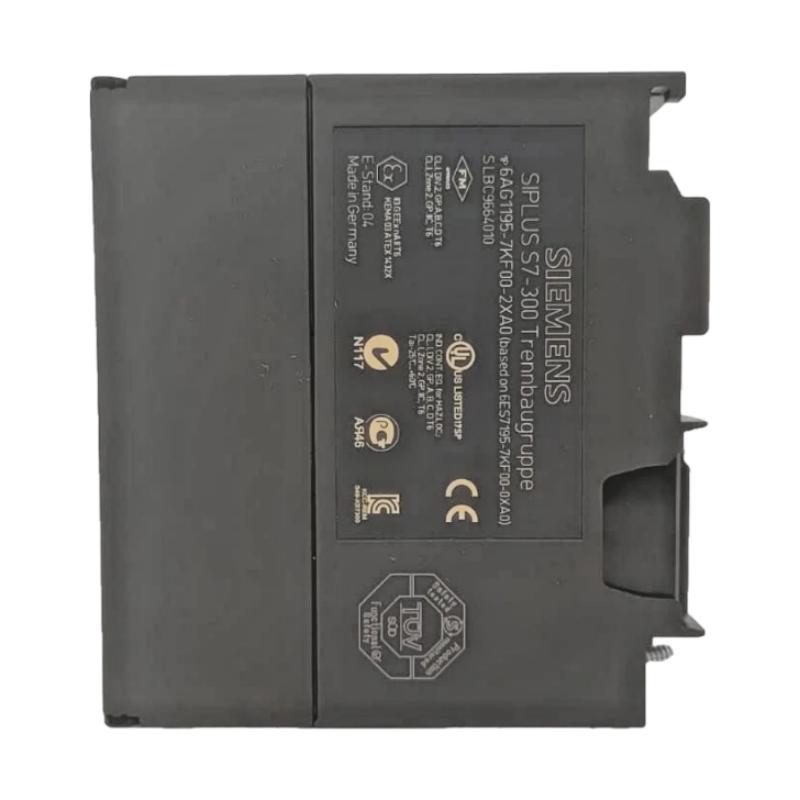
- Siemens
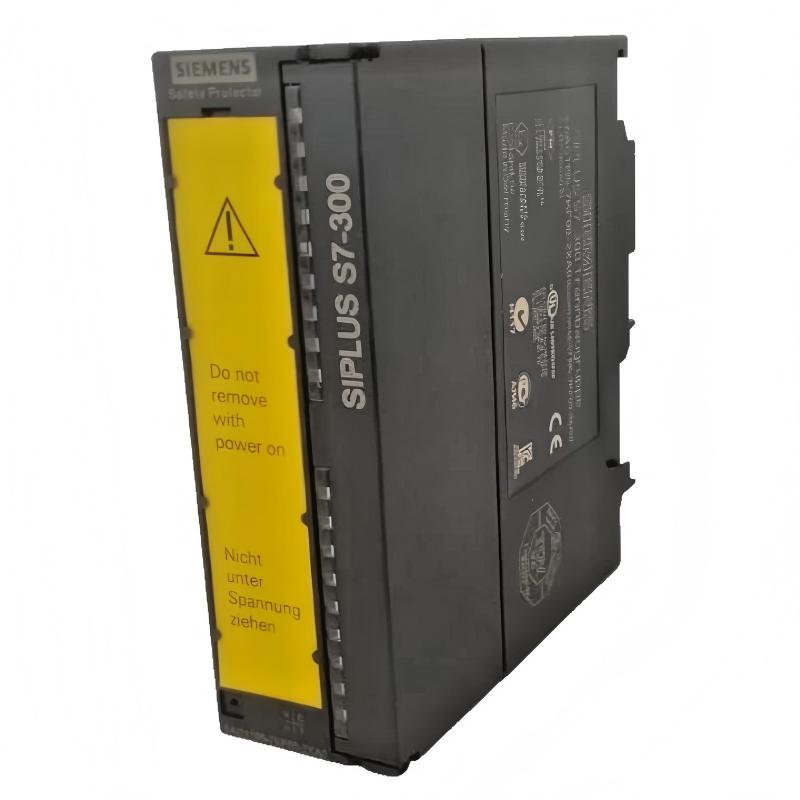
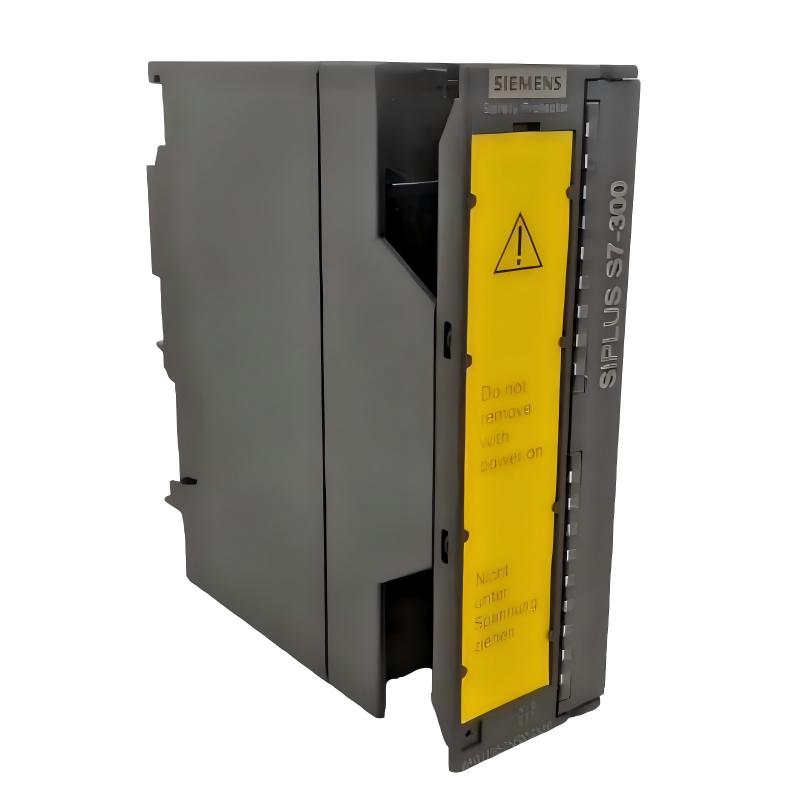
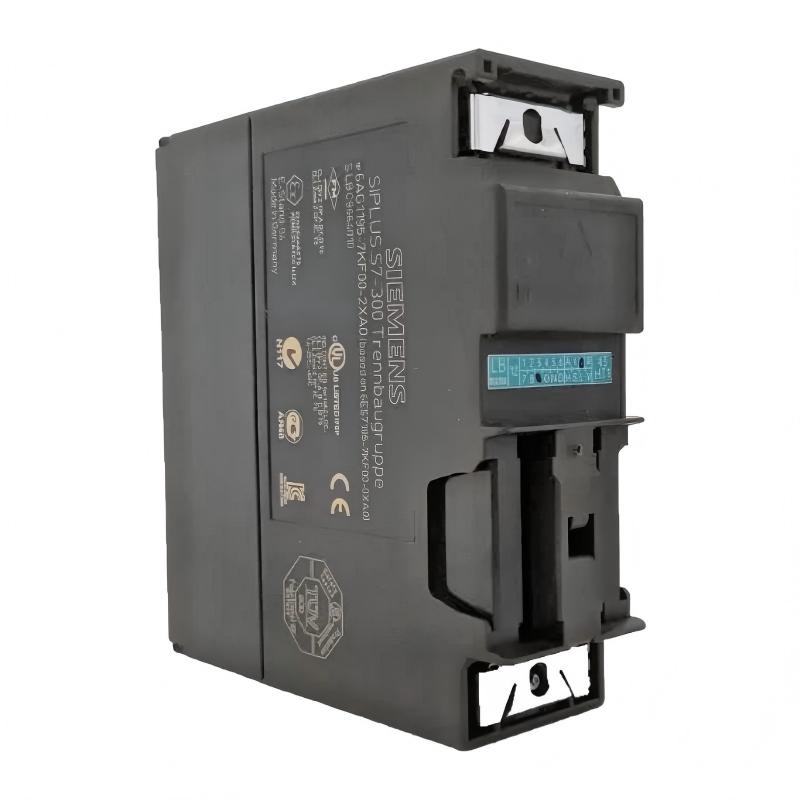
- 6AG1195-7KF00-2XA0
- Isolation Module
- Germany
- 130 × 150 × 50 mm
- 0.299 kg
- Xiamen, China
- New & In Stock
- T/T, PayPal, Western Union
- 1 Year
- 1-3 Working Days
- DHL, UPS, TNT, FedEx and EMS.
- 24-Hour Service
- COO
- 4
Our advantage

Global Logistics
We have a 10-year logistics and express cooperation agreement, so our products can be shipped to any place in the world.

Brand new and original
Our products are imported in bulk from the place of origin. Because of the cooperative relationship, our products are all original and 100% new.

24-hour service
We provide 7*24 hours service to our customers. We will be there whenever you need us.

Price advantage
All our products are priced very favorably because we have our own warehouse and supply.
| Company Information | |||
| [email protected] | |||
| Mobile | +8615980777398 | ||
| +8615980777398 | |||
| 15980777398 |
Product Overview
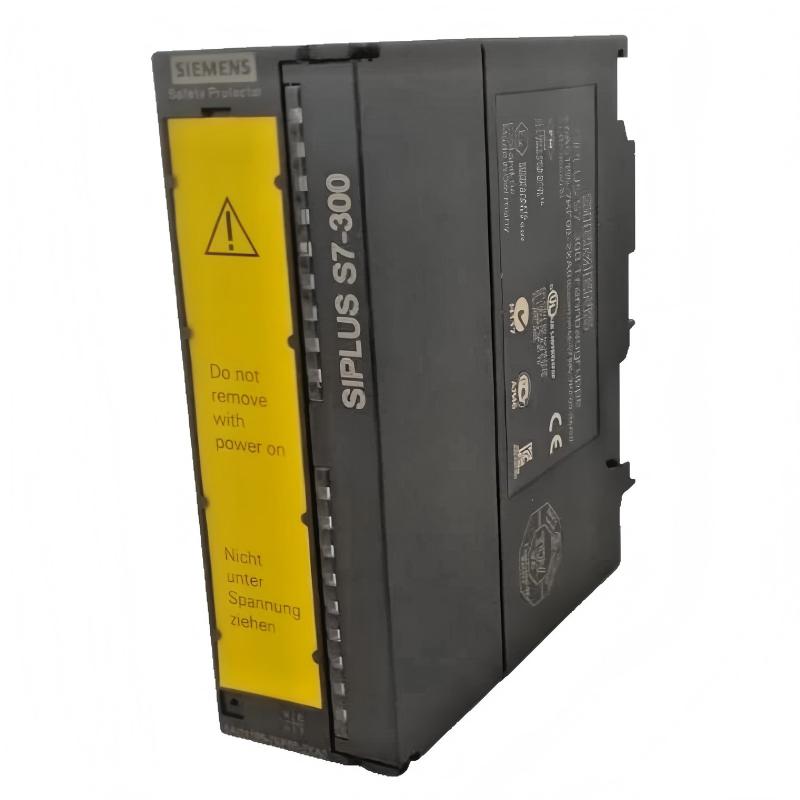
The Siemens 6AG1195-7KF00-2XA0 Isolation Module is a specialized industrial automation component designed to support electrical separation and reliable signal infrastructure within compatible Siemens automation systems. Isolation is an important engineering consideration in industrial control environments because field devices, power equipment, communication networks, and control electronics can operate at different electrical potentials and may be exposed to electrical interference.
By providing an appropriate isolation interface within the automation architecture, an isolation module can help separate different electrical sections while maintaining the required signal or system relationship. This type of architecture is particularly valuable in industrial installations where grounding differences, transient disturbances, electromagnetic interference, and equipment located over long cable distances can affect signal integrity.
The 6AG1195-7KF00-2XA0 is designed as an isolation-related component rather than a conventional PLC CPU or standard analog/digital I/O module. Its function should therefore be understood in the context of the complete Siemens automation system in which it is installed.
The listed dimensions are 130 × 150 × 50 mm, with a listed weight of approximately 0.299 kg. Its compact industrial form factor allows it to be incorporated into equipment where electrical separation and organized system architecture are required.
Technical Specifications
| Parameter | Specification |
|---|---|
| Manufacturer | Siemens |
| Model | 6AG1195-7KF00-2XA0 |
| Product Type | Isolation Module |
| Product Family | Siemens SIPLUS / Industrial Automation |
| Primary Function | Electrical isolation within a compatible automation architecture |
| System Role | Isolation and interface infrastructure |
| Application | Industrial control and automation |
| Installation | Compatible Siemens automation equipment |
| Dimensions | 130 × 150 × 50 mm |
| Weight | 0.299 kg |
| Mounting Concept | Industrial modular equipment |
| Typical Application | Control cabinets, distributed automation and industrial instrumentation |
Exact electrical isolation characteristics, supported interfaces, environmental limits, and compatibility should be verified against the applicable Siemens product documentation and hardware revision.
What Is the Siemens 6AG1195-7KF00-2XA0?
The Siemens 6AG1195-7KF00-2XA0 is an Isolation Module intended to provide electrical separation within a compatible automation system.
Industrial automation equipment often combines low-level control electronics with field wiring, sensors, actuators, power equipment, communication systems, and other electrical devices. These subsystems can experience different voltage potentials or electrical disturbances.
An isolation module helps establish a controlled electrical boundary between system sections.
A simplified architecture can be represented as:
Field / External Circuit → Isolation Interface → Control System
Depending on the application, the isolated sections may include signal circuits, control electronics, field wiring, or other compatible system interfaces.
The exact signal path and isolation implementation depend on the host equipment and system configuration. Therefore, the 6AG1195-7KF00-2XA0 should always be evaluated as part of the complete automation architecture.
Electrical Isolation Principle
Electrical isolation separates two circuits so that the desired information or functional relationship can be maintained without requiring a direct conductive connection between the electrical sections.
In industrial automation, isolation can be useful when:
- Ground potentials differ
- Long cable runs introduce interference
- Field equipment operates in a different electrical environment
- Transient voltages may affect control electronics
- Multiple power domains are present
- Sensitive control circuits need additional separation
A simplified concept is:
Circuit A → Isolation Barrier → Circuit B
The isolation barrier helps prevent unwanted electrical conditions on one side from directly propagating to the other side.
The actual isolation technology and electrical limits depend on the specific product design and must be verified for the particular application.
Function and Working Principle
Electrical Separation
The primary purpose of an isolation module is to establish electrical separation between compatible system sections.
This separation can help protect sensitive control electronics from disturbances originating in external or field circuits.
Signal Transfer
Where signal information must pass between isolated sections, the module provides an appropriate interface while maintaining the required electrical separation.
The exact signal type and interface depend on the system in which the module is installed.
Noise Reduction
Industrial environments can contain substantial electrical noise generated by:
- Variable speed drives
- Motors
- Contactors
- Switching power supplies
- Transformers
- Relay circuits
- High-current equipment
Isolation can help reduce the influence of unwanted electrical potential differences and certain common-mode disturbances.
Ground Potential Management
Different parts of a large industrial facility may have different ground potentials. An isolation interface can help prevent unwanted circulating currents associated with these differences.
System Protection
Appropriate electrical separation can contribute to protecting control-system electronics from external electrical disturbances.
However, isolation should not be treated as a substitute for correct grounding, shielding, surge protection, or system-level electrical design.
Role in Industrial Automation
The 6AG1195-7KF00-2XA0 can serve as part of the interface layer between different electrical sections of an industrial control architecture.
A typical automation system may include:
Sensors → Field Wiring → Interface / Isolation → I/O System → PLC → Output System → Actuators
Isolation-related components can become especially important when field equipment is physically separated from the controller or when different electrical domains must coexist within the same installation.
The isolation module therefore supports system reliability at the interface level rather than executing the application logic itself.
Why Isolation Matters in Industrial Control
Industrial automation systems are exposed to electrical conditions that are uncommon in ordinary office environments.
Large motors and switching devices can generate transients and electromagnetic disturbances. Long field cables can also introduce unwanted potential differences.
Without appropriate electrical design, these conditions can lead to:
- Unstable signals
- Communication errors
- Unexpected input changes
- Electronic component stress
- Intermittent system faults
- Difficult-to-diagnose control problems
Isolation is one of several engineering techniques used to reduce these risks.
Other important measures include proper grounding, shielding, cable separation, surge protection, and appropriate cabinet design.
Industrial Applications
Factory Automation
Isolation modules can be incorporated into automation systems where PLCs, I/O modules, sensors, actuators, and machinery operate together.
Potential applications include:
- Assembly lines
- Production machinery
- Packaging systems
- Automated inspection
- Material handling
- Machine tools
Process Automation
Process plants often contain field instruments distributed over large areas. Isolation can help establish appropriate electrical boundaries between field equipment and control electronics.
Typical applications include:
- Water treatment
- Chemical processing
- Pharmaceutical production
- Utility systems
- Industrial process skids
Motor Control Systems
Large motors and motor-control equipment can generate electrical disturbances. Isolation may be used as part of a broader interface strategy between motor-related equipment and sensitive control electronics.
Instrumentation Systems
Industrial measurement equipment may require electrical separation when sensors and control electronics operate under different electrical conditions.
Distributed Control Cabinets
Large facilities frequently use multiple control cabinets and remote I/O stations. Isolation interfaces can help manage electrical boundaries between different sections of the installation.
System Integration
The Siemens 6AG1195-7KF00-2XA0 should be integrated according to the electrical architecture of the host system.
Potential surrounding equipment may include:
- Siemens PLCs
- Distributed I/O systems
- Analog and digital I/O modules
- Industrial communication interfaces
- Signal-conditioning equipment
- Field sensors
- Actuators
- Power supplies
- Motor-control equipment
- HMI systems
- SCADA systems
The exact combination depends on the machine, process, and electrical design.
PLC Integration
The isolation module can form part of an interface between field circuits and the PLC-controlled automation system.
A simplified architecture is:
Field Device → Isolation Interface → I/O Module → PLC
For output signals, the path may be represented as:
PLC → I/O Module → Isolation Interface → Field Device
The actual direction and signal architecture depend on the specific host system.
The PLC remains responsible for application logic, while the isolation component provides an electrical interface function.
HMI and SCADA Integration
Isolation-related components operate below the supervisory level of the automation architecture.
The complete system may transfer process information from field devices through isolated interfaces and I/O modules to the PLC.
The PLC can then provide information to:
- HMI panels
- SCADA systems
- Engineering workstations
- Historian systems
- Maintenance interfaces
Operators may monitor process values, equipment states, alarms, and diagnostic information without directly interacting with the electrical interface hardware.
Installation Guidelines
Correct installation is essential when working with isolation equipment.
Before installation, verify:
- Complete Siemens order number
- Hardware revision
- Host automation system
- Compatible interfaces
- Electrical architecture
- Wiring requirements
- Grounding arrangement
- Cabinet environment
The 6AG1195-7KF00-2XA0 should be installed only in a configuration for which it is intended.
Do not determine compatibility solely from physical dimensions.
Mechanical Installation
The listed dimensions of the module are:
130 × 150 × 50 mm
The physical size should be considered during cabinet layout planning.
Provide adequate space for:
- Mounting
- Wiring
- Connector access
- Cable bending
- Ventilation
- Inspection
- Maintenance
- Replacement
A well-organized cabinet allows technicians to inspect isolation interfaces without disturbing neighboring equipment.
Grounding and Shielding Considerations
Electrical isolation does not eliminate the need for proper grounding.
Industrial control systems should use a carefully designed grounding and shielding strategy.
Important considerations include:
- Correct protective grounding
- Appropriate cable shielding
- Separation of power and signal cables
- Proper cabinet bonding
- Avoidance of unnecessary ground loops
- Suitable routing of sensitive signal cables
The specific grounding arrangement should follow the electrical design of the complete system.
EMC and Electrical Noise
Electromagnetic compatibility is particularly important in industrial environments.
Potential sources of interference include:
- Variable frequency drives
- Servo drives
- Large motors
- Contactors
- Switching devices
- High-current conductors
- Power converters
Good EMC practices include:
- Separate power and signal wiring
- Use appropriate shielded cables
- Minimize unnecessary cable loops
- Maintain proper cabinet bonding
- Keep sensitive signal wiring away from high-power conductors
- Verify grounding connections
- Inspect cable terminations regularly
An isolation module should be regarded as one part of the EMC strategy rather than a complete solution by itself.
Commissioning Procedure
A systematic commissioning process can reduce installation errors.
Step 1: Verify Product Identification
Confirm the installed module is 6AG1195-7KF00-2XA0.
Step 2: Confirm System Compatibility
Verify that the module is appropriate for the host Siemens automation architecture.
Step 3: Inspect Mechanical Installation
Check mounting, connectors, cable routing, and physical condition.
Step 4: Check Electrical Connections
Verify all relevant field, control, and grounding connections according to the system design.
Step 5: Energize the System
Apply power following the applicable commissioning procedure.
Step 6: Check Control-System Diagnostics
Review PLC, I/O, communication, and equipment diagnostics.
Step 7: Test Isolated Signals
Verify that the intended signal transfer operates correctly while the electrical separation remains consistent with the system design.
Step 8: Record Results
Document the module identification, station configuration, test results, and any abnormal conditions.
Troubleshooting the Siemens 6AG1195-7KF00-2XA0
Isolation-related faults should be investigated as part of the complete electrical interface.
No Signal Across the Interface
Possible causes include:
- Incorrect wiring
- Wrong module configuration
- Loose connector
- Incorrect adjacent module
- Field-device fault
- I/O module fault
- Power problem
- Isolation-module fault
Start by verifying the complete signal path.
Intermittent Signal
An intermittent signal may result from:
- Loose wiring
- Connector problems
- Cable damage
- Electrical interference
- Grounding problems
- Vibration
- Environmental conditions
Monitor the signal while inspecting the physical installation.
Unexpected Signal Behavior
Possible causes include:
- Incorrect system configuration
- Wiring error
- Ground-potential differences
- Signal-conditioning problems
- External electrical interference
- Fault in an upstream or downstream device
The isolation module should not be replaced before the complete interface path is checked.
Multiple Signals Affected
If several signals become abnormal simultaneously, investigate common system components first.
Potential areas include:
- Power supply
- I/O station
- Interface module
- Grounding
- Communication infrastructure
- Shared wiring
- Cabinet electrical conditions
Preventive Maintenance
Regular inspection can help maintain reliable operation.
Physical Inspection
Check the module for:
- Damage
- Contamination
- Discoloration
- Loose mounting
- Connector problems
Cable Inspection
Inspect connected cables for:
- Mechanical damage
- Excessive bending
- Loose terminals
- Moisture ingress
- Poor shielding termination
Cabinet Environment
Monitor:
- Temperature
- Humidity
- Dust
- Vibration
- Ventilation
Diagnostic Monitoring
Review PLC and automation-system diagnostics for recurring interface or communication problems.
Documentation
Maintain accurate records of:
- Module identification
- Hardware revision
- System position
- Wiring
- Configuration
- Maintenance history
Replacement and Spare-Part Planning
When replacing the Siemens 6AG1195-7KF00-2XA0 Isolation Module, the complete order number should be checked carefully.
Technicians should verify:
- Full model number
- Hardware revision
- Host system
- Interface type
- Adjacent components
- Electrical architecture
- Existing mounting position
The listed physical dimensions are 130 × 150 × 50 mm, and the listed weight is 0.299 kg.
These values are useful for inventory planning, shipping, cabinet-layout preparation, and maintenance logistics.
However, dimensions and weight alone do not establish electrical compatibility.
Physical Dimensions and Weight
| Physical Parameter | Value |
|---|---|
| Height | 130 mm |
| Width | 150 mm |
| Depth | 50 mm |
| Weight | 0.299 kg |
The compact dimensions make the module suitable for integration into industrial control equipment where cabinet space must be managed efficiently.
Compatible System Components
A complete Siemens automation architecture may contain:
| Component | General Function |
|---|---|
| Siemens PLC | Executes automation logic |
| Distributed I/O Station | Handles remote field signals |
| Digital Input Module | Acquires discrete signals |
| Digital Output Module | Controls discrete devices |
| Analog Input Module | Acquires continuous process signals |
| Analog Output Module | Generates analog control signals |
| Isolation Module | Provides electrical separation |
| Signal Conditioner | Processes or adapts field signals |
| Industrial Network | Transfers control and process data |
| HMI | Operator visualization |
| SCADA | Supervisory monitoring |
| Power Supply | Provides system operating power |
The actual compatible components depend on the specific Siemens architecture and application.
Recommended Related Siemens Models
| Model | Product Type | General Role |
|---|---|---|
| 6AG1195-7HA00-2XA0 | Active Bus Module | Distributed I/O infrastructure |
| 6AG1195-7HB00-7XA0 | Active Bus Module | Modular I/O station infrastructure |
| 6AG1195-7HC00-2XA0 | Active Bus Module | Distributed I/O integration |
| 6AG1195-7HD10-2XA0 | Active Bus Module | Distributed I/O infrastructure |
| 6AG1195-7HG00-2XA0 | Active Bus Module | Modular bus infrastructure |
| 6AG1193-6AR00-7AA0 | PROFINET Bus Adapter | Industrial network interface |
| 6AG1134-6JD00-2CA1 | Analog Input Module | Analog process signal acquisition |
These are related Siemens automation components, but they perform different functions. None should automatically be considered a direct replacement for the 6AG1195-7KF00-2XA0 without checking the host system and applicable configuration.
Engineering Best Practices
Verify the Electrical Architecture
Before installing an isolation module, determine exactly which circuits are intended to be electrically separated.
Identify Grounding Requirements
Isolation and grounding must be considered together. An isolated circuit may still require a defined reference or protective grounding arrangement depending on the system.
Keep Signal Wiring Organized
Separate sensitive signal wiring from high-power conductors wherever possible.
Maintain Clear Documentation
Record module positions, wiring, configuration information, and hardware revisions.
Diagnose Before Replacing
A signal fault may originate from the field device, wiring, I/O module, power supply, or controller rather than the isolation module itself.
Maintain Suitable Spares
Critical automation systems may benefit from maintaining appropriately identified spare modules.
Key Advantages
The Siemens 6AG1195-7KF00-2XA0 Isolation Module provides several practical benefits within an appropriate industrial automation architecture:
- Dedicated electrical isolation functionality
- Compact 130 × 150 × 50 mm construction
- Listed weight of 0.299 kg
- Supports separation between compatible electrical system sections
- Can contribute to improved signal integrity
- Useful in industrial control and instrumentation architectures
- Suitable for organized cabinet installations
- Supports electrical interface management
- Can complement proper grounding and EMC practices
- Useful in distributed industrial automation environments
Technical FAQs
What is the Siemens 6AG1195-7KF00-2XA0?
The Siemens 6AG1195-7KF00-2XA0 is an Isolation Module designed for use within a compatible Siemens industrial automation architecture.
What is the purpose of an isolation module?
Its primary purpose is to provide electrical separation between compatible system sections while maintaining the required functional interface.
Does electrical isolation eliminate grounding requirements?
No. Isolation and grounding are separate engineering considerations. A complete automation system still requires an appropriate grounding and bonding strategy.
What are the dimensions of the 6AG1195-7KF00-2XA0?
The listed dimensions are 130 × 150 × 50 mm.
What is the weight of the module?
The listed weight is approximately 0.299 kg.
Can an isolation module reduce electrical interference?
Electrical isolation can help reduce the effects of certain unwanted electrical potential differences and common-mode disturbances, but overall EMC performance also depends on grounding, shielding, cable routing, cabinet design, and other factors.
Is the 6AG1195-7KF00-2XA0 a PLC module?
It should not be treated as a PLC CPU. Its primary role is associated with electrical isolation and interface infrastructure.
Can another Siemens isolation module replace it?
Not automatically. The complete order number, hardware revision, interface requirements, electrical architecture, and host-system compatibility should be verified before replacement.
What should be checked if an isolated signal is unstable?
Check the complete signal chain, including the field device, cable, connectors, grounding, shielding, upstream and downstream I/O components, power supply, and system configuration.
Why is isolation useful in industrial automation?
Industrial systems can contain motors, drives, switching devices, long cables, and multiple electrical domains. Appropriate isolation can help manage electrical boundaries and protect sensitive control interfaces from certain disturbances.
Conclusion
The Siemens 6AG1195-7KF00-2XA0 Isolation Module is a specialized industrial automation component intended to provide electrical separation within a compatible Siemens control architecture. Isolation can be an important part of industrial system design where field circuits, instrumentation, control electronics, and other electrical domains must operate together while maintaining appropriate electrical boundaries.
With listed dimensions of 130 × 150 × 50 mm and a weight of 0.299 kg, the module offers a compact form factor suitable for industrial control equipment and cabinet installations.
Reliable operation depends on more than the isolation module itself. Correct system configuration, wiring, grounding, shielding, EMC practices, environmental control, and commissioning all contribute to stable performance. When troubleshooting a signal problem, engineers should evaluate the entire signal path rather than assuming the isolation module is the source of the fault.
For replacement applications, the complete 6AG1195-7KF00-2XA0 designation should be verified together with the host automation system and surrounding components. Physical similarity alone should not be used to establish interchangeability.