

ProductPRODUCT
Featured products
Contact Us
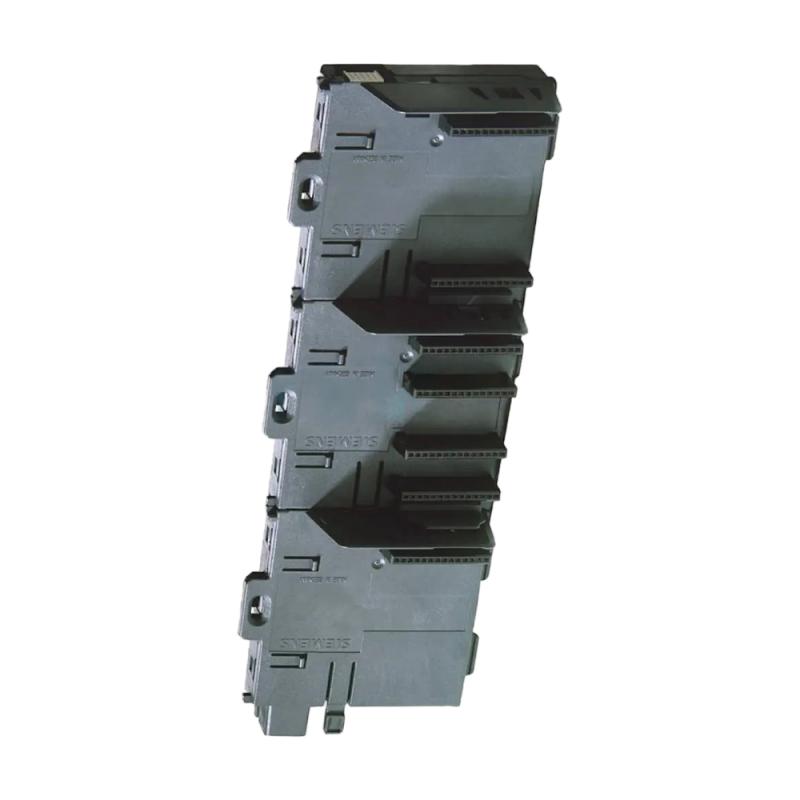
- Siemens
- 6AG1195-7HG00-2XA0
- Active Bus Module
- Germany
- 97 × 92 × 30 mm
- 0.145 kg
- Xiamen, China
- New & In Stock
- T/T, PayPal, Western Union
- 1 Year
- 1-3 Working Days
- DHL, UPS, TNT, FedEx and EMS.
- 24-Hour Service
- COO
- 4
Our advantage

Global Logistics
We have a 10-year logistics and express cooperation agreement, so our products can be shipped to any place in the world.

Brand new and original
Our products are imported in bulk from the place of origin. Because of the cooperative relationship, our products are all original and 100% new.

24-hour service
We provide 7*24 hours service to our customers. We will be there whenever you need us.

Price advantage
All our products are priced very favorably because we have our own warehouse and supply.
| Company Information | |||
| [email protected] | |||
| Mobile | +8615980777398 | ||
| +8615980777398 | |||
| 15980777398 |
Product Overview
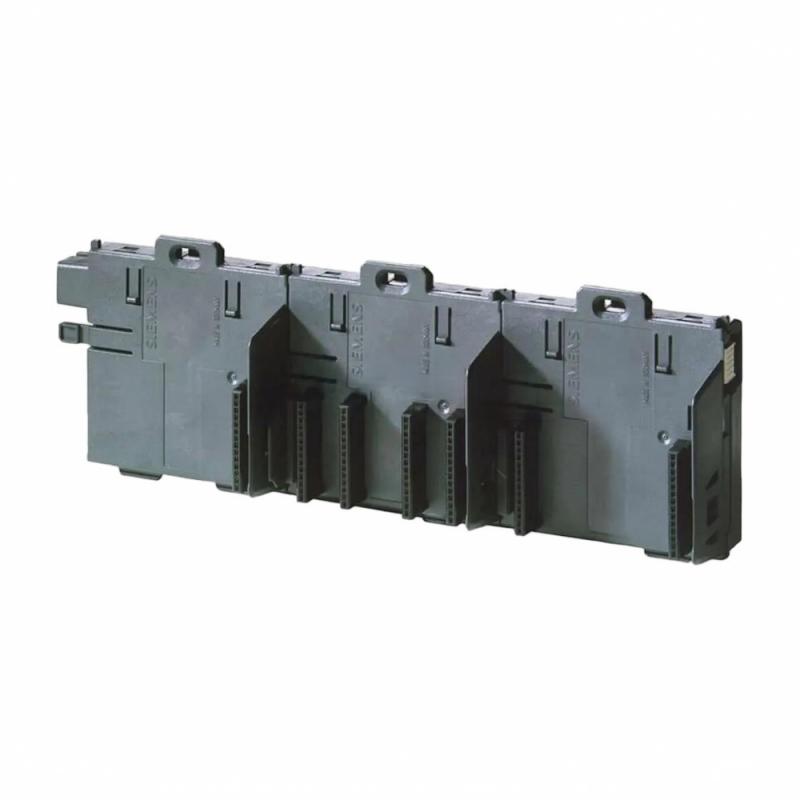
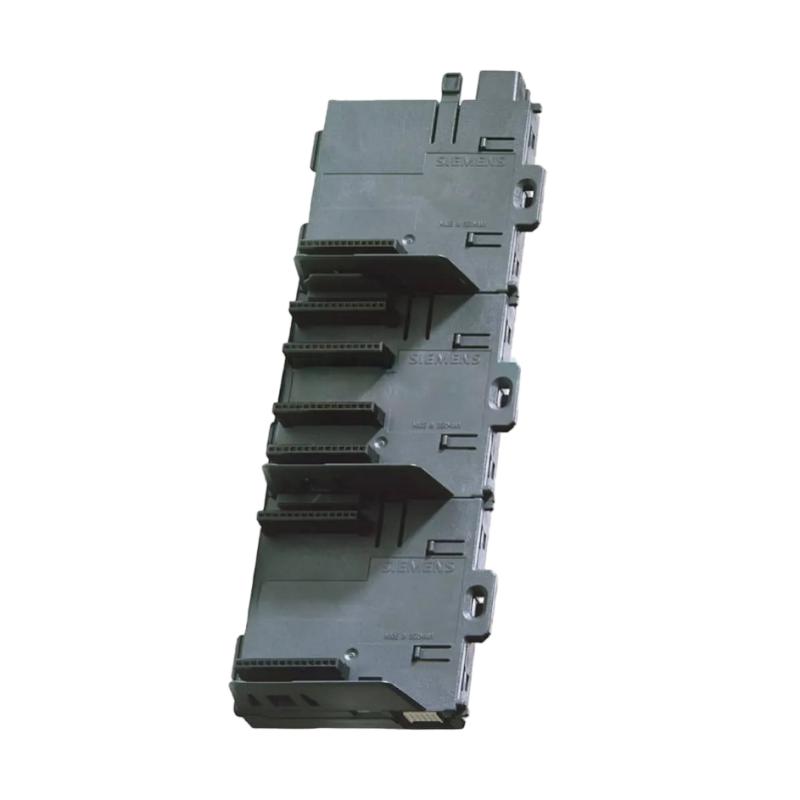
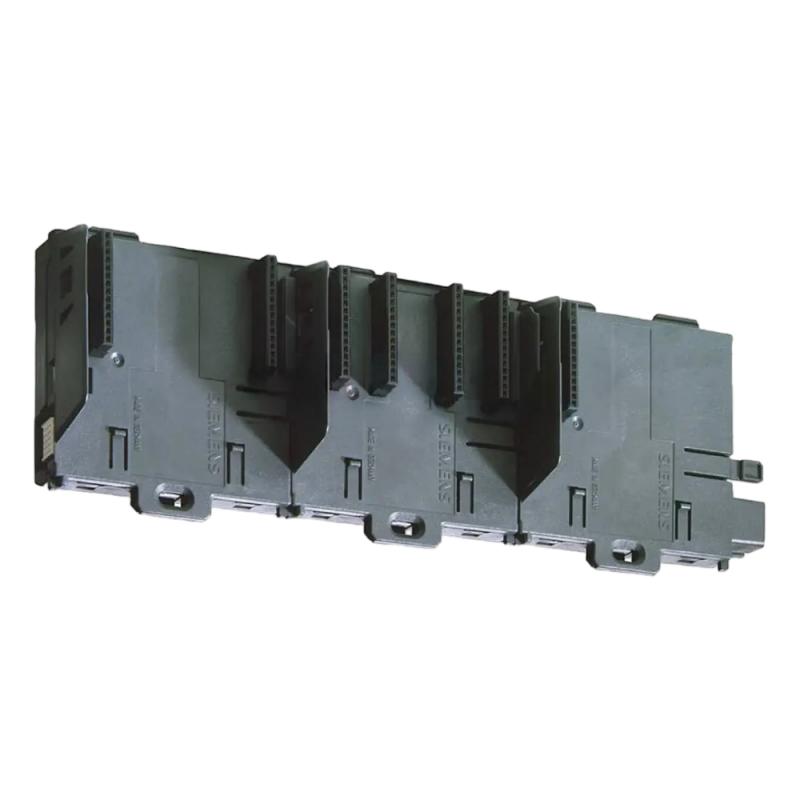
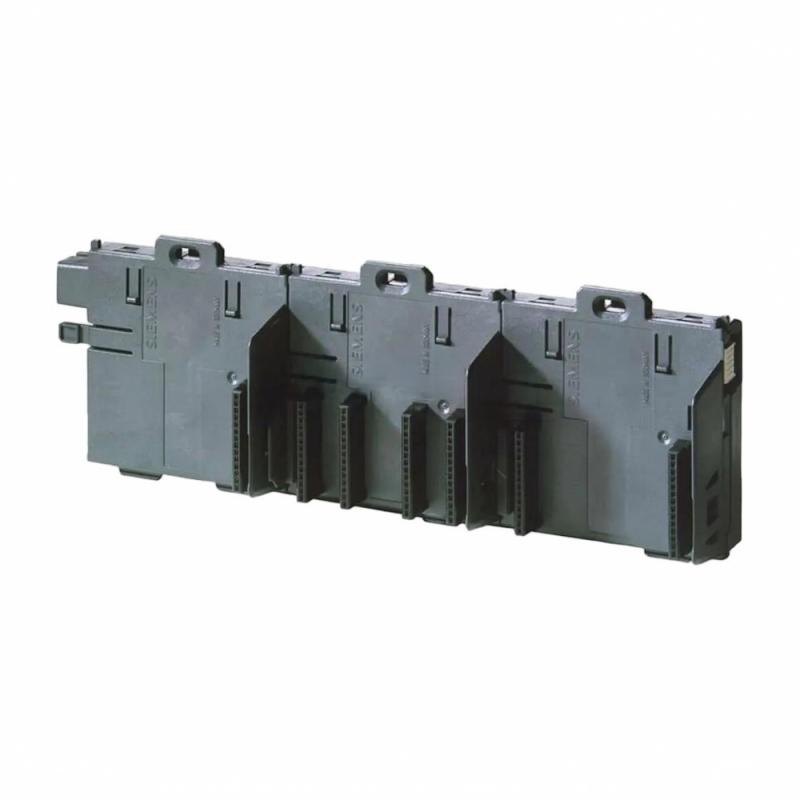
The Siemens 6AG1195-7HG00-2XA0 Active Bus Module is a compact industrial automation component designed to support the internal infrastructure of compatible Siemens distributed I/O systems. As an active bus module, it provides the necessary interconnection structure between compatible modules within a modular automation station, helping maintain an organized and reliable internal communication architecture.
Distributed I/O systems are widely used in modern manufacturing, machine automation, process control, and infrastructure applications because they allow I/O electronics to be positioned closer to field devices. Instead of routing every sensor and actuator signal back to a central PLC cabinet, distributed stations can collect signals locally and exchange process data with the controller through an industrial communication network.
The 6AG1195-7HG00-2XA0 belongs to this type of modular station infrastructure. It is not intended to replace a PLC CPU or conventional analog/digital I/O module. Instead, its role is associated with the internal bus and modular connection structure of a compatible station.
The listed dimensions are 97 × 92 × 30 mm, and the listed weight is 0.145 kg. Its compact construction is suitable for industrial control cabinets where efficient use of installation space, modularity, and maintainability are important.
Technical Specifications
| Parameter | Specification |
|---|---|
| Manufacturer | Siemens |
| Model | 6AG1195-7HG00-2XA0 |
| Product Type | Active Bus Module |
| Product Family | Siemens SIPLUS / SIMATIC ET 200SP |
| Primary Function | Active bus and module interconnection |
| System Role | Distributed I/O station infrastructure |
| Application | Industrial automation and distributed I/O |
| Installation | Compatible modular I/O station |
| Dimensions | 97 × 92 × 30 mm |
| Weight | 0.145 kg |
| Mounting Concept | Modular automation system |
| Typical Use | Distributed control cabinets and remote I/O stations |
Exact compatibility, electrical characteristics, environmental specifications, and permissible system configurations should be verified against the applicable Siemens hardware revision and station design.
What Is the Siemens 6AG1195-7HG00-2XA0?
The Siemens 6AG1195-7HG00-2XA0 is an Active Bus Module used as part of a compatible modular distributed I/O architecture.
In an industrial automation system, an I/O station normally consists of multiple layers of hardware. The controller executes the application program, the communication interface connects the station to the industrial network, and individual I/O modules handle field signals. Between these functional modules, a reliable internal connection structure is required.
The active bus module contributes to this internal structure.
A simplified architecture can be represented as:
PLC → Industrial Network → Distributed I/O Station → Active Bus Infrastructure → I/O Modules → Field Devices
This architecture allows automation engineers to build flexible I/O stations containing different types of modules according to the requirements of the machine or process.
The active bus module therefore performs an infrastructure role rather than acting as a standalone controller.
Active Bus Module Function
The main purpose of an active bus module is to support the internal communication and modular organization of the compatible I/O station.
Its function can be understood through several basic responsibilities:
- Provides part of the internal bus architecture
- Supports module-to-module interconnection
- Helps establish an organized distributed I/O structure
- Supports modular station construction
- Facilitates maintenance and module replacement
- Contributes to reliable internal data communication
- Helps simplify the physical organization of automation hardware
The exact internal electrical implementation depends on the specific Siemens station architecture in which the 6AG1195-7HG00-2XA0 is installed.
For this reason, engineers should always verify the intended station configuration before installing or replacing an active bus module.
Working Principle
An active bus module operates as part of the backplane or internal bus infrastructure of a distributed I/O station.
When compatible modules are assembled into the station, the internal bus provides the communication path required for exchanging information between the station interface and the individual I/O modules.
For example, a digital input module may acquire the state of a proximity switch. An analog input module may receive a process measurement from a transmitter. Output modules may control valves, relays, contactors, or other actuators.
The active bus infrastructure allows these modules to participate in the overall station architecture.
The simplified information flow is:
Field Signal → I/O Module → Internal Bus → Station Interface → Controller
For control commands, the direction is reversed:
Controller → Station Interface → Internal Bus → Output Module → Actuator
The active bus module is therefore an important part of the communication path even though it does not normally execute the user control program.
Role in Distributed Automation Systems
The 6AG1195-7HG00-2XA0 can be considered a station infrastructure component in a distributed automation system.
A typical automation architecture contains:
Field Devices
Sensors, switches, transmitters, valves, motors and actuators interact directly with the physical process.
I/O Modules
Digital and analog modules acquire field information or provide control outputs.
Bus Infrastructure
Active bus modules and related station components establish the internal modular connection between the I/O electronics and station interface.
Industrial Network
The distributed station communicates with the PLC through an industrial communication network.
Controller
The PLC executes application logic based on the acquired process information.
HMI and SCADA
Supervisory systems provide visualization, alarms, diagnostics, trends, and operator control.
This layered architecture allows industrial automation systems to become more modular and easier to maintain.
Importance of Reliable Bus Infrastructure
The reliability of a distributed I/O system does not depend only on the I/O modules themselves. The station infrastructure also plays an important role.
If the internal bus connection is unstable, communication with several modules may be affected simultaneously.
A properly installed active bus infrastructure helps provide:
- Stable module communication
- Consistent station operation
- Modular expansion capability
- Organized cabinet construction
- Easier maintenance
- Faster module replacement
- Reduced wiring complexity
This is particularly important in large industrial systems where a single distributed station may contain many I/O points.
Industrial Applications
Factory Automation
The Siemens 6AG1195-7HG00-2XA0 can be integrated into compatible distributed I/O stations used in factory automation.
Typical systems include:
- Assembly lines
- Automated production equipment
- Packaging machinery
- Machine tools
- Material handling systems
- Inspection equipment
- Robotic support systems
Distributed I/O allows control signals to be collected closer to the equipment they serve.
Process Automation
Distributed I/O architectures are also useful in process-oriented installations.
Potential applications include:
- Water treatment
- Chemical processing
- Utility systems
- Industrial production plants
- Process skids
- Equipment monitoring
Local I/O stations can simplify the collection of signals from equipment distributed across a facility.
Conveyor and Material Handling
Conveyor systems can contain sensors and actuators spread across considerable distances. Distributed I/O stations help organize these signals into local control zones.
Packaging Equipment
Packaging machines typically contain numerous switches, sensors, motors, valves, and actuators. Modular distributed I/O provides a practical method of organizing these control signals.
Infrastructure Automation
Industrial facilities can use distributed I/O stations for equipment monitoring and control when the selected Siemens automation architecture supports the required configuration.
System Integration
The 6AG1195-7HG00-2XA0 should be considered together with the complete automation station rather than as an independent device.
A typical configuration may include:
- Siemens PLC
- PROFINET communication infrastructure
- ET 200SP station components
- Active bus modules
- Base units
- Digital input modules
- Digital output modules
- Analog input modules
- Analog output modules
- Technology modules
- Power-related components
- HMI panels
- SCADA software
The actual configuration depends on the application and required I/O functions.
PLC Integration
A distributed I/O station allows the PLC to exchange process data with remote I/O electronics.
A simplified control architecture is:
Sensor → Input Module → Active Bus Infrastructure → Station Interface → PLC
The PLC processes the received information and determines the required control action.
For an output:
PLC → Station Interface → Active Bus Infrastructure → Output Module → Actuator
The active bus module contributes to the internal station communication structure that makes this modular architecture possible.
HMI and SCADA Integration
The distributed I/O station can also become part of a larger supervisory control architecture.
An HMI or SCADA system may display:
- Input states
- Output states
- Process values
- Equipment status
- Station diagnostics
- Communication conditions
- Alarm information
- Maintenance information
This creates a complete automation chain from the physical process through the I/O station and PLC to the operator interface.
The 6AG1195-7HG00-2XA0 does not replace the HMI or SCADA system; instead, it supports the underlying station infrastructure required for distributed I/O operation.
Installation Guidelines
Correct installation is essential for reliable operation.
Before installing the 6AG1195-7HG00-2XA0, verify:
- Complete order number
- Product identification
- Hardware revision
- Compatible station type
- Module arrangement
- Adjacent modules
- Base-unit configuration
- Communication architecture
- Cabinet environmental conditions
The module should be installed according to the applicable Siemens installation procedures and the requirements of the host system.
Mechanical Installation
The listed dimensions of the Siemens 6AG1195-7HG00-2XA0 are:
97 × 92 × 30 mm
The compact size is useful in control cabinets with limited installation space.
However, cabinet planning should also account for:
- Adjacent modules
- Wiring space
- Connector access
- Maintenance clearance
- Ventilation
- Module replacement
- Cable routing
The module should be mechanically aligned correctly before the station is energized.
Electrical and Interface Considerations
Because an active bus module forms part of the internal station architecture, incorrect installation can affect more than one I/O module.
Before commissioning:
- Verify module positioning.
- Inspect mating interfaces.
- Confirm adjacent modules are properly seated.
- Check station connections.
- Verify power-related conditions.
- Confirm the engineering configuration.
- Review controller diagnostics after startup.
Exact terminal assignments and electrical characteristics should be confirmed from the applicable system documentation rather than inferred from the module’s physical appearance.
Cabinet Installation and Thermal Management
Although the module is relatively small, thermal management remains important in a densely populated industrial cabinet.
Good cabinet practices include:
- Maintain appropriate ventilation.
- Avoid blocking airflow around electronic equipment.
- Keep heat-generating devices appropriately separated.
- Minimize dust accumulation.
- Prevent moisture and condensation.
- Maintain organized wiring.
- Avoid excessive vibration.
- Provide maintenance access.
Environmental control is particularly important where distributed I/O stations operate continuously.
Commissioning Procedure
A systematic commissioning process can help identify installation problems before the automation system enters normal production.
1. Verify Hardware Identification
Confirm that the installed module is 6AG1195-7HG00-2XA0.
2. Inspect Mechanical Installation
Check the station assembly and ensure the module is correctly positioned and securely installed.
3. Check Adjacent Components
Verify the condition and installation of neighboring bus, base, communication, and I/O components.
4. Energize the Station
Power the station according to the applicable system procedure.
5. Check Controller Diagnostics
Use the engineering environment and controller diagnostics to verify that the distributed station is recognized correctly.
6. Verify I/O Modules
Check whether the installed digital and analog I/O modules are communicating normally.
7. Test Field Signals
Confirm that sensor states, process measurements, and actuator commands correspond to the expected system behavior.
8. Document the Configuration
Record the installed hardware identification and station arrangement for future maintenance.
Troubleshooting the Siemens 6AG1195-7HG00-2XA0
Troubleshooting should begin with the complete station architecture.
Station Communication Failure
If the distributed station cannot communicate with the controller, check:
- Network connection
- Station interface
- Power supply
- Module arrangement
- Internal bus infrastructure
- Hardware configuration
- Controller diagnostics
Do not immediately assume that the active bus module is defective.
Multiple I/O Modules Become Unavailable
When several I/O modules report errors at the same time, investigate common infrastructure first.
Possible causes include:
- Bus connection problem
- Station interface fault
- Power interruption
- Incorrect module arrangement
- Communication configuration problem
- Mechanical connection problem
A common station-level issue can produce multiple module diagnostic messages.
Intermittent Module Errors
Intermittent problems may be associated with:
- Loose mechanical connections
- Vibration
- Contaminated interfaces
- Unstable power
- Environmental conditions
- Cable problems
- Hardware degradation
Diagnostic logs and repeated observation can help determine whether the fault is continuous or intermittent.
Replacement Does Not Resolve the Fault
If installing another active bus module does not correct the problem, investigate the surrounding system.
Potential fault locations include:
- Interface module
- Base unit
- I/O module
- Network
- Power supply
- PLC configuration
- Engineering software
- Internal station connections
This system-level approach prevents unnecessary replacement of healthy components.
Preventive Maintenance
Preventive maintenance can improve the long-term reliability of distributed I/O installations.
Visual Inspection
Inspect the module for:
- Physical damage
- Cracks
- Discoloration
- Contamination
- Loose connections
Connector Inspection
Check interfaces for contamination, corrosion, mechanical damage, or poor seating.
Cabinet Inspection
Periodically review:
- Temperature
- Ventilation
- Dust
- Humidity
- Vibration
- Cable organization
Diagnostic Monitoring
Review controller and engineering-system diagnostics regularly. Repeated communication errors can provide an early indication of developing station problems.
Spare-Part Identification
Maintain accurate records of module order numbers and hardware revisions. This is especially important when several bus modules have similar physical dimensions.
Replacement and Spare-Part Planning
When replacing the Siemens 6AG1195-7HG00-2XA0 Active Bus Module, technicians should verify the complete product identification before installation.
Important information includes:
- Model number
- Product family
- Hardware revision
- Station type
- Adjacent modules
- Base-unit configuration
- Existing installation position
- Engineering configuration
The listed physical dimensions are 97 × 92 × 30 mm, while the listed weight is 0.145 kg.
These values are useful for mechanical planning, inventory management, packaging, and replacement logistics. However, physical dimensions alone should never be used to determine electrical compatibility.
Physical Dimensions and Weight
| Physical Parameter | Value |
|---|---|
| Height | 97 mm |
| Width | 92 mm |
| Depth | 30 mm |
| Weight | 0.145 kg |
The compact form factor allows the module to be incorporated into modular control cabinets without requiring excessive physical space.
For system planning, engineers should also consider the dimensions of neighboring modules and the overall station arrangement.
Compatible System Components
A compatible distributed I/O station may include several different component types.
| Component | General Function |
|---|---|
| Siemens PLC | Executes automation control logic |
| PROFINET Interface | Provides industrial network communication |
| Interface Module | Connects the distributed station to the controller network |
| Active Bus Module | Supports internal bus and module interconnection |
| Base Unit | Provides module mounting and field connection structure |
| Digital Input Module | Acquires discrete field signals |
| Digital Output Module | Controls discrete devices |
| Analog Input Module | Acquires continuous process signals |
| Analog Output Module | Generates analog control signals |
| Technology Module | Performs specialized functions |
| HMI | Operator visualization |
| SCADA | Supervisory monitoring and diagnostics |
The exact combination should be determined by the machine or process requirements.
Recommended Related Siemens Models
| Model | Product Type | General Role |
|---|---|---|
| 6AG1195-7HA00-2XA0 | Active Bus Module | Distributed I/O infrastructure |
| 6AG1195-7HB00-7XA0 | Active Bus Module | Modular station infrastructure |
| 6AG1195-7HC00-2XA0 | Active Bus Module | Distributed I/O integration |
| 6AG1195-7HD10-2XA0 | Active Bus Module | Distributed I/O station infrastructure |
| 6AG1193-6AR00-7AA0 | PROFINET Bus Adapter | Network interface |
| 6AG1193-6PA00-7AA0 | Terminal Module | Terminal connection |
| 6AG1134-6JD00-2CA1 | Analog Input Module | Process signal acquisition |
These products perform different functions. A related model should not be treated as a direct replacement for the 6AG1195-7HG00-2XA0 without verifying the complete system configuration.
Engineering Best Practices
Verify the Complete Order Number
Similar-looking Siemens modules may have different functions or compatibility requirements. Always verify the complete order number.
Maintain Station Documentation
Record:
- Module positions
- Product numbers
- Hardware revisions
- Network configuration
- Wiring information
- Diagnostic history
Plan for Future Expansion
When designing a distributed I/O station, consider possible future additions to the machine or process.
Keep Wiring Organized
Good cable routing makes troubleshooting and replacement significantly easier.
Use System-Level Diagnostics
When communication problems occur, evaluate controller diagnostics, network status, station configuration, and module-level information together.
Maintain Spare Components
Critical automation systems may benefit from keeping appropriate spare modules available. Spare-part selection should be based on exact product identification rather than visual similarity.
Key Advantages
The Siemens 6AG1195-7HG00-2XA0 Active Bus Module provides several practical benefits within a compatible distributed I/O architecture:
- Compact 97 × 92 × 30 mm design
- Low listed weight of 0.145 kg
- Supports modular distributed I/O architecture
- Provides active bus infrastructure
- Helps organize station-level module interconnection
- Supports maintainable automation-system design
- Suitable for compact industrial control cabinets
- Integrates into compatible Siemens automation architectures
- Helps simplify modular I/O system construction
- Supports structured industrial automation installations
Technical FAQs
What is the Siemens 6AG1195-7HG00-2XA0?
The Siemens 6AG1195-7HG00-2XA0 is an Active Bus Module intended for integration into a compatible Siemens distributed I/O system.
What is the function of an active bus module?
It provides part of the internal bus and interconnection infrastructure required for compatible modules within a distributed I/O station.
Is the 6AG1195-7HG00-2XA0 a PLC?
No. It is a station infrastructure component rather than a PLC CPU.
Is it an analog or digital I/O module?
No. The active bus module primarily supports the internal station architecture rather than directly functioning as a conventional analog or digital I/O module.
What are the dimensions of the 6AG1195-7HG00-2XA0?
The listed dimensions are 97 × 92 × 30 mm.
What is the weight of the module?
The listed weight is approximately 0.145 kg.
Where is the 6AG1195-7HG00-2XA0 used?
It is intended for compatible Siemens modular distributed I/O architectures used in industrial automation and control applications.
Can another active bus module be used as a replacement?
A different active bus module should not automatically be considered interchangeable. The complete order number, hardware revision, station configuration, and adjacent components should be checked before replacement.
What should be checked if multiple I/O modules fail?
Check common station infrastructure such as the communication interface, power, internal bus connections, module arrangement, and controller configuration before replacing individual I/O modules.
Why is correct installation important?
The active bus module is part of the internal station infrastructure. Incorrect installation or an incompatible configuration can affect communication between multiple components.
Conclusion
The Siemens 6AG1195-7HG00-2XA0 Active Bus Module is a compact infrastructure component designed to support compatible modular distributed I/O architectures. Rather than serving as a conventional PLC or signal-processing module, it contributes to the internal bus and module-interconnection structure of the automation station.
With listed dimensions of 97 × 92 × 30 mm and a weight of 0.145 kg, the module is suitable for space-conscious industrial control cabinets and modular automation installations.
Its role becomes particularly important in distributed I/O systems where multiple input, output, communication, and technology modules must operate together as a coordinated station. Proper module identification, mechanical installation, station configuration, communication verification, and preventive maintenance are therefore important for reliable operation.
For replacement applications, engineers should verify the complete 6AG1195-7HG00-2XA0 designation and confirm compatibility with the existing Siemens automation architecture. Physical similarity between different bus modules should not be considered sufficient evidence of interchangeability.