

ProductPRODUCT
Featured products
Contact Us
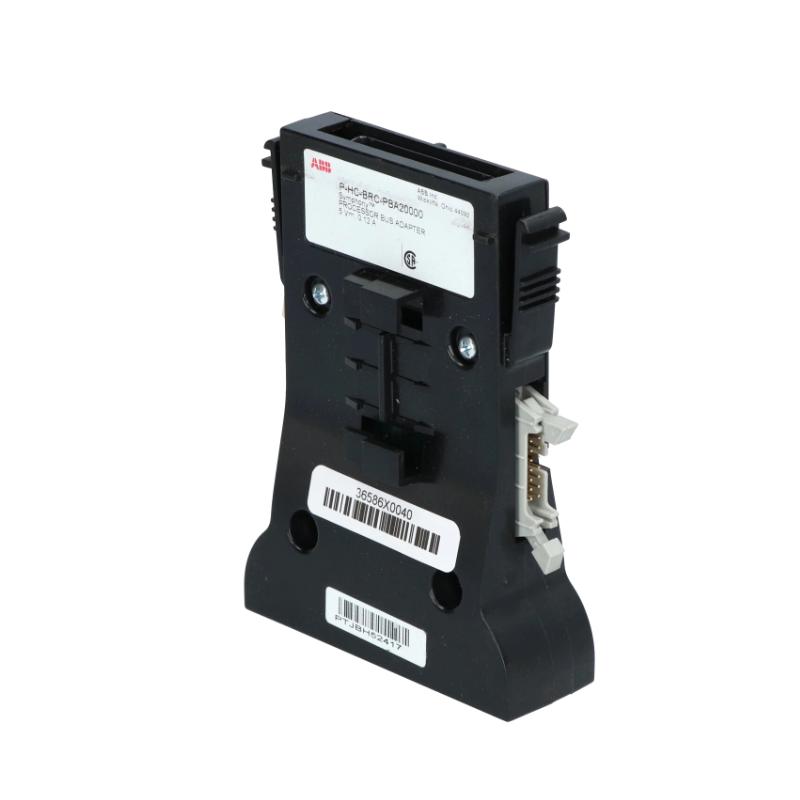
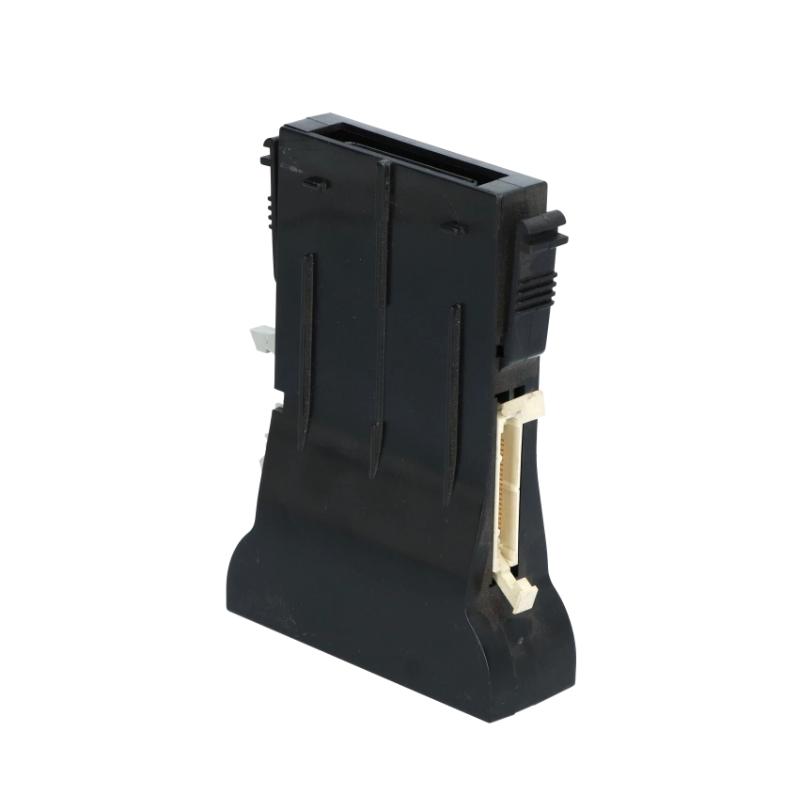
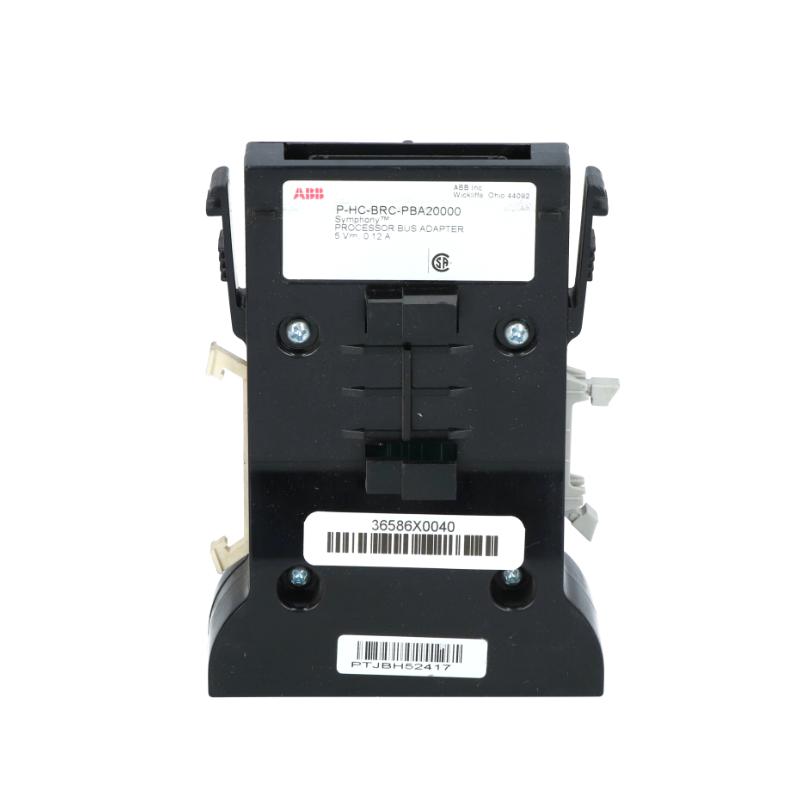
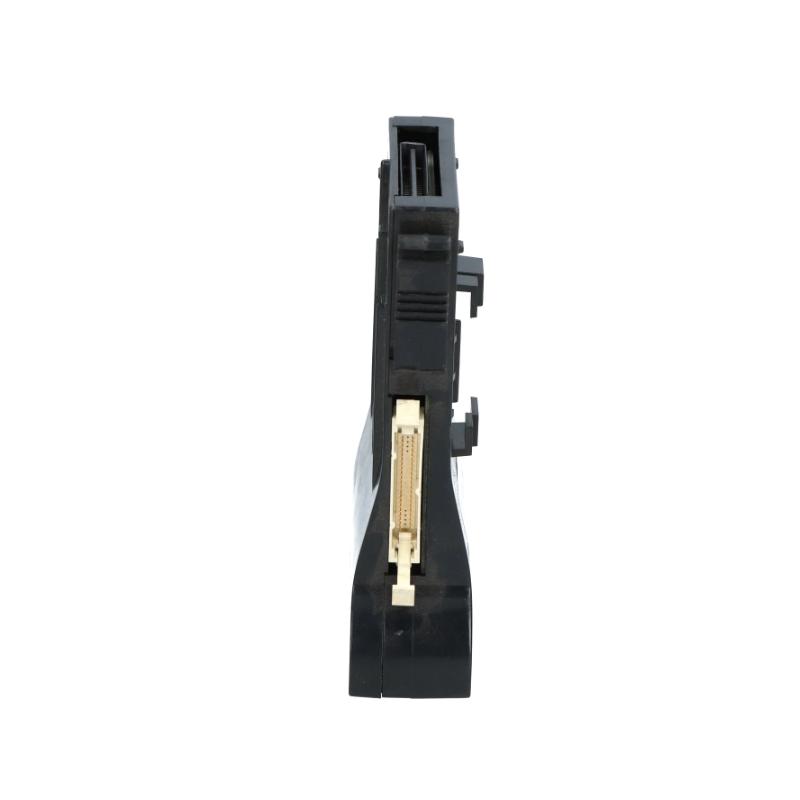
- ABB Bailey
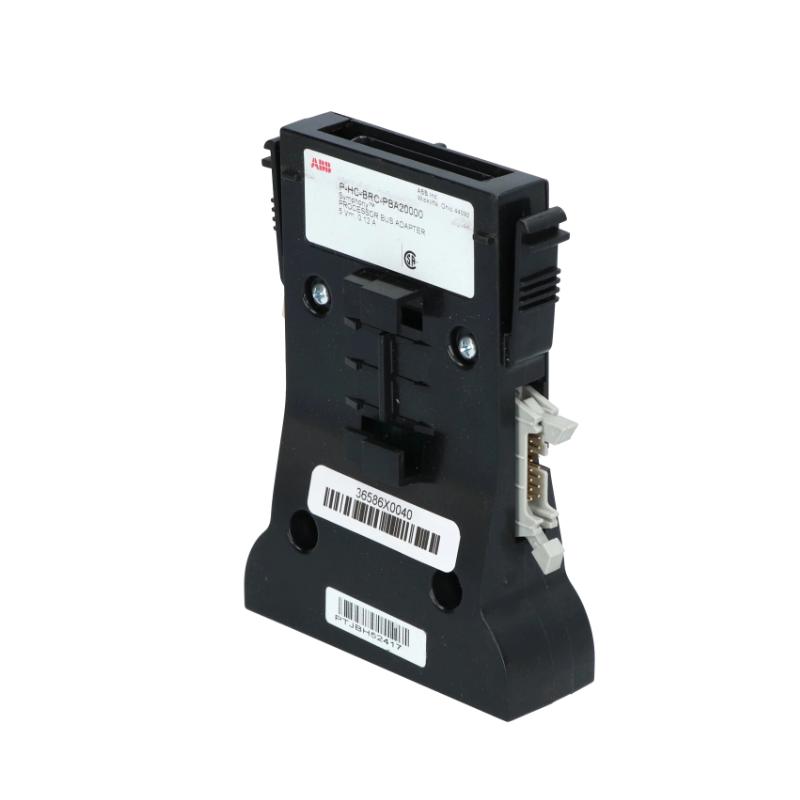
- PBA200 PHCBRCPBA20000
- Process Bus Adapter
- Sweden (SE)
- 215 × 127 × 38 mm
- 0.231 kg
- Xiamen, China
- New & In Stock
- T/T, PayPal, Western Union
- 1 Year
- 1-3 Working Days
- DHL, UPS, TNT, FedEx and EMS.
- 24-Hour Service
- COO
- 6
Our advantage

Global Logistics
We have a 10-year logistics and express cooperation agreement, so our products can be shipped to any place in the world.

Brand new and original
Our products are imported in bulk from the place of origin. Because of the cooperative relationship, our products are all original and 100% new.

24-hour service
We provide 7*24 hours service to our customers. We will be there whenever you need us.

Price advantage
All our products are priced very favorably because we have our own warehouse and supply.
| Company Information | |||
| [email protected] | |||
| Mobile | +8615980777398 | ||
| +8615980777398 | |||
| 15980777398 |
Product Overview
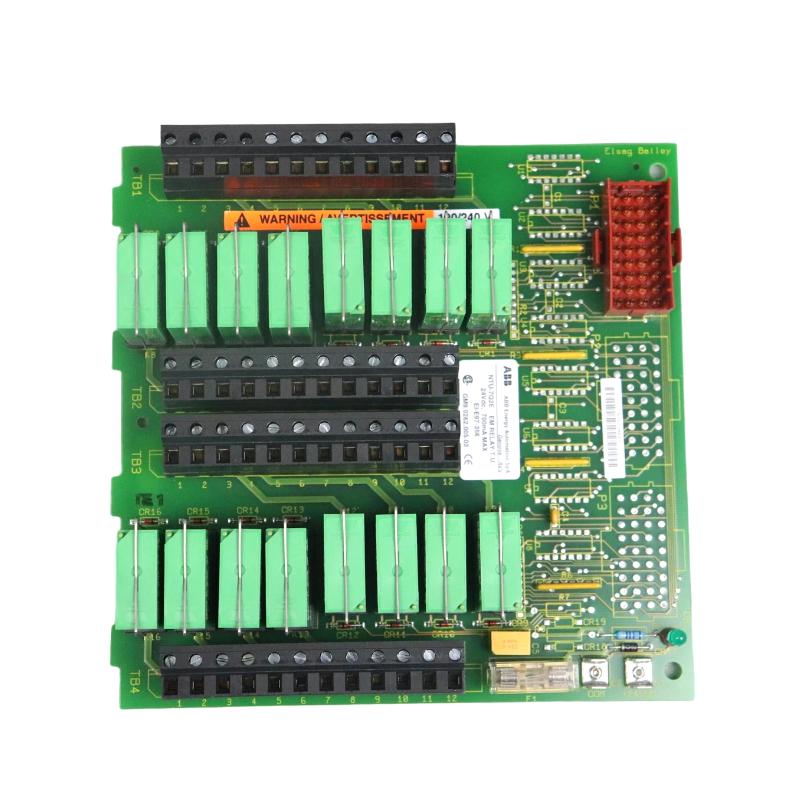
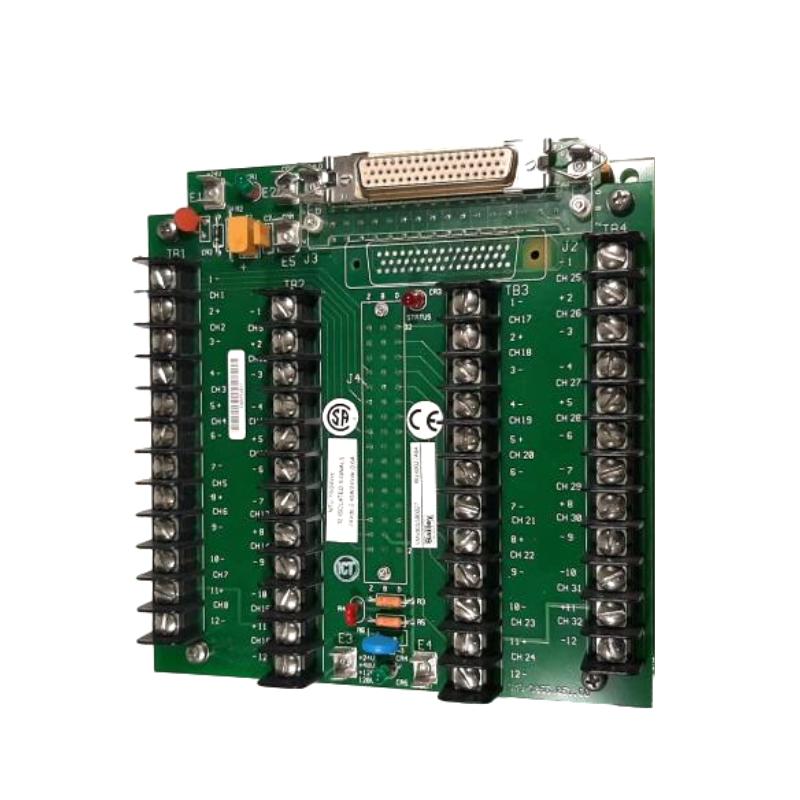
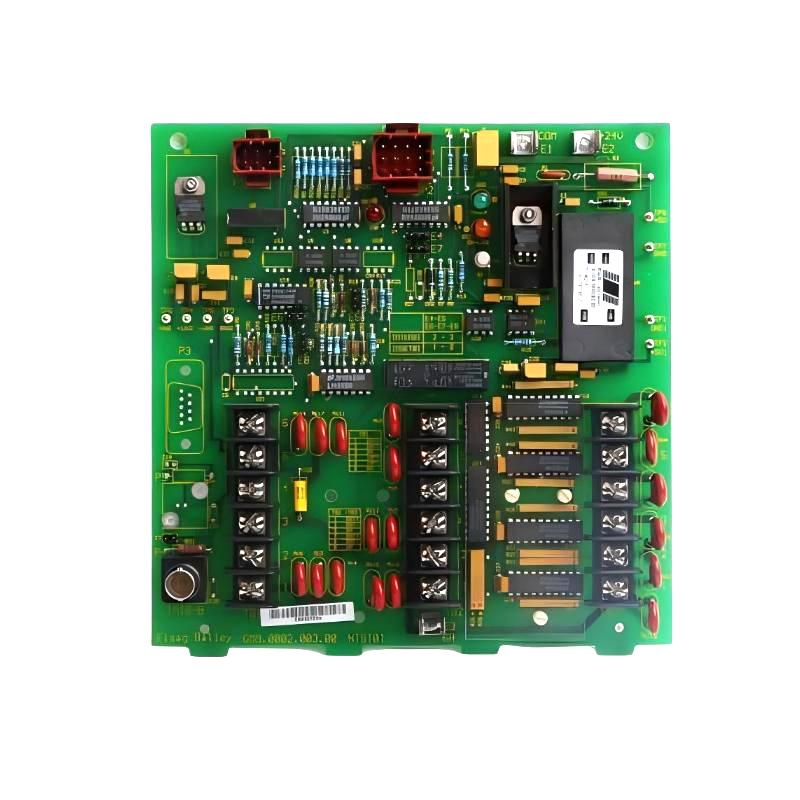
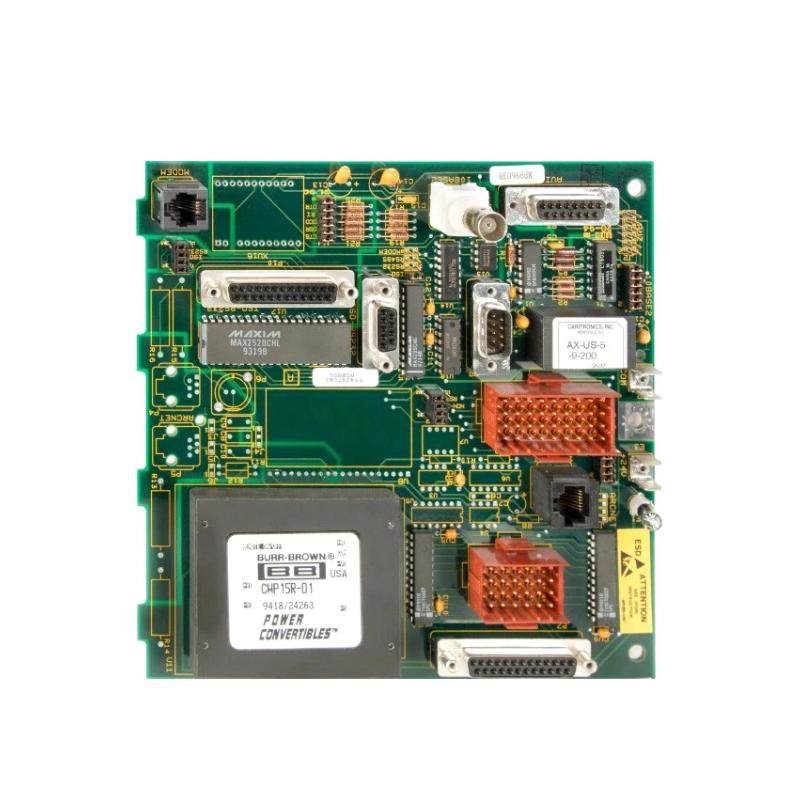
The ABB Bailey PBA200 PHCBRCPBA20000 Process Bus Adapter is a specialized industrial communication and interface component designed to support process bus connectivity within compatible ABB Bailey automation and process control architectures. It provides an interface between process-level communication infrastructure and associated control-system equipment, helping integrate distributed field information into a structured industrial automation network.
Process bus architectures are commonly used to connect intelligent field devices, I/O interfaces, controllers, and other automation equipment. By providing a standardized communication path between system components, a process bus can reduce point-to-point wiring requirements while allowing process information and device status to be transferred between different levels of the control system.
The ABB Bailey PBA200 PHCBRCPBA20000 has listed dimensions of 215 × 127 × 38 mm and a weight of 0.231 kg. Its compact form factor makes it suitable for integration into industrial control cabinets and communication assemblies where space, signal organization, and reliable system connectivity are important.
Technical Specifications
| Parameter | Specification |
|---|---|
| Manufacturer | ABB Bailey |
| Model | PBA200 |
| Part Number | PHCBRCPBA20000 |
| Product Type | Process Bus Adapter |
| Product Family | ABB Bailey Industrial Control System |
| Primary Function | Process bus interface and communication adaptation |
| Communication Role | Process-level network interface |
| Application | Industrial automation and process control |
| Installation | Compatible ABB Bailey control equipment |
| Dimensions | 215 × 127 × 38 mm |
| Weight | 0.231 kg |
| Typical Applications | Distributed process control, field communication and industrial system integration |
Exact communication protocol characteristics, connector assignments, supported devices, electrical interface specifications, and network limitations should be verified against the applicable PBA200 hardware revision and host-system documentation.
What Is the ABB Bailey PBA200?
The ABB Bailey PBA200 PHCBRCPBA20000 is a Process Bus Adapter designed to provide an interface between process bus communication infrastructure and compatible ABB Bailey control-system equipment.
In a distributed industrial automation system, information may originate from field devices and travel through several layers before reaching a controller or operator interface. A process bus adapter can provide the communication interface necessary for transferring this information between different system sections.
A simplified architecture can be represented as:
Field Devices → Process Bus → PBA200 → Control-System Network → Controller / Engineering System
The exact arrangement depends on the ABB Bailey system architecture and the equipment connected to the adapter.
Process Bus Communication Principle
A process bus is a communication infrastructure used to exchange information between process equipment and control-system components.
Traditional control systems may require individual point-to-point connections between field devices and I/O equipment. A bus-based architecture can instead consolidate communication through a network.
The general architecture is:
Field Layer → Process Bus → Interface / Adapter → Control Layer
Depending on the system, information transferred across the network may include:
- Process measurements
- Equipment status
- Diagnostic information
- Device states
- Control commands
- Alarm information
- Configuration information
- Maintenance data
The PBA200 contributes to this communication architecture by providing a dedicated process bus interface.
Function and Working Principle
Process Bus Connection
The PBA200 provides an interface point for process bus communication within the compatible control-system architecture.
It allows the associated communication infrastructure to connect with other system components.
Communication Adaptation
Different parts of an industrial control architecture may use different physical interfaces or communication arrangements. An adapter can provide the required interface between these sections.
The PBA200 therefore serves as an intermediate communication component rather than acting as the primary control processor.
Data Transfer
Once connected to the process bus, the adapter participates in the transfer of information between the field or process layer and the control-system infrastructure.
The actual data types depend on the connected devices and configured application.
System-Level Communication
Information received through the process bus may ultimately be used by controllers, operator stations, engineering systems, or supervisory applications.
This allows process information to become part of a broader automation environment.
Role in ABB Bailey Industrial Control Systems
The PBA200 can be considered part of the communication layer of a distributed ABB Bailey automation architecture.
A simplified control structure is:
Industrial Process
↓
Field Devices
↓
Process Bus
↓
PBA200 Process Bus Adapter
↓
ABB Bailey Control Architecture
↓
Controller / HMI / SCADA
The adapter provides an important connection between communication infrastructure and control-system equipment.
Advantages of Process Bus Architecture
Reduced Point-to-Point Wiring
A process bus can reduce the amount of individual wiring required between distributed field equipment and central control equipment.
Centralized Information Access
Process information can be made available to multiple system functions through the communication architecture.
Improved Diagnostics
Digital communication can provide more information than a simple discrete signal, depending on the connected equipment and protocol.
Distributed System Design
A process bus supports architectures where field devices and control equipment may be distributed throughout an industrial facility.
Simplified System Expansion
A properly designed bus architecture can provide a structured way to add compatible devices and communication nodes.
Industrial Applications
Process Manufacturing
Continuous-process facilities often contain large numbers of distributed instruments and control devices.
A process bus architecture can provide a structured communication path between these devices and the control system.
Chemical Processing
Chemical plants require continuous monitoring and control of process equipment. Communication interfaces can help transfer process and diagnostic information between field devices and controllers.
Oil and Gas Facilities
Large oil and gas installations may contain distributed control equipment across extensive process areas. A bus-based communication architecture can help connect these system components.
Power and Utility Systems
Utility installations often require communication between distributed equipment, controllers, and supervisory systems.
Water and Wastewater
Water-treatment facilities contain pumps, valves, instrumentation, and other distributed equipment. Process communication networks can provide centralized access to operational information.
General Industrial Automation
The PBA200 can form part of industrial communication architectures where compatible ABB Bailey process bus equipment is deployed.
System Integration
The PBA200 should be installed as part of a properly designed ABB Bailey communication architecture.
A typical system may contain:
| System Layer | Typical Function |
|---|---|
| Field Device | Measures or controls process conditions |
| Process Bus | Transfers digital process information |
| PBA200 | Provides process bus interface |
| Controller | Executes control logic |
| I/O System | Interfaces with process signals |
| HMI | Displays process information |
| SCADA | Provides supervisory monitoring |
| Engineering Station | Configuration and diagnostics |
| Historian | Stores process and event information |
The actual system configuration depends on the installed ABB Bailey platform.
Installation Guidelines
Verify the Model and Part Number
Before installation or replacement, confirm:
- Model: PBA200
- Part Number: PHCBRCPBA20000
- Hardware revision
- Installation location
- Communication interface
- Associated process bus equipment
- Host-system architecture
The complete product identification should be verified before connecting the unit to an existing process network.
Physical Installation
The listed dimensions are:
215 × 127 × 38 mm
The cabinet should provide sufficient room for:
- Adapter installation
- Communication cables
- Connector access
- Cable routing
- Maintenance
- Inspection
Communication Cable Routing
Communication cables should be routed according to the requirements of the associated network architecture.
Where appropriate, communication wiring should be separated from high-power conductors and sources of electromagnetic interference.
Connector Inspection
Before commissioning, inspect connectors for:
- Loose connections
- Damaged contacts
- Contamination
- Mechanical damage
- Incorrect cable insertion
A communication fault may be caused by a poor physical connection rather than an adapter failure.
Network Integration Considerations
Network Topology
The process bus topology should follow the architecture defined for the compatible ABB Bailey system.
Incorrect topology or termination can affect communication reliability.
Cable Integrity
Communication performance depends on the physical condition of the network cable.
Inspect for:
- Damaged insulation
- Excessive bending
- Poor termination
- Mechanical stress
- Connector damage
Electromagnetic Interference
Industrial environments contain potential sources of interference, including:
- Variable speed drives
- Large motors
- Contactors
- Switching power supplies
- High-current cables
Appropriate cable routing and grounding practices should be followed.
Addressing and Configuration
Where the process bus requires device addressing or configuration, the PBA200 should be configured according to the system engineering documentation.
Commissioning Procedure
Step 1: Verify Hardware
Confirm that the correct PBA200 PHCBRCPBA20000 is installed.
Step 2: Check Physical Connections
Inspect communication cables and connectors.
Step 3: Verify Network Configuration
Confirm the network architecture, addressing, and associated communication settings where applicable.
Step 4: Power and System Startup
Apply power according to the approved commissioning procedure.
Step 5: Check Communication Status
Verify that the process bus recognizes the adapter and associated communication path.
Step 6: Verify Data Exchange
Confirm that expected process information can be transferred between the connected system components.
Step 7: Check Diagnostics
Review available system diagnostics for communication errors, device status warnings, or configuration problems.
Troubleshooting the PBA200
No Process Bus Communication
If the PBA200 does not communicate with the associated system, inspect:
- Power supply
- Communication cable
- Connectors
- Network topology
- Addressing
- Configuration
- Associated process bus equipment
The problem should be traced through the complete communication path.
Intermittent Communication
Intermittent communication may be caused by:
- Loose connectors
- Damaged cables
- Electrical interference
- Poor grounding
- Network configuration issues
- Hardware degradation
Monitoring the network while inspecting physical connections can help identify the source.
Communication Errors
Communication errors may result from:
- Incorrect configuration
- Incompatible equipment
- Network faults
- Cable problems
- Interface problems
- System-level configuration errors
An adapter should not be replaced before the rest of the communication path has been checked.
Multiple Devices Lose Communication
If several devices lose communication simultaneously, investigate common network components first.
Possible causes include:
- Shared power supply
- Network infrastructure
- Common communication cable
- Controller interface
- Process bus configuration
- System-level fault
A single PBA200 failure is not necessarily responsible for multiple communication failures.
Preventive Maintenance
Inspect Communication Connections
Check cables and connectors periodically for looseness, contamination, and mechanical damage.
Monitor Communication Diagnostics
Review available system diagnostics for recurring communication warnings or errors.
Protect Network Cabling
Avoid excessive bending, mechanical stress, and unnecessary exposure to electrical interference.
Maintain Cabinet Conditions
The installation environment should be maintained within the requirements of the complete ABB Bailey system.
Keep Configuration Records
Record the PBA200 location, associated process bus connections, hardware revision, and system configuration.
This information can significantly reduce maintenance time when troubleshooting communication problems.
Replacement and Spare-Part Planning
When sourcing a replacement for the ABB Bailey PBA200, verify the complete identification:
Model: PBA200
Part Number: PHCBRCPBA20000
Product Type: Process Bus Adapter
The listed dimensions are:
215 × 127 × 38 mm
The listed weight is:
0.231 kg
These values are useful for inventory planning, cabinet design, transportation, and replacement logistics.
However, mechanical compatibility alone does not establish communication compatibility. The exact hardware revision, interface configuration, process bus architecture, and associated equipment should be verified before replacement.
Physical Dimensions and Weight
The ABB Bailey PBA200 PHCBRCPBA20000 has listed dimensions of 215 × 127 × 38 mm.
Its listed weight is 0.231 kg.
The compact design allows the adapter to be installed in industrial control cabinets alongside other process-control and communication equipment.
When planning cabinet installation, engineers should also allow sufficient clearance for communication cables and maintenance access.
Compatible System Components
The PBA200 can form part of a distributed industrial control architecture containing multiple communication and control components.
| Component | Typical Function |
|---|---|
| Process Bus | Provides communication infrastructure |
| Field Device | Generates process or equipment information |
| PBA200 | Provides process bus interface |
| I/O System | Interfaces field signals |
| Controller | Executes process-control logic |
| Communication Interface | Transfers system information |
| HMI | Displays operating conditions |
| SCADA | Provides supervisory control |
| Engineering Station | Performs configuration and diagnostics |
| Historian | Stores process information |
Exact compatibility should be confirmed against the installed ABB Bailey system.
Recommended Related ABB Bailey Components
| Component | General Function | Relationship |
|---|---|---|
| NTU-715 | Digital Input Terminal | Discrete field interface |
| NTU-7U0 | Digital Input Terminal | Digital signal termination |
| NTU-7Q2E | Digital Output Relay Terminal Unit | Relay-based output interface |
| NTST01 | Time Synchronization Termination Unit | Timing interface |
| NTSM01 | Server Module Terminal Unit | System interface |
| NTRL03 | Remote Link Terminal | Remote communication interface |
| NMMU01 | Modular Mount Unit Chassis Rack | Mechanical mounting |
| NKTU Series | Terminal Unit Cable | I/O connectivity |
These components perform different functions and should not be regarded as direct replacements for the PBA200 without confirming system requirements.
Engineering Best Practices
Document the Network Architecture
Maintain accurate documentation showing the process bus topology, adapter location, connected devices, and communication paths.
Label Communication Cables
Clear cable identification simplifies commissioning and troubleshooting.
Keep Communication Wiring Organized
Avoid unnecessary cable loops and excessive mechanical stress.
Separate Communication and Power Cables
Where practical, maintain suitable separation between communication wiring and high-power conductors.
Verify Compatibility Before Replacement
Always compare the complete model, part number, revision, interface, and system architecture before installing replacement hardware.
Maintain Spare Units
For critical control systems, appropriate spare-part planning can reduce downtime associated with communication-interface failures.
Key Advantages
Dedicated Process Bus Interface
The PBA200 provides a dedicated interface for integrating process bus communication into compatible ABB Bailey control architectures.
Compact Construction
With listed dimensions of 215 × 127 × 38 mm, the unit can be incorporated into industrial cabinets where space management is important.
Distributed Communication Support
A process bus architecture allows process information to be exchanged between distributed automation components.
Structured System Integration
The adapter can provide a defined connection point between process communication infrastructure and control-system equipment.
Improved Maintainability
A dedicated process bus adapter makes the communication interface easier to identify during installation, troubleshooting, and replacement.
Suitable for Industrial Automation
The PBA200 can form part of process-control systems used in manufacturing, utilities, chemical processing, and other industrial environments.
Technical FAQs
What is the ABB Bailey PBA200?
The ABB Bailey PBA200 is a Process Bus Adapter designed to provide a process bus communication interface within compatible ABB Bailey industrial control systems.
What is the part number of the PBA200?
The listed part number is PHCBRCPBA20000.
What is the primary function of the PBA200?
Its primary function is to provide an interface between process bus communication infrastructure and compatible control-system equipment.
What are the dimensions of the PBA200?
The listed dimensions are 215 × 127 × 38 mm.
How much does the PBA200 weigh?
The listed weight is 0.231 kg.
Is the PBA200 a PLC?
No. The PBA200 is a Process Bus Adapter. It provides communication-interface functionality rather than executing general-purpose control logic.
Does the PBA200 directly control field equipment?
The adapter itself is not a standalone control device. Control commands are normally generated by the associated control system and transferred through the applicable communication architecture.
What can cause process bus communication problems?
Possible causes include incorrect configuration, damaged communication cables, loose connectors, network topology problems, electrical interference, power issues, or faults in associated communication equipment.
Should the PBA200 be replaced immediately when communication fails?
Not necessarily. The complete communication path should be checked, including power, cabling, connectors, network configuration, associated devices, and controller interfaces.
How should a replacement PBA200 be selected?
Verify the complete PBA200 PHCBRCPBA20000 identification, hardware revision, interface configuration, process bus architecture, and host ABB Bailey system before replacement.
Conclusion
The ABB Bailey PBA200 PHCBRCPBA20000 Process Bus Adapter is a specialized industrial communication component designed to support process bus connectivity within compatible ABB Bailey automation and process-control architectures. By providing an interface between the process communication layer and associated control equipment, it can contribute to reliable transfer of process information, equipment status, diagnostics, and control-related data.
Process bus architecture can provide a structured alternative to extensive point-to-point wiring while supporting distributed automation systems. The PBA200 forms part of this communication infrastructure, helping connect the process-level network with the broader control-system environment.
With listed dimensions of 215 × 127 × 38 mm and a weight of 0.231 kg, the PBA200 provides a compact solution for industrial cabinet integration. For installation or replacement, the complete PBA200 PHCBRCPBA20000 identification should be verified together with the hardware revision, communication interface, network configuration, and associated ABB Bailey equipment.
When correctly matched to the intended system architecture, the ABB Bailey PBA200 Process Bus Adapter provides a practical interface for integrating process bus communication into distributed industrial automation and process-control systems.