

ProductPRODUCT
Featured products
Contact Us
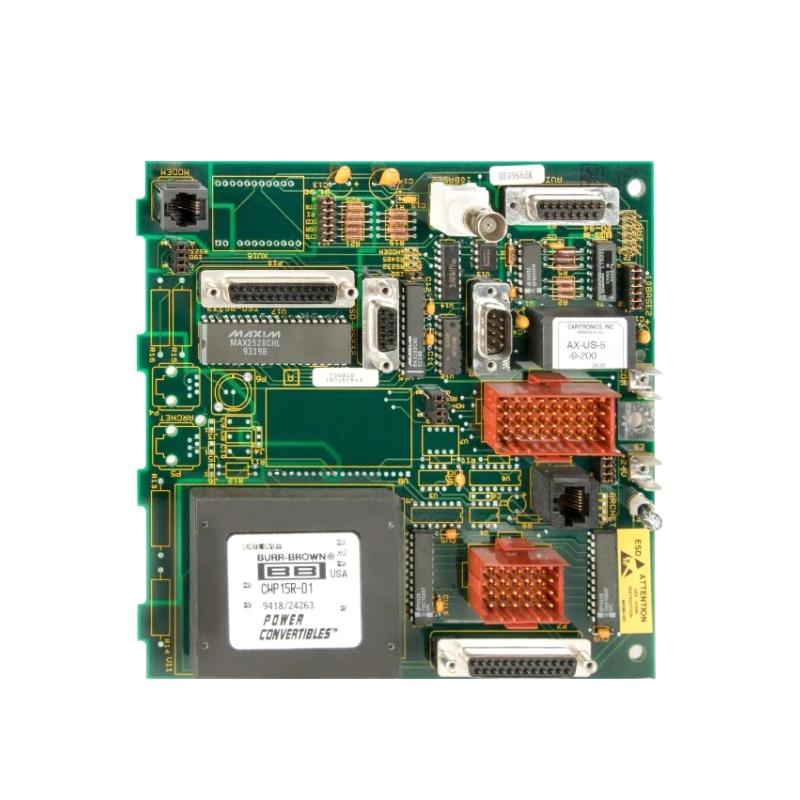
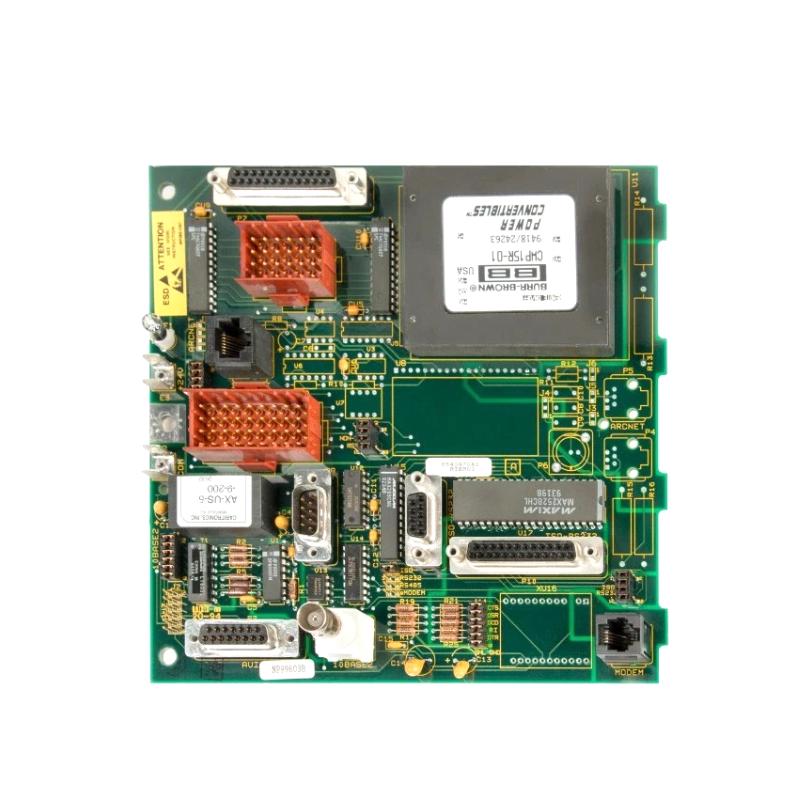
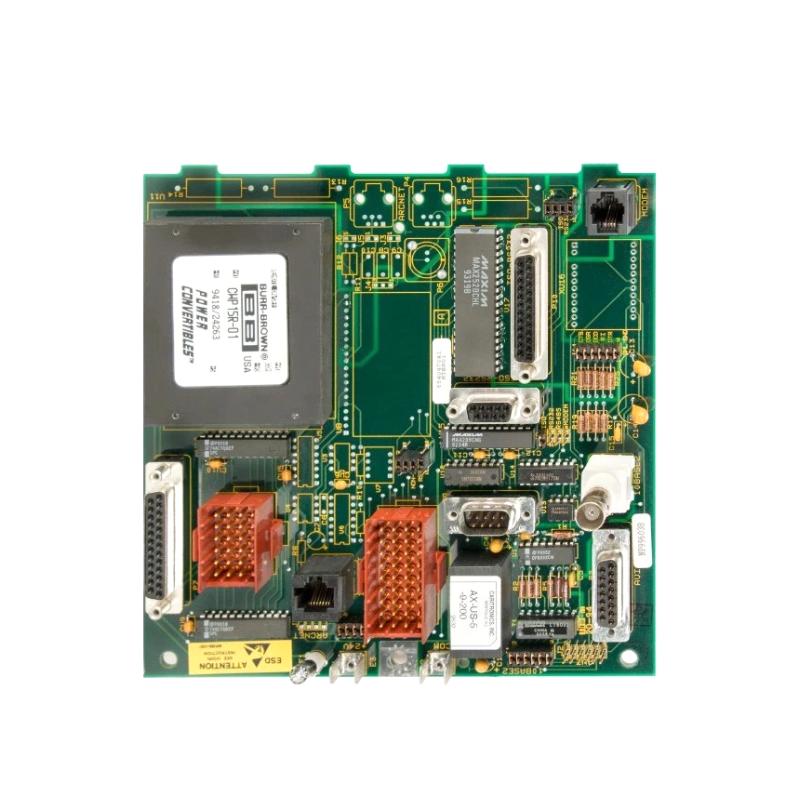
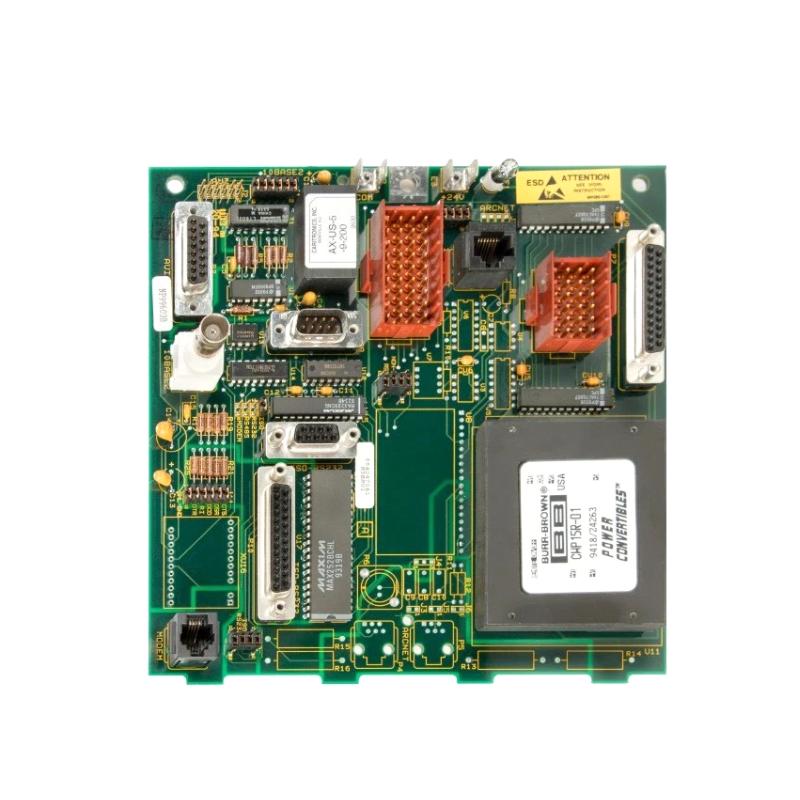
- ABB Bailey
- NTSM01
- Server Module Terminal Unit
- Sweden (SE)
- 230 x 110 x 40 mm
- 0.45 kg
- Xiamen, China
- New & In Stock
- T/T, PayPal, Western Union
- 1 Year
- 1-3 Working Days
- DHL, UPS, TNT, FedEx and EMS.
- 24-Hour Service
- COO
- 6
Our advantage

Global Logistics
We have a 10-year logistics and express cooperation agreement, so our products can be shipped to any place in the world.

Brand new and original
Our products are imported in bulk from the place of origin. Because of the cooperative relationship, our products are all original and 100% new.

24-hour service
We provide 7*24 hours service to our customers. We will be there whenever you need us.

Price advantage
All our products are priced very favorably because we have our own warehouse and supply.
| Company Information | |||
| [email protected] | |||
| Mobile | +8615980777398 | ||
| +8615980777398 | |||
| 15980777398 |
Product Overview
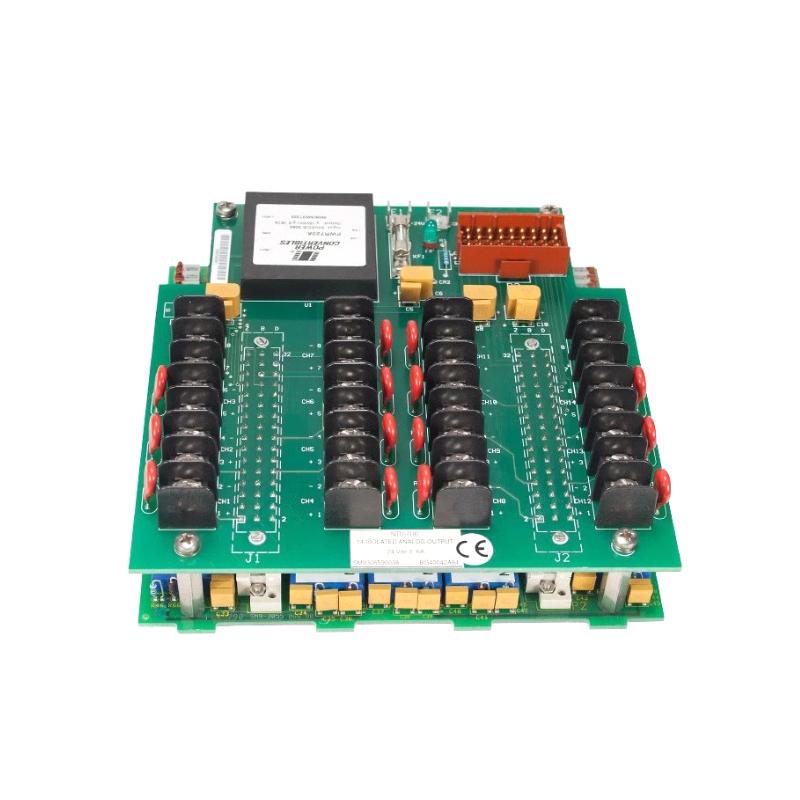
The ABB Bailey NTSM01 Server Module Terminal Unit is a specialized interface component designed for use within compatible ABB Bailey industrial automation and process control systems. As a terminal unit associated with server-module or system-interface equipment, it provides an organized connection point between the applicable module and the surrounding control-system wiring architecture.
In a distributed industrial control environment, terminal units play an important role in organizing electrical connections between modules, field circuits, communication interfaces, and system infrastructure. They help separate connection points from the primary electronic processing hardware, making cabinet wiring easier to identify and maintain.
The ABB Bailey NTSM01 has supplied physical dimensions of 230 × 110 × 40 mm and a weight of 0.45 kg. Its relatively compact construction makes it suitable for integration into industrial cabinets where reliable module interfacing and organized cable management are required.
The NTSM01 should be considered an interface and termination component rather than a standalone server or general-purpose controller. The exact terminal assignments, electrical characteristics, supported module configuration, and system compatibility should be verified against the applicable ABB Bailey documentation and the specific hardware revision before installation.
Technical Specifications
| Parameter | Specification |
|---|---|
| Manufacturer | ABB Bailey |
| Model | NTSM01 |
| Product Type | Server Module Terminal Unit |
| Product Family | ABB Bailey Industrial Control |
| Primary Function | Server-module interface and terminal connection |
| Interface Role | Module-to-system connection |
| Application | Industrial Automation and Process Control |
| Installation | Industrial control cabinet / compatible Bailey system |
| Dimensions | 230 × 110 × 40 mm |
| Weight | 0.45 kg |
| Mounting | Compatible ABB Bailey system architecture |
| Typical Applications | Process control, distributed automation, control-system interfacing |
Exact terminal assignments, electrical ratings, communication characteristics, signal configuration, and supported server-module combinations should be confirmed from the applicable NTSM01 system documentation.
What Is the ABB Bailey NTSM01?
The ABB Bailey NTSM01 Server Module Terminal Unit is an interface component intended to provide structured connections for a compatible server module within an ABB Bailey automation architecture.
The term terminal unit generally refers to hardware that provides organized electrical connection points between an electronic module and the rest of the control system.
In an industrial automation cabinet, a typical architecture may contain:
System Module → Terminal Unit → Wiring / Interface → Control Infrastructure
The terminal unit can simplify the physical connection between the module and associated system wiring while improving accessibility for maintenance and troubleshooting.
The NTSM01 is therefore an important physical interface component, but its actual function depends on the ABB Bailey system in which it is installed.
Server Module Terminal Interface Principle
Module Connection
A server or system-related module may require multiple electrical connections for power, signals, communication, or system interfaces.
The terminal unit provides an organized connection point for these circuits.
This arrangement can reduce wiring complexity and make the relationship between the electronic module and external system connections easier to understand.
Signal Routing
Where supported by the specific system architecture, signals can pass between the associated module and external equipment through the terminal interface.
The general concept is:
System Module → NTSM01 → External Wiring / System Interface
The exact signal path depends on the installed ABB Bailey architecture.
Physical Termination
Terminal units also provide a defined physical location for wiring connections. This is particularly useful in industrial systems where many cables must be installed, labeled, tested, and maintained.
Maintenance Interface
A well-organized terminal interface can allow technicians to inspect and test connections without disturbing unrelated control-system components.
Role in ABB Bailey Industrial Control Systems
The NTSM01 can contribute to the physical infrastructure of a larger ABB Bailey control system.
Industrial automation systems often contain multiple functional layers, including:
- Control processors
- System modules
- I/O modules
- Communication components
- Terminal units
- Power supplies
- Field devices
- Operator interfaces
- Engineering stations
Terminal units provide an important connection layer between these elements.
The NTSM01 can therefore support:
- Module interfacing
- System wiring organization
- Signal termination
- Cable management
- Cabinet integration
- Maintenance access
- Troubleshooting
Its role should always be evaluated in the context of the complete host system.
Importance of Terminal Units in Industrial Automation
Terminal units may appear mechanically simple compared with processors or communication modules, but they are important to overall system reliability.
A poorly organized terminal system can create difficulties such as:
- Difficult signal tracing
- Incorrect wiring
- Longer commissioning time
- More complicated maintenance
- Increased troubleshooting effort
- Greater risk of accidental disconnection
A structured terminal interface helps establish a clear relationship between the system module and its external connections.
This becomes particularly important in large process-control installations where control cabinets may contain extensive wiring.
Integration with Industrial Control Architecture
A representative ABB Bailey control architecture can be visualized as:
Industrial Process
↓
Field Equipment
↓
Field / System Wiring
↓
Terminal Units
↓
I/O and System Modules
↓
Control Processors
↓
Control Network
↓
Operator / Engineering Systems
The NTSM01 Server Module Terminal Unit participates in this physical interface layer.
The terminal unit itself does not replace the processing functions of a controller or server module. Instead, it provides the connection infrastructure required for the associated system hardware.
Industrial Applications
Process Manufacturing
Industrial manufacturing facilities depend on organized control-system cabinets containing processors, I/O modules, interface hardware, and terminal assemblies.
The NTSM01 can form part of this infrastructure in compatible ABB Bailey installations.
Chemical Processing
Chemical plants often contain extensive automation systems with numerous control and monitoring circuits. Properly organized terminal connections can simplify cabinet installation and maintenance.
Power Generation and Utilities
Power and utility installations typically require reliable control-system interfaces for plant equipment, monitoring systems, and distributed control functions.
Water and Wastewater Treatment
Treatment facilities contain pumps, valves, motors, instrumentation, and centralized control equipment. Terminal-interface components help organize system wiring.
Oil and Gas Processing
Large process plants require structured control cabinets with clearly documented and accessible connection points.
General Process Automation
The NTSM01 can be incorporated into compatible ABB Bailey automation architectures where a server-module terminal interface is required.
Installation Guidelines
Verify the Complete Model
Before installation, verify the complete product identification:
ABB Bailey NTSM01
Also confirm the applicable hardware revision and host-system configuration.
Review System Documentation
Terminal units are highly dependent on the equipment they connect to. Before wiring, technicians should confirm:
- Terminal assignments
- Connector configuration
- Associated module
- Cable type
- Wiring diagrams
- Cabinet position
- System configuration
Follow Electrical Safety Procedures
Before accessing the terminal unit or associated wiring, follow the plant’s approved electrical isolation and lockout/tagout procedures.
Label Existing Wiring
Before removing an existing terminal unit, record:
- Wire numbers
- Terminal numbers
- Cable identification
- Signal names
- Module connections
- Cabinet location
This information helps prevent incorrect reconnection.
Cabinet Installation and Space Planning
The supplied physical dimensions of the ABB Bailey NTSM01 are:
230 × 110 × 40 mm
These dimensions should be included when planning cabinet layouts.
The installation area should provide enough space for more than the basic physical envelope of the terminal unit.
Engineers should also consider:
- Cable routing
- Connector clearance
- Terminal accessibility
- Cable bend radius
- Adjacent components
- Ventilation
- Maintenance access
- Cabinet door clearance
The 40 mm dimension should not be treated as the complete required wiring depth if connectors or cables extend beyond the module body.
Cable Management
Effective cable management is particularly important when terminal units are used as interfaces between modules and system wiring.
Cables should be:
- Clearly labeled
- Properly supported
- Routed through suitable cable ducts
- Protected against mechanical damage
- Kept away from unnecessary sources of electrical interference
Avoid excessive mechanical force on terminals and connectors.
Cable bend radius should also be respected according to the cable manufacturer’s requirements.
EMC and Electrical Noise Considerations
Industrial automation cabinets may contain equipment that generates electromagnetic interference.
Common sources include:
- Variable frequency drives
- Motors
- Contactors
- Transformers
- Switching power supplies
- High-current conductors
- Relay circuits
Signal and communication wiring should be routed according to the applicable EMC design requirements.
Good engineering practices include:
- Separating signal and power wiring where practical
- Maintaining proper grounding
- Securing all terminal connections
- Avoiding damaged cables
- Keeping connectors clean
- Following applicable shielding requirements
The exact grounding and shielding arrangement should be determined from the complete ABB Bailey system design.
Commissioning Procedure
After installation, the NTSM01 should be verified as part of the complete system.
Step 1: Mechanical Inspection
Confirm that the terminal unit is securely installed and free from visible physical damage.
Step 2: Wiring Verification
Compare each connection with the approved wiring diagram.
Step 3: Connector Inspection
Verify that all connectors are correctly positioned and securely seated.
Step 4: Module Verification
Confirm that the associated server or system module is correctly installed and compatible with the terminal unit.
Step 5: System Power-Up
Restore power according to the approved commissioning procedure.
Step 6: Signal Verification
Check the relevant signals or system interfaces associated with the terminal unit.
Step 7: Diagnostic Review
Review system diagnostics for abnormal conditions or communication/interface errors.
Step 8: Documentation
Record the completed installation and update maintenance records.
Troubleshooting the NTSM01
Troubleshooting should begin with the complete connection path rather than assuming that the terminal unit itself has failed.
No Communication or System Response
If an associated module does not communicate or respond correctly, inspect:
- Module installation
- Terminal-unit connections
- Cable condition
- Connector seating
- Power supply
- Associated interface hardware
- System configuration
- Control-system diagnostics
Intermittent Operation
Intermittent behavior can be caused by:
- Loose terminals
- Poor connector contact
- Cable damage
- Vibration
- Moisture
- Electrical interference
- Power instability
- Hardware connection problems
Physical inspection should be combined with system diagnostics.
Incorrect Signal
If a connected signal is incorrect, check:
- Terminal assignment
- Cable identification
- Wiring polarity where applicable
- Associated module
- Configuration
- External field equipment
- Connector condition
Incorrect wiring can easily produce symptoms that resemble a hardware failure.
Module Not Recognized
If the associated module is not recognized by the control system, inspect:
- Module seating
- Terminal connections
- Associated backplane or interface
- Power
- Communication path
- System configuration
- Hardware compatibility
Preventive Maintenance
Inspect Terminals
Periodically check accessible terminal connections for looseness, contamination, corrosion, or mechanical damage.
Check Cables
Inspect cables for:
- Abrasion
- Damaged insulation
- Loose conductors
- Moisture ingress
- Excessive bending
- Mechanical stress
Inspect Connectors
Connectors should remain clean, dry, and properly seated.
Monitor System Diagnostics
System diagnostics can help identify developing communication or interface problems before they become major failures.
Maintain Cabinet Conditions
The control cabinet should be protected against excessive dust, moisture, heat, and vibration.
Keep Documentation Current
Updated wiring drawings and system documentation are essential for effective maintenance.
Replacement and Spare-Part Planning
When sourcing a replacement ABB Bailey NTSM01, technicians should verify the complete model designation and its intended system application.
Important replacement information includes:
- Model number
- Hardware revision
- Associated server/system module
- Terminal arrangement
- Connector configuration
- Cable configuration
- Cabinet position
- Host-system architecture
The supplied physical specifications are:
Dimensions: 230 × 110 × 40 mm
Weight: 0.45 kg
These values can be useful for:
- Cabinet planning
- Inventory management
- Spare-parts storage
- Shipping
- Handling
- Replacement preparation
A visually similar terminal unit should not automatically be considered an interchangeable replacement.
Compatible System Components
The NTSM01 can operate as part of a broader ABB Bailey control-system architecture.
| System Component | Typical Function |
|---|---|
| Server / System Module | Provides system-level processing or interface functions |
| NTSM01 Terminal Unit | Provides module/system termination |
| I/O Modules | Process field signals |
| Control Processor | Executes control logic |
| Communication Modules | Transfer system information |
| Backplane / Mounting Infrastructure | Provides module interconnection |
| Power Supply Components | Provide system power |
| Field Devices | Monitor or control the industrial process |
| HMI | Displays process and equipment information |
| Engineering Station | Supports configuration and diagnostics |
| Control Network | Provides system communication |
The exact component relationships depend on the installed ABB Bailey architecture.
Recommended Related ABB Bailey Components
| Component Category | General Function |
|---|---|
| ABB Bailey Server/System Modules | System-level processing and interface functions |
| ABB Bailey I/O Modules | Field signal processing |
| ABB Bailey Terminal Units | Field and system signal termination |
| ABB Bailey Control Processors | Control logic |
| ABB Bailey Communication Modules | Network communication |
| ABB Bailey Backplanes | Module interconnection |
| ABB Bailey Power Components | System power distribution |
| ABB Bailey Operator Interfaces | Process monitoring and operation |
Compatibility should always be confirmed against the actual host-system configuration.
Engineering Best Practices
Verify the Interface Before Wiring
Do not rely only on the external appearance of the terminal unit. Confirm the terminal configuration and associated module.
Maintain Accurate Labels
Every cable and terminal should have a clear identification that matches the engineering documentation.
Keep Wiring Organized
Use appropriate cable ducts, supports, and separation practices to maintain a clean cabinet layout.
Protect Connectors
Avoid unnecessary mechanical stress when installing or removing connected cables.
Maintain Spare Hardware
Critical process-control systems may require spare terminal units and associated modules to support maintenance planning.
Test After Replacement
After installing an NTSM01, verify the associated system functions before returning the equipment to normal operation.
Key Advantages
Structured Module Interface
The ABB Bailey NTSM01 provides a dedicated terminal interface for compatible server-module and control-system configurations.
Compact Construction
The supplied 230 × 110 × 40 mm dimensions allow the unit to be incorporated into industrial cabinet layouts.
Organized Wiring
A dedicated terminal interface helps provide a structured arrangement for system connections.
Maintenance Accessibility
Organized termination can make inspection and signal tracing easier for maintenance personnel.
Industrial Automation Integration
The NTSM01 can form part of a larger ABB Bailey process-control architecture.
Support for System Reliability
Properly installed and maintained terminal interfaces contribute to dependable connections between system modules and external wiring.
Technical FAQs
What is the ABB Bailey NTSM01?
The ABB Bailey NTSM01 is a Server Module Terminal Unit designed to provide an organized interface between compatible server/system modules and associated control-system wiring.
What is the primary purpose of a terminal unit?
A terminal unit provides structured connection points for electrical signals, system interfaces, and associated wiring. It helps separate module connections from more complex cabinet wiring.
What are the dimensions of the NTSM01?
The supplied dimensions are 230 × 110 × 40 mm.
How much does the NTSM01 weigh?
The supplied weight is 0.45 kg.
Is the NTSM01 a server?
No. Despite its product designation as a Server Module Terminal Unit, the NTSM01 is a terminal/interface component rather than a standalone server computer.
Can the NTSM01 operate independently?
The NTSM01 should be considered part of a compatible ABB Bailey system architecture. Its operation depends on the associated modules and system configuration.
What should be checked before installing an NTSM01?
Technicians should verify the model, hardware revision, associated module, terminal assignments, connectors, wiring, cabinet location, and host-system configuration.
What can cause an NTSM01-related connection problem?
Potential causes include loose terminals, incorrect wiring, damaged cables, poor connector contact, power problems, configuration errors, electrical interference, or faults in associated equipment.
How should the NTSM01 be maintained?
Maintenance should include inspection of terminals, connectors, cables, cabinet conditions, associated modules, and system diagnostics.
Can another ABB Bailey terminal unit replace the NTSM01?
A different terminal unit should not be assumed to be interchangeable. Compatibility must be confirmed using the complete system configuration and applicable engineering documentation.
Conclusion
The ABB Bailey NTSM01 Server Module Terminal Unit is a specialized interface component designed to support organized connections between compatible server/system modules and the wider ABB Bailey control-system architecture. By providing a structured termination point, it can help simplify cabinet wiring, system integration, commissioning, maintenance, and troubleshooting.
Terminal units are an important part of industrial automation infrastructure because reliable system operation depends not only on controllers and I/O modules but also on the quality and organization of their physical connections. The NTSM01 can contribute to this interface layer by providing a dedicated connection arrangement for compatible ABB Bailey equipment.
The supplied physical dimensions of the ABB Bailey NTSM01 are 230 × 110 × 40 mm, with a supplied weight of 0.45 kg. These specifications are useful for cabinet layout, spare-parts management, shipping, handling, and replacement planning.
For installation or replacement, the complete NTSM01 identification should be verified together with the associated module, terminal configuration, hardware revision, wiring arrangement, and host ABB Bailey system. Proper labeling, secure connections, appropriate cable management, systematic commissioning, and regular inspection can help maintain reliable operation of the terminal interface in industrial control environments.