

ProductPRODUCT
Featured products
Contact Us
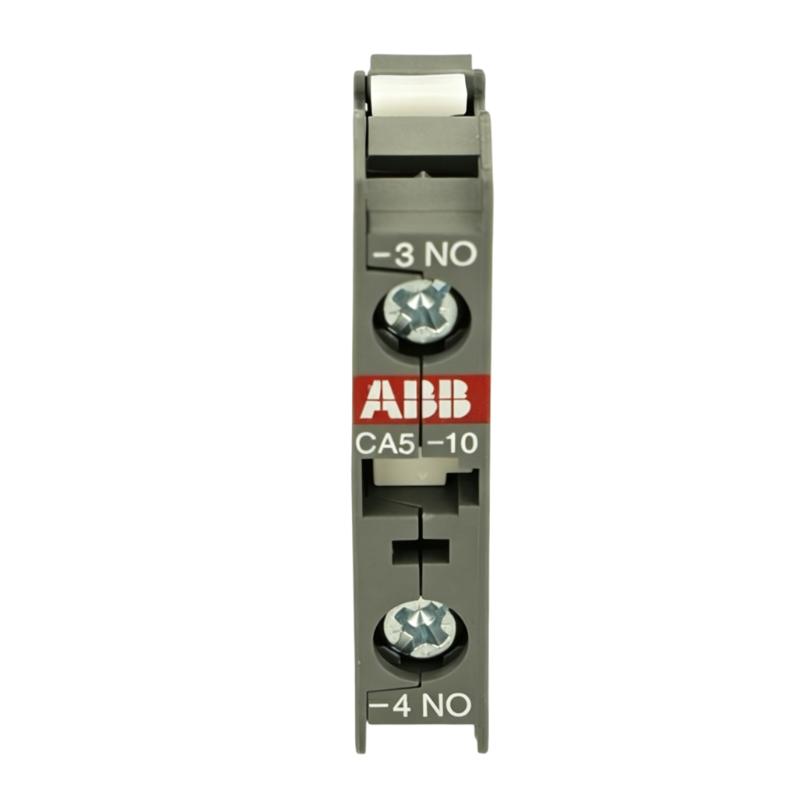
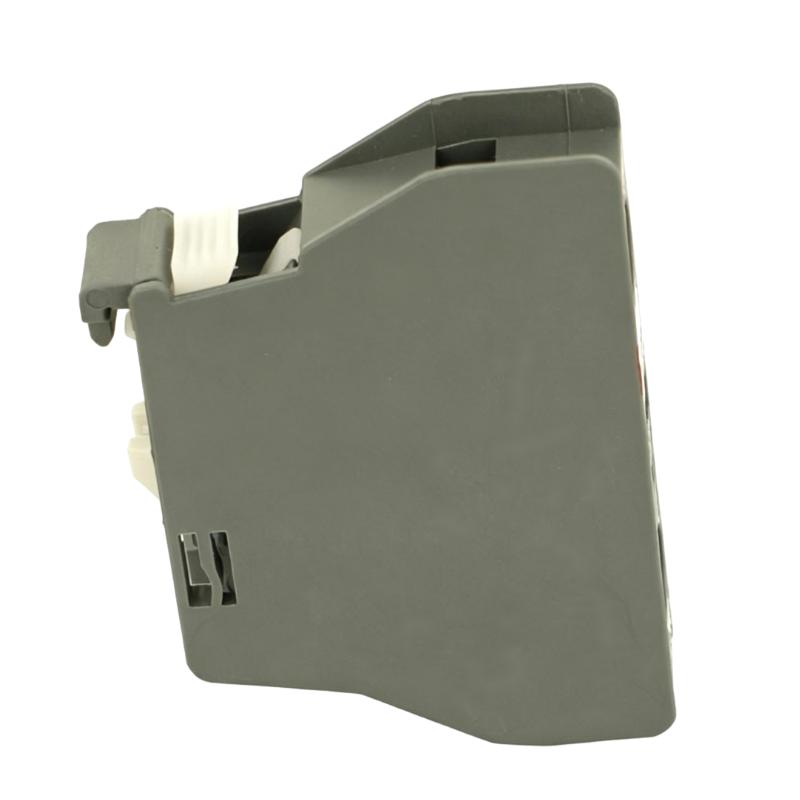
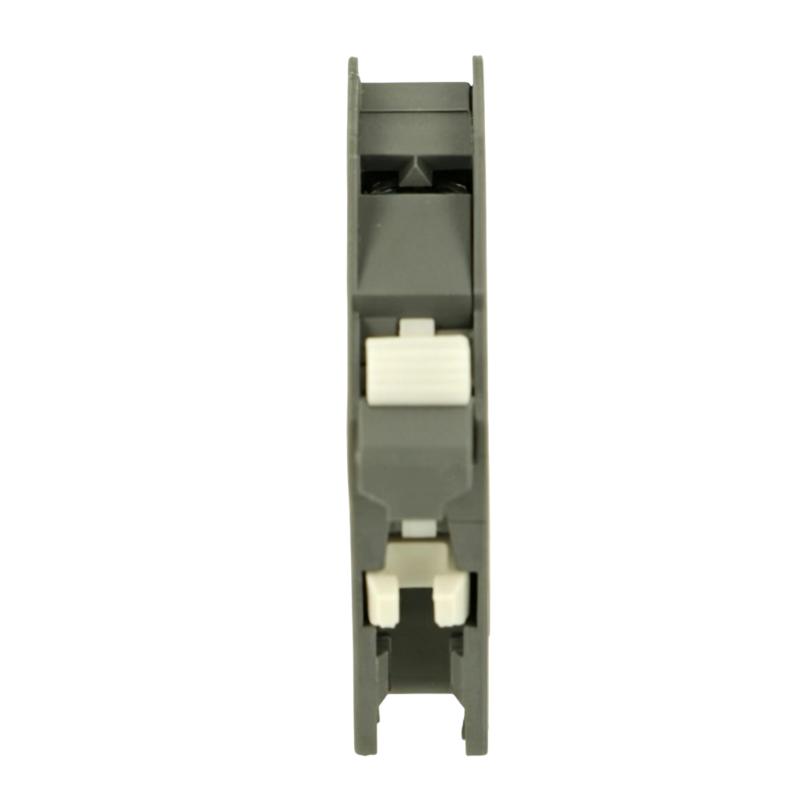
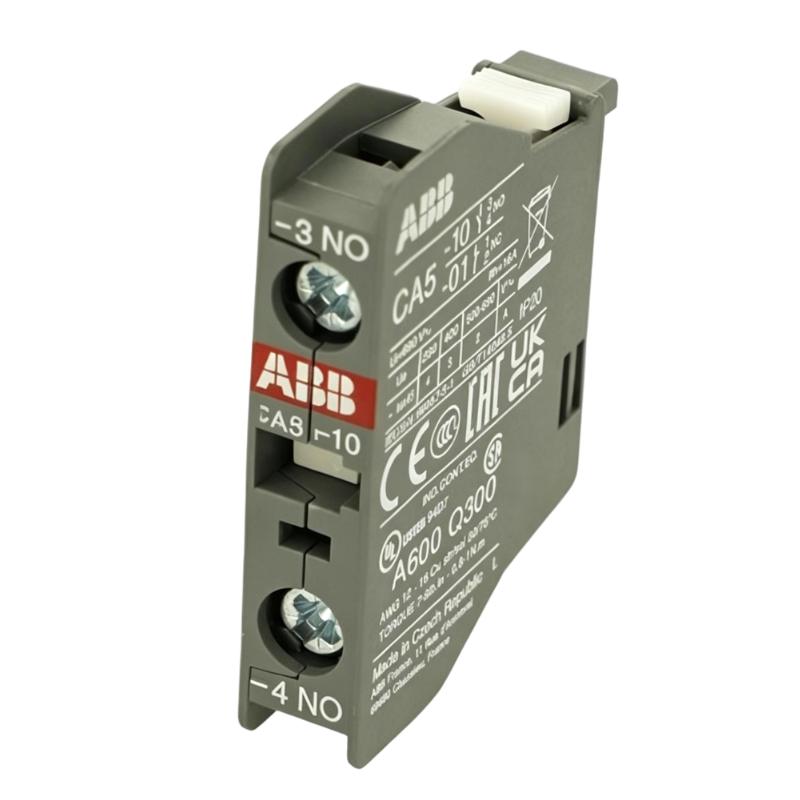
- ABB
- CA5-10 1SBN010010R1010
- Auxiliary Contact Block
- Sweden (SE)
- 47 × 11 × 32.5 mm
- 0.012 kg
- Xiamen, China
- New & In Stock
- T/T, PayPal, Western Union
- 1 Year
- 1-3 Working Days
- DHL, UPS, TNT, FedEx and EMS.
- 24-Hour Service
- COO
- 20
Our advantage

Global Logistics
We have a 10-year logistics and express cooperation agreement, so our products can be shipped to any place in the world.

Brand new and original
Our products are imported in bulk from the place of origin. Because of the cooperative relationship, our products are all original and 100% new.

24-hour service
We provide 7*24 hours service to our customers. We will be there whenever you need us.

Price advantage
All our products are priced very favorably because we have our own warehouse and supply.
| Company Information | |||
| [email protected] | |||
| Mobile | +8615980777398 | ||
| +8615980777398 | |||
| 15980777398 |
Product Overview
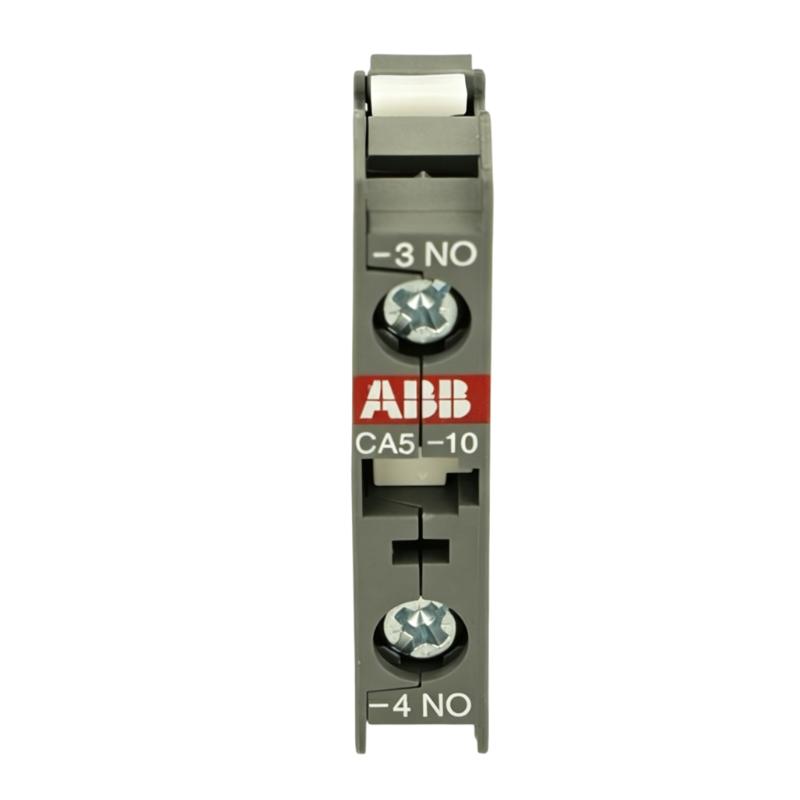
The ABB CA5-10 1SBN010010R1010 Auxiliary Contact Block is an auxiliary contact accessory used with compatible ABB contactors and control devices. It adds an electrical auxiliary contact to the main switching device, allowing the contactor status to be monitored or incorporated into control and interlocking circuits.
The CA5-10 configuration is commonly used where an additional normally open auxiliary contact is required for signaling, control logic, contactor interlocking, or status feedback. The auxiliary contact operates mechanically with the associated contactor, so its electrical state changes as the main device changes state.
This type of accessory is useful in motor starters, industrial control panels, machine control circuits, and other applications where the operating state of a contactor needs to be transferred to another part of the control system.
Technical Specifications
| Parameter | Details |
|---|---|
| Model | CA5-10 |
| Ordering Code | 1SBN010010R1010 |
| Brand | ABB |
| Product Type | Auxiliary Contact Block |
| Contact Configuration | 1 Normally Open Auxiliary Contact |
| Function | Auxiliary Signaling and Control |
| Application | Contactor and Motor Control Circuits |
| Dimensions | 47 × 11 × 32.5 mm |
| Weight | 0.012 kg |
Product Features
- Auxiliary Contact Expansion: Adds an additional auxiliary contact to a compatible ABB contactor.
- Normally Open Contact: Provides an auxiliary switching path for control and signaling circuits.
- Contactor Status Feedback: Allows the operating state of the main contactor to be monitored.
- Control Circuit Integration: Can be incorporated into interlocking, indication, and sequencing circuits.
- Compact Accessory: Occupies limited space within the contactor assembly.
- Mechanical Actuation: Auxiliary contact operation follows the associated contactor movement.
- Industrial Control Applications: Suitable for motor starters, control panels, and machine automation.
- Easy Accessory Integration: Intended for use as part of a compatible ABB contactor accessory system.
Working Principle
The CA5-10 auxiliary contact block operates through the mechanical movement of the contactor to which it is attached.
When the associated contactor changes state, its mechanical movement actuates the auxiliary contact mechanism. In the normal condition, the normally open auxiliary contact remains open. When the contactor operates, the auxiliary contact closes and provides an electrical path for the connected control or indication circuit.
The auxiliary contact does not carry the main motor load. Instead, it transfers the contactor’s operating state to control components such as PLC inputs, indicator circuits, interlocking relays, timers, or other control devices.
Contactor Coil Command → Contactor Operation → Mechanical Actuation → CA5-10 Auxiliary Contact → Control / Status Circuit
Role in an ABB Contactor Control Architecture
| System Element | Function |
|---|---|
| ABB Contactor | Switches the main electrical load |
| CA5-10 Auxiliary Contact Block | Provides auxiliary status and control contact |
| Contactor Coil | Receives the control command that operates the contactor |
| Motor Protection Device | Provides motor overload and protection functions |
| Circuit Breaker / Fuse | Provides upstream short-circuit protection |
| PLC Output | Sends the contactor operating command |
| PLC Input | Can receive auxiliary contact status feedback |
| Control Relay | Provides additional control or interlocking logic |
| Indicator Lamp | Displays contactor or equipment status |
| Emergency Stop Circuit | Interrupts control operation when required |
| Motor | Receives power through the main contactor |
| Control Power Supply | Supplies the contactor and control circuit |
Industrial Applications
| Application | Typical Use |
|---|---|
| Motor Starters | Provides contactor status feedback and control logic |
| Industrial Control Panels | Adds auxiliary signaling to contactor circuits |
| Machine Automation | Supports machine sequencing and interlocking |
| Conveyor Systems | Provides motor contactor status information |
| Pump Control | Used for contactor feedback and control circuits |
| HVAC Equipment | Supports fan, pump, and compressor contactor control |
| Material Handling | Provides auxiliary switching for motor control |
| Production Machinery | Supports contactor-based equipment sequencing |
| Electrical Distribution | Provides auxiliary indication of switching-device status |
| Automated Equipment | Interfaces contactor status with PLC control systems |
Installation and Maintenance
- Verify Compatibility: Confirm that CA5-10 is compatible with the specific ABB contactor or switching device before installation.
- Isolate the Circuit: Disconnect control and power circuits before installing or servicing the auxiliary contact block.
- Inspect the Contact Block: Check the housing and contact mechanism for visible damage.
- Check Mounting Position: Ensure the accessory is installed in the correct position on the compatible contactor.
- Secure the Assembly: Confirm that the auxiliary contact block is firmly seated and mechanically engaged.
- Check Wiring: Verify that control wires are connected to the correct auxiliary contact terminals.
- Inspect Terminal Connections: Make sure terminal connections are secure and free from corrosion.
- Test Contact Operation: Operate the associated contactor and verify that the auxiliary contact changes state correctly.
- Check Feedback Signals: If connected to a PLC, confirm that the corresponding input changes correctly.
- Monitor for Contact Problems: Investigate intermittent feedback, failure to switch, or abnormal contact resistance.
- Keep the Panel Clean: Prevent dust and conductive contamination from accumulating around the contactor assembly.
- Record Replacement: Document accessory replacement and functional testing during maintenance.
Related Components
| Component | Function |
|---|---|
| ABB Contactor | Main switching device for electrical loads |
| ABB Motor Protection Circuit Breaker | Provides motor protection |
| ABB Overload Relay | Provides overload protection |
| ABB Contactor Coil | Operates the contactor |
| Auxiliary Contact Block | Provides additional control contacts |
| Control Relay | Extends control and interlocking functions |
| PLC Digital Input | Receives contactor status feedback |
| PLC Digital Output | Provides contactor control command |
| Indicator Lamp | Displays equipment or contactor status |
| Control Transformer / Power Supply | Supplies the control circuit |
| Terminal Block | Provides control wiring connections |
| Motor | Controlled electrical load |
Recommended Related Models
| Model | Product Type / Application |
|---|---|
| ABB CA5-10 1SBN010010R1010 | Auxiliary Contact Block |
| ABB CA5-01 | Auxiliary Contact Block |
| ABB CA5-22 | Auxiliary Contact Block |
| ABB CA5-31 | Auxiliary Contact Block |
| ABB CA5-40 | Auxiliary Contact Block |
| ABB AF Series Contactors | Industrial Contactor |
| ABB A Series Contactors | Industrial Contactor |
| ABB TA Series Overload Relays | Motor Overload Protection |
Key Advantages
- Adds auxiliary switching capability to compatible ABB contactors.
- Provides normally open contact feedback.
- Supports contactor status monitoring.
- Useful for interlocking and control logic.
- Fits compact industrial control assemblies.
- Simplifies integration of contactor status into PLC circuits.
Technical FAQs
What is the function of the ABB CA5-10 auxiliary contact block?
It provides an additional auxiliary contact for compatible ABB contactors, allowing contactor status to be used in control, signaling, feedback, or interlocking circuits.
Is the CA5-10 auxiliary contact used to switch the main motor load?
No. The auxiliary contact is intended for control and signaling functions rather than switching the main motor power circuit. The main contactor contacts handle the primary load.
How can the CA5-10 be used with a PLC?
The auxiliary contact can be wired to a PLC digital input to provide feedback indicating whether the associated contactor has operated. The PLC program can then use this signal for sequencing, monitoring, or fault detection.
What should be checked if the auxiliary contact status does not change?
Check the accessory mounting, mechanical engagement with the contactor, terminal wiring, contact condition, and PLC input signal. The associated contactor should also be checked to ensure that its mechanical movement is normal.