

ProductPRODUCT
Featured products
Contact Us
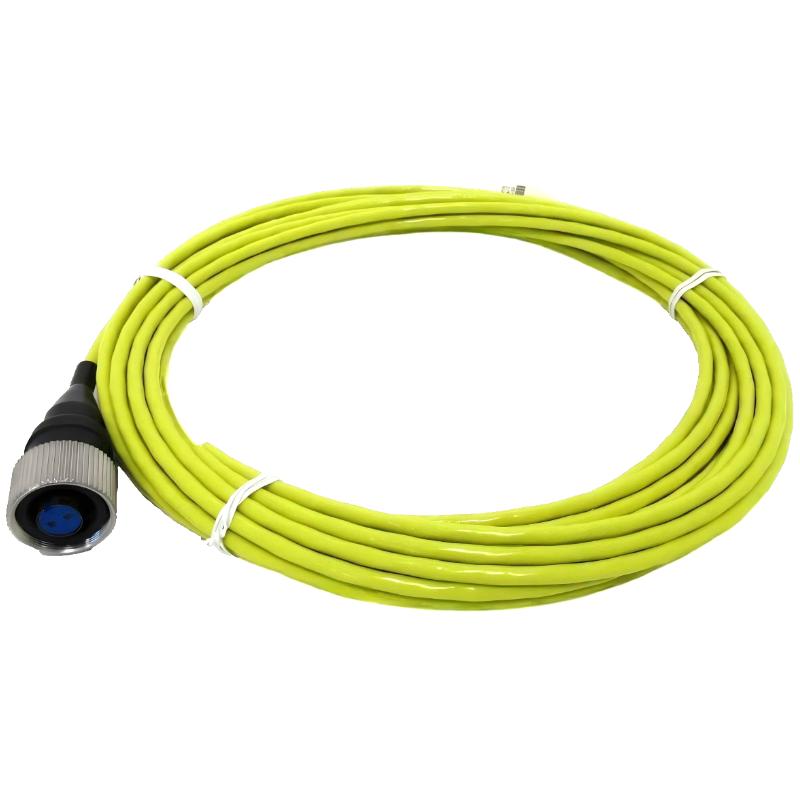
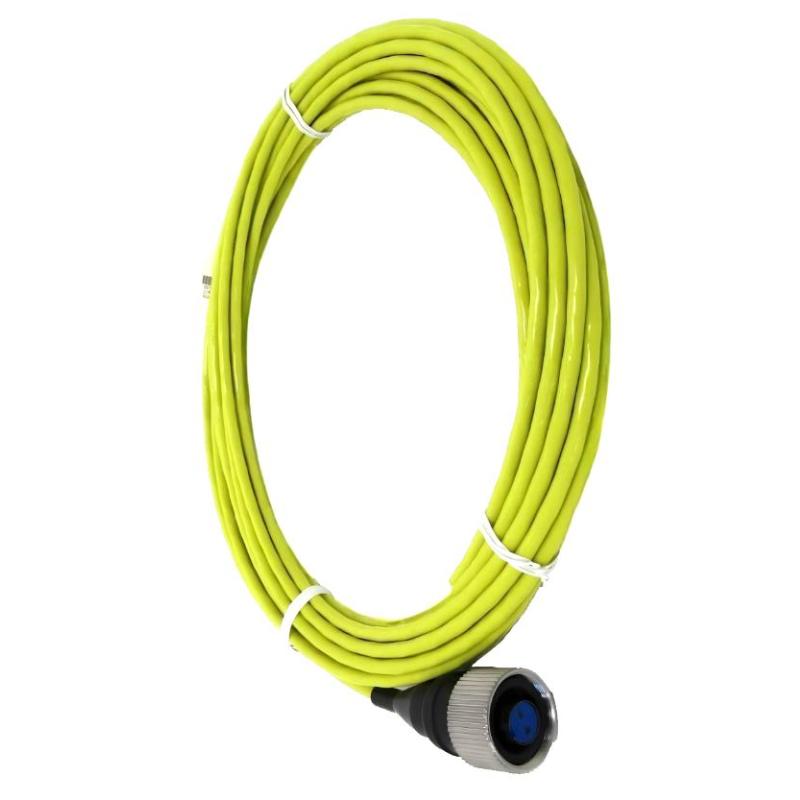
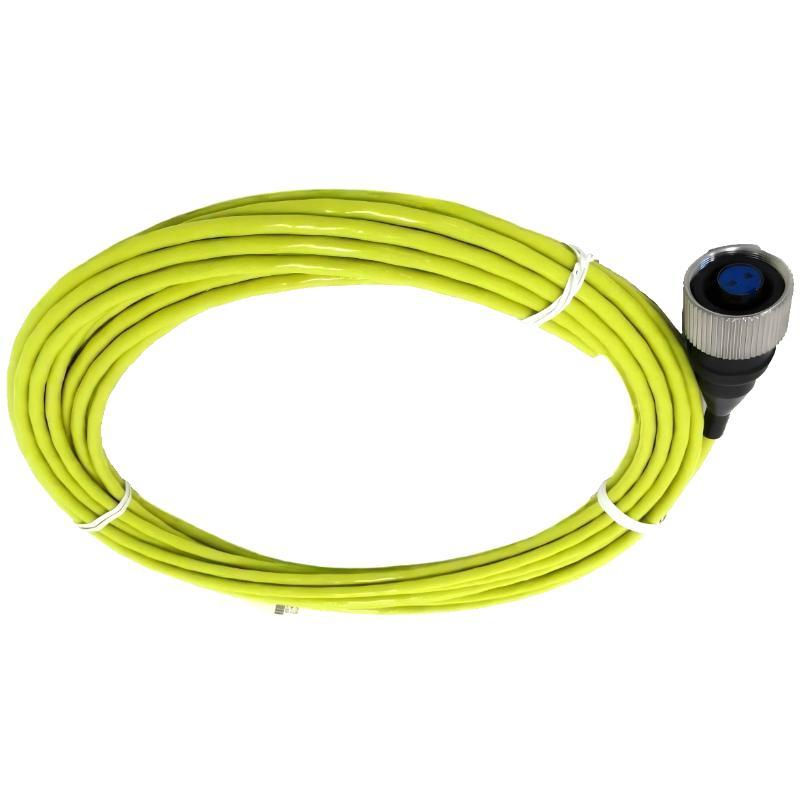
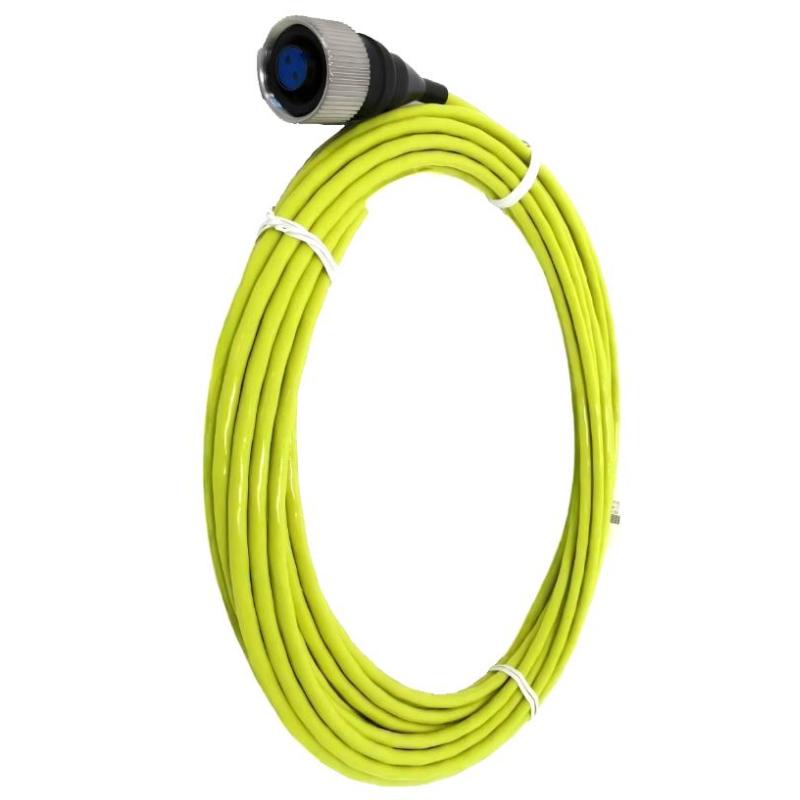
- Bently Nevada
- CB2W100-32
- Interconnect Cable
- USA
- 32 feet
- 3 kg
- Xiamen, China
- New & In Stock
- T/T, PayPal, Western Union
- 1 Year
- 1-3 Working Days
- DHL, UPS, TNT, FedEx and EMS.
- 24-Hour Service
- COO
- 42
Our advantage

Global Logistics
We have a 10-year logistics and express cooperation agreement, so our products can be shipped to any place in the world.

Brand new and original
Our products are imported in bulk from the place of origin. Because of the cooperative relationship, our products are all original and 100% new.

24-hour service
We provide 7*24 hours service to our customers. We will be there whenever you need us.

Price advantage
All our products are priced very favorably because we have our own warehouse and supply.
| Company Information | |||
| [email protected] | |||
| Mobile | +8615980777398 | ||
| +8615980777398 | |||
| 15980777398 |
Product Overview
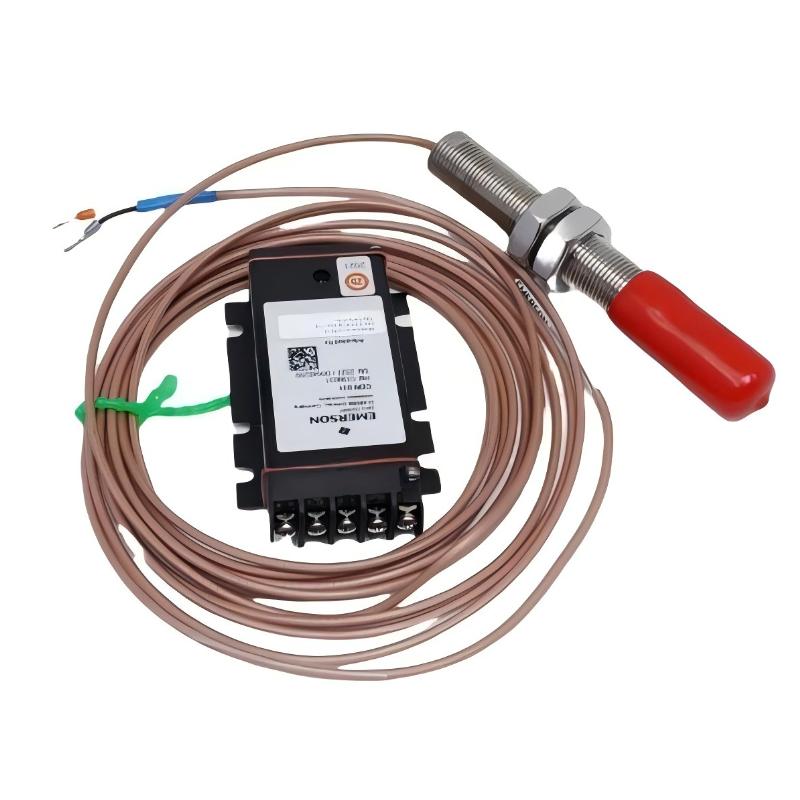
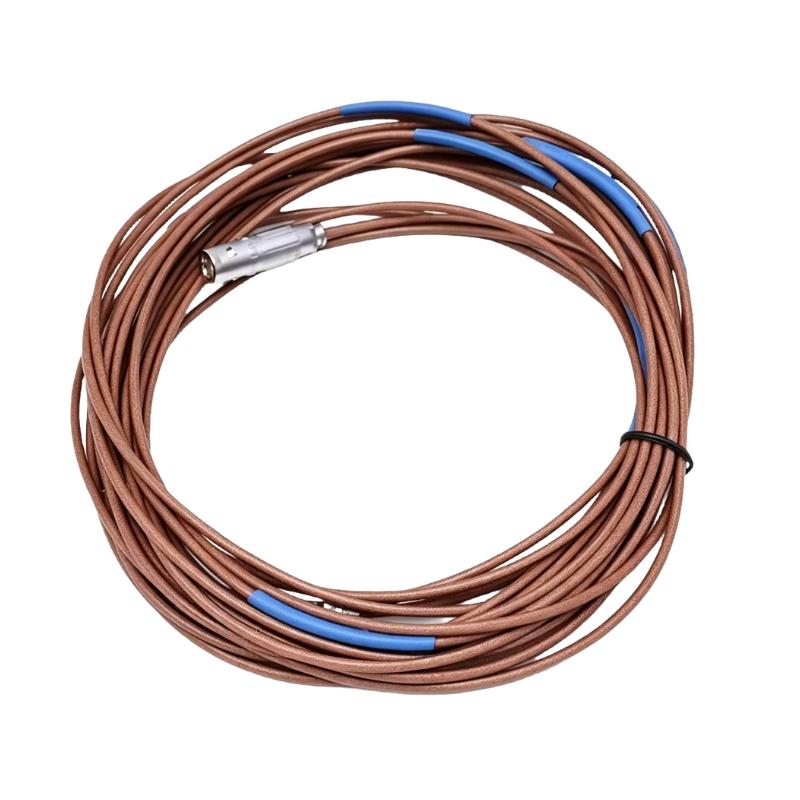
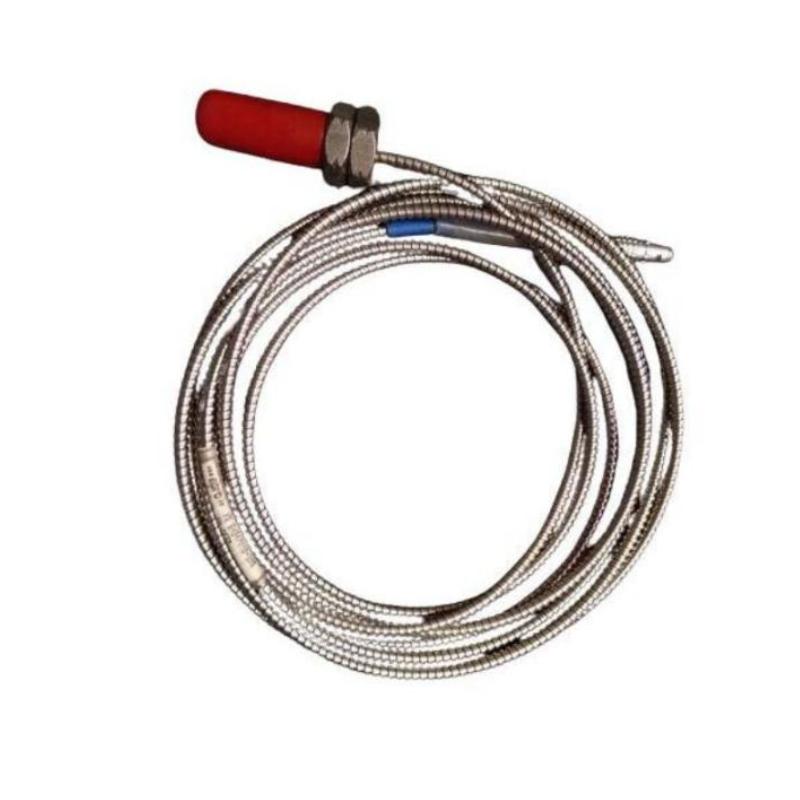
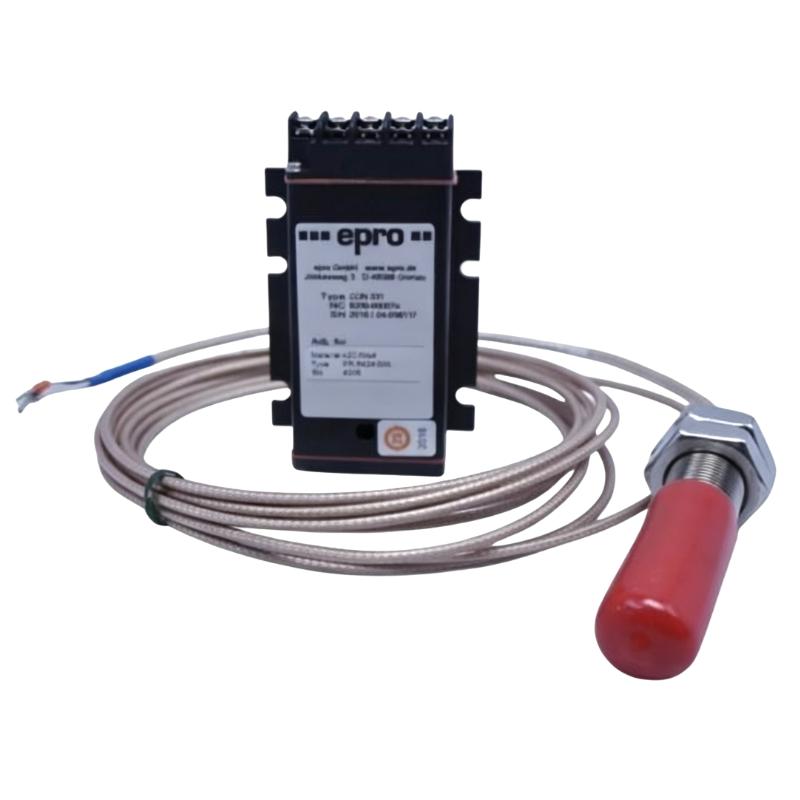
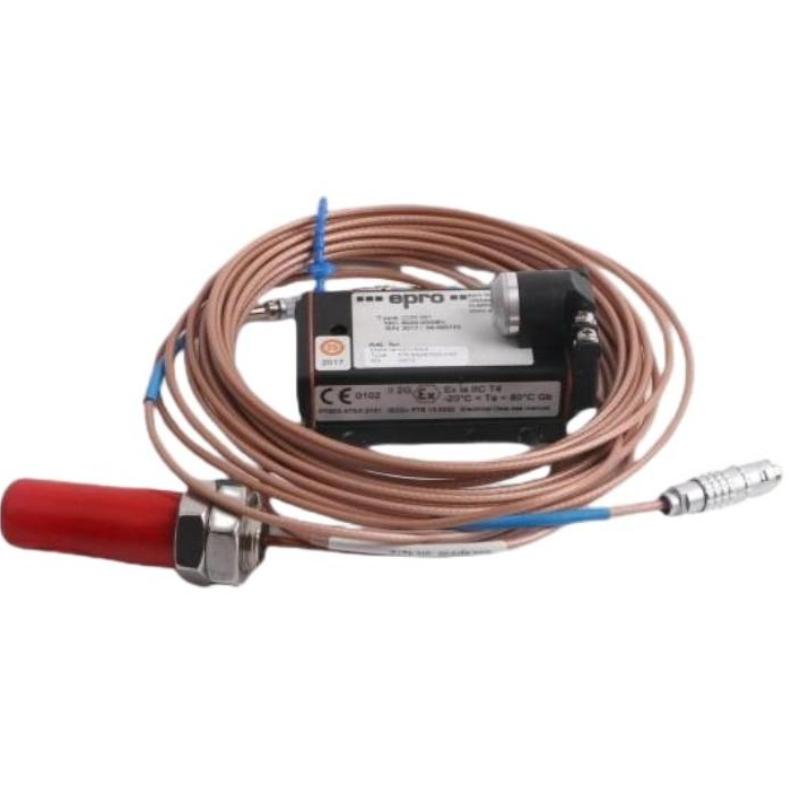
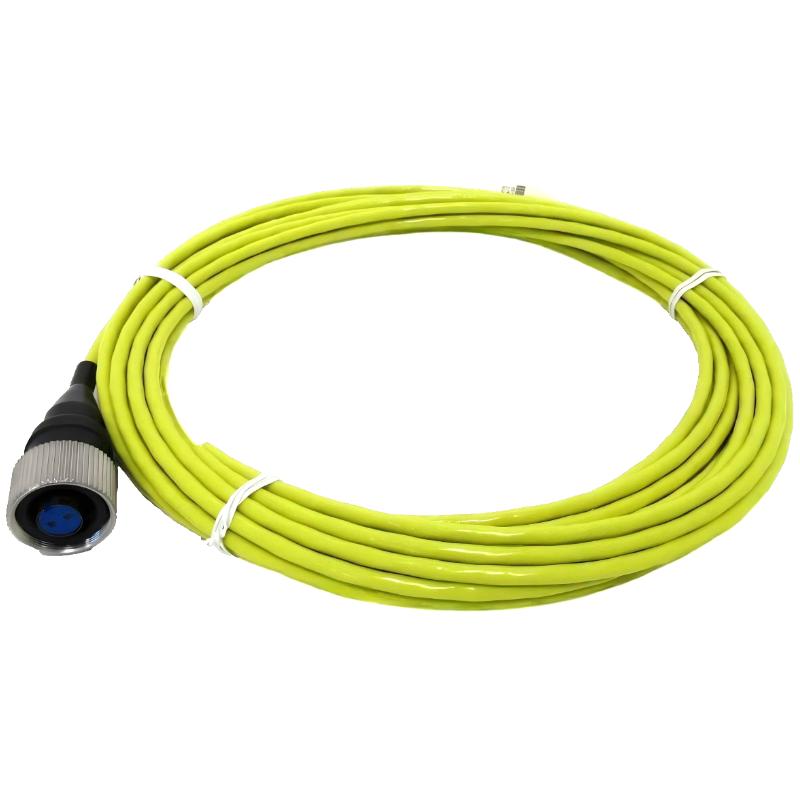
The Bently Nevada CB2W100-32 is a 2300 Series interconnect cable used to connect compatible components within a machinery monitoring installation. It forms part of the electrical signal path between field instrumentation and the associated monitoring equipment.
The cable is suited to applications where the sensing point and monitoring hardware are separated by a moderate cable route. It can be used around pumps, motors, compressors, fans, and other rotating equipment where vibration or machinery-condition measurements need to be transferred from field devices to monitoring electronics.
The CB2W100-32 serves as a connection component rather than a measurement or processing device. It carries the electrical signal generated by the associated sensing equipment to the compatible monitoring channel, allowing the monitoring system to receive and evaluate the machine-condition information.
Cable condition is important during troubleshooting. A damaged conductor, loose connection, or mechanically stressed termination can interrupt the signal and produce symptoms that may initially appear to be a sensor or monitoring-module problem.
Technical Specifications
| Parameter | Specification |
|---|---|
| Manufacturer | Bently Nevada |
| Model | CB2W100-32 |
| Product Family | 2300 Series |
| Product Type | Interconnect Cable |
| Primary Function | Signal interconnection between compatible monitoring components |
| System Role | Monitoring signal connection |
| Application | Machinery vibration and condition monitoring |
| Cable Length | 32 feet |
| Shipping Weight | 3 kg |
Product Features
- 2300 Series interconnect cable for compatible Bently Nevada equipment.
- Provides an electrical connection between field and monitoring components.
- 32-foot cable length for distributed machinery monitoring installations.
- Suitable for vibration and condition-monitoring signal transmission.
- Can connect field sensing equipment with associated monitoring electronics.
- Applicable to rotating machinery monitoring systems.
- Useful for replacement of damaged or aged monitoring cables.
- Supports organized cable routing between machinery and monitoring equipment.
Working Principle
The CB2W100-32 operates as the electrical connection within a compatible monitoring channel. A measurement signal produced by the connected field equipment travels through the cable to the corresponding 2300 Series monitoring device.
Field Sensor / Interface → CB2W100-32 → 2300 Series Monitoring Equipment → Monitoring / Alarm System
The cable itself does not detect vibration or process the machine condition. Its function is to maintain signal continuity between the connected components. The electrical integrity of the conductors and the quality of both terminations therefore influence the performance of the overall monitoring channel.
If the cable or its connection develops an intermittent fault, the monitoring system may show unstable readings, signal loss, or other abnormal indications even though the sensor and monitoring unit remain operational.
Role in a Bently Nevada 2300 Series Monitoring Architecture
The CB2W100-32 forms the connection stage between the field-side sensing equipment and the 2300 Series monitoring hardware. Its cable length allows the monitoring equipment to be positioned separately from the machine-side instrumentation while maintaining the required signal path.
Rotating Machinery → Sensor / Field Interface → CB2W100-32 → 2300 Series Monitor → Alarm / Control System
| System Element | Function |
|---|---|
| Rotating Machinery | Generates the physical condition being monitored |
| Sensor / Field Interface | Detects vibration or machine-related information |
| CB2W100-32 | Transfers the measurement signal |
| 2300 Series Monitor | Receives and evaluates the monitoring signal |
| Alarm / Control System | Provides configured indication or response |
The cable should be considered part of the complete signal path when diagnosing abnormal monitoring behavior.
Industrial Applications
| Application | Typical Use |
|---|---|
| Pump Condition Monitoring | Connecting field sensing equipment to monitoring hardware |
| Motor Monitoring | Signal transmission between field and monitor |
| Compressor Monitoring | Vibration-related measurement signal connection |
| Fan and Blower Monitoring | Interconnection of machinery monitoring components |
| Industrial Rotating Equipment | Field signal routing to monitoring equipment |
| Machinery Protection | Connection within configured monitoring channels |
Installation and Maintenance
- Confirm that the CB2W100-32 is suitable for the intended 2300 Series monitoring configuration.
- Identify the cable endpoints and associated equipment before removing an existing cable.
- Inspect the cable and connectors for visible damage before installation.
- Verify that each connector is matched to the correct connection point.
- Route the cable along a protected path that minimizes mechanical stress.
- Avoid sharp edges, excessive pulling, crushing, and unnecessary bending.
- Keep the cable away from avoidable sources of electrical interference where practical.
- Secure the cable so that equipment vibration does not continuously load the termination points.
- Confirm that both ends are fully seated and mechanically secure.
- Check the associated monitoring channel for stable signal transmission after installation.
- If the signal becomes intermittent, inspect the cable, connectors, sensor, and monitoring input as one complete path.
- After replacement, perform a functional check of the affected 2300 Series monitoring channel before returning the equipment to normal operation.
Compatible System Components
| Component | Function |
|---|---|
| Bently Nevada 2300 Series Monitor | Receives and evaluates machinery monitoring signals |
| Compatible Bently Nevada Sensor | Detects vibration or machine-condition information |
| Sensor Interface / Driver | Provides the required sensor-side interface |
| Monitoring Input Channel | Receives the transmitted measurement signal |
| Machinery Alarm System | Indicates configured abnormal conditions |
| Control System | Uses monitoring information for equipment response |
Recommended Related Models
| Model / Product Family | Product Type | Typical Application |
|---|---|---|
| Bently Nevada CB2W Series | Interconnect Cable | 2300 Series signal interconnection |
| Bently Nevada CB2W100-15 | 2300 Series Interconnect Cable | Shorter field-to-monitor connection |
| Bently Nevada CB2W100-032 | 2300 Series Interconnect Cable | Extended signal connection |
| Bently Nevada CB2W100-125 | 2300 Series Interconnect Cable | Long-distance signal routing |
| Bently Nevada 2300 Series | Machinery Monitoring System | Equipment condition monitoring |
| Bently Nevada 2300/20 | Vibration Monitor | Machinery vibration monitoring |
| Bently Nevada 2300/25 | Vibration Monitor | Machine condition monitoring |
Key Advantages
- Provides a dedicated signal connection for compatible 2300 Series monitoring equipment.
- 32-foot cable length suits installations requiring moderate separation between field and monitoring components.
- Supports vibration and machinery condition-monitoring signal transmission.
- Suitable for rotating equipment monitoring applications.
- Useful when replacing damaged or deteriorated monitoring-system cabling.
- Helps maintain continuity between field instrumentation and monitoring electronics.
Technical FAQs
What is the difference between the CB2W100-32 and shorter 2300 Series interconnect cables?
The primary distinction is cable length. The CB2W100-32 is suitable where the installation requires a 32-foot signal path, while shorter versions may be more appropriate when the connected equipment is located closer together. Compatibility with the complete monitoring configuration should be confirmed in either case.
Can the CB2W100-32 be routed through a machine control cabinet?
The cable can be routed as part of an industrial monitoring installation when the routing arrangement protects it from mechanical damage and excessive electrical interference. The actual routing should follow the equipment installation requirements.
How can a damaged interconnect cable affect machinery monitoring?
A damaged cable can introduce an open circuit or intermittent connection in the signal path. This may result in signal loss, unstable measurements, or monitoring alarms and can make the fault appear to originate from the sensor.
What should be checked if the monitoring system loses the signal after cable replacement?
Check both cable terminations first, followed by the sensor connection and monitoring input. Confirm that the replacement cable is correctly installed and that the complete measurement channel produces a stable signal under normal operating conditions.