

ProductPRODUCT
Featured products
Contact Us
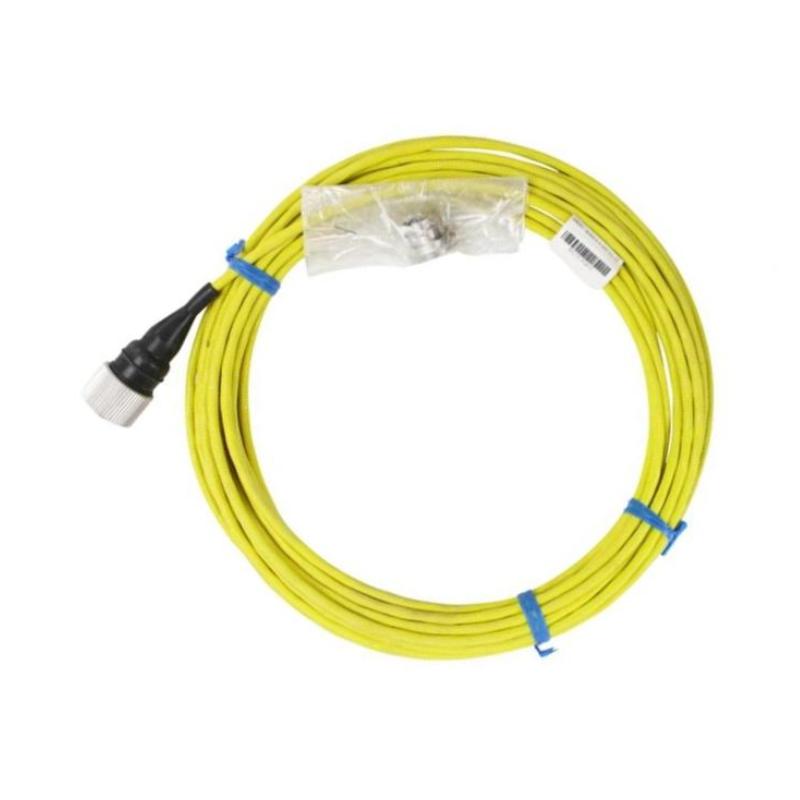
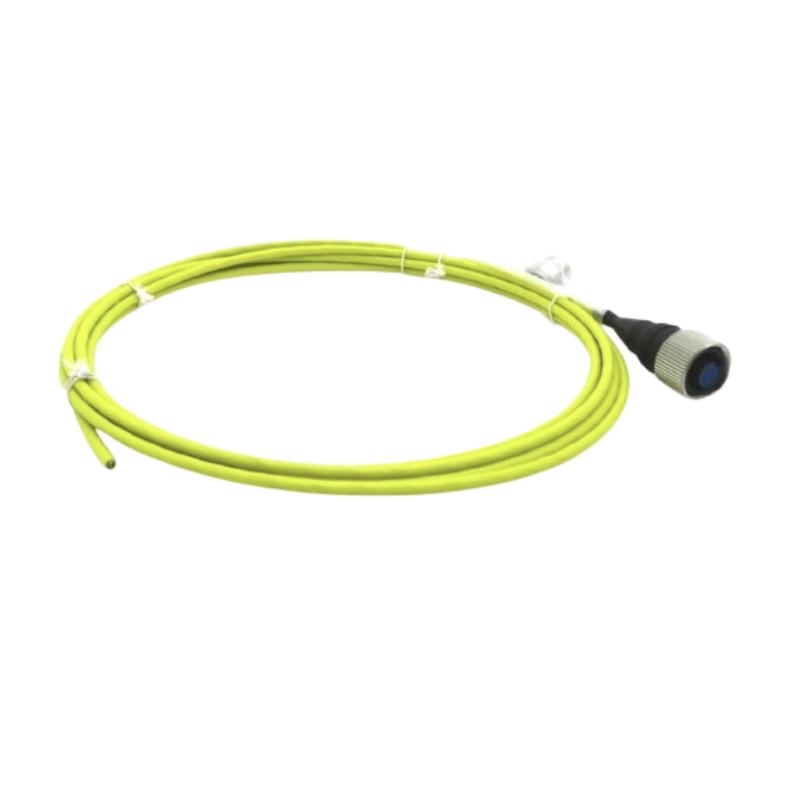
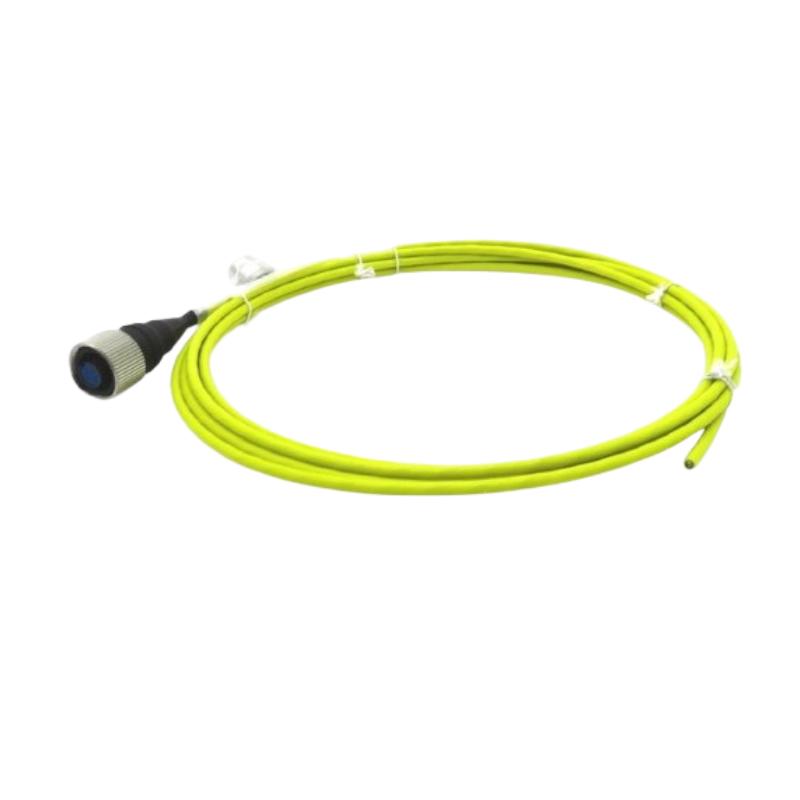
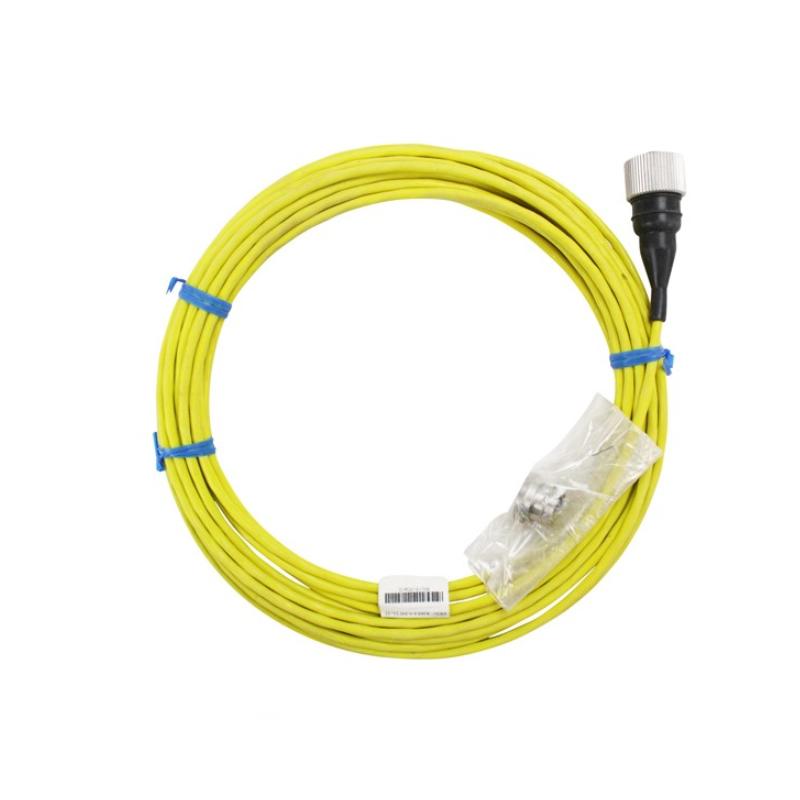
- Bently Nevada
- CB2W100-125
- Interconnect Cable
- USA
- 125 feet
- 3 kg
- Xiamen, China
- New & In Stock
- T/T, PayPal, Western Union
- 1 Year
- 1-3 Working Days
- DHL, UPS, TNT, FedEx and EMS.
- 24-Hour Service
- COO
- 29
Our advantage

Global Logistics
We have a 10-year logistics and express cooperation agreement, so our products can be shipped to any place in the world.

Brand new and original
Our products are imported in bulk from the place of origin. Because of the cooperative relationship, our products are all original and 100% new.

24-hour service
We provide 7*24 hours service to our customers. We will be there whenever you need us.

Price advantage
All our products are priced very favorably because we have our own warehouse and supply.
| Company Information | |||
| [email protected] | |||
| Mobile | +8615980777398 | ||
| +8615980777398 | |||
| 15980777398 |
Product Overview
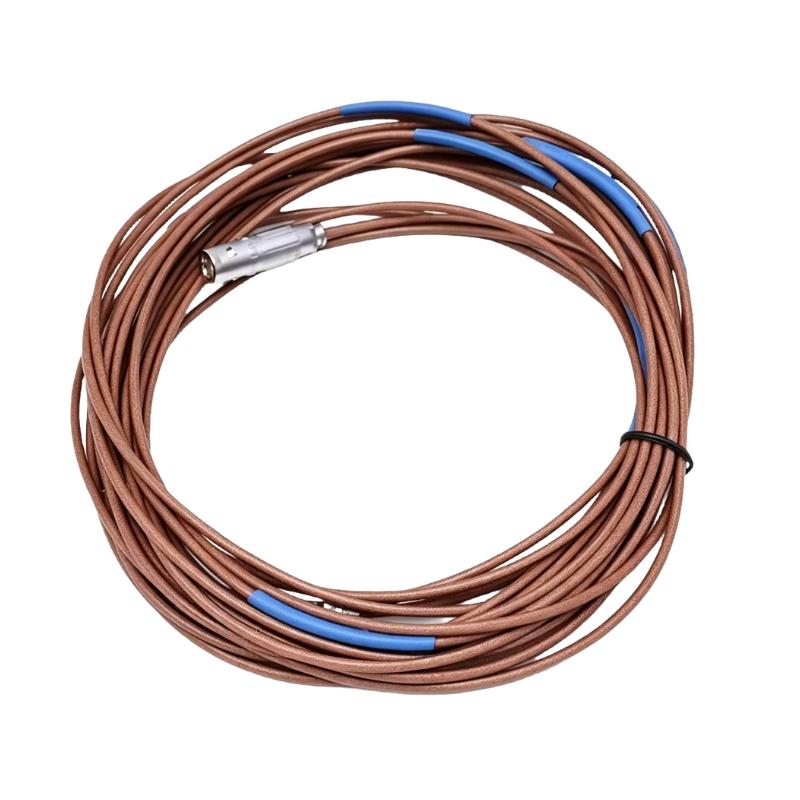
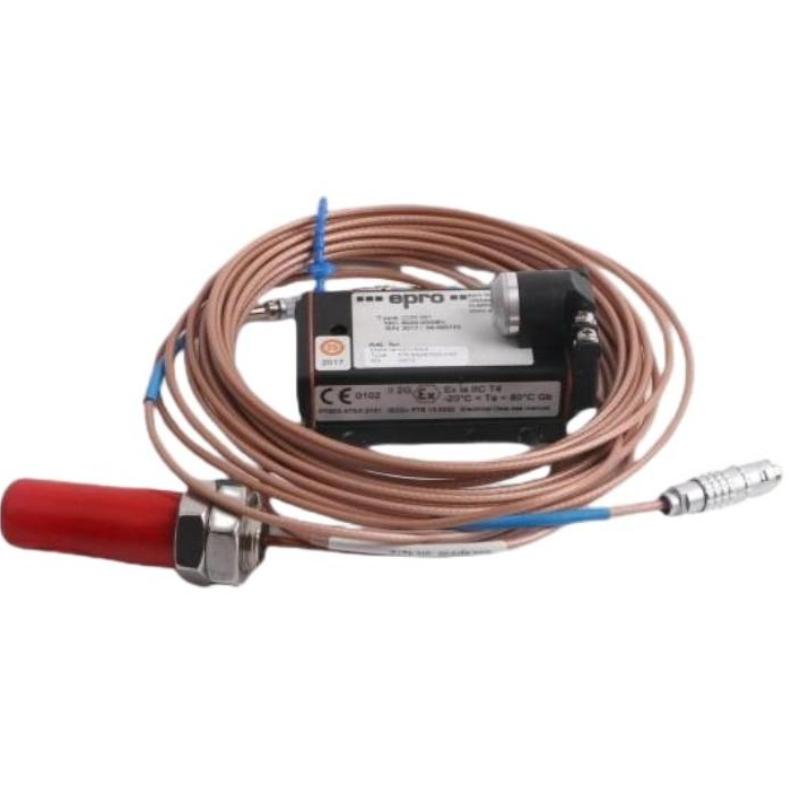
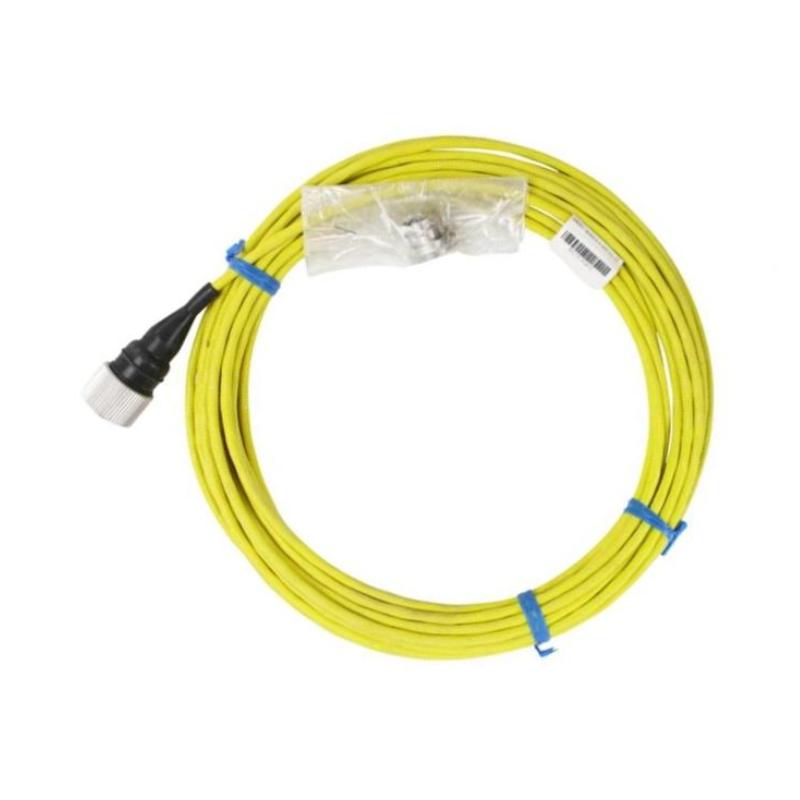
The Bently Nevada CB2W100-125 is a 2300 Series interconnect cable used to connect compatible components within a machinery monitoring installation. It forms part of the electrical signal path between field-side monitoring equipment and the associated monitoring electronics.
The cable is suitable for installations where monitoring components are physically separated from the machinery monitoring unit. Its extended cable length makes it practical for equipment layouts where the field sensing point and monitoring cabinet are located at a greater distance from each other.
Typical applications include vibration and condition monitoring of pumps, motors, compressors, fans, and other rotating equipment. The cable carries the measurement signal through the monitoring path without performing signal analysis or measurement processing itself.
During maintenance, the CB2W100-125 should be checked as part of the complete monitoring channel. Cable routing, connector condition, mechanical stress, and termination quality can all influence signal continuity and may need to be investigated when an otherwise healthy monitoring channel shows intermittent or missing data.
Technical Specifications
| Parameter | Specification |
|---|---|
| Manufacturer | Bently Nevada |
| Model | CB2W100-125 |
| Product Family | 2300 Series |
| Product Type | Interconnect Cable |
| Primary Function | Signal interconnection between compatible monitoring components |
| System Role | Monitoring signal connection |
| Application | Machinery vibration and condition monitoring |
| Cable Length | 125 feet |
| Shipping Weight | 3 kg |
Product Features
- 2300 Series interconnect cable for compatible Bently Nevada monitoring equipment.
- Provides a connection between field-side equipment and monitoring electronics.
- 125-foot cable length for installations requiring extended signal routing.
- Suitable for machinery vibration and condition-monitoring systems.
- Supports signal transmission between separated equipment locations.
- Applicable to rotating machinery monitoring installations.
- Useful for replacement of damaged or aged interconnect cabling.
- Requires proper connector and system compatibility verification before installation.
Working Principle
The CB2W100-125 acts as the conductive path through which the measurement signal travels between compatible monitoring components. A signal generated or conditioned at the field side is transferred through the cable to the corresponding 2300 Series monitoring equipment.
Field Sensor / Interface → CB2W100-125 → 2300 Series Monitoring Equipment → Monitoring / Alarm System
The cable itself does not measure vibration or process the machine signal. Its purpose is to preserve the electrical connection between the associated components. For this reason, conductor continuity, connector condition, and cable installation have a direct influence on the availability of the monitoring signal.
When a cable develops an open circuit, damaged termination, or intermittent connection, the monitoring system may report missing data or unstable measurements even when the sensor and monitoring unit are functioning normally.
Role in a Bently Nevada 2300 Series Monitoring Architecture
The CB2W100-125 occupies the interconnection stage of a 2300 Series monitoring channel. Its longer cable length can accommodate installations in which the machine-side sensing equipment and monitoring hardware are positioned in different areas of the facility.
Rotating Machinery → Sensor / Interface → CB2W100-125 → 2300 Series Monitor → Alarm / Control System
| System Element | Function |
|---|---|
| Rotating Machinery | Generates the physical condition being monitored |
| Sensor / Field Interface | Detects the relevant machinery condition |
| CB2W100-125 | Transfers the monitoring signal |
| 2300 Series Monitor | Receives and evaluates the signal |
| Alarm / Control System | Provides configured indication or response |
Cable routing becomes especially relevant in extended installations because longer runs may pass through different sections of the machine room or control infrastructure.
Industrial Applications
| Application | Typical Use |
|---|---|
| Pumping Stations | Extended connection between field equipment and monitor |
| Compressor Systems | Vibration-monitoring signal transmission |
| Motor Monitoring | Connecting field measurement equipment |
| Fan and Blower Systems | Machinery condition-monitoring connections |
| Industrial Rotating Equipment | Extended signal routing to monitoring cabinets |
| Plant Machinery Monitoring | Interconnection across separated equipment areas |
Installation and Maintenance
- Confirm that the CB2W100-125 is compatible with the intended 2300 Series monitoring channel.
- Identify the two connection points before removing an existing interconnect cable.
- Inspect both connectors for contamination, corrosion, or physical damage.
- Route the cable along a protected path suitable for the installation environment.
- Avoid sharp edges, excessive pulling force, and repeated mechanical movement.
- Keep the cable away from avoidable sources of electrical interference where practical.
- Prevent excessive bending or compression along the cable route.
- Secure the cable to prevent vibration from transferring continuous mechanical stress to the connectors.
- Verify that both ends are fully seated and correctly terminated.
- Check the monitoring channel for stable signal transmission after installation.
- If intermittent readings occur, inspect the cable and connectors together with the sensor and monitoring input.
- After replacement, perform a functional test of the complete 2300 Series monitoring channel before returning the equipment to normal operation.
Compatible System Components
| Component | Function |
|---|---|
| Bently Nevada 2300 Series Monitor | Receives and evaluates machinery monitoring signals |
| Compatible Bently Nevada Sensor | Detects vibration or machine-condition information |
| Sensor Interface / Driver | Provides the required sensor-side interface |
| Monitoring Input Channel | Receives the transmitted measurement signal |
| Machinery Alarm System | Indicates configured abnormal conditions |
| Control System | Uses monitoring information for equipment response |
Recommended Related Models
| Model / Product Family | Product Type | Typical Application |
|---|---|---|
| Bently Nevada CB2W Series | Interconnect Cable | 2300 Series signal interconnection |
| Bently Nevada CB2W100-032 | 2300 Series Interconnect Cable | Shorter field-to-monitor connection |
| Bently Nevada 2300 Series | Machinery Monitoring System | Equipment condition monitoring |
| Bently Nevada 2300/20 | Vibration Monitor | Machinery vibration monitoring |
| Bently Nevada 2300/25 | Vibration Monitor | Machine condition monitoring |
| Bently Nevada Proximity Probes | Proximity Sensor | Shaft displacement and proximity measurement |
| Bently Nevada Vibration Sensors | Vibration Sensor | Rotating equipment monitoring |
Key Advantages
- Provides extended signal interconnection for compatible 2300 Series equipment.
- 125-foot cable length accommodates installations with greater separation between field and monitoring equipment.
- Suitable for vibration and machinery condition-monitoring applications.
- Maintains the electrical signal path between sensing equipment and monitoring electronics.
- Useful for replacement and refurbishment of existing 2300 Series monitoring installations.
- Can support monitoring layouts where equipment is distributed across different plant areas.
Technical FAQs
When is a 125-foot interconnect cable useful in a machinery monitoring installation?
It can be useful when the field measurement point and associated monitoring equipment are separated by a relatively long cable route. The actual installation should still confirm that the cable type and length are appropriate for the specific 2300 Series configuration.
Can cable length affect the monitoring signal?
The cable forms part of the electrical signal path, so its characteristics and installation can affect the overall channel. Compatibility with the associated sensor and monitoring equipment should therefore be confirmed rather than selecting a cable based on length alone.
What are common causes of intermittent signals with a long interconnect cable?
Loose connectors, damaged conductors, mechanical stress, poor routing, or electrical interference can contribute to intermittent signals. The extended cable route should be inspected together with the sensor and monitoring equipment.
What should be done before replacing a CB2W100-125?
Document the existing cable routing and connection points, verify the replacement model and length, and inspect the associated monitoring channel. After installation, confirm signal continuity and stable monitoring operation before returning the machinery to service.