

ProductPRODUCT
Featured products

Contact Us
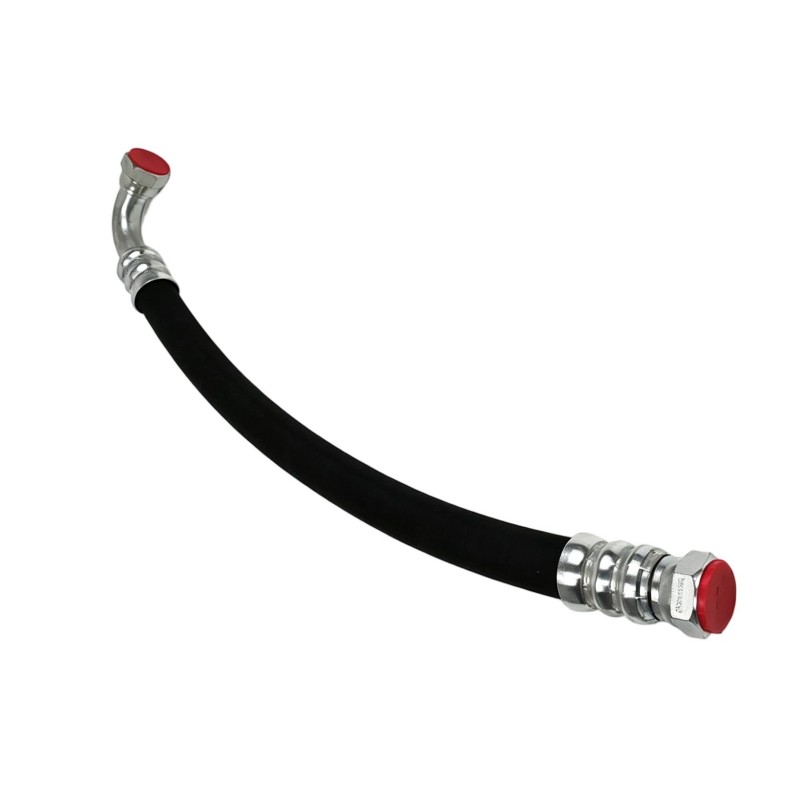
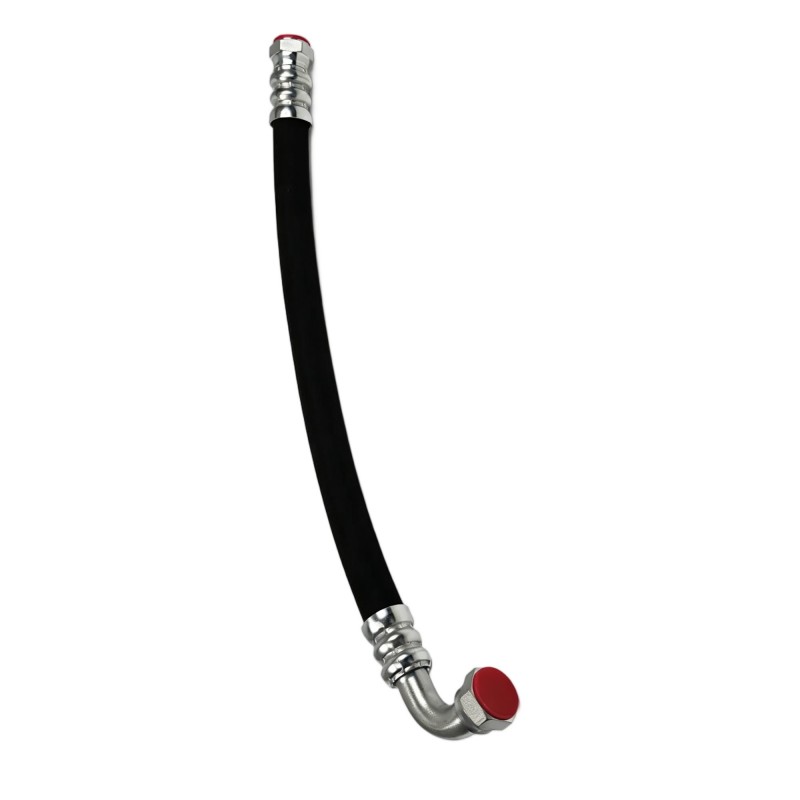
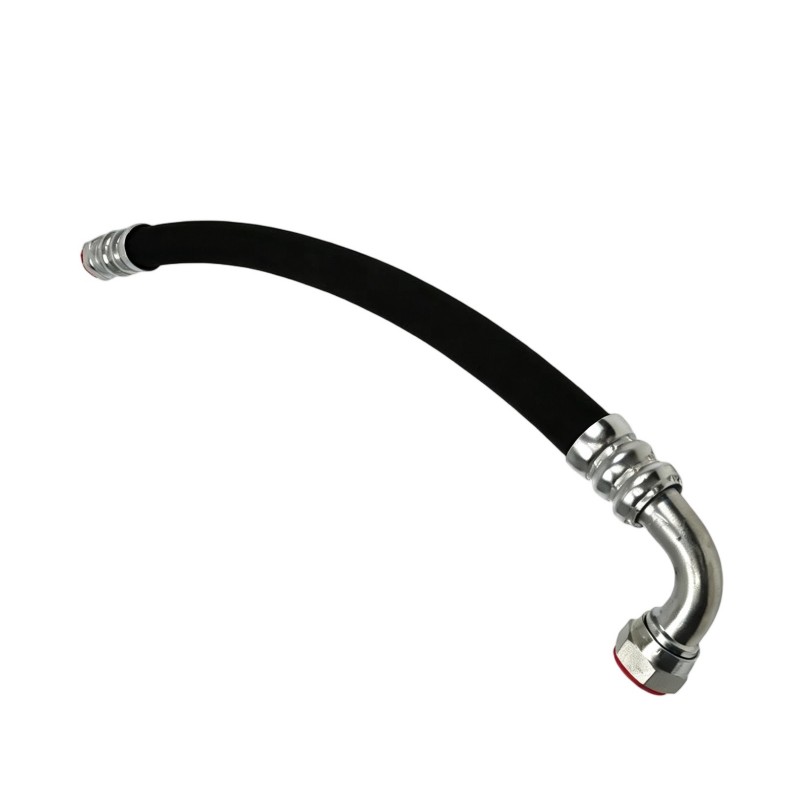
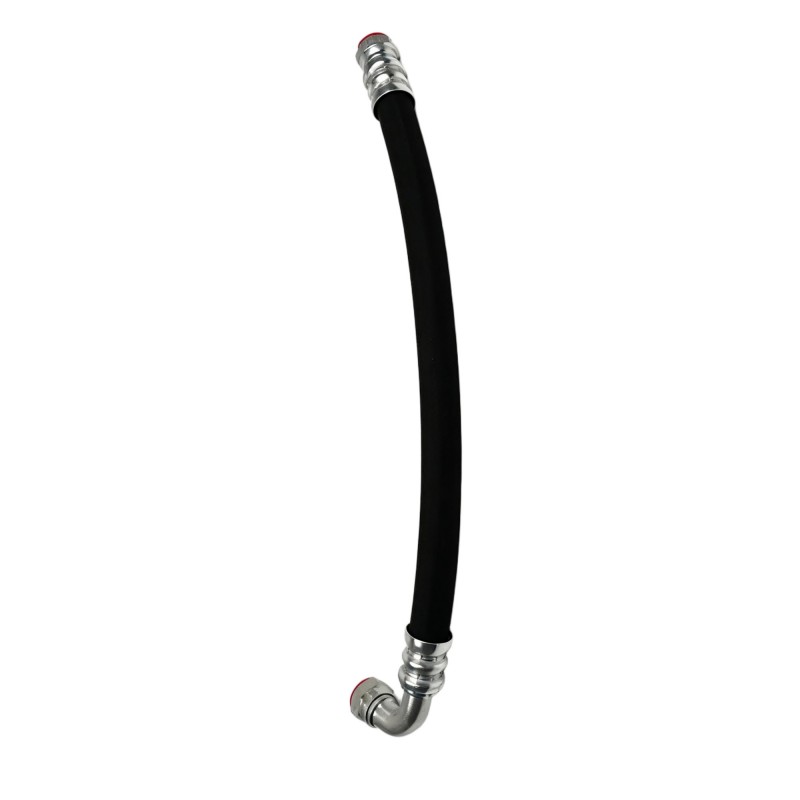
- Ingersoll Rand
- 47588566001 85574952
- Hydraulic Hose
- USA
- 28 in
- 3 kg
- Xiamen, China
- New & In Stock
- T/T, PayPal, Western Union
- 1 Year
- 1-3 Working Days
- DHL, UPS, TNT, FedEx and EMS.
- 24-Hour Service
- COO
- 69
Our advantage

Global Logistics
We have a 10-year logistics and express cooperation agreement, so our products can be shipped to any place in the world.

Brand new and original
Our products are imported in bulk from the place of origin. Because of the cooperative relationship, our products are all original and 100% new.

24-hour service
We provide 7*24 hours service to our customers. We will be there whenever you need us.

Price advantage
All our products are priced very favorably because we have our own warehouse and supply.
| Company Information | |||
| [email protected] | |||
| Mobile | +8615980777398 | ||
| +8615980777398 | |||
| 15980777398 |
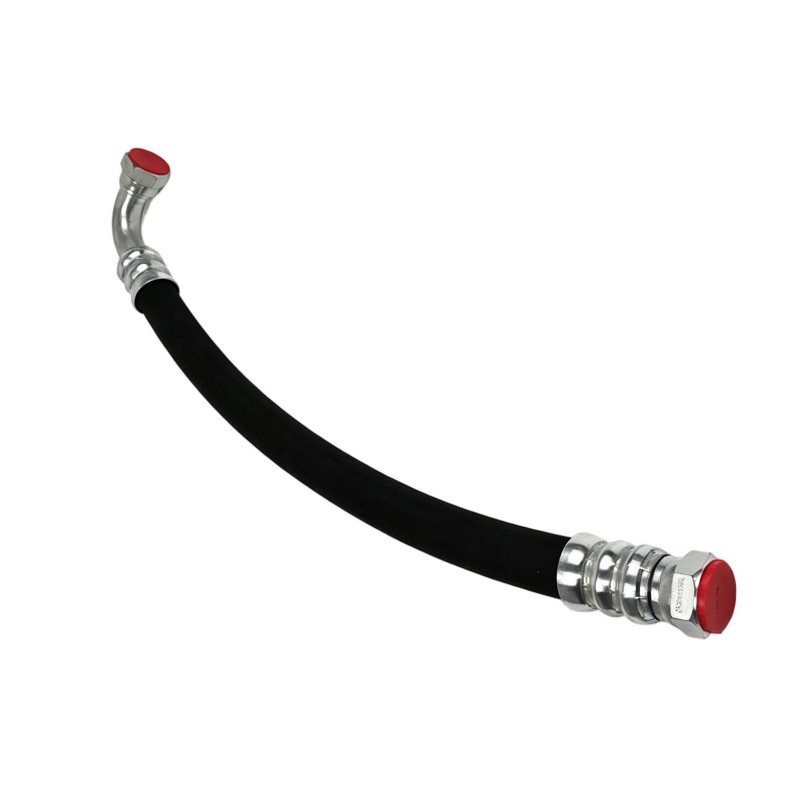
Product Overview
The Ingersoll Rand 47588566001 85574952 Hydraulic Hose is a replacement hydraulic hose used in compatible Ingersoll Rand equipment. It forms part of the hydraulic circuit, carrying pressurized hydraulic fluid between connected components while allowing the system to route fluid through different sections of the machine.
In industrial compressor and machinery systems, hydraulic hoses may connect pumps, valves, actuators, control assemblies, and other hydraulic components. The hose must maintain fluid containment while accommodating normal equipment movement and vibration during operation.
The 85574952 hose is suited to maintenance situations where an existing hose has become damaged, aged, contaminated, or otherwise unsuitable for continued service. Correct part-number identification is important because hose assemblies can differ in connection configuration, pressure requirements, and application.
Technical Specifications
| Parameter | Specification |
|---|---|
| Manufacturer | Ingersoll Rand |
| Part Number | 47588566001 / 85574952 |
| Product Type | Hydraulic Hose |
| Primary Function | Hydraulic fluid transmission |
| System Role | Hydraulic circuit connection |
| Application | Industrial compressor and hydraulic equipment |
| Installation | Connected between compatible hydraulic components |
| Hose Length | 28 in |
| Shipping Weight | 3 kg |
Product Features
- Replacement hydraulic hose for compatible Ingersoll Rand equipment.
- Used for transferring pressurized hydraulic fluid within the hydraulic circuit.
- Supports connections between hydraulic components.
- Suitable for equipment repair and scheduled maintenance.
- Flexible hose construction allows routing within mechanical equipment.
- Appropriate for replacement of worn or damaged hydraulic hose assemblies.
- Part-number identification helps match the replacement to the applicable equipment.
Working Principle
The 47588566001 85574952 Hydraulic Hose operates as a fluid path within a hydraulic circuit. Hydraulic fluid enters the hose from one connected component and is transferred to another component through the enclosed hose passage.
Hydraulic Pump → Hydraulic Hose → Control Valve / Actuator → Hydraulic Circuit
The hose does not generate or regulate hydraulic pressure itself. Its function is to maintain a contained passage for hydraulic fluid while the connected hydraulic components control flow, pressure, and actuator movement.
A properly installed hose assembly must maintain secure connections and prevent hydraulic fluid from escaping under normal operating conditions.
Role in a Hydraulic Control Architecture
The hydraulic hose serves as the flexible connection layer between fixed or moving hydraulic components.
Hydraulic Power Source → 85574952 Hydraulic Hose → Valve / Actuator → Mechanical Equipment
| System Element | Function |
|---|---|
| Hydraulic Pump | Generates hydraulic fluid flow |
| Hydraulic Reservoir | Stores hydraulic fluid |
| 47588566001 / 85574952 | Transfers hydraulic fluid between connected components |
| Control Valve | Directs and regulates hydraulic flow |
| Hydraulic Actuator | Converts hydraulic energy into mechanical movement |
| Hydraulic Fittings | Provide mechanical and fluid connections |
| Mechanical Equipment | Performs the required machine operation |
Hose condition is therefore directly relevant to hydraulic circuit integrity, particularly in equipment exposed to continuous vibration or repeated maintenance.
Industrial Applications
| Application | Typical Use |
|---|---|
| Industrial Compressors | Hydraulic circuit connection |
| Hydraulic Control Systems | Fluid transfer between components |
| Compressor Service Equipment | Replacement of hydraulic hose assemblies |
| Industrial Machinery | Connection between hydraulic devices |
| Maintenance Operations | Replacement of deteriorated hoses |
| Equipment Overhaul | Renewal of hydraulic circuit components |
| Hydraulic Actuation Systems | Fluid delivery to actuators |
| Industrial Repair | Restoration of hydraulic connections |
Installation and Maintenance
- Verify the 47588566001 / 85574952 part number before installation.
- Confirm that the replacement hose matches the intended equipment and hydraulic circuit.
- Depressurize the hydraulic system before removing the existing hose.
- Clean the surrounding connection points before disconnecting the old hose.
- Inspect fittings and connection threads for damage or contamination.
- Route the replacement hose without sharp bends or unnecessary mechanical stress.
- Prevent the hose from contacting sharp edges or hot machine surfaces.
- Ensure the hose is not twisted during installation.
- Secure the hose where required to prevent excessive movement and vibration.
- Check all connections after assembly.
- Restore hydraulic pressure gradually and inspect for leakage.
- Recheck the hose and fittings after initial equipment operation.
Hydraulic hose inspection should include the hose body, fittings, connection points, and surrounding routing. Abrasion, cracking, leakage, deformation, or repeated contact with nearby equipment should be addressed before continued operation.
Related Components
| Component | Function |
|---|---|
| Hydraulic Pump | Generates hydraulic flow |
| Hydraulic Valve | Controls hydraulic fluid direction and flow |
| Hydraulic Actuator | Produces mechanical movement |
| Hydraulic Fittings | Connect hose assemblies to system components |
| Hydraulic Reservoir | Stores system fluid |
| Hydraulic Filter | Removes contaminants from hydraulic fluid |
| Pressure Control Components | Manage hydraulic operating pressure |
| Hydraulic Tubing | Provides alternative rigid fluid connections |
Recommended Related Models
| Model / Product Family | Product Type | Typical Application |
|---|---|---|
| Ingersoll Rand 85574952 | Hydraulic Hose | Hydraulic circuit replacement |
| Ingersoll Rand Hydraulic Hose Assemblies | Hose Assembly | Hydraulic fluid transfer |
| Ingersoll Rand Hydraulic Fittings | Hydraulic Fitting | Hose and component connections |
| Ingersoll Rand Hydraulic Valve Components | Control Valve | Hydraulic flow control |
| Ingersoll Rand Hydraulic Actuator Components | Actuator | Hydraulic mechanical actuation |
| Ingersoll Rand Compressor Service Kits | Service Kit | Equipment maintenance |
Key Advantages
- Replacement hydraulic hose for compatible Ingersoll Rand equipment.
- Supports hydraulic fluid transfer between system components.
- Suitable for repair, overhaul, and scheduled maintenance.
- Flexible connection for hydraulic circuit routing.
- Part-number identification simplifies replacement matching.
- Helps restore the intended hydraulic connection when an existing hose requires replacement.
Technical FAQs
What symptoms can indicate deterioration of a hydraulic hose?
Visible fluid leakage, surface cracking, abrasion, bulging, damaged fittings, or unexpected hydraulic pressure loss can indicate hose deterioration. Changes in machine movement may also justify inspection of the hydraulic circuit.
Why should a hydraulic system be depressurized before replacing the hose?
Residual hydraulic pressure can cause fluid to escape forcefully when a connection is opened. Depressurizing the circuit reduces the risk associated with hose removal and allows the connection to be serviced under controlled conditions.
How should the hose be routed during installation?
The hose should follow a route that avoids excessive bending, twisting, abrasion, sharp edges, and unnecessary mechanical tension. It should also remain clear of components that could cause damaging heat or repeated contact during machine operation.
What should be checked if a new hose develops leakage shortly after installation?
Inspect the hose connections, fittings, sealing surfaces, routing, and installation condition. A loose connection, damaged fitting, incorrect assembly, twisting, or external mechanical interference can cause premature leakage even when the replacement hose itself is suitable.