

ProductPRODUCT
Featured products
Contact Us
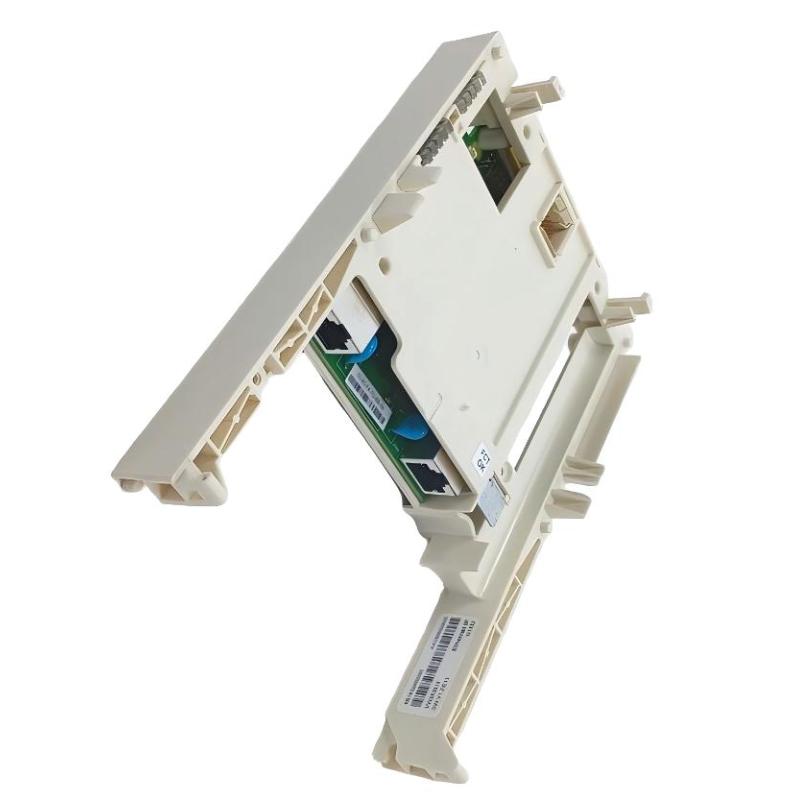
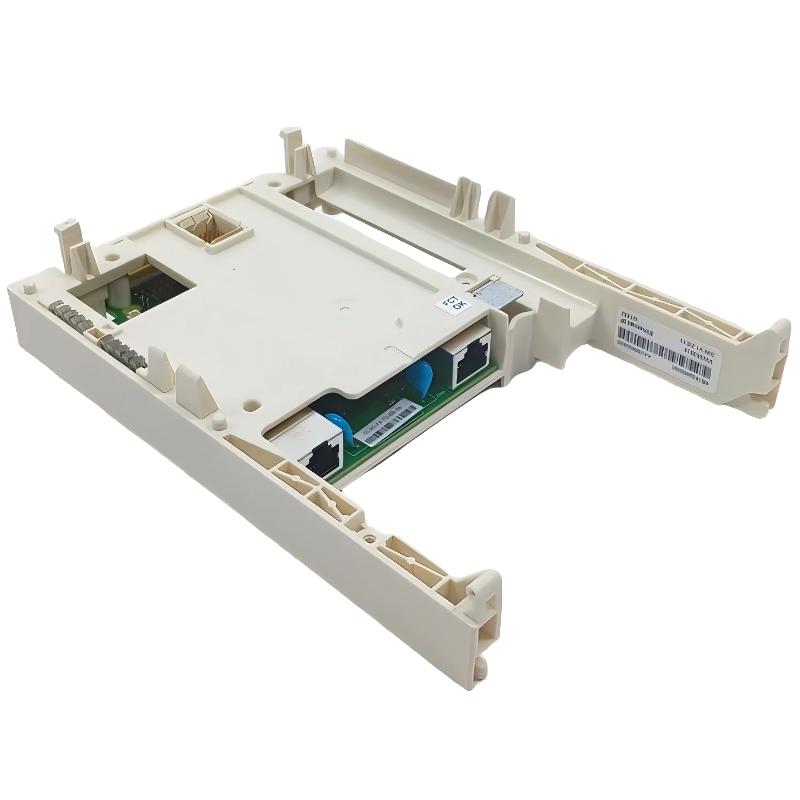
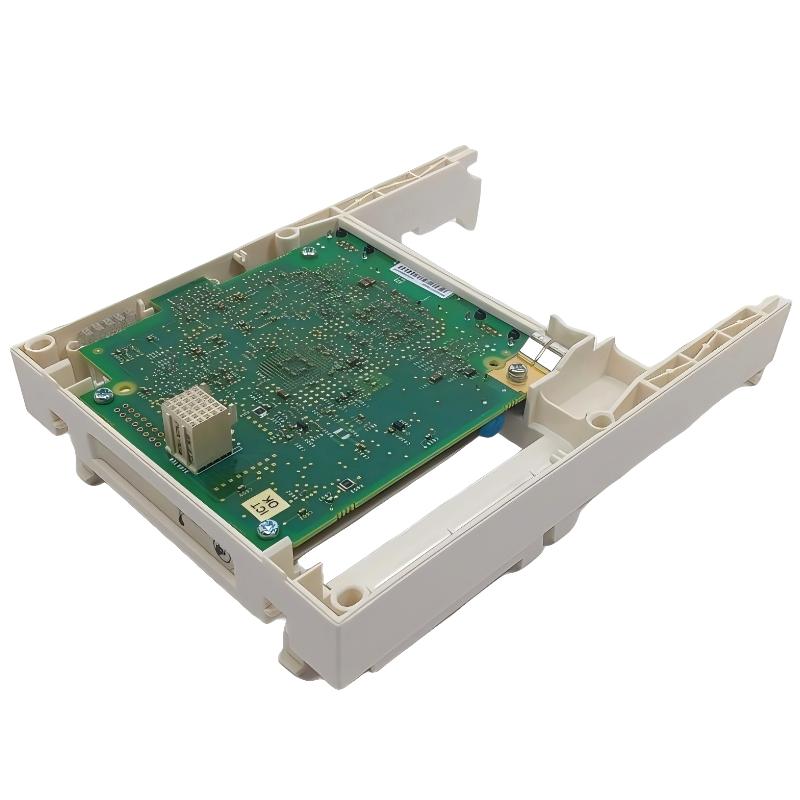
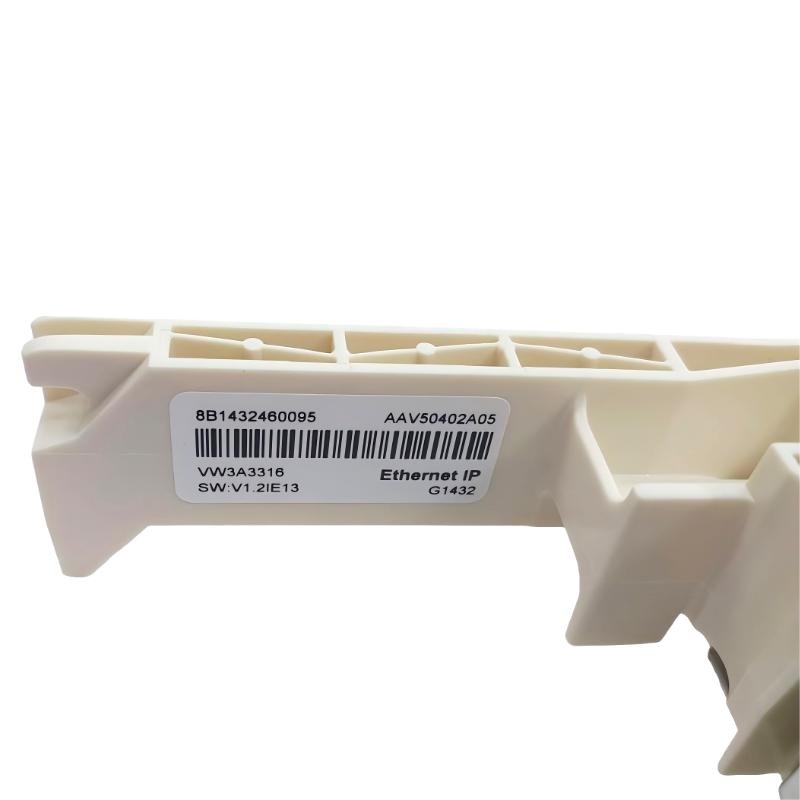
- Schneider
- VW3A3316
- EtherNet/IP Communication Card
- France
- 120 × 100 × 20 mm
- 0.3 kg
- Xiamen, China
- New & In Stock
- T/T, PayPal, Western Union
- 1 Year
- 1-3 Working Days
- DHL, UPS, TNT, FedEx and EMS.
- 24-Hour Service
- COO
- 67
Our advantage

Global Logistics
We have a 10-year logistics and express cooperation agreement, so our products can be shipped to any place in the world.

Brand new and original
Our products are imported in bulk from the place of origin. Because of the cooperative relationship, our products are all original and 100% new.

24-hour service
We provide 7*24 hours service to our customers. We will be there whenever you need us.

Price advantage
All our products are priced very favorably because we have our own warehouse and supply.
| Company Information | |||
| [email protected] | |||
| Mobile | +8615980777398 | ||
| +8615980777398 | |||
| 15980777398 |
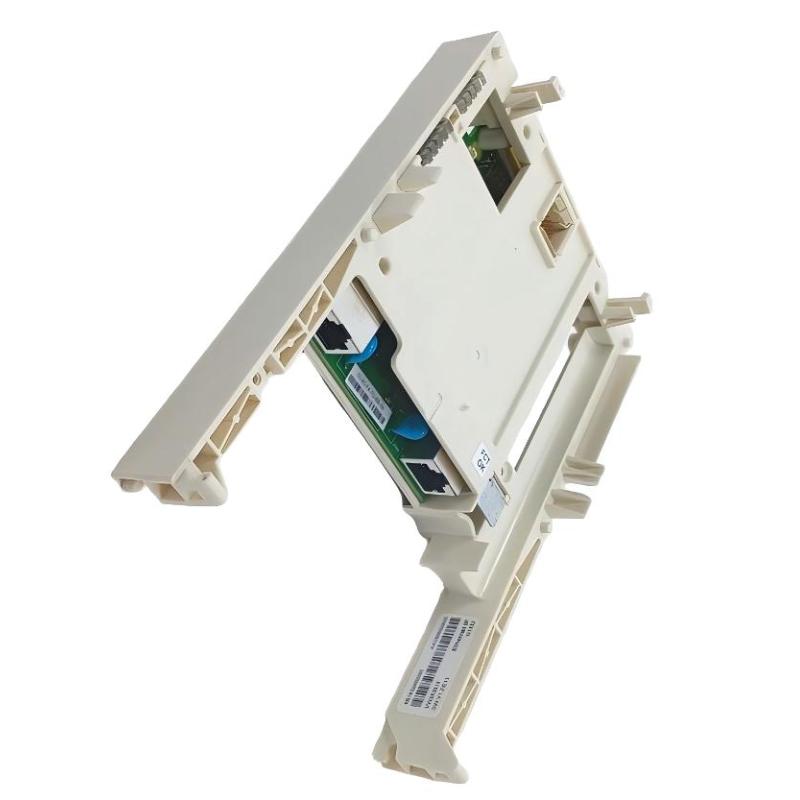
Product Overview
The Schneider VW3A3316 is an Altivar EtherNet/IP Communication Card used to connect compatible Altivar variable speed drives to an EtherNet/IP industrial network. It gives the drive a network interface for exchanging control commands, operating status, process values, and diagnostic information with an EtherNet/IP controller.
In a machine automation system, the VW3A3316 provides a practical way to bring an Altivar drive into the same Ethernet-based control architecture as PLCs, remote I/O, HMIs, and other automation devices. The motor control remains inside the Altivar drive, while the communication card handles the exchange of drive information with the supervisory controller.
This type of interface is particularly useful on machines containing several variable speed drives. Conveyor motors, pumps, fans, feeders, and other motor loads can be integrated into the control system without requiring every command and feedback signal to be individually hardwired back to the PLC.
Technical Specifications
| Parameter | Specification |
|---|---|
| Manufacturer | Schneider Electric |
| Part Number | VW3A3316 |
| Product Family | Altivar |
| Product Type | EtherNet/IP Communication Card |
| Communication Protocol | EtherNet/IP |
| Application | Variable Speed Drive Communication |
| Dimensions | 120 × 100 × 20 mm |
| Weight | 0.3 kg |
Product Features
- EtherNet/IP connectivity — Provides an industrial Ethernet communication interface for compatible Altivar drives.
- PLC-to-drive communication — Allows an EtherNet/IP controller to exchange control and operating data with the drive.
- Networked drive management — Multiple drives can be incorporated into a common Ethernet-based automation architecture.
- Drive status monitoring — Operating states and available diagnostic information can be transferred to the controller.
- Reduced hardwiring — Network communication can replace many individual control and feedback connections.
- Compact drive interface — Integrates the communication function into the Altivar drive rather than requiring a separate external gateway.
Working Principle
The VW3A3316 serves as the communication interface between the Altivar drive’s internal control system and the EtherNet/IP network.
An EtherNet/IP controller sends the required commands and reference information through the network. The communication card transfers the relevant data to the drive, while operating status and available drive parameters are returned through the same communication path.
For example, on a conveyor system with several motors, the PLC can send a speed reference to each drive and monitor its operating state through the network. The Altivar drive remains responsible for regulating the motor, acceleration, deceleration, and other configured drive functions.
This separation is useful during troubleshooting: a communication fault does not necessarily indicate a motor-control fault. The technician can inspect the Ethernet network, communication card, drive configuration, and motor-control section independently.
Role in an Altivar EtherNet/IP System
| System Element | Function |
|---|---|
| PLC / EtherNet/IP Scanner | Executes machine logic and exchanges data with the drive |
| VW3A3316 Communication Card | Provides the EtherNet/IP interface for the compatible Altivar drive |
| Altivar Variable Speed Drive | Controls the connected motor |
| Industrial Ethernet Network | Carries control, status, and diagnostic data |
| AC Motor | Converts the drive output into mechanical motion |
| HMI / SCADA | Displays selected drive operating and diagnostic information |
Industrial Applications
| Application | Typical Use |
|---|---|
| Conveyor Automation | Network-based control of conveyor motor speed and operating status |
| Packaging Machines | Coordinating multiple drives from a central PLC |
| Material Handling | Controlling conveyors, feeders, transfer units, and lifting equipment |
| Pump Stations | Integrating variable speed pumps into an Ethernet-based control system |
| Fans and Blowers | Sending speed commands and monitoring drive conditions through EtherNet/IP |
| Process Machinery | Connecting motor drives to a centralized PLC and HMI architecture |
| Automated Production Lines | Managing multiple Altivar drives through a common industrial Ethernet network |
Installation and Maintenance
- Check Altivar compatibility — Confirm that the target drive supports the VW3A3316 before installing the communication card.
- Remove drive power before installation — Follow the applicable electrical safety procedures before opening the drive and installing or removing the card.
- Seat the card correctly — Make sure the communication card is fully inserted into its designated interface and mechanically secured.
- Configure the EtherNet/IP node — Set the required network parameters and verify that the controller configuration corresponds to the installed drive.
- Check the control and reference sources — If commands are not reaching the motor, verify that the drive has been configured to receive its control commands and reference through the intended communication channel.
- Inspect Ethernet connections — Check connectors, cables, shielding, and physical routing during scheduled maintenance.
- Review network and drive diagnostics — When communication is interrupted, check the Ethernet connection, node configuration, communication card, and drive parameters before replacing hardware.
Related Components
| Component | Function / Relationship |
|---|---|
| Altivar Variable Speed Drive | Main drive platform using the VW3A3316 communication interface |
| EtherNet/IP Controller | Sends commands and receives drive data over the network |
| Industrial Ethernet Cable | Provides the physical network connection |
| Ethernet Switch | Connects the drive to the wider automation network where required |
| PLC | Executes machine-control logic and coordinates drive operation |
| HMI | Provides operator access to drive status and process information |
Recommended Related Models
| Model | Product Type | Typical Application |
|---|---|---|
| Schneider VW3A3316 | Altivar EtherNet/IP Communication Card | EtherNet/IP integration of compatible Altivar drives |
| Schneider VW3A3307 | Altivar PROFIBUS DP Communication Card | PROFIBUS DP integration of compatible Altivar drives |
| Schneider VW3A3303 | Altivar Communication Card | Industrial network integration for compatible Altivar platforms |
| Schneider VW3A3304 | Altivar Communication Card | Network communication for compatible Altivar drive applications |
| Schneider Altivar 61 | Variable Speed Drive | Process and industrial motor control |
| Schneider Altivar 71 | Variable Speed Drive | High-performance industrial motor control |
Key Advantages
- Adds EtherNet/IP communication capability to compatible Altivar drives.
- Enables centralized drive control from an EtherNet/IP controller.
- Reduces the amount of individual hardwired control and feedback wiring.
- Allows drive status and available diagnostic information to be exchanged over the industrial Ethernet network.
- Supports multi-drive automation architectures.
- Provides a compact communication interface integrated into the Altivar drive system.
Technical FAQs
What is the main purpose of the VW3A3316 in an Altivar installation?
The VW3A3316 provides EtherNet/IP communication between a compatible Altivar drive and the industrial automation network. It allows the controller to exchange supported commands, references, status information, and diagnostic data with the drive.
Does the VW3A3316 directly control the motor?
No. The communication card handles data exchange. The Altivar drive itself performs the motor-control functions based on its configured control parameters and the commands or references received through the selected control channel.
What should be checked when the PLC sees the Ethernet network but the drive does not respond to commands?
Check the network configuration first, then verify the drive’s communication settings, control-command source, reference source, and the configuration loaded in the EtherNet/IP controller. The physical network connection may be healthy even when the drive’s command source is configured incorrectly.
Can one EtherNet/IP controller manage multiple Altivar drives equipped with communication cards?
Yes, a properly configured EtherNet/IP architecture can integrate multiple compatible drives. Each drive must be correctly identified and configured in the controller, with the required network and drive parameters assigned to the corresponding node.