Intelligent Automation and Connected Technologies Help Manufacturers Improve Productivity and Operational Efficiency
Industrial manufacturers around the world are continuing to accelerate their digital transformation strategies, and smart automation has become one of the primary drivers of production efficiency. ABB is expanding its automation portfolio to help manufacturers build more connected, flexible and intelligent production environments capable of meeting the growing demands of modern industry.
As factories face increasing pressure to improve productivity while reducing operating costs, companies are investing in automation systems that combine advanced control technologies, digital monitoring and intelligent data analysis. Rather than relying solely on traditional production methods, manufacturers are integrating automation platforms that provide real-time visibility into equipment performance and production status.
One of the most significant developments is the growing adoption of integrated automation solutions that connect electrical systems, industrial robots, PLCs, distributed control systems and field devices into a unified production network. This level of connectivity enables operators to monitor production processes more efficiently while improving coordination between different manufacturing operations.
Digitalization is also transforming maintenance strategies. Instead of performing maintenance according to fixed schedules, many manufacturers are using real-time operating data to evaluate equipment condition continuously. Intelligent monitoring systems can detect abnormal operating conditions at an early stage, allowing maintenance teams to plan repairs before unexpected failures interrupt production.
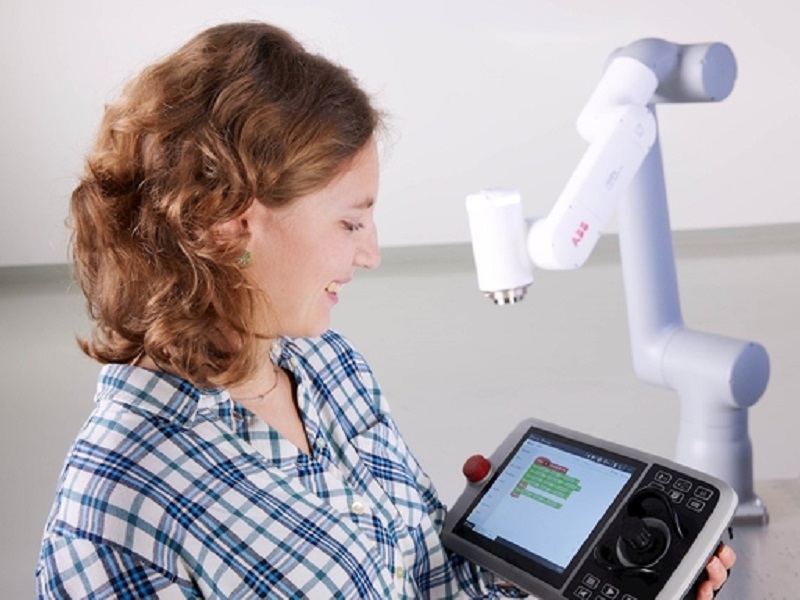
Industrial robotics continues to play an increasingly important role in factory automation. Modern robotic systems are being deployed for assembly, material handling, welding, palletizing and quality inspection. Combined with intelligent software and advanced motion control, these solutions help manufacturers improve production consistency while reducing repetitive manual operations. Recent developments in collaborative robotics and AI-enabled automation are also expanding robot applications into more flexible manufacturing environments.
Energy efficiency remains another major priority across the manufacturing sector. Companies are implementing intelligent motor control, variable-speed drive technology and digital energy management systems to reduce electricity consumption while maintaining stable production performance. These technologies help manufacturers achieve both operational and sustainability goals.
Another important trend is the increasing integration of industrial automation with cloud-based analytics and remote monitoring platforms. Engineers can access equipment status, production reports and maintenance information from centralized management systems, allowing faster troubleshooting and more effective production planning across multiple manufacturing sites.
Manufacturers are also investing in flexible automation architectures that support future expansion. Modular control systems make it easier to add new production lines, integrate additional equipment and upgrade software without significantly disrupting ongoing operations. This scalability allows factories to respond more quickly to changing market requirements.
Looking ahead, intelligent automation, industrial AI, digital engineering and connected manufacturing will continue to shape the future of industrial production. Companies that invest in advanced automation technologies are expected to improve equipment utilization, increase production flexibility and strengthen long-term competitiveness.
As digital manufacturing continues to evolve, ABB’s focus on intelligent automation, integrated control systems and energy-efficient technologies reflects the industry’s ongoing transition toward smarter, safer and more sustainable industrial operations.