

ProductPRODUCT
Featured products
Contact Us
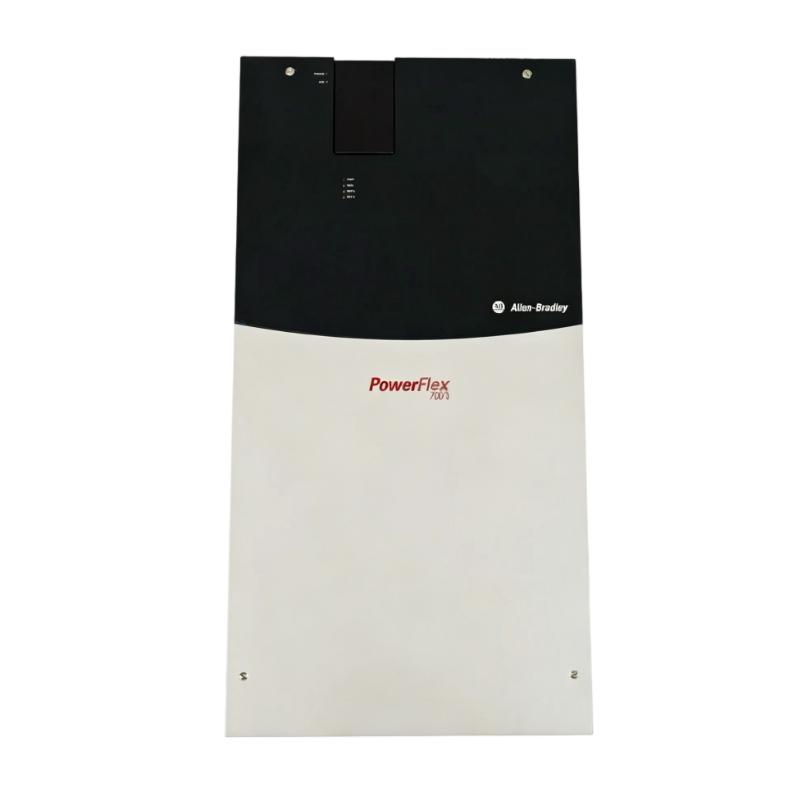
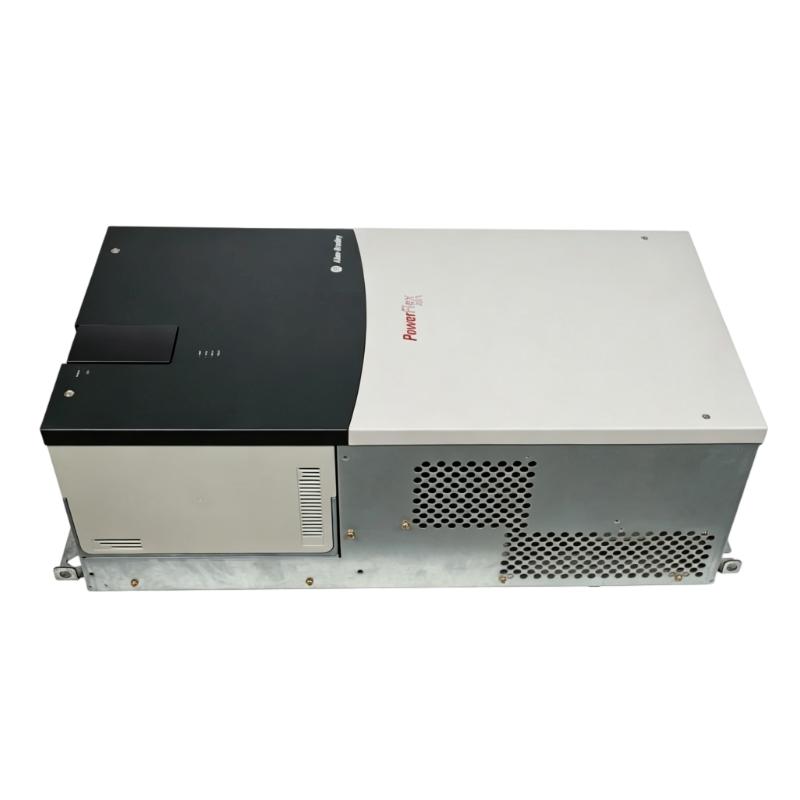
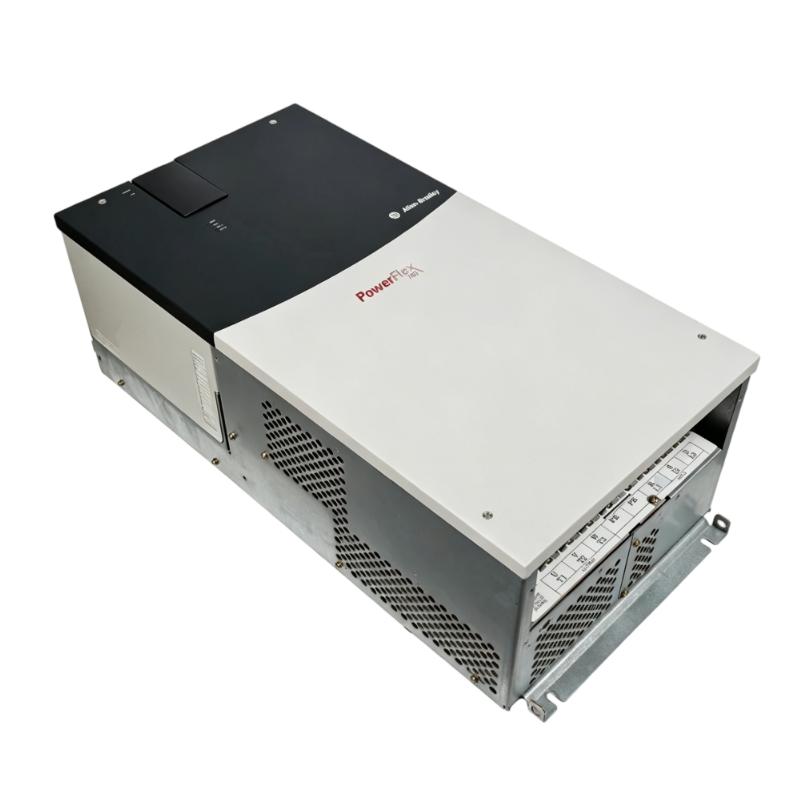
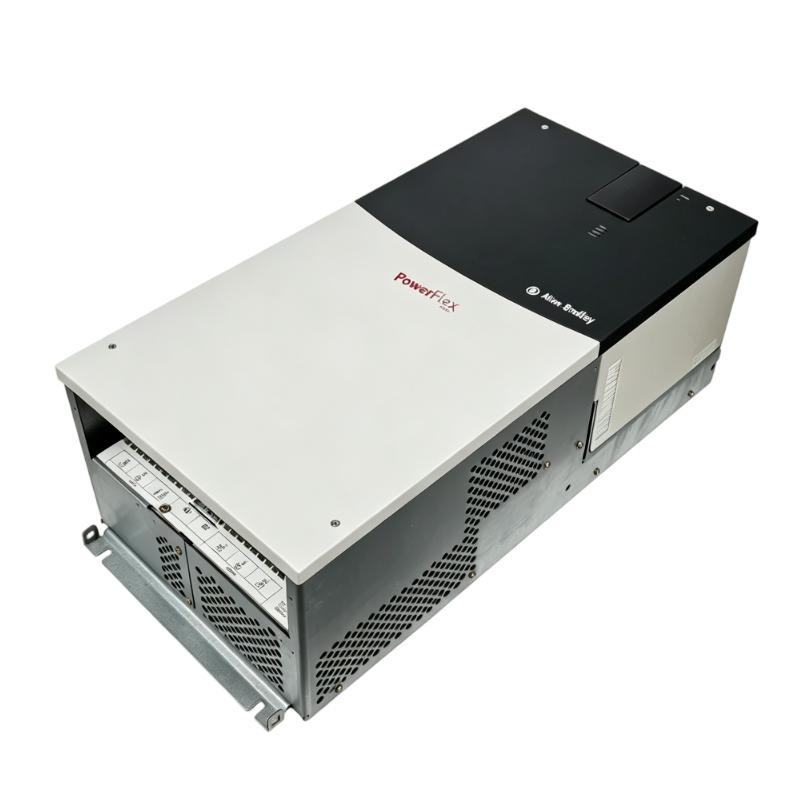
- Allen Bradley
- 20BP260A3ANNANC0
- PowerFlex 700 AC Drive
- USA
- 850 × 403.9 × 275.5 mm
- 71.44 kg
- Xiamen, China
- New & In Stock
- T/T, PayPal, Western Union
- 1 Year
- 1-3 Working Days
- DHL, UPS, TNT, FedEx and EMS.
- 24-Hour Service
- COO
- 58
Our advantage

Global Logistics
We have a 10-year logistics and express cooperation agreement, so our products can be shipped to any place in the world.

Brand new and original
Our products are imported in bulk from the place of origin. Because of the cooperative relationship, our products are all original and 100% new.

24-hour service
We provide 7*24 hours service to our customers. We will be there whenever you need us.

Price advantage
All our products are priced very favorably because we have our own warehouse and supply.
| Company Information | |||
| [email protected] | |||
| Mobile | +8615980777398 | ||
| +8615980777398 | |||
| 15980777398 |
Product Overview
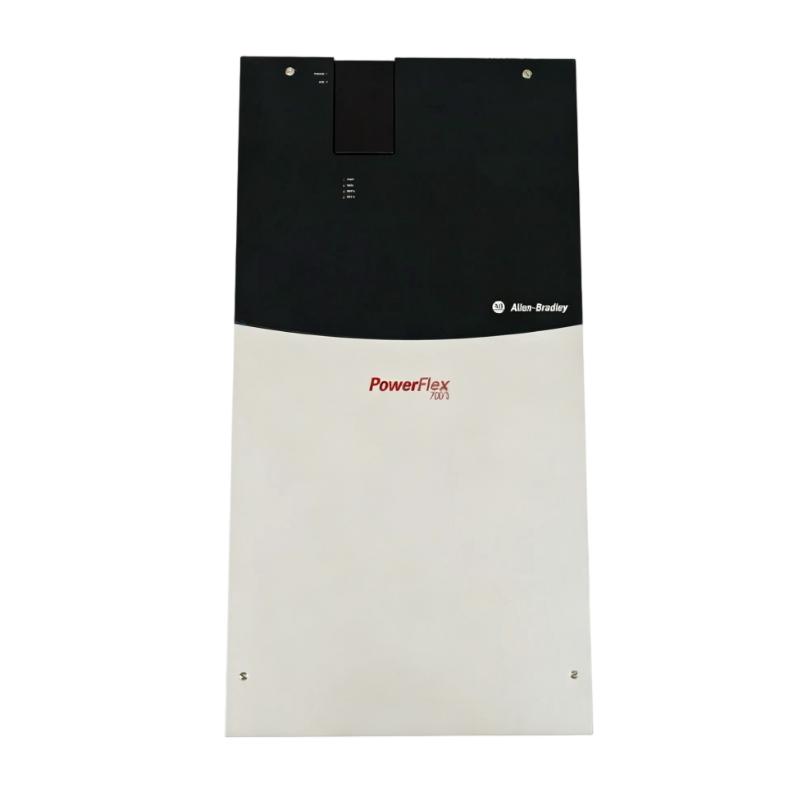
The Allen Bradley 20BP260A3ANNANC0 PowerFlex 700 AC Drive is an industrial variable frequency drive used to manage AC motor operation in automated machinery and process equipment. It forms the controlled electrical interface between the plant power system and the motor, allowing motor behavior to be coordinated with production requirements.
A drive of this type is particularly useful when a motor needs more than simple start/stop control. Changes in production speed, material flow, pumping demand, ventilation, or machine sequencing can be translated into corresponding motor operating commands through the drive.
The 20BP260A3ANNANC0 belongs to the PowerFlex 700 family and can operate within a wider Allen Bradley automation architecture. The surrounding system may include PLC controllers, operator interfaces, communication equipment, circuit protection, motors, and mechanical transmission components.
For maintenance engineers, the full catalog number should be retained when identifying replacement equipment. Drive configuration, motor characteristics, control connections, and existing application parameters should also be reviewed before commissioning.
Technical Specifications
| Parameter | Specification |
|---|---|
| Manufacturer | Allen Bradley |
| Model | 20BP260A3ANNANC0 |
| Product Family | PowerFlex 700 |
| Product Type | AC Drive |
| Primary Function | Variable-Speed AC Motor Control |
| System Role | Motor Speed and Power Control |
| Application | Industrial Automation / Motor Control |
| Dimensions | 850 × 403.9 × 275.5 mm |
| Weight | 71.44 kg |
Product Features
The 20BP260A3ANNANC0 provides the motor-control stage required to connect an automated control system with an industrial AC motor.
Key characteristics include:
- Allen Bradley PowerFlex 700 AC drive
- Model 20BP260A3ANNANC0
- Intended for industrial AC motor control
- Supports variable-speed motor operation
- Interfaces with PLC and automation control systems
- Suitable for machine and process equipment
- Supports controlled motor acceleration and operation
- Provides drive operating and diagnostic information
- Suitable for established PowerFlex 700 installations
- Useful for maintenance, replacement, and retrofit projects
For application evaluation, the drive should not be considered separately from the motor and machine. Electrical supply, motor requirements, mechanical load, control architecture, and operating conditions all affect system performance.
Working Principle
The 20BP260A3ANNANC0 controls an AC motor by processing incoming electrical power and regulating the electrical output delivered to the motor.
A simplified arrangement is:
AC Power Supply → PowerFlex 700 → AC Motor → Mechanical Load
The operating sequence follows the relationship between process demand, control command, and motor response:
-
Power Input
Electrical power is supplied to the drive from the upstream electrical system.
-
Power Conversion
The drive processes the incoming power through its internal power-conversion stage.
-
Control Command
A PLC, controller, HMI, or other control source establishes the required motor operating condition.
-
Electrical Output Regulation
The PowerFlex 700 controls the motor-side output according to the configured control strategy.
-
Motor Response
The AC motor converts the controlled electrical input into mechanical torque and rotation.
-
Machine Operation
The motor drives the connected equipment according to the process requirement.
-
Monitoring
Drive status and diagnostic information can be used to evaluate system operation and investigate abnormal conditions.
The resulting control path is:
Process Demand → Controller → PowerFlex 700 → AC Motor → Mechanical Process
Role in an Industrial Motor Control Architecture
The 20BP260A3ANNANC0 functions as the drive-level interface between automation logic and motor power.
A practical architecture can be represented as:
PLC / Controller → PowerFlex 700 → AC Motor → Mechanical Equipment
The controller determines the required action based on the production sequence, while the drive manages the electrical operation of the motor.
For example, a pump application may require motor operation to change as process demand varies. The PLC can determine the required operating condition, while the PowerFlex 700 regulates the motor accordingly.
The same architecture can be applied to conveyors, fans, compressors, and other rotating equipment. From a troubleshooting perspective, the complete path should be considered:
Control Signal → Drive → Motor Circuit → Motor → Mechanical Load
This helps prevent a drive being incorrectly identified as the source of a fault that actually originates in the motor or driven machinery.
Industrial Applications
| Application | Typical Use |
|---|---|
| Conveyor Systems | Controlling material-transfer speed |
| Pumping Equipment | Adjusting motor operation to process demand |
| Industrial Fans | Regulating airflow through variable motor speed |
| Material Handling | Coordinating motor-driven equipment |
| Manufacturing Machinery | Controlling rotating production equipment |
| Process Equipment | Matching motor operation with process conditions |
| Production Lines | Coordinating motor-driven machine sections |
| Industrial Mechanical Systems | Variable-speed AC motor control |
Actual application suitability depends on the drive configuration, motor characteristics, mechanical load, and process requirements.
Installation and Maintenance
Installation and maintenance should address the drive, motor circuit, control system, and mechanical equipment as a complete unit.
Recommended practices include:
- Confirm the complete 20BP260A3ANNANC0 catalog number.
- Verify the replacement drive configuration.
- Record existing power and control connections.
- Document relevant drive parameters before removal.
- Isolate the incoming electrical supply before servicing.
- Follow appropriate electrical discharge procedures.
- Inspect incoming power connections.
- Check motor output terminals and cables.
- Verify grounding connections.
- Inspect cabinet ventilation and cooling paths.
- Check control and communication wiring.
- Verify motor-related settings before startup.
- Test motor direction at controlled speed.
- Check acceleration and deceleration behavior.
- Monitor drive diagnostic information.
- Gradually return the equipment to its normal operating load.
If the drive develops faults only under high mechanical demand, inspect the motor, motor cable, driven equipment, and load conditions in addition to checking the drive configuration.
Related Components
| Component | Function |
|---|---|
| Allen Bradley PLC | Executes process logic and generates drive commands |
| PowerFlex 700 AC Drive | Controls AC motor operation |
| AC Motor | Converts electrical energy into mechanical motion |
| Motor Cable | Transfers controlled power to the motor |
| Circuit Protection | Protects the electrical supply circuit |
| Disconnect Device | Provides electrical isolation |
| HMI | Provides operator control and monitoring |
| Communication Network | Transfers commands and status data |
| Mechanical Load | Receives motor torque |
| Grounding System | Supports electrical safety and system integrity |
Recommended Related Models
| Model / Product Family | Product Type | Typical Application |
|---|---|---|
| Allen Bradley 20BP260A3ANNANC0 | PowerFlex 700 AC Drive | Variable-speed AC motor control |
| Allen Bradley 20BP205A3ANNANC0 | PowerFlex 700 AC Drive | Industrial motor control |
| Allen Bradley 20BP170A0ANNANC1 | PowerFlex 700 AC Drive | Variable-speed motor applications |
| Allen Bradley 20BP140A3ANNANC0 | PowerFlex 700 AC Drive | Industrial motor control |
| Allen Bradley PowerFlex 700 | AC Drive Family | Machine and process automation |
Key Advantages
- Allen Bradley PowerFlex 700 AC drive.
- Model 20BP260A3ANNANC0.
- Suitable for industrial AC motor control.
- Supports variable-speed operation.
- Provides controlled motor power and speed management.
- Interfaces with PLC-based automation systems.
- Suitable for machinery and process equipment.
- Provides drive-level status and diagnostic information.
- Useful for established PowerFlex 700 maintenance and replacement applications.
Technical FAQs
What information should be compared before installing a 20BP260A3ANNANC0 into an existing system?
The complete catalog number should be verified together with the electrical supply, motor requirements, control connections, communication arrangement, and existing drive configuration. These factors are more important than physical dimensions alone when assessing replacement compatibility.
Why can a motor draw excessive current even when the drive appears to operate normally?
The drive may be responding correctly while the motor is subjected to excessive torque demand. Mechanical resistance, an overloaded machine, transmission problems, or motor-related issues can increase current demand and should be investigated as part of the complete system.
How can startup problems be distinguished from steady-state drive problems?
Record the exact point at which the problem occurs. A fault during initial acceleration may indicate different causes from a fault that appears after the motor has operated normally for an extended period. Comparing startup, acceleration, steady-state, and high-load conditions can narrow the troubleshooting scope.
What maintenance records are useful for a PowerFlex 700 replacement?
The catalog number, installation configuration, relevant parameters, motor information, wiring arrangement, communication setup, diagnostic history, and commissioning results are useful records. Maintaining this information makes future troubleshooting and replacement work more efficient.