

ProductPRODUCT
Featured products
Contact Us
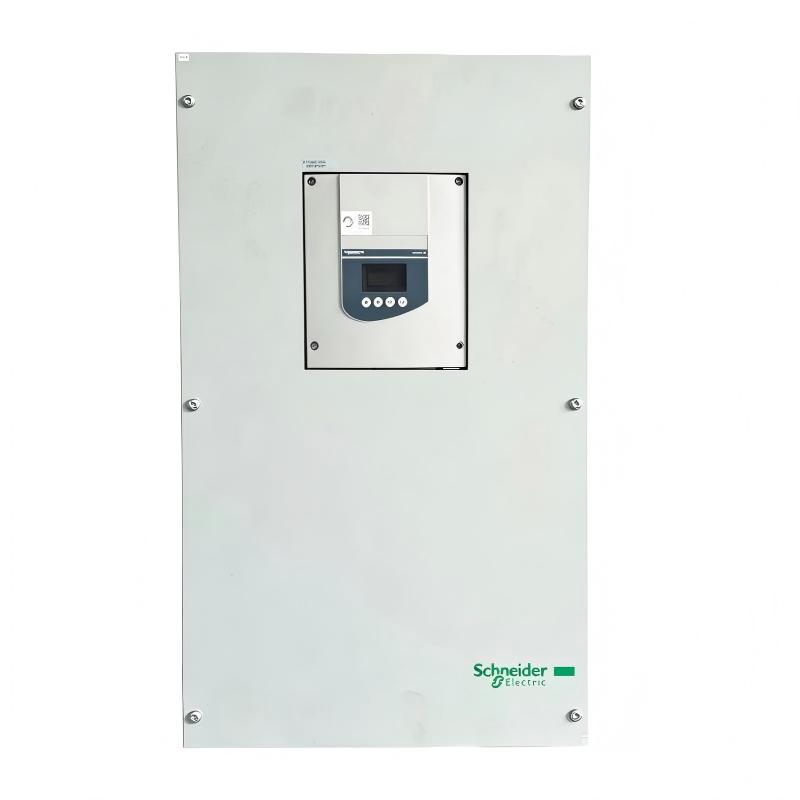
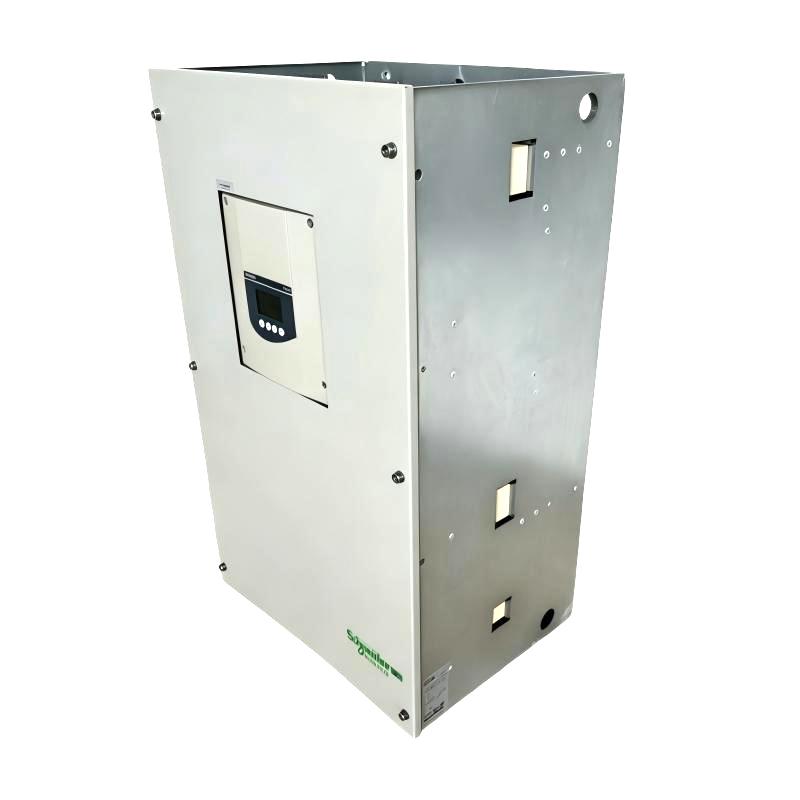
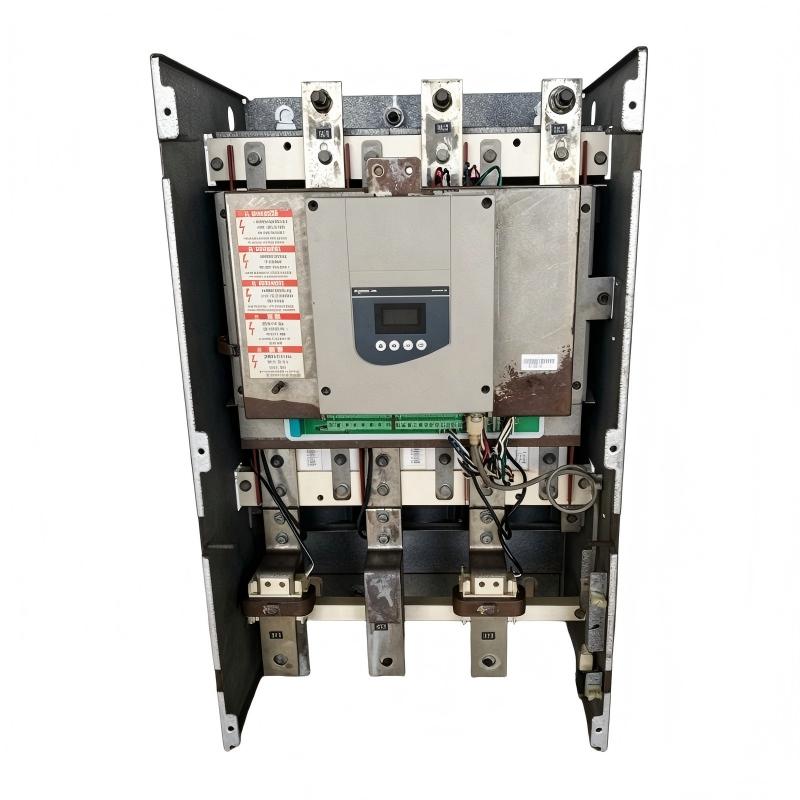
- Schneider
- ATS48C41Q
- Soft Starter
- France
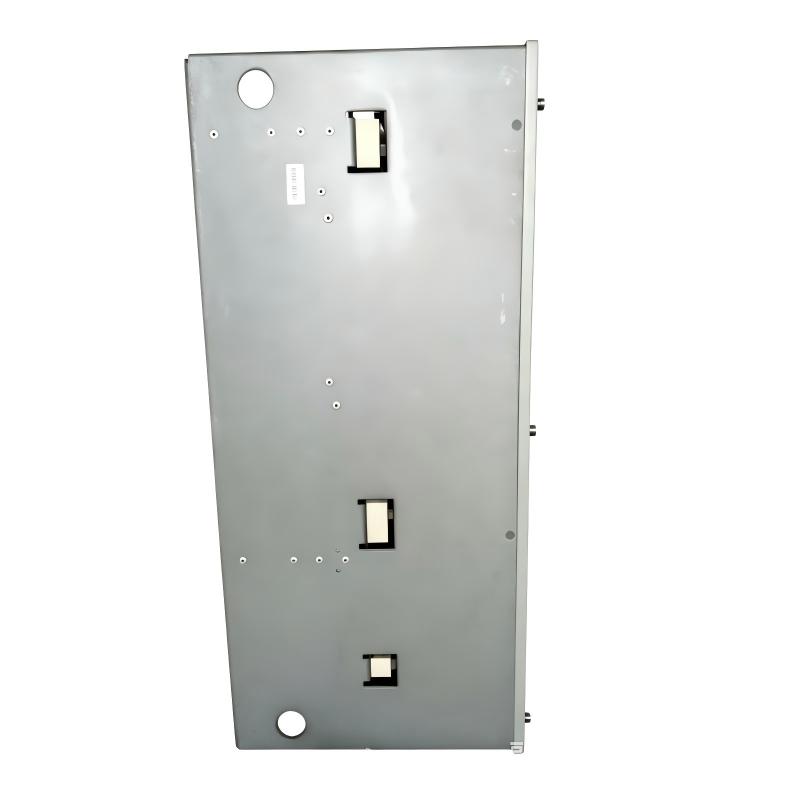
- 670 x 400 x 300 mm
- 51.4 kg
- Xiamen, China
- New & In Stock
- T/T, PayPal, Western Union
- 1 Year
- 1-3 Working Days
- DHL, UPS, TNT, FedEx and EMS.
- 24-Hour Service
- COO
- 70
Our advantage

Global Logistics
We have a 10-year logistics and express cooperation agreement, so our products can be shipped to any place in the world.

Brand new and original
Our products are imported in bulk from the place of origin. Because of the cooperative relationship, our products are all original and 100% new.

24-hour service
We provide 7*24 hours service to our customers. We will be there whenever you need us.

Price advantage
All our products are priced very favorably because we have our own warehouse and supply.
| Company Information | |||
| [email protected] | |||
| Mobile | +8615980777398 | ||
| +8615980777398 | |||
| 15980777398 |
Product Overview
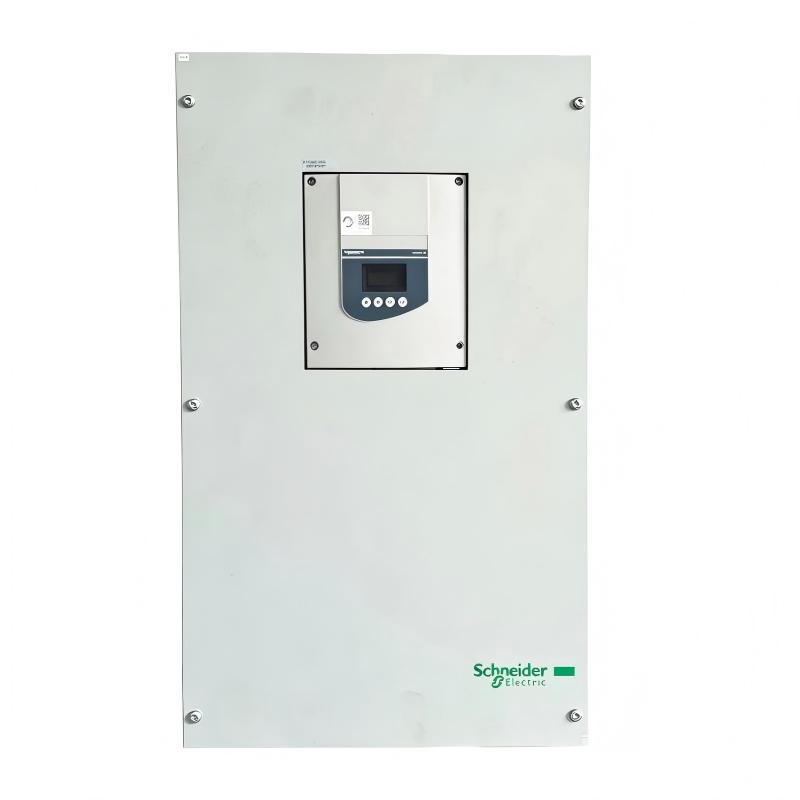
The Schneider ATS48C41Q Altistart 48 Soft Starter is a high-power electronic motor starter designed to control the starting and stopping of three-phase asynchronous motors. Unlike a conventional electromechanical starter that applies full line voltage almost immediately, the ATS48C41Q progressively controls the motor voltage during startup and stopping to reduce electrical and mechanical stress.
The ATS48 platform is designed for demanding industrial applications where controlled acceleration, reduced starting current, smooth stopping, and improved mechanical behavior are important. Typical applications include pumps, fans, conveyors, compressors, blowers, mixers, crushers, material-handling systems, and other machines driven by three-phase induction motors.
The supplied physical dimensions for the ATS48C41Q are 670 × 400 × 300 mm, with a stated weight of 51.4 kg. Because this is a large industrial soft starter, installation requires adequate cabinet space, ventilation, mechanical support, appropriate power protection, and sufficient access for commissioning and maintenance.
The ATS48C41Q should be selected according to the actual motor current, motor voltage, starting duty, acceleration requirements, load characteristics, and operating environment. Physical dimensions alone should never be used as the sole basis for selecting a replacement soft starter.
Product Identification
| Parameter | Specification |
|---|---|
| Manufacturer | Schneider Electric |
| Product Family | Altistart 48 |
| Model | ATS48C41Q |
| Product Type | Soft Starter |
| Starter Technology | Electronic Motor Soft Starter |
| Motor Type | Three-Phase Asynchronous Motor |
| Main Function | Controlled Motor Starting and Stopping |
| Application | Industrial Motor Control |
| Dimensions | 670 × 400 × 300 mm |
| Weight | 51.4 kg |
| Installation | Industrial Cabinet / Electrical Enclosure |
| Typical Loads | Pumps, Fans, Conveyors, Compressors, Blowers, Mixers |
| Control Objective | Reduced Starting Stress and Controlled Acceleration |
Technical Specifications
| Technical Item | Specification |
|---|---|
| Brand | Schneider Electric |
| Series | Altistart 48 |
| Catalog Number | ATS48C41Q |
| Product Category | Soft Starter |
| Motor Application | Three-Phase AC Motor |
| Starting Method | Electronic Soft Start |
| Stopping Method | Controlled Soft Stop |
| Dimensions | 670 × 400 × 300 mm |
| Weight | 51.4 kg |
| Installation | Control Cabinet |
| Primary Function | Motor Starting / Stopping |
| Typical Industrial Use | Pumps, Fans, Conveyors, Compressors |
| Cooling Requirement | Adequate Cabinet Ventilation |
| Maintenance | Periodic Electrical and Thermal Inspection |
What Is the Schneider ATS48C41Q?
The ATS48C41Q is an electronic soft starter designed to control the starting and stopping behavior of an AC induction motor.
The basic electrical arrangement can be represented as:
Three-Phase AC Supply
↓
Protection / Disconnect
↓
ATS48C41Q Soft Starter
↓
Three-Phase Motor
↓
Mechanical Load
During startup, the soft starter controls the voltage supplied to the motor. Instead of exposing the motor and mechanical system to an abrupt full-voltage starting condition, the starter progressively increases motor voltage according to the configured starting parameters.
This can help reduce:
- Starting current
- Mechanical shock
- Belt stress
- Coupling stress
- Pressure surges
- Torque shock
- Electrical disturbances
Soft Starter vs. Variable Frequency Drive
The ATS48C41Q should not be confused with a variable frequency drive.
A soft starter primarily controls motor starting and stopping. A variable frequency drive continuously controls motor speed by varying the output frequency.
| Function | ATS48 Soft Starter | Variable Frequency Drive |
|---|---|---|
| Soft Start | Yes | Yes |
| Soft Stop | Yes | Yes |
| Continuous Speed Control | No | Yes |
| Starting Current Reduction | Yes | Yes |
| Variable Frequency Output | No | Yes |
| Motor Speed Regulation | Limited/Application Dependent | Yes |
| Typical Application | Fixed-Speed Motor | Variable-Speed Motor |
| Main Objective | Smooth Starting/Stopping | Speed and Torque Control |
For a machine that normally operates at a fixed speed but requires a smoother startup and shutdown, a soft starter can be a suitable solution.
How the ATS48C41Q Works
The soft starter uses power electronics to control the voltage delivered to the motor during acceleration.
The simplified startup sequence is:
Motor Stopped
↓
Start Command
↓
Initial Controlled Voltage
↓
Progressive Voltage Increase
↓
Motor Accelerates
↓
Normal Running
During stopping:
Stop Command
↓
Controlled Voltage Reduction
↓
Motor Decelerates
↓
Motor Stops
This controlled process can reduce the abrupt torque transition associated with direct-on-line starting.
Why Soft Starting Is Important
A large induction motor can draw a high current when started directly across the line.
The resulting electrical and mechanical effects can include:
- High inrush current
- Voltage disturbance
- High starting torque
- Mechanical shock
- Belt tension
- Coupling stress
- Hydraulic pressure surge
The ATS48C41Q can help manage these effects by controlling the motor’s starting characteristics.
Industrial Applications
Pump Systems
Soft starters are particularly useful for pump applications.
A sudden start or stop can create hydraulic disturbances such as pressure surges.
Controlled starting and stopping can help reduce:
- Water hammer
- Pipe stress
- Coupling shock
- Pump mechanical stress
Typical applications include:
- Water treatment
- Industrial water circulation
- Cooling systems
- Process pumping
- Irrigation
- Industrial fluid transfer
Conveyor Systems
A conveyor motor can create a substantial mechanical shock when started at full voltage.
The ATS48C41Q can provide a controlled acceleration profile.
Benefits may include:
- Reduced belt stress
- Reduced gearbox shock
- Smoother product movement
- Lower coupling stress
- Reduced mechanical wear
Fan and Blower Systems
Large fans and blowers can have substantial rotational inertia.
Starting the motor abruptly can result in high current and significant mechanical stress.
A soft starter can provide controlled acceleration while allowing the motor to reach its normal operating speed.
Compressor Applications
Industrial compressors can impose substantial starting loads.
A soft starter can help manage motor acceleration and reduce mechanical shock.
Application-specific starting conditions should always be evaluated before selecting the final starter configuration.
Mixer and Agitator Applications
Mixers may experience high starting torque, particularly when the material inside the vessel is viscous.
Controlled motor acceleration can help reduce:
- Shaft stress
- Coupling stress
- Gearbox shock
- Mechanical vibration
Installation Guide
1. Verify the Product Model
Before installation, confirm:
Schneider Electric ATS48C41Q
Do not replace a soft starter solely because another unit belongs to the Altistart family.
Verify:
- Motor voltage
- Motor current
- Motor power
- Starting duty
- Starting time
- Load type
- Number of starts per hour
- Ambient temperature
- Cabinet cooling
2. Inspect the Soft Starter
Before installation, inspect the unit for:
- Physical damage
- Cracked components
- Damaged terminals
- Loose hardware
- Corrosion
- Moisture
- Contamination
- Signs of overheating
If the unit has been stored for an extended period, inspect the storage environment before commissioning.
3. Plan Cabinet Installation
The supplied dimensions are:
670 × 400 × 300 mm
The cabinet should provide additional space for:
- Incoming power cables
- Motor cables
- Control wiring
- Communication wiring
- Ventilation
- Maintenance
- Inspection
- Terminal access
Avoid installing the unit in a space where heat cannot escape.
4. Account for the 51.4 kg Weight
The supplied weight is:
51.4 kg
The cabinet mounting structure must safely support this load.
During installation:
- Use suitable lifting assistance.
- Support the unit securely.
- Do not lift it by control terminals.
- Do not use cables as lifting points.
- Verify mounting hardware.
- Maintain safe access around the installation.
5. Provide Adequate Ventilation
The ATS48C41Q dissipates heat during operation.
Cabinet thermal design should account for:
- Starter heat losses
- Ambient temperature
- Other heat-producing equipment
- Airflow
- Cabinet size
- Fan capacity
- Filter condition
If cabinet temperature becomes excessive, the soft starter may experience thermal protection events or reduced service life.
6. Verify Environmental Conditions
Before installation, evaluate:
- Ambient temperature
- Humidity
- Dust
- Oil
- Corrosive gases
- Condensation
- Vibration
- Altitude
- Ventilation
Electronic power equipment should not be installed in an environment that exceeds its specified operating conditions.
7. Ground the Equipment
Connect the soft starter and cabinet to the approved protective grounding system.
Verify:
- Starter grounding
- Cabinet grounding
- Motor grounding
- Grounding conductor integrity
Proper grounding contributes to electrical safety and helps control electrical interference.
8. Connect Incoming Power
Connect the three-phase supply according to the approved electrical drawings.
Before energizing, verify:
- Supply voltage
- Phase configuration
- Cable size
- Protective device
- Disconnect
- Terminal identification
- Terminal tightness
9. Connect the Motor
Connect the motor according to its actual nameplate and the approved wiring diagram.
Verify:
- Motor voltage
- Motor current
- Phase connections
- Motor grounding
- Cable insulation
- Cable size
- Terminal tightness
Incorrect motor wiring can cause abnormal current and starting problems.
10. Motor Nameplate Verification
Record the motor:
- Rated voltage
- Rated current
- Frequency
- Power
- Speed
- Connection
- Duty
- Starting characteristics
The motor’s rated current is particularly important when configuring the soft starter.
11. Connect Control Signals
Depending on the machine design, control wiring may include:
- Start
- Stop
- Fault reset
- Run status
- Fault status
- External interlock
- Emergency-stop circuit
- PLC control
- HMI control
All control signals should be checked against the electrical drawings.
12. PLC Integration
The ATS48C41Q can be incorporated into an industrial automation system.
A typical architecture is:
PLC
↓
Start / Stop Command
↓
ATS48C41Q
↓
Motor
↓
Mechanical Process
The PLC can supervise:
- Start request
- Stop request
- Interlocks
- Run status
- Fault status
- Process sequence
The soft starter remains responsible for the motor-starting function.
Commissioning Procedure
Step 1 — Mechanical Inspection
Confirm:
- Mounting
- Cabinet structure
- Clearance
- Ventilation
- Cable routing
- Grounding
Step 2 — Electrical Inspection
Check:
- Incoming supply
- Motor connections
- Grounding
- Protective equipment
- Control wiring
Step 3 — Configure Motor Parameters
Enter the correct motor information.
Do not simply copy parameters from another motor unless the motor specifications are confirmed to be identical.
4. Configure Starting Parameters
The starting profile should be selected according to the load.
Consider:
- Initial starting torque
- Acceleration time
- Load inertia
- Motor current
- Mechanical response
A conveyor, pump, fan, and mixer may require very different starting characteristics.
5. Test Without Full Process Load
Where the machine design permits, perform an initial controlled test.
Observe:
- Motor current
- Acceleration
- Noise
- Vibration
- Starter status
- Motor temperature
6. Verify Rotation
Run the motor at the appropriate controlled condition and verify rotation.
Incorrect rotation can damage:
- Pumps
- Fans
- Compressors
- Conveyors
- Mechanical equipment
7. Test the Soft Stop
If controlled stopping is required, verify the stopping profile.
For pumps, pay particular attention to hydraulic behavior.
For conveyors, observe:
- Belt movement
- Product stability
- Mechanical stopping
- Gearbox behavior
8. Test Under Normal Load
Gradually introduce the process load.
Monitor:
- Motor current
- Starter temperature
- Motor temperature
- Acceleration
- Deceleration
- Mechanical vibration
- Process response
Troubleshooting Guide
ATS48C41Q Does Not Start
Check:
- Incoming power
- Start command
- Control circuit
- Motor wiring
- Interlocks
- Active fault
- Motor parameters
- Control configuration
Soft Starter Has No Power
Possible causes include:
- Open disconnect
- Blown protective device
- Missing phase
- Incorrect wiring
- Loose terminal
- Upstream power problem
- Internal starter failure
Verify the supply before replacing the starter.
Motor Hums but Does Not Accelerate
Possible causes:
- Insufficient starting torque
- Excessive load
- Incorrect motor connection
- Motor problem
- Starting parameters unsuitable
- Mechanical obstruction
Check the motor and mechanical load before increasing starting parameters.
High Starting Current
Possible causes:
- Starting time too short
- Excessive motor load
- Incorrect motor configuration
- Incorrect starter sizing
- Motor problem
- Mechanical obstruction
Compare actual motor current with the motor’s nameplate rating.
Motor Takes Too Long to Start
Possible causes:
- Starting voltage too low
- Starting torque insufficient
- Excessive load
- Acceleration time too long
- Mechanical resistance
- Incorrect motor configuration
Do not simply increase the starting voltage without checking the mechanical load.
Motor Starts Abruptly
Possible causes:
- Starting parameters unsuitable
- Incorrect control configuration
- Soft-start function not configured as intended
- Bypass arrangement
- Control logic problem
Check whether the motor is actually being controlled through the intended soft-start sequence.
Motor Stops Too Abruptly
Possible causes:
- Soft-stop configuration
- Control logic
- Stop command configuration
- Application requirements
For pumps, abrupt stopping can produce hydraulic pressure disturbances.
Motor Overheats
Possible causes:
- Excessive starting frequency
- Long acceleration period
- Excessive load
- Motor ventilation problem
- Incorrect motor current
- Mechanical friction
Frequent starts can create considerable motor heating even when the motor appears to operate normally after reaching speed.
Soft Starter Overheats
Possible causes:
- Excessive motor current
- High ambient temperature
- Poor cabinet ventilation
- Blocked airflow
- Excessive starting frequency
- Incorrect starter sizing
- Contaminated cooling path
Check the thermal environment and application duty.
Phase Loss
A missing phase can result in:
- Motor heating
- High current
- Poor starting
- Abnormal operation
- Starter protection
Check:
- Incoming supply
- Fuses
- Breakers
- Power terminals
- Motor cables
- Motor terminals
Motor Trips During Acceleration
Possible causes include:
- Excessive load
- Insufficient starting torque
- Incorrect motor data
- Mechanical obstruction
- Motor fault
- Unsuitable acceleration settings
The correct solution depends on whether the root cause is electrical or mechanical.
Pump Produces Pressure Shock
If the pump system experiences pressure shock:
- Review acceleration
- Review soft-stop configuration
- Check valve operation
- Inspect piping
- Check pump characteristics
- Evaluate system inertia
Soft-starter settings should be coordinated with the hydraulic system rather than adjusted in isolation.
Conveyor Experiences Mechanical Shock
Check:
- Starting ramp
- Initial torque
- Belt tension
- Gearbox condition
- Coupling
- Mechanical load
- Conveyor alignment
A soft starter can reduce electrical and mechanical starting stress, but it cannot compensate for a mechanically defective conveyor.
PLC Cannot Start the Soft Starter
Check:
- PLC output
- Control wiring
- Interlock
- Start input
- Stop input
- Fault condition
- Control configuration
Use the machine electrical drawings to verify the complete command path.
PLC Reports a Fault
Check whether the fault originates from:
- Soft starter
- Motor
- Incoming power
- Control wiring
- Mechanical load
- PLC logic
Record the fault condition before resetting the starter.
Intermittent Faults
If the ATS48C41Q operates normally most of the time but occasionally trips, record:
- Time of fault
- Motor current
- Ambient temperature
- Motor temperature
- Number of starts
- Process load
- Supply voltage
Patterns can help identify whether the problem is thermal, electrical, mechanical, or process-related.
Preventive Maintenance
Electrical Inspection
Periodically inspect:
- Power terminals
- Motor terminals
- Grounding
- Control terminals
- Protective devices
Look for:
- Loose connections
- Heat discoloration
- Burn marks
- Damaged insulation
- Corrosion
Thermal Inspection
Inspect:
- Cabinet temperature
- Ventilation
- Fans
- Filters
- Air passages
- Dust accumulation
Thermal problems often develop gradually and may initially appear as intermittent faults.
Motor Inspection
Check:
- Bearings
- Coupling
- Shaft
- Motor cooling
- Insulation
- Vibration
- Operating current
A motor problem can cause the soft starter to appear faulty even when the starter itself is functioning correctly.
Mechanical Load Inspection
Inspect:
- Pumps
- Fans
- Conveyors
- Gearboxes
- Belts
- Couplings
- Bearings
- Shafts
Mechanical friction or blockage can substantially increase starting requirements.
Configuration Backup
After commissioning, document the validated configuration.
Record:
- ATS48C41Q model
- Motor information
- Starting parameters
- Stopping parameters
- Control configuration
- PLC interface
- Application
- Commissioning date
Keeping a configuration record makes future troubleshooting and replacement easier.
Replacement Considerations
When replacing an ATS48C41Q, compare more than physical dimensions.
| Parameter | Required Verification |
|---|---|
| Motor Voltage | Yes |
| Motor Current | Yes |
| Motor Power | Yes |
| Starting Duty | Yes |
| Number of Starts | Yes |
| Acceleration Time | Yes |
| Load Type | Yes |
| Cabinet Cooling | Yes |
| Control Voltage | Yes |
| I/O | Yes |
| Communication | Yes |
| Physical Dimensions | Yes |
| Mounting | Yes |
| Environmental Conditions | Yes |
A soft starter with a similar physical size may still be unsuitable if its current rating or starting capability does not match the motor.
Compatible System Components
| Component | Function |
|---|---|
| Schneider PLC | Machine sequencing |
| HMI | Operator control |
| Circuit Breaker | Electrical protection |
| Disconnect Switch | Isolation |
| Contactors | Power/control switching |
| Three-Phase Motor | Mechanical power |
| Motor Protection | Motor protection |
| Sensors | Process feedback |
| Control Relays | Interlocking |
| Industrial Cabinet | Equipment mounting |
| Cooling System | Thermal management |
Key Advantages
Reduced Starting Stress
The ATS48C41Q can provide controlled motor acceleration instead of an abrupt full-voltage start.
Reduced Mechanical Shock
Controlled acceleration can reduce stress on:
- Couplings
- Gearboxes
- Belts
- Shafts
- Conveyors
Controlled Stopping
Soft stopping can be useful for applications where abrupt stopping causes process or mechanical problems.
Industrial Application Flexibility
The ATS48 platform can be applied to:
- Pumps
- Fans
- Conveyors
- Compressors
- Blowers
- Mixers
- Material-handling machinery
PLC Integration
The soft starter can operate as part of a PLC-controlled industrial automation system.
High-Power Industrial Construction
The supplied 51.4 kg weight and 670 × 400 × 300 mm dimensions indicate a substantial industrial starter designed for installation in appropriately engineered electrical equipment.
Technical FAQs
What is Schneider ATS48C41Q?
The ATS48C41Q is a Schneider Electric Altistart 48 soft starter for three-phase asynchronous motor applications.
What does a soft starter do?
It controls motor starting and stopping to reduce electrical and mechanical stress compared with direct-on-line starting.
What are the dimensions?
The supplied dimensions are:
670 × 400 × 300 mm
What is the weight?
The supplied weight is:
51.4 kg
Is the ATS48C41Q a variable frequency drive?
No. A soft starter and a variable frequency drive perform different functions. The ATS48 primarily manages motor starting and stopping rather than providing continuous variable-frequency speed control.
What motors can it control?
It is designed for three-phase asynchronous motor applications, with final selection determined by motor voltage, current, power, duty, and starting requirements.
Can it be used with pumps?
Yes. Pump applications can benefit from controlled starting and stopping, particularly where hydraulic shock needs to be reduced.
Can it be used with conveyors?
Yes. Controlled acceleration can reduce mechanical shock in conveyor systems.
Why does the motor fail to accelerate?
Possible causes include excessive load, insufficient starting torque, incorrect motor wiring, inappropriate configuration, or a mechanical obstruction.
Why does the soft starter overheat?
Possible causes include excessive current, high ambient temperature, poor cabinet ventilation, blocked airflow, frequent starting, or an incorrectly sized starter.
Why does the motor trip during startup?
Check the motor current, starting conditions, mechanical load, motor configuration, and soft-starter sizing.
Why is the motor starting abruptly?
Check the configured starting behavior, control circuit, bypass arrangement, and operating mode.
Can another soft starter replace the ATS48C41Q?
Potentially, but the replacement must be matched to the motor’s voltage, current, power, starting duty, load characteristics, cabinet dimensions, control architecture, and environmental conditions.
Installation Checklist
| Item | Verification |
|---|---|
| Product | ATS48C41Q |
| Series | Altistart 48 |
| Dimensions | 670 × 400 × 300 mm |
| Weight | 51.4 kg |
| Motor Voltage | Verified |
| Motor Current | Verified |
| Motor Power | Verified |
| Cabinet Space | Verified |
| Mounting | Verified |
| Cooling | Verified |
| Grounding | Verified |
| Incoming Power | Verified |
| Motor Wiring | Verified |
| Control Wiring | Verified |
| PLC Interface | Verified |
| Starting Parameters | Configured |
| Stopping Parameters | Configured |
| Motor Rotation | Tested |
| No-Load Operation | Tested |
| Load Operation | Tested |
| Configuration Backup | Completed |
Troubleshooting Decision Flow
When diagnosing an ATS48C41Q problem, use a systematic sequence:
Check Incoming Power
↓
Check Control Command
↓
Check Soft-Starter Status
↓
Check Motor Wiring
↓
Check Motor Current
↓
Check Starting Parameters
↓
Check Mechanical Load
↓
Check Cabinet Cooling
↓
Check Motor Condition
↓
Perform Controlled Retest
This approach helps separate starter-related problems from motor, power-supply, control, and mechanical faults.
Conclusion
The Schneider Electric ATS48C41Q Altistart 48 Soft Starter is an industrial electronic motor starter designed to provide controlled acceleration and stopping for three-phase asynchronous motors. It is particularly useful where direct-on-line starting would produce excessive current, mechanical shock, pressure surges, or undesirable process behavior.
The supplied physical dimensions are 670 × 400 × 300 mm, and the supplied weight is 51.4 kg. These characteristics require appropriate cabinet design, mechanical support, lifting arrangements, ventilation, and maintenance access.
During installation, the most important considerations are correct motor and supply matching, proper grounding, suitable power protection, adequate cooling, correct motor wiring, and reliable control integration. During commissioning, motor data should be verified before starting the machine, followed by controlled testing of acceleration, rotation, stopping, and loaded operation.
For troubleshooting, problems should be investigated across the complete system. A failed start, high current, overheating condition, or repeated fault may originate from the soft starter, motor, incoming supply, PLC, control circuit, or mechanical load. Systematic diagnosis is therefore more effective than immediately replacing the starter.
When correctly sized and installed, the ATS48C41Q provides a practical solution for reducing motor starting stress and improving the starting and stopping behavior of large industrial machines.