

ProductPRODUCT
Featured products
Contact Us
- Ingersoll Rand
- 47704432001 47690462001
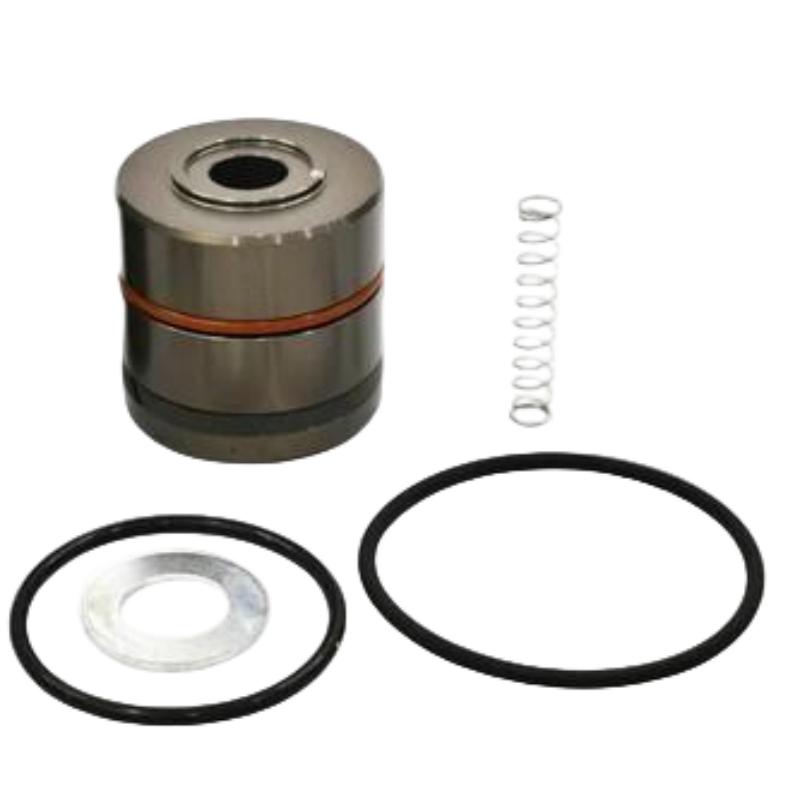
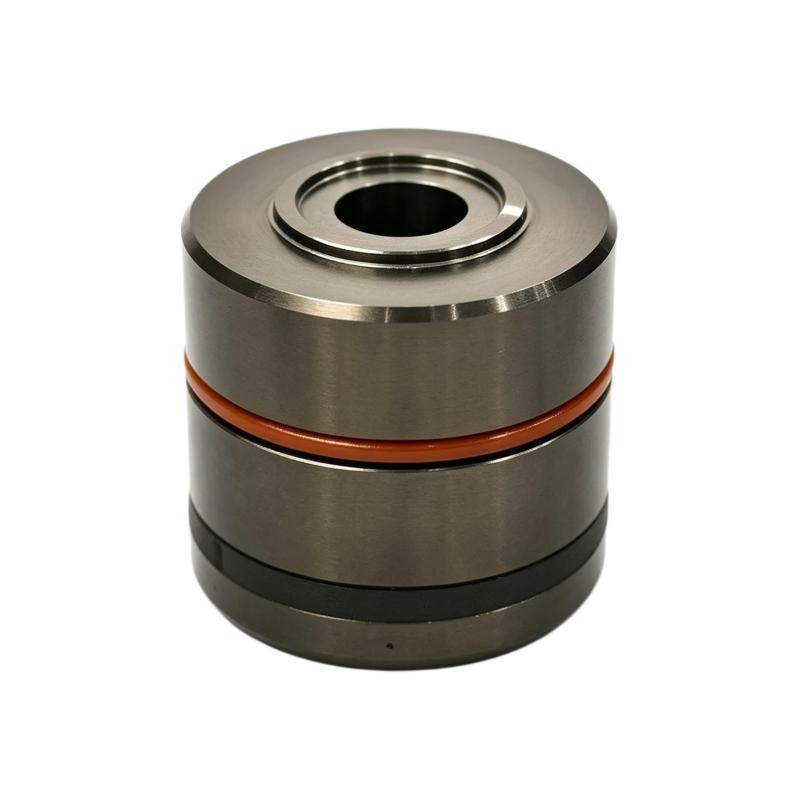
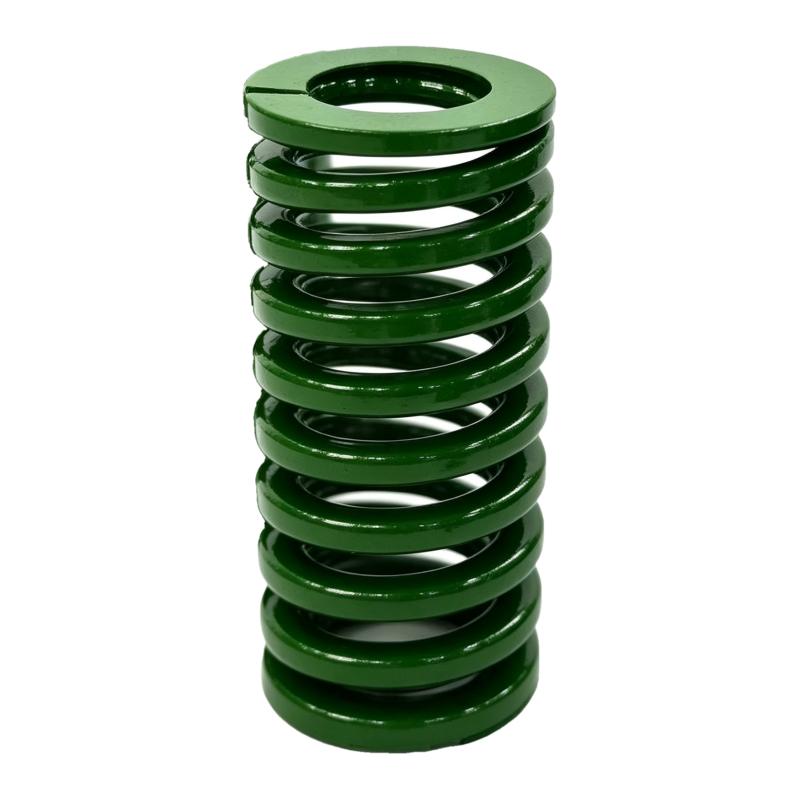
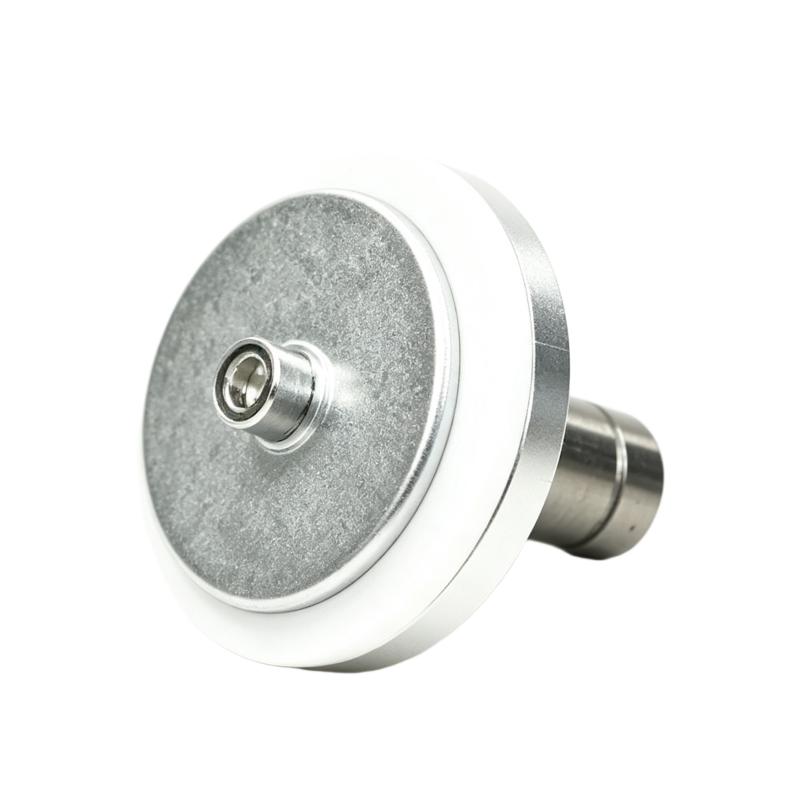
- Minimum Pressure Valve Kit
- USA
- 100 x 15 x 80 mm
- 0.1 kg
- Xiamen, China
- New & In Stock
- T/T, PayPal, Western Union
- 1 Year
- 1-3 Working Days
- DHL, UPS, TNT, FedEx and EMS.
- 24-Hour Service
- COO
- 59
Our advantage

Global Logistics
We have a 10-year logistics and express cooperation agreement, so our products can be shipped to any place in the world.

Brand new and original
Our products are imported in bulk from the place of origin. Because of the cooperative relationship, our products are all original and 100% new.

24-hour service
We provide 7*24 hours service to our customers. We will be there whenever you need us.

Price advantage
All our products are priced very favorably because we have our own warehouse and supply.
| Company Information | |||
| [email protected] | |||
| Mobile | +8615980777398 | ||
| +8615980777398 | |||
| 15980777398 |
Product Overview
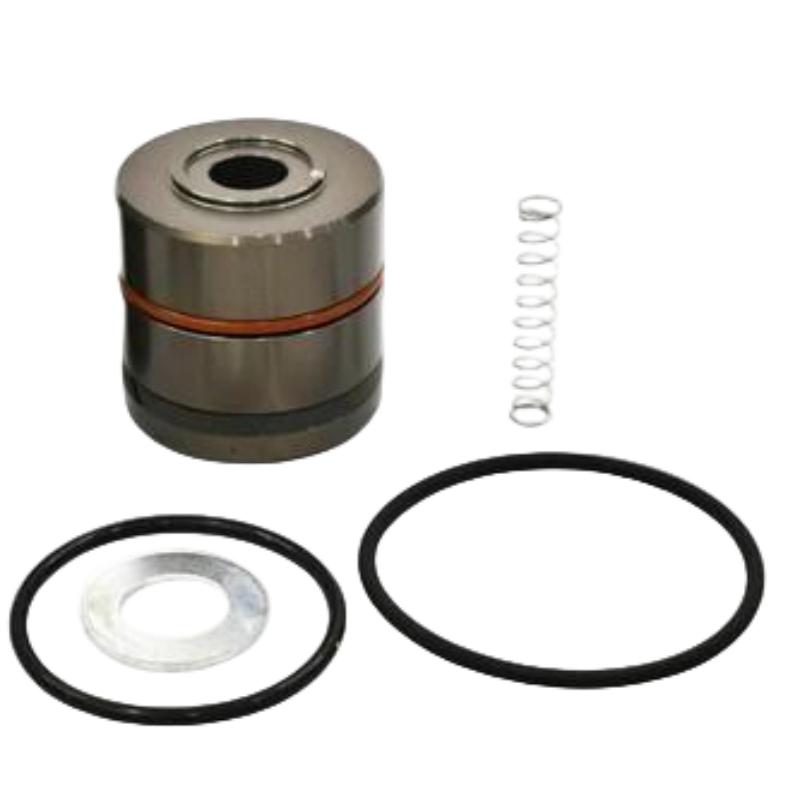
The Ingersoll Rand 47690462001 Minimum Pressure Valve Kit is a service and maintenance component designed for oil-injected rotary screw air compressor systems. As part of the compressor’s discharge and oil-separation circuit, the minimum pressure valve helps maintain the minimum internal pressure required for stable oil circulation and reliable compressor operation.
The valve plays an important role during compressor startup and normal operation. By maintaining sufficient pressure within the separator and compressor system before allowing unrestricted discharge flow, it supports proper lubricant circulation and helps ensure that the oil-separation system operates effectively.
The 47690462001 Minimum Pressure Valve Kit is associated with the Ingersoll Rand 47704432001 service kit and has specified dimensions of 100 × 15 × 80 mm with a weight of approximately 0.1 kg.
A properly functioning minimum pressure valve helps maintain pressure stability, support oil circulation, reduce abnormal oil carryover, and protect the compressor from operating outside its intended pressure range.
Product Identification
| Parameter | Specification |
|---|---|
| Manufacturer | Ingersoll Rand |
| Part Number | 47690462001 |
| Associated Service Kit | 47704432001 |
| Product Type | Minimum Pressure Valve Kit |
| Main Function | Minimum Pressure Control |
| Application | Oil-Injected Rotary Screw Compressor |
| Installation Area | Compressor Discharge / Oil Separation System |
| Dimensions | 100 × 15 × 80 mm |
| Weight | 0.1 kg |
| Maintenance Type | Service Kit Replacement |
| Primary Role | Maintain Minimum System Pressure |
Technical Specifications
| Technical Item | Specification |
|---|---|
| Product Category | Minimum Pressure Valve Kit |
| Manufacturer | Ingersoll Rand |
| Model / Part Number | 47690462001 |
| Service Kit | 47704432001 |
| Dimensions | 100 × 15 × 80 mm |
| Weight | 0.1 kg |
| Application | Rotary Screw Air Compressor |
| Valve Function | Minimum Pressure Regulation |
| Installation | Compressor Discharge Circuit |
| Maintenance | Inspection / Replacement |
| System Role | Pressure and Oil Circulation Control |
Function and Working Principle
The minimum pressure valve is installed in the compressor discharge circuit and helps maintain adequate pressure inside the compressor’s oil-separation system.
A simplified operating sequence is:
Air End
↓
Compressed Air + Oil Mist
↓
Air-Oil Separator
↓
Minimum Pressure Valve
↓
Compressed Air Outlet
↓
Plant Air System
The valve remains sufficiently closed during low-pressure conditions to help the compressor build the pressure required for proper oil circulation and separation. As discharge pressure increases, the valve opens progressively to permit compressed air to flow toward the downstream system.
This pressure-control function supports:
- Stable oil circulation
- Effective oil separation
- Reliable compressor startup
- Controlled discharge flow
- Stable compressor operation
Importance in Compressor Systems
The minimum pressure valve is a relatively small component but performs an important system-level function.
It helps:
- Maintain minimum separator pressure
- Support proper lubricant circulation
- Improve oil-separation efficiency
- Stabilize compressor operation
- Reduce excessive oil carryover
- Support normal startup
- Prevent inappropriate low-pressure operation
- Maintain stable compressed-air delivery
A faulty valve can therefore create symptoms affecting several parts of the compressor.
Typical Industrial Applications
The 47690462001 Minimum Pressure Valve Kit is intended for compressor maintenance applications involving compatible Ingersoll Rand rotary screw compressor systems.
Typical industries include:
- Manufacturing
- Automotive plants
- Metalworking
- Chemical processing
- Food and beverage
- Pharmaceutical production
- Mining
- Cement production
- Power generation
- Textile manufacturing
- General industrial compressed-air systems
Installation Guide
1. Verify the Replacement Kit
Confirm the replacement part:
47690462001
Associated service kit:
47704432001
Always verify equipment compatibility before installation.
2. Shut Down the Compressor
Before servicing the minimum pressure valve:
- Stop the compressor.
- Disconnect electrical power.
- Isolate the compressed-air outlet.
- Release internal pressure.
- Allow the equipment to cool.
- Apply appropriate lockout/tagout procedures.
Never open a pressurized compressor system.
3. Allow the System to Cool
Compressor lubricant and internal components may remain hot after shutdown.
Allow sufficient cooling time before beginning maintenance.
4. Identify the Valve Assembly
Locate the minimum pressure valve in the compressor’s discharge or separator circuit.
Inspect surrounding:
- Pipes
- Fittings
- Connections
- Sealing surfaces
- Oil return components
5. Remove the Existing Valve Components
Carefully remove the existing valve assembly or service components according to the compressor maintenance procedure.
Avoid damaging adjacent piping and sealing surfaces.
6. Inspect the Valve Housing
Check for:
- Contamination
- Wear
- Corrosion
- Damaged threads
- Foreign particles
- Abnormal oil deposits
Clean the relevant surfaces before installing the replacement kit.
7. Install the 47690462001 Kit
Install the replacement components in their correct positions.
Verify:
- Correct orientation
- Proper seating
- Correct spring or internal component position where applicable
- Clean sealing surfaces
- Secure connections
8. Check the Discharge Path
Ensure that downstream piping is not blocked.
A blocked discharge path can produce symptoms that appear to originate from the minimum pressure valve.
9. Reassemble the System
Secure all fittings and connections according to the applicable compressor service procedure.
Check for:
- Loose fittings
- Damaged seals
- Misalignment
- Oil leakage
10. Restart and Test
After reassembly:
- Restore power.
- Start the compressor.
- Observe startup pressure.
- Monitor discharge pressure.
- Check oil circulation.
- Inspect for leaks.
- Verify normal loading and unloading behavior.
Commissioning Inspection
After replacing the minimum pressure valve kit, monitor:
Startup
- Pressure builds normally.
- Compressor does not remain abnormally unloaded.
- No unusual noise occurs.
Normal Operation
- Discharge pressure remains stable.
- Oil circulation is normal.
- No excessive oil carryover occurs.
- Compressor load behavior is normal.
Shutdown
- Pressure unloads normally.
- No abnormal pressure retention occurs.
- No leakage is present.
Troubleshooting Guide
Problem 1 — Compressor Fails to Build Pressure Correctly
Possible causes:
- Minimum pressure valve stuck open
- Valve seal failure
- Internal valve damage
- Excessive downstream air demand
- Other discharge-system problems
Inspect the valve and associated discharge components.
Problem 2 — Excessive Internal Pressure
Possible causes:
- Minimum pressure valve restricted
- Valve stuck closed
- Downstream blockage
- Incorrect valve installation
Check the complete discharge path.
Problem 3 — Excessive Oil Carryover
Possible causes:
- Minimum pressure valve malfunction
- Low separator pressure
- Oil return restriction
- Air-oil separator problem
- Excessive oil level
Inspect the minimum pressure valve together with the separator and oil recovery system.
Problem 4 — Compressor Runs Hot
Possible causes:
- Restricted discharge
- Excessive internal pressure
- Poor oil circulation
- Cooling-system problem
Check operating pressure and oil flow.
Problem 5 — Compressor Loading Is Unstable
Possible causes:
- Minimum pressure valve sticking
- Pressure control problem
- Valve contamination
- Faulty control components
Inspect valve movement and system pressure response.
Problem 6 — Pressure Drops Too Quickly
Possible causes:
- Valve leaking
- Damaged sealing components
- Incorrect installation
- Downstream leakage
Check valve sealing and discharge piping.
Problem 7 — Abnormal Noise
Possible causes:
- Valve vibration
- Loose components
- Damaged internal parts
- Unstable airflow
Stop the compressor if severe mechanical noise is present and inspect the assembly.
Problem 8 — Oil Appears in Downstream Piping
Possible causes:
- Poor oil separation
- Incorrect internal pressure
- Minimum pressure valve malfunction
- Blocked oil return
Inspect the complete air-oil separation circuit rather than replacing the valve immediately.
Diagnostic Procedure
Use the following troubleshooting sequence:
Compressor Air End
↓
Oil-Separation System
↓
Internal Pressure
↓
47690462001 Minimum Pressure Valve
↓
Discharge Piping
↓
Plant Air Network
This method helps determine whether the valve is actually responsible for the abnormal operating condition.
Preventive Maintenance
Regular inspection of the minimum pressure valve can help prevent unexpected compressor downtime.
Valve Inspection
Check for:
- Contamination
- Wear
- Corrosion
- Sticking
- Damaged sealing surfaces
Pressure Inspection
Monitor:
- Startup pressure
- Normal operating pressure
- Pressure stability
- Pressure drop
Unexpected pressure changes can indicate valve problems.
Oil System Inspection
Check:
- Oil level
- Oil condition
- Oil return path
- Oil carryover
- Separator condition
Preventive Maintenance Checklist
| Inspection Item | Recommended Action |
|---|---|
| Minimum Pressure Valve | Inspect for sticking |
| Valve Seals | Check for leakage |
| Internal Components | Inspect for wear |
| Discharge Pressure | Monitor |
| Oil Level | Maintain correct level |
| Oil Return Line | Verify unrestricted flow |
| Air-Oil Separator | Inspect condition |
| Discharge Piping | Check for blockage |
| Compressor Temperature | Monitor |
| Valve Connections | Check for leaks |
Replacement Procedure
- Stop compressor operation.
- Disconnect electrical power.
- Isolate the compressed-air system.
- Release internal pressure.
- Allow components to cool.
- Locate the minimum pressure valve.
- Remove the existing valve components.
- Inspect and clean the valve housing.
- Install the 47690462001 Minimum Pressure Valve Kit.
- Check sealing components.
- Reconnect the discharge piping.
- Verify all connections.
- Restore power.
- Start the compressor.
- Monitor pressure buildup.
- Check for leakage.
- Verify normal loading operation.
- Confirm stable compressor performance.
Common Installation Errors
Installing the Wrong Valve Kit
A similar-looking valve may not have the correct operating characteristics.
Incorrect Component Orientation
Internal valve components must be installed in the correct orientation.
Damaged Seals
Worn or damaged seals can cause pressure leakage.
Contaminated Housing
Dirt or debris can interfere with valve movement.
Failure to Check Downstream Restrictions
A blocked discharge system can produce symptoms similar to a faulty minimum pressure valve.
Starting Before Pressure Testing
Always inspect the complete assembly before restarting the compressor.
Key Advantages
- Helps maintain minimum compressor pressure
- Supports proper oil circulation
- Improves oil-separation performance
- Supports stable compressor startup
- Helps regulate discharge flow
- Reduces risk of abnormal oil carryover
- Compact maintenance component
- Lightweight 0.1 kg design
- Easy to replace during scheduled service
- Suitable for industrial compressor maintenance
Frequently Asked Questions
What is the Ingersoll Rand 47690462001?
The 47690462001 is a minimum pressure valve kit used in compatible Ingersoll Rand rotary screw compressor systems.
Which service kit is associated with this component?
The component is associated with Ingersoll Rand 47704432001.
What are the dimensions?
The specified dimensions are 100 × 15 × 80 mm.
What is the weight?
Approximately 0.1 kg.
What is the function of a minimum pressure valve?
It helps maintain sufficient internal compressor pressure to support proper oil circulation, oil separation, and stable compressor operation.
What happens if the valve remains open?
The compressor may have difficulty establishing the pressure required for normal oil circulation and separation, potentially affecting performance and oil carryover.
What happens if the valve remains closed?
Excessive internal pressure and increased pressure drop may occur, potentially increasing energy consumption and operating temperature.
Can excessive oil carryover be caused by the minimum pressure valve?
Yes. Valve malfunction can contribute to abnormal pressure conditions that affect oil separation, although the air-oil separator, oil level, and oil return circuit should also be inspected.
What should be checked before replacing the valve?
Inspect internal pressure, discharge piping, oil level, separator condition, oil return path, and valve components to identify the actual root cause.
Conclusion
The Ingersoll Rand 47690462001 Minimum Pressure Valve Kit is an important service component in compatible oil-injected rotary screw compressor systems. With specified dimensions of 100 × 15 × 80 mm and a weight of approximately 0.1 kg, it provides a compact solution for maintaining the minimum pressure required for stable compressor operation and effective oil circulation.
Proper installation and regular inspection are essential because minimum pressure valve performance affects the compressor’s pressure behavior, oil-separation efficiency, lubrication system, and overall operating stability. When troubleshooting pressure or oil-carryover problems, the valve should be evaluated together with the air-oil separator, oil return system, discharge piping, and compressor operating conditions.
A systematic maintenance program that includes pressure monitoring, valve inspection, oil-system checks, and timely replacement of worn components can help reduce unexpected failures, maintain compressor efficiency, and extend the service life of the complete compressed-air system.