

ProductPRODUCT
Featured products
Contact Us
- Ingersoll Rand
- 47704460001 24260853010
- Hose
- USA
- 27 in
- 3 kg
- Xiamen, China
- New & In Stock
- T/T, PayPal, Western Union
- 1 Year
- 1-3 Working Days
- DHL, UPS, TNT, FedEx and EMS.
- 24-Hour Service
- COO
- 51
Our advantage

Global Logistics
We have a 10-year logistics and express cooperation agreement, so our products can be shipped to any place in the world.

Brand new and original
Our products are imported in bulk from the place of origin. Because of the cooperative relationship, our products are all original and 100% new.

24-hour service
We provide 7*24 hours service to our customers. We will be there whenever you need us.

Price advantage
All our products are priced very favorably because we have our own warehouse and supply.
| Company Information | |||
| [email protected] | |||
| Mobile | +8615980777398 | ||
| +8615980777398 | |||
| 15980777398 |
Product Overview
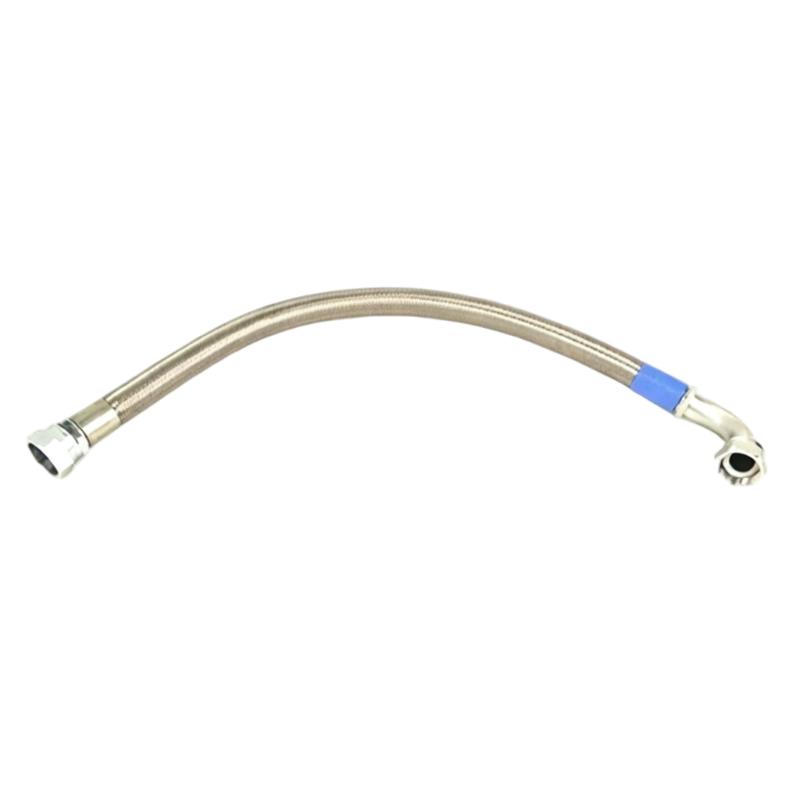
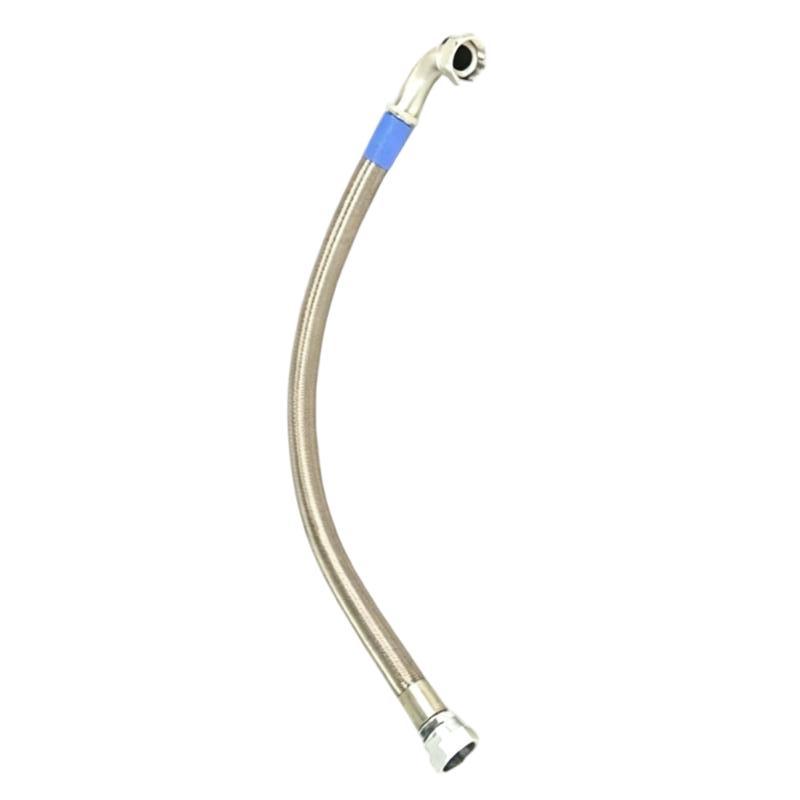
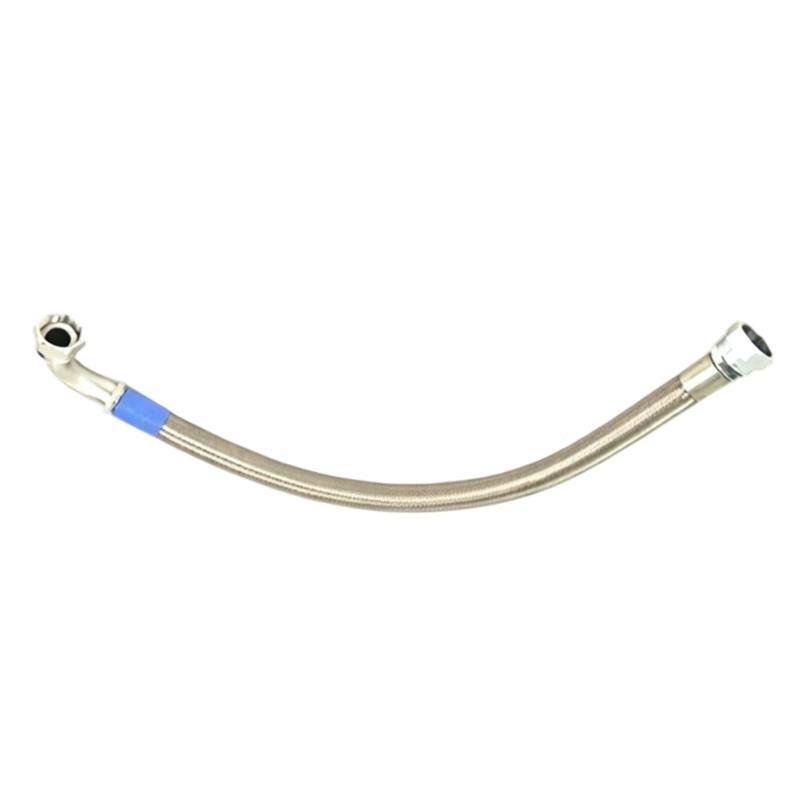
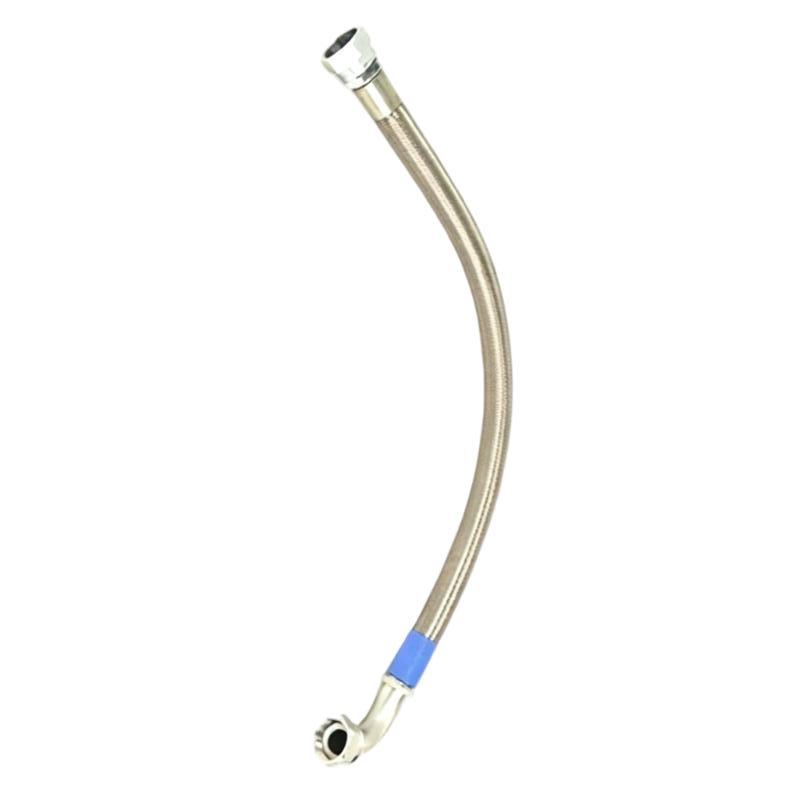
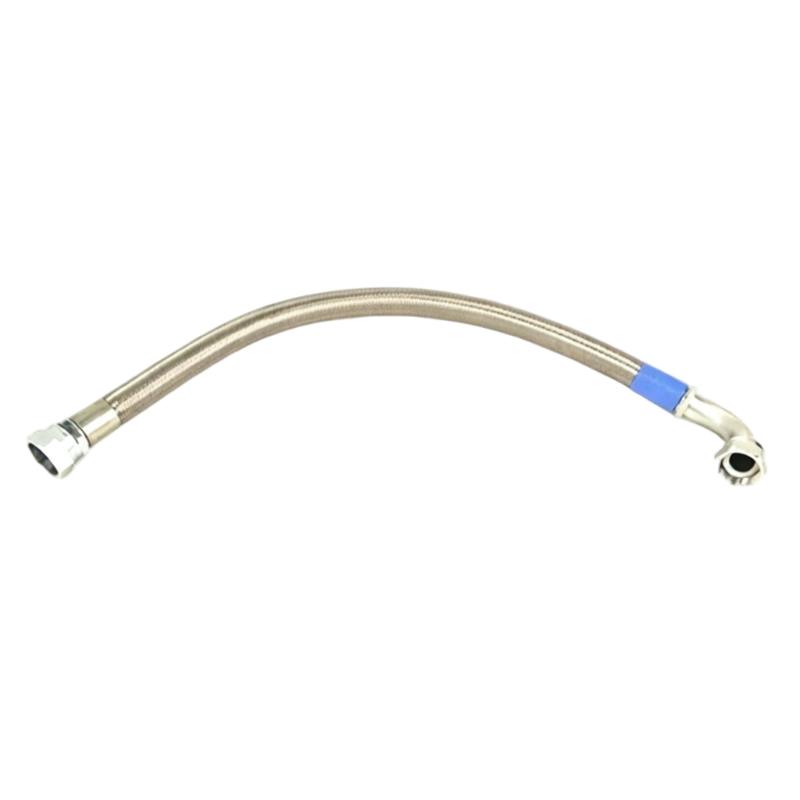
The Ingersoll Rand 47704460001 24260853010 Hose is a flexible hose component used in compatible Ingersoll Rand industrial equipment. It forms part of the fluid or pneumatic connection between equipment assemblies, allowing the connected components to remain properly routed while accommodating vibration and relative movement.
Unlike rigid tubing or fixed piping, a flexible hose can absorb small amounts of mechanical movement generated during equipment operation. This makes hose condition important in compressor and industrial equipment where vibration, pressure cycling, and repeated thermal changes can affect connections over time.
For maintenance applications, the 47704460001 hose is typically considered a service component rather than a control or processing device. Correct part-number identification, hose routing, connection condition, and application compatibility should be confirmed before replacement.
Technical Specifications
| Parameter | Specification |
|---|---|
| Manufacturer | Ingersoll Rand |
| Part Number | 47704460001 |
| Component Number | 24260853010 |
| Product Type | Hose |
| Application | Industrial Equipment / Compressor Service |
| Hose Length | 27 in |
| Shipping Weight | 3 kg |
Product Features
The 24260853010 hose is intended for flexible connection applications within compatible Ingersoll Rand equipment.
Key characteristics include:
- Ingersoll Rand hose assembly
- Part number 47704460001
- Component number 24260853010
- Flexible connection for industrial equipment
- Suitable for maintenance and replacement work
- Supports routing between connected components
- Accommodates vibration and limited equipment movement
- Suitable for established Ingersoll Rand installations
- Requires correct routing and connection during installation
The hose should be matched to the original equipment configuration rather than selected solely according to physical appearance.
Working Principle
The hose provides a flexible passage between two connected points within the equipment system.
A simplified arrangement is:
Equipment Component A → Flexible Hose → Equipment Component B
During normal operation, the hose carries the applicable medium between the connected components while allowing a degree of movement between them.
This flexibility is useful in machinery because rigid connections can transmit vibration and mechanical stress directly to connected components. A properly installed hose can accommodate limited movement and help reduce stress at the connection points.
The hose’s condition therefore affects both fluid containment and mechanical reliability. Abrasion, cracking, deformation, excessive bending, or deterioration around the fittings can compromise the connection.
Role in an Industrial Equipment System
The 47704460001 hose occupies the flexible connection layer of the equipment circuit.
A typical arrangement can be represented as:
Source Component → Hose Connection → Hose → Receiving Component
Depending on its specific installation location, the hose may form part of an air, oil, fluid, or other equipment circuit.
Its role is particularly relevant where:
- Components are subject to vibration
- Two connection points experience relative movement
- A removable service connection is required
- Flexible routing is preferable to rigid piping
- Equipment maintenance requires repeated component removal
A hose fault can affect the connected circuit even when the source and receiving components themselves are operating correctly.
Industrial Applications
The 47704460001 24260853010 hose is relevant to industrial equipment maintenance involving compatible Ingersoll Rand systems.
| Application | Typical Use |
|---|---|
| Compressor Maintenance | Replacement of flexible hose connections |
| Industrial Pneumatic Systems | Flexible circuit connection |
| Manufacturing Plants | Equipment service and repair |
| Plant Utility Systems | Maintaining fluid or air connections |
| Machinery Maintenance | Replacing aged hoses |
| Preventive Maintenance | Inspection and scheduled replacement |
| Compressor Overhaul | Renewal of flexible connections |
| Field Service | Hose replacement and equipment restoration |
The actual medium carried by the hose depends on the equipment configuration in which the component is installed.
Installation and Maintenance
Hose replacement requires attention to both the connection points and the physical routing of the hose.
Recommended maintenance practices include:
- Confirm the complete 47704460001 part number.
- Verify component number 24260853010.
- Identify the original hose routing.
- Isolate and depressurize the relevant equipment circuit.
- Inspect both connection points before removal.
- Check fittings for contamination or mechanical damage.
- Remove the existing hose without damaging adjacent components.
- Compare the replacement hose with the original configuration.
- Route the hose without sharp bends or unnecessary twisting.
- Keep the hose away from abrasive surfaces and excessive heat.
- Ensure fittings are correctly seated.
- Avoid imposing mechanical stress on the hose connections.
- Restore the system gradually after installation.
- Inspect the hose and fittings for leakage during commissioning.
Particular attention should be paid to hose routing. A hose that is forced into position or installed under excessive tension may experience premature wear even when the replacement component itself is in good condition.
Related Components
The 47704460001 hose operates together with the components surrounding its connection points.
| Component | Function |
|---|---|
| Hose Fittings | Connect the hose to equipment |
| Compressor Assembly | Provides the associated machinery function |
| Air Circuit Components | Transport compressed air where applicable |
| Oil Circuit Components | Transport compressor oil where applicable |
| Valves | Control fluid or air flow |
| Filters | Remove contaminants from applicable circuits |
| Pressure Components | Monitor or regulate system pressure |
| Clamps / Retainers | Maintain hose routing and positioning |
| Sealing Components | Maintain connection integrity |
| Piping | Provides fixed sections of the equipment circuit |
Inspection of these related components is useful when a hose replacement is prompted by leakage or abnormal system behavior.
Recommended Related Models
| Model / Part | Product Type | Typical Application |
|---|---|---|
| Ingersoll Rand 47704460001 24260853010 | Hose | Flexible equipment connection |
| Ingersoll Rand 47690462001 23392368 | Minimum Pressure Valve Service Kit | Compressor valve maintenance |
| Ingersoll Rand 47690462001 95028502 | O-Ring | Mechanical sealing |
| Ingersoll Rand 47690462001 95987988 | O-Ring | Mechanical sealing |
| Ingersoll Rand 54601513 | Oil Separator | Air/oil separation |
| Ingersoll Rand Compressor Service Components | Maintenance Parts | Compressor repair and servicing |
The hose should be selected according to the original equipment configuration, connection arrangement, and service application.
Key Advantages
- Ingersoll Rand hose assembly
- Part number 47704460001
- Component number 24260853010
- 27-inch hose length
- Suitable for flexible equipment connections
- Supports vibration-tolerant installation
- Useful for compressor and industrial equipment maintenance
- Suitable for replacement and preventive maintenance
- Helps maintain the integrity of connected equipment circuits
Technical FAQs
What is the purpose of a flexible hose in industrial compressor equipment?
A flexible hose connects two equipment points while allowing limited relative movement. This helps accommodate vibration and mechanical movement that would otherwise place additional stress on rigid connections.
Why is hose routing important after installing the 47704460001?
Incorrect routing can create excessive bending, twisting, tension, abrasion, or contact with hot or moving components. These conditions can accelerate hose deterioration and shorten service life.
What conditions should be checked when inspecting an existing compressor hose?
Engineers should look for cracking, abrasion, deformation, bulging, surface deterioration, fitting damage, leakage, and evidence of excessive bending or vibration. The connection points should also be inspected because a hose fault can originate from the surrounding hardware.
What can cause a replacement hose to fail prematurely?
Premature failure can result from incorrect routing, excessive vibration, sharp bending, mechanical interference, unsuitable operating conditions, damaged fittings, or installation under tension. Correct installation is therefore as important as selecting the correct replacement part.