

ProductPRODUCT
Featured products
Contact Us
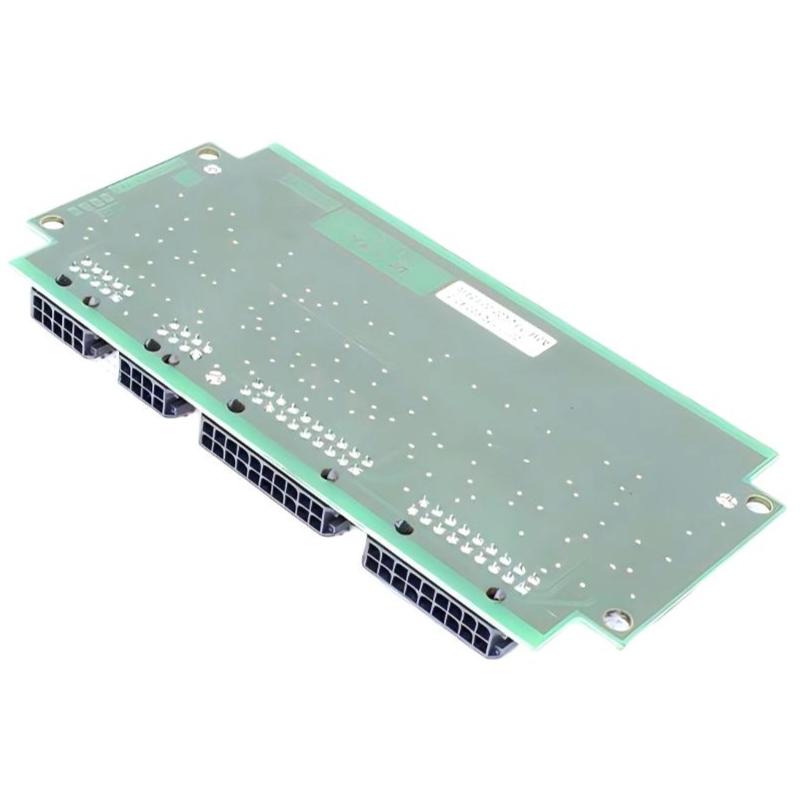
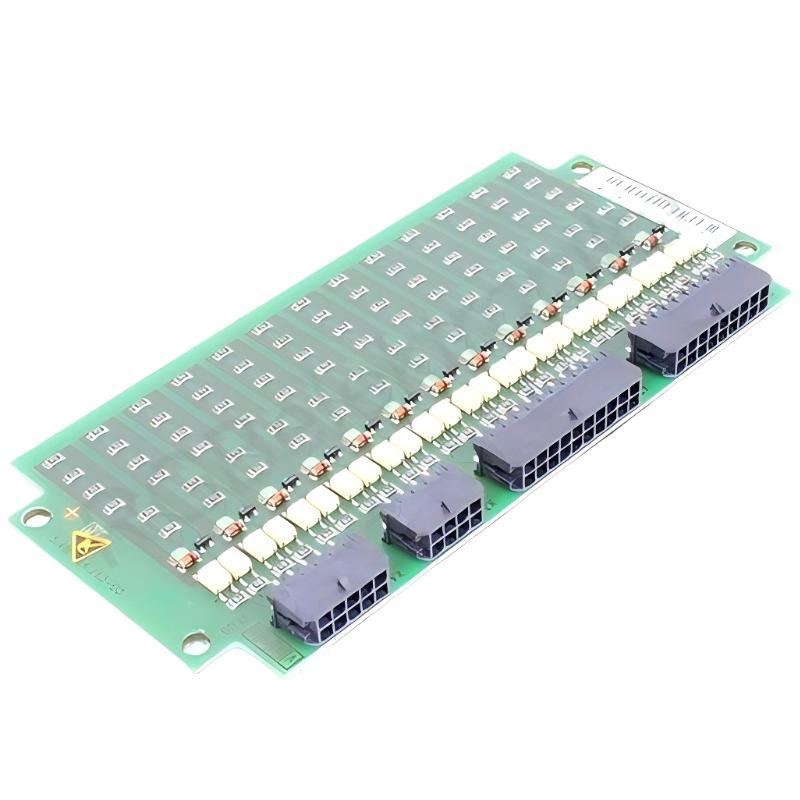
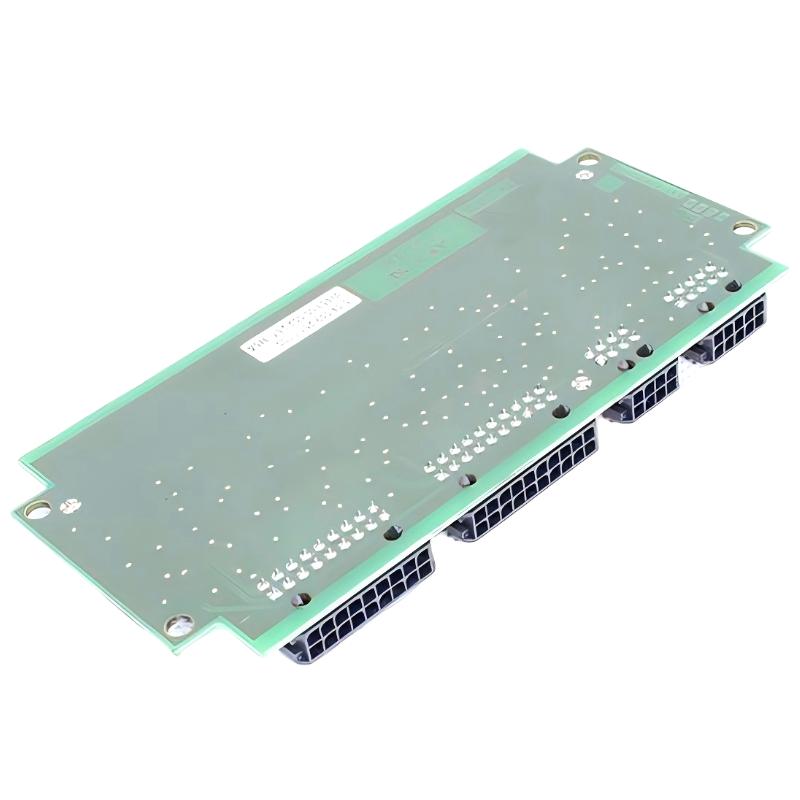
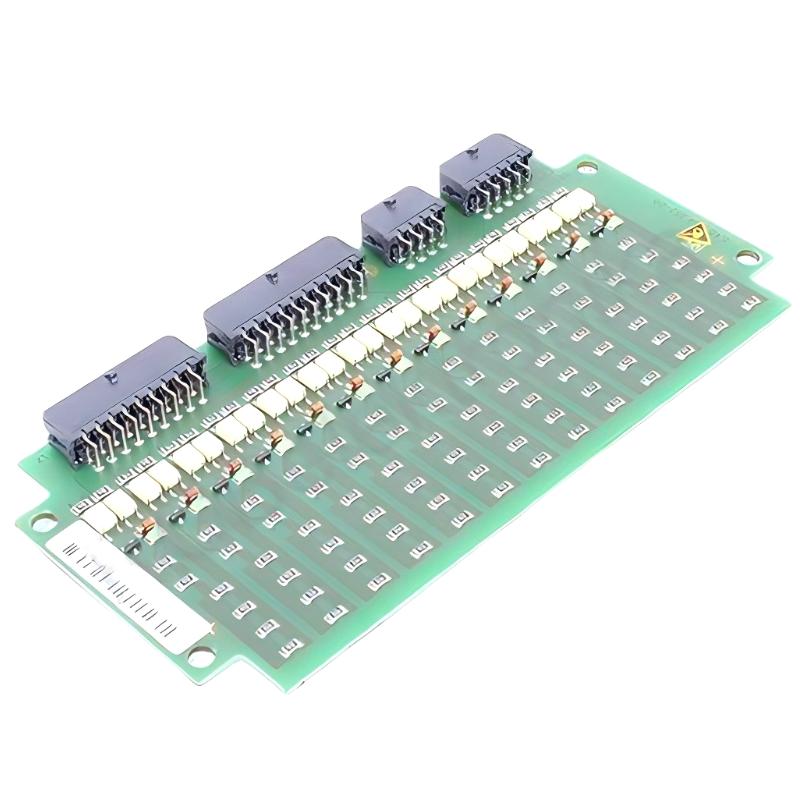
- ABB(KUKA)
- 00-152-227
- Sicherungsblock
- Germany
- 150 × 60 × 90 mm
- 0.35 kg
- Xiamen, China
- New & In Stock
- T/T, PayPal, Western Union
- 1 Year
- 1-3 Working Days
- DHL, UPS, TNT, FedEx and EMS.
- 24-Hour Service
- COO
- 72
Our advantage

Global Logistics
We have a 10-year logistics and express cooperation agreement, so our products can be shipped to any place in the world.

Brand new and original
Our products are imported in bulk from the place of origin. Because of the cooperative relationship, our products are all original and 100% new.

24-hour service
We provide 7*24 hours service to our customers. We will be there whenever you need us.

Price advantage
All our products are priced very favorably because we have our own warehouse and supply.
| Company Information | |||
| [email protected] | |||
| Mobile | +8615980777398 | ||
| +8615980777398 | |||
| 15980777398 |
Product Overview
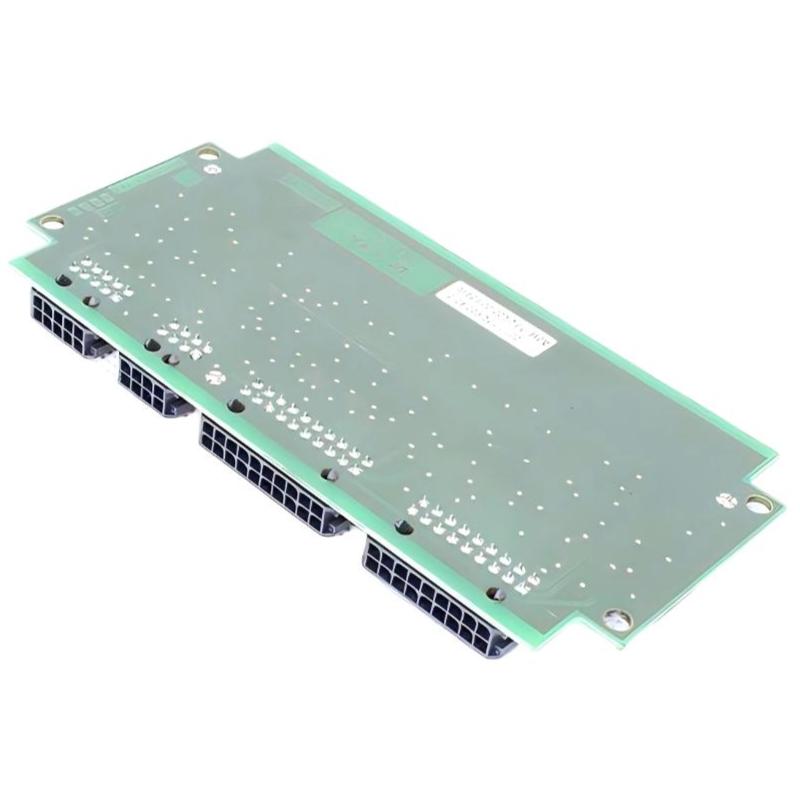
The ABB(KUKA) 00-152-227 Sicherungsblock is a fuse block used in KUKA industrial robot control equipment. The German term Sicherungsblock refers to a fuse block or fuse-holder assembly, indicating that its primary function is associated with electrical circuit protection and distribution within the control cabinet.
In a KUKA robot controller, different circuits may require independent protection for power supplies, control electronics, I/O equipment, auxiliary devices, or other electrical loads. A fuse block provides a defined location for these protective elements and helps organize the controller’s internal electrical distribution.
Unlike a controller board or I/O module, the 00-152-227 does not execute robot programs or process field signals. Its role is electrical protection. This makes it a supporting component within the robot control cabinet, but one that can be important when diagnosing power-related faults.
Technical Specifications
| Parameter | Specification |
|---|---|
| Manufacturer | ABB(KUKA) |
| Model | 00-152-227 |
| Product Type | Sicherungsblock / Fuse Block |
| Main Function | Electrical Circuit Protection |
| Application | KUKA Robot Control System |
| Dimensions | 150 × 60 × 90 mm |
| Weight | 0.35 kg |
Main Features
The 00-152-227 is a passive electrical protection component rather than an active control module.
Key characteristics include:
- KUKA Sicherungsblock
- Used for electrical circuit protection
- Suitable for robot controller cabinets
- Provides an organized fuse mounting location
- Supports protected power distribution
- Helps isolate electrical faults within protected circuits
- Useful during robot controller maintenance
- Works together with the controller’s power-distribution architecture
- No PLC programming required
- No communication interface
- Dimensions of 150 × 60 × 90 mm
- Weight of 0.35 kg
The appropriate fuse type and rating must always be determined from the specific KUKA controller electrical documentation. The fuse block itself should not be treated as a substitute for correct circuit protection design.
Working Principle
The 00-152-227 works by placing a fuse or protected circuit element in series with the electrical circuit that requires protection.
A simplified arrangement is:
Power Supply → Sicherungsblock → Fuse → Protected Circuit → Load
Under normal operating conditions, electrical current passes through the protected circuit.
If an electrical fault causes the current to exceed the permitted level, the corresponding fuse can interrupt the circuit. This helps prevent excessive current from continuing into the protected wiring or connected equipment.
In a KUKA robot controller, such protection may be associated with auxiliary control circuits, power distribution, I/O-related equipment, or other electrical loads depending on the controller design.
The fuse block itself does not actively detect faults through software. Its protection function is based on the electrical characteristics of the installed protective element.
Role in a KUKA Robot Control Cabinet
The 00-152-227 forms part of the electrical protection and distribution section of the robot controller.
A typical relationship can be represented as:
Incoming / Internal Power → Fuse Block → Protected Circuit → Controller Component
This arrangement provides several practical benefits during maintenance.
If a downstream circuit develops an overcurrent condition, the corresponding protective device can disconnect that circuit rather than allowing the fault to propagate through the wider power-distribution system.
The fuse block can therefore help separate different protected circuits and make electrical troubleshooting more structured.
It is important to distinguish this function from the robot controller’s safety system. A fuse protects an electrical circuit against excessive current; it does not replace a robot safety circuit, emergency-stop system, or safety controller.
Industrial Applications
The 00-152-227 is primarily associated with KUKA robotic control equipment and electrical control cabinets.
| Application | Typical Use |
|---|---|
| KUKA Robot Controllers | Protected internal power distribution |
| Robotic Welding Cells | Controller auxiliary circuit protection |
| Material Handling Robots | Control cabinet circuit protection |
| Assembly Robots | Protected control circuits |
| Machine Tending | Robot-controller power distribution |
| Packaging Robots | Auxiliary electrical protection |
| Automotive Production | Robot cabinet protection |
| Robotic Machining | Control-system circuit protection |
| Automated Production Cells | Protected auxiliary circuits |
| Robot Maintenance | Replacement of damaged fuse-block assemblies |
The exact protected circuit depends on the controller model and the electrical design in which the component is installed.
Installation and Maintenance
Maintenance of the 00-152-227 should be performed with the robot controller safely isolated from its electrical supply.
Before replacing or inspecting the fuse block:
- Confirm the complete 00-152-227 part number.
- Identify the controller model in which it is installed.
- Isolate the applicable power source.
- Follow the site’s electrical lockout procedure.
- Identify the protected circuit.
- Check the fuse rating and type.
- Inspect the fuse holder and terminals.
- Check for signs of overheating or discoloration.
- Inspect wiring for insulation damage.
- Verify terminal tightness.
- Check for downstream short circuits before replacing a repeatedly blown fuse.
If a replacement fuse fails immediately after installation, repeatedly replacing the fuse without investigating the cause is not recommended. The underlying fault may be located in the connected load, wiring, power supply, or another controller component.
Related Components
The fuse block normally works with other electrical components in the KUKA robot controller.
| Component | Function |
|---|---|
| KUKA Robot Controller | Executes robot control functions |
| DC Power Supply | Supplies controller and auxiliary circuits |
| Fuse | Provides overcurrent protection |
| Circuit Wiring | Carries protected electrical power |
| I/O Modules | Handle robot and machine signals |
| Safety Board | Handles safety-related functions |
| Servo Drives | Control robot-axis motors |
| Contactors / Relays | Switch electrical loads |
| Terminal Blocks | Provide electrical connection points |
| Robot Motors | Produce axis movement |
The 00-152-227 is therefore best understood as one element in the controller’s electrical power-distribution chain.
Recommended Related Models
For KUKA robot control-system maintenance, related components can be selected according to the required electrical, control, safety, and motion functions.
| Model | Product Type | Main Function | Typical Application |
|---|---|---|---|
| ABB(KUKA) 00-152-227 | Sicherungsblock | Circuit protection | Robot controller power distribution |
| ABB(KUKA) 00-126-383 | DC Power Supply | DC power conversion | Robot control cabinet |
| ABB(KUKA) 00-134-932 | ESC-Ci3 Safety Board | Safety control | Robot safety architecture |
| ABB(KUKA) 1FK6100-8AF91-1ZZ9-ZS09 | Robot Servo Motor | Axis motion | Robot movement |
| ABB(KUKA) 1FK6100-8AF91-1ZZ9-ZS49 | Robot Servo Motor | Axis motion | Robot drive system |
| ABB(KUKA) 1FK7101-5AZ91-1ZZ9-ZS07 | Robot Servo Motor | Servo motion | Industrial robot applications |
When replacing a fuse block, the correct fuse specification and controller configuration are more important than simply finding a component with a similar physical appearance.
Key Advantages
- KUKA Sicherungsblock / fuse block
- Supports electrical circuit protection
- Suitable for robot controller cabinets
- Helps organize protected power distribution
- Allows individual circuits to be protected
- Useful for electrical fault isolation
- Passive and straightforward construction
- Suitable for KUKA controller maintenance
- No software configuration required
- Dimensions of 150 × 60 × 90 mm
- Weight of 0.35 kg
Technical FAQs
What does “Sicherungsblock” mean for the 00-152-227?
Sicherungsblock is the German term for a fuse block or fuse-holder assembly. The 00-152-227 is therefore associated with the electrical protection and distribution portion of the KUKA controller rather than robot-program execution or I/O processing.
What should be investigated when a fuse associated with this block repeatedly blows?
The first priority is to locate the downstream overcurrent condition. Check the connected load, wiring insulation, power-supply output, terminals, and associated controller components. Installing a higher-rated fuse without identifying the cause can compromise the intended circuit protection.
Can the 00-152-227 be used to protect the robot’s safety circuit?
A fuse block and a robot safety circuit have different purposes. The fuse block provides electrical overcurrent protection, whereas the safety architecture handles safety conditions such as emergency stops and protective interlocks. The fuse block should not be considered a substitute for dedicated safety hardware.
What information should be confirmed before replacing the fuse block?
The controller model, complete part number, mounting arrangement, wiring connections, fuse specifications, and protected-circuit configuration should be checked. The replacement should match the original electrical design, particularly the required fuse characteristics and circuit arrangement.