

ProductPRODUCT
Featured products
Contact Us
- GE
- DS215TCQBG1BZZ01A DS200TCQBG1BBA
- Extended Analog I/O Board
- USA
- 220 × 160 × 25 mm
- 0.65 kg
- Xiamen, China
- New & In Stock
- T/T, PayPal, Western Union
- 1 Year
- 1-3 Working Days
- DHL, UPS, TNT, FedEx and EMS.
- 24-Hour Service
- COO
- 71
Our advantage

Global Logistics
We have a 10-year logistics and express cooperation agreement, so our products can be shipped to any place in the world.

Brand new and original
Our products are imported in bulk from the place of origin. Because of the cooperative relationship, our products are all original and 100% new.

24-hour service
We provide 7*24 hours service to our customers. We will be there whenever you need us.

Price advantage
All our products are priced very favorably because we have our own warehouse and supply.
| Company Information | |||
| [email protected] | |||
| Mobile | +8615980777398 | ||
| +8615980777398 | |||
| 15980777398 |
Product Overview
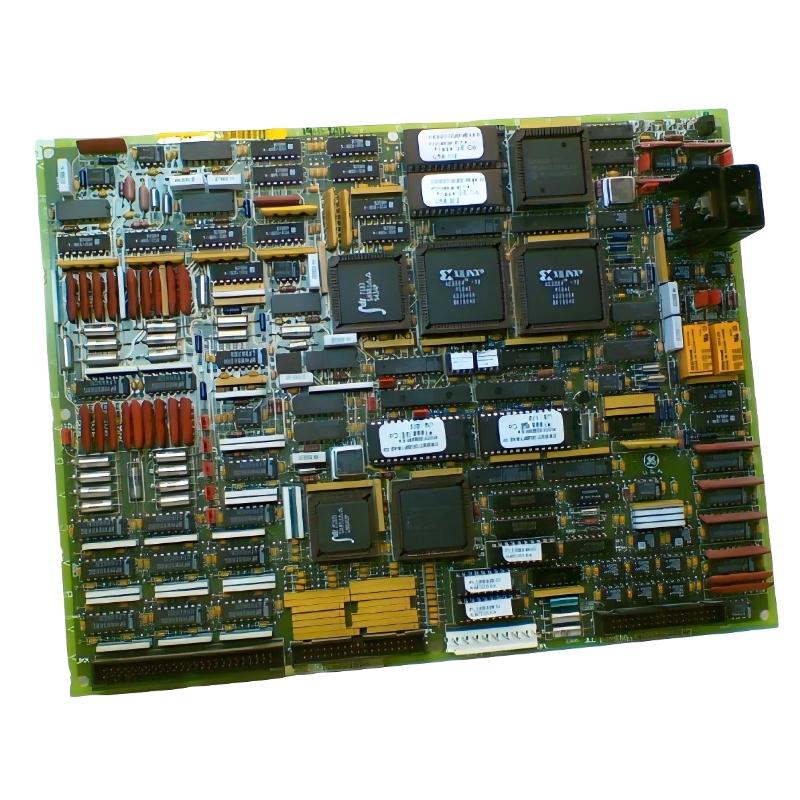
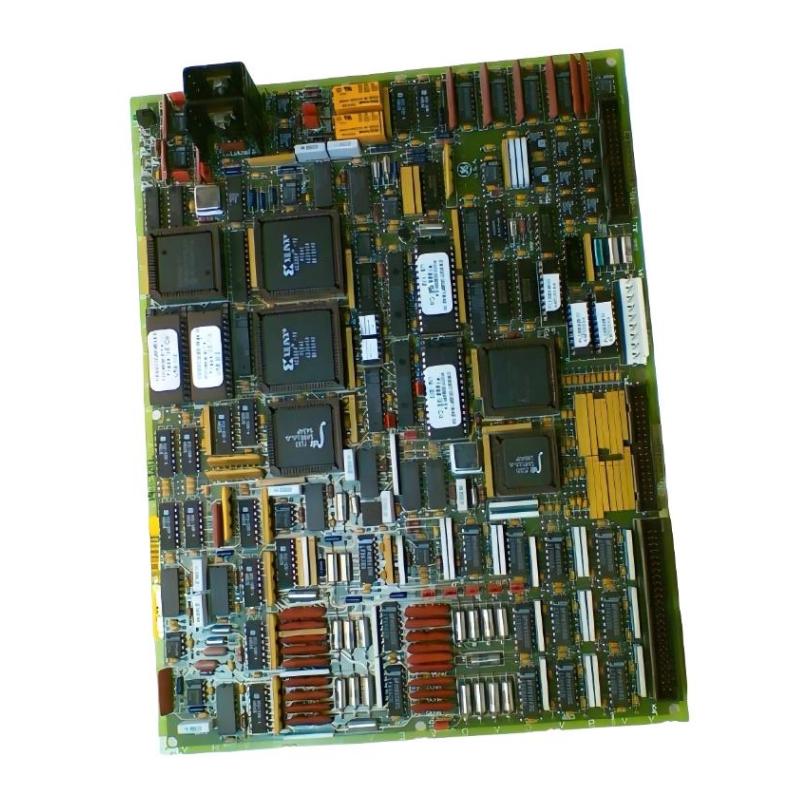
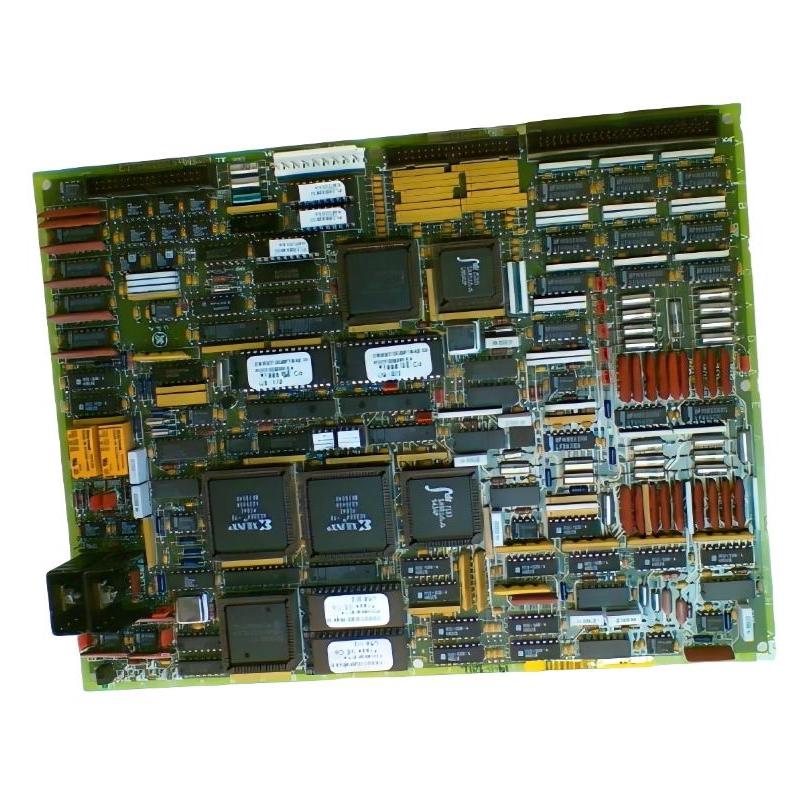
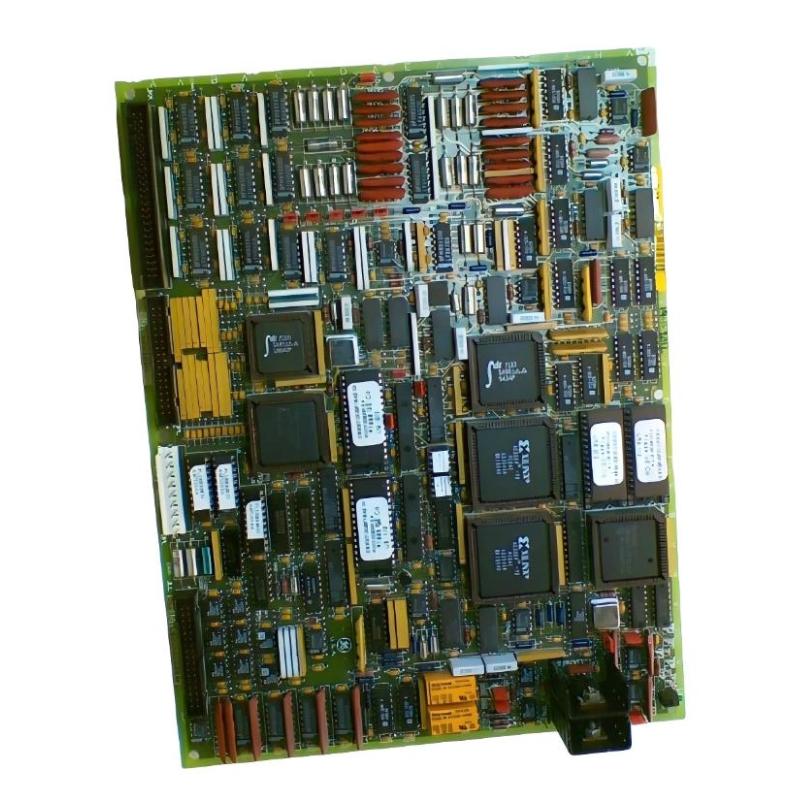
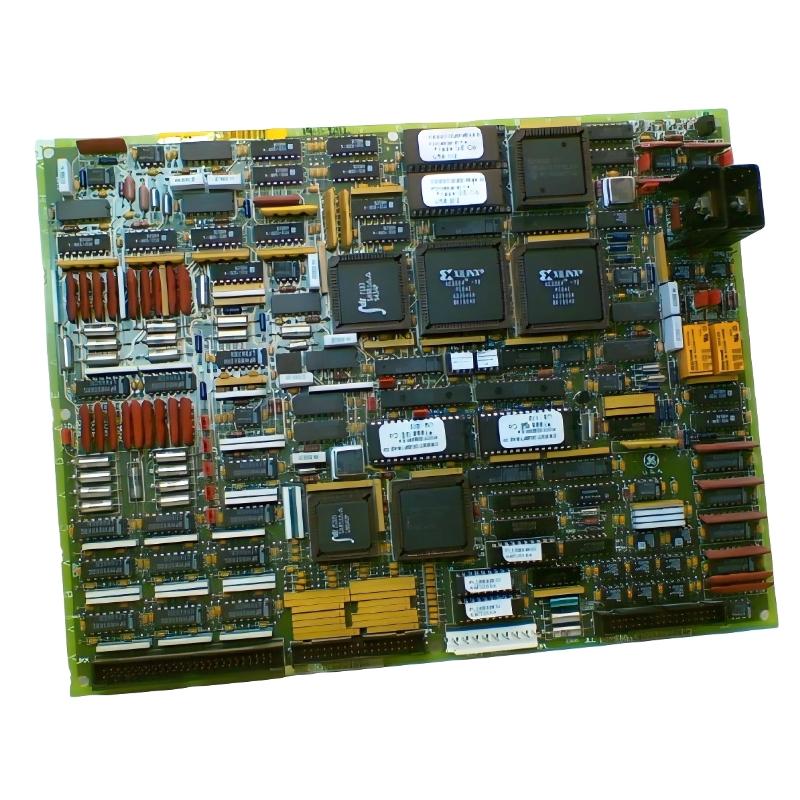
The GE DS215TCQBG1BZZ01A with the associated DS200TCQBG1BBA is an Extended Analog I/O Board designed for compatible GE Mark V Speedtronic turbine control systems. The board belongs to the TCQB functional family and is used to extend analog input and output capabilities within the turbine control architecture.
Unlike a basic control processor that executes turbine control logic, the TCQB board serves primarily as an I/O expansion interface. It helps connect additional analog field signals with the Mark V control system, allowing the system to acquire additional process information or provide additional analog control signals.
Analog I/O expansion is important in turbine automation because a turbine installation can contain a large number of continuously varying measurements. Pressure, temperature, position, flow, actuator feedback, and other process variables may require analog signal interfaces. When the standard I/O capacity of a control architecture is insufficient for the required field signals, an extended I/O board can provide additional interface capability.
The DS200TCQBG1BBA is associated with the RST Extended Analog I/O function of the Mark V architecture. The TCQB board can work together with other Mark V I/O and control boards to provide an expanded signal-processing path between field instrumentation and the turbine controller.
The specified physical dimensions of the product are 220 × 160 × 25 mm, and the specified weight is 0.65 kg.
Because Mark V systems can be configured differently for individual turbine applications, the exact channel assignment and system role of a particular TCQB installation should be verified against the actual control-system configuration before replacement or commissioning.
Technical Specifications
| Parameter | Details |
|---|---|
| Manufacturer | GE General Electric |
| Model | DS215TCQBG1BZZ01A |
| Associated Board | DS200TCQBG1BBA |
| Product Type | Extended Analog I/O Board |
| Functional Family | TCQB |
| System Family | GE Mark V Speedtronic |
| Functional Description | RST Extended Analog I/O Board |
| Primary Function | Extended analog input and output interface |
| Application | Turbine control and extended I/O |
| Signal Type | Analog field signals |
| System Architecture | Mark V RST control architecture |
| Installation | Mark V control cabinet / I/O rack |
| Typical Role | Analog I/O expansion |
| Dimensions | 220 × 160 × 25 mm |
| Weight | 0.65 kg |
| Industrial Environment | Turbine and industrial automation |
| Service Application | Maintenance, replacement and system restoration |
Function and Working Principle
The main purpose of the DS200TCQBG1BBA is to extend the analog I/O capabilities of a compatible GE Mark V turbine control system.
The TCQB board works as part of a larger control architecture rather than functioning as an independent turbine controller. It receives or transmits analog information through associated Mark V interface hardware and communicates the processed information with the control system.
A simplified analog input path can be represented as:
Field Sensor → Terminal Interface → TCQB Extended Analog I/O → Mark V Control Architecture
For analog outputs, the signal path can operate in the opposite direction:
Mark V Control Logic → TCQB Board → Terminal Interface → Field Device
This arrangement allows additional analog signals to be incorporated into the turbine control system.
Typical analog information can include:
- Pressure measurements
- Temperature measurements
- Flow measurements
- Valve position feedback
- Actuator position
- Fuel-related process values
- Load-related measurements
- Control reference signals
- Process feedback
- Other continuously variable turbine parameters
The exact signal types and channel assignments depend on the specific Mark V application.
Why Extended Analog I/O Is Important
A turbine control system can contain hundreds of individual measurements and control points. Although some signals are discrete, many important variables are continuously changing and therefore require analog interfaces.
An extended analog I/O board helps increase the available signal interface capacity of the control architecture.
For example, a turbine may require analog signals for:
- Multiple pressure transmitters
- Temperature monitoring
- Fuel control
- Valve position feedback
- Hydraulic actuator feedback
- Compressor measurements
- Load measurements
- Process control variables
Instead of requiring all of these signals to be handled by the basic I/O resources, an extended analog I/O architecture can provide additional signal paths.
This makes the TCQB board particularly useful in larger or more complex Mark V installations.
Role in the Mark V Control Architecture
The GE DS215TCQBG1BZZ01A DS200TCQBG1BBA is associated with the RST architecture used by the GE Mark V turbine control system.
The TCQB multifunction board is used as an extended analog I/O resource within the Mark V system. In redundant configurations, related I/O boards can be installed in the R, S, and T control cores depending on the system design.
For certain simplex configurations, the required hardware arrangement can be different.
This architecture allows the control system to distribute I/O processing across multiple control cores and associated interface boards.
A simplified architecture can be described as:
Field Devices → Terminal Boards → TCQA / TCQB I/O Hardware → Mark V Control Processors → Operator Interface
The TCQB board therefore complements the primary analog I/O resources by providing extended signal capacity.
Relationship Between TCQA and TCQB
The TCQB board is closely associated with the TCQA analog I/O architecture.
While the TCQA family provides core analog I/O functionality, the TCQB family is intended to provide extended analog I/O capability within compatible Mark V systems.
| Board Family | General Function | Typical Role |
|---|---|---|
| TCQA | Analog I/O | Primary analog signal interface |
| TCQB | Extended Analog I/O | Additional analog I/O capacity |
| TCQC | Analog / I/O Interface | Additional control-system signal interface |
| TCDA | Digital I/O | Digital signal processing |
| TCDA-related Hardware | Digital Interface | Discrete field signals |
These board families are related but should not be considered automatically interchangeable. The correct board must be selected according to the installed Mark V configuration.
Industrial Applications
The DS215TCQBG1BZZ01A DS200TCQBG1BBA is intended for applications where extended analog I/O capability is required within a GE Mark V turbine control system.
Typical industrial environments include:
- Gas turbine power plants
- Steam turbine installations
- Combined-cycle power plants
- Industrial power generation
- Cogeneration systems
- Mechanical drive turbines
- Compressor drive systems
- Petrochemical facilities
- Process-industry turbine installations
- Legacy GE Speedtronic control systems
The board is particularly relevant to existing Mark V installations where the original control system remains in service and additional or replacement analog I/O hardware is required.
Typical Analog Signal Applications
| Signal Category | Example | Typical Purpose |
|---|---|---|
| Pressure | Process or fuel pressure | Monitoring and control |
| Temperature | Equipment temperature | Thermal monitoring |
| Flow | Fuel or process flow | Process regulation |
| Position | Valve position | Feedback control |
| Actuator Feedback | Servo position | Closed-loop control |
| Load | Generator or process load | Load management |
| Speed-Related Variable | Speed reference or feedback | Turbine regulation |
| Control Reference | Variable command | Equipment control |
| Process Feedback | Continuous process variable | Automatic control |
The actual signal allocation is determined by the turbine’s engineering configuration and should not be inferred solely from the board model.
Compatible System Components
The TCQB board is normally integrated into a larger Mark V control system. Its associated components can include analog I/O boards, terminal boards, control processors, power supplies, field transmitters, sensors, and actuators.
| Component | Type | Typical Function |
|---|---|---|
| DS215TCQBG1BZZ01A | Configured Assembly | Extended analog I/O assembly |
| DS200TCQBG1BBA | Extended Analog I/O Board | Additional analog I/O processing |
| TCQA Board | Analog I/O Board | Primary analog signal interface |
| TCQB Board | Extended Analog I/O | Expanded analog signal capacity |
| Terminal Boards | Field Interface | Field signal termination |
| Mark V Control Processor | Controller | Executes turbine control logic |
| Power Supply Boards | Power Hardware | Provides system power |
| Pressure Transmitters | Field Instrumentation | Pressure measurement |
| Temperature Sensors | Field Instrumentation | Temperature measurement |
| Position Sensors | Feedback Devices | Actuator position feedback |
| Control Valves | Final Control Elements | Process regulation |
| Operator Interface | HMI | Monitoring and alarm display |
Installation and System Integration
Correct installation of the DS215TCQBG1BZZ01A DS200TCQBG1BBA is important because an incorrectly installed I/O board can cause multiple analog channels to become unavailable or produce incorrect information.
Before replacement, technicians should document the existing board and its associated connections.
A general installation sequence includes:
- Place the turbine control system into the approved maintenance condition.
- Follow site electrical isolation and lockout procedures.
- Verify that applicable control power has been isolated.
- Identify the installed TCQB assembly.
- Record the DS215TCQBG1BZZ01A part number.
- Record the DS200TCQBG1BBA board number.
- Document the board location.
- Record all connector positions.
- Label ribbon cables before removal.
- Record jumper and configuration settings where applicable.
- Inspect the replacement board for physical damage.
- Verify connector condition.
- Install the replacement board in the correct position.
- Reconnect all cables to their original locations.
- Confirm that connectors are fully seated.
- Check grounding and shielding.
- Restore system power according to the approved procedure.
- Check board status indicators.
- Verify analog input values.
- Verify required analog output functions.
- Complete system commissioning checks.
The actual procedure should always follow the maintenance practices and engineering configuration of the specific turbine control cabinet.
Connector and Ribbon Cable Handling
Ribbon cables are important parts of many Mark V board-to-board interfaces. Incorrect handling can damage individual conductors or connectors.
During board replacement, ribbon cables should be disconnected by gripping the connector rather than pulling directly on the cable itself.
Before installation, technicians should check for:
- Damaged cable conductors
- Loose connector contacts
- Contamination
- Broken locking features
- Incorrect connector orientation
- Mechanical damage
A damaged ribbon cable can create intermittent communication or I/O faults that may initially appear to be a board failure.
Jumper and Configuration Considerations
The TCQB board family can contain configurable hardware resources. Jumper settings should therefore be recorded before removing an existing board.
When replacing a board, technicians should compare:
- Jumper positions
- Board revision
- Connector configuration
- Firmware or programmable-device configuration
- Associated board arrangement
- System I/O configuration
If the replacement board requires the transfer of configuration devices or firmware-related components, the transfer should be performed using appropriate electrostatic-discharge protection and approved maintenance procedures.
Maintenance and Troubleshooting
Troubleshooting the DS200TCQBG1BBA should begin by identifying whether the problem affects one channel, multiple channels, or the complete board.
| Observed Condition | Possible Area to Check |
|---|---|
| One analog input is incorrect | Field transmitter, wiring, terminal connection or individual channel |
| Several analog inputs fail | Common wiring, terminal interface, power or board circuitry |
| All extended I/O signals are unavailable | Board power, connectors, communication path or board hardware |
| Analog value is unstable | Electrical interference, shielding, grounding or field instrument |
| Analog output is incorrect | Control command, output channel, wiring or actuator |
| Intermittent I/O failure | Ribbon cable, connector, terminal or board connection |
| Board OK indication is abnormal | Power, configuration or board hardware |
| Communication with associated board is lost | Ribbon cable, connector or interface circuitry |
A practical troubleshooting path is:
Field Device → Field Wiring → Terminal Board → TCQB → Associated I/O Hardware → Control Processor → HMI
This method helps separate field-level problems from electronic board problems.
Diagnosing a Single Analog Channel
If only one analog channel is abnormal, the problem may be localized to the field device, cable, terminal connection, or individual I/O circuitry.
The technician should first determine whether the field device is producing the expected electrical signal.
If the signal is correct at the field device but incorrect at the control system, the investigation should continue through the wiring and terminal interface toward the TCQB board.
If the signal is correct at the board input but the control system displays an incorrect value, board-level circuitry or configuration may need further investigation.
This signal-tracing method is more effective than replacing the entire board based only on a control-system alarm.
Diagnosing Multiple Analog Channel Failures
When multiple channels fail simultaneously, a common cause should be considered before assuming that several independent field instruments have failed at the same time.
Possible common causes include:
- Loss of board power
- Connector problems
- Ribbon cable failure
- Terminal-board problems
- Common grounding issues
- Control-system communication problems
- Board-level power circuitry
- Incorrect board configuration
A simultaneous failure of several unrelated field devices is less likely than a common interface or power problem.
Analog Output Troubleshooting
When an analog output does not produce the expected control response, the control command should be verified first.
The diagnostic sequence can include:
- Verify the requested output value in the control logic.
- Verify that the output channel is enabled.
- Check the TCQB output path.
- Check the associated terminal connection.
- Check field wiring.
- Verify the signal at the actuator interface.
- Check the actuator or final control element.
This process helps determine whether the problem originates in the control logic, I/O hardware, wiring, or field equipment.
Common Causes of TCQB I/O Problems
Potential causes of problems associated with the DS200TCQBG1BBA include:
- Loose connectors
- Damaged ribbon cables
- Incorrect jumper configuration
- Field transmitter failure
- Incorrect field wiring
- Grounding problems
- Electromagnetic interference
- Power supply problems
- Terminal-board failure
- Board-level component degradation
- Configuration errors
- Firmware or memory-related problems
- Incorrect replacement-board selection
A structured diagnostic procedure should be used to determine the actual cause before replacing the TCQB board.
Replacement Considerations
When sourcing a replacement for the DS200TCQBG1BBA, the complete part-number identification should be verified.
Important identification information includes:
- DS215TCQBG1BZZ01A
- DS200TCQBG1BBA
- TCQB functional family
- Hardware revision
- Board location
- Connector arrangement
- Jumper configuration
- Associated TCQA hardware
- Terminal-board configuration
- RST system architecture
Boards from the same functional family may look similar while having different revisions or configurations. Therefore, physical dimensions alone should not be used to determine interchangeability.
For legacy Mark V systems, an exact part-number match is generally the preferred starting point for replacement planning.
Recommended Alternative Models
The following models are related GE Mark V analog I/O products that may be considered for comparison, spare-parts planning, or system evaluation. They should not automatically be regarded as direct substitutes for the DS200TCQBG1BBA.
| Model | Type | Key Feature | Application |
|---|---|---|---|
| DS215TCQBG1BZZ01A | Configured Extended Analog I/O Assembly | TCQB configured hardware | GE Mark V turbine control |
| DS200TCQBG1BBA | Extended Analog I/O Board | Extended analog I/O capability | Mark V RST architecture |
| DS200TCQBG1B | Extended Analog I/O Board | TCQB analog expansion | Legacy Mark V systems |
| DS200TCQBG1BCB | Extended Analog I/O Board | Related TCQB configuration | Mark V turbine control |
| DS200TCQBG1AFB | Extended Analog I/O Board | Earlier TCQB configuration | GE Speedtronic systems |
| DS200TCQBG2A | Extended Analog Board | Related analog expansion | Mark V control applications |
| DS200TCQAG1BEC | Analog I/O Board | Primary analog signal processing | Mark V analog I/O |
| DS200TCQAG1BDC | Analog I/O Board | TCQA analog interface | GE turbine control |
Replacement recommendation: The preferred replacement should be an exact match for the complete DS215TCQBG1BZZ01A DS200TCQBG1BBA identification. Related TCQB or TCQA models should only be selected after confirming the Mark V hardware revision, I/O configuration, connector arrangement, and turbine-specific engineering requirements.
Key Advantages
- Provides extended analog I/O capability for GE Mark V systems
- Supports expansion of turbine field signal interfaces
- Designed for integration with the Mark V RST architecture
- Supports additional analog process measurements
- Can support analog control signal functions
- Works with associated Mark V I/O and terminal hardware
- Useful for complex turbine automation systems
- Suitable for legacy GE Speedtronic control applications
- Provides an additional interface between field instrumentation and control logic
- Useful for maintenance and replacement of established Mark V installations
Technical FAQs
What is the GE DS215TCQBG1BZZ01A?
The GE DS215TCQBG1BZZ01A is a configured assembly associated with the TCQB Extended Analog I/O function in the Mark V turbine control system.
What is the DS200TCQBG1BBA?
The DS200TCQBG1BBA is an Extended Analog I/O Board associated with the TCQB family of GE Mark V turbine control hardware.
What is the main function of the TCQB board?
The main function is to provide additional analog input and output capability for a compatible Mark V turbine control system, expanding the available interface between field devices and the control architecture.
What are the dimensions of the DS215TCQBG1BZZ01A DS200TCQBG1BBA?
The specified dimensions are 220 × 160 × 25 mm.
How much does the board weigh?
The specified weight is 0.65 kg.
What does Extended Analog I/O mean?
Extended Analog I/O refers to additional analog signal interface capacity beyond the primary analog I/O resources of the control system. It allows a turbine controller to handle additional continuously variable field signals.
What is the relationship between TCQA and TCQB?
TCQA is associated with analog I/O functions, while TCQB provides extended analog I/O capability. Both can participate in the Mark V analog signal architecture, but they are not automatically interchangeable.
Where is the DS200TCQBG1BBA used?
It is associated with GE Mark V Speedtronic turbine control systems used in power generation and industrial turbine applications.
What components work with the TCQB board?
Typical associated components include TCQA analog I/O boards, terminal boards, Mark V control processors, power supplies, field transmitters, position sensors, actuators, control valves, and operator-interface equipment.
What can cause a TCQB board fault?
Possible causes include power problems, damaged ribbon cables, loose connectors, incorrect configuration, field wiring problems, terminal-board faults, electrical interference, or board-level hardware failure.
Should the board be replaced if one analog signal is incorrect?
Not immediately. The field instrument, wiring, terminal connection, and individual I/O channel should be checked first. A board replacement should be considered only after the fault has been isolated to the board.
Can another TCQB model directly replace DS200TCQBG1BBA?
Not automatically. Related TCQB boards can have different hardware revisions, connector arrangements, or configurations. Compatibility should be verified against the actual Mark V system before substitution.
Why is exact part-number matching important?
GE Mark V systems can contain turbine-specific hardware configurations. Matching the complete DS215 and DS200 identification reduces the risk of installing a board with an incompatible revision or signal configuration.
Conclusion
The GE DS215TCQBG1BZZ01A DS200TCQBG1BBA Extended Analog I/O Board is an important expansion component for compatible GE Mark V Speedtronic turbine control systems. Its primary role is to extend analog I/O capacity, allowing additional field measurements and control signals to be integrated into the turbine control architecture.
The TCQB board is particularly useful in larger turbine installations where the available analog I/O resources must accommodate numerous continuously variable process parameters. By working with associated terminal boards, TCQA hardware, control processors, and field instrumentation, the board forms part of the signal path between the physical turbine process and the control algorithms.
The specified dimensions are 220 × 160 × 25 mm, and the specified weight is 0.65 kg. For replacement and maintenance purposes, the complete identification DS215TCQBG1BZZ01A DS200TCQBG1BBA should be retained rather than relying only on the general description of an Extended Analog I/O Board.
For engineers and maintenance teams working with legacy Mark V equipment, accurate hardware identification is especially important. Board revision, connector arrangement, jumper configuration, associated TCQA hardware, terminal interfaces, and turbine-specific I/O assignments should all be checked before replacement.
When correctly matched to the surrounding Mark V architecture, the GE DS215TCQBG1BZZ01A DS200TCQBG1BBA provides a practical solution for expanding analog I/O functionality and maintaining the signal-processing capabilities required by established GE turbine automation systems.