

ProductPRODUCT
Featured products
Contact Us
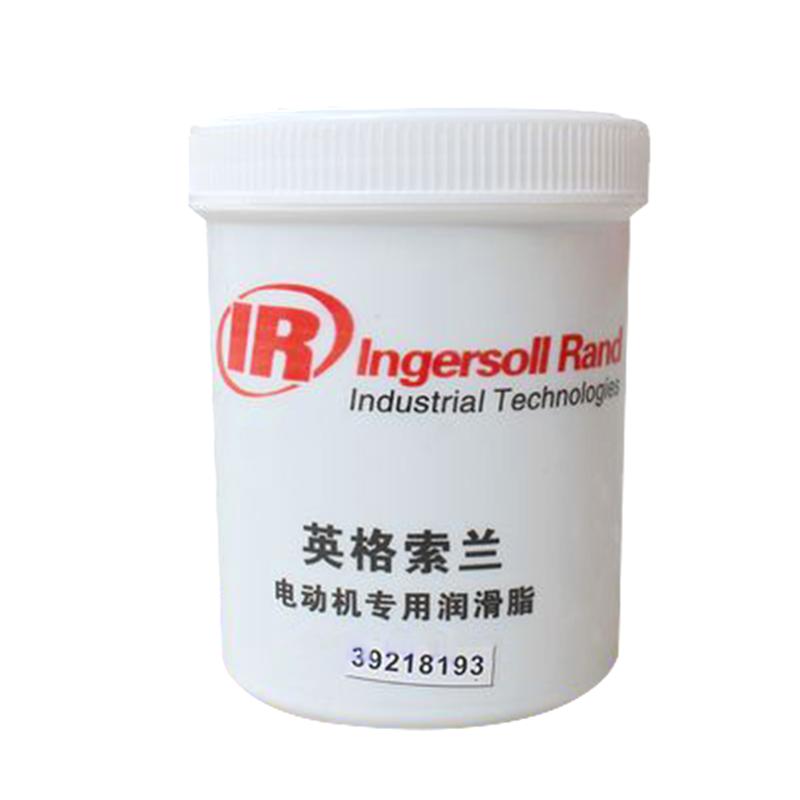
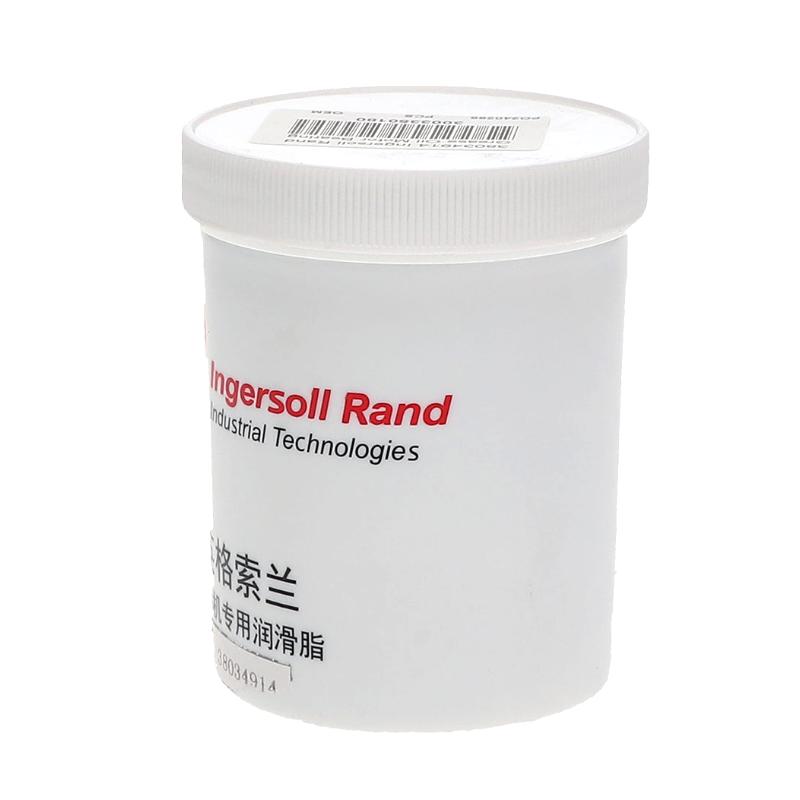
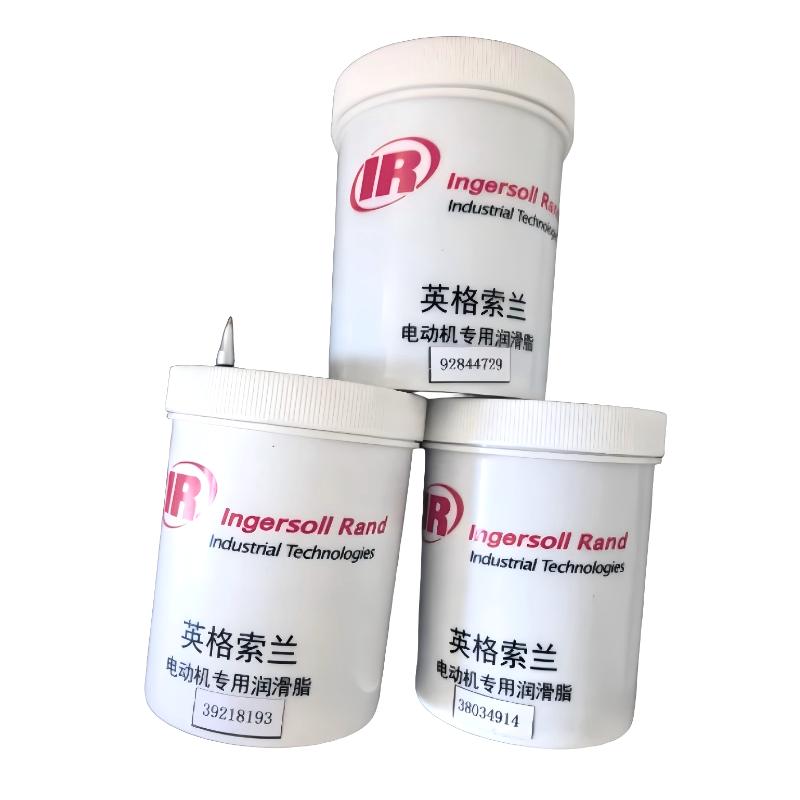
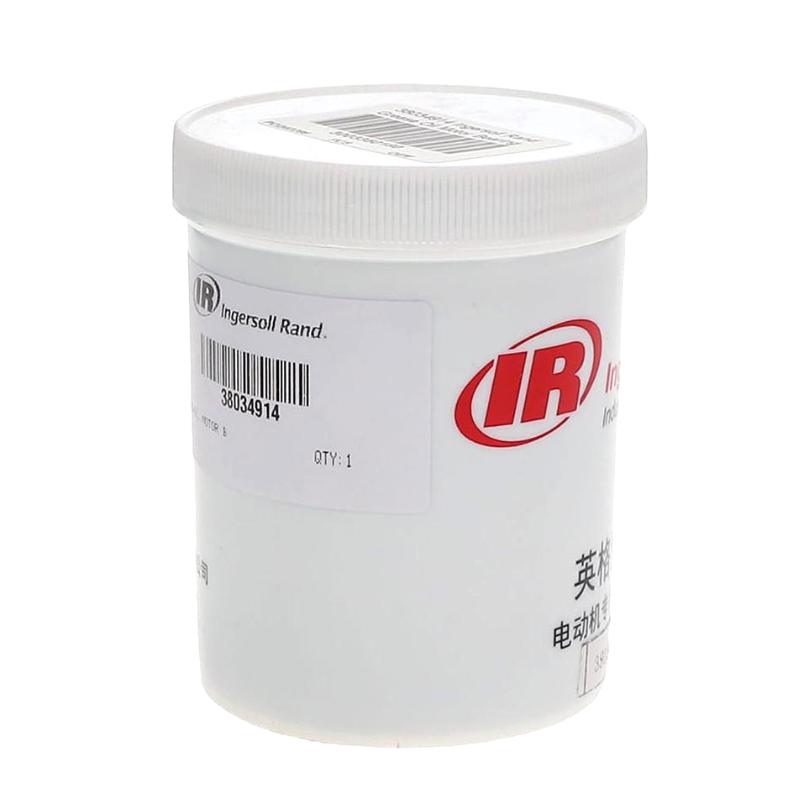
- Ingersoll Rand
- 47588693001 38034914
- Motor Bearing Grease
- USA
- 180 × 35 × 100 mm
- 0.41 kg
- Xiamen, China
- New & In Stock
- T/T, PayPal, Western Union
- 1 Year
- 1-3 Working Days
- DHL, UPS, TNT, FedEx and EMS.
- 24-Hour Service
- COO
- 90
Our advantage

Global Logistics
We have a 10-year logistics and express cooperation agreement, so our products can be shipped to any place in the world.

Brand new and original
Our products are imported in bulk from the place of origin. Because of the cooperative relationship, our products are all original and 100% new.

24-hour service
We provide 7*24 hours service to our customers. We will be there whenever you need us.

Price advantage
All our products are priced very favorably because we have our own warehouse and supply.
| Company Information | |||
| [email protected] | |||
| Mobile | +8615980777398 | ||
| +8615980777398 | |||
| 15980777398 |
Product Overview
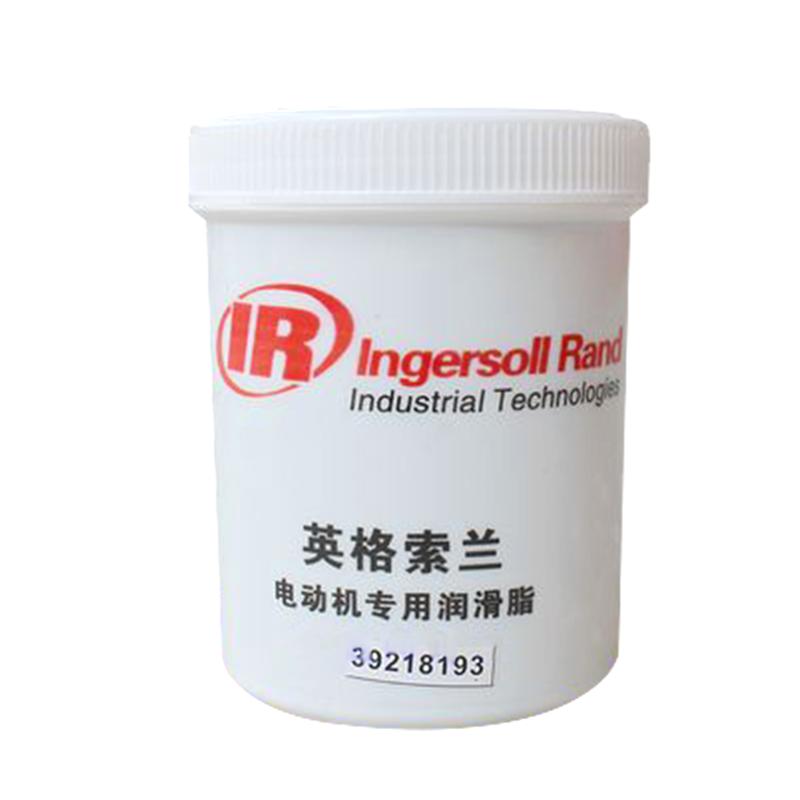
The Ingersoll Rand 47588693001 38034914 Motor Bearing Grease is a lubrication product intended for motor bearing maintenance in compatible Ingersoll Rand equipment. It is used to maintain an appropriate lubricating film between bearing surfaces, helping reduce friction and wear during motor operation.
Motor bearings operate under continuous mechanical movement and can be exposed to heat, vibration, and varying loads. Without suitable lubrication, friction can increase and bearing temperatures may rise, eventually affecting motor reliability. Proper grease selection and application are therefore important parts of preventive maintenance.
The 38034914 identification should be checked against the applicable motor or compressor maintenance requirements before use. Grease should not be treated as a universal lubricant simply because it can physically be applied to a bearing.
In compressor installations, bearing lubrication should also be considered alongside motor condition, alignment, vibration, operating temperature, and the manufacturer’s recommended maintenance interval.
Technical Specifications
| Parameter | Specification |
|---|---|
| Manufacturer | Ingersoll Rand |
| Model / Part Number | 47588693001 / 38034914 |
| Product Type | Motor Bearing Grease |
| Application | Motor Bearing Lubrication |
| Primary Function | Bearing Friction and Wear Control |
| System Role | Motor Lubrication |
| Component Category | Maintenance / Lubrication Product |
| Intended Equipment | Compatible Industrial Motor Systems |
| Dimensions | 180 × 35 × 100 mm |
| Weight | 0.41 kg |
Product Features
The 47588693001 / 38034914 grease is used as part of scheduled motor-bearing maintenance.
Key characteristics include:
- Ingersoll Rand motor bearing grease
- Part numbers 47588693001 and 38034914
- Intended for bearing lubrication
- Supports friction reduction at bearing surfaces
- Helps limit mechanical wear
- Suitable for preventive maintenance
- Intended for compatible motor applications
- Useful for industrial equipment service
- Supports proper bearing lubrication intervals
- Suitable for maintenance programs where grease lubrication is specified
The correct grease quantity is just as important as the grease type. Over-greasing can be as undesirable as insufficient lubrication because excessive lubricant can increase bearing temperature and mechanical resistance.
Working Principle
Bearing grease works by forming a lubricating film between moving bearing surfaces.
A simplified bearing arrangement is:
Motor Shaft → Bearing → Lubricating Grease → Bearing Housing
When the motor rotates, the bearing allows the shaft to rotate relative to the stationary housing. The grease reduces direct metal-to-metal interaction between the moving surfaces.
During operation, the lubricant also helps manage friction and wear generated by the relative movement of the bearing components.
Over time, grease can degrade because of temperature, mechanical shear, contamination, oxidation, or prolonged service. Its lubricating properties can therefore change even when the bearing itself has not yet developed a visible fault.
For this reason, bearing lubrication should be performed according to the applicable motor maintenance procedure rather than simply adding grease whenever the bearing becomes noisy.
Role in a Motor and Compressor System
The 47588693001 / 38034914 grease serves as a maintenance lubricant for motor bearings.
A typical compressor drive arrangement is:
Motor → Motor Bearings → Coupling / Drive Arrangement → Compressor
The bearings support the motor shaft and allow it to rotate with controlled friction. Their condition can influence motor temperature, vibration, mechanical noise, and long-term operating reliability.
In a compressor installation, bearing maintenance is particularly important because the motor may operate for extended periods under relatively stable but continuous load conditions. Bearing lubrication therefore forms part of the wider mechanical maintenance program.
It should be noted that bearing grease does not correct problems caused by shaft misalignment, excessive vibration, damaged bearings, incorrect preload, or mechanical imbalance. If abnormal vibration or temperature remains after lubrication, the underlying mechanical condition should be investigated.
Industrial Applications
The grease is intended for compatible motor-bearing maintenance applications.
| Application | Typical Use |
|---|---|
| Industrial Motors | Scheduled bearing lubrication |
| Compressor Motors | Motor bearing maintenance |
| Manufacturing Equipment | Preventive lubrication |
| Factory Utility Systems | Electric motor servicing |
| Continuous-Duty Motors | Bearing lubrication according to maintenance intervals |
| Industrial Machinery | Mechanical wear control |
| Pump Motor Systems | Motor bearing maintenance |
| Compressor Packages | Drive-motor lubrication service |
Actual suitability depends on the motor bearing type, operating speed, temperature, load, lubrication method, and specified grease requirements.
Installation and Maintenance
Grease application should be carried out according to the maintenance procedure for the specific motor and bearing arrangement. Before servicing, the equipment should be shut down and isolated according to the site’s safety procedures.
Recommended checks include:
- Confirm the complete 47588693001 / 38034914 part number.
- Verify that the grease is specified for the intended bearing application.
- Check the motor manufacturer’s lubrication requirements.
- Identify the correct lubrication point.
- Clean the grease fitting before application.
- Avoid introducing dirt into the bearing housing.
- Apply the specified quantity of grease.
- Avoid excessive lubrication.
- Inspect the bearing for abnormal noise or vibration.
- Monitor bearing temperature after maintenance.
- Record lubrication date and operating hours.
- Check for grease leakage around seals.
- Investigate abnormal bearing conditions rather than relying only on additional grease.
Different greases should not automatically be mixed. Grease compatibility can vary according to the thickener, base oil, additives, and operating-temperature range. If changing lubricant types, the applicable maintenance procedure should be followed.
Related Components
Motor bearing grease is used alongside several mechanical and electrical components in a motor-driven compressor system.
| Component | Function |
|---|---|
| Motor Bearing | Supports the rotating shaft |
| Motor Shaft | Transfers rotational torque |
| Bearing Housing | Supports and locates the bearing |
| Grease Fitting | Provides the lubrication access point |
| Motor | Supplies mechanical drive power |
| Coupling | Transfers torque to driven equipment |
| Compressor | Converts motor power into compressed air |
| Cooling System | Helps control motor operating temperature |
| Vibration Monitoring Equipment | Detects mechanical condition changes |
| Motor Protection System | Protects the motor from electrical faults |
Bearing lubrication should be considered together with mechanical alignment and condition monitoring. A properly lubricated bearing can still fail if it is overloaded, misaligned, contaminated, or mechanically damaged.
Recommended Related Models
For lubrication maintenance, related Ingersoll Rand service products should be selected according to the equipment model and the specified lubrication requirements.
| Product / Part | Product Type | Typical Application |
|---|---|---|
| Ingersoll Rand 47588693001 / 38034914 | Motor Bearing Grease | Compatible motor bearing lubrication |
| Ingersoll Rand Compressor Lubricants | Lubricant | Compressor lubrication systems |
| Ingersoll Rand Motor Service Parts | Motor Components | Motor maintenance |
| Ingersoll Rand Bearing Service Components | Bearing Parts | Motor and rotating-equipment maintenance |
| Ingersoll Rand Compressor Maintenance Kits | Service Kit | Scheduled compressor maintenance |
| Ingersoll Rand Motor Bearings | Mechanical Component | Motor shaft support |
When selecting a replacement lubricant, the grease specification should take priority over packaging size or physical appearance. Bearing speed, temperature, load, bearing construction, and existing lubricant compatibility all need to be considered.
Key Advantages
- Ingersoll Rand motor bearing grease.
- Part numbers 47588693001 / 38034914.
- Intended for compatible motor-bearing lubrication.
- Helps reduce friction between bearing surfaces.
- Supports bearing wear control.
- Suitable for preventive maintenance.
- Applicable to industrial motor systems.
- Useful for compressor motor maintenance.
- Supports scheduled rotating-equipment servicing.
- Suitable for maintenance applications where grease lubrication is specified.
Technical FAQs
Why is the correct grease quantity important for an electric motor bearing?
Bearing lubrication requires a controlled amount of lubricant. Too little grease can result in inadequate lubrication, while excessive grease can increase churning resistance and bearing temperature. The appropriate quantity should therefore follow the motor or bearing maintenance specification.
Can this motor bearing grease be mixed with another grease already in the bearing?
It should not be assumed that different greases are compatible. Their base oils, thickeners, and additive systems can differ. If the existing lubricant is unknown, the applicable equipment maintenance procedure should be reviewed before introducing a different grease.
What does rising motor bearing temperature after greasing indicate?
A temporary change can occur after lubrication, but sustained or excessive temperature may indicate over-greasing, unsuitable lubricant, bearing damage, excessive load, misalignment, or another mechanical issue. Temperature should be evaluated together with vibration and operating conditions.
When should a motor bearing be inspected instead of simply adding more grease?
If the bearing shows abnormal vibration, persistent noise, excessive temperature, grease leakage, or signs of mechanical deterioration, adding more lubricant may not solve the underlying problem. These symptoms should trigger a broader bearing and motor-condition inspection.