

ProductPRODUCT
Featured products
Contact Us
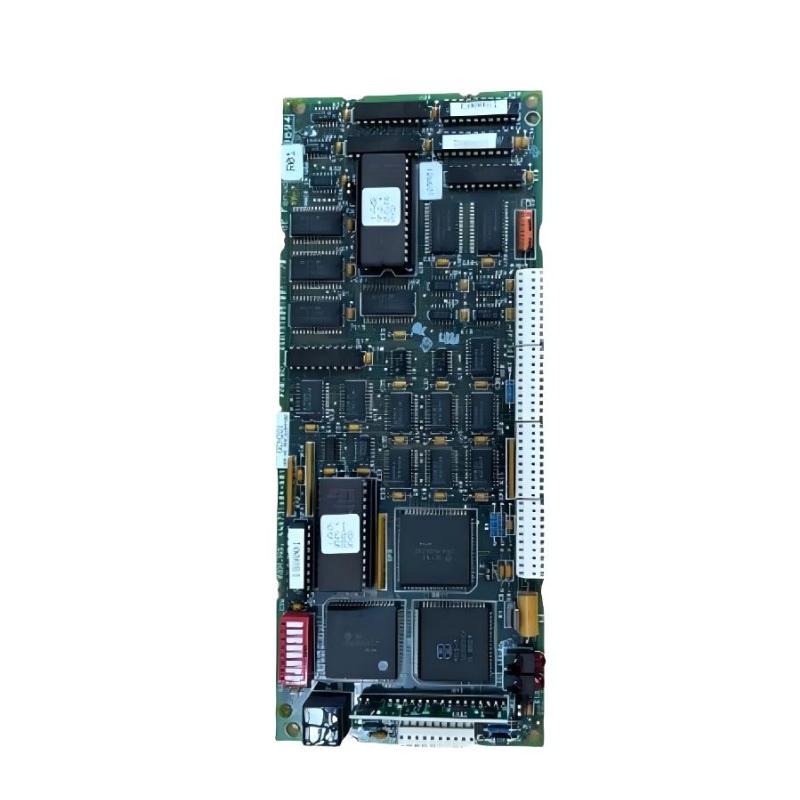
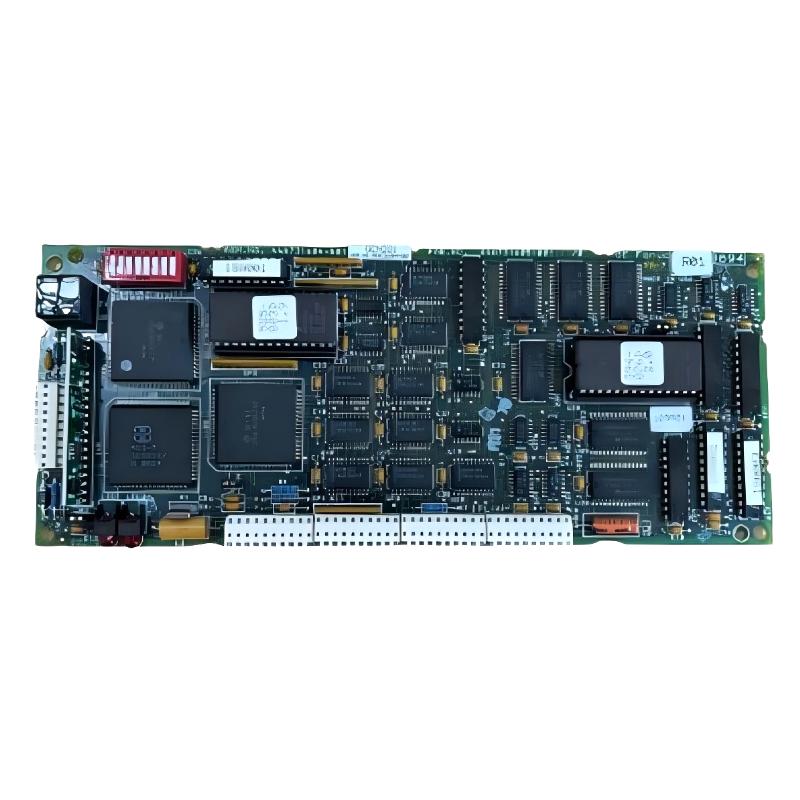
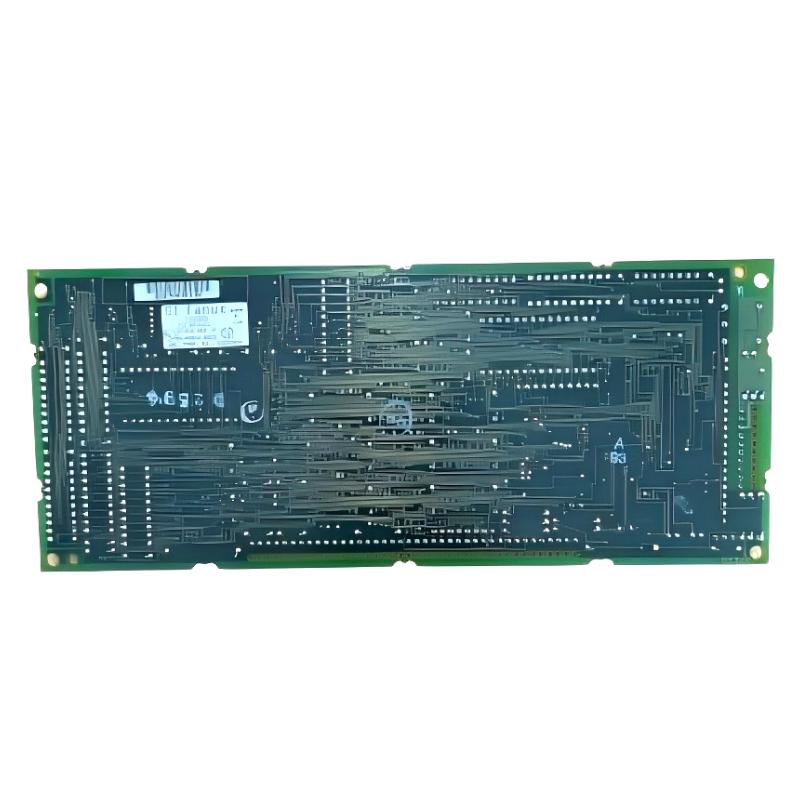
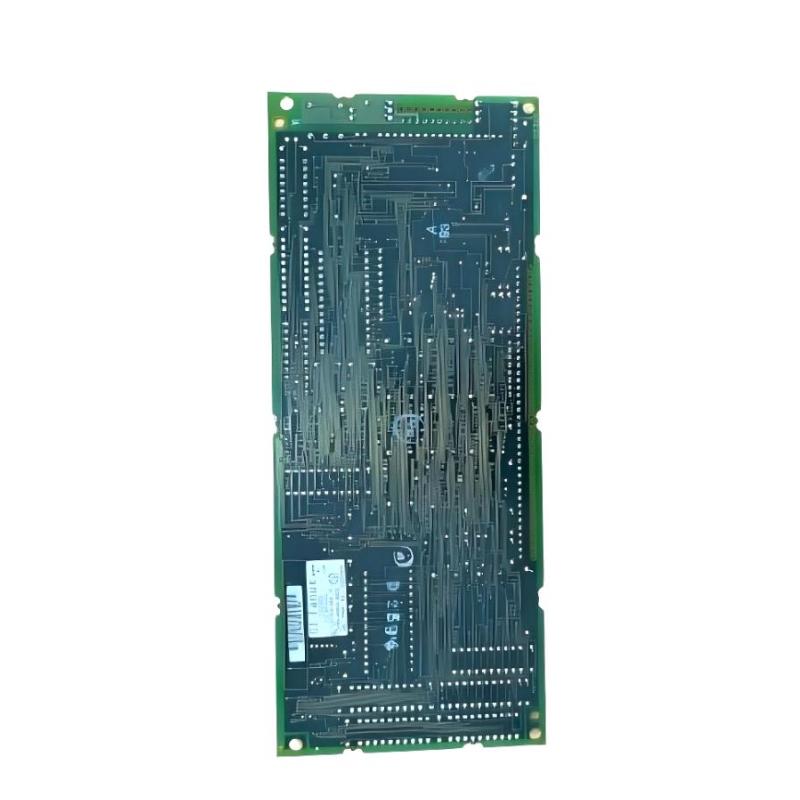
- GE
- IC660ELB910
- System Bus Interface Module
- USA
- 200 × 100 × 20 mm
- 0.136 kg
- Xiamen, China
- New & In Stock
- T/T, PayPal, Western Union
- 1 Year
- 1-3 Working Days
- DHL, UPS, TNT, FedEx and EMS.
- 24-Hour Service
- COO
- 48
Our advantage

Global Logistics
We have a 10-year logistics and express cooperation agreement, so our products can be shipped to any place in the world.

Brand new and original
Our products are imported in bulk from the place of origin. Because of the cooperative relationship, our products are all original and 100% new.

24-hour service
We provide 7*24 hours service to our customers. We will be there whenever you need us.

Price advantage
All our products are priced very favorably because we have our own warehouse and supply.
| Company Information | |||
| [email protected] | |||
| Mobile | +8615980777398 | ||
| +8615980777398 | |||
| 15980777398 |
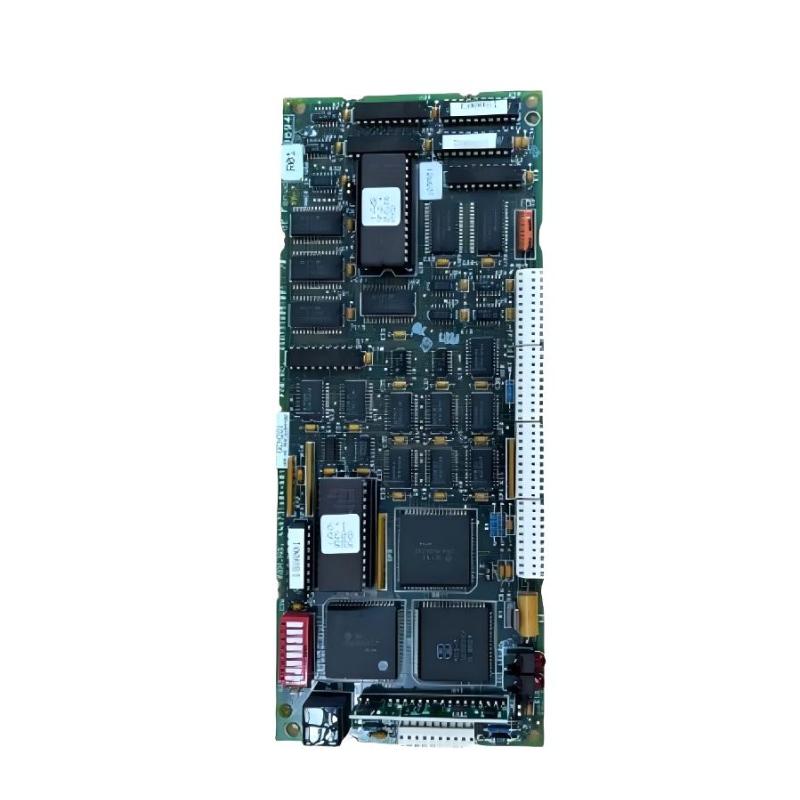
Product Overview
The GE IC660ELB910 Genius I/O System Bus Interface Module is a communication and interface component used within GE industrial control architectures incorporating the Genius I/O system. Its primary role is to connect the I/O system with the associated control network, allowing data from distributed I/O devices to be exchanged with the supervisory PLC or controller.
Unlike a conventional discrete input or output module, the IC660ELB910 does not primarily process individual field signals. Instead, it operates at the system bus interface level, providing the connection between Genius I/O hardware and the wider control architecture.
This type of module is particularly relevant in distributed automation installations where I/O devices are located away from the main PLC rack. By separating field I/O from the central controller, the system can reduce long point-to-point wiring runs and organize machine or process signals around distributed I/O stations.
For maintenance engineers, the IC660ELB910 should be evaluated as part of the complete Genius I/O communication path. The controller, bus wiring, I/O blocks, power supply, connectors, and network configuration all have a direct influence on system operation.
Technical Specifications
| Parameter | Specification |
|---|---|
| Manufacturer | GE |
| Model | IC660ELB910 |
| Product Family | Genius I/O System |
| Product Type | I/O System Bus Interface Module |
| Primary Function | Genius I/O Bus Interface |
| System Role | I/O Communication / Interface |
| Application | Distributed Industrial I/O |
| Control Architecture | PLC / Genius I/O System |
| Dimensions | 200 × 100 × 20 mm |
| Weight | 0.136 kg |
Product Features
The IC660ELB910 is intended for installations where Genius I/O hardware needs to communicate with the associated control system.
Key characteristics include:
- GE Genius I/O system bus interface module
- Model IC660ELB910
- Supports distributed I/O system integration
- Provides an interface between Genius I/O hardware and the control architecture
- Suitable for industrial automation systems
- Useful for distributed field I/O applications
- Supports system-level I/O communication
- Suitable for legacy GE automation installations
- Helps organize remote I/O within a structured control network
- Suitable for maintenance and replacement applications
The module should be selected together with the applicable Genius I/O architecture rather than treated as a general-purpose communication card.
Working Principle
The IC660ELB910 operates within the communication path between the controller and the Genius I/O system.
A simplified architecture can be represented as:
PLC / Controller → Genius I/O Bus → IC660ELB910 → Distributed I/O → Field Devices
The interface module handles the system-level connection required for communication with the Genius I/O network. Field devices connected to distributed I/O hardware generate input information, while output commands can travel in the opposite direction toward field actuators.
The controller can therefore exchange I/O information without requiring every field device to be wired directly back to the central PLC cabinet.
This distributed arrangement is useful on large machines and process installations where sensors and actuators are physically separated from the main control cabinet. It can simplify field wiring and make the I/O architecture easier to organize.
During troubleshooting, a missing I/O point should not automatically be attributed to the interface module. The complete communication path should be checked, including bus wiring, connected I/O hardware, power, addressing or configuration, and controller-side communication.
Role in a Distributed I/O Architecture
The IC660ELB910 occupies the I/O communication interface layer within a Genius-based control system.
A typical architecture can be viewed as:
PLC / Controller → Genius Bus Interface → Genius I/O Network → Remote I/O → Sensors and Actuators
This arrangement separates field signal acquisition from the central controller. Instead of bringing every sensor and actuator cable into one PLC cabinet, distributed I/O hardware can be positioned closer to the equipment.
For machine builders and plant maintenance teams, this can be valuable where the physical distance between the controller and field devices is significant. It also makes the I/O structure more modular, allowing remote sections of the machine or process to be organized around their own I/O stations.
The interface module therefore contributes to the communication path that allows the controller to treat distributed I/O as part of the overall PLC system.
Industrial Applications
The IC660ELB910 is suited to industrial automation systems using GE Genius I/O architecture.
| Application | Typical Use |
|---|---|
| Factory Automation | Distributed machine I/O |
| Manufacturing Lines | Remote sensor and actuator integration |
| Material Handling | Connecting distributed conveyor I/O |
| Process Equipment | Remote monitoring and control |
| Packaging Machinery | Distributed machine signals |
| Motor Control Systems | Integration of remote control signals |
| Large Machine Systems | Reducing long field-wiring runs |
| Legacy GE Control Systems | Maintaining Genius I/O installations |
The actual configuration depends on the controller, Genius I/O hardware, network topology, and field devices used by the installation.
Installation and Maintenance
The IC660ELB910 should be installed as part of a properly configured Genius I/O communication system.
Before replacement, technicians should identify the complete communication path and document the existing system configuration. This is particularly important on legacy installations where I/O networks may have been expanded or modified during previous maintenance.
Recommended checks include:
- Confirm the complete IC660ELB910 part number.
- Identify the associated PLC or controller.
- Verify the Genius I/O system architecture.
- Document connected I/O devices.
- Check bus wiring and terminations.
- Inspect connectors for mechanical damage.
- Verify module power conditions.
- Check network configuration and addressing.
- Inspect cables for physical deterioration.
- Confirm correct module installation.
- Check communication status after installation.
- Verify affected I/O points from the controller.
- Test representative input and output signals.
- Monitor the system during normal operation.
- Record the final configuration for future maintenance.
If several remote I/O points become unavailable simultaneously, inspect the common communication path before replacing individual I/O blocks. A bus or interface problem can affect multiple devices at the same time.
Related Components
The IC660ELB910 normally operates together with several components in a distributed Genius I/O system.
| Component | Function |
|---|---|
| PLC / Controller | Executes the control program |
| Genius I/O Bus | Provides the communication path |
| Genius I/O Blocks | Interface with field signals |
| Field Sensors | Provide machine or process inputs |
| Actuators | Perform commanded operations |
| Power Supply | Provides operating power to system components |
| Bus Wiring | Carries I/O communication |
| Terminal Connections | Connect field wiring |
| Control Cabinet | Houses controller and interface hardware |
| Engineering / Programming System | Supports configuration and maintenance |
A communication fault affecting multiple I/O points should be investigated across this entire chain.
Recommended Related Models
For Genius I/O applications, related hardware should be selected according to the required communication function, I/O configuration, and existing control architecture.
| Model / Product Family | Product Type | Typical Application |
|---|---|---|
| GE IC660ELB910 | Genius I/O Bus Interface Module | Genius I/O system interface |
| GE Genius I/O Blocks | Distributed I/O Hardware | Remote field signal acquisition |
| GE Series Six PLC Hardware | PLC Control System | Central control and logic execution |
| GE Series Six Input Modules | Input Hardware | Discrete signal monitoring |
| GE Series Six Output Modules | Output Hardware | Field-device control |
| GE Genius I/O System Components | Distributed I/O System | Remote automation applications |
The IC660ELB910 should not be considered a direct substitute for a Genius I/O block. The interface module and distributed I/O blocks serve different positions within the control architecture.
Key Advantages
- GE Genius I/O System bus interface module.
- Model IC660ELB910.
- Supports distributed I/O system architecture.
- Provides a system-level interface for Genius I/O communication.
- Suitable for remote industrial I/O applications.
- Helps reduce extensive point-to-point field wiring.
- Suitable for manufacturing and process-control systems.
- Useful for legacy GE automation maintenance.
- Supports structured distributed control architectures.
- Suitable for machine and plant-level I/O integration.
Technical FAQs
What role does the IC660ELB910 play in a Genius I/O system?
The IC660ELB910 functions at the bus interface level, connecting the Genius I/O system with the associated control architecture. It should be distinguished from the individual Genius I/O blocks that directly interface with field devices.
Why can a single interface fault affect several remote I/O points?
Distributed I/O devices depend on a shared communication path. If the interface, bus wiring, or another common network component becomes unavailable, multiple I/O stations can lose communication simultaneously. This is why a widespread I/O failure should first be investigated at the common system level.
What should be checked if the controller cannot see a Genius I/O station?
Check the interface module, bus wiring, power supply, network configuration, addressing, and the affected I/O hardware. If only one station is missing, focus on that station and its local connections; if several stations disappear together, investigate the common communication path first.
Why is the Genius I/O architecture useful for large machines?
It allows I/O hardware to be distributed closer to sensors, switches, valves, motors, and other field equipment. This can reduce long cable runs back to the main PLC cabinet and make the control system easier to organize around physically separated machine sections.