

ProductPRODUCT
Featured products
Contact Us
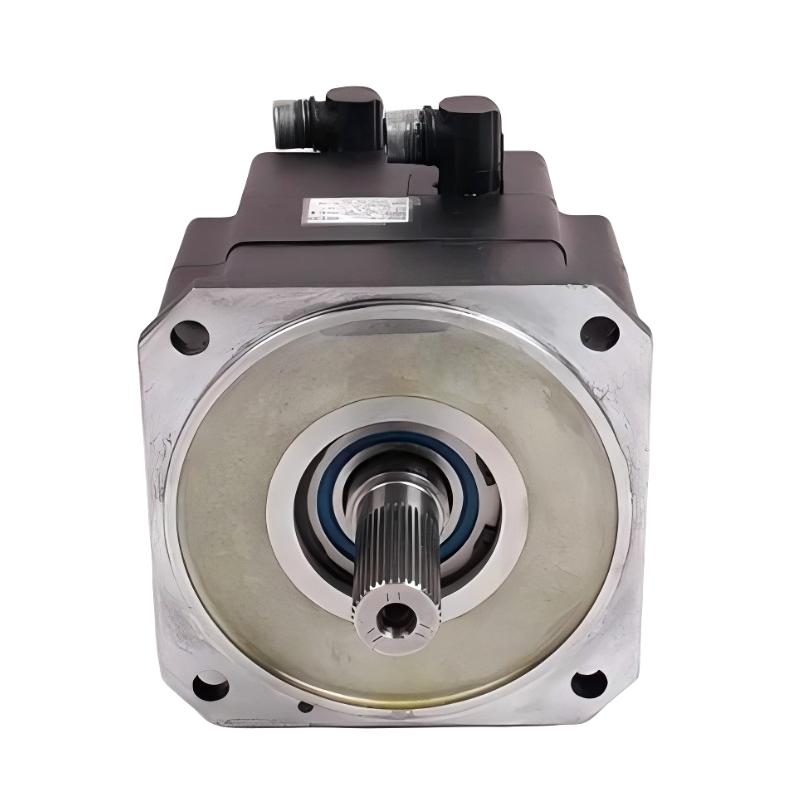
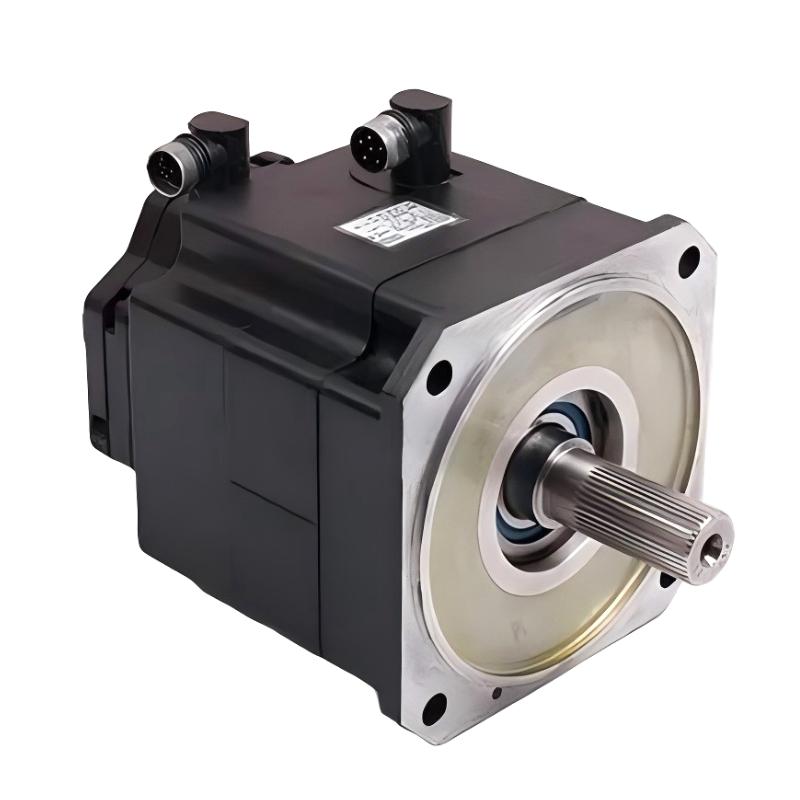
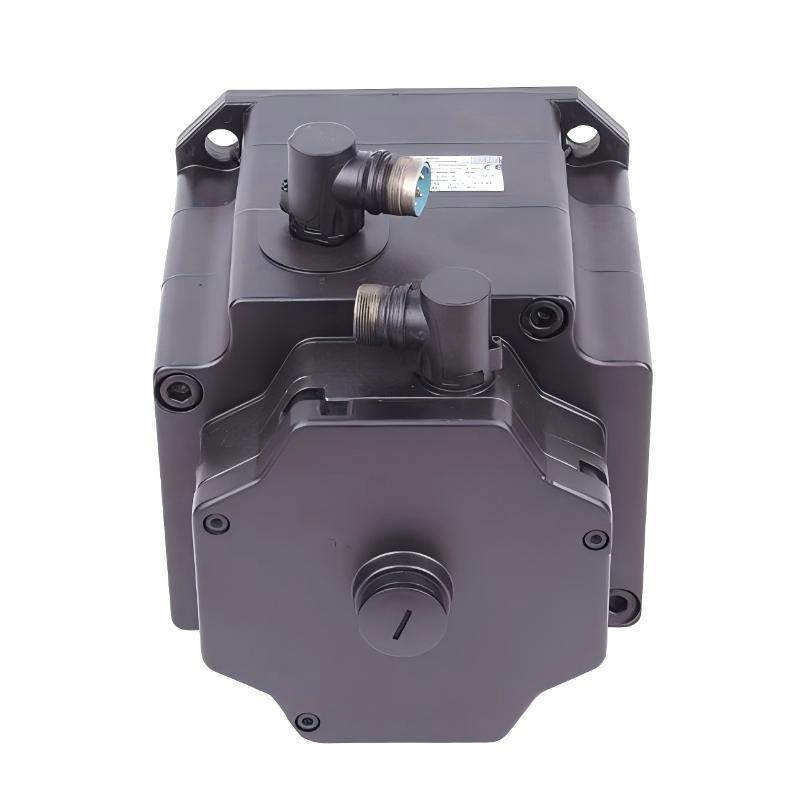
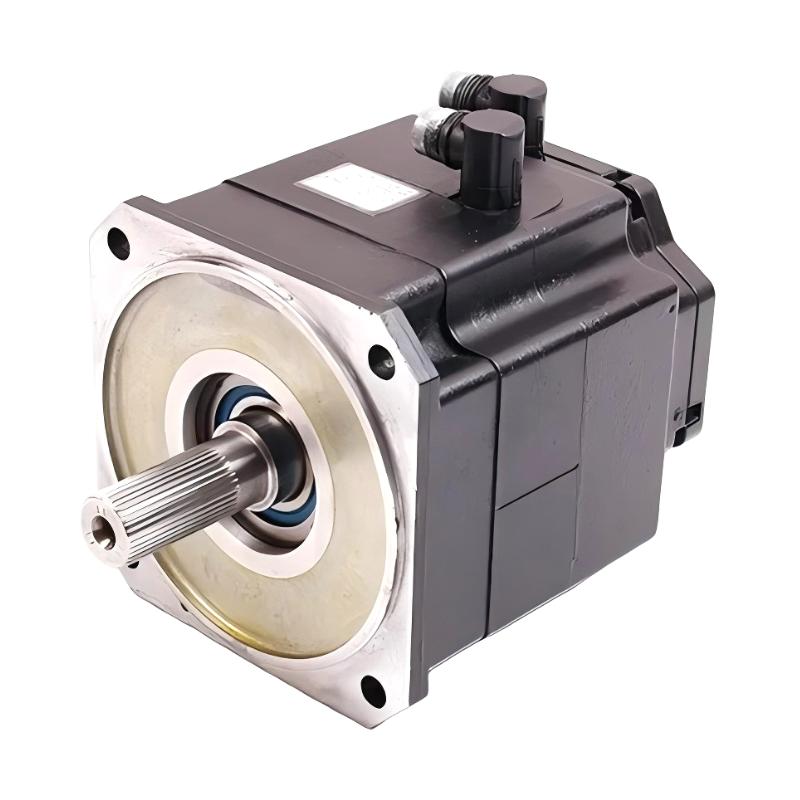
- ABB (KUKA)
- 1FK6100-8AF71-1ZZ9-ZS09 69-225-463
- Robot Servo Motor
- Germany
- 320 × 100 × 220 mm
- 24.94 kg
- Xiamen, China
- New & In Stock
- T/T, PayPal, Western Union
- 1 Year
- 1-3 Working Days
- DHL, UPS, TNT, FedEx and EMS.
- 24-Hour Service
- COO
- 62
Our advantage

Global Logistics
We have a 10-year logistics and express cooperation agreement, so our products can be shipped to any place in the world.

Brand new and original
Our products are imported in bulk from the place of origin. Because of the cooperative relationship, our products are all original and 100% new.

24-hour service
We provide 7*24 hours service to our customers. We will be there whenever you need us.

Price advantage
All our products are priced very favorably because we have our own warehouse and supply.
| Company Information | |||
| [email protected] | |||
| Mobile | +8615980777398 | ||
| +8615980777398 | |||
| 15980777398 |
Product Overview
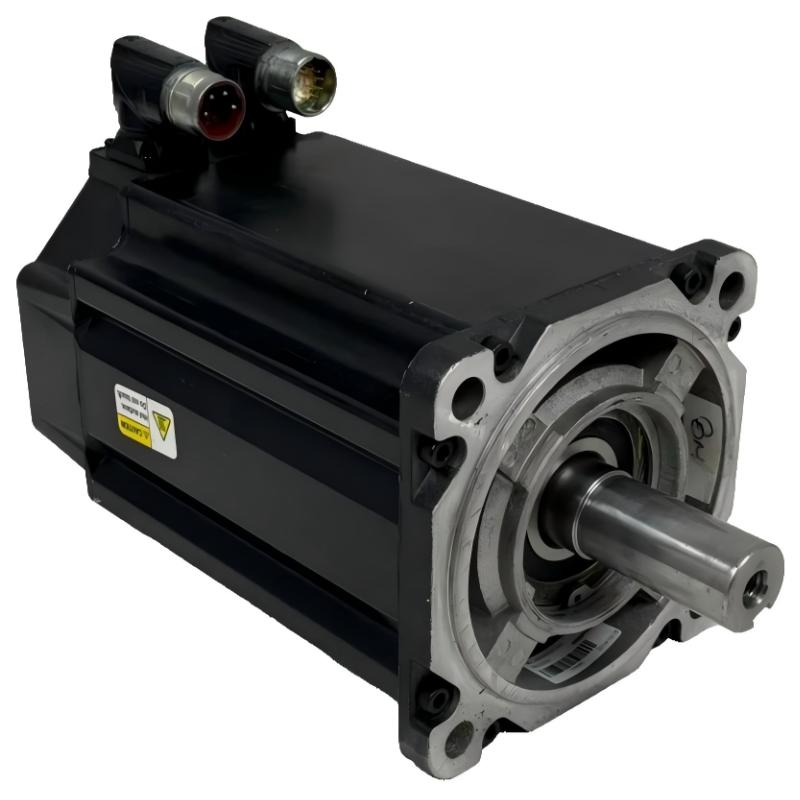
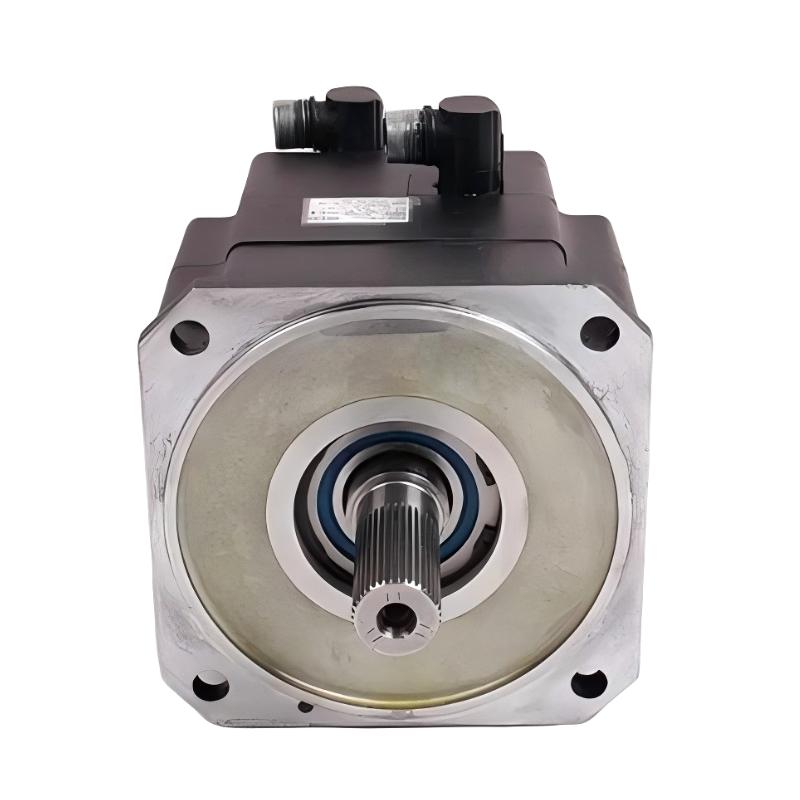
The KUKA 1FK6100-8AF71-1ZZ9-ZS09, identified by KUKA part number 69-225-463, is a brushless AC servo motor used in industrial robotic and motion-control equipment. The motor belongs to the 1FK6 family and is rated at 3.77 kW, with a nominal voltage of 156 V and a rated current of 9.5 A.
This motor is intended for applications where the mechanical axis needs controlled acceleration, repeatable positioning, and coordinated movement rather than simple fixed-speed rotation. In a robot, the motor can drive an axis through a gearbox or mechanical transmission, converting electrical commands from the servo drive into controlled rotary motion.
The motor has a rated speed of approximately 3000 rpm and can reach a maximum speed of around 4200 rpm under suitable operating conditions. This speed range makes it appropriate for dynamic motion applications where the servo system needs both controlled positioning and relatively fast axis movement.
The 1FK6100-8AF71-1ZZ9-ZS09 is also associated with temperature monitoring through a KTY84 sensor integrated into the stator winding. This gives the servo control system a way to monitor motor thermal conditions during operation, which is particularly useful in robotic applications where repeated acceleration and deceleration can generate significant motor heating.
The motor should not be treated as an independent replacement part without checking the complete motion-control system. Its electrical characteristics, feedback arrangement, mechanical mounting, shaft configuration, and compatible servo drive all need to match the robot or machine in which it is installed.
Technical Specifications
| Parameter | Specification |
|---|---|
| Manufacturer | KUKA |
| Model | 1FK6100-8AF71-1ZZ9-ZS09 |
| KUKA Part Number | 69-225-463 |
| Product Type | Brushless AC Servo Motor |
| Motor Category | Robot Servo Motor |
| Motor Family | 1FK6100 |
| Rated Power | 3.77 kW |
| Rated Voltage | 156 V AC |
| Rated Current | 9.5 A |
| Rated Speed | 3000 rpm |
| Maximum Speed | 4200 rpm |
| Number of Phases | 3 Phase |
| Motor Type | Brushless Servo Motor |
| Temperature Monitoring | KTY84 sensor in stator winding |
| Insulation Class | F |
| Protection Rating | IP64 |
| Mounting Arrangement | IM B5 |
| Typical Application | Industrial Robots and Servo Motion Systems |
| Dimensions | 320 × 100 × 220 mm |
| Weight | 24.94 kg |
Product Features
The 1FK6100-8AF71-1ZZ9-ZS09 combines a relatively high power rating with the response characteristics required for servo-controlled mechanical axes.
Its 3.77 kW rated output is suitable for motion systems in which the motor must repeatedly accelerate, decelerate, and hold a commanded position. Unlike a conventional induction motor, the servo motor operates as part of a closed-loop motion system, with the servo drive continuously managing motor current and motion behavior.
The main characteristics include:
- 3.77 kW rated motor power
- 156 V rated voltage
- 9.5 A rated current
- 3000 rpm rated speed
- 4200 rpm maximum speed
- Three-phase brushless servo motor construction
- KTY84 stator winding temperature sensor
- Class F insulation
- IP64 protection
- IM B5 mounting arrangement
- 1FK6100 motor family
- KUKA part number 69-225-463
- Suitable for robot axis and industrial motion applications
- Dimensions of 320 × 100 × 220 mm
- Weight of 24.94 kg
For replacement work, the electrical ratings alone are not enough. The motor’s mechanical interface and feedback configuration must also correspond to the original robot axis or servo drive configuration.
Working Principle
A servo motor such as the 1FK6100-8AF71-1ZZ9-ZS09 normally operates as one part of a closed-loop motion system:
Motion Controller → Servo Drive → Servo Motor → Mechanical Transmission → Robot Axis
The motion controller generates the required position, velocity, or motion profile. The servo drive then converts those commands into controlled motor current. The motor produces torque and rotation according to the electrical signals supplied by the drive.
In a robotic axis, the motor may be connected directly to a gearbox or another mechanical transmission. The transmission converts the motor’s relatively high rotational speed into the torque and movement characteristics required at the robot joint.
The feedback system is equally important. A servo drive needs position or speed information to determine whether the motor is following the commanded motion. The feedback device associated with the motor allows the controller to detect position and speed errors and correct them during operation.
The KTY84 temperature sensor serves a different purpose. It monitors the thermal condition of the motor winding so that the control system can detect excessive temperature and take appropriate protective action.
During a typical movement cycle, the motor may accelerate rapidly, operate at a controlled speed, decelerate, and then hold a position. This repeated dynamic behavior is one reason servo motors require coordinated drive, feedback, thermal monitoring, and mechanical components rather than simply connecting the motor to a standard AC power supply.
Role in a Robot Servo Motion System
The 1FK6100-8AF71-1ZZ9-ZS09 can be viewed as the electromechanical actuator of a robot axis.
The servo drive handles the electrical control, while the motor converts that controlled electrical power into mechanical torque. The robot controller determines what the axis needs to do, and the feedback system allows the drive to verify the actual motor movement.
A simplified axis architecture is:
Robot Controller → Servo Control / Drive → 1FK6100 Servo Motor → Gearbox → Robot Joint
The motor’s 3000 rpm rated speed and 4200 rpm maximum speed are particularly relevant when evaluating the complete axis transmission. A robot gearbox may significantly reduce the final joint speed while increasing the available output torque.
For this reason, replacing the motor with another motor of similar power does not automatically make it a suitable substitute. The motor constants, drive compatibility, feedback system, shaft and flange dimensions, and gearbox interface all need to be considered together.
Industrial Applications
The 1FK6100-8AF71-1ZZ9-ZS09 is most relevant to industrial motion systems where accurate and repeatable motor control is required.
| Application | Typical Use |
| Industrial Robots | Driving robot axes through mechanical transmissions |
| Robotic Handling | Coordinated positioning of payloads and tooling |
| Material Handling Robots | High-frequency axis movement and positioning |
| Assembly Systems | Controlled positioning of robotic mechanisms |
| Machine Automation | Servo-controlled rotary movement |
| Packaging Machinery | Repetitive positioning and synchronized motion |
| CNC and Motion Equipment | Closed-loop rotary axis control |
| Automated Production Lines | Coordinated motion between machine axes |
Robot applications can place very different demands on the same motor. A lightly loaded axis operating at moderate speed has a different thermal and torque profile from a robot axis performing rapid repetitive movements with high inertia.
Therefore, the actual payload, acceleration profile, duty cycle, gearbox ratio, and operating environment should be considered when evaluating the motor.
Installation and Maintenance
Installation should begin with identification of the complete motor assembly rather than the motor nameplate alone. Confirm the full 1FK6100-8AF71-1ZZ9-ZS09 designation and the associated 69-225-463 part number before removing an existing motor.
The electrical interface should be checked against the servo drive. The motor’s rated voltage and current must be compatible with the drive, while the feedback and temperature-monitoring connections must also be correctly matched.
Mechanical inspection is equally important. Before installation, check the mounting flange, shaft, coupling, gearbox interface, and alignment. Even a small mechanical mismatch can introduce excessive bearing load or coupling stress.
Recommended maintenance checks include:
- Verify the complete motor part number before replacement.
- Compare the motor ratings with the servo drive configuration.
- Inspect motor power cables for insulation damage.
- Check feedback and temperature-sensor connections.
- Inspect the motor shaft and coupling.
- Check gearbox alignment where applicable.
- Inspect mounting bolts for correct mechanical security.
- Check for abnormal bearing noise or vibration.
- Monitor motor temperature during repeated motion cycles.
- Inspect connectors for contamination or loose contacts.
- Confirm that the robot axis reaches its expected position.
- Review servo-drive alarms after commissioning.
- Perform a controlled low-speed test before returning the robot to production.
A motor that becomes unusually hot during normal operation should not simply be replaced without investigating the cause. Excessive acceleration, overloaded payloads, incorrect drive parameters, mechanical binding, gearbox problems, poor ventilation, or an unsuitable duty cycle can all increase motor temperature.
Related Components
The 1FK6100-8AF71-1ZZ9-ZS09 normally works with several components in the robot’s motion-control architecture.
| Component | Function |
| Servo Drive | Controls motor current, torque, speed, and motion response |
| Robot Controller | Generates coordinated axis commands |
| Motor Feedback Device | Supplies position and speed information to the servo system |
| KTY84 Temperature Sensor | Monitors stator winding temperature |
| Motor Power Cable | Transfers controlled electrical power from the drive |
| Feedback Cable | Carries motor feedback signals |
| Robot Gearbox | Converts motor speed into the required axis torque and speed |
| Mechanical Coupling | Connects the motor shaft to the transmission |
| Robot Joint / Axis Assembly | Converts motor torque into robot movement |
| Control Cabinet | Houses the servo drives, controller, power components, and related interfaces |
When replacing this motor in a KUKA robot, the gearbox and feedback arrangement should be checked together with the motor. A correct electrical rating does not guarantee mechanical or control-system compatibility.
Recommended Related Models
The following models are useful comparison points within the KUKA/1FK servo motor family. Selection should be based on the original robot configuration rather than power rating alone.
| Model / Part | Product Type | Main Characteristics | Typical Application |
| KUKA 1FK6100-8AF71-1ZZ9-ZS09 / 69-225-463 | Servo Motor | 3.77 kW, 9.5 A, 3000 rpm | Robot axis motion |
| KUKA 1FK6101-8AF91-1ZZ9-ZS44 | Servo Motor | 1FK6 family, approximately 2.36 kW class | Robotic and industrial motion |
| KUKA 1FK6081-6AZ91-1ZZ9-ZS40 | Servo Motor | 1FK6 family, approximately 2.36 kW class | Servo-controlled machine axes |
| KUKA 1FK6100-8AF91-1ZZ9-Z | Servo Motor | 3.77 kW class, 156 V | Robot and motion-control applications |
| KUKA 1FK6100 Series | Servo Motor Family | Brushless AC servo motor platform | Industrial robotic motion |
| KUKA Servo Drive / KSD Series | Servo Drive | Closed-loop motor control | KUKA robot axis control |
The models above should be treated as comparison candidates rather than direct drop-in replacements. For a robot repair, the exact motor part number, feedback configuration, gearbox interface, connector arrangement, and servo-drive parameters should be checked before substitution.
Key Advantages
- 3.77 kW rated output for demanding servo motion applications.
- 9.5 A rated current and 156 V motor rating.
- 3000 rpm rated speed with up to approximately 4200 rpm maximum speed.
- Brushless three-phase servo motor construction.
- Suitable for closed-loop robotic axis control.
- KTY84 temperature monitoring integrated into the stator winding.
- Class F insulation for industrial motor operation.
- IP64 protection for demanding machine environments.
- IM B5 mounting arrangement.
- Suitable for high-frequency acceleration and deceleration cycles when correctly configured.
- Compatible with servo-drive-based robot motion architectures.
- KUKA part number 69-225-463 provides an additional identification reference for replacement work.
- Dimensions of 320 × 100 × 220 mm.
- Stated weight of 24.94 kg.
Technical FAQs
What is KUKA 1FK6100-8AF71-1ZZ9-ZS09 used for?
The 1FK6100-8AF71-1ZZ9-ZS09 is a brushless AC servo motor used in robotic and industrial motion systems. It converts controlled electrical power from a servo drive into rotary motion for a robot axis or other precision mechanical mechanism.
What are the rated power and speed of the 69-225-463 servo motor?
The motor is rated at 3.77 kW and approximately 3000 rpm, with a maximum speed of about 4200 rpm. The actual permissible operating point depends on the servo drive, load, acceleration profile, and motor operating conditions.
Why is the KTY84 sensor important in this servo motor?
The KTY84 sensor monitors temperature in the motor’s stator winding. This information can be used by the motion-control system to identify excessive thermal loading and protect the motor during demanding operating cycles.
Can another 3.77 kW servo motor directly replace the 1FK6100-8AF71-1ZZ9-ZS09?
Not necessarily. Matching power alone is insufficient for a robot servo replacement. The replacement must also match the motor voltage and current characteristics, speed range, feedback arrangement, temperature-sensor interface, mounting configuration, shaft dimensions, gearbox connection, and servo-drive parameters.