

ProductPRODUCT
Featured products
Contact Us
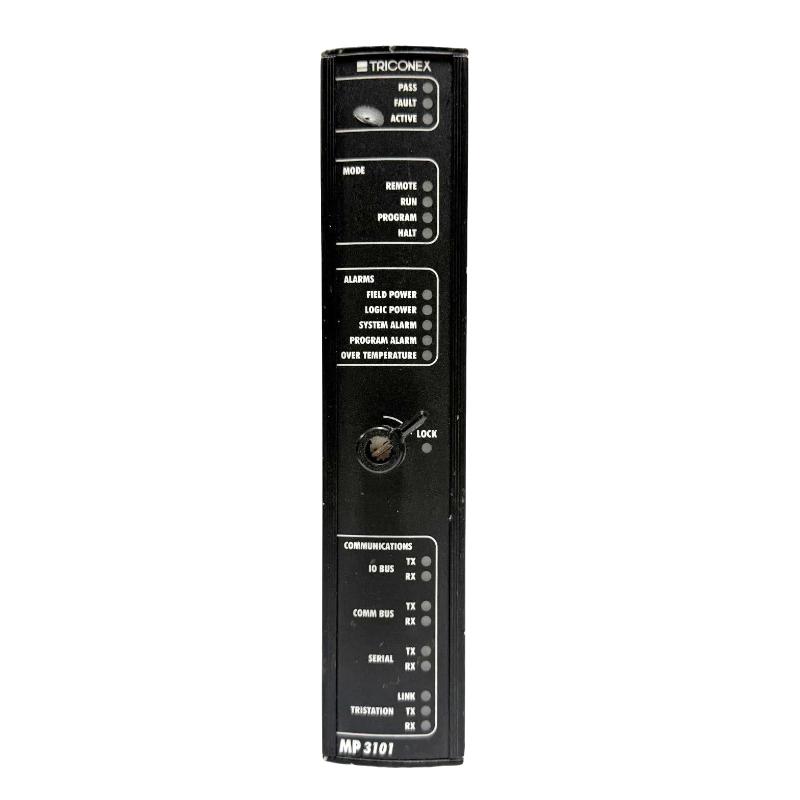
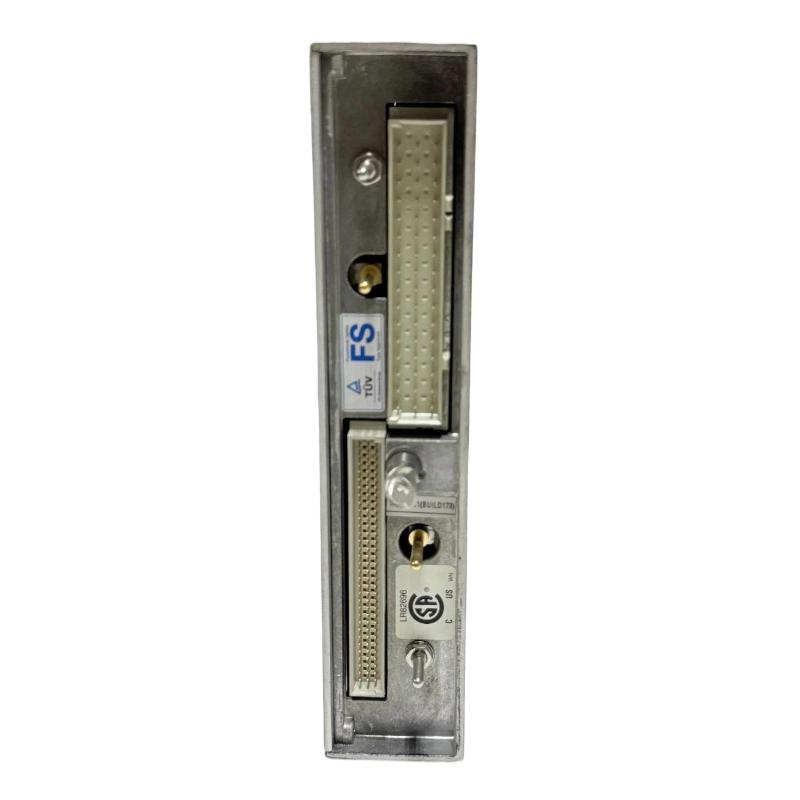
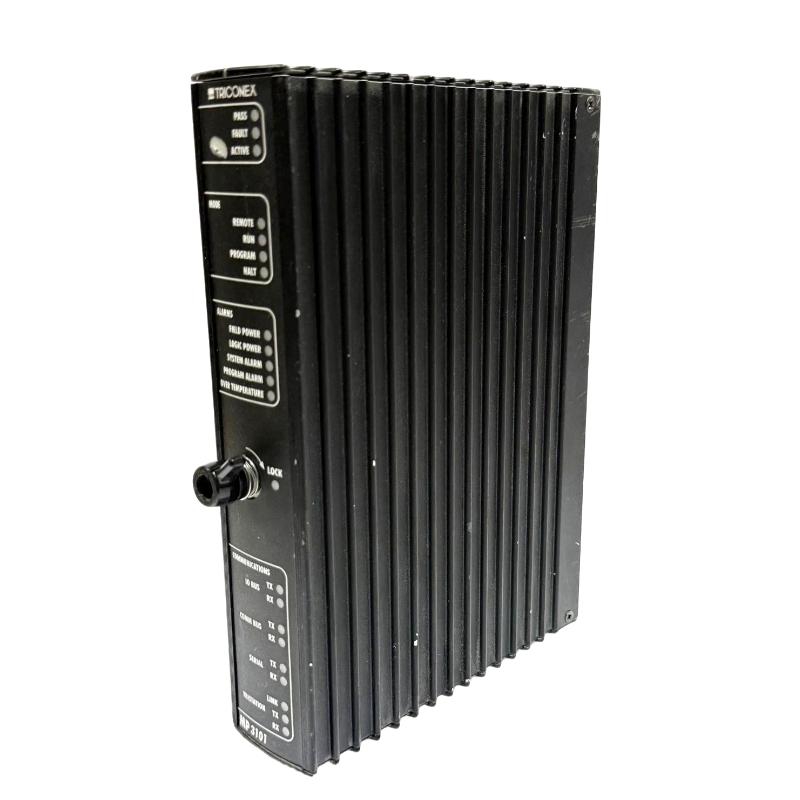
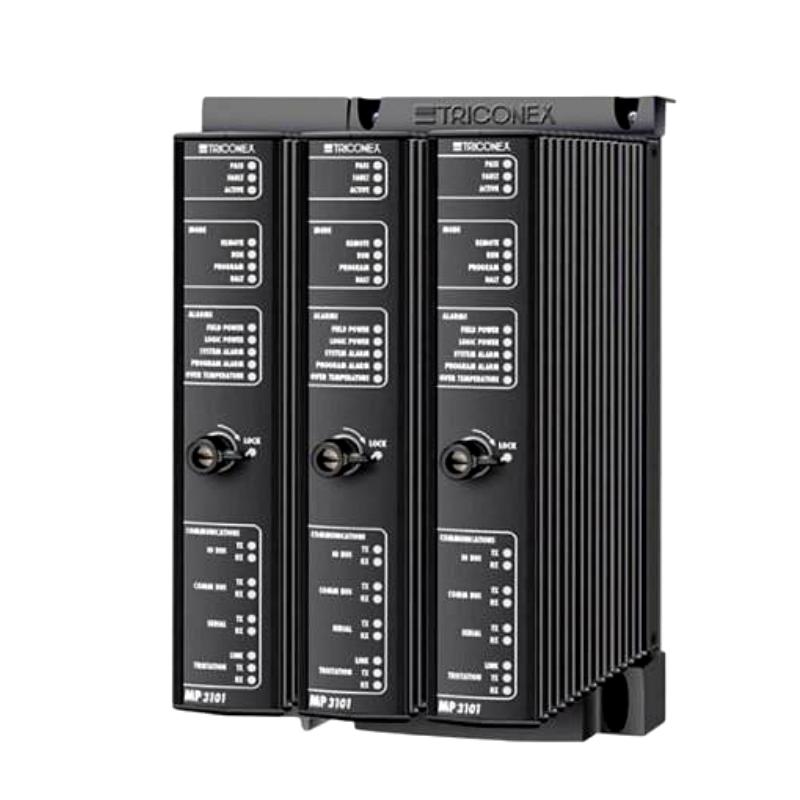
- Triconex
- MP3101
- Redundant Processor Module
- USA
- 250 × 45 × 200 mm
- 1.3 kg
- Xiamen, China
- New & In Stock
- T/T, PayPal, Western Union
- 1 Year
- 1-3 Working Days
- DHL, UPS, TNT, FedEx and EMS.
- 24-Hour Service
- COO
- 71
Our advantage

Global Logistics
We have a 10-year logistics and express cooperation agreement, so our products can be shipped to any place in the world.

Brand new and original
Our products are imported in bulk from the place of origin. Because of the cooperative relationship, our products are all original and 100% new.

24-hour service
We provide 7*24 hours service to our customers. We will be there whenever you need us.

Price advantage
All our products are priced very favorably because we have our own warehouse and supply.
| Company Information | |||
| [email protected] | |||
| Mobile | +8615980777398 | ||
| +8615980777398 | |||
| 15980777398 |
Product Overview
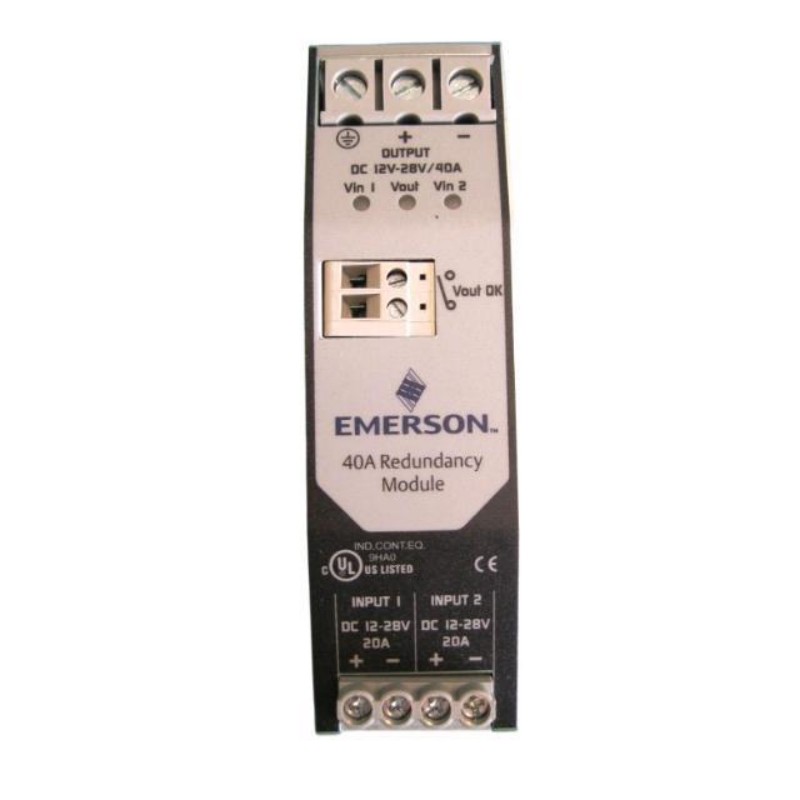
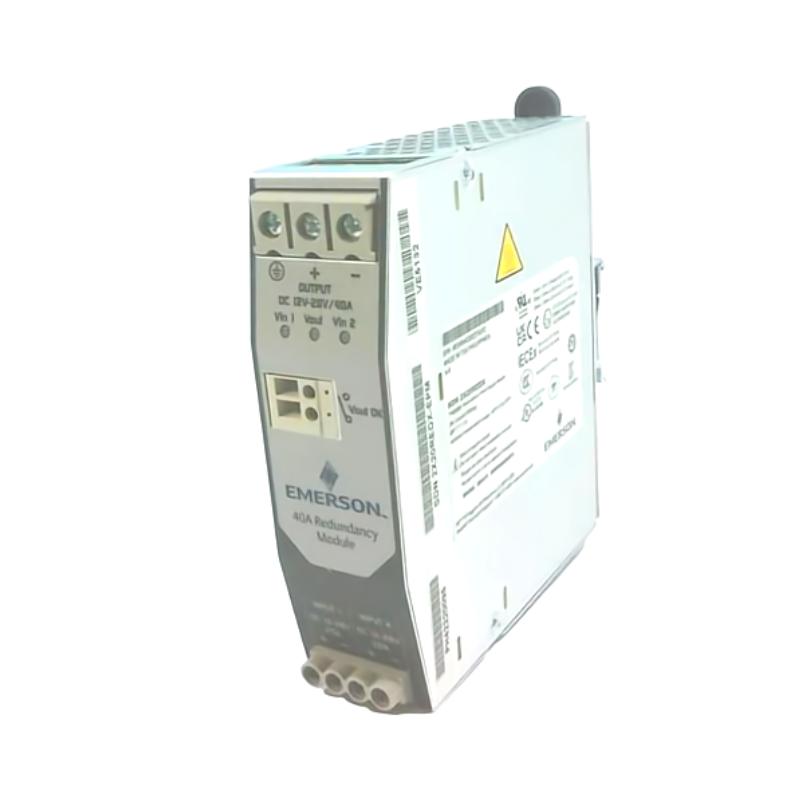
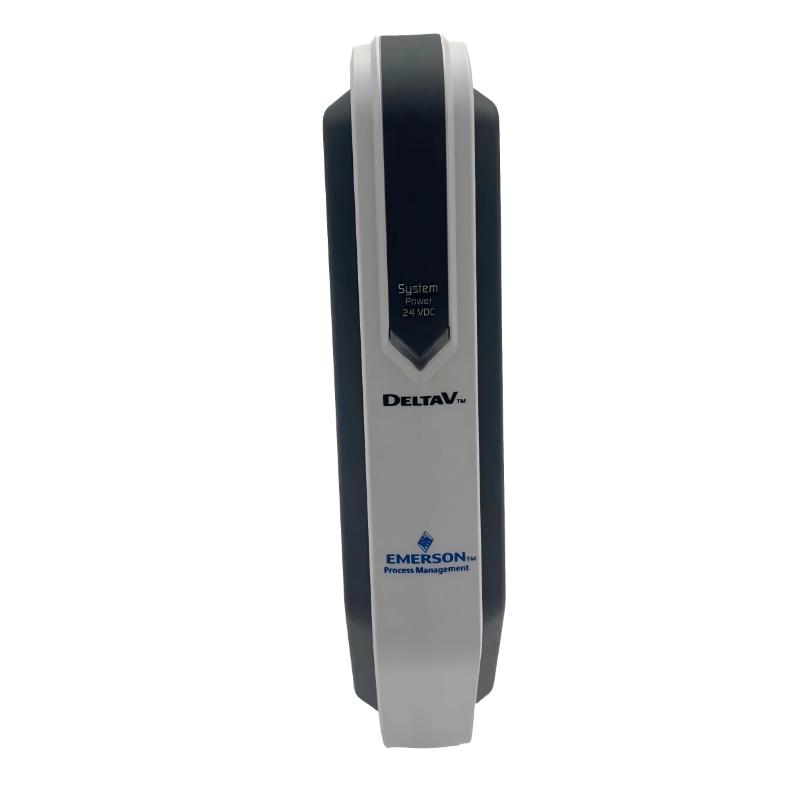
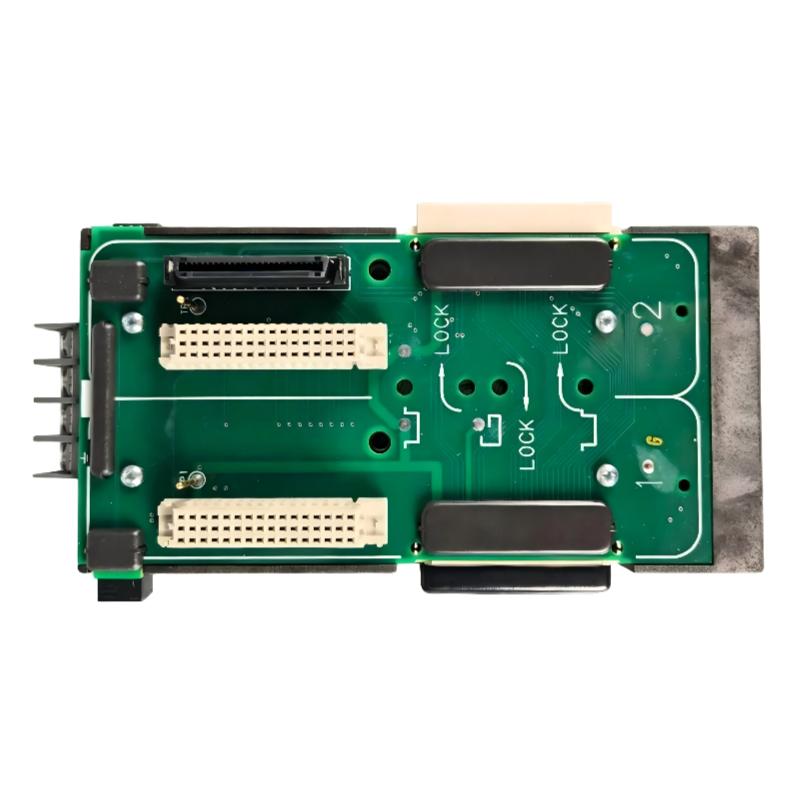
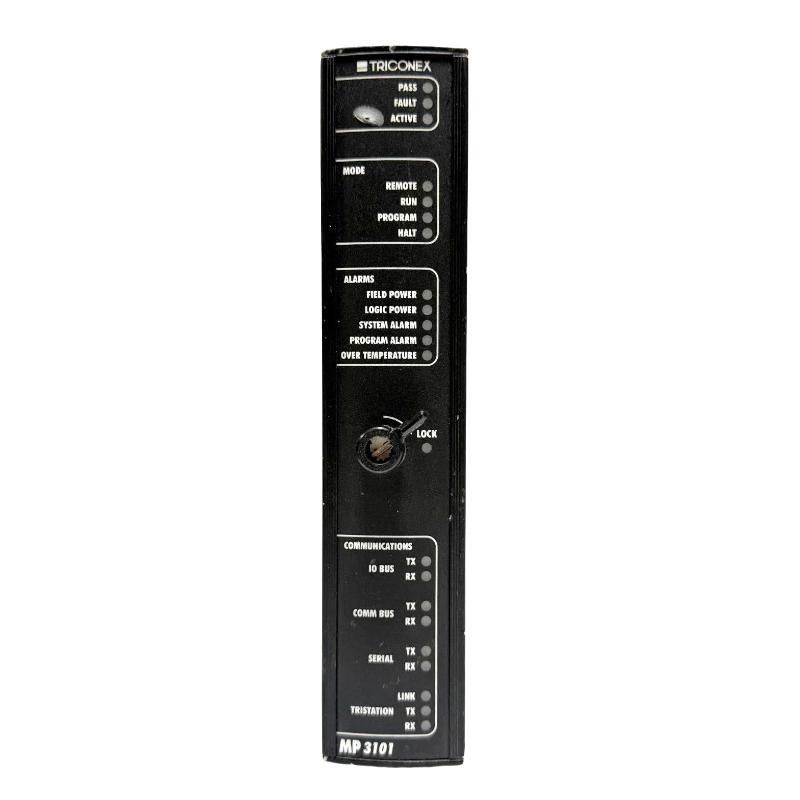
The Triconex MP3101 Redundant Processor Module is a processor component designed for use in Triconex industrial safety and control systems. It provides the processing capability required to execute application logic, supervise system operations, and coordinate information exchanged between the control processor and other system components.
The term redundant processor is important in safety-critical automation. Instead of depending on a single processing path, a redundant architecture uses multiple processor resources to improve system availability and provide additional fault tolerance. This approach is commonly used where an unexpected processor failure cannot be allowed to interrupt a critical industrial process.
The MP3101 operates at the core of the control architecture. Input information collected from field I/O modules can be processed according to the configured application logic, while output commands and system status information are handled as part of the overall control sequence.
A processor module also works closely with other parts of the system, including digital and analog I/O modules, communication modules, power components, and system-level diagnostics. The processor itself does not replace these modules; instead, it coordinates their functions as part of the complete control architecture.
Technical Specifications
| Parameter | Details |
|---|---|
| Manufacturer | Triconex |
| Model | MP3101 |
| Product Type | Redundant Processor Module |
| Processor Type | Redundant Processor |
| Main Function | Control Logic Processing |
| System Role | Central Processing and System Coordination |
| Application | Industrial Safety and Control |
| Architecture | Redundant Control Architecture |
| Installation | Industrial Control System |
| Dimensions | 250 × 45 × 200 mm |
| Weight | 1.3 kg |
| Application Area | Industrial Automation and Safety Systems |
Product Features
The Triconex MP3101 is intended for control architectures where processor availability and fault tolerance are important considerations.
Key features include:
- Redundant processor module design
- Intended for Triconex safety and control systems
- Executes configured application logic
- Coordinates information from system I/O
- Supports redundant control architectures
- Works with associated system modules
- Supports system monitoring and diagnostics
- Suitable for safety-critical industrial applications
- 45 mm module thickness
- 250 × 45 × 200 mm overall dimensions
- 1.3 kg industrial hardware construction
The processor module is central to the system’s operation, but its actual function depends on the complete Triconex architecture, application configuration, and associated I/O and communication hardware.
Working Principle
The MP3101 processes information received from the system’s input modules and executes the configured control or safety logic.
For example, analog input modules may provide process measurements while digital input modules provide equipment status. The processor evaluates these conditions according to the configured application logic and determines the appropriate system response.
A simplified signal flow can be represented as:
Field Devices → I/O Modules → MP3101 Processor → Control Logic → Output Modules → Field Equipment
In a redundant architecture, processor resources work together so that the system can continue operating appropriately if a fault occurs in one processing path.
The processor also participates in system supervision and diagnostic functions. This allows abnormal conditions affecting processors or associated system components to be identified and handled according to the system design.
Role in Industrial Control Systems
The MP3101 provides the central processing function within the Triconex architecture.
| Function | Description |
| Logic Execution | Executes configured control and safety logic |
| I/O Coordination | Processes information received from I/O modules |
| System Management | Coordinates system-level operations |
| Redundancy | Supports fault-tolerant processor architecture |
| Diagnostics | Participates in monitoring processor and system conditions |
| Output Control | Determines output actions according to application logic |
The processor therefore serves as the decision-making element between incoming field information and the commands sent to connected equipment.
Industrial Applications
The MP3101 is suitable for industrial applications where continuous control availability and dependable safety processing are important.
| Industry | Typical Applications |
| Oil & Gas | Emergency shutdown and process safety |
| Chemical Processing | Safety interlocks and critical process control |
| Power Generation | Plant protection and safety systems |
| Petrochemical | Process monitoring and protective control |
| Manufacturing | Critical machine and process safety |
| Water Treatment | Equipment protection and process control |
| Energy | Safety-related equipment monitoring |
| Process Automation | High-availability control architectures |
Redundant processing is particularly valuable in applications where a processor fault could otherwise result in an unnecessary shutdown or loss of an important safety function.
Installation and System Integration
Because the processor is a central system component, installation should be carried out according to the approved system architecture.
Recommended installation steps include:
- Confirm the MP3101 model before installation.
- Verify compatibility with the existing Triconex hardware.
- Check the processor configuration and system architecture.
- Install the module in the designated position.
- Ensure that the processor is correctly seated.
- Verify connections with the associated system hardware.
- Check the system power and processor status.
- Confirm the configured redundancy arrangement.
- Load or verify the required application configuration.
- Perform system diagnostics and functional testing before placing the system into service.
Processor replacement should be treated more carefully than a simple hardware swap because the module participates directly in system logic and redundancy management.
Compatible System Components
The MP3101 operates as part of a larger Triconex control and safety architecture.
| Compatible Component | Function |
| Triconex Analog Input Modules | Acquire continuous process measurements |
| Triconex Digital Input Modules | Monitor discrete field conditions |
| Triconex Digital Output Modules | Send discrete commands to field devices |
| Triconex Analog Output Modules | Provide continuous control signals |
| Triconex Communication Modules | Exchange system-level information |
| Power Supply Components | Provide system operating power |
| Field Instruments | Provide process and equipment information |
| Engineering Equipment | Support configuration and diagnostics |
The exact system configuration depends on the application, required I/O capacity, communication requirements, and safety architecture.
Recommended Alternative Models
| Model | Type | Key Feature | Application |
| Triconex MP3101 | Redundant Processor Module | Fault-tolerant processing | Safety and control systems |
| Triconex Processor Modules | Processor Hardware | Control logic execution | Industrial automation |
| Triconex Digital Input Modules | Digital Input | Discrete status acquisition | Equipment monitoring |
| Triconex Analog Input Modules | Analog Input | Continuous measurement acquisition | Process monitoring |
| Triconex Communication Modules | Communication Module | System-level data exchange | Control system integration |
When selecting a replacement processor, system compatibility, processor architecture, hardware revision, application configuration, redundancy requirements, and associated system components should all be verified. Physical dimensions alone cannot establish processor interchangeability.
Key Advantages
- Provides central processing for Triconex control architectures
- Designed for redundant processor applications
- Supports fault-tolerant control system configurations
- Executes configured safety and control logic
- Coordinates information from I/O modules
- Supports system diagnostics and monitoring
- Suitable for critical industrial applications
- Compact 250 × 45 × 200 mm dimensions
- Stated weight of 1.3 kg
- Suitable for industrial control and safety system installation
Technical FAQs
Why is processor redundancy important in a Triconex safety system?
Processor redundancy reduces dependence on a single processing path. If a processor resource develops a fault, the redundant architecture can help maintain system operation while the fault is identified and addressed, depending on the configured system architecture.
How does the MP3101 interact with analog and digital I/O modules?
The processor receives information acquired by the system’s I/O modules, evaluates that information against the configured application logic, and determines the required system response. Digital and analog I/O modules therefore provide different types of field information to the processor.
What should be considered when replacing a redundant processor module?
The processor model, hardware revision, system configuration, redundancy arrangement, application logic, and compatibility with the installed I/O and communication hardware should be checked. Processor replacement should also include appropriate configuration verification and system testing.
What symptoms may indicate a processor-related fault?
Possible indications include processor diagnostic alarms, redundancy status changes, unexpected system diagnostics, or abnormal behavior reported by the control system. The specific cause should be determined using the system’s diagnostic information rather than assuming that the processor itself has failed.