

ProductPRODUCT
Featured products
Contact Us
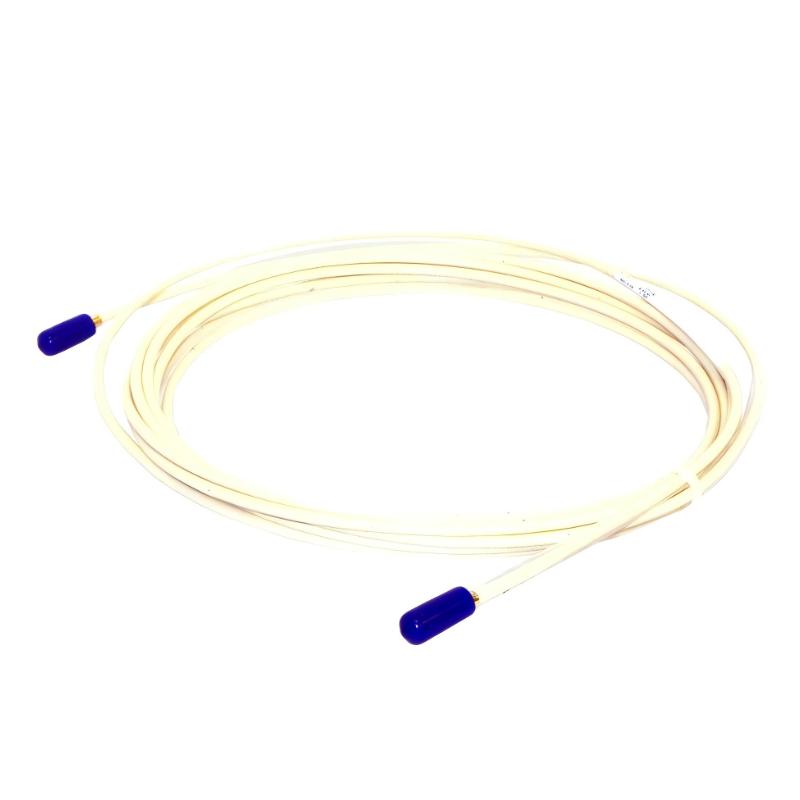
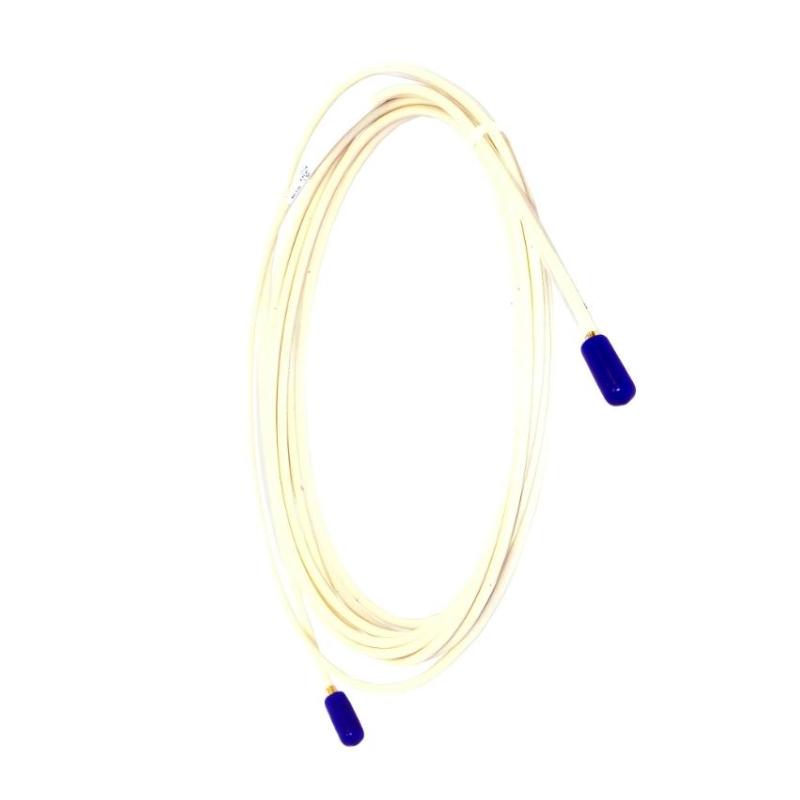
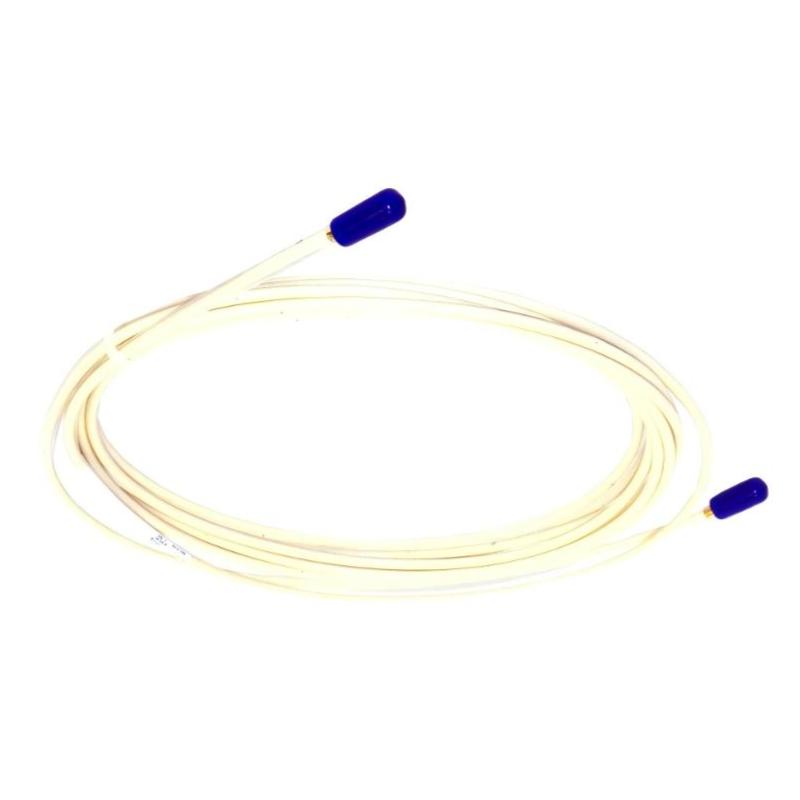
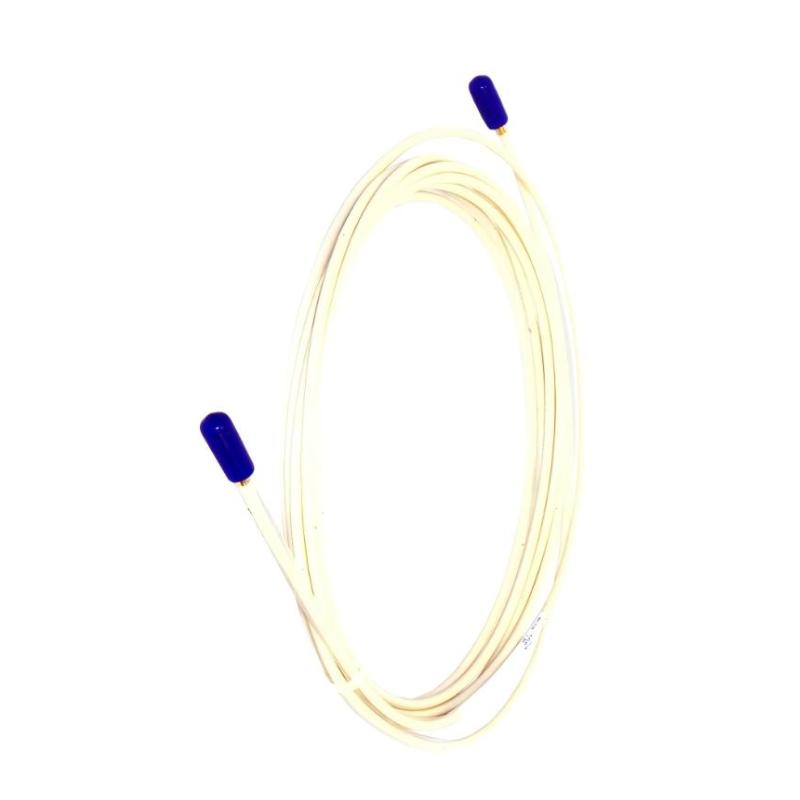
- Bently Nevada
- 2789-204
- Probe Extension Wire
- USA
- 17 feet
- 3 kg
- Xiamen, China
- New & In Stock
- T/T, PayPal, Western Union
- 1 Year
- 1-3 Working Days
- DHL, UPS, TNT, FedEx and EMS.
- 24-Hour Service
- COO
- 47
Our advantage

Global Logistics
We have a 10-year logistics and express cooperation agreement, so our products can be shipped to any place in the world.

Brand new and original
Our products are imported in bulk from the place of origin. Because of the cooperative relationship, our products are all original and 100% new.

24-hour service
We provide 7*24 hours service to our customers. We will be there whenever you need us.

Price advantage
All our products are priced very favorably because we have our own warehouse and supply.
| Company Information | |||
| [email protected] | |||
| Mobile | +8615980777398 | ||
| +8615980777398 | |||
| 15980777398 |
Overview
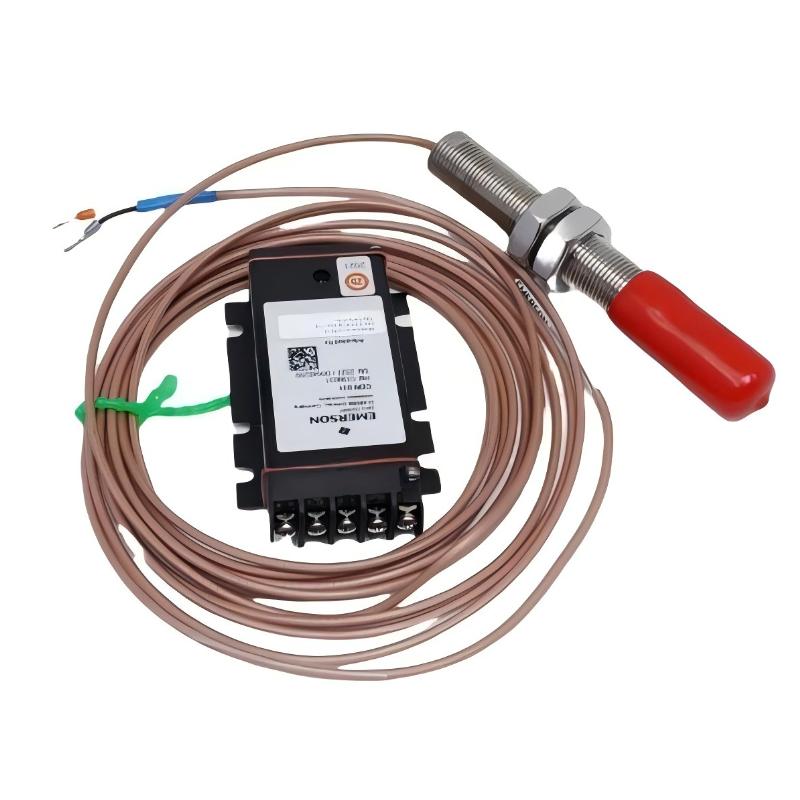
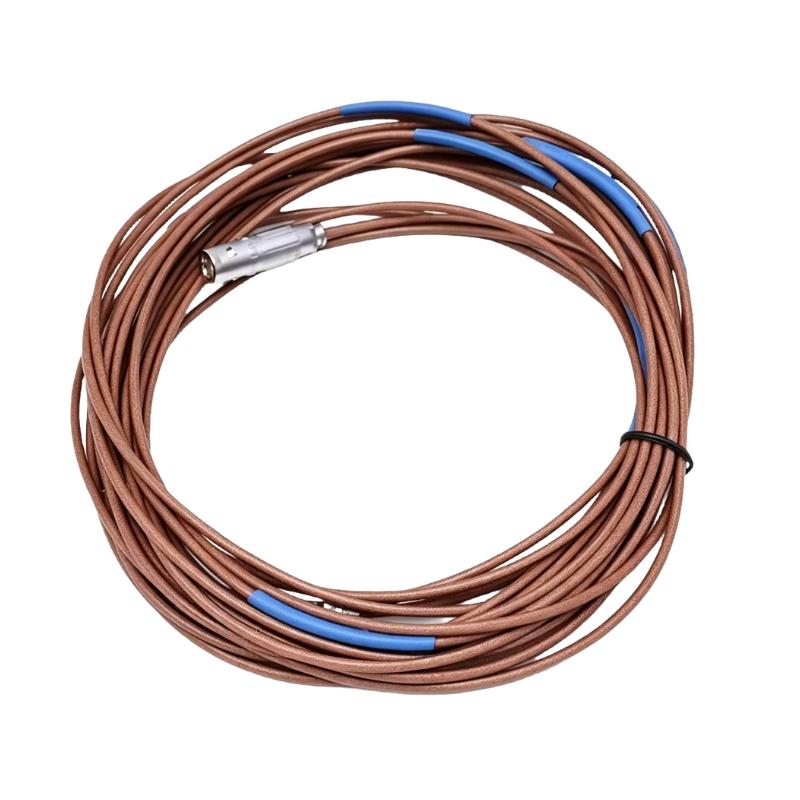
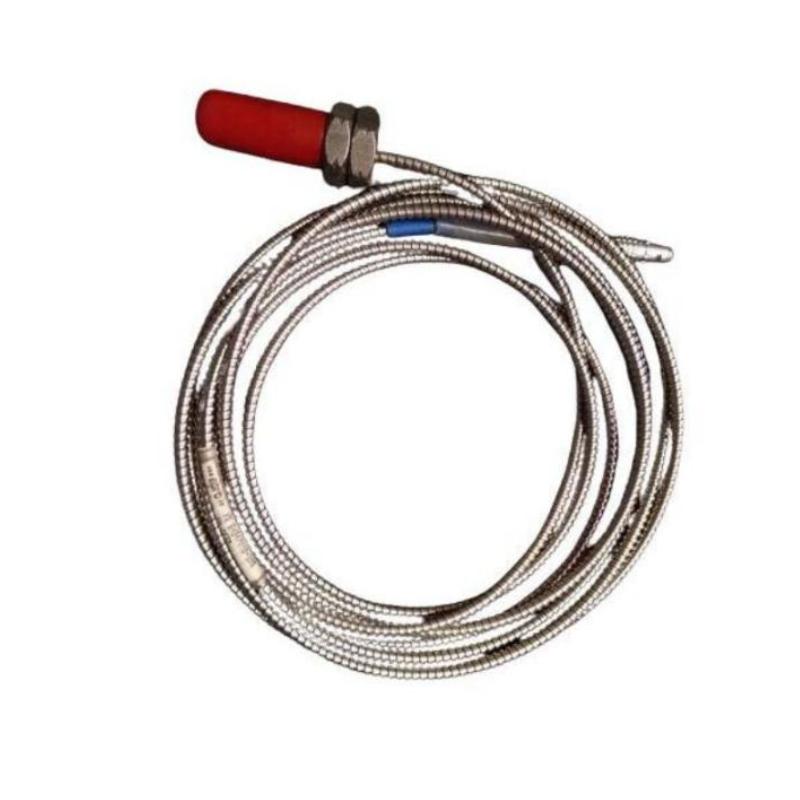
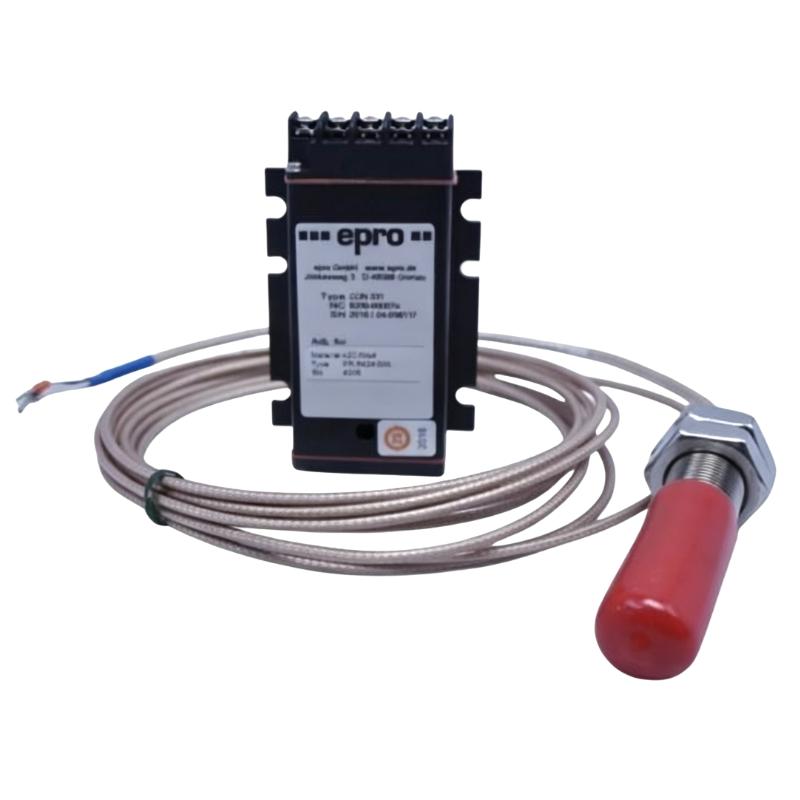
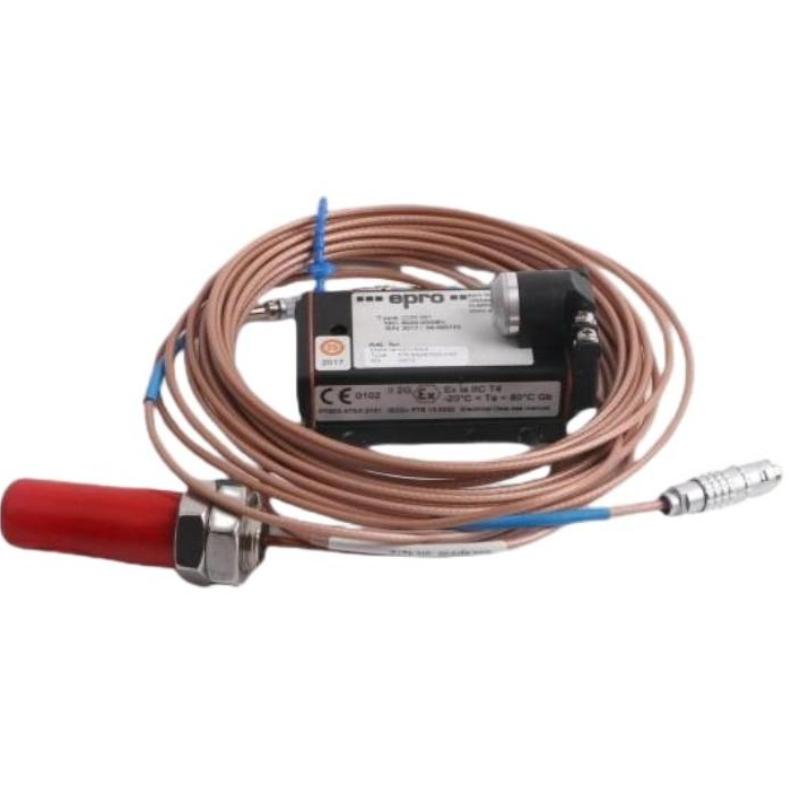
The Bently Nevada 2789-204 is a Probe Extension Wire Cable designed to extend the connection between a proximity probe and its associated monitoring electronics in rotating machinery measurement systems. This cable is used where the physical distance between the probe installation point and the signal-processing equipment requires additional wiring length. As part of a complete proximity monitoring system, the extension wire helps maintain signal transmission between the sensing element and the monitoring equipment. It is commonly used in applications involving turbines, compressors, pumps, motors, generators, and other critical rotating machinery where reliable shaft vibration and displacement monitoring is required.
Technical Specifications
| Parameter | Details |
|---|---|
| Brand | Bently Nevada |
| Model | 2789-204 |
| Product Type | Probe Extension Wire Cable |
| Cable Length | 17 feet |
| Shipping Weight | 3 kg |
| Application | Proximity Probe Signal Extension |
| Primary Function | Extends Connection Between Probe and Monitoring Electronics |
| System Application | Rotating Machinery Monitoring |
| Typical Measurement System | Proximity Transducer System |
| Installation Type | Industrial Machinery Monitoring |
| Typical Equipment | Turbines, Compressors, Pumps, Motors, Generators |
Applications
Turbines
The 2789-204 can be used in turbine monitoring installations where proximity probes are mounted near rotating shafts while signal-processing equipment is installed in a separate control or instrumentation area.
Compressors
Large compressors often require flexible installation arrangements because the sensing location and monitoring cabinets are physically separated. The extension wire provides the required connection distance.
Pumps
The cable can support proximity measurement systems installed on industrial pumps, allowing the probe and monitoring equipment to be positioned according to machinery layout requirements.
Motors and Generators
For large rotating electrical machines, the extension wire helps connect shaft monitoring sensors with the associated signal-conditioning and protection equipment.
Industrial Machinery Protection
The cable is suitable for applications where continuous shaft vibration and displacement monitoring is required as part of a machinery protection system.
How It Works
The 2789-204 functions as a connection component within a proximity measurement system. It does not measure vibration or displacement by itself; instead, it transfers the signal between the proximity probe assembly and the related monitoring electronics.
A typical signal path is:
Shaft Target → Proximity Probe → Extension Wire → Signal Conditioner → Monitoring System
The proximity probe detects changes in the distance between the sensor tip and the rotating shaft. The extension wire maintains the electrical connection so that the detected signal can reach the signal-conditioning equipment for processing.
Because proximity measurement systems rely on precise electrical characteristics, the extension wire should always be selected according to the complete system configuration rather than only matching the cable length.
Key Benefits
| Feature | Benefit |
|---|---|
| Dedicated Probe Extension Design | Provides a suitable connection solution for proximity monitoring installations. |
| 17 Feet Cable Length | Allows greater flexibility between sensor mounting location and monitoring equipment. |
| System Integration | Supports connection between the sensing element and signal-processing components. |
| Industrial Application | Suitable for demanding rotating machinery environments. |
| Installation Flexibility | Allows electronics and sensors to be positioned according to equipment layout. |
| Replacement Compatibility | Provides a direct replacement option when the existing extension wire requires renewal. |
Related Components
The 2789-204 should be considered as part of a complete proximity monitoring system.
| Component | Function |
|---|---|
| Proximity Probe | Detects shaft movement using non-contact sensing technology. |
| 2789-204 Extension Wire | Provides the connection path between the probe and electronics. |
| Signal Conditioner / Proximity Electronics | Processes the probe output signal. |
| Monitoring System | Displays, records, and analyzes machinery condition data. |
| Shaft Target | Provides the conductive surface detected by the proximity probe. |
| Mounting Hardware | Maintains correct sensor installation position. |
Installation
Correct installation of the extension wire is important for maintaining reliable proximity measurement performance.
During installation or replacement, technicians should verify:
- Complete cable model number
- Cable length requirement
- Probe compatibility
- Signal-conditioning equipment compatibility
- Connector condition
- Cable routing path
- Protection from mechanical damage and electrical interference
The cable should be routed away from excessive heat sources, moving mechanical parts, and strong electromagnetic interference areas. Incorrect routing or damaged wiring may result in unstable measurement signals.
The extension wire should be installed as part of the complete proximity measurement circuit rather than treated as a general-purpose cable.
Troubleshooting
| Problem | Possible Cause | Recommended Check |
|---|---|---|
| No Signal Output | Cable connection failure or damaged wire | Check cable continuity and connections. |
| Intermittent Measurement | Loose connection or cable damage | Inspect connectors and cable routing. |
| Unstable Signal | Electrical interference or incorrect system matching | Check cable installation and system compatibility. |
| Signal Loss After Replacement | Incorrect cable selection | Verify the complete monitoring system configuration. |
| Abnormal Vibration Reading | Cable issue or actual machinery condition | Check the complete measurement chain. |
Recommended Models
| Model | Product Type | Application |
|---|---|---|
| 2789-204 | Probe Extension Wire Cable | Proximity probe signal extension |
| 21747-070-01 | Preamplifier Probe Extension Cable | Extended proximity system connection |
| 3300 XL Extension Cable | Proximity Extension Cable | Probe-to-Proximitor connection |
| 3300 XL 8 mm Probe | Eddy-Current Proximity Probe | Shaft vibration monitoring |
| 3300 XL Proximitor Sensor | Signal Conditioner | Probe signal processing |
| 7200 Series Extension Components | Proximity System Accessories | Rotating machinery monitoring |
Related Products
| Product / Series | Product Type | Main Use |
|---|---|---|
| 3300 XL 8 mm Series | Proximity Probe System | Shaft vibration and displacement monitoring |
| 3300 XL Proximitor Sensor | Signal Conditioner | Probe signal conversion |
| 3300 XL Extension Cable | Extension Cable | Probe connection extension |
| 7200 Series | Proximity Transducer System | Rotating machinery monitoring |
| Machinery Protection Systems | Monitoring Equipment | Equipment condition protection |
| Bently Nevada Proximity Probes | Eddy-Current Sensors | Shaft position measurement |
Technical FAQs
1. What is the function of the Bently Nevada 2789-204?
The 2789-204 is a probe extension wire used to extend the electrical connection between a proximity probe and the associated monitoring electronics. It allows the sensor and signal-processing equipment to be installed at different physical locations.
2. Can the 2789-204 be used as a general-purpose cable?
No. It is designed specifically for proximity monitoring applications. The electrical characteristics and system compatibility must match the installed probe and monitoring electronics.
3. Why is cable length important in a proximity measurement system?
The extension cable becomes part of the complete measurement circuit. An incorrect cable length or unsuitable cable type may affect signal transmission and cause inaccurate or unstable proximity measurements.
4. What components normally work with the 2789-204?
The cable is typically used together with a compatible proximity probe, signal-conditioning electronics, and a machinery monitoring system to create a complete shaft vibration or displacement measurement chain.
5. What should be checked when replacing the 2789-204?
The replacement should be verified against the existing system configuration, including the probe type, monitoring electronics, connection method, cable requirements, and installation environment. Matching only the cable length is not sufficient.