Product Overview
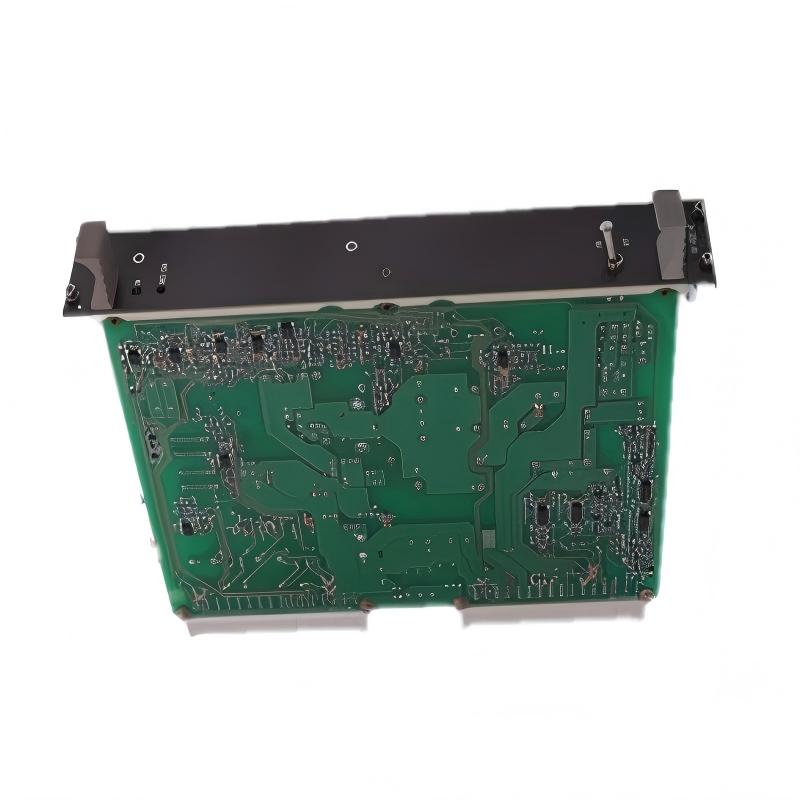
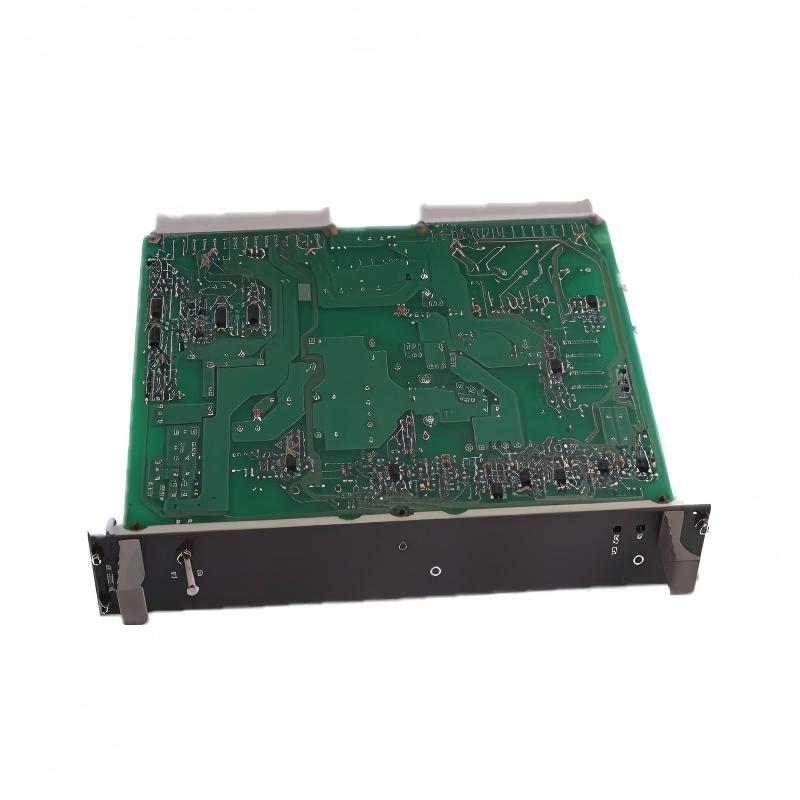
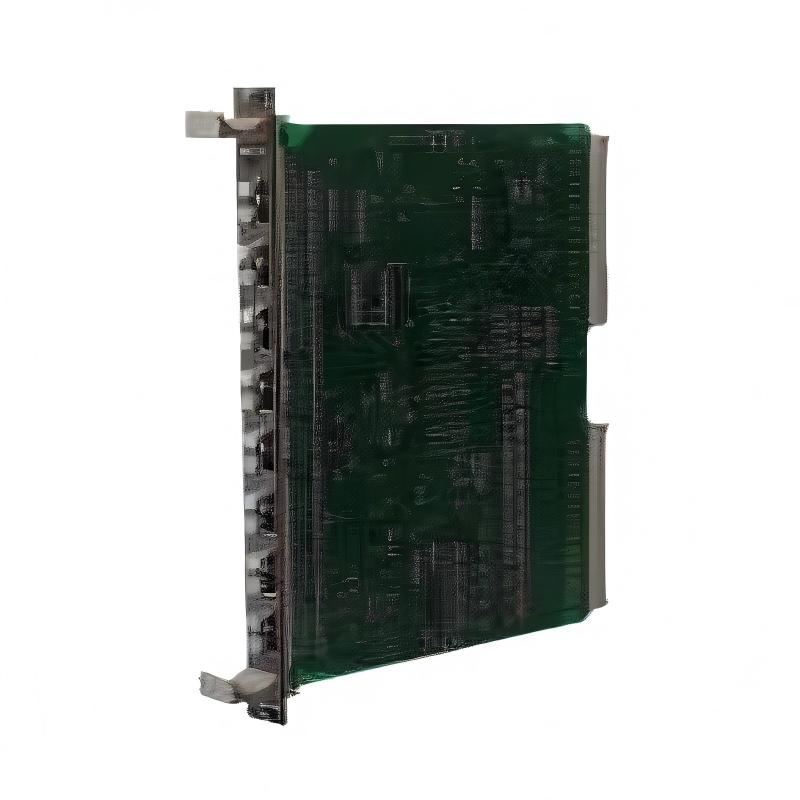
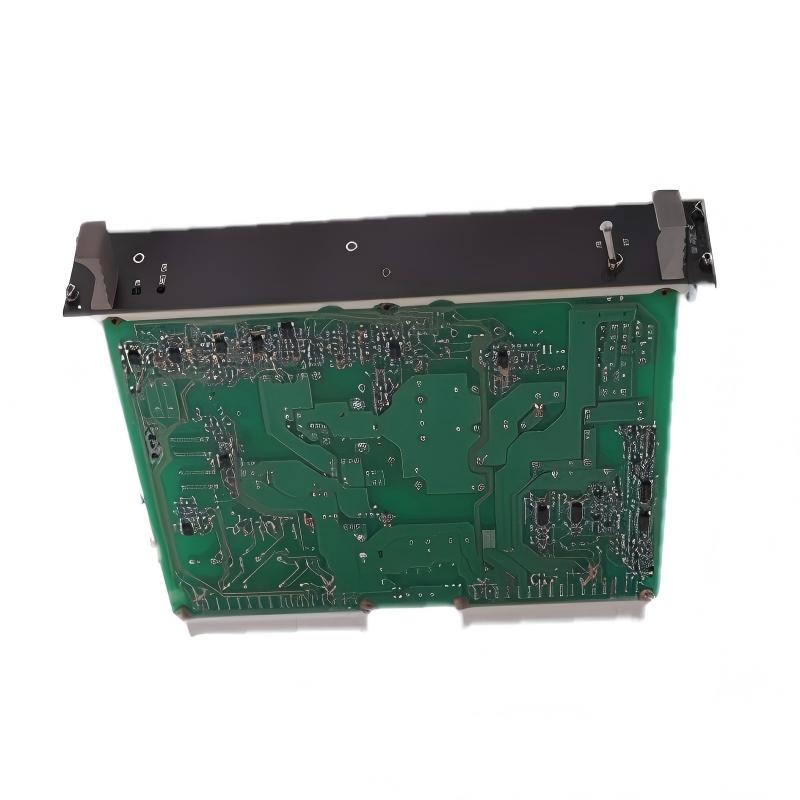
In modern industrial automation systems, reliable control modules are essential for achieving accurate signal processing, efficient communication, and stable machine operation. The ABB 1SAY130010R0010 PLC Module is an industrial automation control component designed for integration within ABB PLC and control system architectures.
This module provides an important connection between field-level devices and the main automation controller, supporting data exchange, signal processing, and system expansion. It is designed for applications where modular control structures, flexible configuration, and reliable long-term operation are required.
The ABB 1SAY130010R0010 is commonly used as part of ABB automation solutions, helping engineers build scalable control systems for manufacturing equipment, process automation, and industrial infrastructure. ABB PLC platforms are designed around modular architectures that support flexible I/O expansion and industrial communication requirements.
Technical Specifications
| Parameter |
Details |
| Manufacturer |
ABB |
| Model |
1SAY130010R0010 |
| Product Type |
PLC Module |
| Module Category |
Industrial Automation Control Module |
| Function |
Control system expansion and signal processing |
| Application |
PLC / Industrial automation systems |
| Dimensions |
180 × 120 × 80 mm |
| Weight |
0.25 kg |
| Installation Type |
Cabinet / rack installation |
| Communication |
Industrial control communication interface |
| System Integration |
ABB PLC control platforms |
| Operating Environment |
Industrial automation environment |
| Design Type |
Modular electronic control unit |
| Main Application |
Machine control, process automation, system expansion |
Function and Working Principle
The ABB 1SAY130010R0010 operates as a modular component inside an industrial control architecture. Its main purpose is to support communication, signal handling, and interaction between automation devices.
In a typical PLC-based system, the module works together with the central processing unit (CPU), I/O modules, and field devices.
The basic operating process includes:
- Receiving signals from connected automation devices
- Processing or transferring control information
- Communicating data with the PLC controller
- Supporting coordinated operation between different system components
By using a modular PLC structure, engineers can expand system functions without replacing the complete control platform.
This approach improves:
- System flexibility
- Maintenance efficiency
- Equipment scalability
- Long-term reliability
Role in Industrial Control Systems
The ABB 1SAY130010R0010 plays an important role in industrial automation systems by supporting communication and control expansion.
It can be integrated with:
- PLC processors
- Digital and analog I/O modules
- Industrial communication networks
- Machine control systems
- Remote field devices
Within a complete automation solution, the module helps create a connection between the control layer and field-level equipment.
Typical system architecture:
Field Devices → I/O Modules → ABB PLC Module → CPU Controller → Supervisory System
This structure allows industrial equipment to achieve centralized monitoring, automatic control, and efficient data management.
Industrial Applications
The ABB 1SAY130010R0010 PLC Module is suitable for various industrial environments, including:
Manufacturing Automation
Used in production lines, assembly equipment, and automated machinery requiring reliable PLC-based control.
Process Industries
Applied in industries such as chemical processing, water treatment, and industrial production systems where continuous operation is required.
Energy Systems
Supports automation equipment used in power-related applications and industrial monitoring systems.
Machine Building
Provides modular control capability for customized machines and automated equipment.
Infrastructure Automation
Used in industrial facilities requiring stable control communication and system expansion.
Installation and System Integration
Correct installation is essential to achieve stable PLC system performance.
Recommended installation procedures include:
- Mounting the module inside a suitable control cabinet
- Checking power supply compatibility
- Confirming communication connections
- Verifying PLC hardware configuration
- Testing signal exchange after installation
During commissioning, engineers should check:
- Module recognition by PLC CPU
- Communication status
- I/O response
- Diagnostic information
- System alarms
Proper configuration helps prevent communication errors and improves overall automation reliability.
Compatible System Components
The ABB 1SAY130010R0010 typically works together with the following automation components:
| Component |
Function |
| ABB PLC CPU Module |
Executes automation programs and logic control |
| ABB I/O Modules |
Collects field signals and controls devices |
| Communication Modules |
Provides industrial network connectivity |
| Power Supply Modules |
Provides stable operating voltage |
| Engineering Software |
Used for configuration and programming |
| Human Machine Interface (HMI) |
Enables operator monitoring and control |
| Industrial Sensors and Actuators |
Provides field-level data and equipment control |
Common Failure Symptoms
When the ABB 1SAY130010R0010 experiences problems, the automation system may show the following symptoms:
| Fault Symptom |
Possible Cause |
| PLC cannot recognize module |
Communication or configuration issue |
| System communication interruption |
Network connection problem |
| Unexpected control errors |
Module hardware malfunction |
| Signal processing failure |
Internal electronic fault |
| Diagnostic alarm appears |
Configuration or power issue |
Regular inspection and proper system configuration can reduce unexpected downtime.
Recommended Alternative Models
Depending on system requirements and application conditions, the following related automation components may be considered:
| Model |
Type |
Key Feature |
Application |
| ABB 1SAY130010R0010 |
PLC Module |
Original automation control component |
ABB PLC systems |
| ABB AC500 PLC Modules |
PLC Expansion Modules |
Flexible modular architecture |
Industrial automation |
| ABB DI/DO Expansion Modules |
Digital I/O Modules |
Field signal connection |
Machine control |
| ABB AI/AO Modules |
Analog I/O Modules |
Process signal handling |
Process automation |
| ABB Communication Modules |
Network Interface Modules |
Industrial communication support |
Distributed control systems |
Key Advantages
- Designed for ABB industrial automation systems
- Supports modular PLC architecture
- Provides reliable control system integration
- Compact design for cabinet installation
- Suitable for continuous industrial operation
- Improves automation system scalability
- Simplifies maintenance and system expansion
Technical FAQs
What is the ABB 1SAY130010R0010 used for?
The ABB 1SAY130010R0010 is a PLC automation module used for control system expansion, signal processing, and integration within industrial automation architectures.
Where is this PLC module commonly installed?
It is typically installed inside industrial control cabinets as part of PLC-based automation systems.
What components work with this module?
It usually operates together with ABB PLC CPUs, I/O modules, communication units, power supplies, and field devices.
Why are modular PLC components important?
Modular PLC systems allow engineers to expand automation functions, simplify maintenance, and adapt systems to changing production requirements.
Conclusion
The ABB 1SAY130010R0010 PLC Module is an important component for industrial automation applications requiring reliable control, flexible expansion, and efficient system integration.
With its compact design and compatibility with ABB automation architectures, this module helps engineers build stable PLC-based control solutions for manufacturing, process industries, and industrial equipment.
For automation system maintenance and spare part replacement, selecting the correct ABB PLC module is essential for maintaining operational reliability, reducing downtime, and ensuring long-term system performance.