
NewsNEWCENTER
Featured products
Contact Us
Emerson Advances Industrial Automation Through Intelligent Process Control and Digital Industrial Solutions
2026-07-30The global industrial automation industry is experiencing a major transformation as process industries continue upgrading their control systems, digital technologies, and operational strategies.
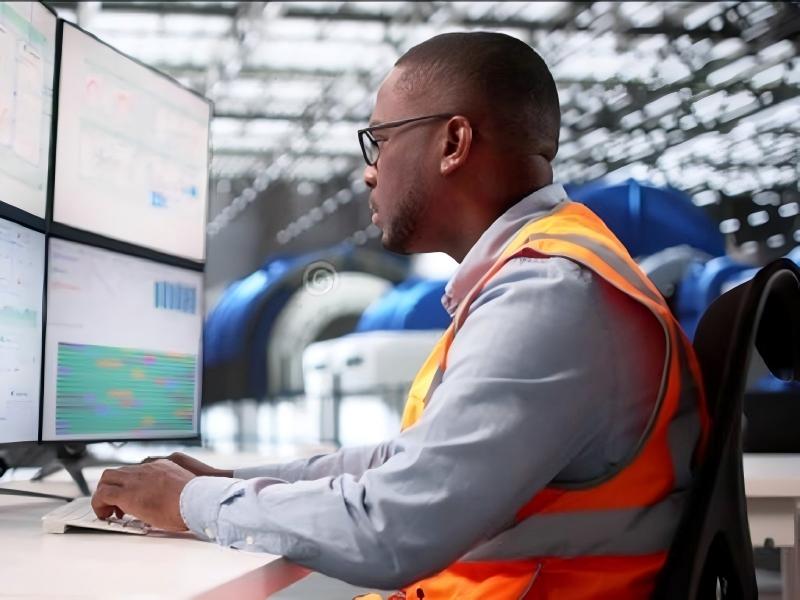
Industries such as:
- Oil and gas
- Chemical manufacturing
- Pharmaceutical production
- Power generation
- Food and beverage
- Water treatment
- Energy infrastructure
require highly reliable automation solutions to maintain safe, efficient, and continuous operations.
Modern process facilities face increasing challenges, including:
- Complex production requirements
- Higher efficiency expectations
- Energy management demands
- Equipment reliability concerns
- Growing digital transformation needs
Traditional automation systems were mainly designed to control industrial processes. However, modern facilities require more advanced capabilities, including real-time monitoring, operational data analysis, predictive maintenance, and intelligent decision support.
The development of intelligent process automation is changing the role of Distributed Control Systems (DCS). Modern DCS platforms are becoming integrated industrial management systems that combine:
- Process control
- Data collection
- Equipment monitoring
- Operational optimization
- Digital analytics
Emerson continues to support industrial automation development through DeltaV DCS technology, process control solutions, industrial software, and digital transformation strategies.
The evolution of Emerson automation technology reflects an important industry trend: modern process control systems are moving from traditional automation toward intelligent operational platforms.
For global manufacturers, process engineers, and automation professionals, advanced DCS solutions provide the foundation for safer, more efficient, and more sustainable industrial operations.
DCS Technology Remains Essential for Process Industry Automation
Distributed Control Systems are critical technologies for industries that require continuous and precise process management.
A DCS system connects multiple industrial components, including:
- Controllers
- Field instruments
- Operator stations
- Engineering workstations
- Industrial communication networks
The main purpose of a DCS system is to maintain stable industrial operations through automatic monitoring and control.
Modern DCS platforms provide capabilities such as:
- Process monitoring
- Automatic regulation
- Alarm management
- Historical data recording
- Equipment diagnostics
- Production optimization
These functions are essential for industries where production interruptions can create significant economic losses.
Typical DCS applications include:
Oil and Gas Industry
Oil and gas facilities require reliable automation systems to manage:
- Refining processes
- Pipeline operations
- Production equipment
- Safety systems
DCS technology helps operators maintain stable and efficient operations.
Chemical Manufacturing
Chemical plants involve complex reactions and strict process requirements.
Automation systems help control:
- Temperature
- Pressure
- Flow
- Chemical processes
Reliable process control improves product quality and operational safety.
Pharmaceutical Production
Pharmaceutical manufacturing requires precise and controlled production environments.
Automation systems support:
- Process monitoring
- Quality control
- Batch management
- Production consistency
Emerson DeltaV DCS Supports Modern Process Control Requirements
Process industries require automation platforms that can provide reliable control while supporting digital transformation.
Emerson DeltaV DCS technology represents the development direction of modern process automation by combining:
- Process control capabilities
- Operational information management
- System integration
- Advanced diagnostics
A modern intelligent process automation structure includes:
Field devices collecting operational information.
Controllers processing industrial signals.
DCS platforms managing production processes.
Operator interfaces displaying real-time conditions.
Digital systems analyzing performance information.
This integrated architecture allows companies to improve:
- Process stability
- Production efficiency
- Equipment reliability
- Operational decision-making
For industries that require continuous operation, advanced DCS technology provides a critical foundation.
Digital Transformation Changes the Future of Process Industries
Digital transformation has become one of the most important trends in industrial development.
Modern industrial facilities generate huge amounts of operational data from:
- Sensors
- Controllers
- Production equipment
- Field instruments
- Automation systems
However, data alone cannot improve industrial performance.
Companies need digital technologies to analyze information and create operational value.
Digital transformation enables organizations to:
- Understand equipment conditions
- Improve production efficiency
- Reduce operational risks
- Optimize maintenance strategies
A digital industrial environment combines:
Automation systems
Industrial data platforms
Analytics technologies
Engineering expertise
This creates a smarter approach to industrial management.
Industrial Data Analytics Improves Operational Performance
Industrial data analytics is becoming increasingly important for modern manufacturing and process industries.
Automation systems continuously collect information about:
- Equipment performance
- Process conditions
- Energy consumption
- Production efficiency
Analytics technologies help companies identify:
- Abnormal operating conditions
- Equipment degradation
- Production inefficiencies
- Optimization opportunities
For example:
A process system detects changing equipment behavior.
Sensors collect operating information.
The DCS system records process data.
Analytics tools analyze performance trends.
Engineers receive information and take preventive action.
This approach helps companies improve reliability and reduce unexpected failures.
Predictive Maintenance Helps Reduce Equipment Downtime
Equipment reliability is one of the biggest concerns in industrial operations.
Unexpected equipment failures can lead to:
- Production shutdowns
- Increased maintenance costs
- Reduced efficiency
- Safety risks
Modern automation systems support predictive maintenance by monitoring equipment conditions continuously.
Information from:
- Pumps
- Motors
- Compressors
- Valves
- Production equipment
can help identify early warning signals.
Predictive maintenance allows companies to:
- Detect potential failures earlier
- Schedule maintenance activities effectively
- Reduce downtime
- Improve equipment lifespan
This approach is becoming a key element of intelligent industrial operations.
Smart Plant Technologies Improve Industrial Efficiency
The concept of smart plants is becoming increasingly important across process industries.
A smart plant integrates:
- DCS systems
- Industrial networks
- Sensors
- Digital platforms
- Data analytics
to create a connected production environment.
Smart plant technologies help companies monitor:
- Production performance
- Equipment conditions
- Energy usage
- Process efficiency
This enables operators to make faster and more accurate decisions.
Future industrial facilities will increasingly rely on intelligent systems that can analyze information and continuously improve performance.
Industrial IoT Connects Modern Automation Systems
Industrial Internet of Things technology is transforming industrial operations.
Traditional automation systems focused mainly on local control.
Modern industrial environments require connectivity between:
- DCS systems
- PLC controllers
- Sensors
- Machines
- Digital applications
Industrial IoT provides:
- Real-time monitoring
- Remote diagnostics
- Data integration
- Operational analysis
Connected automation systems allow companies to create more flexible and intelligent production environments.
Energy Efficiency Becomes a Major Automation Objective
Energy management is becoming increasingly important for industrial companies.
Large facilities consume energy through:
- Motors
- Pumps
- Compressors
- Heating systems
- Production equipment
Automation technologies help companies monitor and optimize energy usage.
Modern systems analyze:
- Energy consumption patterns
- Equipment performance
- Production requirements
This helps organizations:
- Reduce energy waste
- Lower operating costs
- Improve sustainability performance
The combination of automation and energy management will continue influencing future industrial development.
Integration Between DCS, PLC and Digital Systems Improves Flexibility
Modern industrial facilities often require multiple automation technologies working together.
A complete automation architecture may include:
- DCS systems
- PLC controllers
- Safety systems
- Industrial networks
- Digital platforms
Integration between these systems provides:
- Better operational visibility
- Improved communication
- Easier expansion
- Higher efficiency
For example:
PLC systems may control individual machines.
DCS systems manage overall process operations.
Digital platforms analyze production data.
This integrated approach creates more flexible industrial automation environments.
Artificial Intelligence Supports the Future of Industrial Automation
Artificial intelligence is becoming an important technology in industrial environments.
AI can analyze large amounts of operational information and support:
- Process optimization
- Equipment analysis
- Production forecasting
- Maintenance planning
When combined with automation systems, AI can improve:
- Decision-making speed
- Operational efficiency
- Equipment management
Future industrial automation will increasingly combine:
- Control technology
- Digital platforms
- Industrial analytics
- Artificial intelligence
Industrial Cybersecurity Becomes More Important
As industrial automation systems become more connected, cybersecurity has become a critical requirement.
Modern facilities include:
- DCS platforms
- Industrial networks
- Digital applications
- Remote monitoring systems
Companies must protect:
- Control systems
- Production data
- Communication infrastructure
Future automation solutions must provide:
- Reliable operation
- Intelligent functions
- Secure communication
Cybersecurity will remain an essential part of industrial digital transformation.
Challenges During Industrial Automation Modernization
Although advanced automation technologies provide significant benefits, companies must address several challenges.
Legacy System Integration
Many industrial facilities still operate older automation equipment.
Modernization requires careful planning to maintain production continuity.
Engineering Expertise
Modern automation projects require professionals with experience in:
- DCS engineering
- Process control
- Industrial communication
- Digital technologies
Investment Requirements
Industrial transformation requires investment in:
- Automation systems
- Digital platforms
- Engineering services
- Technical training
However, long-term improvements in efficiency and reliability provide significant value.
Future Outlook: Intelligent Process Automation Will Continue Growing
The future of industrial automation will depend on intelligent, connected, and sustainable technologies.
Industrial companies will continue adopting:
- Advanced DCS systems
- Digital industrial platforms
- Industrial IoT solutions
- Predictive maintenance technologies
- Smart plant solutions
Emerson DeltaV DCS technology represents the continued evolution of process automation toward intelligent industrial operations.
As global industries continue modernization, advanced automation solutions will play a critical role in improving:
- Safety
- Reliability
- Efficiency
- Sustainability
The industrial plants of the future will not only control processes but also analyze information and continuously optimize production performance.
Conclusion
Industrial automation is moving beyond traditional process control toward intelligent digital industrial ecosystems.
Emerson DeltaV DCS technology, digital transformation solutions, and intelligent process automation strategies demonstrate how modern automation can improve operational efficiency, reliability, and industrial competitiveness.
For global process industries, advanced DCS systems provide the foundation for building safer, smarter, and more efficient industrial facilities.
As digital transformation continues worldwide, intelligent process automation will remain a major driver of future industrial development.