
NewsNEWCENTER
Featured products

Contact Us
GE Vernova Advances Industrial Automation Development Through Digital Energy and Intelligent Control Technologies
2026-07-21The global energy industry is experiencing a major transformation as power companies, industrial operators, and infrastructure providers continue upgrading their control systems, automation technologies, and digital capabilities.
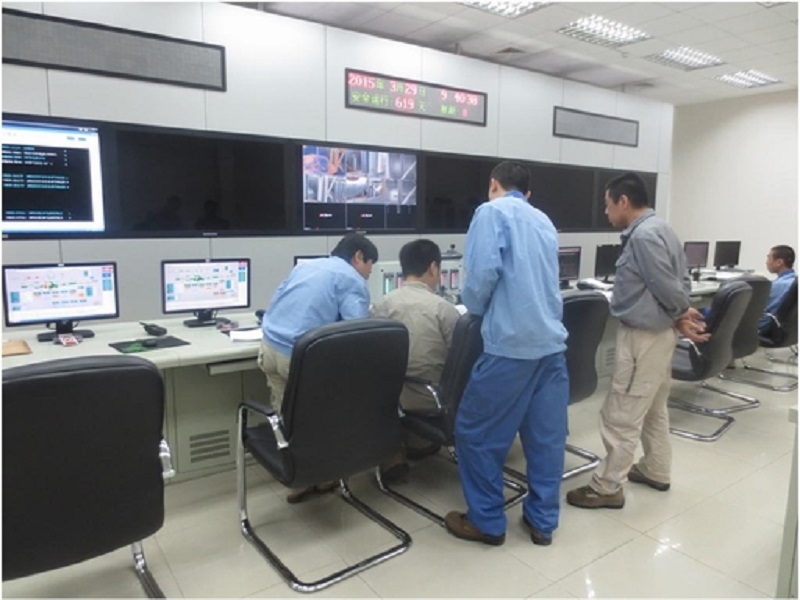
The increasing demand for reliable electricity, renewable energy integration, improved operational efficiency, and sustainable development is driving significant changes across the power generation and energy management sectors.
Modern energy facilities require advanced automation systems capable of monitoring complex equipment, managing large-scale operations, improving efficiency, and supporting reliable power delivery.
To meet these challenges, industrial automation technologies are becoming increasingly important in areas including:
- Power generation
- Energy management
- Grid infrastructure
- Industrial facilities
- Renewable energy systems
GE Vernova represents the continued development of industrial energy technologies by combining control systems, digital solutions, automation technologies, and data-driven approaches.
The evolution of modern energy automation demonstrates a major industry trend: control systems are becoming intelligent platforms that connect equipment, operational data, and digital management technologies.
For power companies and industrial operators worldwide, intelligent automation has become a key technology for improving reliability, reducing operational risks, and supporting the transition toward smarter energy infrastructure.
The Energy Industry Requires More Advanced Automation Solutions
Energy systems are among the most complex industrial environments.
Power facilities must operate continuously while maintaining strict requirements for:
- Reliability
- Safety
- Efficiency
- Environmental performance
Traditional energy facilities relied on conventional control systems to manage equipment operation.
However, modern energy challenges require more advanced capabilities.
Companies now need automation systems that can support:
- Real-time equipment monitoring
- Faster fault detection
- Improved operational analysis
- Remote management
- Predictive maintenance
This has accelerated the adoption of digital automation technologies.
Modern energy automation combines:
- Control systems
- Industrial communication networks
- Sensors
- Data analytics
- Digital platforms
to create more intelligent and connected infrastructure.
Industrial Control Systems Provide the Foundation for Energy Automation
Control systems are essential components in power generation and industrial energy applications.
They help operators manage complex equipment, including:
- Turbines
- Generators
- Electrical systems
- Auxiliary equipment
- Energy distribution systems
A modern industrial control architecture allows operators to monitor:
- Equipment performance
- Operating conditions
- System stability
- Production efficiency
Advanced control systems provide important functions such as:
- Process monitoring
- Automatic regulation
- Alarm management
- Data collection
- Performance analysis
These capabilities help energy companies maintain stable operations.
As energy systems become more complex, intelligent control technologies are becoming increasingly important.
Digital Energy Technologies Improve Operational Visibility
Digital transformation is changing how energy companies manage their assets.
Modern energy facilities generate massive amounts of operational data every day.
Information comes from:
- Control systems
- Sensors
- Electrical equipment
- Generation assets
- Industrial networks
Previously, much of this information was used only for basic monitoring.
Digital technologies allow companies to use operational data for deeper analysis.
Digital energy solutions help organizations understand:
- Equipment performance
- Energy production efficiency
- Maintenance requirements
- Operational trends
With improved visibility, operators can make faster and more accurate decisions.
This supports:
- Higher equipment availability
- Better resource management
- Reduced operational costs
Smart Infrastructure Supports the Future of Energy Systems
The global energy sector is moving toward smarter infrastructure.
Modern power systems require better coordination between:
- Generation facilities
- Transmission networks
- Distribution systems
- Renewable energy sources
Smart infrastructure technologies provide improved monitoring and control capabilities.
They help operators manage:
- Power flow
- Equipment conditions
- Grid performance
- Energy demand
The integration of automation and digital technologies enables more flexible energy management.
This is particularly important as renewable energy sources continue expanding.
Industrial IoT Connects Energy Equipment and Digital Platforms
Industrial Internet of Things technology is becoming increasingly important in energy automation.
Industrial IoT connects:
- Power equipment
- Sensors
- Control systems
- Digital platforms
This creates a connected operational environment.
Industrial IoT enables companies to:
- Monitor assets remotely
- Analyze equipment conditions
- Improve maintenance planning
- Optimize operational performance
For example:
Sensors collect equipment information.
Control systems process operational signals.
Communication networks transfer data.
Digital platforms analyze performance.
Engineers use insights to improve system operation.
This connected approach represents the future direction of industrial energy management.
Predictive Maintenance Improves Power Equipment Reliability
Equipment reliability is one of the most important concerns in the energy industry.
Unexpected failures can result in:
- Production losses
- Service interruptions
- Higher maintenance costs
- Reduced system availability
Predictive maintenance technologies help companies identify potential problems before failures occur.
Operational information from:
- Turbines
- Generators
- Motors
- Electrical equipment
- Control systems
can be analyzed to detect abnormal conditions.
Predictive maintenance allows operators to:
- Schedule maintenance more effectively
- Reduce unexpected shutdowns
- Extend equipment lifespan
- Improve asset performance
This approach is becoming a major trend in modern industrial automation.
Automation Supports Renewable Energy Integration
The global energy transition is increasing the importance of automation technologies.
Renewable energy sources such as:
- Wind power
- Solar power
- Energy storage systems
require advanced monitoring and control capabilities.
Automation systems help manage:
- Energy production
- Equipment operation
- Grid connection
- Performance optimization
As renewable energy becomes more integrated into power systems, intelligent automation will play an increasingly important role.
Flexible control systems help energy operators maintain stability while managing changing energy conditions.
Digital Control Improves Grid Management
Modern electrical grids are becoming more complex.
Operators must manage:
- Increasing electricity demand
- Renewable energy fluctuations
- Distributed energy resources
- Infrastructure modernization
Digital control technologies provide better visibility and management capabilities.
They support:
- Real-time monitoring
- Automated response
- System optimization
- Improved reliability
Smart grid development depends heavily on advanced automation technologies.
Cybersecurity Becomes Essential for Energy Automation Systems
As energy infrastructure becomes more connected, cybersecurity has become a critical requirement.
Modern energy systems integrate:
- Industrial control systems
- Digital platforms
- Communication networks
- Remote monitoring technologies
While connectivity improves efficiency, it also creates new security challenges.
Energy companies must protect:
- Control infrastructure
- Operational data
- Communication systems
Future automation development must combine:
- Intelligent operation
- Reliable performance
- Strong cybersecurity protection
Challenges in Energy Automation Modernization
Although digital automation provides many advantages, energy companies must address several challenges.
Aging Infrastructure
Many energy facilities continue operating older equipment.
Modernizing these systems requires careful integration between existing assets and new digital technologies.
Technical Expertise
Modern energy automation requires professionals with knowledge of:
- Control systems
- Industrial communication
- Digital technologies
- Energy management
Investment Planning
Automation upgrades require investment in:
- Hardware
- Software
- Engineering services
- Training
However, improved reliability and efficiency provide long-term value.
Future Outlook: Intelligent Energy Automation Will Drive Industrial Development
The future of the energy industry will depend on intelligent, connected, and sustainable automation technologies.
Energy companies will continue investing in:
- Advanced control systems
- Digital energy platforms
- Industrial IoT technologies
- Predictive maintenance solutions
- Smart infrastructure
GE Vernova industrial technologies represent the broader transformation of the energy sector toward smarter and more efficient operations.
As global energy systems continue evolving, intelligent automation will remain essential for improving:
- Reliability
- Efficiency
- Sustainability
- Operational flexibility
The future energy infrastructure will rely on advanced automation systems that can monitor equipment, analyze information, and optimize performance continuously.
Conclusion
Industrial automation is becoming a fundamental technology supporting the modernization of global energy systems.
GE Vernova control technologies and digital energy solutions demonstrate how automation, data analytics, and intelligent infrastructure can improve power industry performance.
By integrating advanced control systems, digital technologies, and smart energy management approaches, energy companies can build more reliable and efficient operations.
As industries worldwide continue their digital transformation journey, intelligent automation will remain a key driver of future energy innovation and infrastructure development.