
NewsNEWCENTER
Featured products
Contact Us
Yokogawa Wins Automation Orders for World’s Largest Liquefied Hydrogen Carrier
2026-10-06Yokogawa Electric is expanding its role in hydrogen and marine automation after receiving orders from Kawasaki Heavy Industries to supply integrated automation systems for a 40,000 m³ liquefied hydrogen carrier and two hydrogen-fueled vessels. The carrier is planned to become the world’s largest vessel of its type, highlighting the growing importance of automation technology in large-scale hydrogen transportation.
Integrated Automation for Liquefied Hydrogen
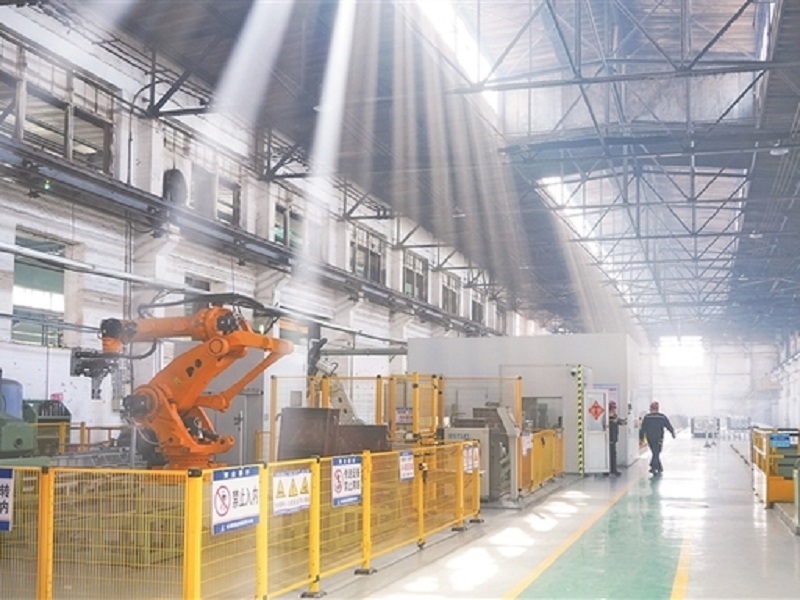
The Yokogawa automation system will provide centralized monitoring and control of onboard equipment throughout the liquefied hydrogen carrier. Because liquefied hydrogen must be transported at extremely low temperatures, reliable monitoring, control and safety functions are essential for stable vessel operation.
The system will also incorporate emergency shutdown functions, allowing critical equipment and processes to be brought into a safe state when abnormal conditions are detected.
By integrating monitoring and control functions, the automation architecture is designed to improve operational visibility while reducing the workload required from vessel crews.
Supporting the Hydrogen Supply Chain
Large-scale hydrogen transportation is an important part of developing a commercial hydrogen economy. Hydrogen production alone is not sufficient; storage, transportation, fuel handling and distribution also require specialized infrastructure.
Yokogawa’s latest project extends industrial automation technology into this emerging marine hydrogen supply chain. The company will provide control solutions covering both transportation and onboard hydrogen handling.
The project is also connected with Japan’s efforts to commercialize liquefied hydrogen transportation through large-scale demonstration programs.
Automation for Hydrogen-Fueled Vessels
In addition to the large liquefied hydrogen carrier, Yokogawa has received orders for integrated automation systems for Marine Hydrogen Fuel Systems (MHFS) on two hydrogen-fueled vessels.
An MHFS combines liquefied hydrogen storage tanks with fuel supply equipment. These systems require coordinated monitoring and control because hydrogen storage and fuel delivery involve demanding temperature, pressure and safety requirements.
For automation engineers, this represents an important development in the application of industrial control technologies to alternative marine fuels.
Yokogawa Expands Its Role in Energy Automation
Yokogawa has extensive experience in control and safety instrumentation for energy and industrial applications. Its technology has previously been applied to liquefied natural gas facilities and other complex energy systems.
The company’s latest hydrogen projects demonstrate how technologies traditionally used in process automation can be adapted to new energy infrastructure.
Integrated control, emergency shutdown, condition monitoring and safety instrumentation can work together to create a more coordinated operational environment for hydrogen transportation.
Future of Marine Industrial Automation
The development of large liquefied hydrogen carriers could create new opportunities for industrial automation suppliers. As hydrogen transportation scales up, vessels will require increasingly sophisticated systems for monitoring, control, safety and equipment management.
Yokogawa’s latest orders from Kawasaki Heavy Industries show how DCS technologies, safety systems, instrumentation and digital monitoring are moving beyond conventional plants and into emerging hydrogen applications.
For the industrial automation market, hydrogen-powered vessels and liquefied hydrogen transportation may become another important application area for advanced control and safety technologies.