

ProductPRODUCT
Featured products
Contact Us
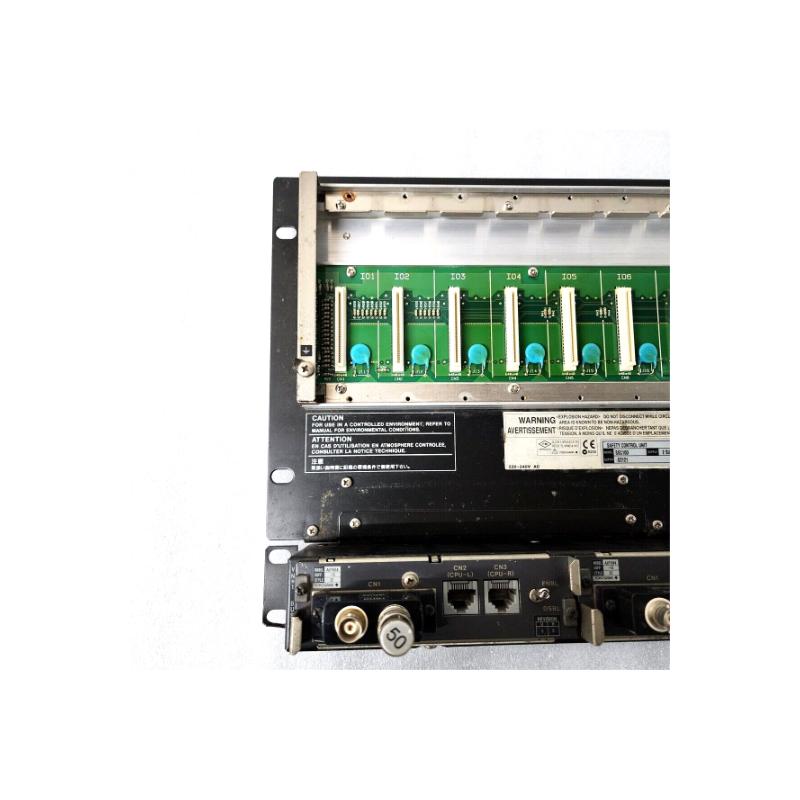
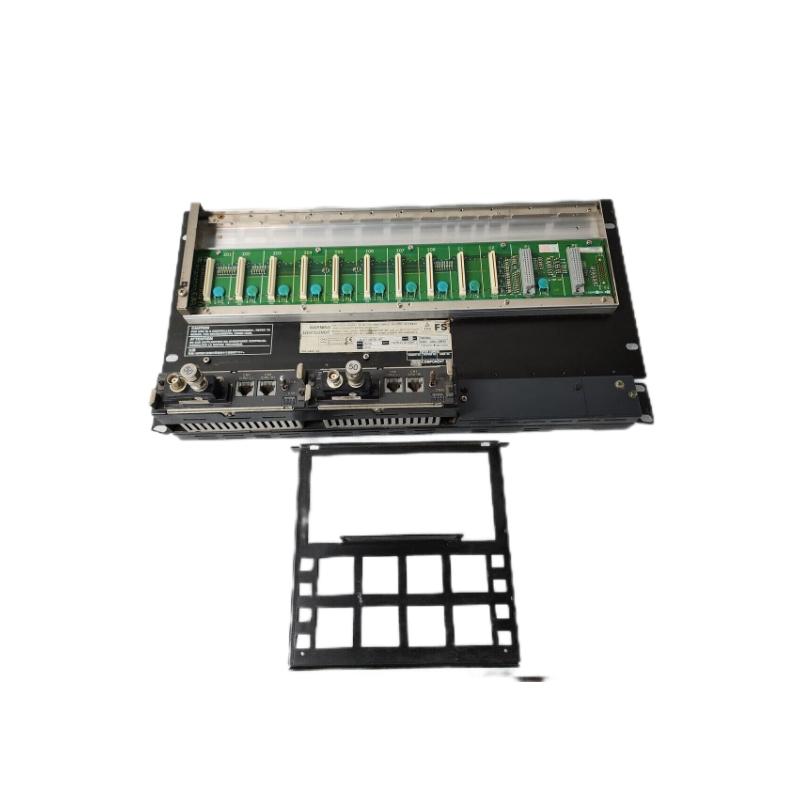
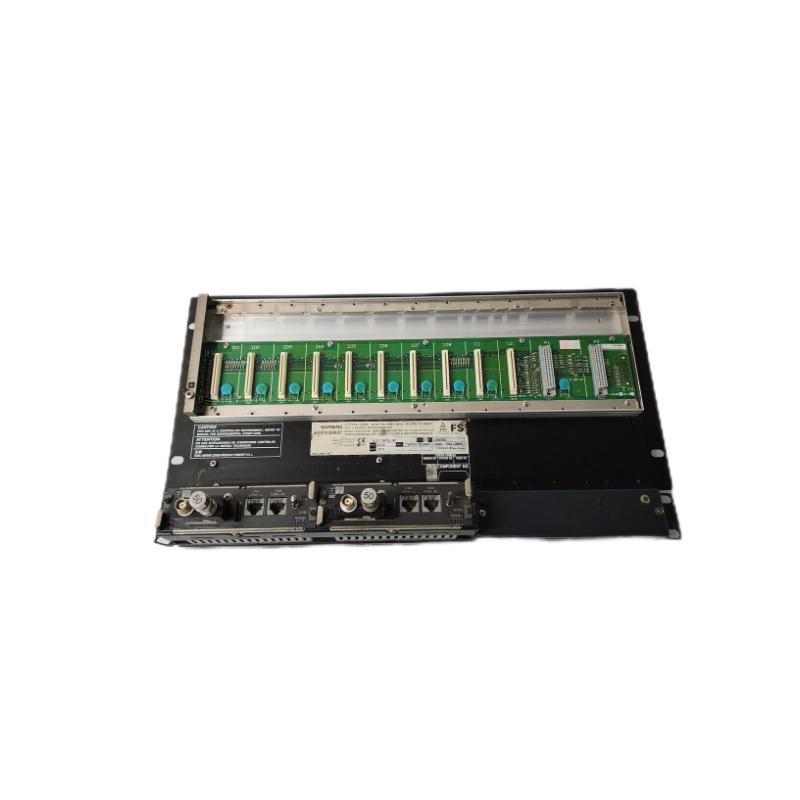
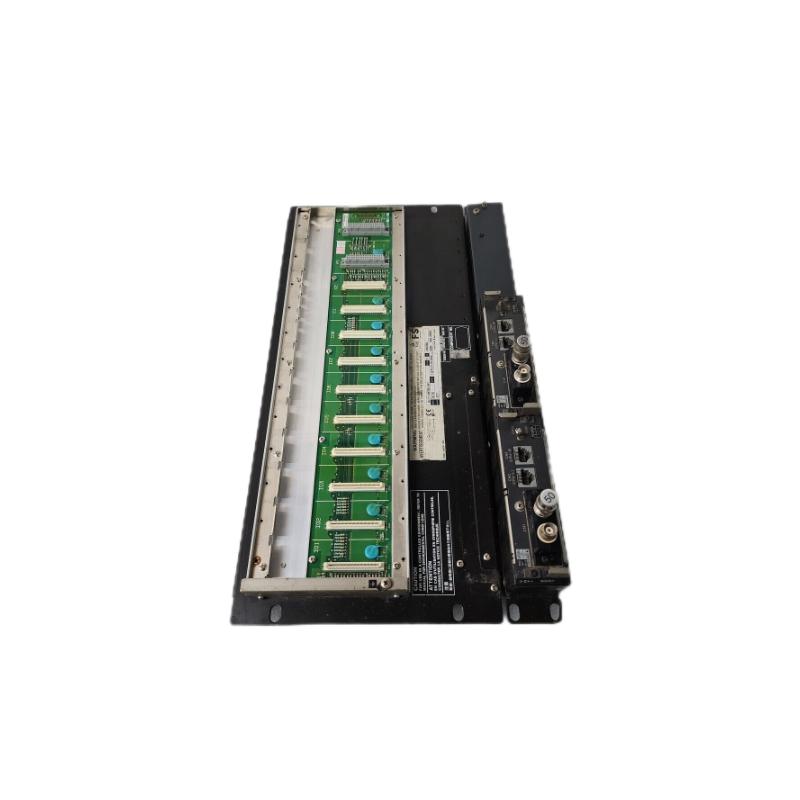
- YOKOGAWA
- SSC10S-S2121
- sophisticated signal conditioning
- Japan
- 120mm x 80mm x 40mm
- 0.3 kg
- Xiamen, China
- New & In Stock
- T/T, PayPal, Western Union
- 1 Year
- 1-3 Working Days
- DHL, UPS, TNT, FedEx and EMS.
- 24-Hour Service
- COO
- 313
Our advantage

Global Logistics
We have a 10-year logistics and express cooperation agreement, so our products can be shipped to any place in the world.

Brand new and original
Our products are imported in bulk from the place of origin. Because of the cooperative relationship, our products are all original and 100% new.

24-hour service
We provide 7*24 hours service to our customers. We will be there whenever you need us.

Price advantage
All our products are priced very favorably because we have our own warehouse and supply.
| Company Information | |||
| [email protected] | |||
| Mobile | +8615980777398 | ||
| +8615980777398 | |||
| 15980777398 |
Product Overview: Yokogawa SSC10S-S2121
Brand: Yokogawa
Series: Yokogawa SSC Series
Product Introduction:
The Yokogawa SSC10S-S2121 is a sophisticated signal conditioning module from the Yokogawa SSC series, designed for precise processing of signals from various industrial sensors. It plays a crucial role in applications where high-accuracy measurement, control, and data acquisition are essential. The SSC10S-S2121 excels at converting raw sensor signals into formats that are compatible with control systems, providing reliable signal conditioning to optimize the performance of industrial automation systems, process controls, and monitoring setups.
Applications:
-
Industrial Automation: Enhances industrial control systems by conditioning signals from sensors to ensure efficient process management.
-
Process Control: Used for conditioning signals in process control systems, facilitating smooth and accurate control of parameters like temperature, pressure, and flow.
-
Measurement Systems: Ideal for transforming input signals from sensors into usable data for system analysis and process adjustments.
-
Test Equipment: Provides stable and reliable signal conditioning for test systems, ensuring precise measurements during testing and calibration.
Product Advantages:
-
Accurate Signal Conversion: Ensures precise transformation of sensor data into actionable information for control and monitoring systems.
-
Versatile Signal Compatibility: Supports a wide range of input signals from different sensor types, including 4-20 mA and 0-10 V.
-
Compact Design: Features a space-saving design while maintaining high performance, making it ideal for integration into control panels or other confined spaces.
-
Reliable and Robust: Built to operate reliably in demanding industrial environments, ensuring long-term performance and durability.
-
Easy Integration: Seamlessly integrates into existing control systems, enhancing overall system functionality and reducing installation complexity.
Technical Specifications:
| Parameter | Details |
|---|---|
| Model | SSC10S-S2121 |
| Dimensions (L x W x H) | 120mm x 80mm x 40mm |
| Weight | 0.3 kg |
| Input Voltage | 24 VDC |
| Signal Range | 4-20 mA / 0-10 V |
| Power Consumption | 5 W |
| Temperature Range | -10°C to 60°C |
| Output Type | Analog (4-20 mA, 0-10 V) |
| Communication Interface | RS-485, Modbus RTU |
| Certification | CE, UL, RoHS |
Recommended Models from the Same Series:
| Model | Parameters |
|---|---|
| SSC10S-S2122 | Input Voltage: 24 VDC, Weight: 0.3 kg, Dimensions: 120mm x 80mm x 40mm |
| SSC10S-S2130 | Input Voltage: 24 VDC, Weight: 0.3 kg, Dimensions: 120mm x 80mm x 40mm |
| SSC10S-S2110 | Input Voltage: 24 VDC, Weight: 0.3 kg, Dimensions: 120mm x 80mm x 40mm |
| SSC10S-S2200 | Input Voltage: 24 VDC, Weight: 0.3 kg, Dimensions: 120mm x 80mm x 40mm |
| SSC10S-S2300 | Input Voltage: 24 VDC, Weight: 0.3 kg, Dimensions: 120mm x 80mm x 40mm |
Popular Models from Yokogawa:
| Model | Parameters |
|---|---|
| Yokogawa AAI835-H53 | Input Voltage: 24 VDC, Weight: 2.1 kg, Dimensions: 130mm x 120mm x 100mm |
| Yokogawa AAI841-H00/K4A00 | Input Voltage: 24 VDC, Weight: 1.8 kg, Dimensions: 130mm x 120mm x 90mm |
| Yokogawa AAI841-S50 | Input Voltage: 24 VDC, Weight: 2.0 kg, Dimensions: 150mm x 140mm x 100mm |
| Yokogawa AAI135-S50/CCC01 | Input Voltage: 24 VDC, Weight: 1.9 kg, Dimensions: 130mm x 120mm x 110mm |
| Yokogawa AAI135-S50 | Input Voltage: 24 VDC, Weight: 2.0 kg, Dimensions: 140mm x 130mm x 100mm |
Product FAQ (Q&A)
Q1: What is the input voltage for the Yokogawa SSC10S-S2121 model?
A1: The input voltage for this model is 24 VDC.
Q2: What is the weight of the Yokogawa SSC10S-S2121 model?
A2: The weight of this model is 0.3 kg.
Q3: What is the signal range for the Yokogawa SSC10S-S2121?
A3: The signal range for this model is 4-20 mA and 0-10 V.
Q4: Can the Yokogawa SSC10S-S2121 handle extreme temperatures?
A4: This model operates within a temperature range of -10°C to 60°C.
Q5: How does the model communicate with control systems?
A5: The model communicates via RS-485, supporting Modbus RTU protocol for easy integration.
Q6: What certifications does the Yokogawa SSC10S-S2121 hold?
A6: The Yokogawa SSC10S-S2121 is CE, UL, and RoHS certified.
Q7: What industries is the SSC10S-S2121 suitable for?
A7: This model is suitable for industrial automation, process control, measurement systems, and test and calibration applications.
Q8: How does the model ensure signal accuracy?
A8: The model offers precise signal conditioning, ensuring accurate data conversion from sensors to control systems.
Q9: Is the Yokogawa SSC10S-S2121 easy to integrate?
A9: Yes, it is designed for easy integration into existing systems with minimal setup.
Q10: What are the output options for the SSC10S-S2121?
A10: The model offers both 4-20 mA and 0-10 V analog outputs for versatile applications.
Marketing Advertisements
Ad 1: “Precision Signal Conditioning for Industrial Automation”
Maximize the accuracy of your control systems with the Yokogawa SSC10S-S2121. Ideal for industrial automation, it ensures precise signal conversion for reliable monitoring and control.
Ad 2: “Compact Design, Powerful Performance”
The Yokogawa SSC10S-S2121 combines compact size with exceptional performance. Perfect for industrial control systems where space is limited but precision is essential.
Ad 3: “Efficient, Reliable Signal Conditioning”
Improve the reliability of your process control with the Yokogawa SSC10S-S2121. Ensure smooth operations with accurate signal conditioning and easy system integration.
Ad 4: “Seamless Integration for Optimized Performance”
The Yokogawa SSC10S-S2121 integrates effortlessly into your control systems, providing enhanced signal conditioning capabilities that improve overall performance and reduce system complexity.