

ProductPRODUCT
Featured products
Contact Us
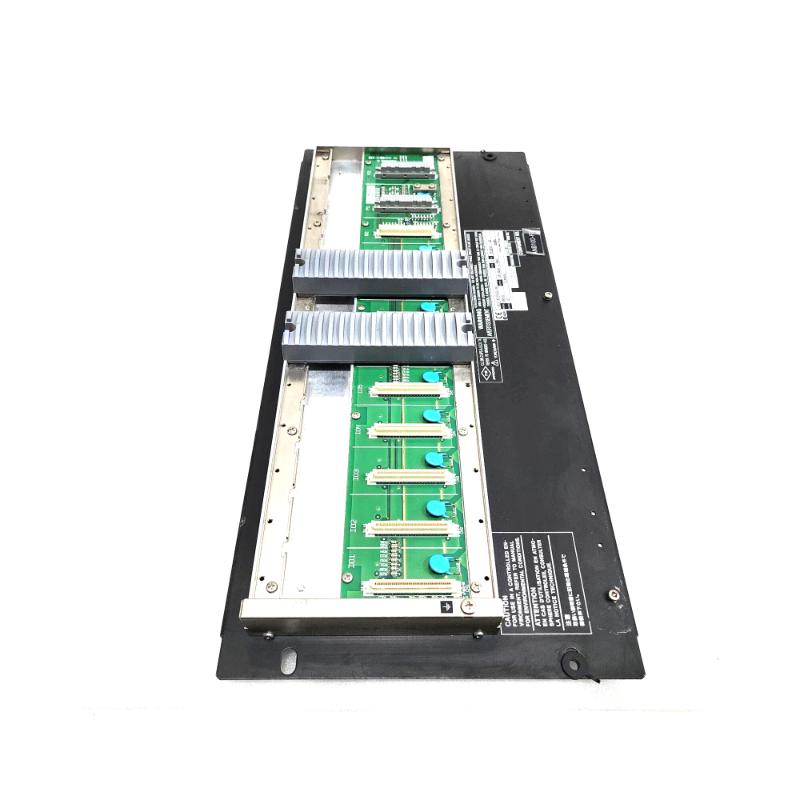
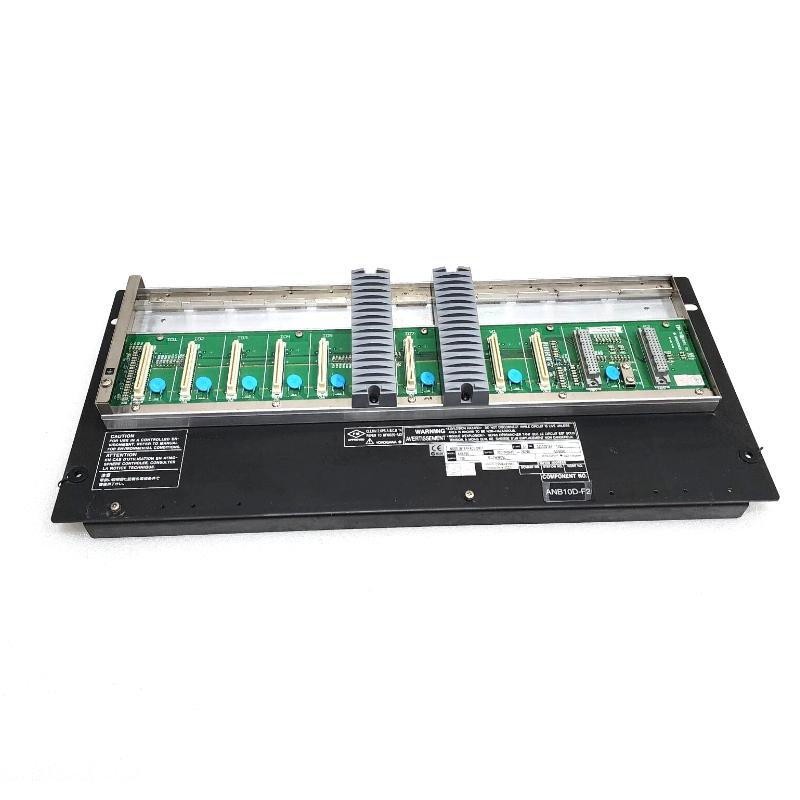
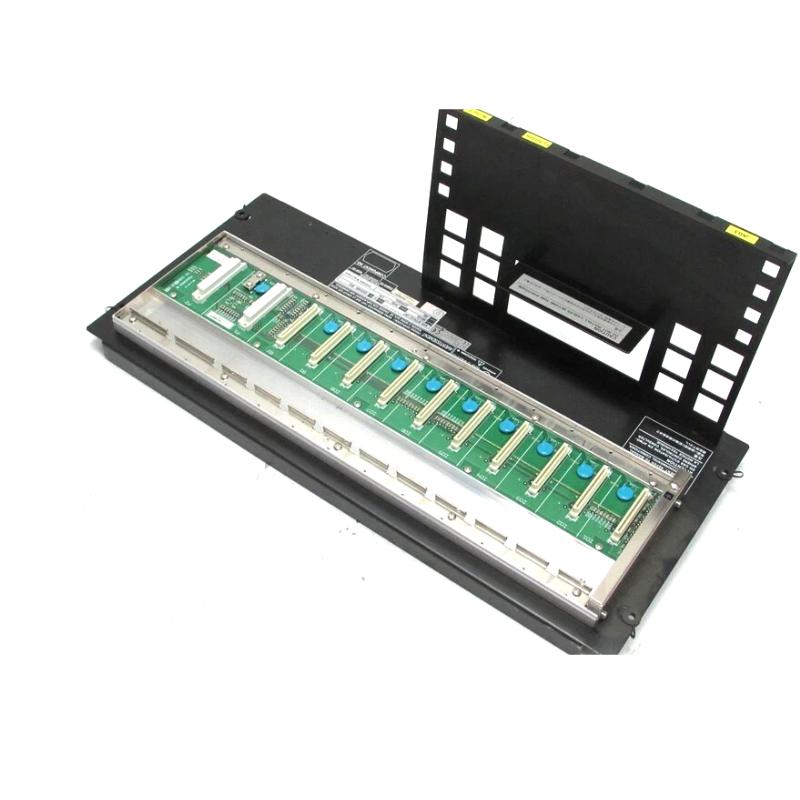
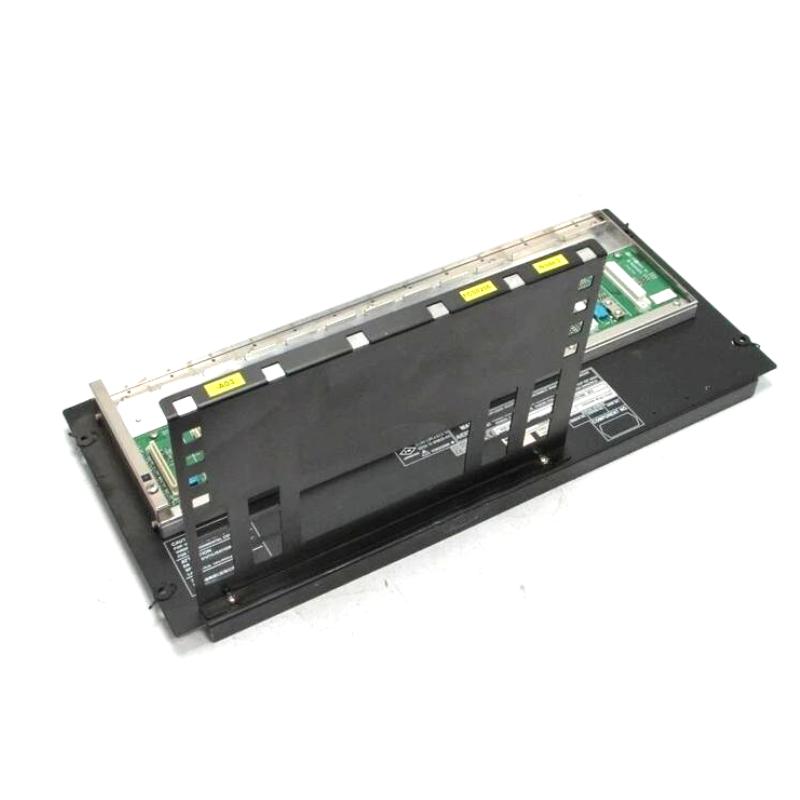
- Yokogawa
- ANB10D
- ESB Bus Node Unit
- Japan
- 482.6 × 221.5 × 205 mm
- 10 kg
- Xiamen, China
- New & In Stock
- T/T, PayPal, Western Union
- 1 Year
- 1-3 Working Days
- DHL, UPS, TNT, FedEx and EMS.
- 24-Hour Service
- COO
- 113
Our advantage

Global Logistics
We have a 10-year logistics and express cooperation agreement, so our products can be shipped to any place in the world.

Brand new and original
Our products are imported in bulk from the place of origin. Because of the cooperative relationship, our products are all original and 100% new.

24-hour service
We provide 7*24 hours service to our customers. We will be there whenever you need us.

Price advantage
All our products are priced very favorably because we have our own warehouse and supply.
| Company Information | |||
| [email protected] | |||
| Mobile | +8615980777398 | ||
| +8615980777398 | |||
| 15980777398 |
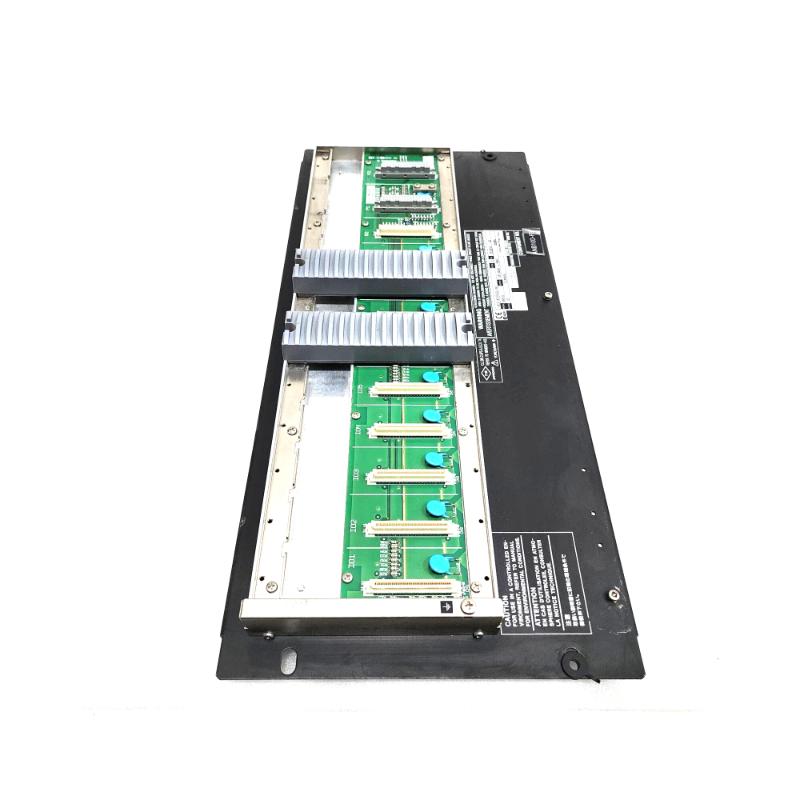
Product Overview
The Yokogawa ANB10D ESB Bus Node Unit is a crucial component in the Yokogawa automation system, designed to manage and facilitate communication between different field devices and the control system. With dimensions of 482.6 × 221.5 × 205 mm and a weight of 10 kg, this ESB (Ethernet Smart Bus) node unit ensures efficient data transmission and processing for industrial applications. It plays a pivotal role in providing reliable communication and system integration, ensuring seamless operation in large-scale industrial systems.
Technical Specifications
| Parameter | Details |
|---|---|
| Manufacturer | Yokogawa |
| Model | ANB10D |
| Product Type | ESB Bus Node Unit |
| Dimensions | 482.6 × 221.5 × 205 mm |
| Shipping Weight | 10 kg |
| Application | Industrial communication and automation systems |
| Compatibility | Yokogawa automation systems and ESB modules |
| Material | Industrial-grade durable material |
Function and Working Principle
The Yokogawa ANB10D ESB Bus Node Unit operates as a key interface between field devices and the central control system, ensuring smooth communication and data processing. Here’s how it functions:
- Data Transmission: The ANB10D enables data communication between various devices connected to the Ethernet Smart Bus (ESB). It acts as a bridge, transmitting data from sensors, actuators, and other field devices to the central control system for further processing.
- Protocol Support: The ESB Bus Node Unit supports various communication protocols, ensuring compatibility with a wide range of industrial devices. This makes it adaptable to different systems and devices, enhancing flexibility and scalability.
- Real-Time Communication: The ANB10D facilitates real-time communication, ensuring that data from field devices is continuously sent to the control system, enabling real-time decision-making and control.
- System Integration: The ESB Bus Node Unit ensures seamless integration with Yokogawa automation systems and other components, including controllers, I/O modules, and SCADA systems. It simplifies system design and reduces wiring complexity.
Role in Industrial Systems
The Yokogawa ANB10D ESB Bus Node Unit plays a vital role in maintaining system communication and integration within large-scale industrial control systems:
- Centralized Communication: The unit serves as a hub for communication between field devices and the control system, centralizing data collection and processing to ensure smooth operations.
- Signal Conversion and Routing: The ANB10D converts signals from field devices into a format that can be understood by the control system, routing the data to the appropriate locations for processing.
- Real-Time Monitoring and Control: By continuously transmitting data from field devices to the control system, the ESB Bus Node Unit enables real-time monitoring and control of industrial processes.
- Integration with SCADA Systems: The ANB10D integrates easily with SCADA systems, allowing for centralized monitoring and control of the entire system, ensuring optimal performance.
Industrial Applications
The Yokogawa ANB10D ESB Bus Node Unit is designed for a variety of industrial applications where reliable and scalable communication is crucial. Some key applications include:
- Manufacturing Automation: The unit is used to manage communication between machines, sensors, and controllers in automated production systems, ensuring that data is efficiently transmitted for control and monitoring.
- Power Generation: In power plants, the ANB10D enables communication between turbines, generators, and control systems, ensuring efficient operation and performance monitoring.
- Oil & Gas: The unit is crucial in oil and gas operations, where it ensures reliable communication between field devices like flow meters, pressure sensors, and control systems for real-time process control.
- Chemical Processing: The ANB10D is used in chemical plants to facilitate communication between sensors, actuators, and control systems, ensuring precise control of chemical processes.
- Water Treatment Plants: The ESB Bus Node Unit is essential for centralized control in water treatment systems, where it helps transmit data from monitoring devices and controls to the central system for real-time operations.
Installation and System Integration
The Yokogawa ANB10D ESB Bus Node Unit is designed for easy installation and integration into Yokogawa automation systems:
- Mounting: The unit can be mounted on standard racks or panels, ensuring a secure and stable installation in control cabinets or system enclosures.
- Wiring and Connections: The ANB10D supports simple wiring for data transmission and integration with other system components, such as I/O modules, controllers, and communication devices.
- System Configuration: The unit is easily configured using Yokogawa’s automation tools, allowing users to set up communication protocols and define how the unit interacts with other system components.
- Maintenance and Troubleshooting: With clear labeling and accessible connectors, the ANB10D makes maintenance and troubleshooting straightforward. Diagnostic tools are available for monitoring system health and resolving issues quickly.
Compatible System Components
The Yokogawa ANB10D ESB Bus Node Unit works seamlessly with other Yokogawa automation system components:
- Yokogawa Controllers: The ANB10D integrates easily with Yokogawa controllers, allowing real-time transmission of data from field devices for processing and control.
- Yokogawa I/O Modules: The unit connects to Yokogawa I/O modules, enabling communication between field devices and the control system for data acquisition and processing.
- SCADA Systems: The ANB10D supports integration with SCADA systems, allowing centralized monitoring and control of industrial systems.
- Field Devices: The unit works with a wide range of field devices, such as temperature sensors, pressure transmitters, and actuators, ensuring compatibility with diverse industrial applications.
Recommended Alternative Models
| Model | Type | Key Feature | Application |
|---|---|---|---|
| Yokogawa ANB20D | ESB Bus Node Unit | Enhanced communication capabilities | Ideal for systems requiring more robust data handling and processing |
| Yokogawa ANB15D | ESB Bus Node Unit | Compact design for smaller systems | Suitable for smaller-scale systems with fewer communication requirements |
Key Advantages
- Reliable Communication: The Yokogawa ANB10D ensures reliable communication between field devices and the control system, reducing the risk of data loss or miscommunication.
- Scalable System Integration: The ESB Bus Node Unit can be easily integrated into both small and large systems, providing flexibility for different industrial applications.
- Real-Time Data Transmission: The unit transmits data in real-time, enabling quick decision-making and immediate response to system changes.
- Durable Construction: Built with industrial-grade materials, the ANB10D is designed to withstand harsh environmental conditions, ensuring long-term performance and reliability.
- Simplified System Setup: The module rack reduces wiring complexity and simplifies system setup, making it easier to integrate into existing automation systems.
Technical FAQs
What type of communication protocols does the ANB10D support?
The Yokogawa ANB10D supports a variety of communication protocols, making it compatible with a wide range of field devices and system components.
Can the ANB10D be used for large-scale industrial systems?
Yes, the ANB10D is designed for large-scale systems, providing efficient communication and integration for complex industrial processes.
Is the ANB10D compatible with SCADA systems?
Yes, the ANB10D integrates seamlessly with SCADA systems, allowing centralized monitoring and control of industrial processes.
Conclusion
The Yokogawa ANB10D ESB Bus Node Unit is an essential component for ensuring reliable communication and integration in large-scale industrial automation systems. Its ability to handle real-time data transmission, support various communication protocols, and integrate with Yokogawa controllers and SCADA systems makes it a critical tool for industries such as manufacturing, oil and gas, power generation, and water treatment. Its durable construction and scalability offer long-term value and flexibility for a wide range of industrial applications.