

ProductPRODUCT
Featured products
Contact Us
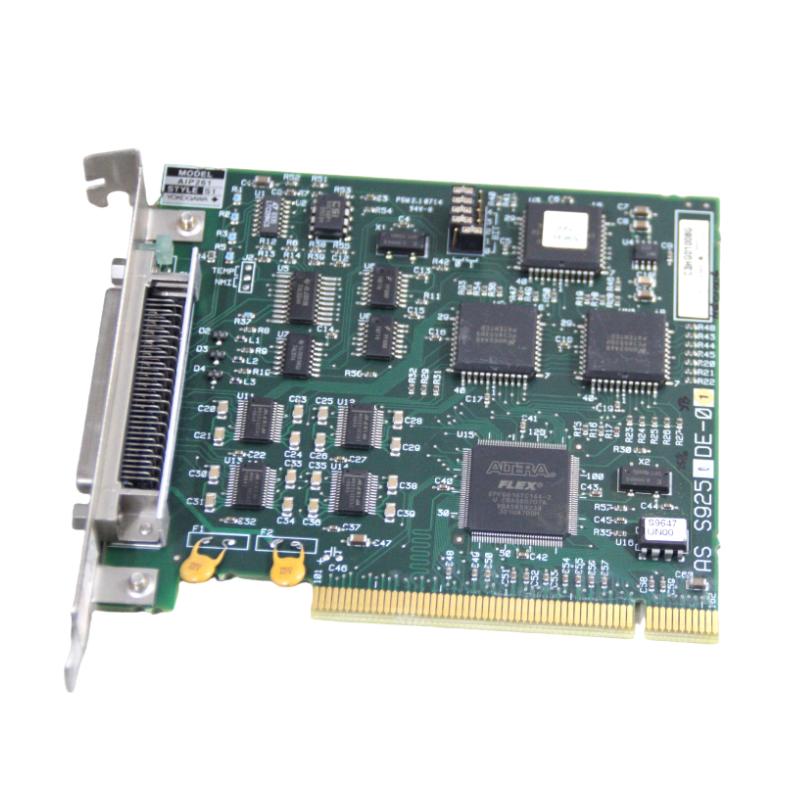
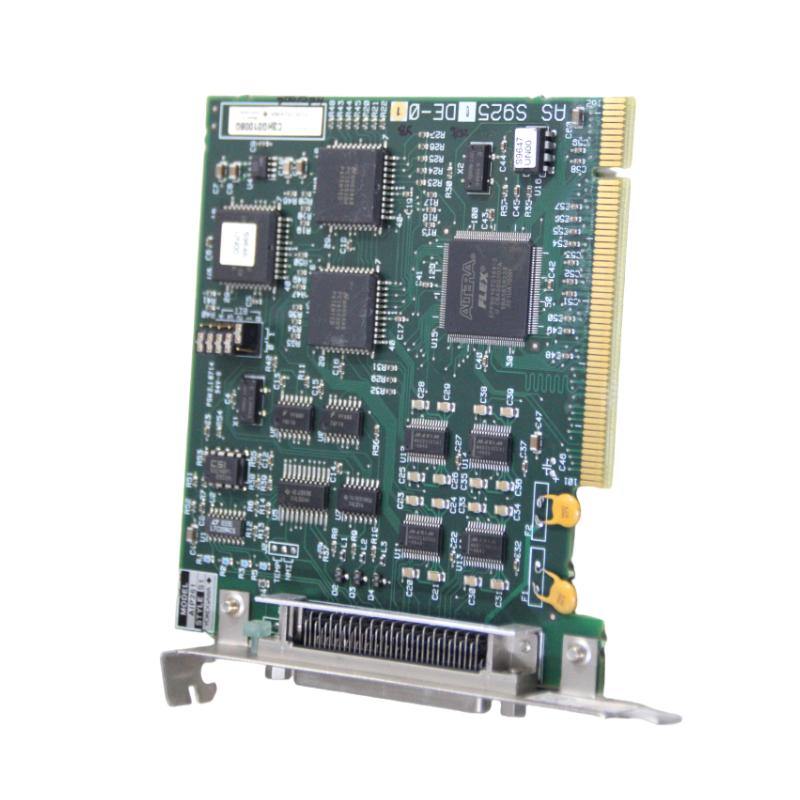
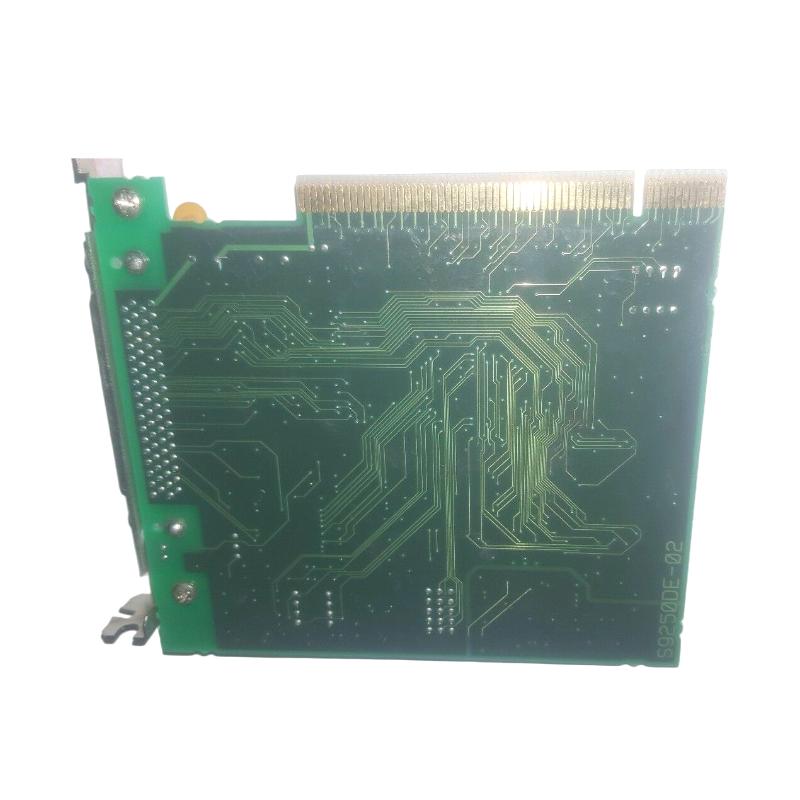
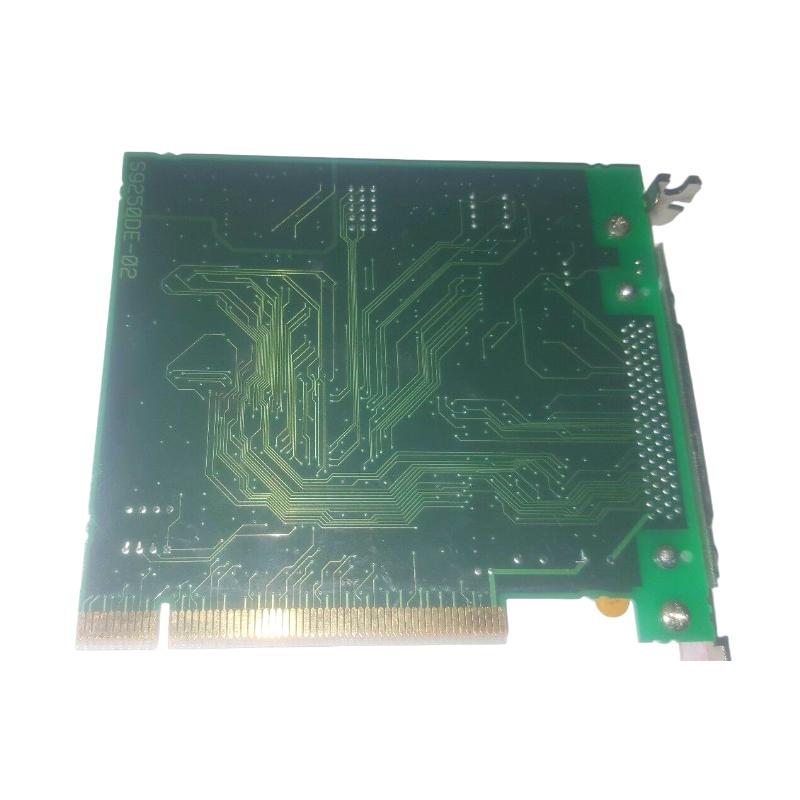
- Yokogawa
- AIP261
- Interface Expansion Card
- Japan
- 250 × 170 × 40 mm
- 0.5 kg
- Xiamen, China
- New & In Stock
- T/T, PayPal, Western Union
- 1 Year
- 1-3 Working Days
- DHL, UPS, TNT, FedEx and EMS.
- 24-Hour Service
- COO
- 88
Our advantage

Global Logistics
We have a 10-year logistics and express cooperation agreement, so our products can be shipped to any place in the world.

Brand new and original
Our products are imported in bulk from the place of origin. Because of the cooperative relationship, our products are all original and 100% new.

24-hour service
We provide 7*24 hours service to our customers. We will be there whenever you need us.

Price advantage
All our products are priced very favorably because we have our own warehouse and supply.
| Company Information | |||
| [email protected] | |||
| Mobile | +8615980777398 | ||
| +8615980777398 | |||
| 15980777398 |
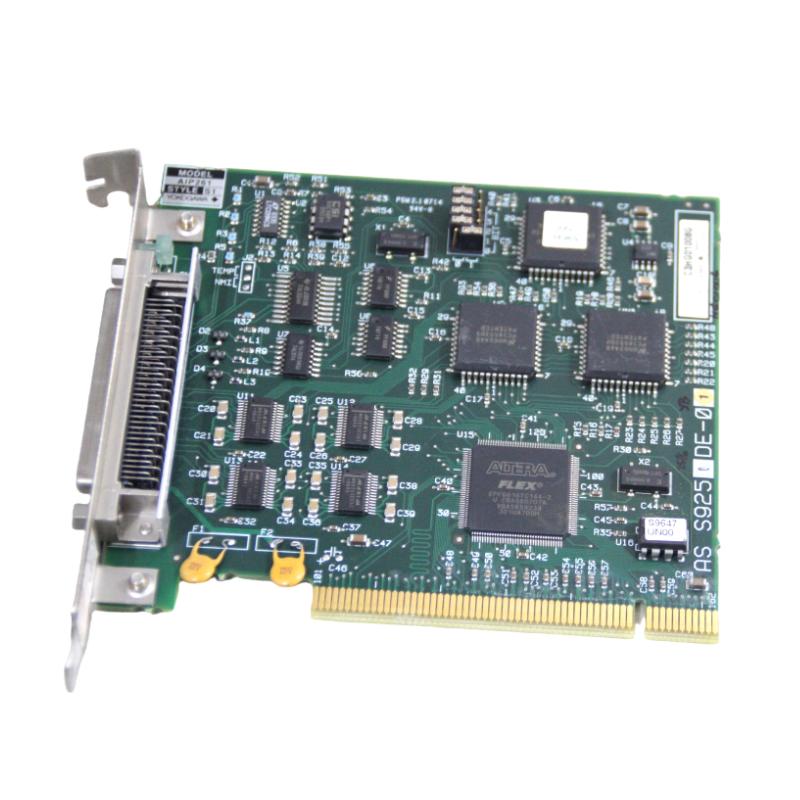
Product Overview
The Yokogawa AIP261 Interface Expansion Card is designed to expand the communication capabilities of Yokogawa’s automation systems. With dimensions of 250 × 170 × 40 mm and a weight of 0.5 kg, this card is a powerful solution for enhancing system flexibility and scalability. It allows users to integrate additional interfaces and communication protocols into their existing Yokogawa control systems, improving overall system performance.
The AIP261 is well-suited for industries like chemical processing, oil & gas, power generation, and automated manufacturing, where robust, flexible communication solutions are critical for smooth operations and process control.
Technical Specifications
| Parameter | Details |
|---|---|
| Manufacturer | Yokogawa |
| Model | AIP261 |
| Product Type | Interface Expansion Card |
| Dimensions | 250 × 170 × 40 mm |
| Weight | 0.5 kg |
| Power Supply | Powered by the main system’s power supply |
| Communication Protocol | Supports multiple industrial protocols (e.g., Modbus, Profibus) |
| Operating Temperature Range | -20°C to +60°C |
| Environmental Protection | Designed for industrial environments |
| Compatibility | Integrates with Yokogawa automation systems |
Function and Working Principle
The Yokogawa AIP261 Interface Expansion Card serves to extend the functionality and connectivity of Yokogawa automation systems. Here’s how it works:
- Interface Expansion: The AIP261 adds additional communication interfaces to the system, allowing for the integration of more field devices and sensors. It supports protocols like Modbus, Profibus, and others, enhancing the versatility of the system.
- System Connectivity: The expansion card enables communication between the central control system and more distributed field devices, facilitating real-time data exchange, control, and monitoring.
- Protocol Conversion: The AIP261 allows for communication between devices that use different protocols, supporting system interoperability and streamlining data management.
- Flexible Integration: The card is designed to integrate smoothly with Yokogawa’s existing automation hardware, expanding the system’s capability without requiring a complete overhaul.
- Real-Time Communication: The card ensures efficient and real-time communication between the control system and connected devices, optimizing control decisions and improving overall system responsiveness.
Role in Industrial Systems
The Yokogawa AIP261 Interface Expansion Card enhances the flexibility and scalability of automation systems. Its key roles include:
- Expanding Communication Options: The card provides additional communication ports and supports multiple protocols, enabling the integration of more devices into the system.
- Protocol Compatibility: By supporting a range of industrial communication protocols, the AIP261 ensures seamless communication between devices from different manufacturers and various control systems.
- Data Exchange: It facilitates real-time data exchange between field devices, sensors, actuators, and the central control system, improving the efficiency and responsiveness of industrial operations.
- System Flexibility: The expansion card adds more interfaces to the system, allowing it to accommodate growth, new devices, and additional features as needed.
Industrial Applications
The Yokogawa AIP261 Interface Expansion Card is used in various industries that require scalable and flexible automation solutions. Key applications include:
- Chemical Processing: In chemical plants, the AIP261 enables the integration of additional sensors and control devices, allowing for precise monitoring and control of critical processes.
- Oil & Gas: The card helps connect more devices, sensors, and actuators, enabling better management of drilling operations, refining processes, and monitoring systems in oil & gas production environments.
- Power Generation: In power plants, the AIP261 supports communication between different control systems and field devices, ensuring seamless coordination of turbines, generators, and other equipment.
- Manufacturing Automation: The AIP261 is ideal for factory automation, allowing for easy integration of additional devices into assembly lines, robotic systems, and process control systems.
- Water Treatment: The card is used to expand the communication network in water treatment facilities, connecting various pumps, valves, and filtration systems to improve water quality management.
Installation and System Integration
The Yokogawa AIP261 Interface Expansion Card is designed for easy installation and system integration. Here’s how it works:
- Mounting the Card: The AIP261 is compact, measuring 250 × 170 × 40 mm, which allows it to fit into standard control panel racks or slots in the system, without requiring excessive space.
- Connecting Devices: The card supports multiple industrial communication protocols (e.g., Modbus, Profibus), enabling users to connect a variety of field devices, sensors, and actuators.
- Powering the Card: The card is powered by the main system’s power supply, ensuring it receives the necessary voltage for operation.
- Configuration and Integration: The AIP261 can be configured to suit the specific needs of the system, integrating easily with Yokogawa’s other automation components. Configuration is typically done through software provided by Yokogawa.
- Testing and Calibration: After installation, the system is tested to verify that the AIP261 is communicating effectively with other devices and that data is exchanged correctly between the control system and field devices.
Compatible System Components
The Yokogawa AIP261 Interface Expansion Card is compatible with a wide range of Yokogawa automation components and field devices. Key compatible components include:
- Yokogawa Controllers: Integrates seamlessly with Yokogawa CENTUM and STARDOM systems, extending the communication capabilities of these control systems.
- Field Instruments: Compatible with a variety of field devices, including temperature sensors, pressure transmitters, flow meters, and actuators, supporting real-time data exchange and control.
- SCADA Systems: The AIP261 can be integrated with SCADA systems, allowing for centralized monitoring and control, improving system efficiency and decision-making.
Recommended Alternative Models
| Model | Type | Key Feature | Application |
|---|---|---|---|
| Yokogawa AIP262 | Interface Expansion Card (Additional Ports) | Adds more communication ports | Ideal for systems with many devices |
| Yokogawa AIP260 | Basic Interface Expansion Card | Offers essential communication expansion | Suitable for smaller systems or specific applications |
Key Advantages
- Compact and Space-Efficient: With dimensions of 250 × 170 × 40 mm and weighing just 0.5 kg, the AIP261 fits easily into most industrial systems without taking up much space.
- Protocol Support: The card supports multiple industrial communication protocols, ensuring compatibility with a wide range of field devices.
- Flexible Expansion: It allows for easy expansion of system communication capabilities, accommodating additional devices and interfaces.
- Reliability: Built for industrial environments, the AIP261 ensures continuous, stable operation, improving system performance and reducing downtime.
Technical FAQs
What is the primary function of the AIP261 Interface Expansion Card?
The AIP261 expands the communication capabilities of a Yokogawa automation system by adding additional interfaces and supporting multiple communication protocols.
Which communication protocols does the AIP261 support?
The AIP261 supports various protocols, including Modbus, Profibus, and others, allowing it to communicate with a wide range of devices.
How does the AIP261 enhance system scalability?
The AIP261 adds additional communication ports to the system, enabling the connection of more field devices and enhancing the flexibility of the control system to meet future requirements.
Conclusion
The Yokogawa AIP261 Interface Expansion Card is an essential component for enhancing the communication capabilities and scalability of industrial automation systems. Its compact design, flexibility, and support for multiple protocols make it ideal for industries such as chemical processing, oil & gas, power generation, and manufacturing automation. By adding more communication interfaces and supporting protocol conversion, the AIP261 ensures smooth integration with existing systems and helps optimize overall process control and monitoring.