Product Overview
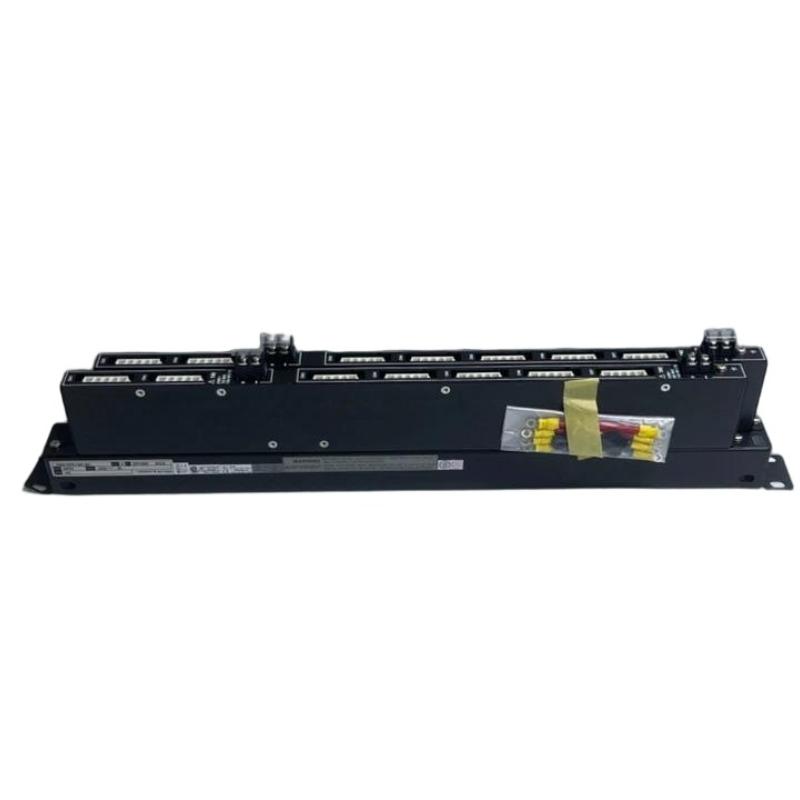
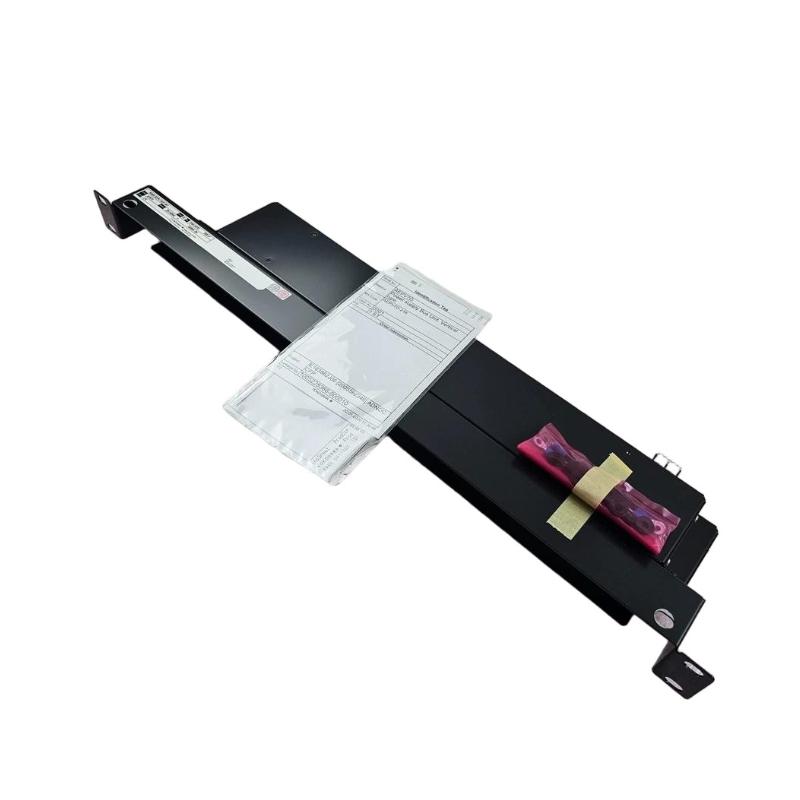
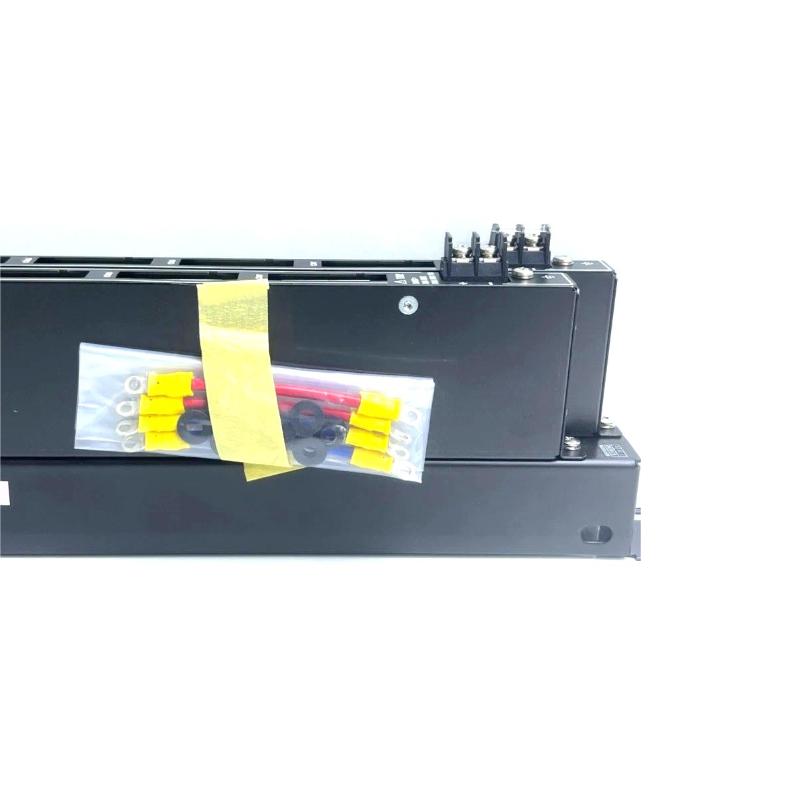
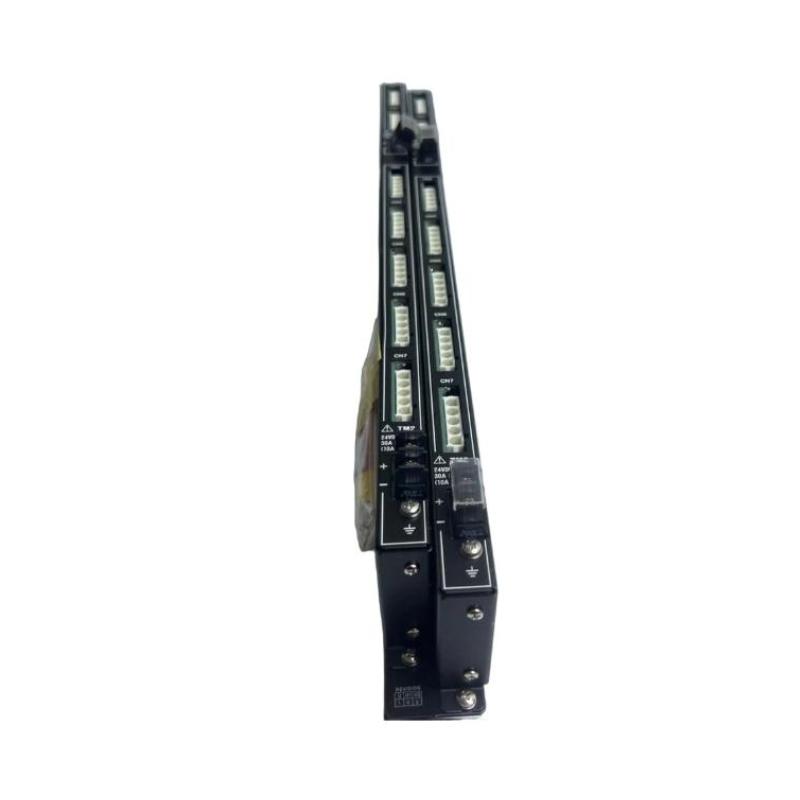
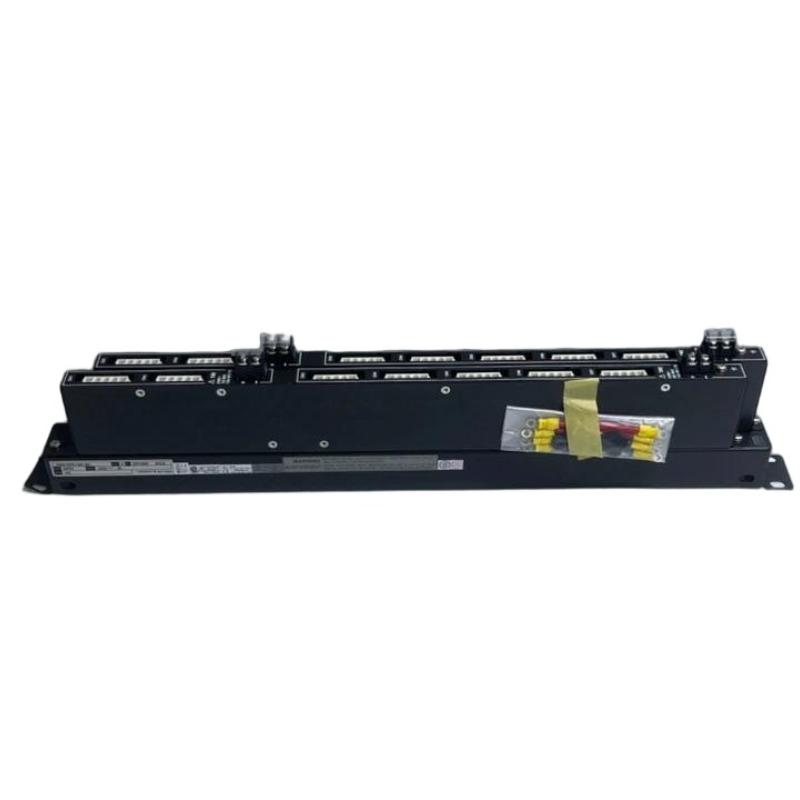
The Yokogawa AEPV7D-216 Power Bus Unit is a high-reliability power distribution module designed for Yokogawa distributed control systems (DCS). It is used to distribute electrical power across rack-mounted modules, ensuring stable operation of control, I/O, and communication components.
This model is engineered for multi-channel power distribution with redundant input capability, making it suitable for high-availability industrial environments where system continuity and fault tolerance are critical.
Technical Specifications
| Parameter |
Details |
| Manufacturer |
Yokogawa |
| Model |
AEPV7D-216 |
| Product Type |
Power Bus Unit |
| Function |
Power distribution for system modules |
| Input Voltage |
100–240 V AC |
| Frequency |
50/60 Hz |
| Output Configuration |
Multi-channel (7 outputs per section, scalable up to 14) |
| Power Input Design |
Dual independent power inputs (A/B) |
| Output Structure |
Port A1/A2 and B1/B2 segmented distribution |
| Dimensions |
630 × 166 × 43.6 mm |
| Weight |
2.9 kg |
| Mounting Type |
Vertical rack / cabinet-mounted |
| System Compatibility |
Yokogawa DCS / N-IO / FIO systems |
| Protection Design |
Industrial insulation and fault isolation |
| Operating Mode |
Continuous industrial duty |
Function and Working Principle
The AEPV7D-216 operates as a dual-path power bus distribution unit within Yokogawa control systems.
Its working process includes:
- Receiving power from two independent AC input sources (A and B)
- Internally separating distribution paths for redundancy
- Supplying multiple output channels to system modules
- Allowing independent operation of each power line
- Supporting combined output configurations when required
This architecture ensures uninterrupted power delivery even if one input path fails, improving overall system reliability.
Role in Industrial Control Systems
Within Yokogawa automation systems, the AEPV7D-216 serves as a critical infrastructure power backbone:
- Provides redundant power distribution across control racks
- Supports stable operation of CPUs, I/O modules, and communication units
- Ensures fault tolerance in mission-critical systems
- Enables scalable system architecture expansion
- Prevents system-wide failure caused by single power source loss
It is commonly used in high-integrity process automation environments.
Industrial Applications
The Yokogawa AEPV7D-216 is widely used in:
- Distributed Control Systems (DCS)
- Oil and gas production facilities
- Petrochemical and refinery plants
- Power generation stations
- Large-scale industrial automation systems
- Continuous process control environments
Its redundant design makes it suitable for 24/7 operation in critical industries.
Installation and System Integration
For optimal performance, the AEPV7D-216 should be installed as follows:
- Mounted in vertical industrial racks or control cabinets
- Connected to dual independent AC power sources
- Integrated into Yokogawa system backplane architecture
- Proper grounding and cable separation ensured
- Adequate ventilation maintained for thermal stability
Correct installation ensures long-term reliability and stable power distribution.
Compatible System Components
The AEPV7D-216 is typically used with:
- Yokogawa CPU modules
- I/O interface modules
- Communication modules
- Power supply units
- Rack-based DCS system components
These modules depend on the AEPV7D-216 for stable and redundant power delivery.
Recommended Alternative Models
| Model |
Type |
Key Feature |
Application |
| AEPV7D-115 |
Power Bus Unit |
100–120 V AC version |
Low-voltage systems |
| AEPV7D-215 |
Power Bus Unit |
Redundant high-availability design |
Critical systems |
| AEPV7D-21 |
Power Bus Unit |
Standard redundancy model |
General DCS systems |
| AEPV7D-25 |
Power Bus Unit |
Balanced capacity |
Medium-scale systems |
| PW482-10 |
Power Supply Module |
Primary power source |
Input stage supply |
Key Advantages
- Dual-input redundant power architecture
- High reliability for continuous operation
- Supports multi-channel power distribution
- Stable industrial-grade performance
- Compatible with Yokogawa DCS systems
- Suitable for mission-critical environments
Technical FAQs
What is the main function of the AEPV7D-216?
It distributes electrical power across multiple system modules while supporting redundant input paths.
What makes it different from standard bus units?
It provides enhanced redundancy with dual independent power input channels.
Is it a standalone power supply?
No, it is a power distribution unit used within a larger system architecture.
Conclusion
The Yokogawa AEPV7D-216 Power Bus Unit is a highly reliable and redundant power distribution solution designed for industrial automation systems. Its dual-input architecture, scalable output design, and robust construction make it essential for maintaining stable operation in high-availability environments.
For engineers and system integrators, it provides a dependable foundation for building resilient, scalable, and fault-tolerant control system architectures.