

ProductPRODUCT
Featured products
Contact Us
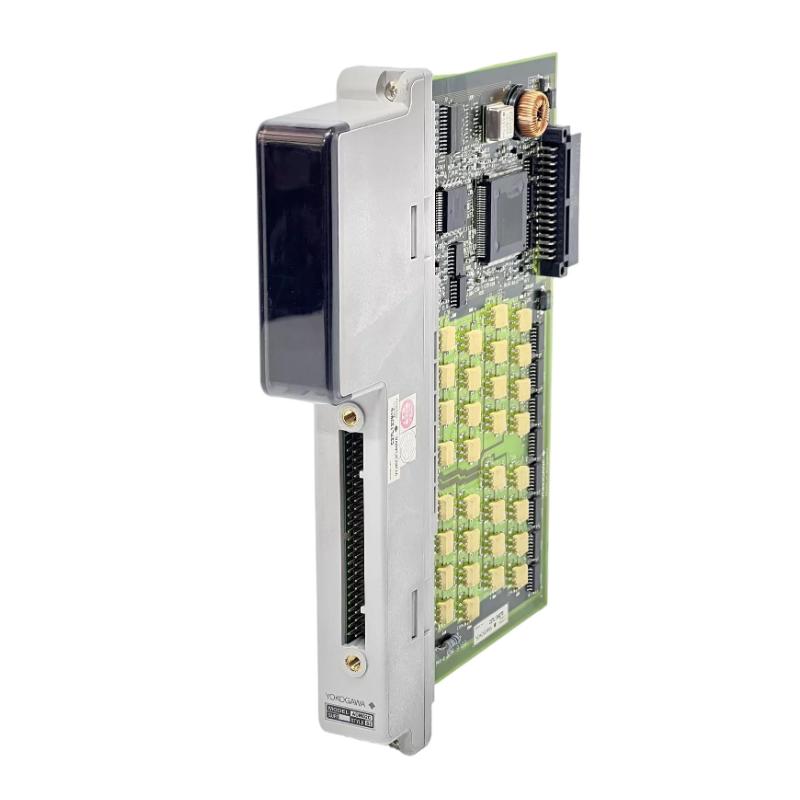
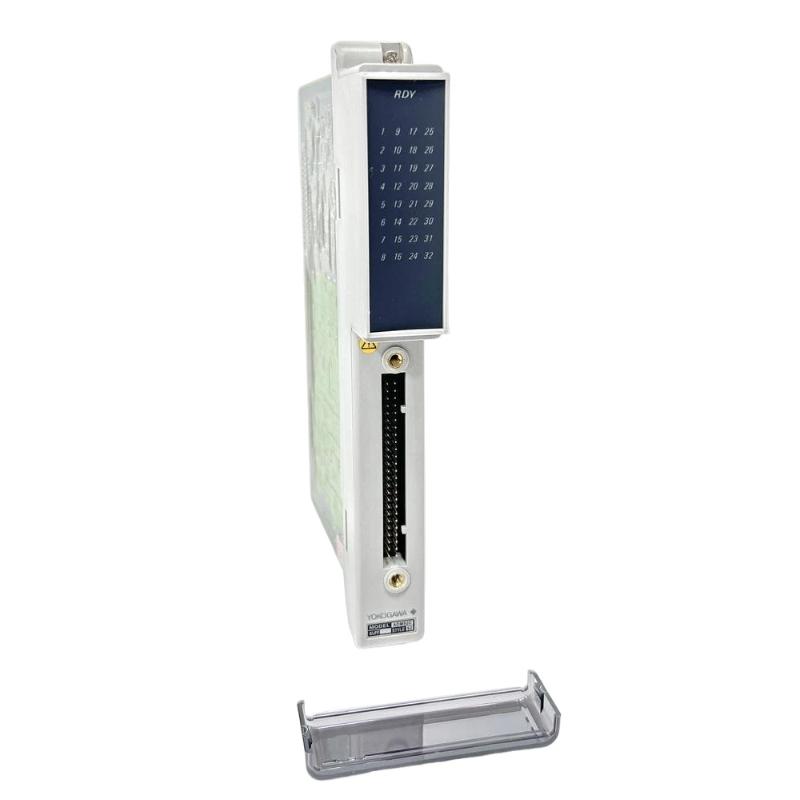
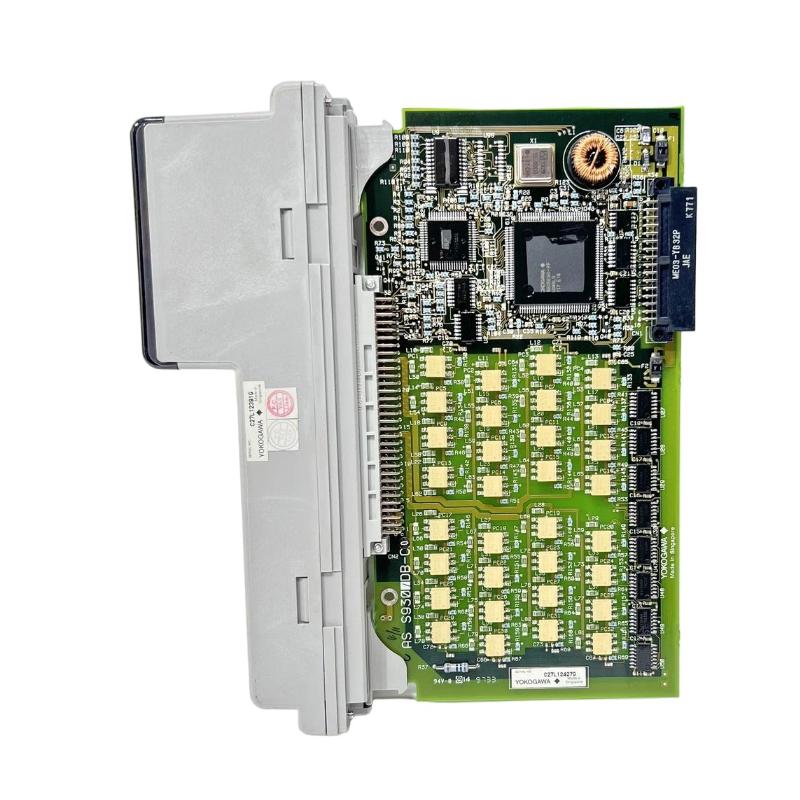
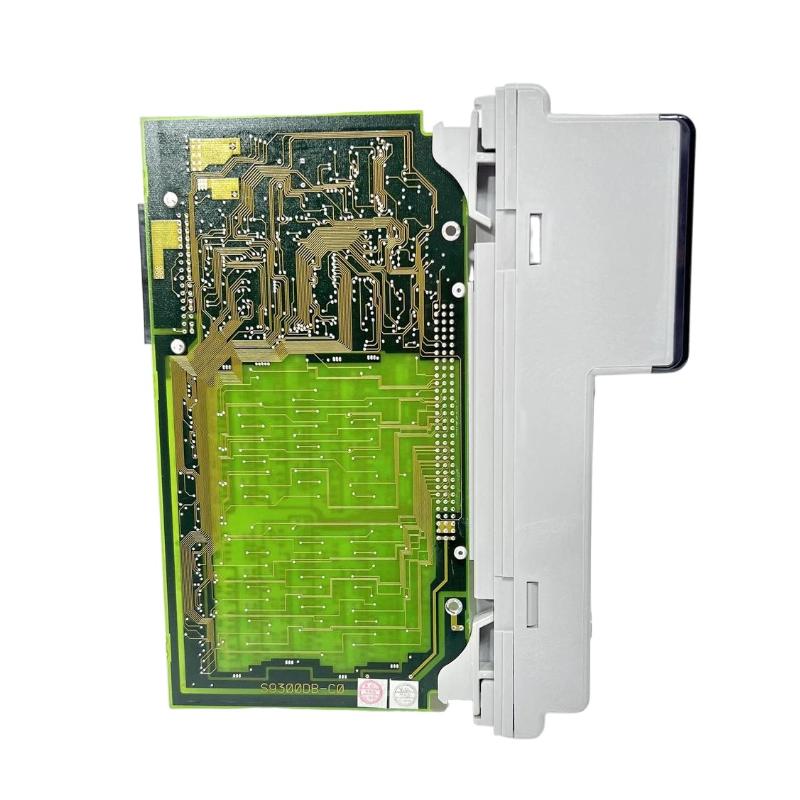
- Yokogawa
- ADM52C-1
- Contact Output Module
- Japan
- 130 × 100 × 30 mm
- 1.5 kg
- Xiamen, China
- New & In Stock
- T/T, PayPal, Western Union
- 1 Year
- 1-3 Working Days
- DHL, UPS, TNT, FedEx and EMS.
- 24-Hour Service
- COO
- 169
Our advantage

Global Logistics
We have a 10-year logistics and express cooperation agreement, so our products can be shipped to any place in the world.

Brand new and original
Our products are imported in bulk from the place of origin. Because of the cooperative relationship, our products are all original and 100% new.

24-hour service
We provide 7*24 hours service to our customers. We will be there whenever you need us.

Price advantage
All our products are priced very favorably because we have our own warehouse and supply.
| Company Information | |||
| [email protected] | |||
| Mobile | +8615980777398 | ||
| +8615980777398 | |||
| 15980777398 |
Product Overview
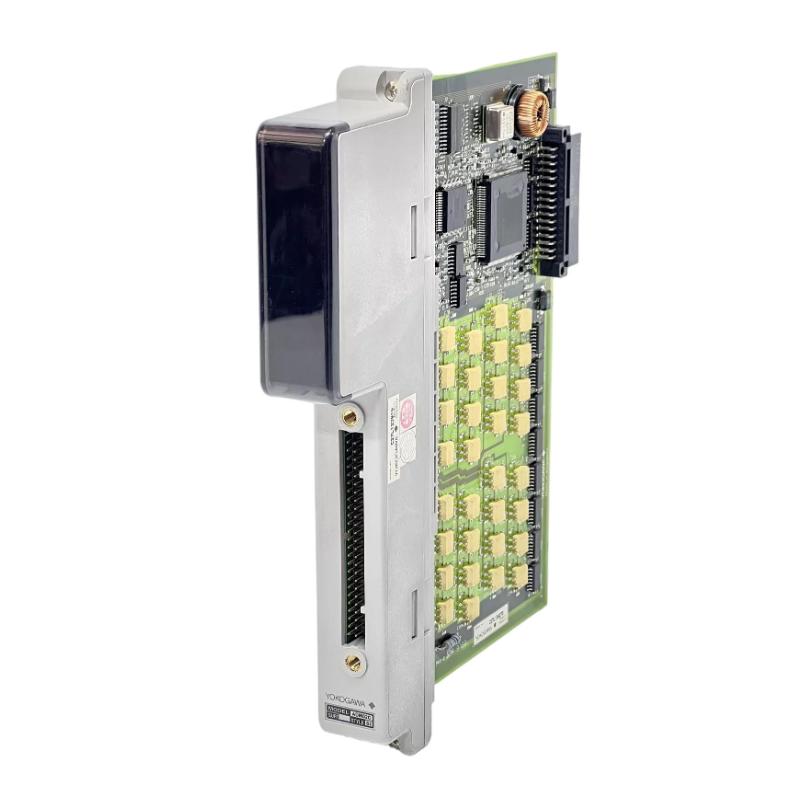
The Yokogawa ADM52C-1 Contact Output Module is a high-reliability digital relay output module designed for Yokogawa CENTUM Distributed Control Systems (DCS). It is used to convert control signals from the DCS into ON/OFF contact outputs, enabling direct control of field devices such as valves, solenoids, alarms, pumps, and interlock systems.
The “-1” variant represents an enhanced configuration designed for improved operational stability and consistent switching performance in industrial automation environments. It is widely used in process control and safety-related applications where reliable output execution is critical.
Technical Specifications
| Parameter | Details |
|---|---|
| Manufacturer | Yokogawa |
| Model | ADM52C-1 |
| Product Type | Contact Output Module |
| Function | Digital relay contact output |
| System Compatibility | CENTUM CS / CENTUM VP |
| Output Channels | 16 channels |
| Output Type | Relay contact output |
| Switching Capacity | Industrial AC/DC load control |
| Isolation | Channel-to-channel and system isolation |
| Response Time | Millisecond-level switching |
| Power Supply | 5 V DC (via system backplane) |
| Power Consumption | Low power industrial design |
| Mounting Type | Rack-mounted / I/O base installation |
| Dimensions (H × W × D) | 130 × 100 × 30 mm |
| Weight | 1.5 kg |
Function and Working Principle
The ADM52C-1 operates as a field output execution module in a distributed control system.
Its working process includes:
- Receiving output commands from the DCS controller
- Converting digital control signals into relay switching actions
- Activating or deactivating external field devices
- Providing output status feedback to the control system
- Ensuring electrically isolated signal transmission
This enables safe and reliable ON/OFF control of industrial equipment.
Role in Industrial Control Systems
Within Yokogawa CENTUM architecture, the ADM52C-1 functions as a digital output interface module.
Its key roles include:
- Driving field devices such as valves, pumps, and alarms
- Executing control logic output commands in real time
- Supporting interlock and shutdown operations
- Providing safe electrical isolation between system and field
- Ensuring stable and reliable switching performance
It is essential for process execution and automation safety.
Industrial Applications
The ADM52C-1 is widely used in:
- Oil and gas processing systems
- Petrochemical and refinery plants
- Power generation facilities
- Chemical processing industries
- Water and wastewater treatment systems
- Safety instrumented systems (SIS)
It is especially suitable for applications requiring reliable ON/OFF control of industrial actuators.
Installation and System Integration
Proper installation ensures stable performance:
- Installed in Yokogawa DCS I/O racks or cabinets
- Connected via system backplane interface
- Requires correct channel configuration in engineering tools
- Field wiring must follow industrial safety standards
- Integrated using CENTUM system configuration software
Correct setup ensures stable output control and long-term reliability.
Compatible System Components
The ADM52C-1 typically works with:
- Yokogawa CENTUM controllers
- Field Control Stations (FCS)
- Human Interface Stations (HIS)
- Solenoids, valves, and actuator systems
- Alarm and interlock devices
These components form a complete industrial automation output system.
Recommended Alternative Models
| Model | Type | Key Feature | Application |
|---|---|---|---|
| Yokogawa ADM52C | Contact Output Module | Standard version | General control applications |
| Yokogawa ADM52C/CE1 S2 | Contact Output Module | Enhanced configuration | Stable switching applications |
| Yokogawa ADM52-1 | Contact Output Module | Robust relay design | Process control systems |
| Yokogawa ADM51 | Contact Output Module | Alternative output module | Safety-related outputs |
| Yokogawa ADV Output Series | Digital Output Modules | Modular architecture | Large-scale automation |
Key Advantages
- Reliable relay contact output switching
- Strong electrical isolation for system safety
- Stable performance in industrial environments
- Fast response for real-time control
- Easy integration with Yokogawa CENTUM systems
- Suitable for continuous 24/7 operation
- Supports critical process automation tasks
Technical FAQs
Q1: What is the main function of the ADM52C-1?
It converts DCS control signals into relay contact outputs for field device control.
Q2: How many channels does it have?
It supports 16 relay output channels.
Q3: What devices can it control?
It can control valves, pumps, alarms, solenoids, and interlocks.
Q4: Is it suitable for safety systems?
Yes, it is widely used in safety instrumented systems (SIS).
Q5: What is the difference between ADM52C-1 and S2 versions?
The -1 version is an enhanced configuration focused on stable switching and reliable industrial performance.
Conclusion
The Yokogawa ADM52C-1 Contact Output Module is a robust and reliable industrial output solution designed for precise ON/OFF control of field devices. With strong isolation, stable relay switching, and seamless integration into Yokogawa CENTUM systems, it ensures safe and efficient process execution.
It is widely used in industries where process reliability, system safety, and continuous automation performance are critical.