

ProductPRODUCT
Featured products
Contact Us
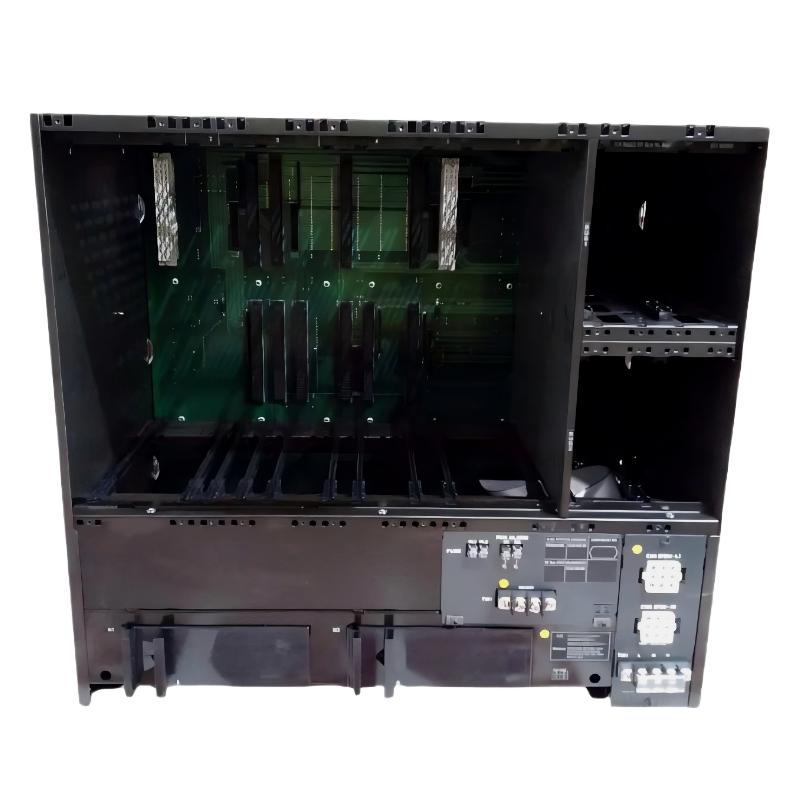
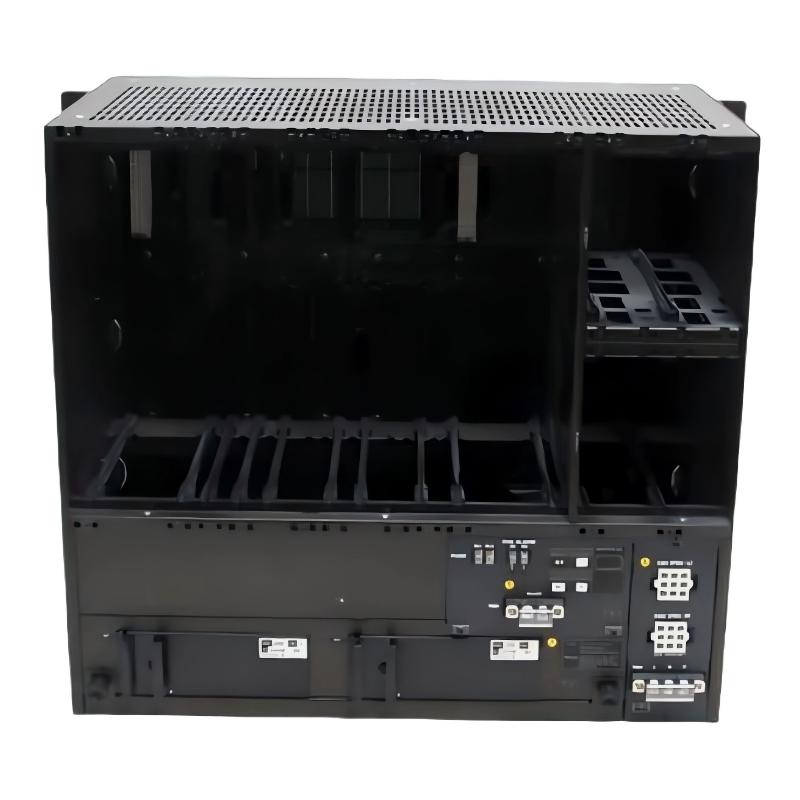
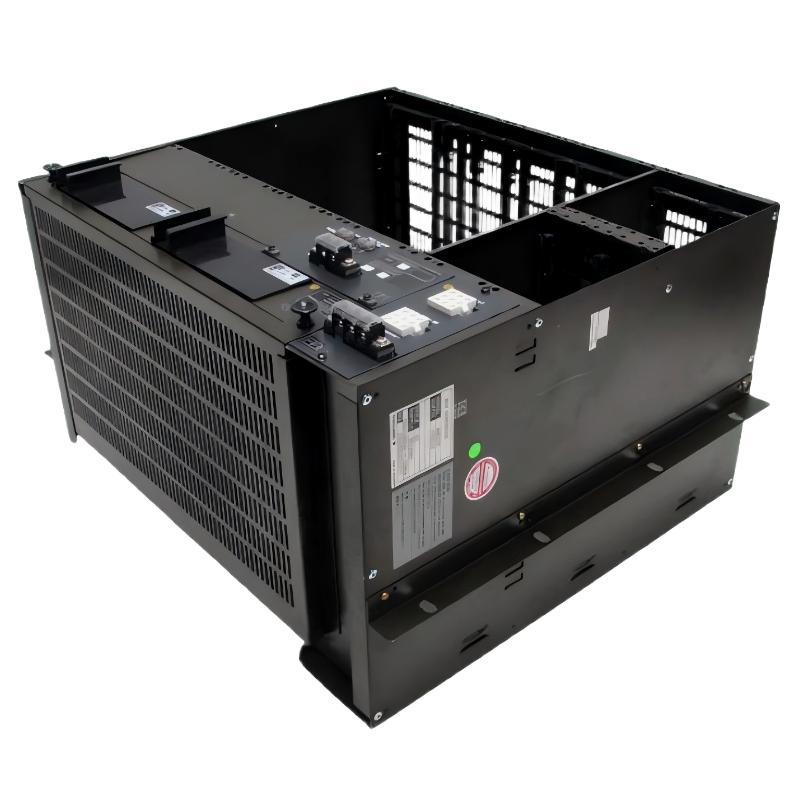
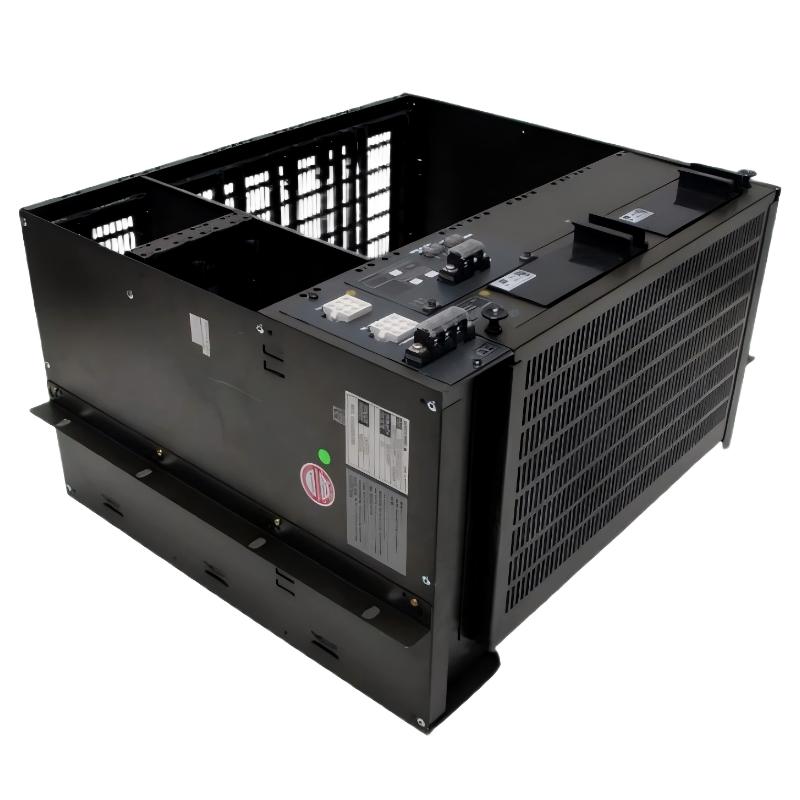
- Yokogawa
- ABC11D
- Dual Redundant Bus Converter
- Japan
- 35 x 150 x 180 mm
- 1.5 kg
- Xiamen, China
- New & In Stock
- T/T, PayPal, Western Union
- 1 Year
- 1-3 Working Days
- DHL, UPS, TNT, FedEx and EMS.
- 24-Hour Service
- COO
- 118
Our advantage

Global Logistics
We have a 10-year logistics and express cooperation agreement, so our products can be shipped to any place in the world.

Brand new and original
Our products are imported in bulk from the place of origin. Because of the cooperative relationship, our products are all original and 100% new.

24-hour service
We provide 7*24 hours service to our customers. We will be there whenever you need us.

Price advantage
All our products are priced very favorably because we have our own warehouse and supply.
| Company Information | |||
| [email protected] | |||
| Mobile | +8615980777398 | ||
| +8615980777398 | |||
| 15980777398 |
Product Overview
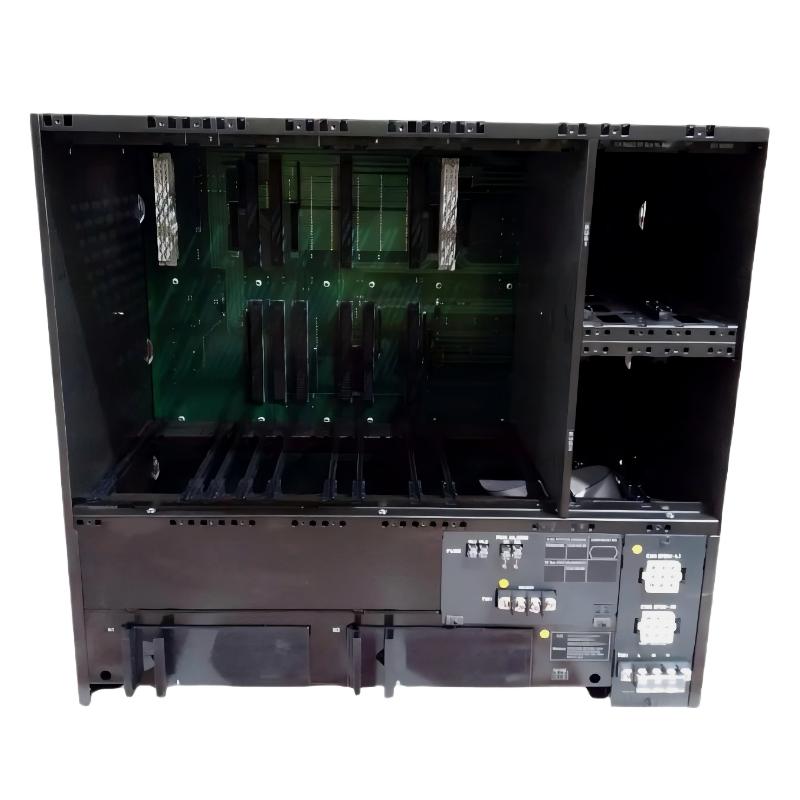
The Yokogawa ABC11D Dual Redundant Bus Converter is a high-reliability industrial communication interface module designed for Yokogawa CENTUM Distributed Control Systems (DCS). It is used to connect and bridge different control system buses, ensuring stable, redundant, and continuous data communication between system nodes.
This module plays a critical role in system-level network integration, enabling communication between Human Interface Stations (HIS), controllers, and distributed control networks. Its dual-redundant architecture ensures fault tolerance, high availability, and uninterrupted process operation, even in the event of a communication path failure.
The ABC11D is widely deployed in large-scale industrial automation systems, where continuous uptime and secure data transmission are essential.
Technical Specifications
| Parameter | Details |
|---|---|
| Manufacturer | Yokogawa |
| Model | ABC11D |
| Product Type | Dual Redundant Bus Converter |
| System Compatibility | CENTUM VP / CENTUM CS Series |
| Function | Bus protocol conversion and network redundancy management |
| Redundancy Type | Dual-redundant communication architecture |
| Communication Interfaces | V net / VL net / H net (system dependent configuration) |
| Data Handling | High-speed industrial control data transfer |
| Power Supply | 24 V DC / AC variants (system dependent) |
| Power Consumption | Approx. 320 VA (AC version dependent) |
| Operating Temperature | -20°C to +60°C |
| Humidity | 5% to 95% RH (non-condensing) |
| Dimensions (H × W × D) | Approx. 230 × 130 × 80 mm |
| Weight | Approx. 1.0 kg – 22 kg (configuration dependent) |
| Mounting Type | Rack-mounted industrial control cabinet installation |
| Fault Detection | Built-in redundancy switching and system diagnostics |
Function and Working Principle
The ABC11D Bus Converter operates as a communication bridge and redundancy management unit within Yokogawa DCS architectures.
Its working principle includes:
- Receiving communication signals from multiple control system buses
- Converting and synchronizing data between different network protocols
- Continuously monitoring primary and secondary communication paths
- Automatically switching to backup channels in case of failure
- Ensuring uninterrupted data flow between system components
This architecture guarantees high system availability and zero-interruption communication performance, which is essential for industrial process control.
Role in Industrial Control Systems
Within Yokogawa CENTUM architecture, the ABC11D functions as a core network infrastructure component.
Its main roles include:
- Connecting distributed control system networks
- Enabling communication between HIS stations and controllers
- Managing redundant communication paths for fault tolerance
- Ensuring system-wide data synchronization
- Supporting large-scale industrial automation architectures
It is a key component in maintaining system integrity, communication reliability, and plant-wide coordination.
Industrial Applications
The ABC11D is widely used in:
- Oil and gas production and refining systems
- Petrochemical and chemical processing plants
- Power generation and turbine control systems
- Steel and metallurgy production facilities
- Large-scale industrial automation networks
- Critical infrastructure control systems
It is especially suitable for mission-critical environments requiring continuous uptime and redundant communication systems.
Installation and System Integration
Proper installation is essential for stable system performance:
- Installed in Yokogawa CENTUM system control cabinets
- Rack-mounted integration within DCS infrastructure
- Requires correct configuration of primary and secondary bus paths
- Proper grounding and shielding required for noise reduction
- System-level engineering tools used for configuration and diagnostics
Installation is typically performed by certified industrial automation engineers.
Compatible System Components
The ABC11D typically works with:
- Yokogawa CENTUM VP / CS series controllers
- Human Interface Stations (HIS)
- V net / VL net communication systems
- Distributed I/O and controller modules
- Industrial network switches and interface units
Together, these components form a complete redundant distributed control architecture.
Recommended Alternative Models
| Model | Type | Key Feature | Application |
|---|---|---|---|
| Yokogawa ABC11D-V2121 | Bus Converter | Ethernet-based communication | Modern network integration |
| Yokogawa V net Interface Units | Network Module | Standard communication bridging | Legacy system support |
| Yokogawa CENTUM Network Gateway | Gateway Module | Multi-protocol conversion | Complex system integration |
| Yokogawa HIS Communication Module | Interface Unit | Operator station connectivity | Control room systems |
| Yokogawa DCS Network Bridge Series | Bus Interface | Flexible redundancy options | Large-scale plants |
Key Advantages
- Dual-redundant communication architecture
- High system availability and fault tolerance
- Stable inter-bus protocol conversion
- Designed for continuous industrial operation
- Strong integration with Yokogawa CENTUM systems
- Supports large-scale distributed control networks
- Enhances plant-wide communication reliability
Technical FAQs
Q1: What is the main function of the ABC11D?
It connects and converts communication between different DCS buses while ensuring redundancy.
Q2: Why is redundancy important in this module?
It ensures continuous operation even if one communication path fails.
Q3: Where is it typically used?
It is used in large industrial plants such as oil refineries, power stations, and chemical plants.
Q4: Does it support modern Ethernet networks?
Some variants support Ethernet-based communication depending on configuration.
Q5: Is it suitable for critical systems?
Yes, it is designed specifically for mission-critical industrial environments.
Conclusion
The Yokogawa ABC11D Dual Redundant Bus Converter is a mission-critical communication module designed for industrial DCS architectures. With its redundant communication pathways, stable data conversion capabilities, and robust system integration, it ensures continuous and reliable operation of large-scale automation systems.
It is widely used in environments where communication stability, system redundancy, and uninterrupted industrial control are essential.