Product Overview
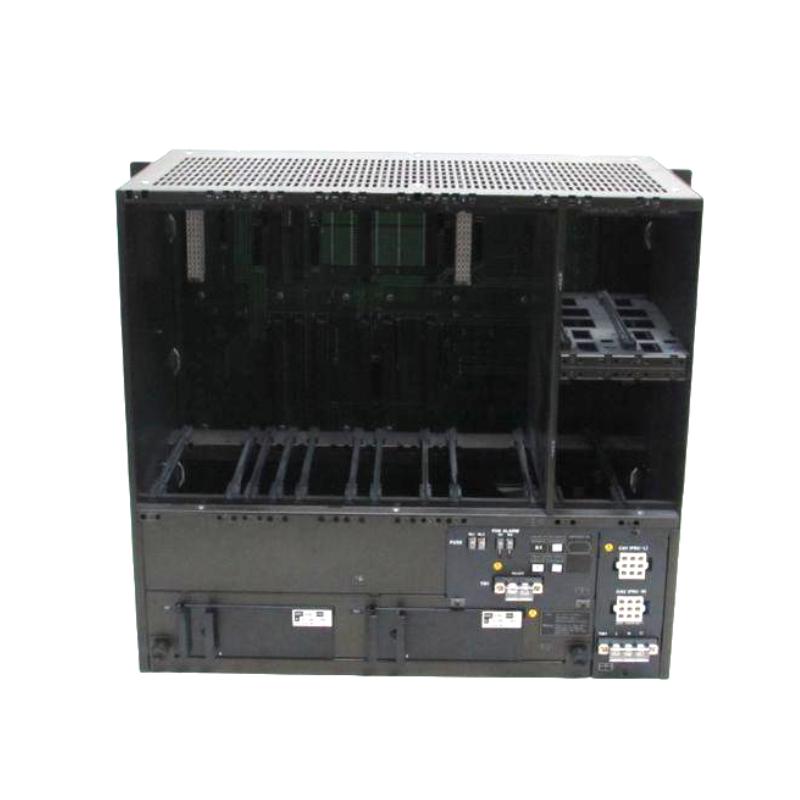
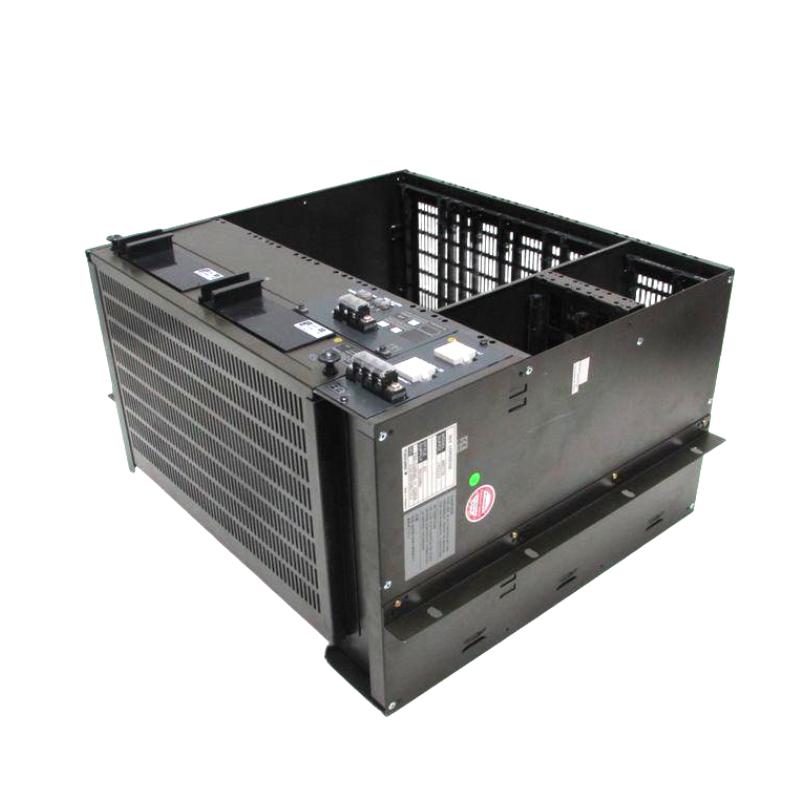
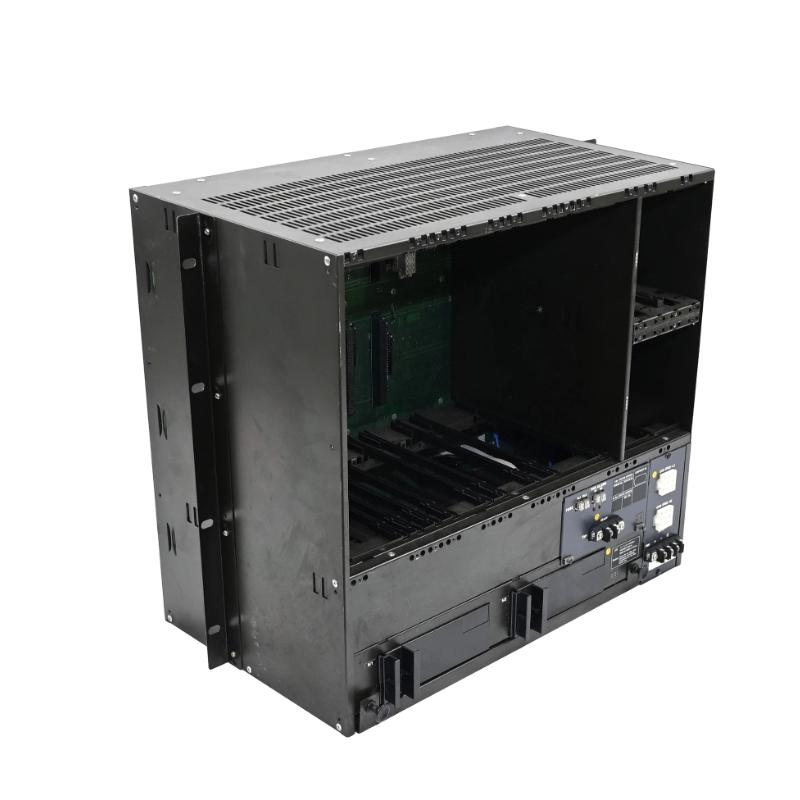
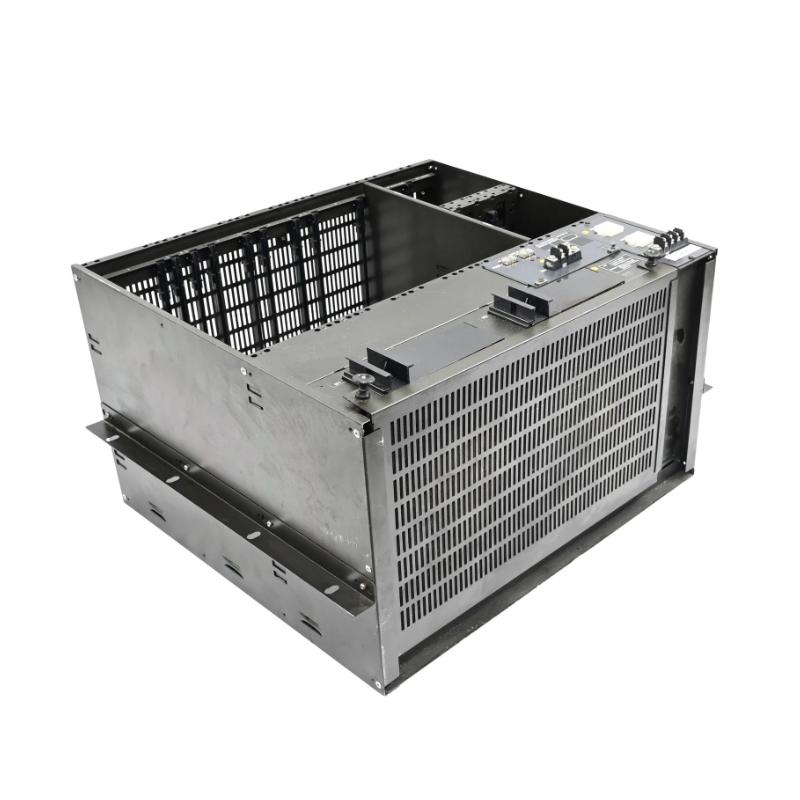
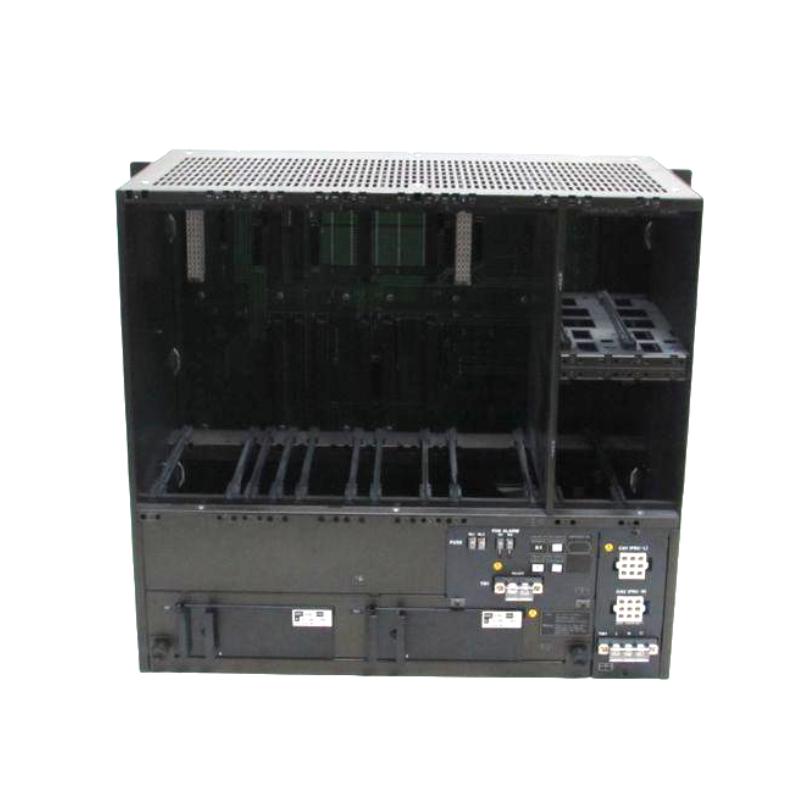
The Yokogawa ABC11D-V2121 Dual Redundant Bus Converter is a high-performance industrial communication interface module designed for Yokogawa CENTUM Distributed Control Systems (DCS). It enables seamless data exchange between control system buses and Ethernet-based networks.
This module features a dual-redundant communication architecture, ensuring uninterrupted data transmission by automatically switching between primary and backup communication paths. It is specifically designed for high-availability industrial environments, where system uptime and communication stability are critical.
The ABC11D-V2121 is widely used in modern automation systems requiring integration between legacy control networks and advanced Ethernet infrastructure.
Technical Specifications
| Parameter |
Details |
| Manufacturer |
Yokogawa |
| Model |
ABC11D-V2121 |
| Product Type |
Dual Redundant Bus Converter |
| Function |
Bus-to-Ethernet communication conversion |
| System Compatibility |
CENTUM VP / CENTUM CS 1000 |
| Redundancy Type |
Dual-redundant (duplex communication) |
| Input Interface |
Dual bus communication channels |
| Output Interface |
Ethernet interface |
| Communication Speed |
High-speed industrial data transmission |
| Power Supply |
24 V DC |
| Power Consumption |
Approx. 20 W |
| Operating Temperature |
-20°C to +60°C |
| Humidity |
5% to 95% RH (non-condensing) |
| Mounting Type |
Rack-mounted / DIN rail installation |
| Dimensions (H × W × D) |
35 × 150 × 180 mm |
| Weight |
1.5 kg |
Function and Working Principle
The ABC11D-V2121 operates as a communication bridge and redundancy manager within industrial control systems.
Its working process includes:
- Receiving data from control system communication buses
- Converting bus protocols into Ethernet-compatible formats
- Managing dual communication paths simultaneously
- Monitoring communication health in real time
- Automatically switching to backup channels when faults occur
This ensures continuous, reliable, and high-speed data communication across the entire control network.
Role in Industrial Control Systems
Within Yokogawa CENTUM architecture, the ABC11D-V2121 functions as a core communication infrastructure component.
Its key roles include:
- Bridging control networks with Ethernet systems
- Enabling communication between controllers and supervisory systems
- Providing redundancy for communication reliability
- Supporting distributed system architectures
- Ensuring real-time data exchange across plant operations
It is essential for maintaining system stability, communication integrity, and operational continuity.
Industrial Applications
The ABC11D-V2121 is widely used in:
- Oil and gas processing systems
- Petrochemical and chemical plants
- Power generation facilities
- Large-scale distributed control systems (DCS)
- Industrial automation and SCADA systems
It is especially suitable for mission-critical environments requiring uninterrupted communication and network redundancy.
Installation and System Integration
Proper installation ensures optimal performance:
- Installed in industrial control cabinets or racks
- Connected to both control system buses and Ethernet networks
- Configured for redundant communication paths
- Shielded wiring recommended for noise reduction
- System configuration handled through engineering software tools
Correct setup ensures stable communication and automatic failover capability.
Compatible System Components
The ABC11D-V2121 typically works with:
- Yokogawa CENTUM controllers
- Human Interface Stations (HIS)
- Ethernet network infrastructure
- Distributed I/O modules
- Industrial communication gateways
These components together form a complete and reliable industrial communication network.
Recommended Alternative Models
| Model |
Type |
Key Feature |
Application |
| Yokogawa ABC11D-A2123 |
Bus Converter |
Standard redundant version |
General DCS systems |
| Yokogawa ABC11D |
Bus Converter |
Base model |
Legacy systems |
| Yokogawa ABC11S |
Bus Converter |
Single bus version |
Non-redundant applications |
| Yokogawa Network Gateway Modules |
Gateway |
Multi-protocol support |
Complex systems |
| Yokogawa V net Router Modules |
Network Module |
Advanced routing capability |
Large-scale plants |
Key Advantages
- Dual-redundant communication architecture
- Automatic failover for continuous operation
- Seamless bus-to-Ethernet integration
- High system reliability and availability
- Designed for harsh industrial environments
- Strong compatibility with Yokogawa systems
- Supports large-scale distributed control networks
Technical FAQs
Q1: What is the main function of the ABC11D-V2121?
It converts control system bus communication into Ethernet communication with redundancy.
Q2: What does dual redundancy mean?
It means the module uses two communication paths and automatically switches if one fails.
Q3: Where is this module typically used?
It is used in industrial DCS and automation systems requiring reliable communication.
Q4: Does it support Ethernet integration?
Yes, it enables integration between control buses and Ethernet networks.
Q5: Is it suitable for critical applications?
Yes, it is designed for high-reliability and continuous operation environments.
Conclusion
The Yokogawa ABC11D-V2121 Dual Redundant Bus Converter is a critical communication module designed for modern industrial automation systems. With its dual-redundant architecture and seamless network integration capabilities, it ensures stable, high-speed, and uninterrupted communication across distributed control environments.
It is widely used in industries where system uptime, communication reliability, and operational safety are essential.