Product Overview
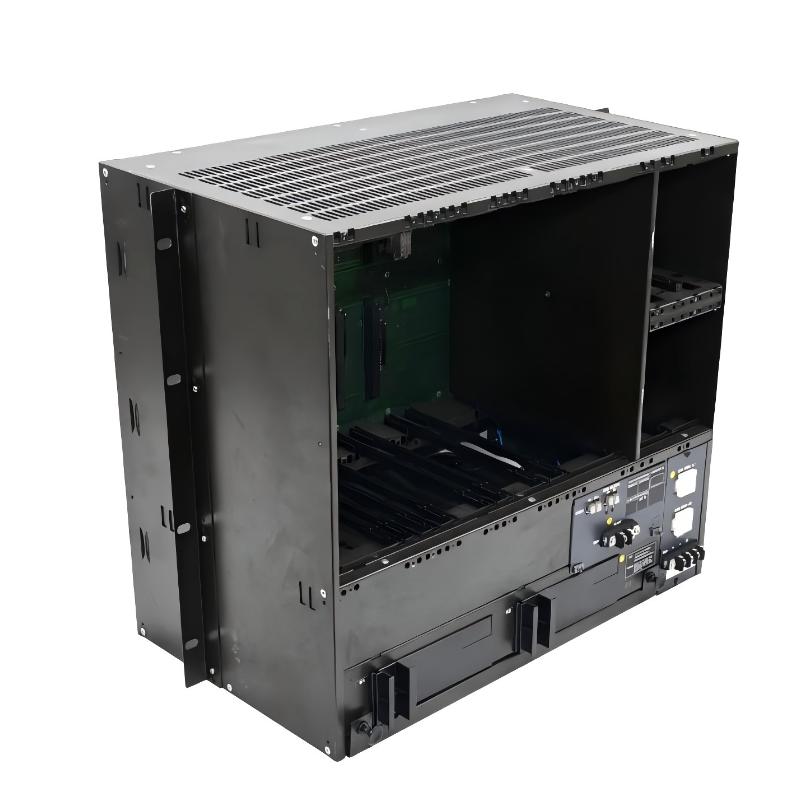
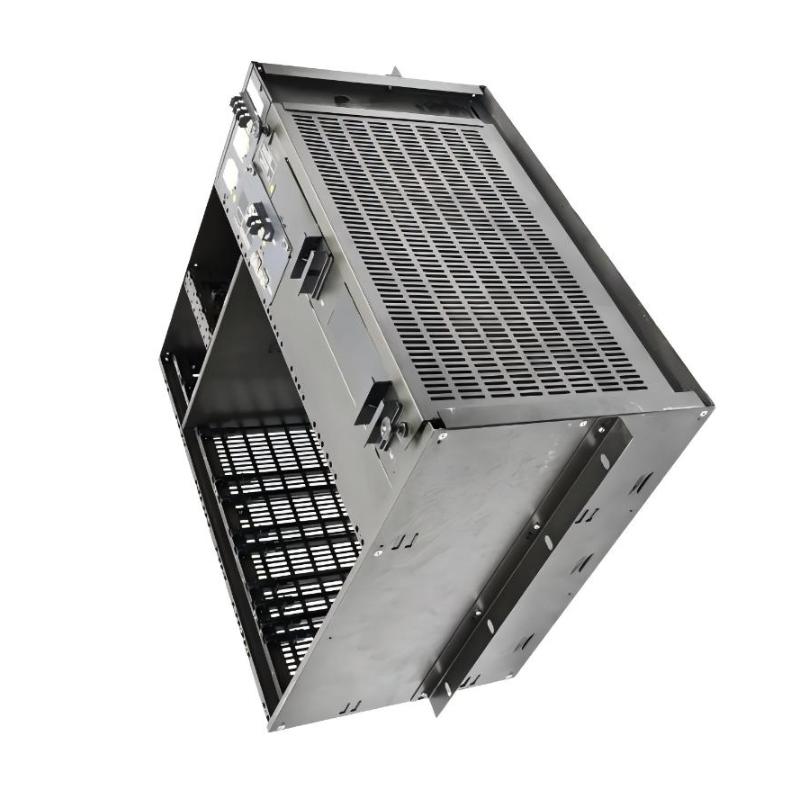
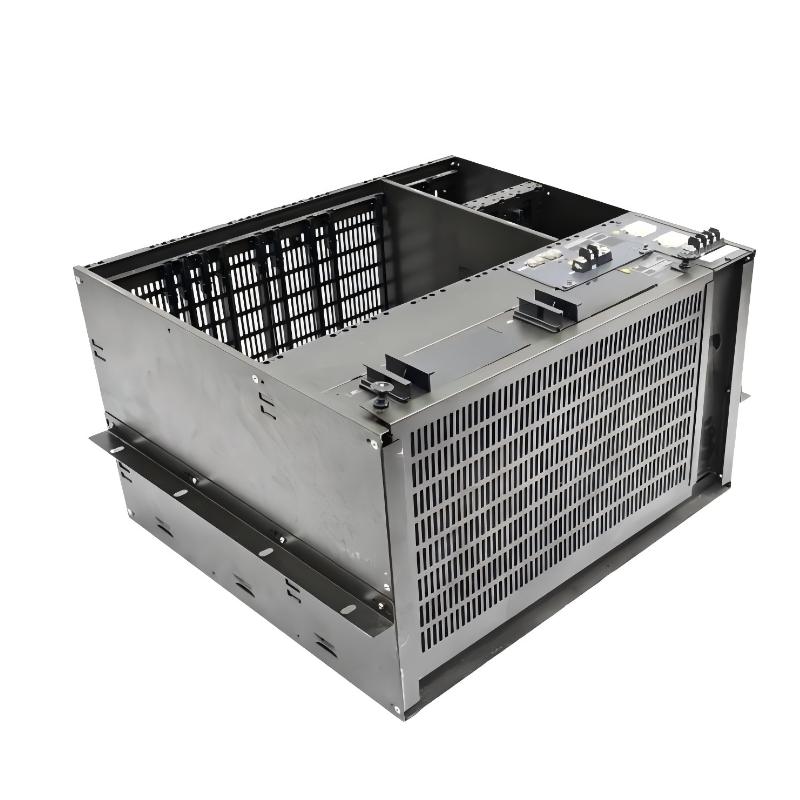
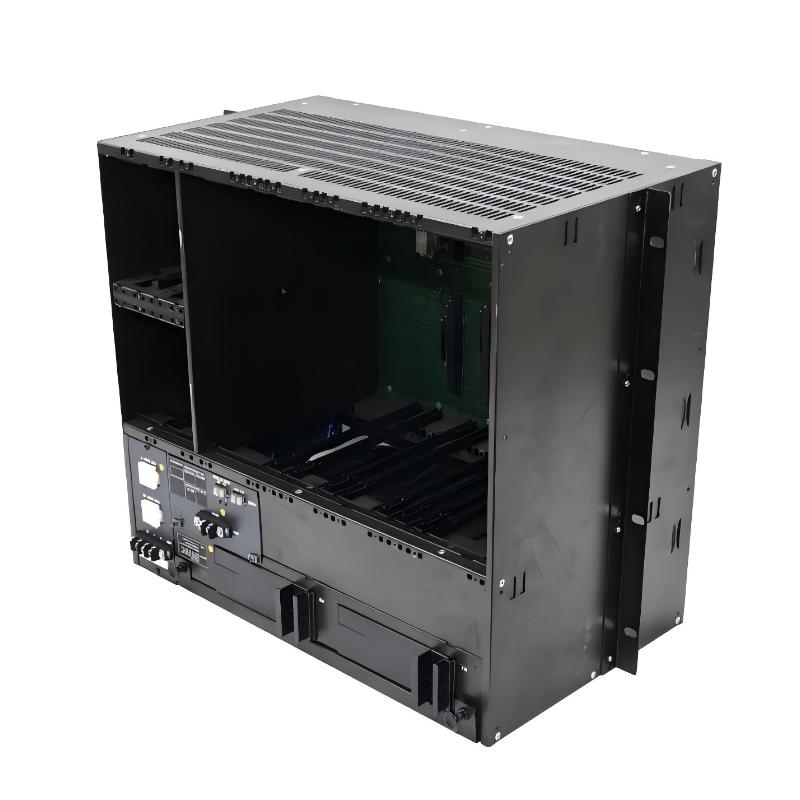
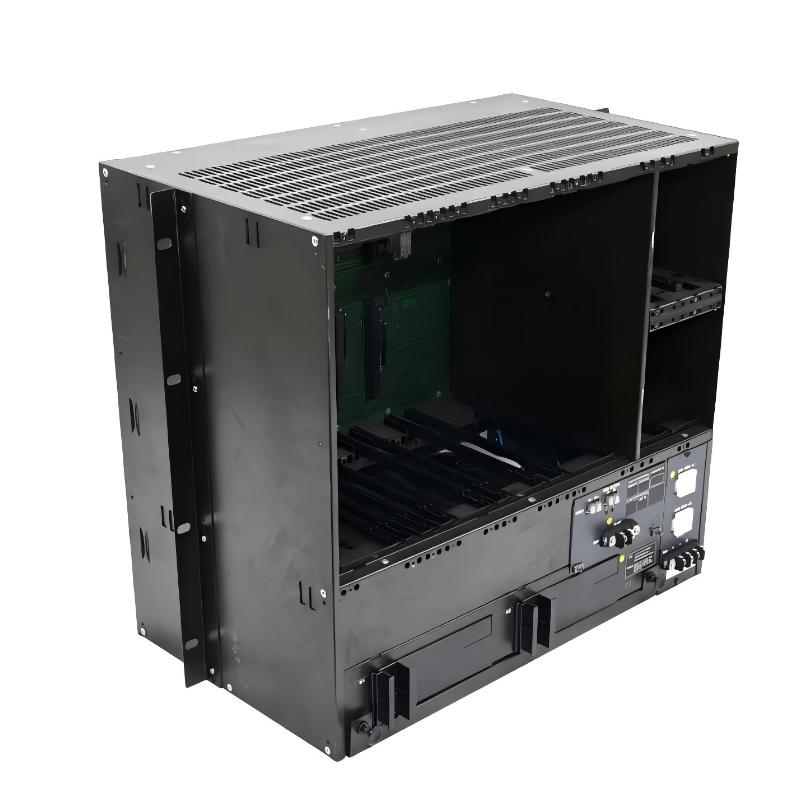
The Yokogawa ABC11D-A2123 Dual Redundant Bus Converter is a mission-critical industrial communication interface module designed for Yokogawa CENTUM Distributed Control Systems (DCS). It is used to connect and synchronize different control network buses, ensuring seamless and reliable communication across system components.
This model features a dual-redundant architecture, allowing automatic switching between primary and backup communication paths. This ensures continuous operation, fault tolerance, and high system availability, making it essential for large-scale industrial automation systems.
The ABC11D-A2123 is widely applied in systems where network reliability, data integrity, and uninterrupted process control are essential.
Technical Specifications
| Parameter |
Details |
| Manufacturer |
Yokogawa |
| Model |
ABC11D-A2123 |
| Product Type |
Dual Redundant Bus Converter |
| Function |
Bus conversion and communication redundancy |
| System Compatibility |
CENTUM VP / CENTUM CS 1000 / CS 3000 |
| Network Support |
V net / VL net / H net (configuration dependent) |
| Redundancy Type |
Dual-redundant communication |
| Power Supply |
100–120 V AC / 220–240 V AC / 24 V DC |
| Power Consumption |
Approx. 320 VA (AC) / 7.5 A (24 V DC) |
| Processor Status Output |
Relay contact (30 V DC, 0.3 A max) |
| Operating Temperature |
0°C to 55°C |
| Storage Temperature |
-20°C to 60°C |
| Humidity |
5% to 95% RH (non-condensing) |
| Mounting Type |
19-inch rack-mounted |
| Dimensions (H × W × D) |
35 × 150 × 180 mm |
| Weight |
1.5 kg |
Function and Working Principle
The ABC11D-A2123 operates as a bus interface and redundancy management module.
Its working principle includes:
- Receiving communication data from multiple network buses
- Converting and synchronizing different communication protocols
- Monitoring primary and secondary communication channels in real time
- Automatically switching to backup communication paths if faults occur
- Maintaining continuous and stable data transmission across the system
This ensures zero communication interruption and high data integrity in industrial control systems.
Role in Industrial Control Systems
Within Yokogawa CENTUM architecture, the ABC11D-A2123 serves as a core communication backbone component.
Its key roles include:
- Connecting Human Interface Stations (HIS) and controllers
- Enabling communication between different network buses
- Managing redundant communication paths
- Ensuring system-wide data synchronization
- Supporting high-availability system architectures
It is critical for maintaining stable plant-wide communication and coordinated process control.
Industrial Applications
The ABC11D-A2123 is widely used in:
- Oil and gas production and refining systems
- Petrochemical and chemical processing plants
- Power generation and turbine control systems
- Large-scale distributed control systems (DCS)
- Industrial automation and SCADA environments
It is especially suitable for mission-critical applications requiring uninterrupted communication and high system reliability.
Installation and System Integration
Proper installation ensures optimal system performance:
- Installed in 19-inch control racks within DCS cabinets
- Connected to multiple network buses (V net / VL net / H net)
- Requires configuration of redundant communication paths
- Proper grounding and shielding recommended
- System configuration performed using Yokogawa engineering tools
Correct setup ensures seamless communication and automatic failover capability.
Compatible System Components
The ABC11D-A2123 typically works with:
- Yokogawa CENTUM VP / CS controllers
- Human Interface Stations (HIS)
- V net / VL net communication networks
- Distributed I/O modules
- Network interface and gateway modules
These components together form a highly reliable distributed control network architecture.
Recommended Alternative Models
| Model |
Type |
Key Feature |
Application |
| Yokogawa ABC11D |
Bus Converter |
Standard dual-redundant version |
General DCS systems |
| Yokogawa ABC11S |
Bus Converter |
Single bus version |
Non-redundant systems |
| Yokogawa Network Gateway Modules |
Gateway |
Multi-protocol support |
Complex integration |
| Yokogawa HIS Interface Modules |
Communication Unit |
Operator station connectivity |
Control room systems |
| Yokogawa V net Router Modules |
Network Module |
Advanced network routing |
Large-scale plants |
Key Advantages
- Dual-redundant architecture for maximum reliability
- Automatic failover between communication channels
- Stable inter-bus protocol conversion
- High-speed industrial data communication
- Designed for continuous operation in harsh environments
- Seamless integration with Yokogawa CENTUM systems
- Supports large-scale distributed automation networks
Technical FAQs
Q1: What is the main function of the ABC11D-A2123?
It connects and converts communication between different DCS network buses while providing redundancy.
Q2: What does “dual redundant” mean?
It means the module uses two communication paths and automatically switches to a backup if the primary fails.
Q3: Where is this module used?
It is used in large industrial systems such as refineries, power plants, and chemical facilities.
Q4: Does it support multiple networks?
Yes, it supports V net, VL net, and other Yokogawa network configurations.
Q5: Is it suitable for critical systems?
Yes, it is specifically designed for high-availability and mission-critical applications.
Conclusion
The Yokogawa ABC11D-A2123 Dual Redundant Bus Converter is a critical communication module for industrial DCS systems. With its dual-redundant design, robust communication handling, and seamless integration capabilities, it ensures continuous and reliable data exchange across complex automation networks.
It is widely used in industries where system uptime, communication stability, and operational safety are essential.