

ProductPRODUCT
Featured products
Contact Us
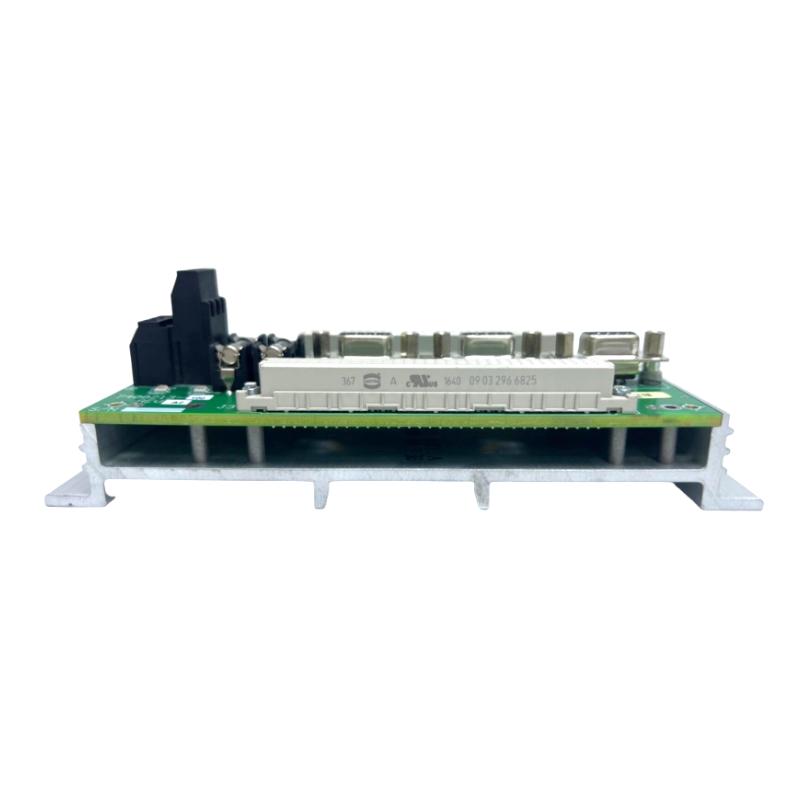
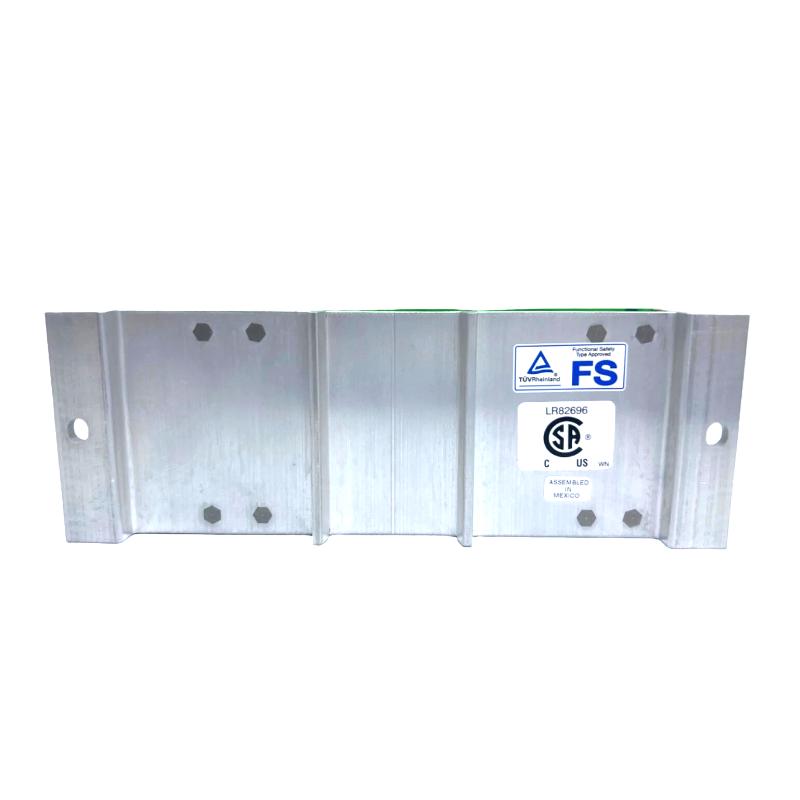
- Triconex
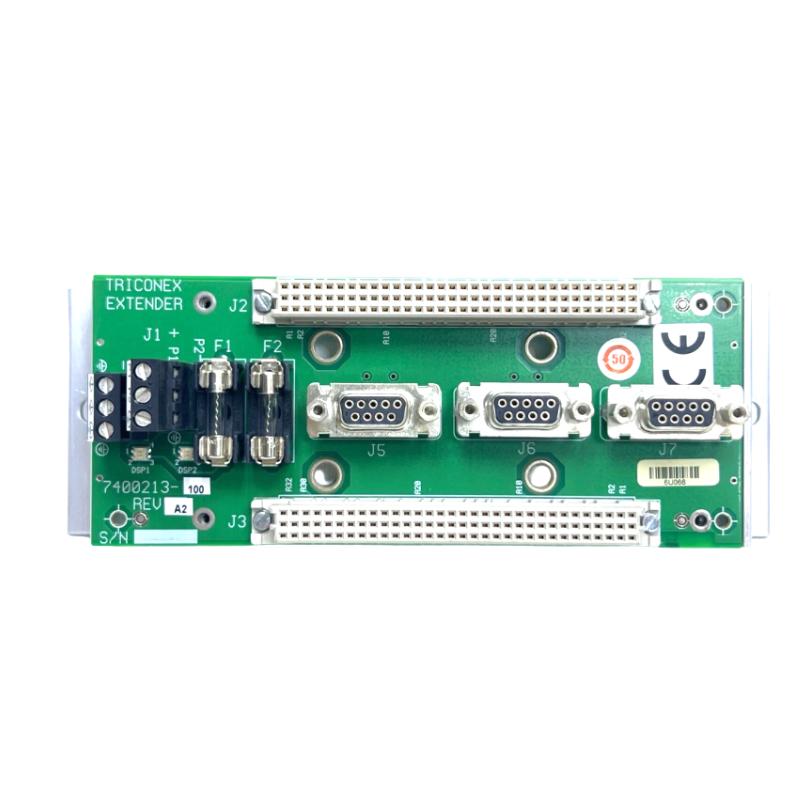
- 7400213-100
- Extended Communication Module
- USA
- 230 × 247 × 42 mm
- 1.3 kg
- Xiamen, China
- New & In Stock
- T/T, PayPal, Western Union
- 1 Year
- 1-3 Working Days
- DHL, UPS, TNT, FedEx and EMS.
- 24-Hour Service
- COO
- 153
Our advantage

Global Logistics
We have a 10-year logistics and express cooperation agreement, so our products can be shipped to any place in the world.

Brand new and original
Our products are imported in bulk from the place of origin. Because of the cooperative relationship, our products are all original and 100% new.

24-hour service
We provide 7*24 hours service to our customers. We will be there whenever you need us.

Price advantage
All our products are priced very favorably because we have our own warehouse and supply.
| Company Information | |||
| [email protected] | |||
| Mobile | +8615980777398 | ||
| +8615980777398 | |||
| 15980777398 |
Product Overview
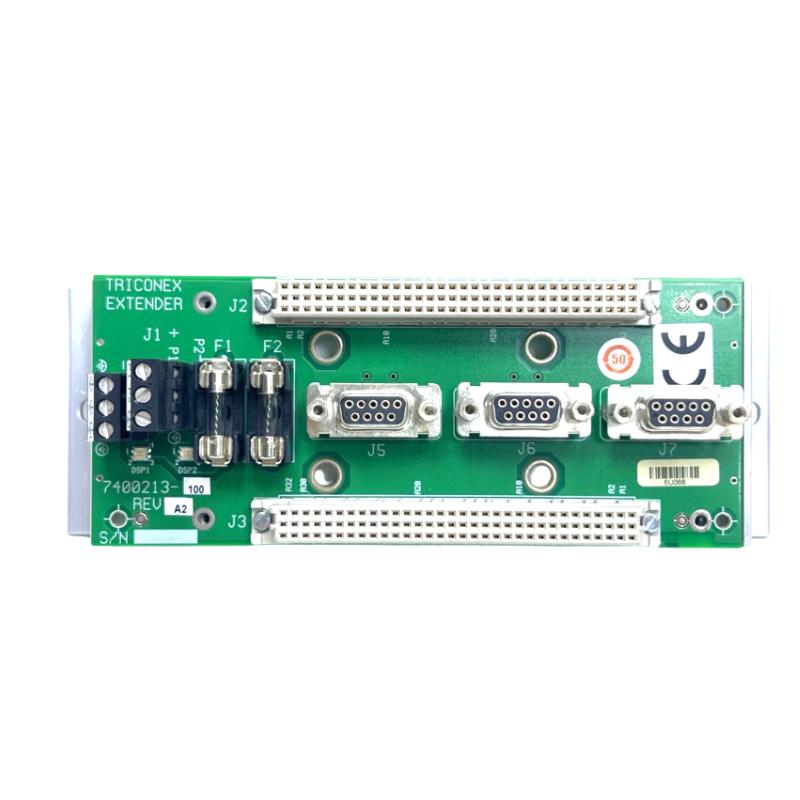
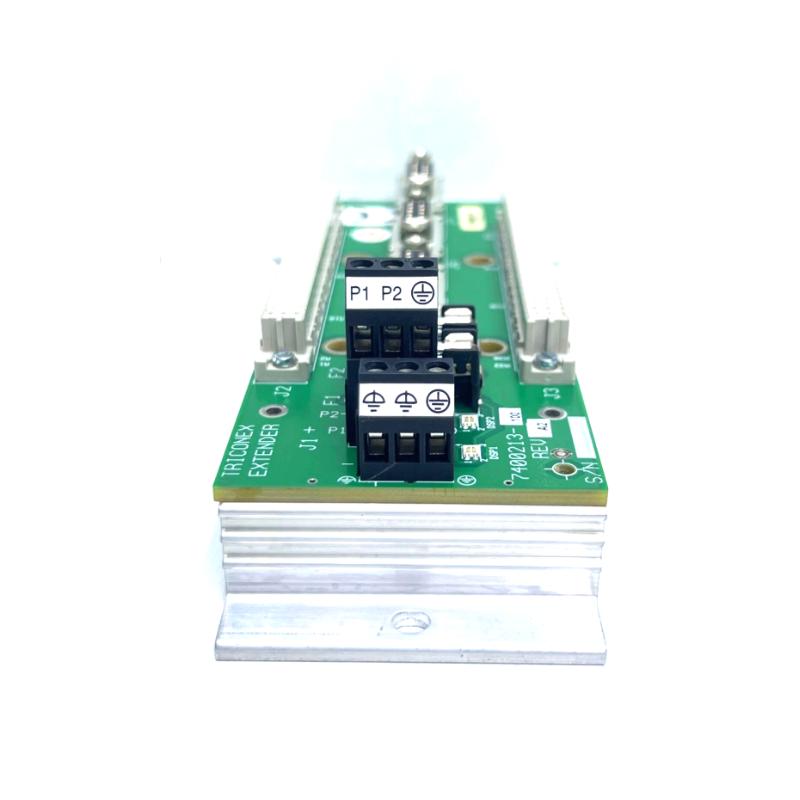
The Triconex 7400213-100 Extended Communication Module is a high-reliability industrial communication interface designed for Safety Instrumented Systems (SIS) and advanced automation architectures. It enables extended data exchange capabilities between controllers, I/O subsystems, and external industrial networks, ensuring stable and secure communication in mission-critical environments.
This module is engineered for applications that require enhanced connectivity, robust data handling, and continuous real-time system communication across distributed control systems.
Technical Specifications
| Parameter | Details |
|---|---|
| Manufacturer | Triconex |
| Part Number | 7400213-100 |
| Product Type | Extended Communication Module |
| Function | Advanced system communication and data exchange |
| Communication Role | Extended network and subsystem integration |
| Protocol Support | Industrial protocols (system dependent) |
| Data Handling | Real-time control and monitoring data |
| Dimensions | 230 × 247 × 42 mm |
| Weight | 1.3 kg |
| Installation Type | Rack / control cabinet mounting |
| Application | Industrial automation and SIS systems |
| Environment | Industrial-grade, high-reliability operation |
Function and Working Principle
The Triconex 7400213-100 Extended Communication Module functions as a communication expansion unit within a Triconex system architecture. It enhances the system’s ability to exchange data across multiple controllers, subsystems, and external networks.
Key working principles include:
- Extending communication capacity between system modules
- Enabling high-speed and reliable data transmission
- Supporting real-time monitoring and control communication
- Ensuring deterministic and synchronized data exchange
This allows distributed systems to operate as a unified and coordinated control environment.
Role in Industrial Control Systems
In a Safety Instrumented System (SIS) or distributed control architecture, the 7400213-100 module acts as an extended communication layer that enhances system connectivity and scalability.
Its key roles include:
- Expanding communication bandwidth across system nodes
- Supporting integration between SIS and plant-wide systems
- Facilitating real-time operational data exchange
- Improving system interoperability and scalability
This ensures seamless coordination between safety systems and broader automation networks.
Industrial Applications
The Triconex 7400213-100 Extended Communication Module is widely used in industries requiring advanced system integration and reliable communication, including:
- Oil and gas upstream and downstream operations
- Petrochemical and chemical processing plants
- Power generation and utility systems
- Offshore platforms and marine control systems
- Industrial automation and distributed control systems
- Safety Instrumented Systems (SIS)
- SCADA and plant-wide monitoring systems
Installation and Integration
For optimal performance, the module should be:
- Installed in industrial control racks or SIS cabinets
- Integrated with Triconex controllers and I/O modules
- Connected to plant communication networks and SCADA systems
- Properly grounded to ensure signal stability
- Configured according to system communication architecture
Proper installation ensures reliable extended communication performance and system stability.
Compatible System Components
The Triconex 7400213-100 integrates with:
- Triconex safety controllers and processors
- Analog and digital I/O modules
- Communication and network interfaces
- SCADA and distributed control systems
- Terminal panels and field interface systems
These components together form a fully integrated industrial automation ecosystem.
Recommended Alternative Models
| Model | Type | Key Feature | Application |
|---|---|---|---|
| 7400145-200 | Communication Module | Standard communication interface | SIS systems |
| 4400 | Communication Module | High-capacity data handling | Plant-wide integration |
| 4409 | Communication Module | Redundant communication support | Critical systems |
| 4500 | Communication Module | Stable network communication | Process control |
| 4507 | Highway Interface Module | System-level communication bridge | Integrated automation |
Key Advantages
- Enhanced communication capacity for complex systems
- Reliable real-time data transmission
- Supports distributed system integration
- Improves scalability of SIS architectures
- Designed for industrial-grade environments
- Strong compatibility with Triconex systems
Technical FAQs
What is the main function of the Triconex 7400213-100?
It extends communication capabilities between system modules and industrial networks.
Is it suitable for Safety Instrumented Systems?
Yes, it is designed specifically for SIS and industrial automation environments.
What systems does it connect to?
It connects controllers, I/O modules, SCADA systems, and plant-wide networks.
Conclusion
The Triconex 7400213-100 Extended Communication Module is a critical component for expanding and enhancing industrial communication capabilities. It ensures reliable, real-time data exchange across distributed systems, supporting scalable and highly integrated Safety Instrumented System architectures.