
NewsNEWCENTER
Featured products
Contact Us
Siemens Expands Digital Twin and Industrial AI Technologies to Accelerate Smart Manufacturing
2026-09-07Intelligent Engineering Platforms Help Manufacturers Improve Productivity, Flexibility and Operational Excellence
Manufacturers around the world are rapidly embracing digital transformation as they seek to improve efficiency, reduce production costs and respond more quickly to changing market demands. Siemens continues to strengthen its position in industrial automation by expanding digital twin technology, Industrial AI and intelligent engineering platforms that support the next generation of smart manufacturing. These initiatives align with the company’s broader strategy of integrating AI throughout the industrial lifecycle—from engineering and simulation to production and maintenance.
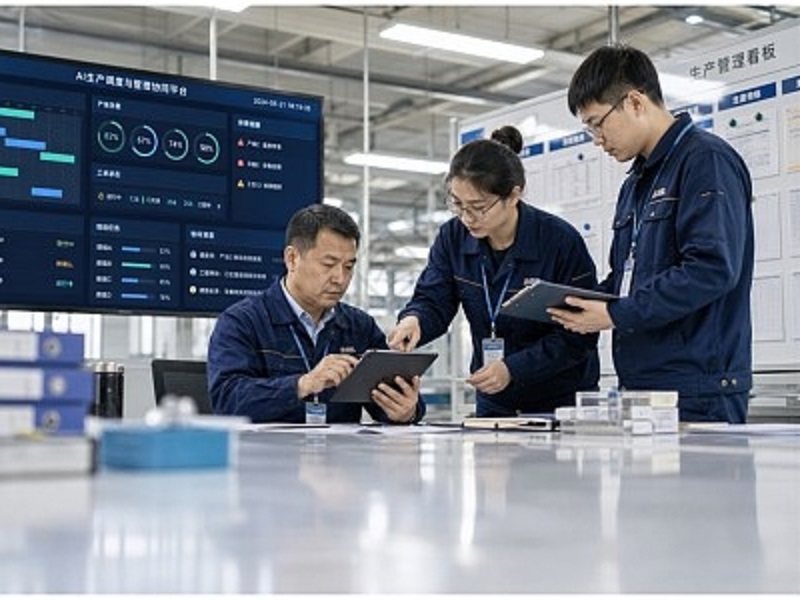
One of the most significant trends in modern manufacturing is the increasing use of digital twins. Instead of testing production changes directly on physical equipment, manufacturers can build virtual models of machines, production lines and entire factories. Engineers can simulate operating conditions, evaluate new production strategies and identify potential issues before making changes on the shop floor. This approach reduces commissioning time, minimizes engineering risks and improves overall project efficiency.
Industrial AI is becoming another important driver of manufacturing innovation. Modern automation systems generate enormous volumes of operational data from PLCs, sensors, motion control systems and industrial networks. AI-powered software can analyze this information to detect production trends, identify equipment abnormalities and recommend process improvements. By transforming raw production data into actionable insights, manufacturers can make faster and more informed operational decisions. Siemens has recently introduced additional Industrial AI capabilities designed to automate engineering tasks and improve manufacturing performance.
Connected automation is also reshaping factory operations. Production equipment, industrial robots, drives, HMIs and control systems are increasingly integrated through high-speed industrial communication networks. Operators can monitor equipment status, production efficiency and energy consumption from centralized control platforms, improving visibility across the entire manufacturing process.
Predictive maintenance continues to gain momentum as companies seek to reduce unplanned downtime. Continuous monitoring of machine condition allows maintenance teams to identify abnormal vibration, temperature or performance trends before equipment failures occur. Rather than relying on fixed maintenance schedules, manufacturers are using real-time operational data to optimize maintenance planning and extend equipment service life.
Flexible manufacturing has become a strategic priority for many industries. As product lifecycles become shorter and customer demand becomes more customized, production systems must adapt quickly to changing requirements. Modular automation platforms and software-defined engineering allow manufacturers to expand production capacity, integrate new equipment and modify production lines with minimal disruption.
Energy efficiency is another important focus. Intelligent drive systems, automated energy monitoring and optimized machine control help reduce electricity consumption while maintaining consistent production performance. Detailed energy analytics also provide manufacturers with valuable information for achieving sustainability goals and improving overall operational efficiency.
Remote engineering capabilities continue to improve collaboration across multiple production sites. Engineers can access machine diagnostics, software configurations and production reports from centralized engineering centers, allowing faster technical support and more efficient troubleshooting. This capability is especially valuable for manufacturers operating global production networks.
Cybersecurity remains a critical consideration as industrial systems become increasingly connected. Manufacturers are implementing stronger access controls, network segmentation and secure communication protocols to protect critical automation infrastructure while maintaining reliable production operations.
Looking ahead, the combination of digital twins, Industrial AI, intelligent automation and connected engineering platforms will continue to transform manufacturing worldwide. Companies investing in these technologies will be better positioned to improve productivity, accelerate innovation and strengthen long-term competitiveness.
As the manufacturing industry moves toward more intelligent and data-driven operations, Siemens continues to support this transformation through advanced digital engineering, AI-enabled automation and integrated software platforms that help manufacturers build smarter, more efficient and more resilient factories.