
NewsNEWCENTER
Featured products
Contact Us
Siemens Continues Advancing Industrial Automation Through Digital Transformation and Intelligent Manufacturing
2026-07-15The global manufacturing industry is experiencing a major transformation as companies accelerate the adoption of intelligent automation, industrial software, and digital production technologies.
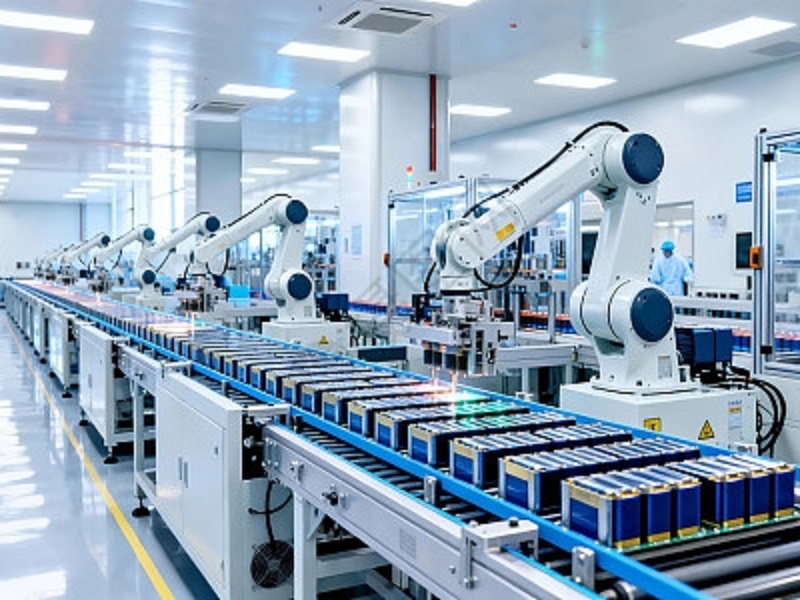
Manufacturers across industries such as automotive, electronics, energy, food processing, pharmaceuticals, and industrial machinery are facing increasing demands for higher productivity, improved quality, reduced operating costs, and greater production flexibility.
To meet these challenges, industrial companies are upgrading traditional automation systems and moving toward connected manufacturing environments based on advanced PLC technology, industrial networking, edge computing, and data-driven solutions.
Siemens continues to play an important role in this transformation by developing automation technologies that combine reliable industrial control with digital intelligence.
The evolution of Siemens SIMATIC automation systems demonstrates how modern PLC technology is expanding beyond traditional machine control. Today, industrial controllers are becoming important components of smart factories, supporting real-time data processing, equipment monitoring, and integration with digital manufacturing platforms.
For manufacturers and system integrators worldwide, intelligent automation has become a key strategy for improving operational efficiency and maintaining competitiveness in an increasingly digital industrial market.
Industrial Automation Enters the Era of Smart Manufacturing
For decades, industrial automation systems have provided the foundation for modern manufacturing.
Traditional automation architectures mainly focused on:
- Machine control
- Production sequence management
- Process monitoring
- Equipment operation
Core technologies included:
- PLC controllers
- Human-machine interfaces
- Industrial sensors
- Motor drives
- Communication networks
These systems enabled factories to achieve higher production efficiency and improved reliability.
However, modern manufacturing requirements have changed significantly.
Companies now need automation systems that can provide:
- Real-time production information
- Faster response to equipment problems
- Flexible production adjustment
- Advanced operational analysis
- Improved energy management
This has accelerated the development of smart factory technologies.
A smart factory is not only a place where machines operate automatically. It is a connected production environment where equipment, control systems, software platforms, and operational data work together.
Siemens SIMATIC PLC Technology Remains a Core Industrial Automation Solution
PLC technology continues to be one of the most important foundations of industrial automation.
Siemens SIMATIC PLC systems are widely used across global manufacturing industries because of their reliability, scalability, and integration capabilities.
PLC controllers are responsible for managing critical industrial operations, including:
- Machine sequencing
- Motion coordination
- Equipment communication
- Production monitoring
- Automation process control
Modern PLC systems have evolved significantly compared with earlier generations.
Today’s industrial controllers provide advanced capabilities such as:
- High-speed processing
- Industrial communication
- Remote diagnostics
- Data exchange
- Integration with automation software
This allows PLC systems to become more than simple control devices.
They are becoming intelligent automation platforms that support digital manufacturing strategies.
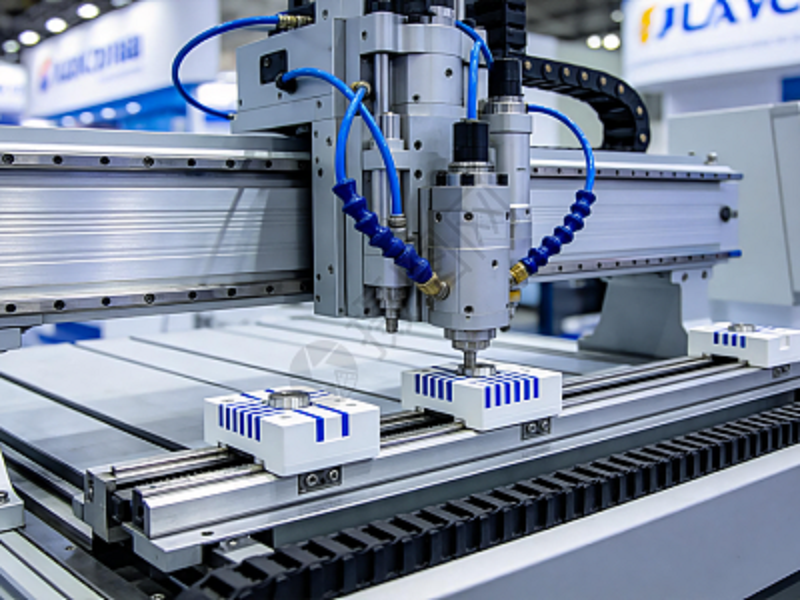
PLC Systems Become Important Data Sources in Smart Factories
One of the biggest changes in modern automation is the increasing importance of industrial data.
Every production process generates large amounts of information from:
- Sensors
- Machines
- Controllers
- Drives
- Production systems
In traditional factories, much of this information was used only for basic control.
Smart manufacturing changes this approach.
Industrial data can now be used to improve:
- Production efficiency
- Equipment reliability
- Maintenance planning
- Product quality
- Energy consumption
PLC systems play an important role because they are directly connected to production equipment.
A PLC-controlled machine can provide valuable information about:
- Operating conditions
- Production cycles
- Equipment status
- Process performance
This information helps manufacturers understand their operations and identify improvement opportunities.
Industrial Edge Technology Brings Intelligence Closer to Production
As industrial systems become more connected, companies need faster and more efficient ways to process operational data.
Industrial Edge technology provides a solution by enabling data processing closer to production equipment.
Instead of sending all information to centralized systems, edge computing allows industrial data to be analyzed near the machines where it is generated.
This provides several advantages:
Faster Data Processing
Real-time industrial applications require rapid response.
Edge technologies reduce delays by processing information closer to automation equipment.
Improved Operational Decisions
Engineers can receive faster insights into equipment conditions and production performance.
Reduced Data Management Challenges
Local data processing helps companies manage large volumes of industrial information more efficiently.
Industrial Edge represents an important development direction for future automation systems.
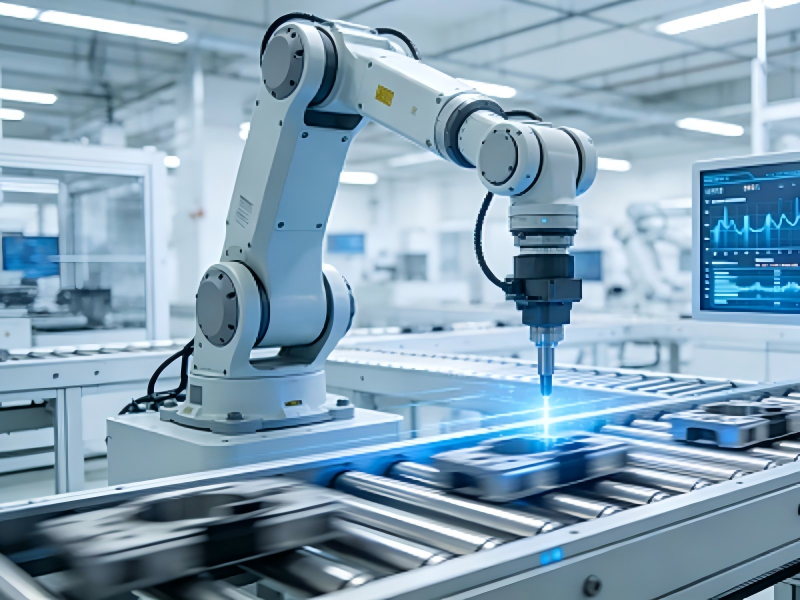
Digital Transformation Improves Factory Efficiency
Digital transformation is changing how manufacturers operate their facilities.
Modern factories are increasingly integrating:
- PLC systems
- Industrial networks
- Software platforms
- Data analytics
- Digital engineering tools
This integration creates a more transparent production environment.
Manufacturers can monitor:
- Production output
- Equipment utilization
- Quality performance
- Energy consumption
With better information, companies can make more accurate decisions.
For example:
Production managers can identify efficiency problems.
Maintenance teams can detect equipment risks.
Engineers can optimize machine performance.
This continuous improvement approach is becoming a key feature of smart manufacturing.
Predictive Maintenance Becomes a Major Automation Trend
Unexpected equipment failures remain one of the biggest challenges for industrial companies.
Production downtime can result in:
- Financial losses
- Delayed deliveries
- Increased maintenance costs
- Reduced productivity
Modern automation technologies support predictive maintenance strategies by analyzing equipment conditions.
Data collected from:
- PLC systems
- Sensors
- Drives
- Motors
- Industrial machines
can help identify abnormal operating patterns.
Predictive maintenance allows companies to:
- Detect problems earlier
- Schedule maintenance activities
- Reduce unexpected shutdowns
- Extend equipment lifecycle
As industrial automation becomes more intelligent, predictive maintenance will continue becoming an essential capability.
Industrial Communication Supports Connected Automation
Smart manufacturing depends on reliable communication between different industrial systems.
Modern production environments require connections between:
- PLC controllers
- Remote I/O modules
- Motion systems
- Robots
- Sensors
- Software platforms
Industrial communication technologies allow these systems to exchange information efficiently.
Benefits include:
- Improved system coordination
- Faster diagnostics
- Better production visibility
- Easier system integration
For automation engineers, knowledge of industrial networking has become increasingly important.
Future automation projects require expertise in:
- PLC programming
- Network configuration
- System integration
- Digital technologies
Siemens Automation Supports Flexible Manufacturing Development
Manufacturing markets are becoming more dynamic.
Companies need production systems that can adapt quickly to:
- New product designs
- Smaller production batches
- Customized requirements
- Changing customer demand
Traditional production systems often require significant modification when production requirements change.
Smart automation provides greater flexibility.
Connected automation systems allow manufacturers to:
- Adjust production parameters faster
- Monitor processes in real time
- Improve production scheduling
- Reduce engineering time
This flexibility is especially valuable in industries such as:
- Automotive manufacturing
- Electronics production
- Consumer products
- Precision equipment
Challenges During Industrial Digital Transformation
Although intelligent automation provides many advantages, companies must also address several challenges.
Legacy System Integration
Many factories continue operating older automation equipment.
Connecting existing systems with modern digital platforms requires careful planning and engineering expertise.
Cybersecurity Requirements
Connected industrial systems create new cybersecurity requirements.
Manufacturers need to protect:
- Automation networks
- Production data
- Industrial communication systems
Technical Skills Development
Modern automation requires engineers with broader technical knowledge.
Important skills include:
- PLC programming
- Industrial communication
- Software integration
- Data analysis
- Smart manufacturing technologies
Future Outlook: Intelligent PLC Systems Will Drive the Next Generation of Factories
The future of industrial automation will depend on intelligent, connected, and flexible control systems.
Manufacturers will continue adopting:
- Advanced PLC technologies
- Industrial Edge solutions
- Industrial IoT
- Digital production platforms
- Intelligent maintenance strategies
Siemens SIMATIC automation technology reflects the broader evolution of industrial control systems toward smarter manufacturing environments.
As global industries continue modernizing their factories, intelligent automation will remain a critical factor in improving efficiency, reliability, and competitiveness.
The combination of PLC control, digital technologies, and industrial data analysis will continue shaping the future of manufacturing.
Conclusion
Industrial automation is moving from traditional machine control toward intelligent digital ecosystems.
Siemens SIMATIC PLC systems and industrial digital technologies demonstrate how modern automation solutions can support smarter, more connected, and more efficient factories.
By combining reliable control technology with industrial data processing, edge computing, and digital manufacturing concepts, companies can improve production performance and create more flexible operations.
As manufacturers worldwide continue their digital transformation journey, intelligent automation systems will remain a fundamental technology driving the future of industrial development.