

ProductPRODUCT
Featured products
Contact Us
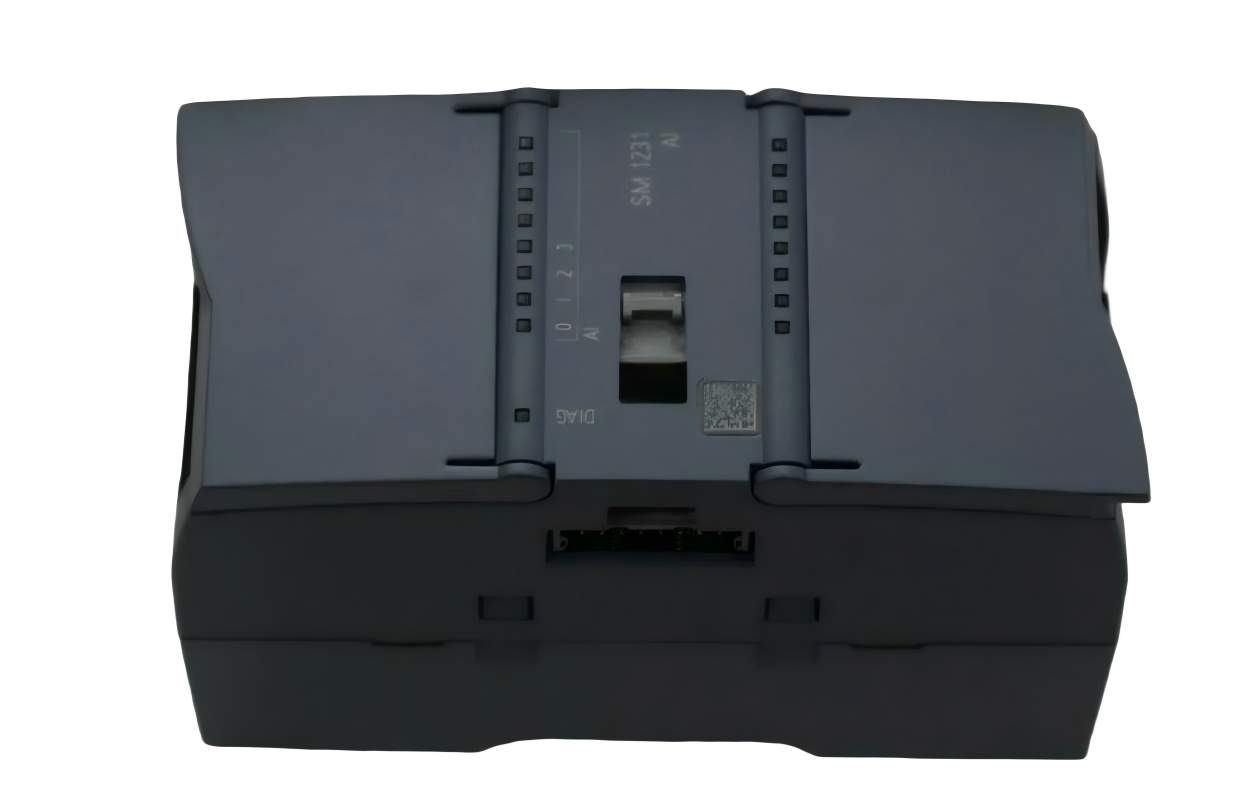
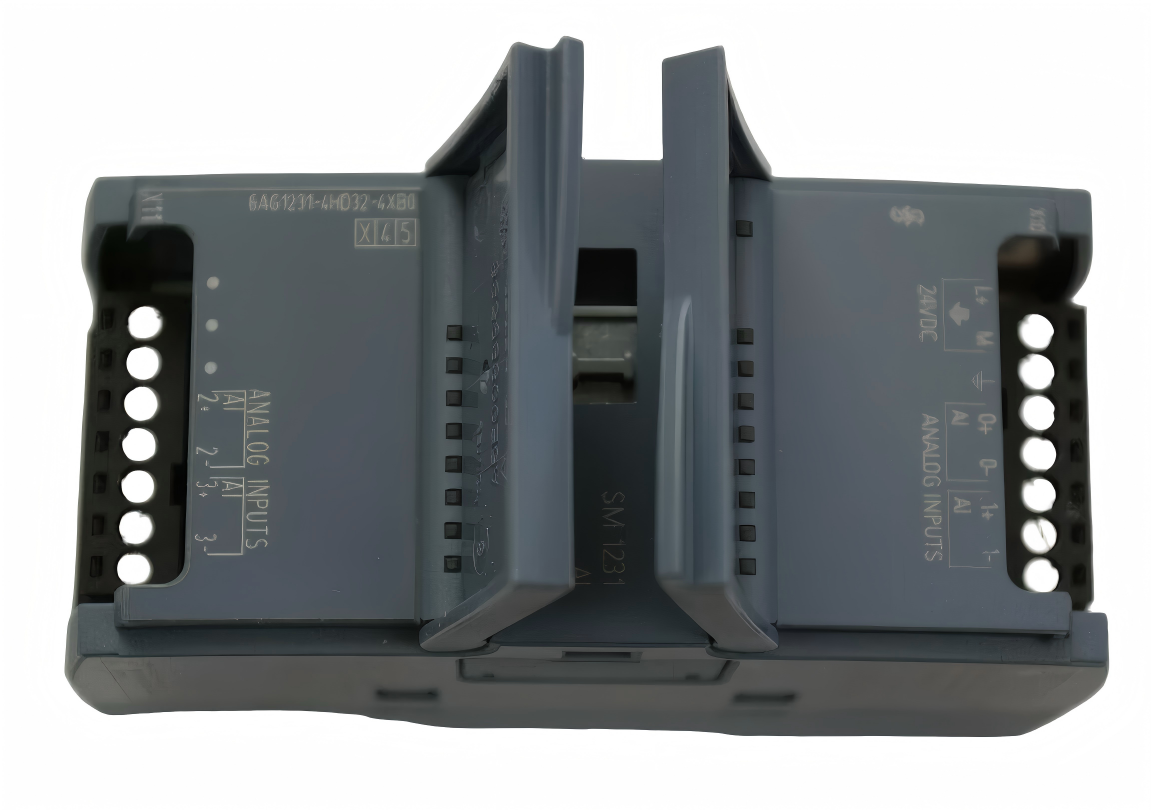
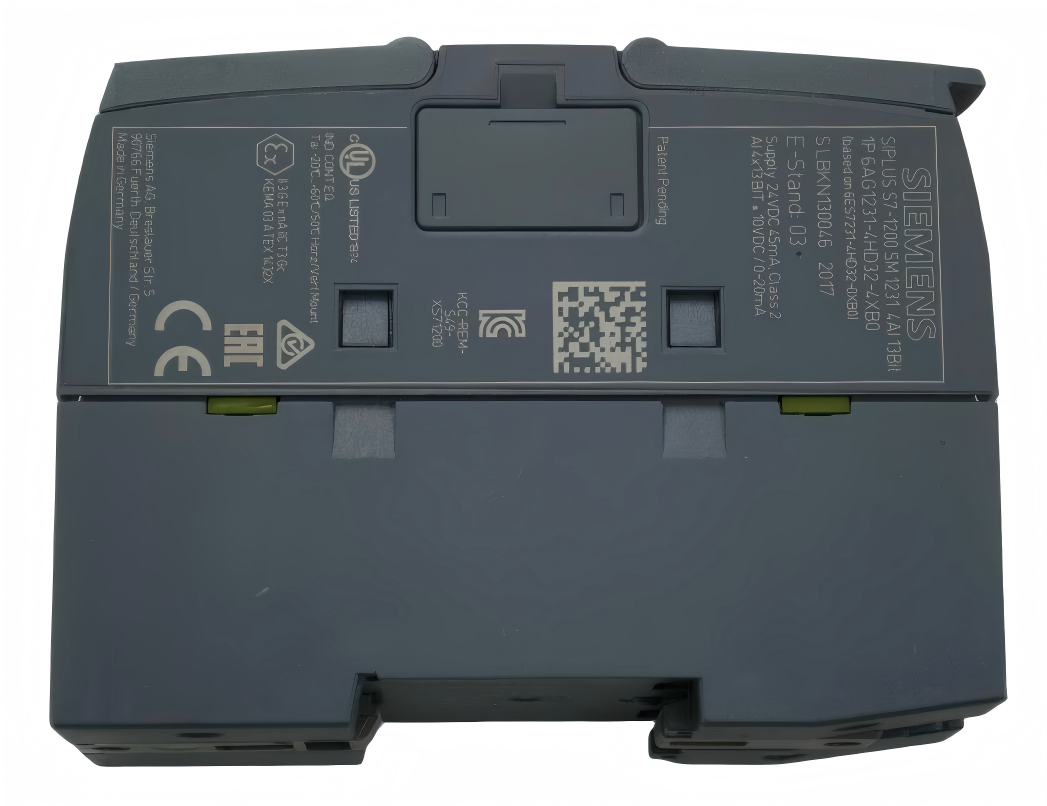
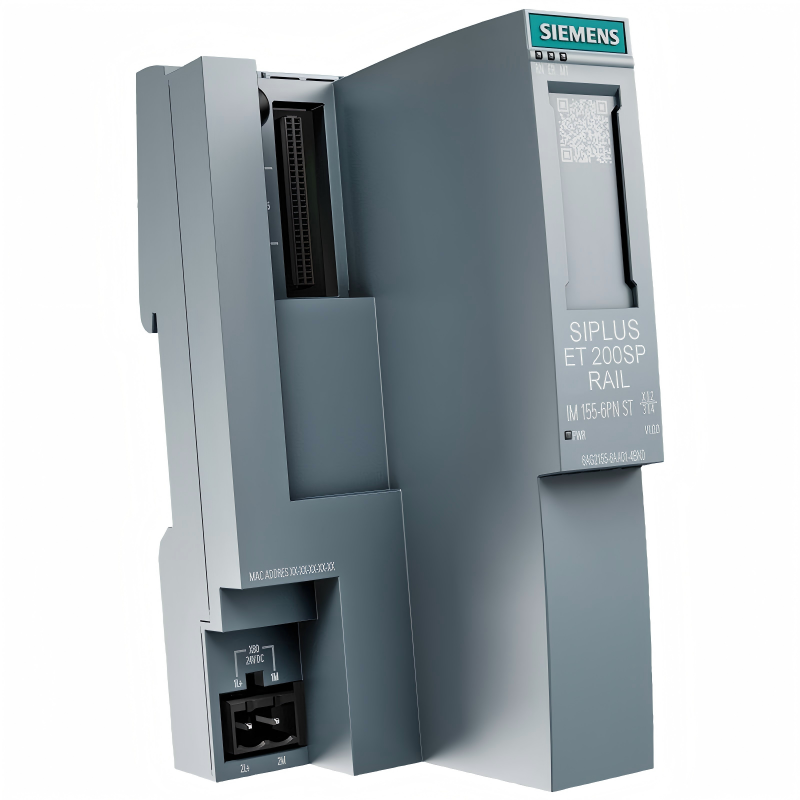
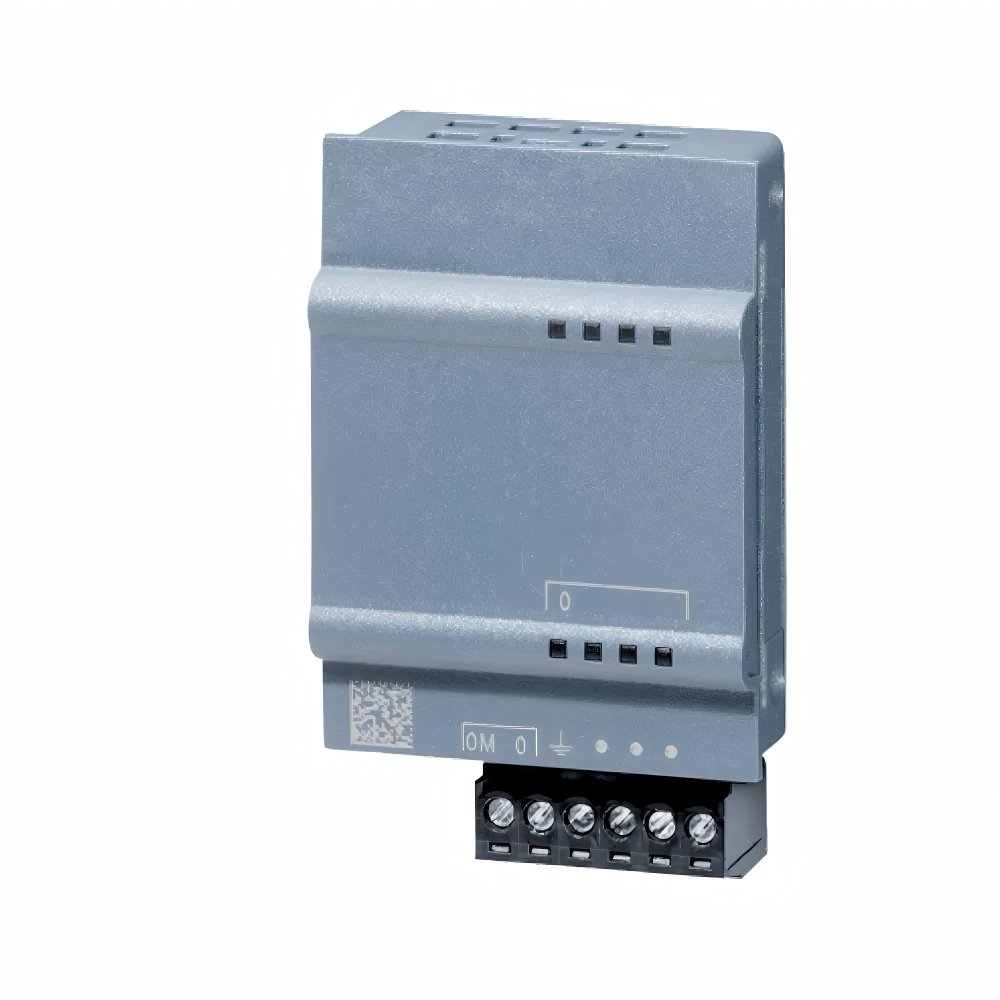
- Siemens
- 6AG1231-5PF32-2XB0
- SIPLUS S7-1200 SM 1231
- Germany
- 70 × 100 × 75 mm
- 0.22kg
- Xiamen, China
- New & In Stock
- T/T, PayPal, Western Union
- 1 Year
- 1-3 Working Days
- DHL, UPS, TNT, FedEx and EMS.
- 24-Hour Service
- COO
- 4
Our advantage

Global Logistics
We have a 10-year logistics and express cooperation agreement, so our products can be shipped to any place in the world.

Brand new and original
Our products are imported in bulk from the place of origin. Because of the cooperative relationship, our products are all original and 100% new.

24-hour service
We provide 7*24 hours service to our customers. We will be there whenever you need us.

Price advantage
All our products are priced very favorably because we have our own warehouse and supply.
| Company Information | |||
| [email protected] | |||
| Mobile | +8615980777398 | ||
| +8615980777398 | |||
| 15980777398 |
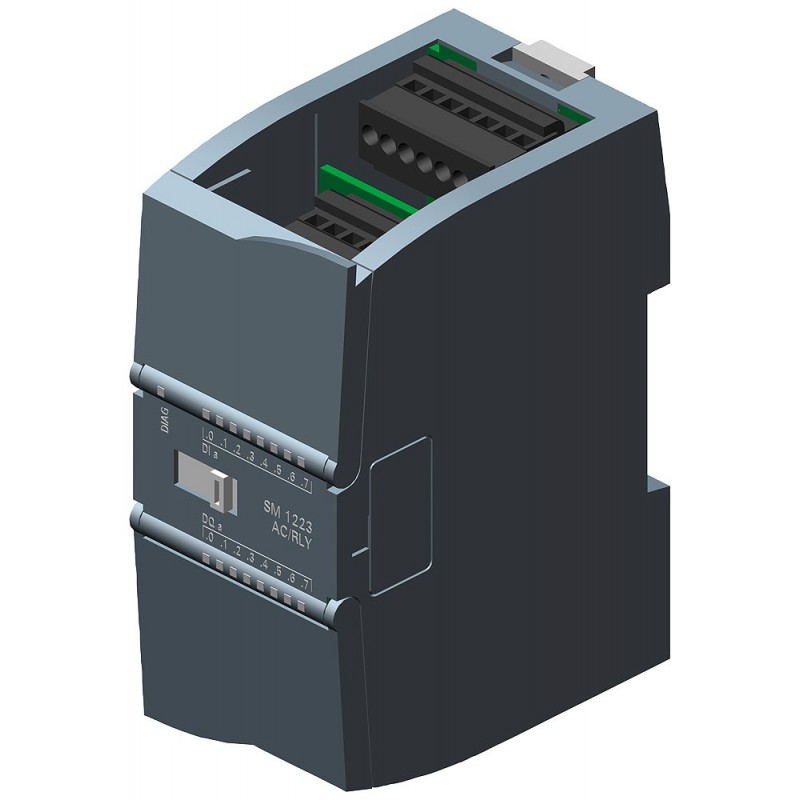
Siemens 6AG1231-5PF32-2XB0 — SIPLUS S7-1200 SM 1231 RTD Analog Input Module
1. Product Introduction
The 6AG1231-5PF32-2XB0 is a SIPLUS S7-1200 SM 1231 RTD analog input module designed for accurate temperature acquisition in industrial automation systems. It provides eight analog input channels for resistance temperature detectors (RTDs), allowing a compatible programmable logic controller (PLC) to monitor temperatures at multiple locations within a machine or process.
The module is based on the standard 6ES7231-5PF32-0XB0 design and features conformal-coated electronics for applications that require additional environmental protection. Its extended operating-temperature range makes it suitable for installations exposed to wider temperature fluctuations and certain industrial contaminants, provided the actual conditions remain within the product’s specified limits.
Unlike a general-purpose voltage or current input module, this device is designed for resistance-based temperature measurement. Compatible RTD sensors connect to the module, which converts their resistance measurements into digital values for use by the PLC.
With eight RTD channels in one module, the 6AG1231-5PF32-2XB0 is well suited to applications that require temperature monitoring at several points, such as industrial machinery, heating and cooling systems, process equipment, production lines, and utility installations.
Its principal advantages are the high channel count, compact modular format, compatibility with the S7-1200 platform, conformal-coated electronics, and extended environmental operating range.
2. Brand and Product Series
| Item | Specification |
|---|---|
| Model number | 6AG1231-5PF32-2XB0 |
| Brand | Siemens |
| Product family | SIPLUS |
| Automation platform | SIMATIC S7-1200 |
| Product series | SM 1231 RTD signal module |
| Module type | Analog input module for resistance temperature detectors |
| Standard base model | 6ES7231-5PF32-0XB0 |
| Number of analog inputs | 8 |
| Input type | RTD and supported resistance measurements |
| Rated supply voltage | 24 V DC |
| Conformal coating | Yes |
| Operating temperature | -40 °C to +70 °C |
| Minimum startup temperature | -25 °C |
| Protection rating | IP20 |
| Dimensions (W × H × D) | 70 × 100 × 75 mm |
| Approximate net weight | 0.289 kg |
| Front connector | Required |
| Typical installation | Industrial control cabinet or suitable protected enclosure |
3. Detailed Technical Parameters
3.1 General Technical Specifications
| Parameter | Specification |
|---|---|
| Model number | 6AG1231-5PF32-2XB0 |
| Product designation | SM 1231, AI 8 × 16-bit RTD |
| Product category | RTD analog input module |
| Number of analog inputs | 8 |
| Measurement principle | Resistance-based temperature measurement |
| Standard base model | 6ES7231-5PF32-0XB0 |
| Rated supply voltage | 24 V DC |
| Typical current consumption | 40 mA |
| Typical current consumption from 5 V DC backplane bus | 80 mA |
| Typical power dissipation | 1.5 W |
| Maximum resolution including sign | 15 bits + sign |
| Temperature measurement units | °C or °F |
| Input voltage measurement mode | Not supported as a normal measurement mode |
| Input current measurement mode | Not supported as a normal measurement mode |
| Thermocouple measurement mode | Not supported |
| Resistance measurement | Supported |
| RTD sensor connection | 2-wire, 3-wire, or 4-wire, according to the supported configuration |
| Diagnostics | Supported |
| Diagnostic alarms | Supported |
| Wire-break diagnostics | Supported for applicable configurations |
| Supply-voltage monitoring | Supported |
| Protection rating | IP20 |
| Front connector | Required |
The module is intended for resistance-based temperature acquisition. It should not be selected as a direct replacement for a general-purpose analog input module used for 0–10 V or 4–20 mA signals unless the overall signal-conditioning arrangement is specifically designed for that purpose.
3.2 Supported RTD Sensors and Resistance Ranges
| Parameter | Specification |
|---|---|
| Model number | 6AG1231-5PF32-2XB0 |
| Platinum sensor types | Pt10, Pt50, Pt100, Pt200, Pt500, Pt1000 |
| Nickel sensor types | Ni100, Ni120, Ni200, Ni500, Ni1000 |
| Additional nickel sensor type | LG-Ni1000 |
| Copper sensor types | Cu10, Cu50, Cu100 |
| Resistance measurement ranges | 0–150 Ω, 0–300 Ω, 0–600 Ω |
| Common industrial sensor | Pt100 |
| Other widely used sensor | Pt1000 |
| Temperature unit selection | Celsius or Fahrenheit |
| Sensor configuration | Must match the connected sensor |
| Wiring options | 2-wire, 3-wire, or 4-wire, according to the supported setup |
| Number of RTD channels | 8 |
| Voltage input | Not available as a normal measurement function |
| Current input | Not available as a normal measurement function |
| Thermocouple input | Not available |
The available sensor types and resistance ranges provide flexibility for different temperature measurement tasks. Pt100 sensors are commonly used in industrial processes, while Pt1000 sensors may be suitable for applications with different wiring and measurement requirements.
The actual sensor type and wiring arrangement must be selected according to the module configuration instructions and the sensor manufacturer’s specifications. Confirm whether the connected sensors must use the same sensor type across the channels for the intended configuration.
3.3 Electrical Characteristics and Power Requirements
| Parameter | Specification |
|---|---|
| Model number | 6AG1231-5PF32-2XB0 |
| Rated DC supply | 24 V DC |
| Typical current consumption from 24 V DC | 40 mA |
| Typical backplane current at 5 V DC | 80 mA |
| Typical power dissipation | 1.5 W |
| Number of input channels | 8 |
| Input signal principle | Resistance measurement |
| Permissible input voltage at the voltage-input destruction limit | ±35 V, as specified for the input circuitry |
| Temperature representation | °C or °F |
| Input channel diagnostics | Supported |
| Wire-break monitoring | Supported for applicable configurations |
| Supply-voltage monitoring | Supported |
| Front connector | Required |
| Protection rating | IP20 |
The ±35 V figure is a specified destruction-limit parameter, not an allowable operating voltage for measuring voltage signals. The module’s intended measurement function remains RTD and supported resistance measurement.
3.4 Measurement Performance
| Parameter | Specification |
|---|---|
| Model number | 6AG1231-5PF32-2XB0 |
| Number of RTD inputs | 8 |
| Maximum resolution including sign | 15 bits + sign |
| Measurement principle | Resistance-to-temperature conversion |
| Temperature units | °C or °F |
| Typical temperature error at 25 °C, relative to input range | ±0.1% |
| Temperature error across the specified extended temperature range, relative to the entire measuring range | ±0.4% |
| Repeat accuracy at steady state at 25 °C, relative to output range | 0.05% |
| Interference suppression | Specified at 50 Hz, 60 Hz, and 400 Hz |
| Common-mode interference suppression | Specified according to the module’s technical data |
| Cold-junction compensation | Not applicable to RTD measurement in the same manner as thermocouple measurement |
| Overall system accuracy | Depends on the sensor, wiring, configuration, and operating conditions |
Resolution, repeatability, and overall accuracy describe different properties. A high-resolution digital value does not automatically guarantee the same level of absolute temperature accuracy.
Actual results depend on the selected RTD sensor, lead resistance, wiring method, calibration, environmental temperature, and electrical interference. For critical process measurements, the complete sensor-and-module combination should be assessed rather than relying on resolution alone.
3.5 Environmental and Mechanical Specifications
| Parameter | Specification |
|---|---|
| Model number | 6AG1231-5PF32-2XB0 |
| Product family | SIPLUS |
| Conformal-coated electronics | Yes |
| Operating ambient temperature | -40 °C to +70 °C |
| Minimum startup temperature | -25 °C |
| Protection rating | IP20 |
| Front enclosure material | Plastic |
| Width | 70 mm |
| Height | 100 mm |
| Depth | 75 mm |
| Dimensions (W × H × D) | 70 × 100 × 75 mm |
| Approximate net weight | 0.289 kg |
| Installation format | S7-1200 expansion module |
| Front connector | Required |
| Installation environment | Suitable industrial control cabinet or protected enclosure |
| Environmental protection | Conformal coating and specified environmental tolerance |
The dimensions are the module’s mechanical dimensions, not its shipping-package dimensions. The stated net weight is approximately 0.289 kg. Packaging may increase both the shipping dimensions and the total shipping weight.
3.6 Conformal Coating and Environmental Protection
| Parameter | Specification |
|---|---|
| Model number | 6AG1231-5PF32-2XB0 |
| Conformal coating | Yes |
| PCB coating classification | Class 2 for high-reliability assemblies under the applicable specification |
| Protection against fouling | Type 1 protection under the applicable specification |
| Protection against chemically active substances | Supported within specified environmental classifications and limitations |
| Protection against mechanically active substances | Specified industrial classifications apply |
| Salt-spray and oil-related environmental classifications | Specified classifications apply, subject to stated limits |
| Protection rating | IP20 |
| Direct immersion in water | Not supported by the IP rating |
| Unrestricted outdoor installation | Not implied by conformal coating |
| Unused interfaces | Keep the supplied protective covers in place as required |
The conformal coating improves protection of the electronics against certain environmental contaminants. It does not make the module waterproof or suitable for unrestricted exposure to liquids, condensation, or chemicals.
The module must still be installed according to the environmental conditions and protective measures specified for the application. The actual chemical exposure, humidity, condensation risk, and enclosure design should be evaluated before installation.
4. Product Function and Operating Principle
The 6AG1231-5PF32-2XB0 measures the electrical resistance of compatible RTD sensors. Because the resistance of an RTD changes with temperature, the module can use the measured resistance and the selected sensor configuration to produce a digital temperature value.
The PLC receives the resulting measurement data and uses it within the control program. The data may be displayed on a human-machine interface, stored for trend analysis, compared with alarm thresholds, or used to control equipment.
For example, an industrial heating system may use several Pt100 sensors to monitor different heating zones. The module collects the temperature measurements, while the PLC program decides when to switch heaters, activate cooling, generate alarms, or stop a process.
The module itself is an input device. It does not independently operate heaters, pumps, valves, or motors. These functions require suitable controller logic and compatible output hardware.
5. Main Applications
5.1 Industrial Machine Temperature Monitoring
Industrial machines often contain several temperature-sensitive components. These may include motors, bearings, gearboxes, cooling passages, hydraulic equipment, and process tooling.
The eight-channel configuration allows temperature readings to be collected from multiple locations through one module. The PLC can compare the values with configured limits and trigger maintenance warnings or process responses when a temperature exceeds its permitted range.
This arrangement is useful for machines that need ongoing temperature supervision without installing a separate input module for each sensor.
5.2 Heating Systems and Thermal Processing
Heating equipment frequently requires temperature feedback at several points to maintain consistent process conditions.
The module can be used with compatible RTD sensors in industrial heaters, heating plates, thermal circulation systems, ovens, and temperature-controlled manufacturing equipment.
The PLC can use the measured values to regulate heating outputs, monitor the temperature difference between zones, and generate alarms when the process moves outside its required limits.
5.3 Cooling Systems and Heat Exchangers
Cooling systems may need to monitor inlet temperatures, outlet temperatures, equipment surface temperatures, and ambient or reference temperatures.
The module can acquire these measurements from compatible RTD sensors and pass the data to the PLC. The control program can then coordinate pumps, fans, valves, and other equipment to maintain the required thermal conditions.
5.4 Industrial Process Equipment
Process equipment may contain multiple tanks, pipes, heating zones, and circulation loops that require temperature monitoring.
The eight-channel design is useful when several measurement points must be integrated into a single automation system. The collected values can support process supervision, alarms, temperature-based sequencing, and production records.
5.5 Water Treatment and Utility Installations
Temperature measurement can be important in water circulation systems, storage tanks, treatment equipment, and industrial utility installations.
The module can be used to monitor several temperature points and provide information for operational control. Sensor selection and installation should be appropriate for the fluid, pipework, and environmental conditions.
5.6 Food and Beverage Production Equipment
Temperature control is commonly used in mixing tanks, thermal processing equipment, cooling circuits, storage vessels, and production machinery.
With compatible RTD sensors, the module can provide temperature data for process supervision and control. The sensors and their installation must independently meet the hygiene, cleaning, and process requirements of the facility.
5.7 Packaging and Assembly Machinery
Packaging and assembly machines may use temperature measurements for heated rollers, sealing stations, motors, tooling, and other machine components.
The eight input channels allow several temperature points to be monitored at once. This can help machine builders integrate temperature supervision into the overall control program without adding numerous separate modules.
5.8 Industrial Environments with Greater Temperature Variation
The specified operating range of -40 °C to +70 °C and the conformal-coated electronics make the module suitable for certain installations where ambient conditions vary more widely than in a conventional indoor control room.
The minimum startup temperature is -25 °C, which is a separate requirement from the operating-temperature range. The installation must also meet the applicable humidity, condensation, vibration, chemical exposure, and enclosure requirements.
6. Product Advantages
6.1 Eight RTD Input Channels
The module provides eight RTD inputs in one expansion unit. This is useful for applications that require several temperature measurements, such as multi-zone heating systems, process vessels, or machinery with multiple monitored components.
Combining eight inputs in one module can reduce the number of modules needed and help simplify control-panel design.
6.2 Dedicated RTD Measurement Capability
The module is designed specifically for resistance temperature sensors. It supports a range of specified platinum, nickel, and copper sensor types, allowing the system designer to select a sensor suited to the application.
This dedicated function makes it appropriate for applications where RTD measurements are required rather than general voltage or current signals.
6.3 Extended Operating-Temperature Range
The specified operating range of -40 °C to +70 °C provides greater flexibility for industrial installations exposed to wider ambient temperature variation.
The separate minimum startup temperature of -25 °C must be observed when powering up the equipment.
6.4 Conformal-Coated Electronics
The coating provides additional protection for the electronic assemblies against certain environmental contaminants.
This feature can be useful in industrial environments where airborne contaminants, humidity, or other specified environmental factors may be concerns. The coating does not replace a suitable enclosure or correct installation practices.
6.5 Integration with the S7-1200 Platform
The module is part of the S7-1200 modular expansion system and is designed for integration with compatible controllers and engineering configurations.
This makes it a practical option for adding RTD measurement to a compatible machine or process-control system.
6.6 Multiple Supported Sensor Types
Support for multiple specified RTD types provides flexibility for new projects and some retrofit applications.
Common choices such as Pt100 and Pt1000 can be used where appropriate, provided the sensor and wiring configuration match the module’s supported settings.
6.7 Celsius and Fahrenheit Temperature Units
The module supports temperature representation in Celsius or Fahrenheit. This is useful for applications where engineering documentation, operator displays, or production requirements use different temperature units.
The PLC program and operator interface should use consistent units to avoid errors in interpreting the measurement values.
6.8 Diagnostic Capabilities
Diagnostic functions can help identify certain wiring, sensor, supply, or module-related problems. Depending on the configured application, these features can make troubleshooting more efficient and help maintenance personnel locate the affected channel.
The exact diagnostic behavior depends on the sensor type, wiring arrangement, and system configuration.
6.9 Compact Modular Installation
The module measures approximately 70 × 100 × 75 mm and weighs approximately 0.289 kg.
Its modular form factor is useful for control cabinets that require multiple I/O functions. Sufficient clearance must still be allowed for the front connector, wiring, and maintenance access.
6.10 Suitable for Multi-Point Temperature Supervision
Eight input channels can be particularly helpful when an application needs to monitor several process locations at the same time.
For example, a machine may use multiple temperature readings to compare heating zones, monitor a cooling circuit, and track equipment temperatures within one controller-based system.
7. Installation and Commissioning Recommendations
7.1 Confirm Controller Compatibility
Before purchasing, verify compatibility with the installed S7-1200 CPU, firmware, engineering software, and hardware configuration.
Check that the system has sufficient expansion capacity and that the available power budget accommodates the complete installation.
7.2 Configure the Sensor Correctly
Select the correct RTD type and measurement settings for each supported input configuration. Incorrect settings can lead to inaccurate temperature values or diagnostic messages.
Where the application uses several sensor types, verify the module’s channel-configuration rules before finalizing the design.
7.3 Use the Correct Wiring Arrangement
Follow the module and sensor wiring instructions. The supported 2-wire, 3-wire, or 4-wire arrangement should be selected according to the sensor, the permitted configuration, and the required measurement performance.
Pay particular attention to lead resistance, connection quality, shielding, grounding, and the routing of sensor cables near power conductors.
7.4 Maintain Suitable Environmental Conditions
Install the module in an appropriate control cabinet or protected enclosure. Keep the ambient temperature within the specified operating range and observe the minimum startup temperature.
Do not assume that conformal coating makes the unit waterproof or suitable for direct exposure to liquids.
7.5 Verify Measurements During Commissioning
After installation, check the temperature values reported by all eight channels. Where practical, compare readings against a known reference or calibrated instrument.
Confirm that each channel is associated with the correct physical sensor and that the PLC program uses the correct units and scaling.
7.6 Test Alarms and Control Logic
If the application uses temperature thresholds, test the configured alarm limits, response delays, hysteresis, and control actions.
Any temperature-related shutdown or protective function should be validated as part of the complete machine or process commissioning procedure.
8. Five Related Models in the Same Series or Product Range
The following models are useful for comparing RTD input counts, environmental requirements, and standard versus SIPLUS versions.
| Model | Product type and main parameters | Operating temperature | Dimensions (W × H × D) | Weight (kg) |
|---|---|---|---|---|
| 6AG1231-5PF32-2XB0 | SIPLUS SM 1231 RTD; 8 RTD inputs; conformal coating; extended-temperature version | -40 °C to +70 °C; startup -25 °C | 70 × 100 × 75 mm | 0.289 |
| 6AG1231-5PF32-4XB0 | SIPLUS SM 1231 RTD; 8 RTD inputs; conformal coating; standard SIPLUS temperature variant | -20 °C to +60 °C | 70 × 100 × 75 mm | Verify exact value |
| 6AG1231-5PD32-2XB0 | SIPLUS SM 1231 RTD; 4 RTD inputs; conformal coating; extended-temperature version | -40 °C to +70 °C; startup -25 °C | 45 × 100 × 75 mm | Verify exact value |
| 6AG1231-5PD32-4XB0 | SIPLUS SM 1231 RTD; 4 RTD inputs; conformal coating; standard SIPLUS temperature variant | -20 °C to +60 °C | 45 × 100 × 75 mm | Verify exact value |
| 6ES7231-5PF32-0XB0 | Standard SM 1231 RTD module; 8 RTD inputs; standard environmental version | Verify standard model specification | 70 × 100 × 75 mm | Verify exact value |
8.1 Comparison of the Related Models
6AG1231-5PF32-2XB0 is the appropriate choice when eight RTD input channels and the extended-temperature SIPLUS specification are required.
6AG1231-5PF32-4XB0 provides eight RTD channels in a SIPLUS version intended for a -20 °C to +60 °C operating range.
6AG1231-5PD32-2XB0 provides four RTD channels with the extended-temperature specification. It may be a more economical choice when fewer temperature measurements are required.
6AG1231-5PD32-4XB0 offers four RTD channels for installations within its specified environmental range.
6ES7231-5PF32-0XB0 is the standard eight-channel RTD counterpart. It can be considered when the standard environmental specification is sufficient.
The models should not be treated as interchangeable solely because their product names are similar. Channel count, operating temperature, startup conditions, coating, and controller compatibility should all be checked before substitution.
9. Five Popular Related Models from the Same Brand
The following products cover common controller and I/O functions used alongside RTD modules in industrial automation systems. Their specifications differ by exact hardware variant, so electrical ratings and mechanical details should be confirmed before ordering.
| Model | Product type and main parameters | Typical application | Dimensions (W × H × D) | Weight (kg) |
|---|---|---|---|---|
| 6ES7214-1AG40-0XB0 | SIMATIC S7-1200 CPU 1214C; central controller with integrated I/O | Main machine controller and process logic | Verify exact value | Verify exact value |
| 6ES7215-1AG40-0XB0 | SIMATIC S7-1200 CPU 1215C; central controller with integrated I/O and communication capabilities | Machine control and system integration | Verify exact value | Verify exact value |
| 6ES7221-1BH32-0XB0 | SM 1221 digital input expansion module | Collecting switch, pushbutton, and digital sensor signals | Verify exact value | Verify exact value |
| 6ES7222-1BH32-0XB0 | SM 1222 digital output expansion module | Controlling compatible digital loads and indicators | Verify exact value | Verify exact value |
| 6ES7231-4HF32-0XB0 | SM 1231 analog input module for compatible analog signals | Acquiring process signals from suitable transmitters | Verify exact value | Verify exact value |
9.1 CPU 1214C — 6ES7214-1AG40-0XB0
The CPU 1214C is a central controller option for an S7-1200 automation system. It executes the PLC program, processes input data, and coordinates the system’s outputs.
In a temperature-monitoring application, the controller can read the eight RTD values, compare them with configured thresholds, and determine the appropriate control response.
9.2 CPU 1215C — 6ES7215-1AG40-0XB0
The CPU 1215C is another controller option within the S7-1200 family. It may be considered when the application requires a particular combination of processing capability, integrated I/O, and communication functions.
The exact CPU variant should be chosen according to the number of connected devices, the program requirements, the communications architecture, and the expansion modules required.
9.3 SM 1221 Digital Input — 6ES7221-1BH32-0XB0
The SM 1221 digital input module is designed to collect on/off signals from compatible field devices.
It can complement an RTD module by collecting discrete signals from limit switches, pushbuttons, position switches, and digital sensors. This allows the PLC to use both temperature values and machine-status information in its control logic.
9.4 SM 1222 Digital Output — 6ES7222-1BH32-0XB0
The SM 1222 digital output module supplies digital control signals to compatible devices according to its electrical specifications.
It can be used for indicators, relay interfaces, and other appropriate digital loads. The output type, rated current, switching characteristics, and load requirements must be checked before connection.
9.5 SM 1231 Analog Input — 6ES7231-4HF32-0XB0
A general-purpose analog input module is useful when a system needs to collect compatible voltage or current signals from field transmitters.
It complements an RTD module when a machine uses a combination of temperature sensors and other analog instruments. It is not a direct substitute for the RTD module unless the sensor and signal-conditioning arrangement are suitable for the selected input type.
10. Model Selection Guide
| Application requirement | Recommended model | Main consideration |
|---|---|---|
| Eight RTD inputs with extended-temperature capability | 6AG1231-5PF32-2XB0 | -40 °C to +70 °C operation; startup -25 °C |
| Eight RTD inputs in the -20 °C to +60 °C range | 6AG1231-5PF32-4XB0 | SIPLUS environmental protection |
| Four RTD inputs with extended-temperature capability | 6AG1231-5PD32-2XB0 | Lower channel count |
| Four RTD inputs in the -20 °C to +60 °C range | 6AG1231-5PD32-4XB0 | SIPLUS four-channel version |
| Eight RTD inputs in a standard environment | 6ES7231-5PF32-0XB0 | Standard environmental version |
| Main controller for the automation system | 6ES7214-1AG40-0XB0 | Verify CPU and expansion compatibility |
| Digital input expansion | 6ES7221-1BH32-0XB0 | Check required input count and electrical type |
| Digital output expansion | 6ES7222-1BH32-0XB0 | Check output type and load ratings |
| General-purpose analog measurement | 6ES7231-4HF32-0XB0 | Verify voltage/current input requirements |
11. Purchasing and Replacement Checklist
Before purchasing or replacing the module, review the following points.
- Exact model number: Confirm that the required order number is 6AG1231-5PF32-2XB0.
- Number of input channels: Verify that eight RTD inputs are required. If only four temperature points are needed, a four-channel model may be sufficient.
- Sensor compatibility: Check the supported RTD types, resistance ranges, and wiring arrangements.
- Operating temperature: Confirm that the installation remains within -40 °C to +70 °C during operation and observes the -25 °C minimum startup condition.
- Power requirements: Check the 24 V DC supply, the 5 V DC backplane current, and the overall power budget for the complete PLC system.
- Mechanical dimensions: Allow for the module’s 70 × 100 × 75 mm dimensions, front connector, wiring bends, and service clearance.
- Weight: Use approximately 0.289 kg as the preliminary net-weight figure. Confirm the current specification if the value is required for a formal bill of materials or shipping calculation.
- Environmental protection: Make sure the control cabinet and installation conditions are appropriate for the specified coating, temperature, humidity, and IP20 rating.
- CPU compatibility: Verify compatibility with the existing controller, firmware, engineering software, and expansion configuration.
- Commissioning: Test each channel, check sensor readings, confirm diagnostic behavior, and validate the PLC’s alarm and control responses before placing the equipment into normal operation.
12. Final Summary
The 6AG1231-5PF32-2XB0 is an eight-channel SIPLUS S7-1200 SM 1231 RTD analog input module designed for industrial temperature measurement. It acquires resistance-based temperature signals from compatible sensors and supplies the resulting digital data to a compatible PLC.
Its main features include eight RTD inputs, support for multiple specified platinum, nickel, and copper resistance sensors, a 24 V DC rated supply, a maximum resolution of 15 bits plus sign, conformal-coated electronics, and an operating-temperature range of -40 °C to +70 °C with startup permitted from -25 °C under the specified conditions.
The module is particularly suitable for applications that require several temperature measurements within one automation system, including machinery, thermal processing equipment, heating and cooling circuits, and industrial process installations.
Its eight-channel capacity can reduce the number of modules needed for multi-point temperature acquisition, while the SIPLUS environmental features provide additional flexibility for installations that meet the specified environmental conditions.
The main selection considerations are the number of RTD channels required, sensor compatibility, operating and startup temperatures, the need for conformal coating, and compatibility with the existing S7-1200 system. Confirming these requirements before ordering helps ensure that the module is appropriate for the intended application.