

ProductPRODUCT
Featured products
Contact Us
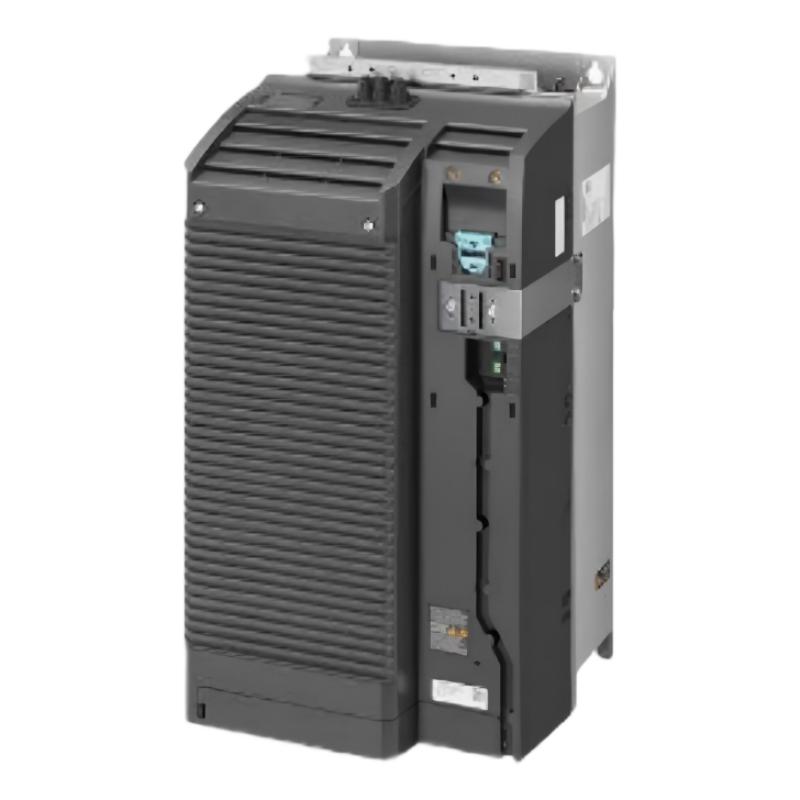
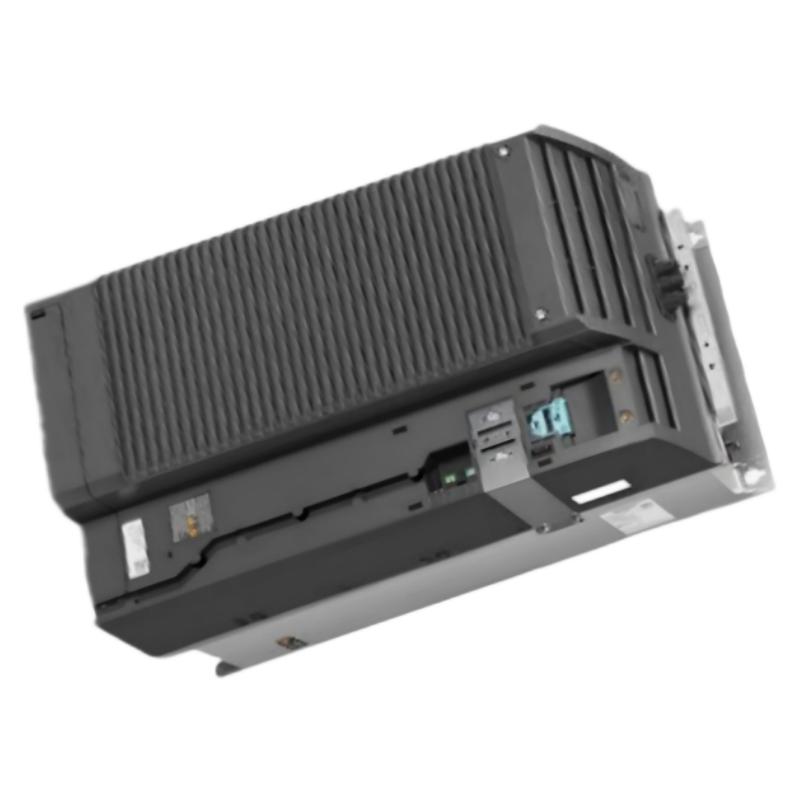
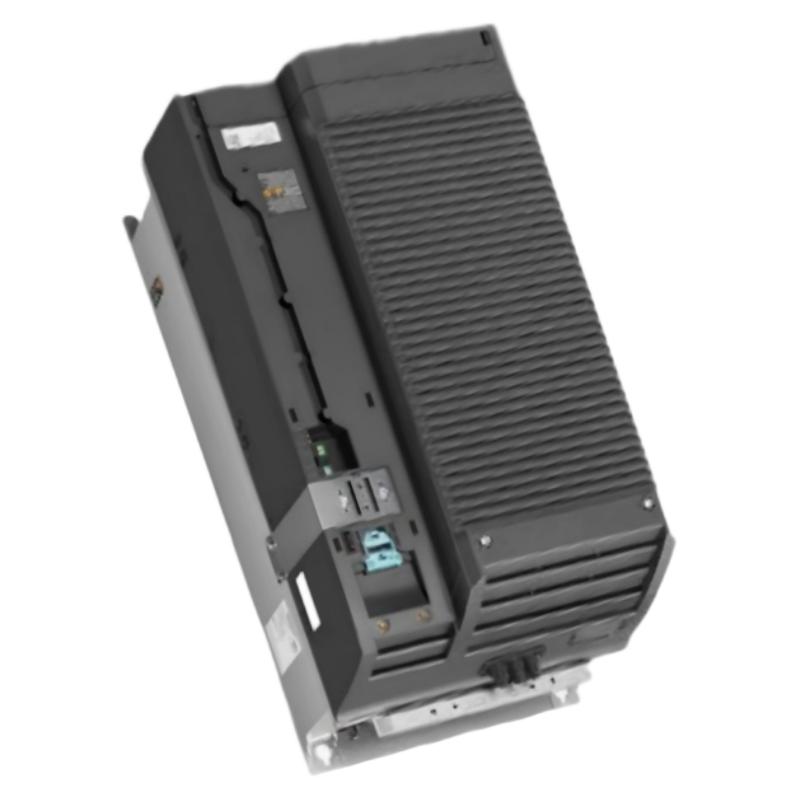
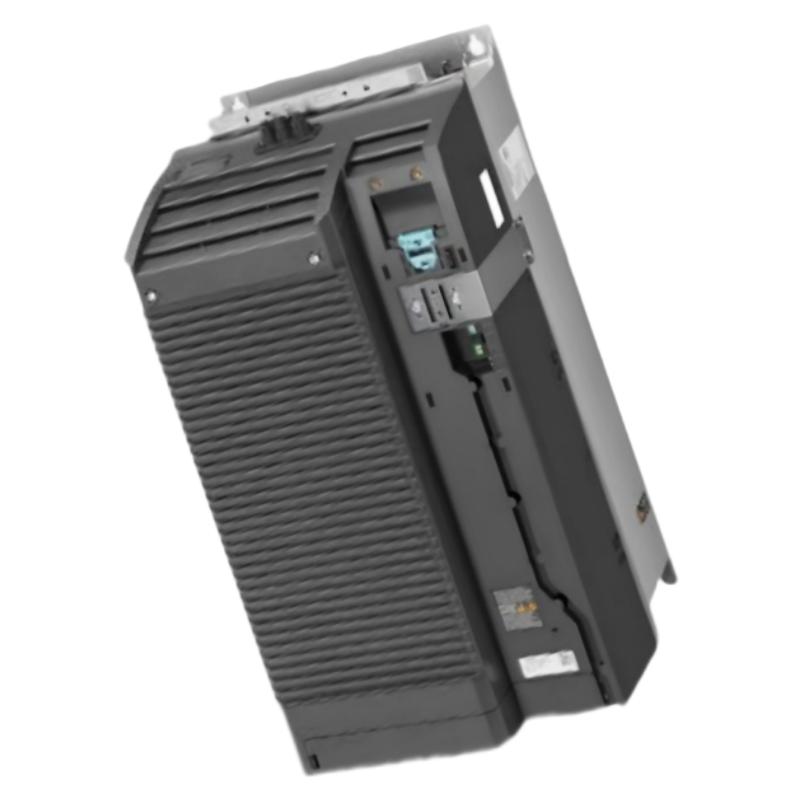
- Siemens
- 6AG1210-1PE32-2UL0
- Power Module
- Germany
- 305 × 708 × 357 mm
- 61 kg
- Xiamen, China
- New & In Stock
- T/T, PayPal, Western Union
- 1 Year
- 1-3 Working Days
- DHL, UPS, TNT, FedEx and EMS.
- 24-Hour Service
- COO
- 4
Our advantage

Global Logistics
We have a 10-year logistics and express cooperation agreement, so our products can be shipped to any place in the world.

Brand new and original
Our products are imported in bulk from the place of origin. Because of the cooperative relationship, our products are all original and 100% new.

24-hour service
We provide 7*24 hours service to our customers. We will be there whenever you need us.

Price advantage
All our products are priced very favorably because we have our own warehouse and supply.
| Company Information | |||
| [email protected] | |||
| Mobile | +8615980777398 | ||
| +8615980777398 | |||
| 15980777398 |
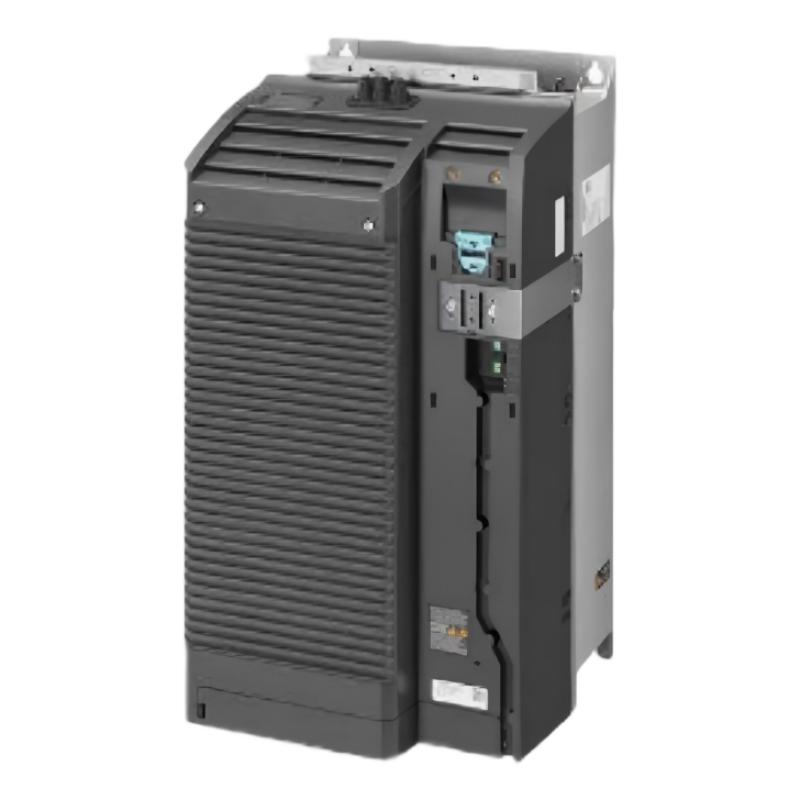
Product Overview
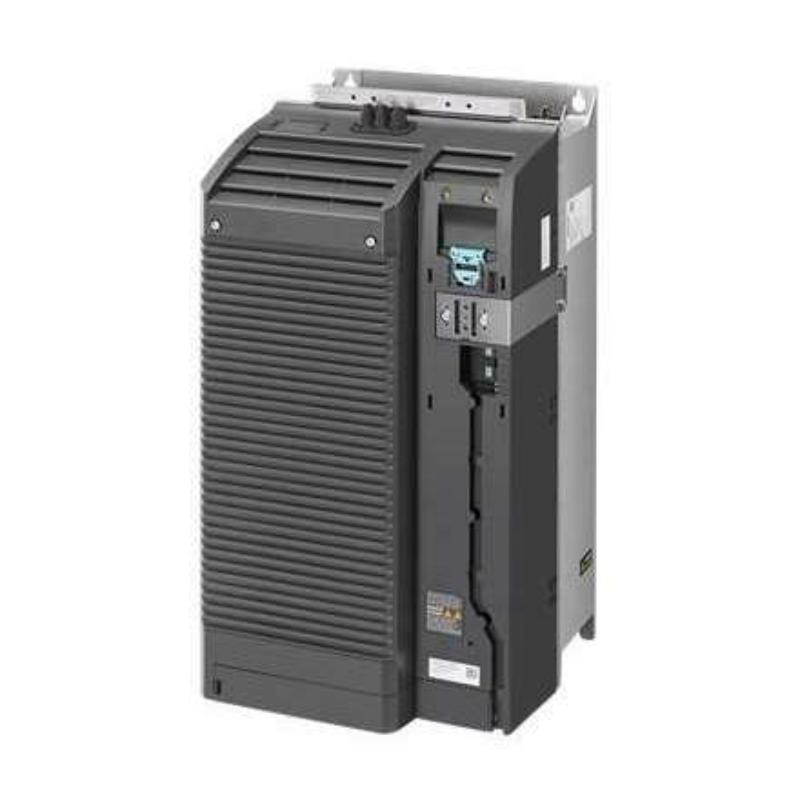
The Siemens 6AG1210-1PE32-2UL0 Power Module is an industrial power-system component designed for integration into compatible Siemens automation and control equipment. In large-scale industrial installations, power infrastructure plays an essential role in maintaining stable operation of controllers, I/O assemblies, communication equipment, operator interfaces, and other electronic devices.
The complete Siemens order number 6AG1210-1PE32-2UL0 should be used when identifying, purchasing, replacing, or documenting the module. Because industrial power modules can have different electrical characteristics and system interfaces, the exact electrical function of this model should always be confirmed against the applicable Siemens system configuration before installation.
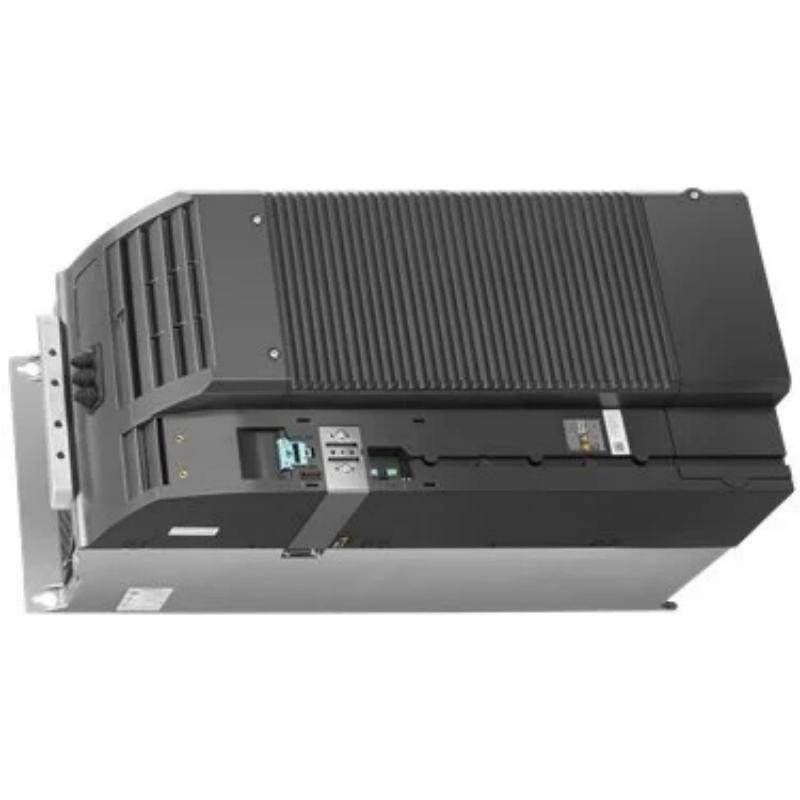
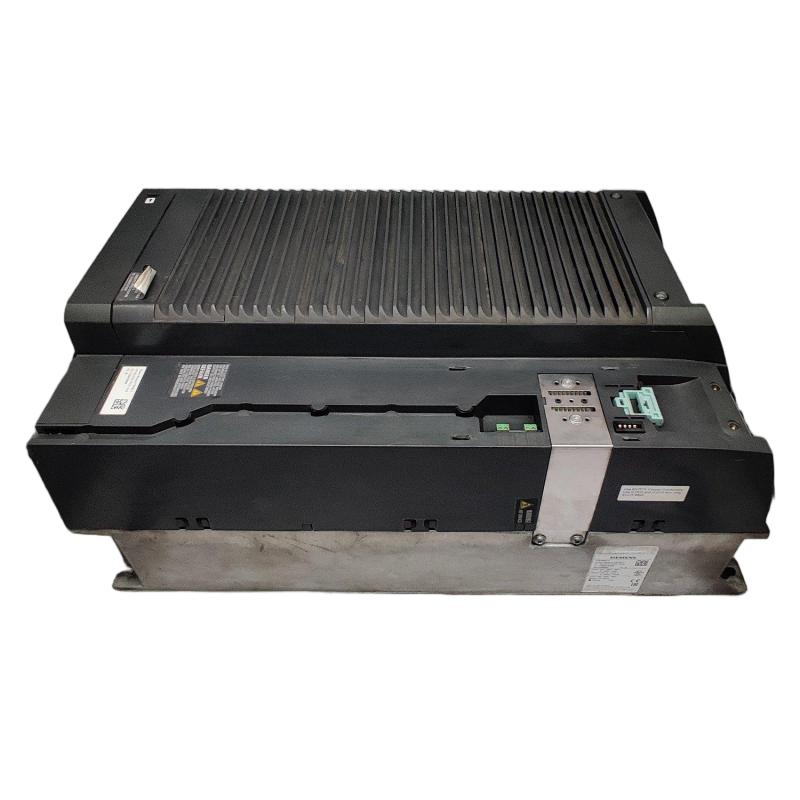
The supplied physical dimensions of the 6AG1210-1PE32-2UL0 are 305 × 708 × 357 mm, with a listed weight of 61 kg. These relatively large physical dimensions require careful consideration during cabinet design, transportation, mounting, cable routing, ventilation, and maintenance planning.
Rather than operating as a standalone PLC controller, the power module forms part of the supporting electrical infrastructure of an industrial automation system.
Technical Specifications
| Parameter | Specification |
|---|---|
| Manufacturer | Siemens |
| Model | 6AG1210-1PE32-2UL0 |
| Product Type | Power Module |
| Product Family | Siemens Industrial Automation |
| Primary Function | Industrial power-system support |
| Application | Industrial Automation and Control |
| Module Category | Power Module |
| Dimensions | 305 × 708 × 357 mm |
| Weight | 61 kg |
| Installation | Compatible Siemens industrial control equipment |
| System Role | Power infrastructure |
The dimensions and weight above are based on the product information supplied for this model. Exact electrical parameters, including supply characteristics, output specifications, rated current, protection functions, terminals, and permissible connected loads, should be verified from the applicable Siemens technical documentation and system configuration.
What Is the Siemens 6AG1210-1PE32-2UL0?
The Siemens 6AG1210-1PE32-2UL0 is identified as a Power Module intended for use within a compatible industrial automation architecture.
Industrial control systems normally contain several interconnected layers. Controllers execute the automation program, I/O modules acquire and transmit process signals, communication equipment exchanges data, and power-system components provide the electrical infrastructure required for the system to operate.
A simplified architecture can be represented as:
Electrical Supply → Power Infrastructure → Automation Controller → I/O System → Field Devices → Industrial Process
The power layer is particularly important because a problem in a common power path can affect multiple automation devices at the same time.
For this reason, the 6AG1210-1PE32-2UL0 should be evaluated as part of the complete Siemens system rather than as an isolated electronic module.
Function and Working Principle
Power-System Support
The primary role of a power module is to provide a defined function within the electrical architecture of compatible industrial equipment. Depending on the host system, this may involve power conversion, supply, distribution, or related power-management functions.
The precise electrical operation of the 6AG1210-1PE32-2UL0 should be confirmed according to the equipment configuration in which it is installed.
Supporting Automation Equipment
Industrial automation systems may contain a large number of electronic loads. These can include:
- PLC controllers
- I/O modules
- Communication equipment
- HMI systems
- Interface modules
- Industrial networking equipment
- Monitoring systems
- Other compatible control hardware
A correctly engineered power infrastructure helps provide the electrical conditions required by these devices.
System Availability
Stable power is closely related to automation system availability. Unexpected power interruptions can cause controller resets, communication loss, I/O interruptions, equipment stops, or process disturbances.
The power module therefore forms part of the infrastructure that supports continuous industrial operation.
Role in Industrial Control Systems
The Siemens 6AG1210-1PE32-2UL0 can be incorporated into a broader industrial control architecture where electrical power must be provided and managed for compatible equipment.
A typical automation structure may include:
Power System → Controller → Communication Network → I/O → Sensors and Actuators → Process Equipment
Each layer has a specific role.
The power system provides the foundation, while the controller performs logic processing and the I/O system provides the connection between the controller and the physical process.
Power-related instability can propagate through the entire architecture, which is why power-system components require careful engineering and maintenance.
Industrial Applications
Manufacturing Automation
Automated manufacturing lines commonly contain PLCs, I/O systems, network equipment, drives, safety devices, and operator interfaces. Power modules can form part of the electrical infrastructure supporting these systems.
Process Automation
Chemical, water-treatment, pharmaceutical, and other process industries require continuous monitoring and control. Reliable electrical infrastructure is essential for maintaining operation of the control system.
Industrial Control Cabinets
The 305 × 708 × 357 mm dimensions make mechanical and cabinet planning particularly important when incorporating the module into an industrial control enclosure.
Utility Systems
Industrial utility systems can contain distributed controllers, monitoring equipment, and communication devices. Properly designed power infrastructure supports stable operation of these systems.
Large Automation Installations
Large plants may contain multiple control cabinets and interconnected automation systems. Power modules can form part of the infrastructure supporting these distributed installations.
System Integration
The 6AG1210-1PE32-2UL0 should be integrated according to the architecture of the Siemens equipment in which it is installed.
A representative system can contain:
- Siemens automation controller
- Digital input modules
- Digital output modules
- Analog input modules
- Analog output modules
- Communication modules
- Remote I/O stations
- HMI equipment
- Industrial Ethernet components
- Motor-control systems
- Field instrumentation
The exact combination depends on the application.
Before commissioning, engineers should confirm that the power architecture is appropriate for all connected equipment.
Cabinet Installation and Mechanical Planning
Because the listed weight is 61 kg, the mechanical installation of the 6AG1210-1PE32-2UL0 requires more planning than a small DIN-rail automation module.
Dimensions
305 × 708 × 357 mm
Weight
61 kg
The cabinet, mounting frame, brackets, and fasteners must be capable of safely supporting the installed equipment.
Installation planning should consider:
- Mounting surface strength
- Fastener capacity
- Equipment orientation
- Mechanical support
- Lifting requirements
- Transportation
- Cable-entry locations
- Maintenance clearance
- Ventilation
- Access to service points
The equipment should be positioned so that technicians can safely inspect and service the module.
Electrical Installation Considerations
Before energizing the system, the electrical installation should be checked carefully.
Important considerations include:
Product Identification
Verify that the installed product corresponds to:
Siemens 6AG1210-1PE32-2UL0
Power Connections
Verify all power connections against the approved system wiring documentation.
Protective Devices
Confirm that appropriate circuit protection and isolation arrangements are provided.
Grounding
Check the required protective and functional grounding connections according to the applicable installation design.
Cable Routing
Power cables should be routed appropriately and separated from sensitive signal wiring where required by the system design.
Connected Equipment
Confirm that the downstream equipment is compatible with the power architecture.
Exact voltage, current, protection, and terminal specifications should not be assumed solely from the order number.
Commissioning Procedure
A structured commissioning process can help identify installation problems before the system enters normal operation.
Step 1: Verify the Module
Confirm the complete order number and physical condition of the module.
Step 2: Inspect Mechanical Installation
Verify secure mounting and ensure the cabinet structure can safely support the 61 kg module.
Step 3: Check Electrical Wiring
Inspect all relevant connections, grounding, protective devices, and cable routing.
Step 4: Inspect the Cabinet Environment
Check ventilation, cleanliness, temperature conditions, and service clearance.
Step 5: Verify Connected Loads
Confirm that connected automation equipment corresponds to the approved system design.
Step 6: Apply Power
Energize the equipment according to the approved commissioning procedure.
Step 7: Check System Diagnostics
Review available status and diagnostic information.
Step 8: Test the Automation System
Verify controller, I/O, communication, and other connected functions.
Step 9: Perform Functional Testing
Confirm stable system operation before releasing the installation for normal production.
Troubleshooting Guide
Power-system troubleshooting should begin with the common electrical path before individual downstream modules are replaced.
Automation System Does Not Start
Possible causes can include:
- Incoming supply problems
- Protective-device operation
- Incorrect wiring
- Loose electrical connections
- Power-module fault
- Incorrect system configuration
- Connected-load problems
Check the electrical path systematically from the incoming supply toward the affected equipment.
Multiple Devices Lose Power
When several controllers or I/O devices stop at approximately the same time, investigate common power infrastructure first.
A useful diagnostic sequence is:
Incoming Supply → Protection → Power Module → Distribution → Connected Loads
This approach can help distinguish a common power problem from an individual module failure.
Intermittent Power Problems
Intermittent operation can be associated with:
- Loose terminals
- Cable problems
- Electrical supply instability
- Excessive load
- Thermal conditions
- Protection-device operation
- Hardware degradation
The system should be monitored under representative operating conditions.
Excessive Temperature
Abnormal temperature may be associated with:
- Restricted airflow
- High cabinet temperature
- Excessive load
- Poor ventilation
- Loose electrical connections
- Equipment malfunction
The complete cabinet environment should be evaluated rather than examining the power module alone.
Preventive Maintenance
Preventive maintenance can help identify developing problems before they cause an unexpected shutdown.
Inspect Electrical Connections
Check terminals, cables, connectors, and grounding points for signs of looseness, corrosion, discoloration, or thermal stress.
Inspect the Cabinet
Remove excessive dust and ensure that ventilation paths are not obstructed.
Check Mechanical Support
Because the module weighs 61 kg, mounting hardware and structural support should be periodically inspected.
Monitor System Behavior
Unexpected resets, repeated protection trips, intermittent communication failures, or unusual temperature changes should be investigated.
Maintain Documentation
Keep the following information with the equipment records:
- Full Siemens order number
- Installation position
- Electrical configuration
- Connected equipment
- Wiring information
- Maintenance history
- Replacement information
Replacement Considerations
When replacing a Siemens 6AG1210-1PE32-2UL0, the complete order number should be checked carefully.
The following information should be compared before installation:
| Replacement Check | Purpose |
|---|---|
| Order Number | Confirms exact product identity |
| Hardware Marking | Confirms installed unit |
| Mechanical Dimensions | Confirms cabinet compatibility |
| Weight | Supports handling and mounting planning |
| Electrical Configuration | Confirms system suitability |
| Connection Arrangement | Confirms wiring compatibility |
| Host Equipment | Confirms application |
| Connected Loads | Confirms power-system requirements |
A physically similar Siemens module should not automatically be treated as a direct replacement.
Physical Dimensions and Weight
The supplied mechanical specifications are:
| Parameter | Value |
|---|---|
| Length | 305 mm |
| Width | 708 mm |
| Height / Depth | 357 mm |
| Overall Dimensions | 305 × 708 × 357 mm |
| Weight | 61 kg |
The physical size should be considered during cabinet design and transportation.
The 61 kg weight is also important for safe handling. Appropriate lifting and installation procedures should be used when moving or mounting the module.
Engineering Best Practices
Verify the Complete System
The power module should always be evaluated together with the controller, I/O, communication equipment, and connected loads.
Plan Mechanical Support
A 61 kg component requires an adequately engineered mounting structure.
Provide Adequate Clearance
Sufficient access should be maintained for inspection, testing, wiring, and future replacement.
Manage Cabinet Temperature
The complete cabinet heat load should be considered when designing ventilation or cooling.
Organize Cable Routing
Power and signal cables should be routed according to the electrical design to reduce interference and simplify maintenance.
Document the Installation
Clear documentation of the installed module and its connections can significantly reduce troubleshooting and replacement time.
Related Siemens Automation Components
A compatible Siemens automation system may contain several types of equipment around the power infrastructure.
| Component | Typical Function |
|---|---|
| Siemens PLC | Automation logic and process control |
| Digital Input Module | Discrete signal acquisition |
| Digital Output Module | Discrete actuator control |
| Analog Input Module | Measurement acquisition |
| Analog Output Module | Analog process control |
| Communication Module | Industrial data communication |
| Remote I/O | Distributed field interface |
| HMI | Operator monitoring |
| Industrial Network Equipment | System communication |
| Drive System | Motor control |
Actual system compatibility should always be verified according to the relevant Siemens architecture.
Key Advantages
The Siemens 6AG1210-1PE32-2UL0 Power Module offers characteristics relevant to large industrial automation installations:
- Designed for industrial power-system integration
- Compatible with appropriate Siemens automation architectures
- Large equipment-level physical construction
- 305 × 708 × 357 mm listed dimensions
- 61 kg listed weight
- Suitable for structured cabinet installation
- Supports the power infrastructure of compatible control equipment
- Appropriate for industrial automation environments
- Suitable for maintenance and replacement planning
Technical FAQs
What is the Siemens 6AG1210-1PE32-2UL0?
The 6AG1210-1PE32-2UL0 is a Siemens Power Module intended for integration into compatible industrial automation and control systems.
What are the dimensions of the 6AG1210-1PE32-2UL0?
The supplied dimensions are 305 × 708 × 357 mm.
How much does the 6AG1210-1PE32-2UL0 weigh?
The supplied weight is 61 kg.
Is the 6AG1210-1PE32-2UL0 a PLC CPU?
No. It is identified as a Power Module, not a general-purpose PLC CPU.
What should be considered when installing this module?
Engineers should consider mechanical support, cabinet dimensions, lifting and handling, electrical connections, grounding, protection, ventilation, cable routing, service access, and system compatibility.
Can another Siemens Power Module replace it?
A replacement should not be selected solely based on physical similarity. The complete order number, electrical characteristics, connection configuration, and host-system requirements should be verified.
What should be checked if several automation devices lose power?
The common power path should be investigated first, including the incoming supply, protective devices, power-module connections, distribution wiring, and connected loads.
Conclusion
The Siemens 6AG1210-1PE32-2UL0 Power Module is an industrial power-system component intended for use within compatible Siemens automation and control architectures. Reliable power infrastructure is essential for maintaining the operation of controllers, I/O systems, communication equipment, HMIs, and other electronic components used in industrial environments.
The supplied physical specifications for the 6AG1210-1PE32-2UL0 are 305 × 708 × 357 mm, with a weight of 61 kg. Its relatively large size and substantial weight make mechanical support, cabinet planning, transportation, lifting, ventilation, and maintenance access important parts of the installation process.
For procurement, maintenance, and replacement, the complete 6AG1210-1PE32-2UL0 order number should be verified carefully. Electrical characteristics and system compatibility should also be confirmed against the applicable Siemens configuration before installation.
When correctly integrated into the appropriate industrial architecture, the Siemens 6AG1210-1PE32-2UL0 Power Module can form an important part of the electrical infrastructure supporting reliable automation and industrial control operations.