

ProductPRODUCT
Featured products
Contact Us
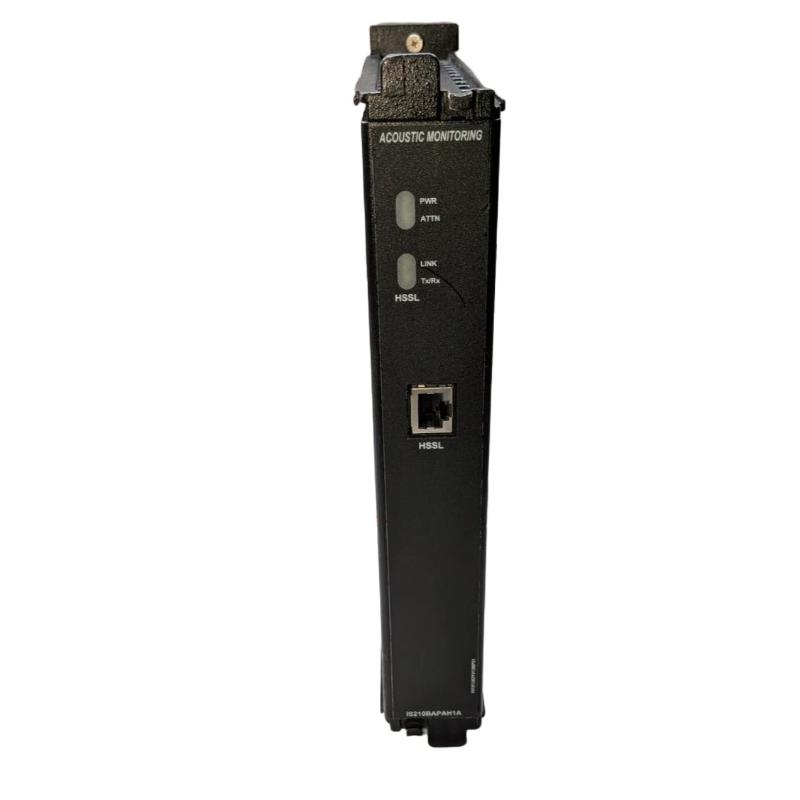
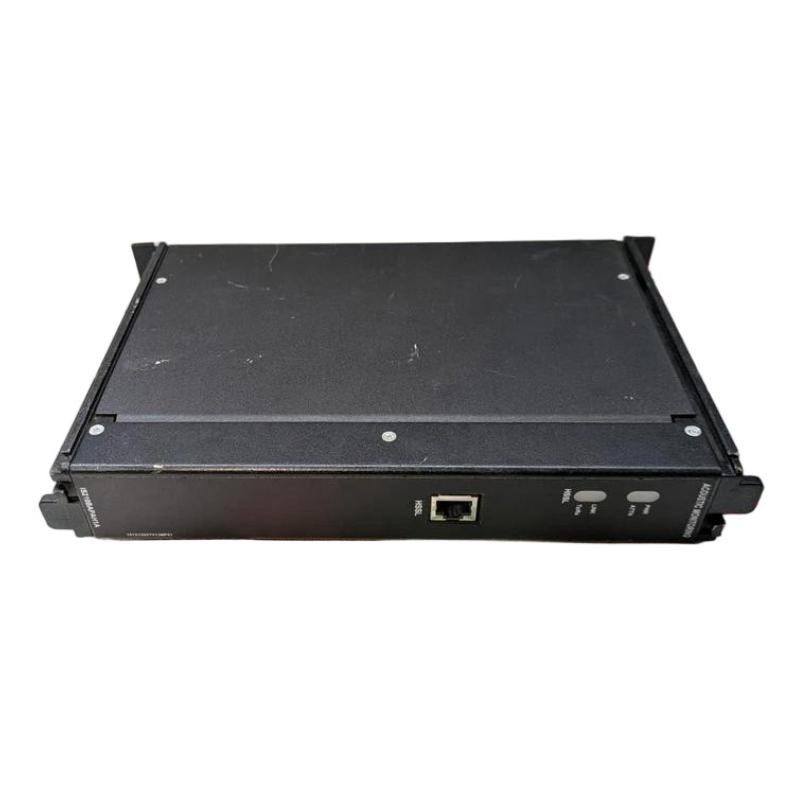
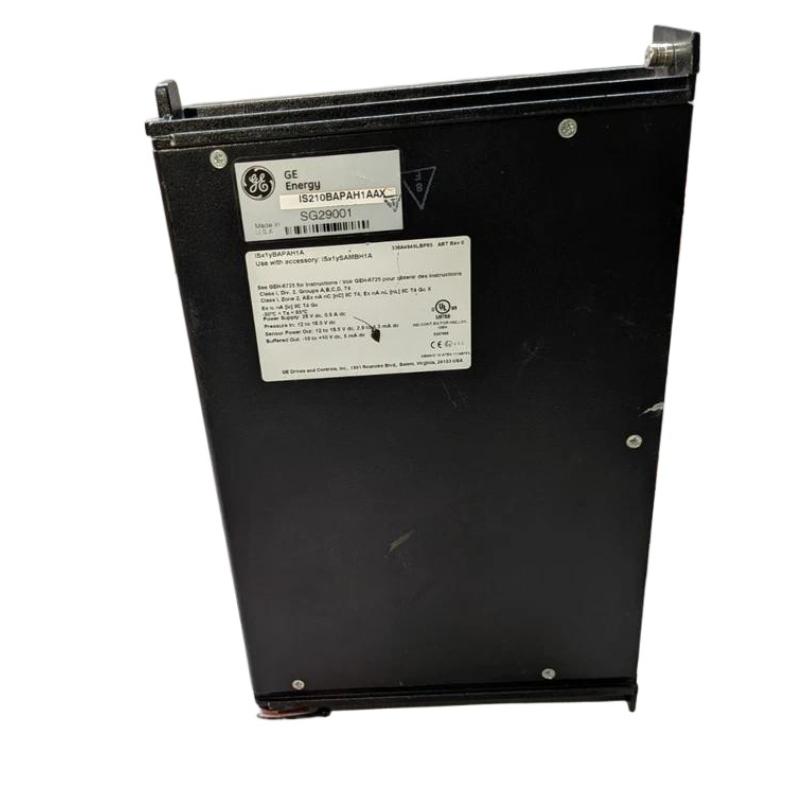
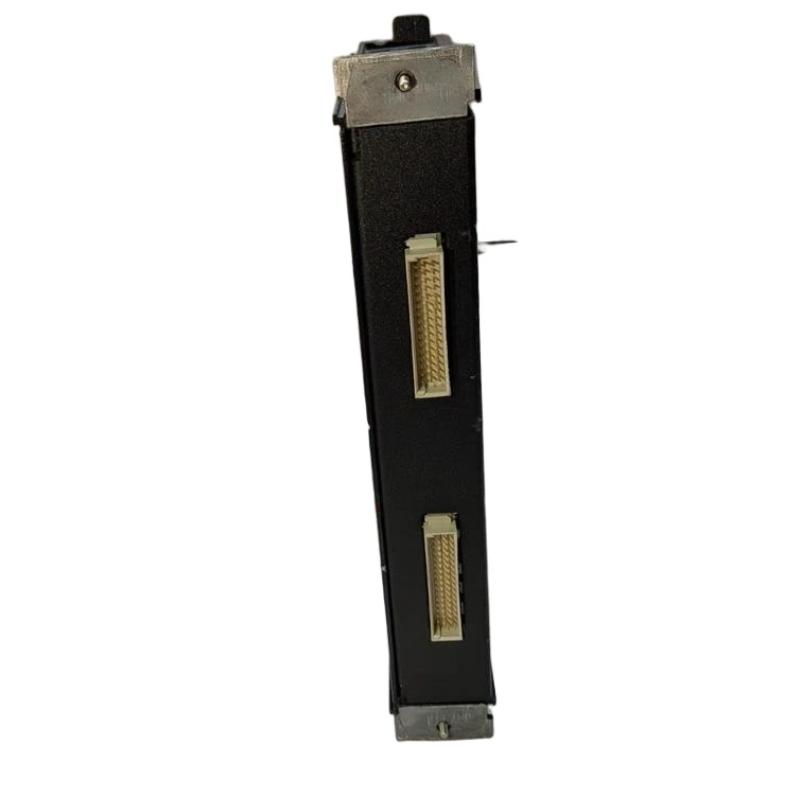
- GE
- IS210BAPAH1A
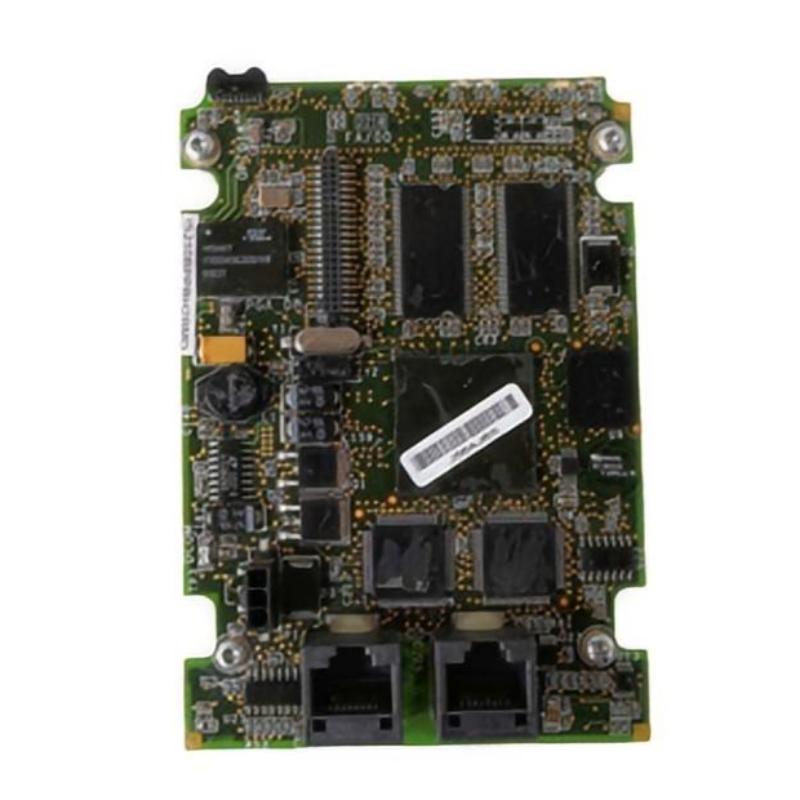
- Analog Processor Module
- USA
- 233 x 102 x 25 mm
- 0.55 kg
- Xiamen, China
- New & In Stock
- T/T, PayPal, Western Union
- 1 Year
- 1-3 Working Days
- DHL, UPS, TNT, FedEx and EMS.
- 24-Hour Service
- COO
- 5
Our advantage

Global Logistics
We have a 10-year logistics and express cooperation agreement, so our products can be shipped to any place in the world.

Brand new and original
Our products are imported in bulk from the place of origin. Because of the cooperative relationship, our products are all original and 100% new.

24-hour service
We provide 7*24 hours service to our customers. We will be there whenever you need us.

Price advantage
All our products are priced very favorably because we have our own warehouse and supply.
| Company Information | |||
| [email protected] | |||
| Mobile | +8615980777398 | ||
| +8615980777398 | |||
| 15980777398 |
Product Overview
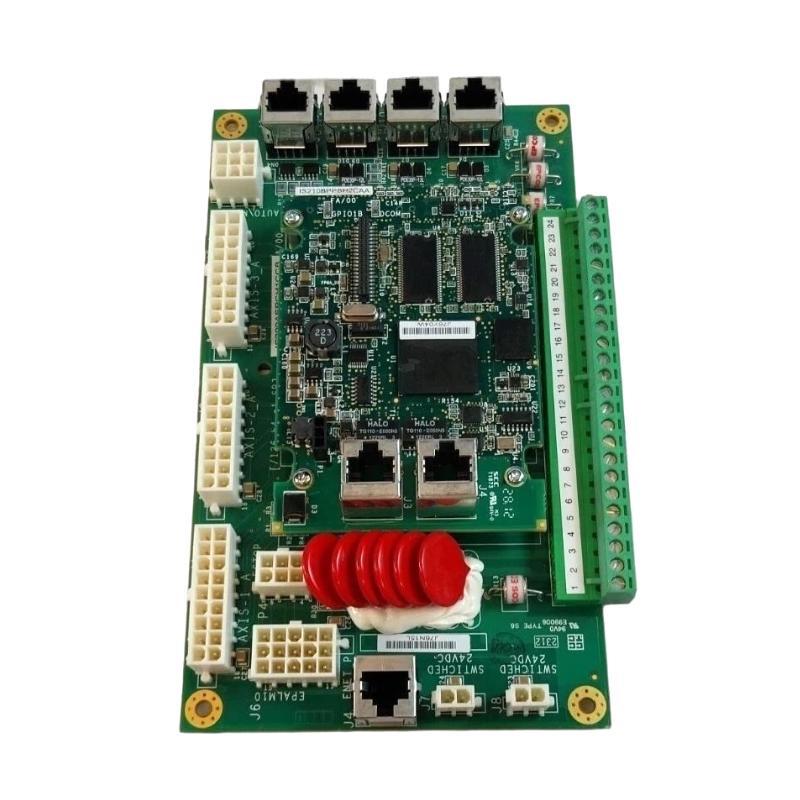
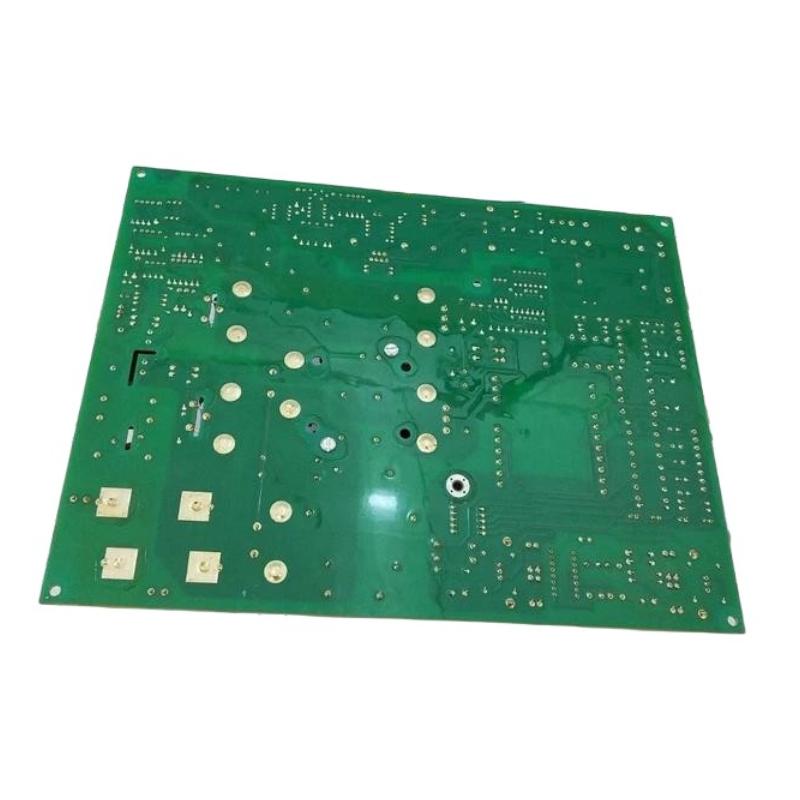
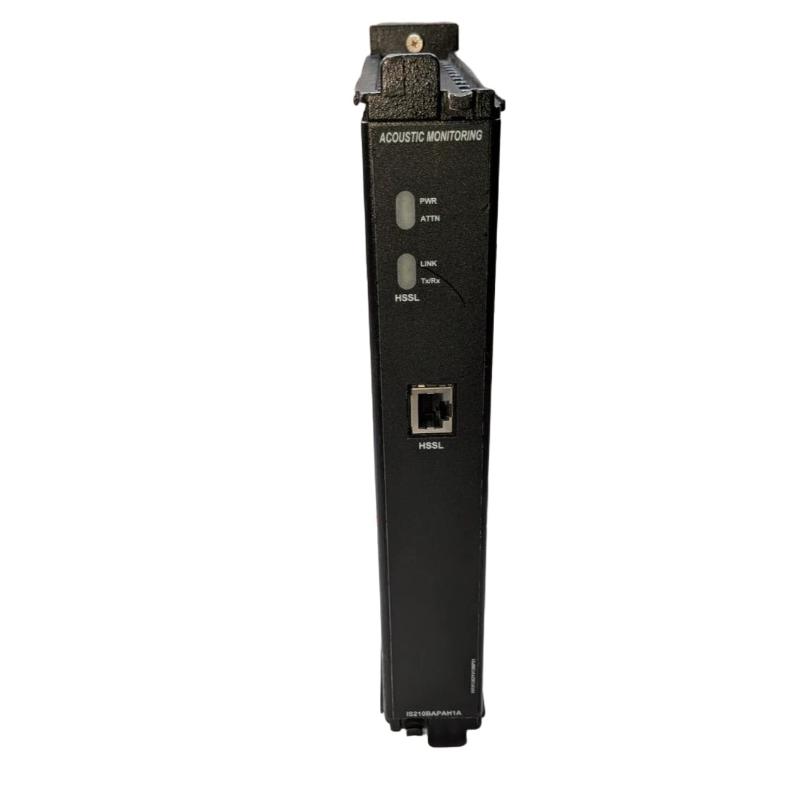
The GE IS210BAPAH1A Analog Processor Module is a specialized electronic module designed for analog signal processing within compatible GE industrial control and automation systems. As part of the GE IS210 family, the module is intended to support the processing and handling of analog information used by industrial monitoring and control architectures.
Analog process variables are essential in many industrial applications. Temperature, pressure, flow, level, speed feedback, electrical measurements, and other continuously varying signals provide controllers with detailed information about equipment and process conditions. An analog processor module forms part of the electronic path that allows these signals to be received, processed, and made available to the wider control system.
The GE IS210BAPAH1A has listed dimensions of 233 × 102 × 25 mm and a weight of approximately 0.55 kg. Its compact module construction allows it to be installed within compatible industrial control equipment while operating alongside other processing, I/O, communication, and interface assemblies.
The exact number of analog channels, signal ranges, conversion characteristics, terminal assignments, and electrical ratings depend on the host system and applicable hardware configuration. These parameters should therefore be confirmed against the equipment documentation before installation, commissioning, or replacement.
Technical Specifications
| Parameter | Specification |
|---|---|
| Manufacturer | General Electric (GE) |
| Model | IS210BAPAH1A |
| Product Type | Analog Processor Module |
| Product Family | GE IS210 Series |
| Primary Function | Analog signal processing |
| Signal Type | Analog process signals |
| Application | Industrial Control and Automation |
| Module Type | Analog Processing / Control Module |
| Dimensions | 233 × 102 × 25 mm |
| Weight | 0.55 kg |
| Installation | Compatible GE industrial control equipment |
| System Role | Analog signal processing and control-system interface |
| Typical Application | Process monitoring, equipment control and industrial automation |
What Is the GE IS210BAPAH1A?
The IS210BAPAH1A is a GE Analog Processor Module designed to form part of the signal-processing architecture of compatible industrial control equipment.
Industrial automation systems frequently use analog signals to represent continuously changing physical conditions. Unlike a simple digital ON/OFF signal, an analog signal can represent a range of values.
For example, a sensor may provide a continuously varying electrical signal corresponding to:
- Temperature
- Pressure
- Flow
- Level
- Speed
- Position
- Electrical measurements
- Process conditions
The analog processor module forms part of the electronic path between these field signals and the control system.
A simplified signal chain can be represented as:
Process Sensor → Analog Signal → IS210BAPAH1A → Signal Processing → Control Logic → Equipment Response
The actual architecture depends on the GE host system.
Analog Signal Processing Principle
Analog signals require careful processing before they can be used reliably by a digital control system.
A typical industrial signal-processing architecture can involve several stages.
Signal Reception
The module receives an analog signal from the associated field interface or control-system circuitry.
Signal Conditioning
The incoming signal may require conditioning to make it suitable for processing. Depending on the system architecture, this can involve filtering, scaling, isolation, or other signal-management functions.
Analog-to-Digital Processing
Industrial control systems commonly convert analog information into digital data so that processors can evaluate the measured value.
The exact conversion architecture and resolution of the IS210BAPAH1A should be confirmed from the applicable GE system documentation.
Data Processing
Once the analog information has been processed, the resulting data can be used by the control system for monitoring, alarms, calculations, or control functions.
Control Response
The controller can use the processed information to determine the appropriate response of connected equipment.
This creates a continuous relationship between the physical process and the control system.
Function and Working Principle
Analog Data Acquisition
The IS210BAPAH1A is associated with analog signal processing within a compatible GE control architecture.
Reliable acquisition of analog information is important because control decisions may depend on relatively small changes in the measured process variable.
Signal Conditioning
Industrial analog signals can be affected by electrical noise, wiring conditions, grounding, sensor characteristics, and environmental factors.
Signal-conditioning functions help prepare the incoming information for accurate processing.
Signal Filtering
Filtering can help reduce unwanted electrical interference or rapid fluctuations that are not representative of the actual process condition.
The exact filtering characteristics depend on the system design.
Data Transfer
After processing, analog measurement information can be transferred to the appropriate control-system electronics.
This allows the controller or supervisory system to use the information for monitoring and control.
Continuous Monitoring
Unlike discrete signals, analog values can provide continuous information about equipment and process conditions.
This makes analog processing important for applications where process values must be monitored dynamically.
Role in Industrial Control Systems
The GE IS210BAPAH1A Analog Processor Module can form an important part of the signal-processing layer within an industrial control system.
A simplified architecture is:
Sensor → Field Interface → Analog Processor → Control Processor → Output / Actuator
The module may therefore contribute to:
- Analog signal acquisition
- Process-variable monitoring
- Signal conditioning
- Measurement processing
- Equipment feedback
- Alarm generation
- Control calculations
- System diagnostics
The exact role depends on the host GE equipment and system configuration.
Industrial Applications
Power Generation
Power-generation equipment relies heavily on analog measurements. Temperature, pressure, speed, electrical parameters, and other continuously varying values can be used by control systems to monitor equipment conditions.
An analog processing module can form part of the electronic architecture responsible for handling these measurements.
Turbine Control
Turbine systems require continuous monitoring of operating conditions.
Analog information can be used by the control system to evaluate equipment performance and maintain operating conditions within configured limits.
Generator Monitoring
Generator systems use various sensors and measurement circuits to monitor operating conditions.
Processed analog information can support control, monitoring, alarms, and diagnostic functions.
Process Automation
Industrial process systems rely on measurements such as flow, temperature, pressure, and level.
An analog processor module can support the acquisition and processing of these variables for automated process control.
Industrial Equipment Monitoring
Machinery and electrical equipment can use analog feedback to provide continuous operating information.
This information can be incorporated into control and maintenance strategies.
System Integration
The IS210BAPAH1A normally operates as part of a larger industrial control architecture rather than as a standalone controller.
A compatible system may include:
| Component | General Function |
|---|---|
| Field Sensor | Measures a physical process variable |
| Signal Interface | Provides the connection to control electronics |
| IS210BAPAH1A | Processes analog information |
| Control Processor | Executes control logic |
| I/O System | Exchanges field information |
| Communication Module | Transfers system data |
| Operator Interface | Displays process information |
| Actuator / Equipment | Performs the required physical response |
The exact arrangement depends on the host GE system.
Analog Signal Integrity
Reliable analog processing depends on more than the processor module itself.
Several factors can affect measurement quality.
Wiring
Damaged, loose, or incorrectly routed wiring can introduce measurement errors.
Electrical Noise
Industrial equipment can generate electromagnetic interference that may affect low-level analog signals.
Grounding
Improper grounding can create unwanted signal disturbances.
Sensor Condition
A damaged or incorrectly calibrated sensor can produce an incorrect input even when the processor module is operating normally.
Environmental Conditions
Temperature, vibration, moisture, contamination, and other environmental factors can affect both sensors and electronic assemblies.
For this reason, analog measurement faults should always be evaluated across the complete signal path.
Installation Guidelines
Proper installation is important when replacing or servicing the GE IS210BAPAH1A.
Verify Module Identification
Before installation, confirm:
- Complete model number
- Revision designation
- Board or module markings
- Installation location
- Connector arrangement
- Associated wiring
- Host equipment
- System configuration
The replacement should be confirmed as IS210BAPAH1A.
Isolate the Equipment
The associated equipment should be placed into the appropriate maintenance state before removing the module.
Electrical isolation procedures should follow the requirements of the host GE system.
Document Existing Connections
Before removing the original module, record the location and orientation of connected cables and interfaces.
Accurate documentation helps prevent incorrect reconnection.
Inspect Connectors
Check connectors for:
- Bent contacts
- Contamination
- Corrosion
- Loose connections
- Mechanical damage
Apply ESD Protection
Use appropriate electrostatic-discharge precautions when handling the module.
Avoid unnecessary contact with exposed electronic components.
Commissioning Procedure
After installation, commissioning should be performed systematically.
Step 1: Confirm Physical Installation
Verify that the module is correctly positioned and securely installed.
Step 2: Check Connections
Confirm that all associated connections are properly seated and correctly positioned.
Step 3: Inspect the Signal Path
Check sensors, field wiring, connectors, and associated interfaces.
Step 4: Restore System Power
Restore power according to the applicable GE equipment startup procedure.
Step 5: Check Diagnostics
Review available system alarms and diagnostic information.
Step 6: Verify Analog Measurements
Compare the displayed or processed values with expected process conditions or an appropriate reference measurement.
Step 7: Test Control Functions
Confirm that the processed analog information is correctly used by the control system.
Troubleshooting the GE IS210BAPAH1A
Analog signal problems should be investigated from the field device through to the control processor.
No Analog Signal
If the expected analog value is missing, inspect:
- Sensor
- Field wiring
- Connectors
- Signal interface
- Module installation
- Associated power
- Control-system diagnostics
A failed sensor or disconnected cable can produce symptoms similar to an electronic module fault.
Unstable Analog Reading
Unstable measurements may result from:
- Electrical interference
- Poor grounding
- Loose wiring
- Damaged cables
- Sensor problems
- Process fluctuations
- Connector problems
- Signal-conditioning issues
The complete measurement chain should be checked.
Reading Too High or Too Low
An incorrect measurement may be caused by:
- Sensor calibration
- Incorrect wiring
- Signal scaling
- Sensor degradation
- Grounding problems
- Electrical interference
- Signal-conditioning problems
- Module-level faults
The measurement should be compared with an appropriate reference before replacing the module.
Intermittent Signal
Intermittent analog signals can be associated with:
- Loose connections
- Cable damage
- Vibration
- Temperature-related behavior
- Sensor degradation
- Connector problems
- Electrical noise
Monitoring the signal while inspecting the associated wiring can help identify the source.
Preventive Maintenance
Inspect Field Wiring
Check analog signal cables for mechanical damage, insulation deterioration, loose terminals, and improper routing.
Inspect Sensors
Sensors should be inspected and maintained according to their specific application requirements.
Check Connectors
Module and field connectors should remain clean and securely connected.
Monitor Measurement Trends
Trend monitoring can help identify gradual sensor degradation or changes in process conditions.
Maintain Cabinet Conditions
The control cabinet should be protected from excessive heat, moisture, dust, and vibration.
Record Recurring Faults
Repeated analog signal faults should be documented and investigated rather than repeatedly resetting the system without identifying the underlying cause.
Physical Dimensions and Weight
The listed physical specifications of the GE IS210BAPAH1A Analog Processor Module are:
Dimensions: 233 × 102 × 25 mm
Weight: 0.55 kg
These specifications are useful for:
- Spare-parts inventory
- Cabinet planning
- Replacement preparation
- Equipment storage
- Maintenance logistics
- Shipping arrangements
The physical dimensions should not be used as the sole basis for determining electrical compatibility.
Replacement Considerations
When sourcing a replacement for the GE IS210BAPAH1A, the complete identification should be checked carefully.
Important information includes:
- Full model number
- Revision designation
- Module markings
- Connector arrangement
- Installation location
- Host equipment
- Analog signal architecture
- Associated control hardware
A visually similar GE module should not automatically be treated as a direct replacement.
Different GE modules can have different signal-processing functions and system interfaces despite similar physical construction.
For critical control equipment, the replacement should be verified against the existing installation and applicable system documentation before commissioning.
Related GE Control Components
The IS210BAPAH1A may operate alongside a variety of GE industrial control assemblies, depending on the host system.
Related system categories can include:
- GE IS200 circuit boards
- GE IS210 interface modules
- Analog I/O assemblies
- Control processor boards
- Signal-conditioning boards
- Terminal boards
- Communication modules
- Feedback interfaces
- Power boards
- Industrial control processors
The exact compatible components depend on the specific GE control architecture.
Engineering Best Practices
Verify the Complete Model Number
Always identify the module using the complete IS210BAPAH1A designation and applicable revision information.
Check the Complete Signal Path
When troubleshooting analog measurements, inspect the sensor, wiring, connectors, interface electronics, processor, and software configuration.
Avoid Assuming a Sensor Fault
An incorrect measurement does not automatically mean that the sensor has failed. Electronic and wiring problems can produce similar symptoms.
Maintain Signal Integrity
Appropriate cable routing, grounding, shielding where required, and connector maintenance can help improve analog measurement reliability.
Monitor Process Trends
Long-term measurement trends can provide useful information about sensor condition and process changes.
Maintain Correct Spare Identification
The exact model and revision should be recorded in the spare-parts inventory to reduce replacement errors.
Key Advantages
The GE IS210BAPAH1A Analog Processor Module provides several practical characteristics for compatible industrial control applications:
- Dedicated analog signal-processing functionality
- Integration with compatible GE control architectures
- Compact 233 × 102 × 25 mm form factor
- Listed weight of 0.55 kg
- Supports analog process-information handling
- Suitable for continuous process monitoring
- Useful for equipment feedback and control
- Designed for integration into industrial automation systems
Technical FAQs
What is the GE IS210BAPAH1A?
The GE IS210BAPAH1A is an Analog Processor Module designed for integration into compatible GE industrial control and automation equipment.
What is the function of an analog processor module?
An analog processor module forms part of the electronic signal path used to receive, condition, process, and transfer continuously varying process information within an industrial control system.
What types of signals can be associated with analog processing?
Analog process information can represent variables such as temperature, pressure, flow, level, speed, position, or electrical measurements. The exact supported signal types depend on the host-system configuration.
What are the dimensions of the IS210BAPAH1A?
The listed dimensions are 233 × 102 × 25 mm.
How much does the IS210BAPAH1A weigh?
The listed weight is approximately 0.55 kg.
Is the IS210BAPAH1A a PLC?
No. It is a specialized analog processing module rather than a general-purpose PLC CPU.
What can cause an incorrect analog reading?
Possible causes include sensor problems, incorrect wiring, electrical interference, poor grounding, connector problems, incorrect configuration, signal-conditioning issues, or faults within the electronic processing path.
Can another GE IS210 module replace the IS210BAPAH1A?
A different GE IS210 module should not be assumed to be interchangeable. The complete model number, revision, interface configuration, signal function, and host-system requirements should be verified.
What should be checked before replacing the module?
The sensor, field wiring, connectors, signal interface, module identification, system configuration, and available diagnostic information should be checked before replacing the module.
Conclusion
The GE IS210BAPAH1A Analog Processor Module is a specialized industrial electronic assembly designed to support analog signal processing within compatible GE control and automation systems. By forming part of the signal-processing path between field measurements and control electronics, it can contribute to continuous monitoring, equipment feedback, process control, alarms, and system diagnostics.
With listed dimensions of 233 × 102 × 25 mm and a weight of 0.55 kg, the IS210BAPAH1A provides a compact solution for integration into industrial control equipment.
For installation, replacement, and troubleshooting, the complete GE IS210BAPAH1A identification should be verified carefully. Reliable analog measurement depends on the module as well as the sensor, field wiring, connectors, grounding, signal integrity, and overall control-system configuration. A systematic approach to installation and fault diagnosis helps maintain stable and accurate industrial process monitoring.