

ProductPRODUCT
Featured products
Contact Us
- Schneider
- SURT6000XLI
- Uninterruptible Power Supply
- France
- 660 × 130 × 432 mm
- 54.43 kg
- Xiamen, China
- New & In Stock
- T/T, PayPal, Western Union
- 1 Year
- 1-3 Working Days
- DHL, UPS, TNT, FedEx and EMS.
- 24-Hour Service
- COO
- 4
Our advantage

Global Logistics
We have a 10-year logistics and express cooperation agreement, so our products can be shipped to any place in the world.

Brand new and original
Our products are imported in bulk from the place of origin. Because of the cooperative relationship, our products are all original and 100% new.

24-hour service
We provide 7*24 hours service to our customers. We will be there whenever you need us.

Price advantage
All our products are priced very favorably because we have our own warehouse and supply.
| Company Information | |||
| [email protected] | |||
| Mobile | +8615980777398 | ||
| +8615980777398 | |||
| 15980777398 |
Product Overview
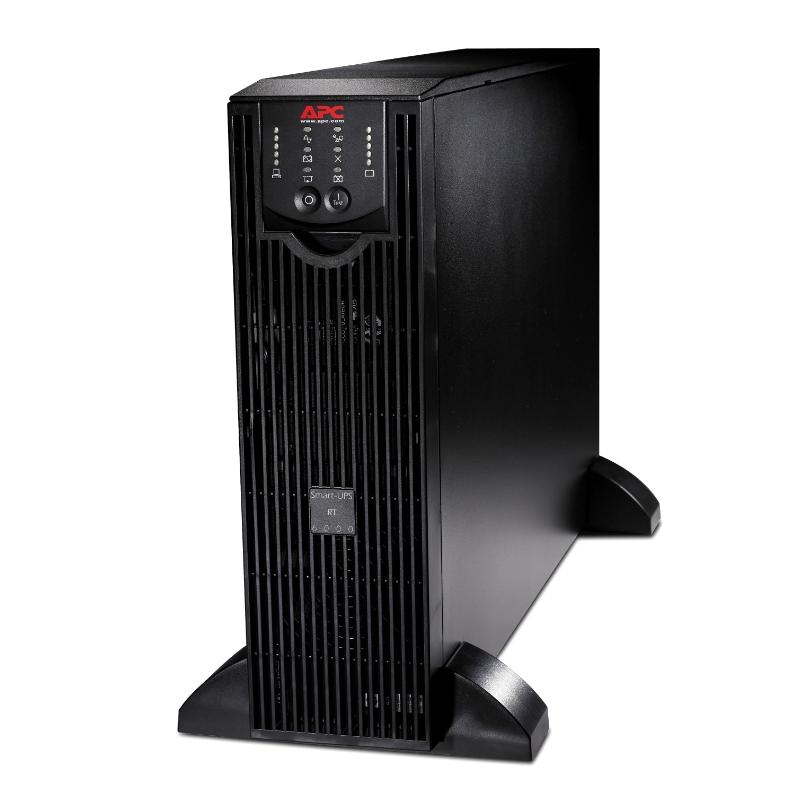
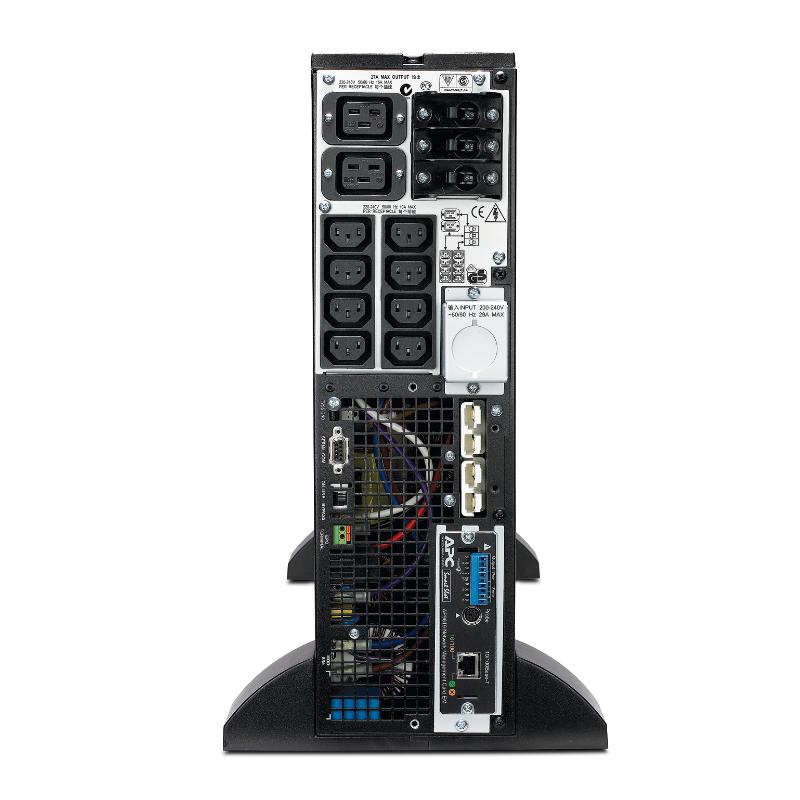
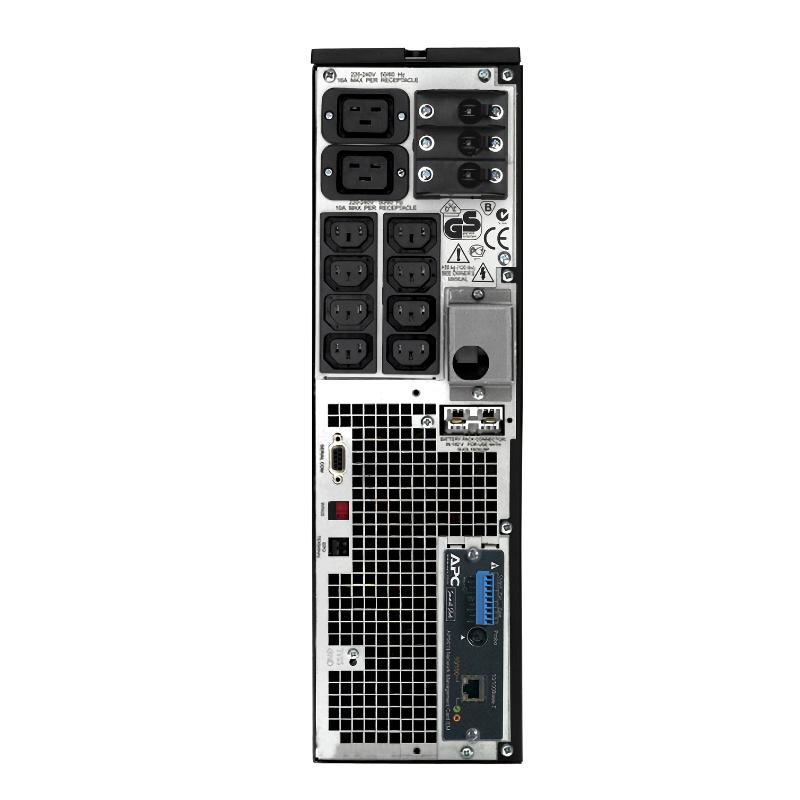
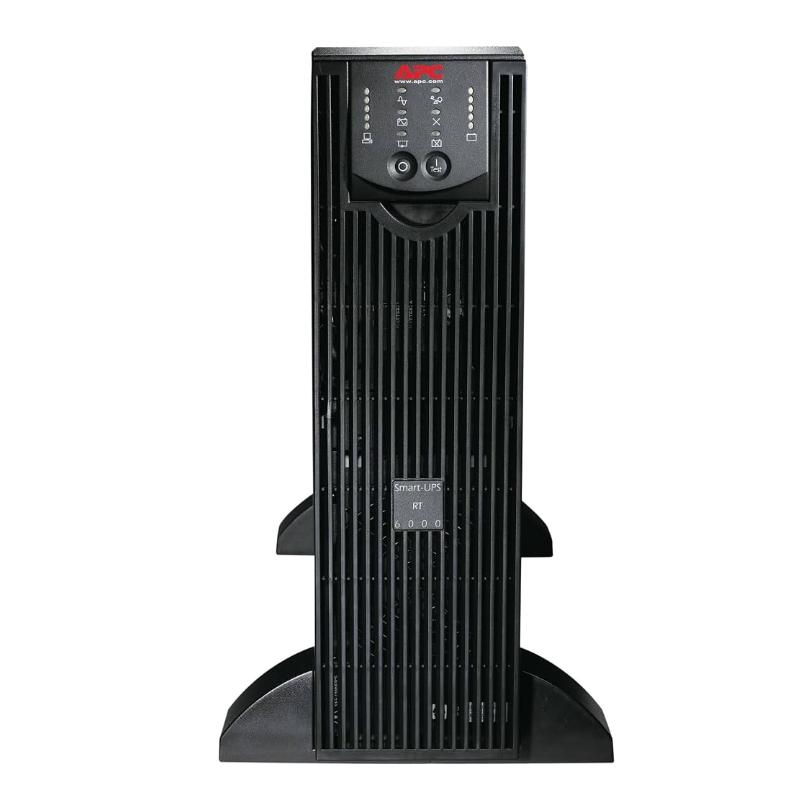
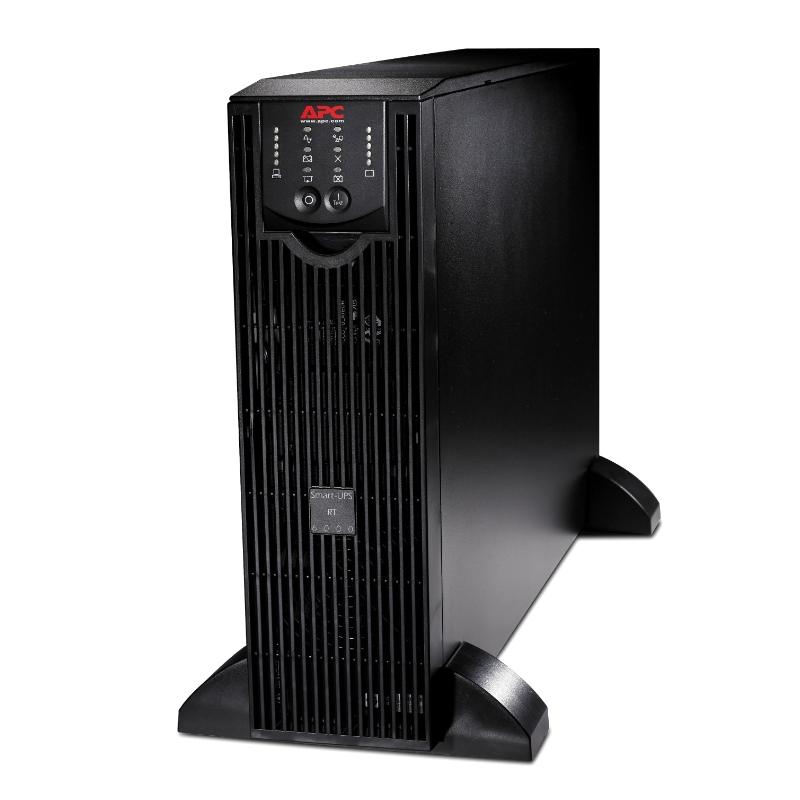
The Schneider SURT6000XLI APC Smart-UPS RT Uninterruptible Power Supply is a high-capacity UPS system for maintaining power continuity to critical electronic and infrastructure equipment. It is suited to installations where a utility power interruption, voltage disturbance, or unexpected loss of supply could affect servers, network equipment, industrial computers, communication systems, or other essential loads.
The Smart-UPS RT platform is commonly used in equipment rooms and industrial facilities where the UPS forms part of a centralized power-protection arrangement. Rather than supplying individual small devices independently, the UPS can serve as a common protected power source for a group of equipment connected to the same critical-load distribution.
During normal operation, the UPS conditions and supplies incoming electrical power to the connected load while maintaining the battery system in a ready state. If the incoming supply becomes unavailable or falls outside the supported operating range, the UPS transfers the load to its battery-backed power path so that protected equipment can continue operating.
For industrial environments, the UPS can also support orderly response to power disturbances. Connected monitoring or management systems can use UPS status information to identify utility failures, battery operation, or other operating conditions and initiate appropriate shutdown or recovery procedures when required.
Technical Specifications
| Parameter | Specification |
|---|---|
| Manufacturer | Schneider Electric |
| Model | SURT6000XLI |
| Product Family | APC Smart-UPS RT |
| Product Type | Uninterruptible Power Supply |
| Primary Function | Backup power and power protection |
| System Role | Critical-load power protection |
| Application | Server, network, industrial and infrastructure use |
| Dimensions | 660 × 130 × 432 mm |
| Weight | 54.43 kg |
Product Features
- APC Smart-UPS RT uninterruptible power supply platform
- Provides battery-backed power for critical electrical loads
- Suitable for centralized protection of electronic equipment
- Applicable to servers, network equipment, industrial computers, and communication hardware
- Supports continued operation during utility power interruptions
- Can be integrated with UPS monitoring and management arrangements
- Suitable for equipment rooms, industrial facilities, and infrastructure installations
- Supports power continuity strategies for systems where unexpected outages can interrupt operation
Working Principle
The SURT6000XLI receives incoming utility power and supplies the connected load through the UPS power path while monitoring the condition of the electrical source. At the same time, the UPS maintains its internal energy-storage system so backup power is available when required.
When the incoming supply is interrupted or becomes unsuitable for the protected load, the UPS transfers operation to its battery-backed inverter path. The stored electrical energy is converted into output power for the connected equipment, allowing the load to remain energized during the utility disturbance.
Utility Power → SURT6000XLI UPS → Protected Power Distribution → Critical Equipment
Once normal utility power becomes available again, the UPS can return the protected load to the normal power path and replenish the stored energy system. The exact transition and recovery behavior depend on the configured UPS operating mode and connected system arrangement.
The UPS therefore forms a boundary between facility power and critical equipment. During troubleshooting, the incoming supply, UPS operating state, battery system, output distribution, and downstream load should be checked as separate parts of the overall power chain.
Role in an APC Smart-UPS RT Power Protection Architecture
The SURT6000XLI occupies the critical power-protection layer between facility electrical distribution and the equipment that requires continuity of supply. It does not perform application control or process logic; its role is to maintain protected electrical power for the connected load.
Facility Power → Electrical Distribution → SURT6000XLI → Protected Output → Critical Equipment
| System Element | Function |
|---|---|
| Facility Power | Provides the normal electrical source |
| Electrical Distribution | Routes and protects the incoming power circuit |
| SURT6000XLI | Provides UPS power protection and backup operation |
| Battery System | Stores energy for power interruption periods |
| Protected Distribution | Routes UPS output to designated critical loads |
| Server / Network Equipment | Provides computing and communication services |
| Industrial Computer | Supports supervisory and control applications |
| Monitoring / Management | Reports UPS status and power-related conditions |
This architecture allows critical equipment to remain separated from short-duration utility disturbances and gives maintenance personnel a defined point for diagnosing power-related problems.
Industrial Applications
| Application | Typical Use |
|---|---|
| Data Center Infrastructure | Backup power for servers and network equipment |
| Industrial Control Rooms | Power continuity for supervisory and computing hardware |
| Telecommunications | Protection of communication infrastructure |
| Network Equipment Rooms | Maintaining operation of critical networking hardware |
| Manufacturing Facilities | Backup supply for industrial electronic equipment |
| Process Monitoring Systems | Maintaining power to monitoring and supervisory systems |
| Security Infrastructure | Power continuity for security and monitoring equipment |
| Building Automation | Backup power for supervisory control hardware |
| Utility Facilities | Protected supply for critical infrastructure equipment |
Installation and Maintenance
- Verify that the SURT6000XLI is appropriate for the intended critical-load power architecture before installation.
- Confirm the incoming electrical supply and distribution arrangement against the approved system design.
- Prepare adequate mechanical support for the UPS before positioning the unit.
- Identify the equipment that will be connected to the protected output and verify the intended load arrangement.
- Inspect the input and output wiring, connectors, and protective devices before energizing the UPS.
- Maintain suitable ventilation around the UPS and avoid obstructing the intended airflow path.
- Connect the incoming and protected output circuits according to the approved electrical configuration.
- Inspect the battery system and associated connections before placing the UPS into service.
- Energize the UPS under controlled commissioning conditions and verify its normal operating status.
- Test battery-backed operation using an approved commissioning procedure rather than performing an uncontrolled power interruption.
- Check UPS alarms, battery condition, operating status, and protected output during scheduled maintenance.
- After replacement or major service, verify normal operation, battery transition, protected-load continuity, alarm behavior, and any connected UPS management functions.
Compatible System Components
| Component | Function |
|---|---|
| APC Smart-UPS RT Battery | Stores energy for backup operation |
| UPS Input Distribution | Supplies incoming power to the UPS |
| UPS Output Distribution | Routes protected power to connected equipment |
| Server Equipment | Provides computing and application services |
| Network Switches | Maintains data and industrial communication |
| Industrial Computers | Runs supervisory and control applications |
| Communication Equipment | Supports network and communication functions |
| UPS Management Interface | Provides operating and diagnostic information |
| Circuit Protection Devices | Protects associated electrical circuits |
Recommended Related Models
| Model / Product Family | Product Type | Typical Application |
|---|---|---|
| APC Smart-UPS RT | Uninterruptible Power Supply | Critical infrastructure power protection |
| APC Smart-UPS XL | Uninterruptible Power Supply | Extended backup for critical equipment |
| APC Smart-UPS Rack-Mount Series | Rack-Mount UPS | Server and network equipment protection |
| APC Smart-UPS Battery Systems | External Battery System | Extended UPS runtime |
| APC UPS Network Management | UPS Management System | Remote monitoring and management |
| Schneider Electric UPS Systems | Power Protection System | Industrial and infrastructure power |
| APC UPS Accessories | UPS Accessories | UPS installation and expansion |
Key Advantages
- Maintains power continuity for critical electronic and infrastructure equipment.
- Suitable for centralized UPS protection in industrial and equipment-room installations.
- Provides a defined backup-power layer between facility distribution and protected loads.
- Supports battery-backed operation during utility power interruptions.
- Can be incorporated into UPS monitoring and managed power infrastructure.
- Useful for applications where unexpected power loss could interrupt computing, communication, or supervisory functions.
Technical FAQs
How should the SURT6000XLI be selected for a critical-load installation?
Selection should consider the complete electrical architecture, including the connected load, expected operating conditions, battery requirements, input and output arrangement, and required backup strategy. Physical installation requirements should also be checked before replacement or deployment.
Can the SURT6000XLI protect industrial control equipment?
It can be incorporated into an industrial power-protection arrangement for compatible electronic control and supervisory equipment. The protected load should be evaluated as a complete electrical system, including any downstream distribution and equipment-specific power requirements.
What should be checked if connected equipment loses power while the UPS is operating?
Check the UPS operating status first, then inspect the incoming supply, battery condition, UPS output, downstream distribution, and individual load connections. If the UPS output remains available but only one device is affected, the fault may be downstream of the UPS.
How can UPS battery performance be evaluated during maintenance?
Battery condition should be reviewed through the UPS status and applicable maintenance procedures, with attention to battery-related alarms and backup performance. Any battery test should be performed under controlled conditions so that critical loads are not exposed to an unexpected loss of power.