

ProductPRODUCT
Featured products
Contact Us
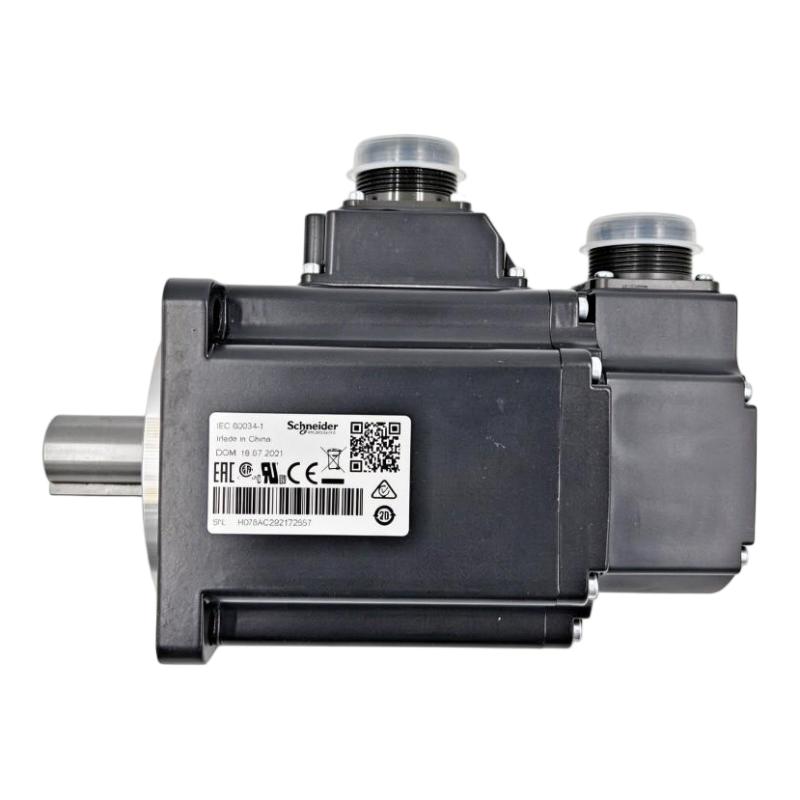
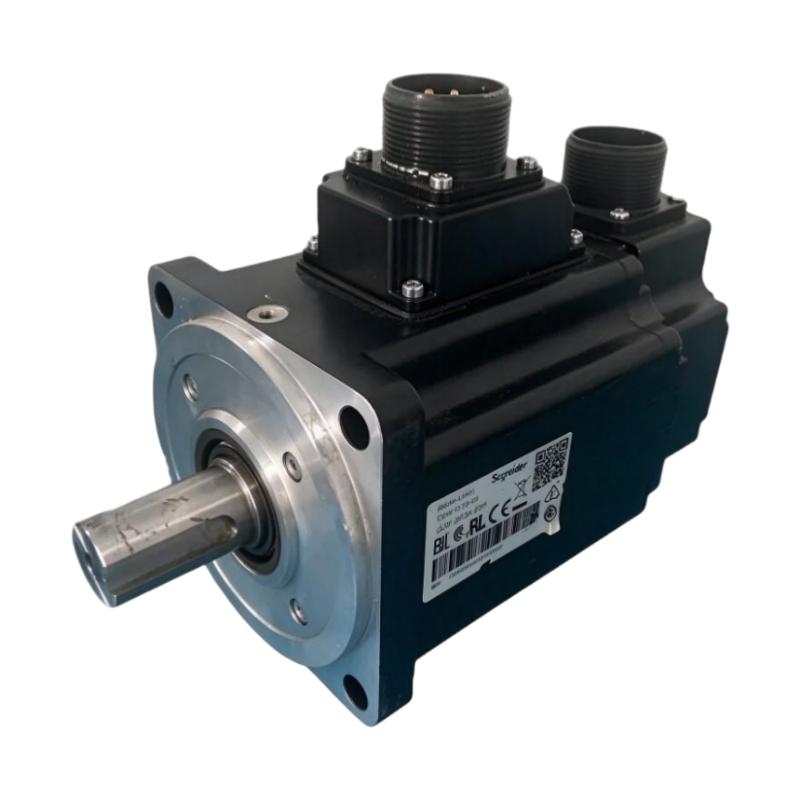
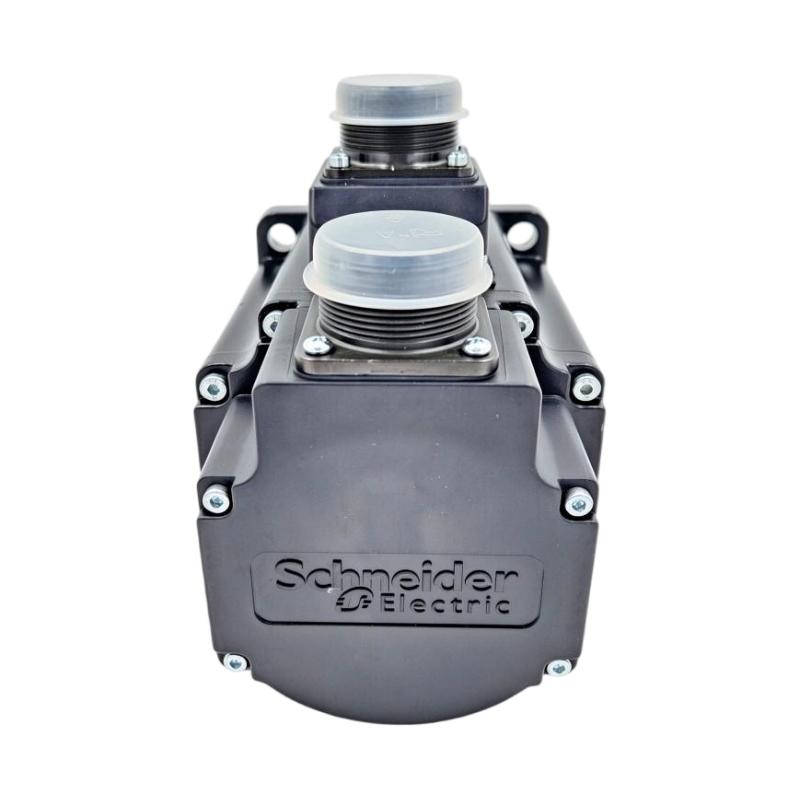
- Schneider
- BCH2LH1033CA6C
- Servo Motor
- France
- 70 mm
- 4.6 kg
- Xiamen, China
- New & In Stock
- T/T, PayPal, Western Union
- 1 Year
- 1-3 Working Days
- DHL, UPS, TNT, FedEx and EMS.
- 24-Hour Service
- COO
- 7
Our advantage

Global Logistics
We have a 10-year logistics and express cooperation agreement, so our products can be shipped to any place in the world.

Brand new and original
Our products are imported in bulk from the place of origin. Because of the cooperative relationship, our products are all original and 100% new.

24-hour service
We provide 7*24 hours service to our customers. We will be there whenever you need us.

Price advantage
All our products are priced very favorably because we have our own warehouse and supply.
| Company Information | |||
| [email protected] | |||
| Mobile | +8615980777398 | ||
| +8615980777398 | |||
| 15980777398 |
Product Overview
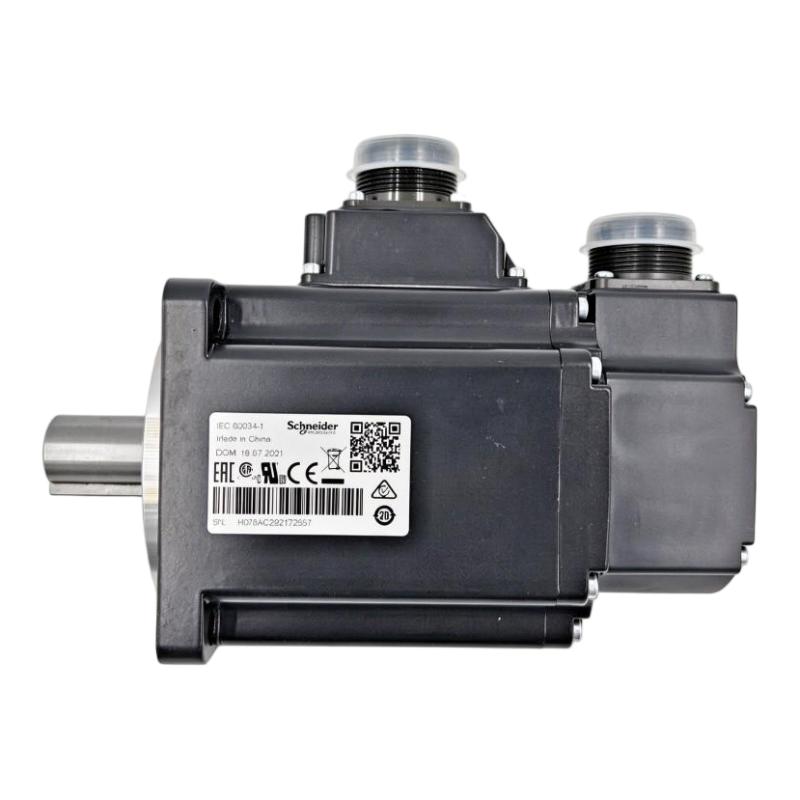
The Schneider Electric BCH2LH1033CA6C Servo Motor is a brushless AC servo motor designed for precision motion-control applications in industrial automation systems. It belongs to the BCH2 motor family within the Lexium 28 product range and is intended to work with compatible Schneider Electric servo drives.
Servo motors are widely used in automated machinery where accurate speed regulation, controlled torque, and repeatable motion are important. Unlike conventional induction motors operating primarily at fixed or variable speeds, servo motors operate as part of a closed-loop motion-control system. Feedback from an encoder allows the servo drive to monitor motor position and speed and adjust its output accordingly.
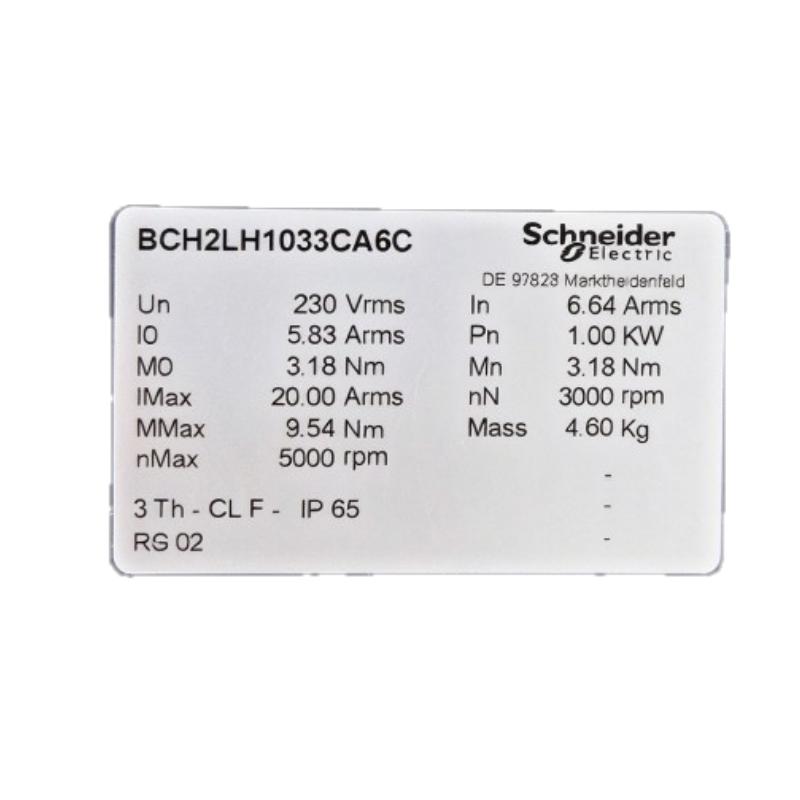
The BCH2LH1033CA6C has a rated output power of 1 kW and a nominal speed of 3000 rpm. Its maximum mechanical speed is 5000 rpm, while its nominal torque is 3.18 N·m. The motor operates with a rated supply voltage of 220 V and supports compatible single-phase or three-phase servo-drive configurations, depending on the selected drive.
This model incorporates a 20-bit single-turn absolute encoder for motion feedback. Its mechanical configuration includes a keyed shaft, an oil seal, and a straight connector arrangement. It uses a 100 mm flange and does not include a holding brake.
The BCH2LH1033CA6C is suitable for machine builders and industrial maintenance teams working with compatible Lexium 28 motion-control systems. Before selecting or replacing this motor, engineers should confirm the servo-drive model, encoder compatibility, electrical ratings, mechanical mounting dimensions, and required braking functions.
Technical Specifications
| Parameter | Specification |
|---|---|
| Brand | Schneider Electric |
| Product Model | BCH2LH1033CA6C |
| Product Series | BCH2 |
| Compatible Product Range | Lexium 28 |
| Product Type | AC Servo Motor |
| Rated Output Power | 1000 W / 1 kW |
| Rated Supply Voltage | 220 V |
| Supported Supply Configuration | Single-phase or three-phase drive configuration, subject to compatibility |
| Nominal Speed | 3000 rpm |
| Maximum Mechanical Speed | 5000 rpm |
| Nominal Torque | 3.18 N·m |
| Peak Stall Torque | 9.54 N·m |
| Continuous Stall Current | 5.83 A |
| Maximum Permanent Current | 6.64 A |
| Feedback Type | 20-bit single-turn absolute encoder |
| Holding Brake | Not included |
| Motor Flange Size | 100 mm |
| Shaft Type | Keyed shaft |
| Shaft Diameter | 22 mm |
| Shaft Length | 45 mm |
| Key Width | 8 mm |
| Electrical Connection | MIL connector |
| Shaft Seal | Oil seal |
| Cooling Method | Natural convection |
| Dimensions | Confirm against the manufacturer’s mechanical drawing |
| Weight Provided | 4.6 kg |
Note: The 100 mm flange size is the specification associated with this exact model. The 4.6 kg weight is retained from the supplied product listing and should be checked against the physical unit.
Function and Working Principle
The BCH2LH1033CA6C converts electrical energy into controlled mechanical rotation. It is designed to operate with a compatible servo drive that regulates the motor’s current, voltage, speed, and torque.
1. Brushless Servo Motor Operation
The motor uses a brushless design, eliminating the mechanical brushes found in traditional brushed motors. Electronic commutation is handled by the servo drive, which controls the electrical current supplied to the motor windings.
This arrangement supports accurate motor control and reduces maintenance associated with brush wear. It is particularly useful in industrial equipment that performs frequent acceleration, deceleration, and speed changes.
2. Closed-Loop Motion Control
The BCH2LH1033CA6C includes a 20-bit single-turn absolute encoder. This feedback device provides information about the motor’s angular position to the servo drive.
The drive compares the feedback signal with the commanded position or speed. If a difference exists, it adjusts the motor current to reduce the error.
This closed-loop process supports accurate motion control in applications such as automated assembly, packaging, feeding, and material positioning.
3. Torque Generation
The motor has a nominal torque rating of 3.18 N·m and a peak stall torque rating of 9.54 N·m under the specified compatible drive conditions.
The servo drive controls motor current to generate the torque required by the application. During acceleration or when the load changes, the drive adjusts the current to maintain the commanded motion within the motor’s operating limits.
Actual torque capability depends on speed, drive selection, thermal conditions, and the permitted operating duty.
4. Speed Regulation
The motor’s nominal speed is 3000 rpm, with a maximum mechanical speed of 5000 rpm.
A compatible servo drive can regulate motor speed according to the machine’s motion commands. This allows equipment to operate at different speeds during production cycles and supports controlled transitions between operating conditions.
The maximum mechanical speed should not be treated as the continuous operating speed for every application. Engineers must consider torque requirements, load inertia, temperature, and the drive’s operating limits.
5. Absolute Encoder Feedback
The integrated 20-bit single-turn absolute encoder provides position information within one mechanical revolution. This allows the servo system to identify the rotor’s angular position without relying solely on incremental movement counting.
The encoder is important for applications that require repeatable positioning and coordinated motion. The servo drive must support the motor’s specific feedback interface and configuration.
Role in Industrial Automation Systems
The BCH2LH1033CA6C is normally installed as part of a complete servo-control system. Its performance depends on the interaction between the motor, servo drive, controller, feedback device, and mechanical load.
Servo Drive Integration
A compatible Lexium 28 servo drive supplies the motor with controlled electrical power. It processes motion commands and encoder feedback to regulate motor speed, position, and torque.
The drive must be selected according to the motor’s rated power, voltage, current, feedback type, and required operating performance.
PLC and Motion Controller Coordination
A PLC or motion controller can coordinate servo operation with sensors, actuators, conveyors, and other machine components.
Depending on the system architecture, the controller sends motion commands to the servo drive, which then controls the motor. This arrangement allows the motor to operate as part of a complete automated production sequence.
HMI Monitoring
An HMI can provide operators with access to machine status, operating parameters, alarms, and production information. In many installations, the HMI communicates with the PLC or motion controller rather than directly with the motor.
This makes it possible to monitor servo-controlled equipment from a central operator station.
Mechanical Transmission
The motor shaft can connect to a machine through suitable couplings, pulleys, gears, or other transmission components.
The keyed shaft provides a mechanical feature for torque transmission. Correct alignment and mechanical fastening are important to prevent vibration, excessive bearing loads, and premature wear.
Industrial Applications
The BCH2LH1033CA6C is designed for applications requiring controlled motion, accurate speed regulation, and repeatable positioning. Its 1 kW power rating makes it relevant to appropriately sized industrial machines.
1. Packaging Machinery
Packaging machines often require accurate control of feeding, sealing, cutting, and material-transfer mechanisms.
A servo motor can coordinate movement with the production sequence and support repeatable machine cycles. Encoder feedback allows the servo drive to monitor motor position and speed during operation.
2. Automated Assembly Equipment
Automated assembly systems use servo motors to control mechanical movement during component handling, insertion, and positioning.
The BCH2LH1033CA6C can be considered for compatible motion axes where its power, torque, speed, and feedback characteristics meet the machine requirements.
3. Material Handling Systems
Servo motors are used in compact conveyors, transfer mechanisms, and positioning equipment that require controlled acceleration and deceleration.
The motor can support coordinated movement between different machine sections when integrated with an appropriate motion controller.
4. Labeling and Printing Machinery
Labeling and printing equipment often requires synchronized movement between rollers, feeding mechanisms, and product transport systems.
Servo-based motion control can help maintain consistent speed and timing, supporting repeatable production quality.
5. Textile and Light Manufacturing Machinery
Textile and light manufacturing equipment may use servo motors for feeding, winding, cutting, and positioning operations.
The motor’s feedback capability can support controlled movement when correctly integrated with the drive and machine-control system.
6. General Industrial Automation
The BCH2LH1033CA6C may also be suitable for auxiliary motion axes, compact production machinery, and automated equipment requiring a 1 kW servo motor.
Application suitability should always be checked against the required torque, speed, acceleration, duty cycle, and mechanical load.
Installation and System Integration
Correct installation is essential for maintaining servo motor performance and avoiding unnecessary mechanical or electrical problems.
1. Verify Servo Drive Compatibility
Before installation, confirm that the selected servo drive supports the BCH2LH1033CA6C.
Check the drive’s rated voltage, power capacity, continuous current, peak current, and encoder compatibility. A drive with a similar power rating is not necessarily suitable if its feedback interface or electrical characteristics differ.
2. Confirm Mechanical Mounting
This model uses a 100 mm flange. The mounting dimensions, bolt-hole pattern, shaft position, and centering collar should be checked against the manufacturer’s mechanical drawing.
Although the flange size is an important selection parameter, it does not describe every mounting dimension. Verify the complete mechanical interface before installing the motor.
3. Check Shaft and Coupling Alignment
The motor has a keyed shaft with a 22 mm diameter and a 45 mm shaft length.
The connected coupling, pulley, or gearbox must match the shaft dimensions and key arrangement. Avoid excessive radial or axial loading, and ensure that the motor and driven equipment are properly aligned.
Incorrect alignment can cause vibration, bearing damage, and reduced service life.
4. Connect the Encoder and Power Cables
The motor uses a MIL electrical connector and an integrated absolute encoder.
Use the appropriate motor power and feedback cables for the compatible servo drive. Follow the manufacturer’s wiring instructions for connector pin assignments, shielding, grounding, and cable routing.
Power and feedback cables should be installed in accordance with the system’s electromagnetic compatibility requirements.
5. Configure Servo Parameters
After electrical and mechanical installation, configure the servo drive with the correct motor model and operating parameters.
Relevant settings may include:
- Motor identification and rated data.
- Position and speed command sources.
- Acceleration and deceleration profiles.
- Torque limits.
- Encoder feedback configuration.
- Travel limits and machine interlocks.
- Alarm and protection settings.
Use the manufacturer’s recommended configuration procedure rather than entering estimated values.
6. Perform Commissioning Tests
Before operating the machine at full speed, verify the motor direction, encoder feedback, mechanical alignment, and command response.
Test low-speed operation first, then gradually increase the operating range while monitoring vibration, temperature, current, and positioning performance.
Confirm that emergency-stop circuits and other machine safety functions operate independently of normal motion commands.
Compatible System Components
The BCH2LH1033CA6C is intended to work with compatible motion-control equipment. The following components are typical elements of a servo installation.
| Component | Function | Integration Considerations |
|---|---|---|
| Lexium 28 servo drive | Controls motor current, speed, and position | Confirm exact motor and feedback compatibility |
| PLC or motion controller | Generates machine and motion commands | Check supported control interfaces and motion functions |
| HMI | Provides operator monitoring and control | Usually communicates through the controller or automation network |
| Motor power cable | Supplies electrical power to the motor | Confirm connector type, current rating, and cable length |
| Encoder feedback cable | Transfers position feedback to the servo drive | Must match the motor’s encoder and drive interface |
| Mechanical coupling | Connects the motor shaft to the machine | Match the 22 mm keyed shaft and load requirements |
| Gearbox | Adjusts torque and speed for the application | Verify ratio, backlash, load capacity, and mounting |
| Control cabinet | Houses servo drives and control equipment | Provide adequate ventilation and electrical protection |
| Protective devices | Support electrical isolation and protection | Select according to the drive and installation requirements |
The table describes typical system components, not items necessarily supplied with the motor.
Alternative Models and Replacement Considerations
When replacing the BCH2LH1033CA6C, engineers should consider both electrical and mechanical compatibility. Selecting another Schneider servo motor based only on its rated power or appearance may result in incorrect operation.
| Alternative or Related Model | Replacement Considerations |
|---|---|
| Schneider BCH2LH1033CF6C | Related BCH2 1 kW motor configuration; compare holding brake and full catalog-number differences |
| Schneider BCH2LH2033CA6C | Higher-power BCH2 motor; requires a new assessment of drive and mechanical compatibility |
| Schneider BCH2HF0733CA5C | Different BCH2 motor configuration and power rating; not a direct substitute without evaluation |
| Schneider BCH2 series motors | Compare flange, shaft, encoder, brake, voltage, and power specifications |
| Schneider Lexium 28-compatible servo motor | Confirm the motor-drive combination and feedback interface before replacement |
Before selecting an alternative, check:
- Rated voltage and power.
- Nominal and peak torque.
- Nominal and maximum speed.
- Continuous and peak current.
- Motor flange and mounting dimensions.
- Shaft diameter, length, and key dimensions.
- Encoder type and resolution.
- Holding brake configuration.
- Electrical connector and cable arrangement.
- Servo-drive compatibility.
- Mechanical load and duty cycle.
A replacement motor may require drive parameter changes, wiring modifications, or mechanical adaptation. Confirm all relevant specifications before returning the machine to service.
Key Advantages
1 kW Servo Power
The motor provides a 1 kW rated output, making it suitable for appropriately sized industrial motion-control applications.
High-Speed Capability
Its maximum mechanical speed of 5000 rpm supports applications that require relatively high-speed motor operation within the specified operating limits.
Absolute Encoder Feedback
The integrated 20-bit single-turn absolute encoder provides position feedback for compatible servo-control systems.
Brushless Motor Design
The brushless construction avoids brush-related wear and supports electronically controlled motor operation.
Keyed Shaft Configuration
The keyed shaft provides a defined mechanical interface for compatible couplings and transmission components.
Integrated Oil Seal
The oil seal helps protect the shaft interface under suitable installation conditions. It does not eliminate the need to follow the motor’s environmental protection requirements.
Lexium 28 Compatibility
The BCH2LH1033CA6C belongs to the Lexium 28 motor range and is designed for use with compatible Schneider Electric servo drives.
Technical FAQs
1. What is the Schneider BCH2LH1033CA6C?
It is a BCH2-series AC servo motor in the Schneider Electric Lexium 28 range. It has a rated output power of 1 kW and is designed for industrial motion-control applications.
2. What is the rated voltage?
The motor’s rated supply voltage is 220 V. The compatible servo drive determines the electrical supply and control arrangement.
3. What is the rated power?
The rated output power is 1000 W, or 1 kW.
4. What is the nominal torque?
The nominal torque is 3.18 N·m under the specified compatible drive conditions. Its documented peak stall torque is 9.54 N·m.
5. What is the maximum speed?
The maximum mechanical speed is 5000 rpm. The nominal speed is 3000 rpm.
6. What is the flange size?
The correct flange size for BCH2LH1033CA6C is 100 mm, not 70 mm. Verify the mounting drawing before ordering a replacement.
7. Does this motor have a holding brake?
No. The BCH2LH1033CA6C is specified without a holding brake. If the application requires the motor shaft to remain mechanically held when power is removed, evaluate an appropriate brake-equipped motor or separate mechanical braking arrangement.
8. What encoder does it use?
It uses a 20-bit single-turn absolute encoder. The compatible servo drive must support the motor’s feedback interface.
9. Which servo drive is compatible?
The motor belongs to the Lexium 28 range and is specified for compatible LXM26D and LXM28 servo-drive configurations at 1 kW and 220 V. Confirm the exact drive model and electrical configuration before installation.
10. What should be checked before purchasing?
Verify the complete model number, flange size, rated power, voltage, encoder, brake configuration, shaft dimensions, connector condition, and physical condition. For used equipment, request clear photographs and suitable functional-test information.
Procurement and Maintenance Recommendations
When sourcing the Schneider BCH2LH1033CA6C, confirm the complete catalog number rather than relying only on the BCH2 series designation. Different models may have different power ratings, shaft configurations, feedback systems, and holding-brake options.
For replacement projects, check the existing servo drive and confirm that it supports the motor’s electrical ratings and encoder interface. The 100 mm flange, keyed shaft, and absence of a holding brake should also be considered during mechanical and safety assessments.
For used or surplus motors, inspect the shaft, keyway, connector, flange, and housing for signs of damage. Check for abnormal shaft resistance, excessive play, corrosion, and contamination around the oil seal. Where possible, request insulation and functional test results from the supplier.
During maintenance, follow the manufacturer’s procedures for motor cleaning, connector inspection, cable management, and mechanical alignment. Monitor operating temperature, vibration, and positioning accuracy. Unusual noise or repeated servo alarms may indicate problems with the motor, feedback cable, drive parameters, or connected mechanical equipment.
Keep the motor’s catalog number and commissioning information in the equipment maintenance records. This can help reduce identification errors and simplify future spare-parts procurement.
Conclusion
The Schneider Electric BCH2LH1033CA6C is a 1 kW BCH2-series AC servo motor designed for compatible Lexium 28 motion-control systems. It features a nominal speed of 3000 rpm, a maximum mechanical speed of 5000 rpm, a nominal torque of 3.18 N·m, and a 20-bit single-turn absolute encoder.
Its mechanical configuration includes a keyed shaft, oil seal, and 100 mm mounting flange, without an integrated holding brake. For industrial replacement and maintenance applications, verifying the complete motor specification and servo-drive compatibility is essential to ensure reliable motion-control performance.